Movement
Conceptual Art
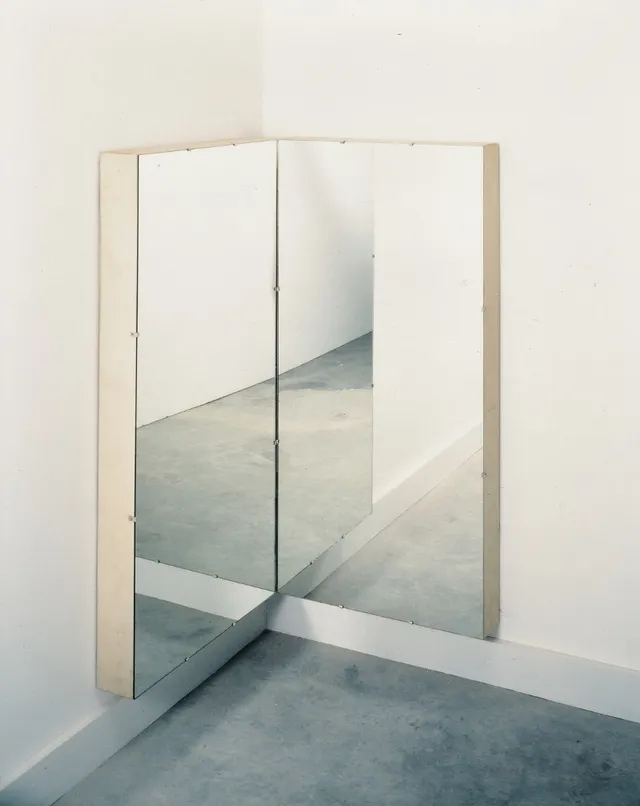
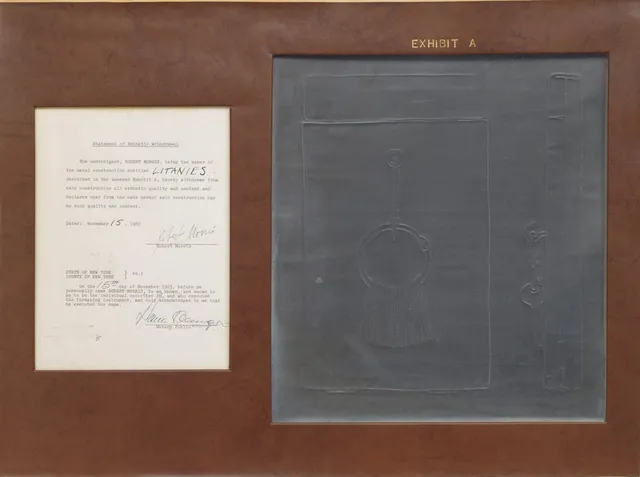
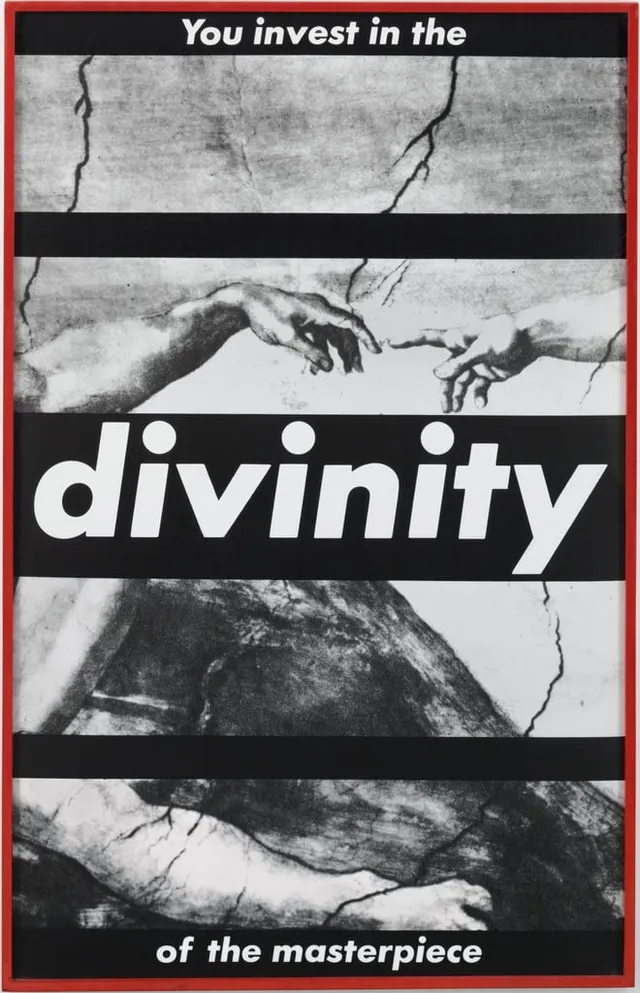
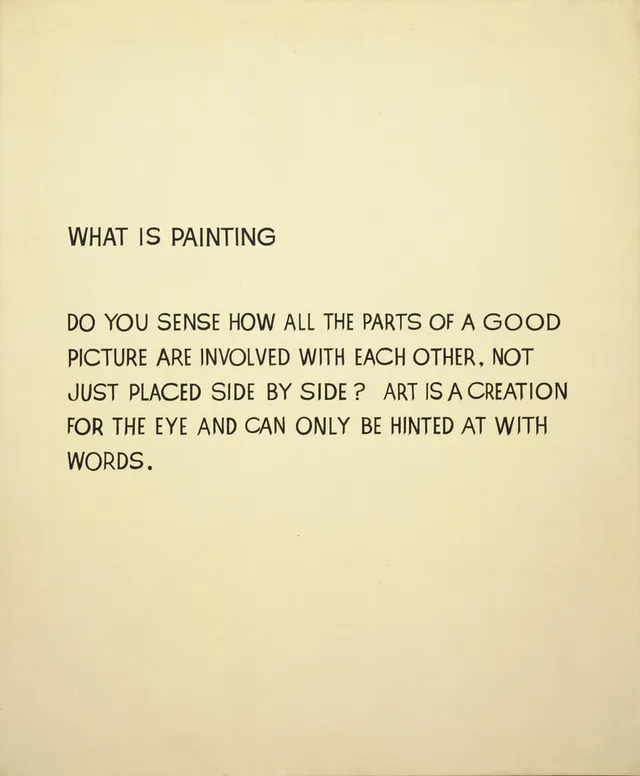
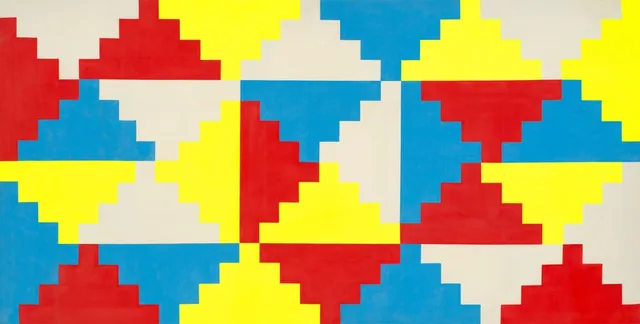
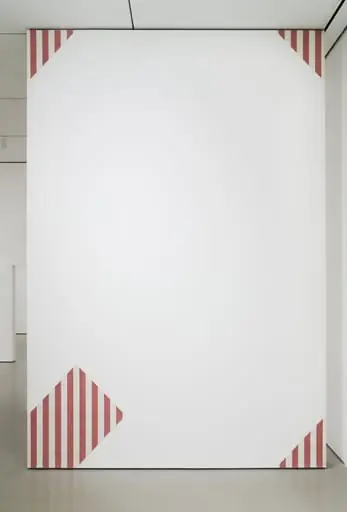
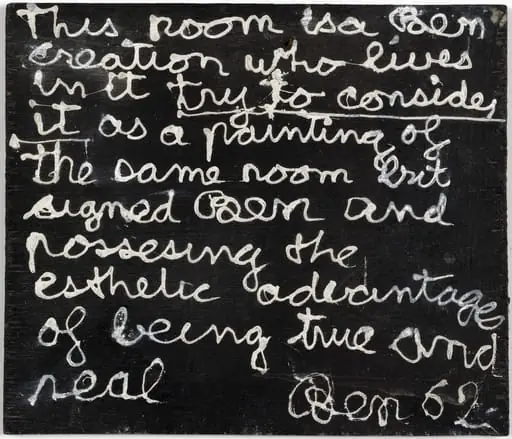
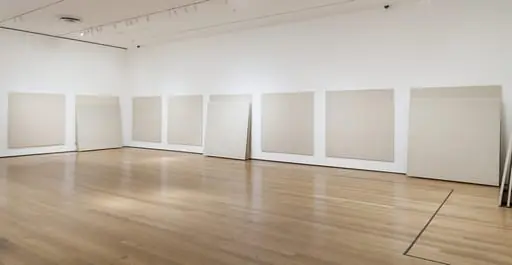
Conceptual Art is an art movement dating from 1960. The gallery holds 21 works in this movement, including works by Marcel Duchamp, Art & Language and Edward Ruscha. Browse Conceptual Art paintings, portraits, pictures and artworks from the world's public-domain museum collections.
Conceptual art was the movement, crystallising in the mid-1960s, that insisted the idea behind a work mattered more than its physical form. Its decisive manifesto came in June 1967, when Sol LeWitt published "Paragraphs on Conceptual Art" in Artforum, declaring that "the idea or concept is the most important aspect of the work" and that, once the planning was done, "the execution is a perfunctory affair"—the idea, he wrote, "becomes a machine that makes the art." The movement emerged in New York and London as a reaction against the polished art object and an increasingly commercial market, and it openly claimed Marcel Duchamp's readymades—above all his 1917 urinal, *Fountain*—as its founding precedent.
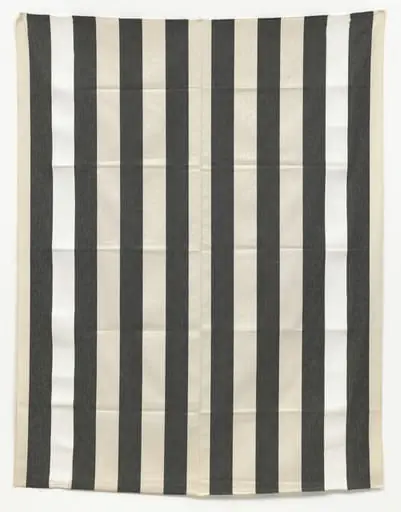
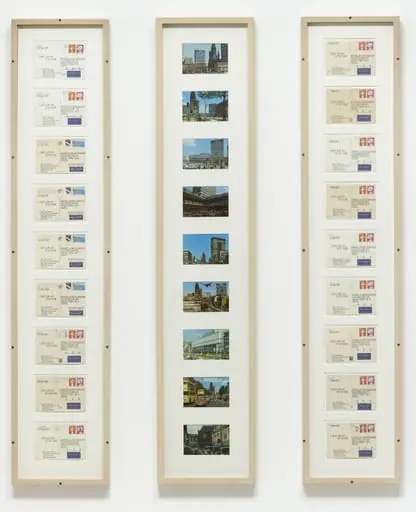
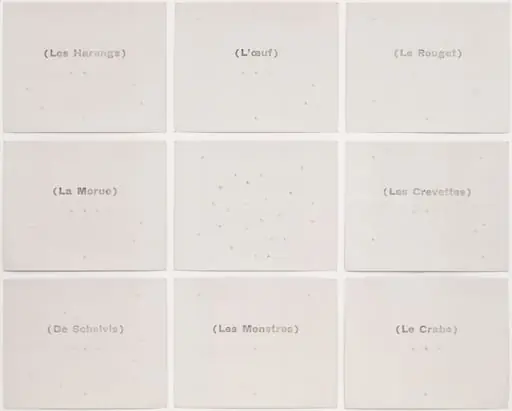
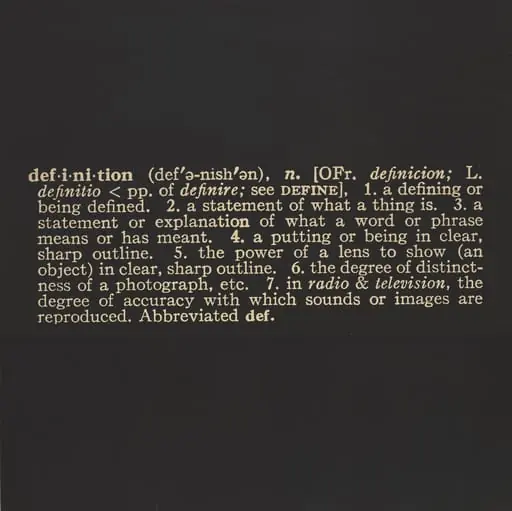
Visually, conceptual art is defined by its refusal of conventional aesthetics. Works take the form of texts, instructions, photographs, maps, diagrams, certificates and documentation rather than painted or sculpted objects—a tendency the critic Lucy Lippard and John Chandler named the "dematerialization" of the art object in 1968, and which Lippard chronicled in her 1973 anthology *Six Years*. Joseph Kosuth's *One and Three Chairs* (1965) is the canonical example: a real chair, a life-size photograph of it, and an enlarged dictionary definition of "chair," staging the gap between object, image and language. Kosuth made the argument explicit in his 1969 essay "Art After Philosophy," treating art as a tautology—"Art is the definition of art."
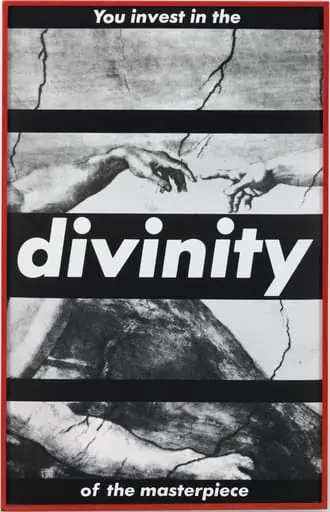
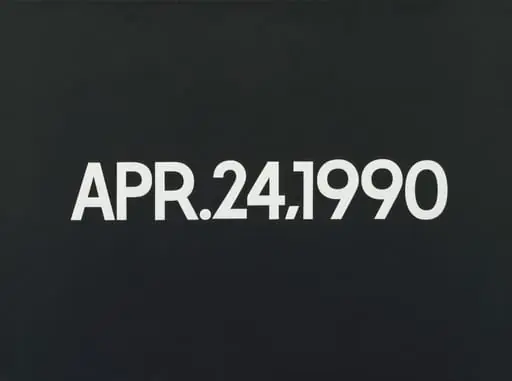
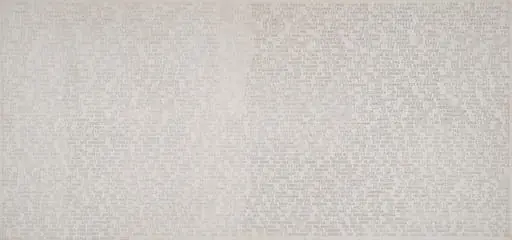
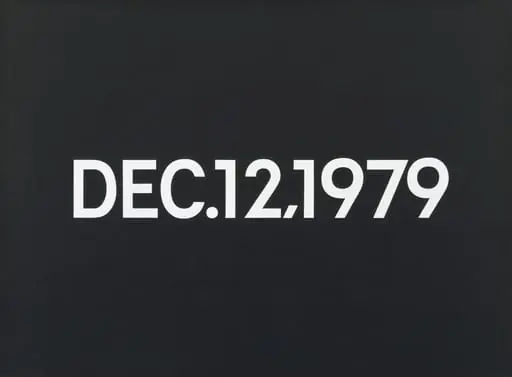
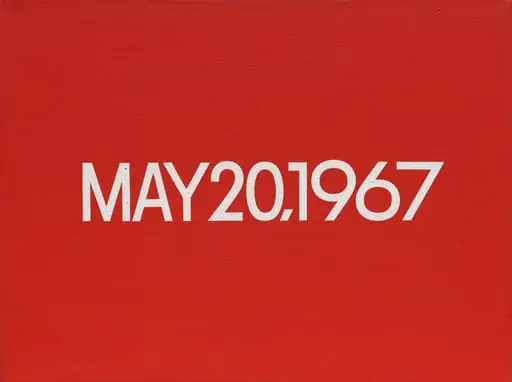
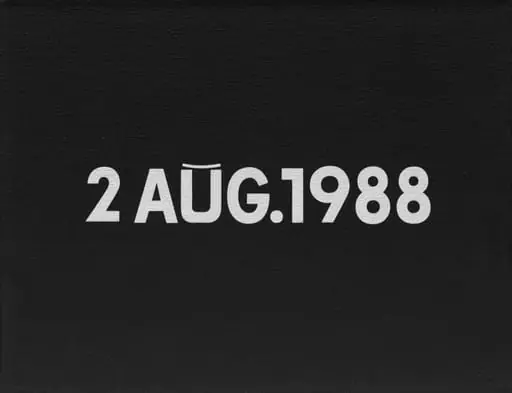
The movement's principal figures include LeWitt, Kosuth, Lawrence Weiner—who from 1968 treated language itself as sculptural material—and On Kawara, whose *Today* series of Date Paintings, begun on 4 January 1966, eventually ran to roughly 3,000 canvases made in 112 cities. In Britain the collective Art & Language, formed around 1968, pursued conceptualism as rigorous text-based inquiry, while Edward Ruscha, John Baldessari and Barbara Kruger bent photography and text toward it.
Conceptual art grew directly out of, and against, minimalism, sharing its austerity while discarding the precious object entirely. Its legacy is enormous: by privileging idea, process and language, it reshaped installation, performance, photo-text and institutional-critique practice, and it remains the bedrock grammar of contemporary art, from post-conceptualism to today's text-and-document-based work.
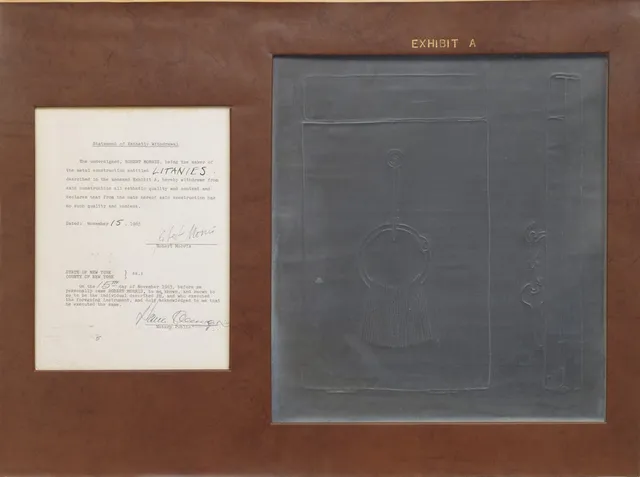
Key artists

Works

Groups & collectives

Frequently asked questions
What is Conceptual Art?
Conceptual Art is an art movement. Art in which the idea or concept is the primary work, with physical execution secondary or incidental.
How many Conceptual Art works does Artifact World Gallery have?
Artifact World Gallery holds 21 public-domain Conceptual Art works, all free to view and download.
Who are the key Conceptual Art artists?
Key Conceptual Art artists in the collection include Marcel Duchamp, Art & Language and Edward Ruscha.
When did Conceptual Art take place?
Conceptual Art dates from around 1960.
Where can I see Conceptual Art works?
Conceptual Art works in the collection are held by Museum of Modern Art and Philippe Méaille Collection.