Movement
Kinetic Art
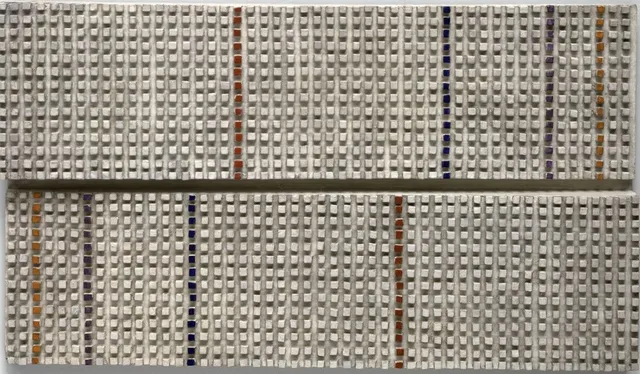
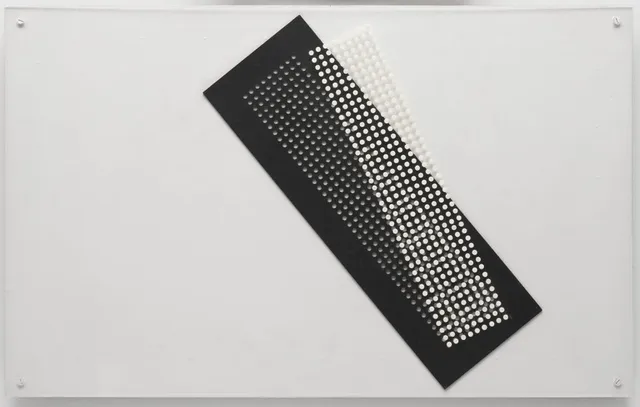
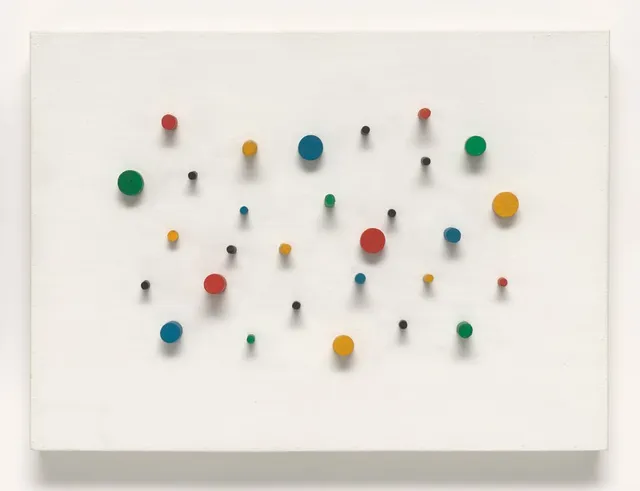
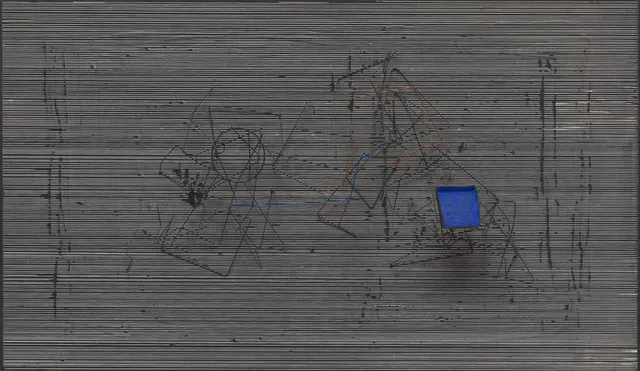
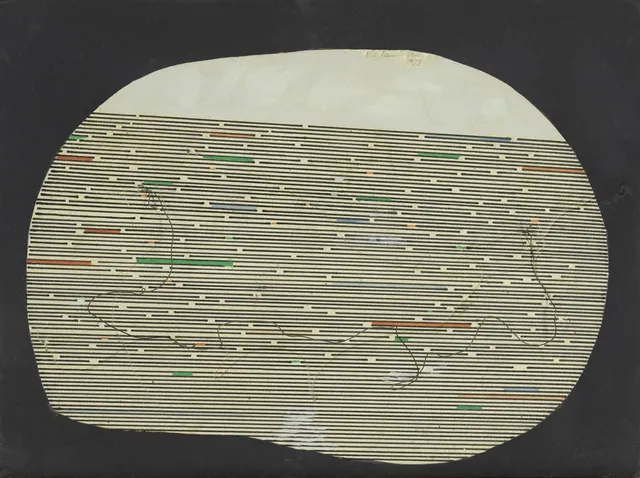
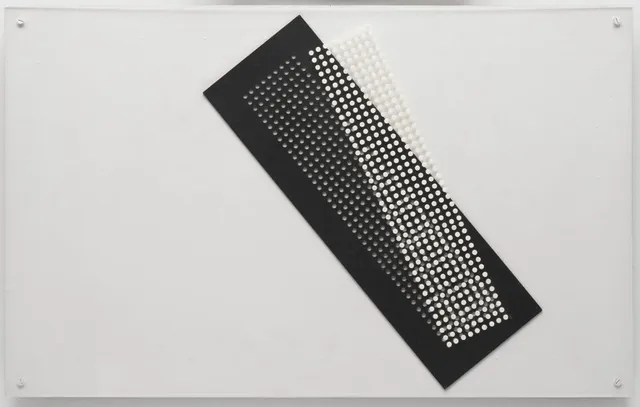
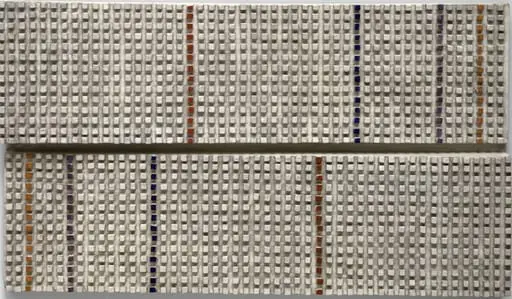
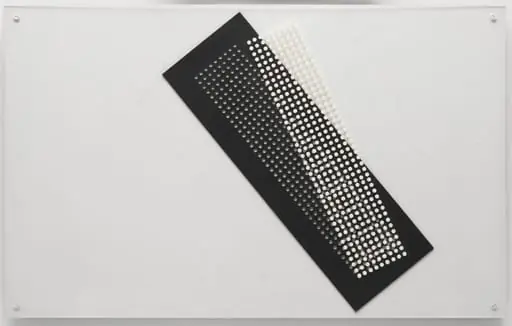
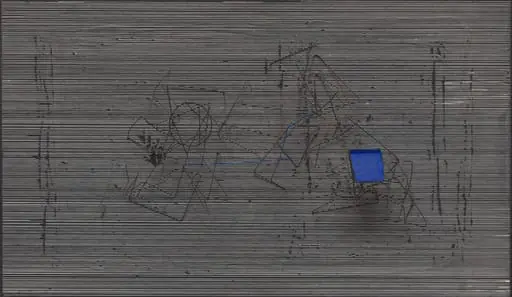
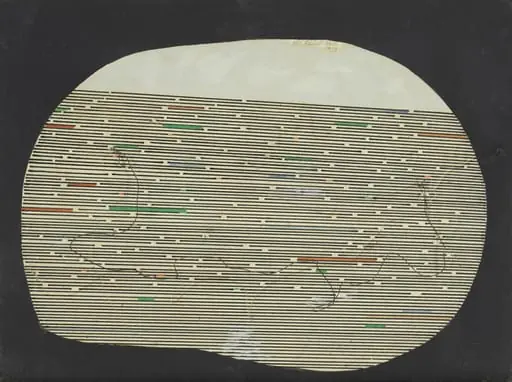
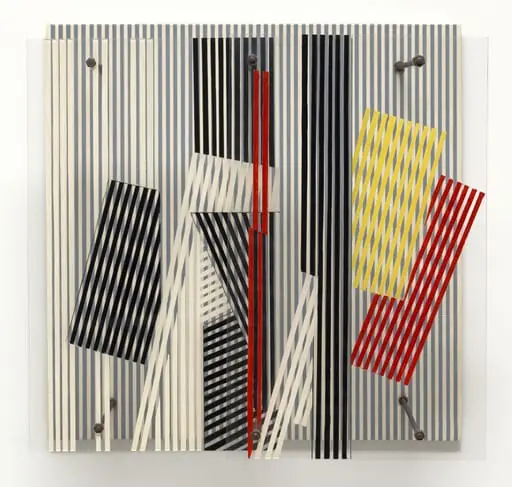
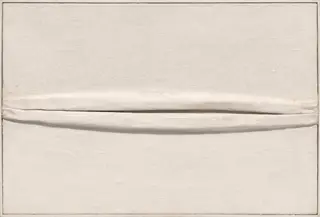
Kinetic Art is an art movement. The gallery holds 9 works in this movement, including works by Jesús Rafael Soto, Carlos Cruz-Diez and Abraham Palatnik. Browse Kinetic Art paintings, portraits, pictures and artworks from the world's public-domain museum collections.
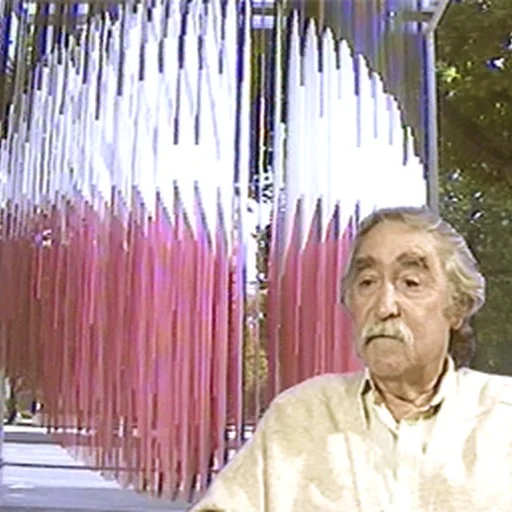
Kinetic art is the genre of art that makes movement its essential subject and material — work that physically moves, or that appears to move as the spectator shifts position. Its roots lie in the early-twentieth-century avant-gardes, particularly Futurism's fascination with speed, Dada's play, and Russian Constructivism's faith in structure and technology. The crucial prototypes appeared around 1913–1920: Marcel Duchamp's "Bicycle Wheel" (1913) and Naum Gabo's motor-driven "Kinetic Construction (Standing Wave)" (1920), the latter often cited as the first true kinetic sculpture. The genre coalesced as a recognised movement only at mid-century, crystallised by the landmark exhibition "Le Mouvement" at the Galerie Denise René in Paris in 1955, which gathered Alexander Calder, Duchamp, Jean Tinguely, Jesús Rafael Soto and Victor Vasarely and effectively named the field.
Kinetic art is defined less by a single look than by an effect: the activation of the artwork in time. Some works move literally — by air current, hand, or motor — while others generate virtual movement through optical vibration, moiré patterns, layered transparent planes, light, and shifting colour. The viewer is rarely passive; many works only complete themselves as the spectator walks past, looks through, or physically intervenes.
Its canonical figures span continents. Calder invented the hanging "mobile" (a term suggested by Duchamp) alongside his grounded "stabiles." Tinguely built mischievous machine-sculptures, culminating in the self-destructing "Homage to New York" (1960). In Paris the Groupe de Recherche d'Art Visuel (GRAV, founded 1960), with Julio Le Parc and François Morellet, pursued participation and perception. A powerful Latin American strand — Venezuela's Soto, Carlos Cruz-Diez and Rubén Núñez, and Brazil's Abraham Palatnik, whose "Kinechromatic" light-machines date from 1949 — joined Israel's Yaacov Agam, whose 1953 solo show was the first devoted wholly to kinetic work.
Kinetic art overlaps closely with Op art, which shares its optical strategies but stays static, and it carries forward Constructivism's union of art, geometry and engineering. Its legacy persists in light, installation, digital and interactive art. This collection's holdings — several untitled works by Soto, alongside pieces by Cruz-Diez and Núñez — reflect the genre's distinguished Venezuelan contribution.
Key artists

Works




Groups & collectives

Frequently asked questions
What is Kinetic Art?
Kinetic Art is an art movement. Art that incorporates actual or apparent movement — mobiles, motorized sculpture, and optical paintings that vibrate as the eye reads them.
How many Kinetic Art works does Artifact World Gallery have?
Artifact World Gallery holds 9 public-domain Kinetic Art works, all free to view and download.
Who are the key Kinetic Art artists?
Key Kinetic Art artists in the collection include Jesús Rafael Soto, Carlos Cruz-Diez and Abraham Palatnik.
Where can I see Kinetic Art works?
Kinetic Art works in the collection are held by Museum of Modern Art and Victoria and Albert Museum.