Movement
Op Art
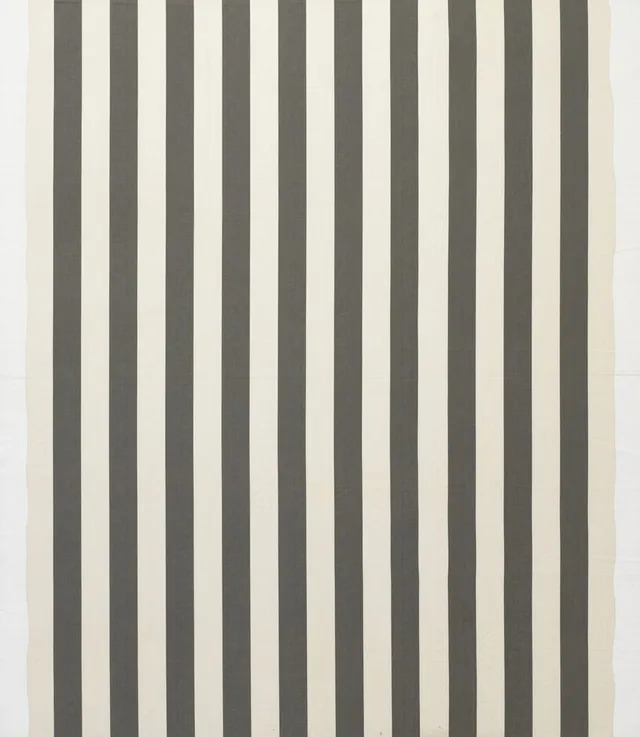
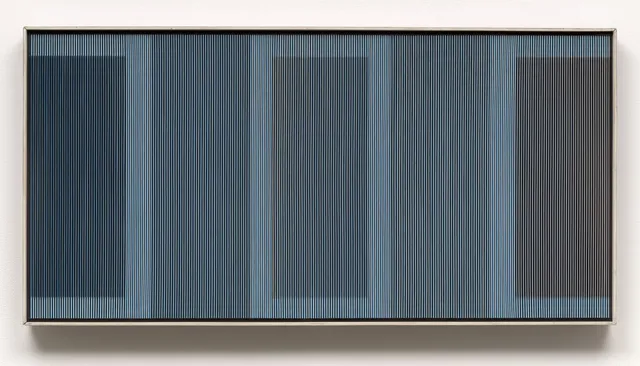
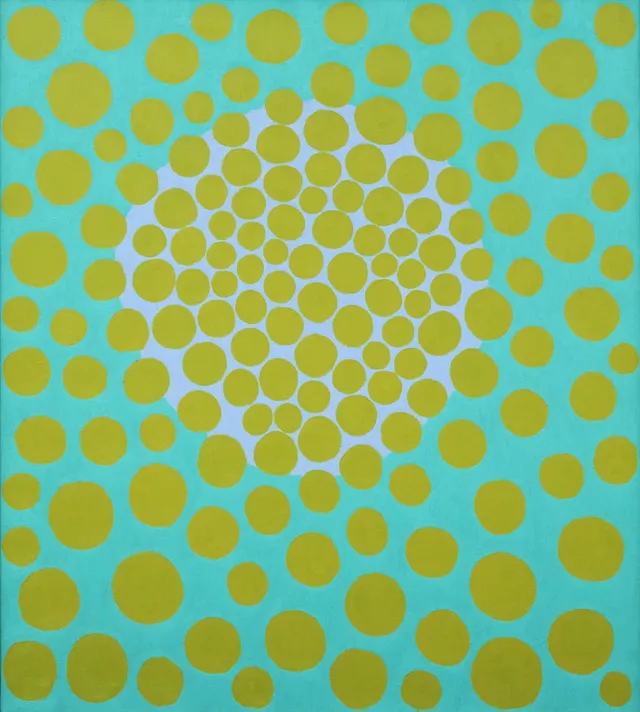
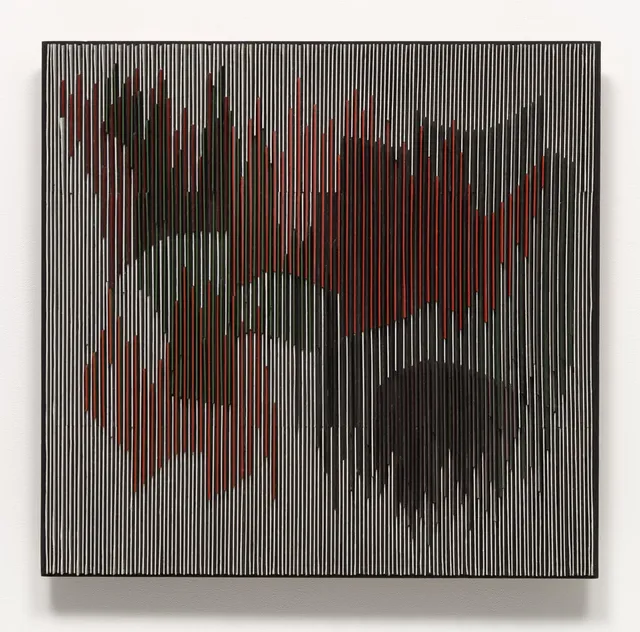
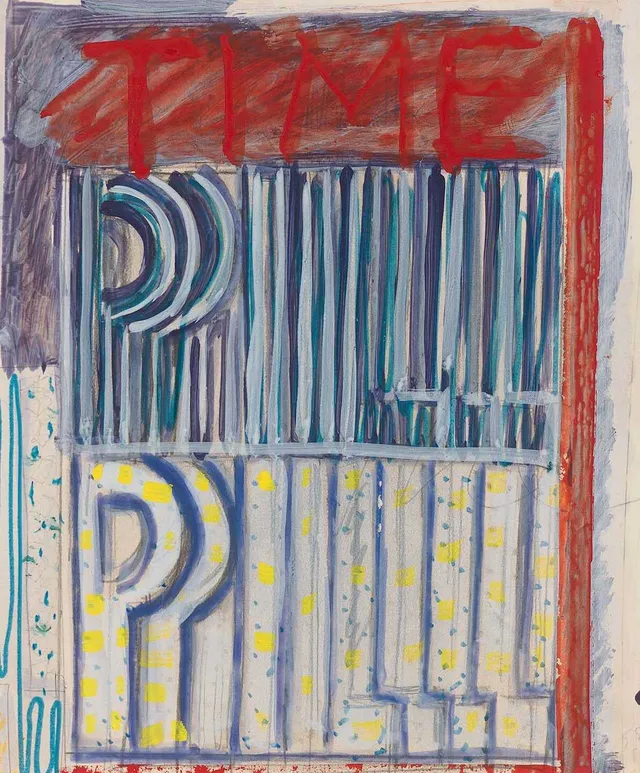
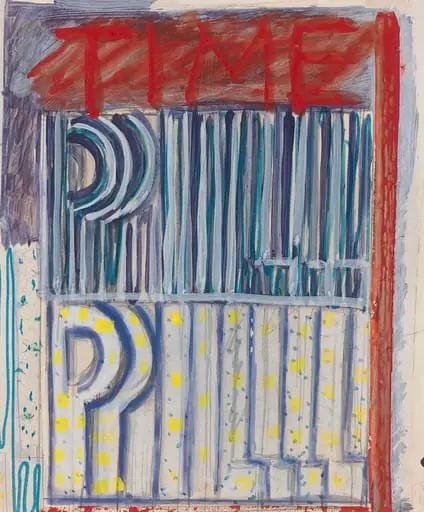
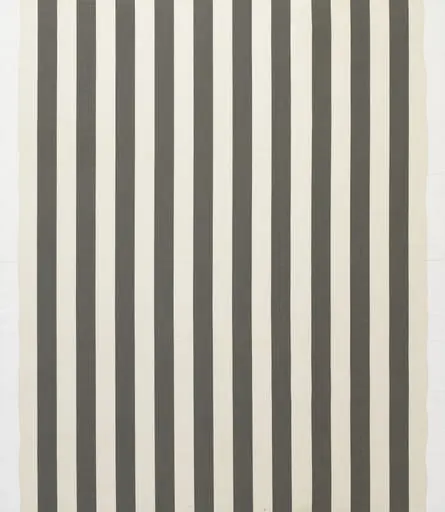
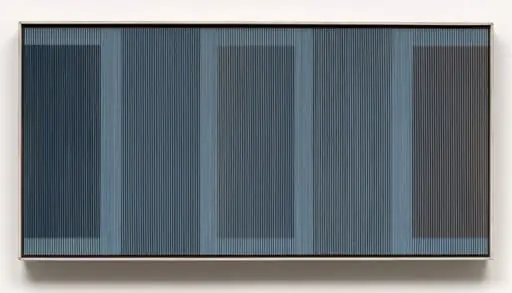
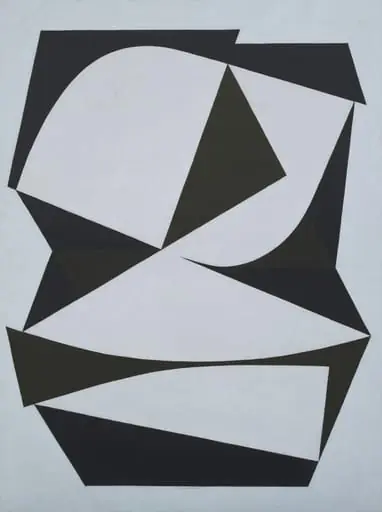
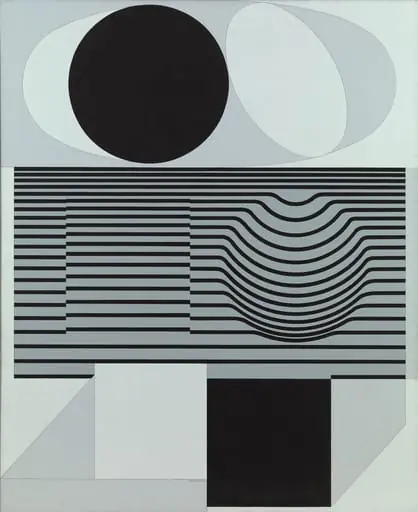
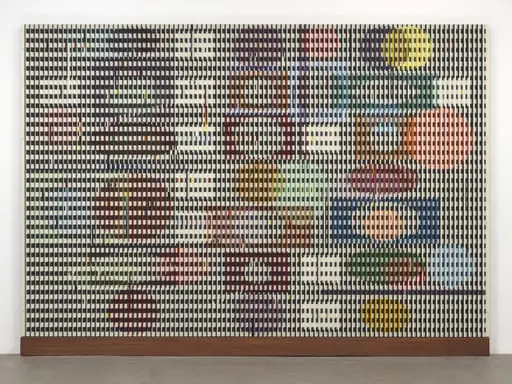
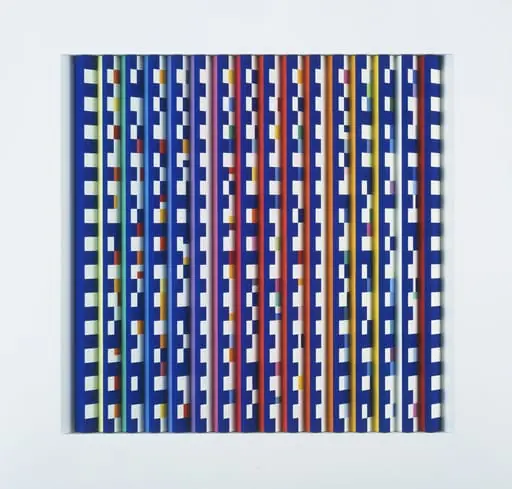
Op Art is an art movement dating from 1960. The gallery holds 15 works in this movement, including works by Chryssa (Vardea-Mavromichali), Josef Albers and Victor Vasarely. Browse Op Art paintings, portraits, pictures and artworks from the world's public-domain museum collections.
Op art—short for "optical art"—emerged in the early 1960s as a precise, perception-driven branch of geometric abstraction. The term was coined by an anonymous writer in Time magazine on 23 October 1964, in the run-up to the movement's landmark exhibition. Its roots, however, reach back further: to the color theory and pictorial discipline of the Bauhaus, where Josef Albers had taught, and to the Hungarian-French painter Victor Vasarely, often called the movement's grandfather, whose 1937 painting Zebra anticipated its black-and-white vibrations decades early. Working in Paris from the 1950s, Vasarely developed an "optical kinetics" built on mathematical calculation and balanced geometric form. Where earlier abstraction expressed emotion or spirit, op art turned the canvas into an instrument for studying how the eye and brain construct vision itself.
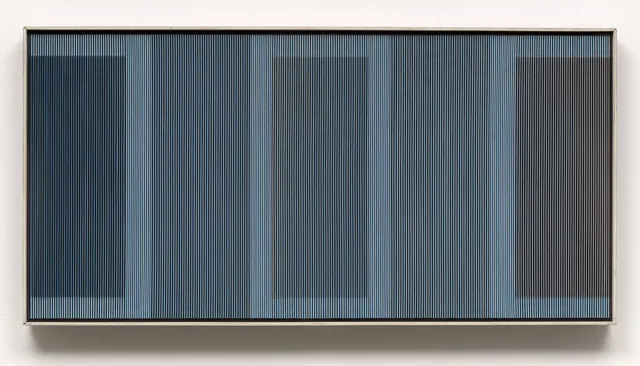
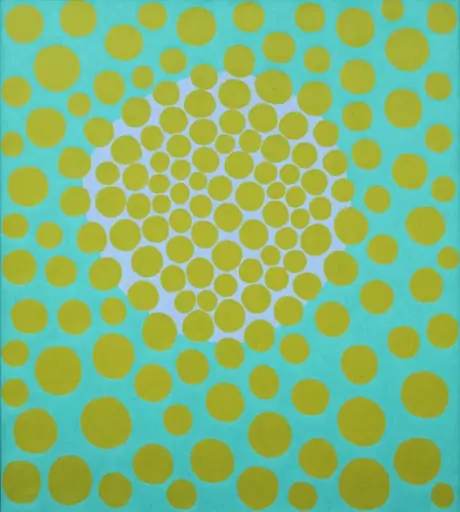
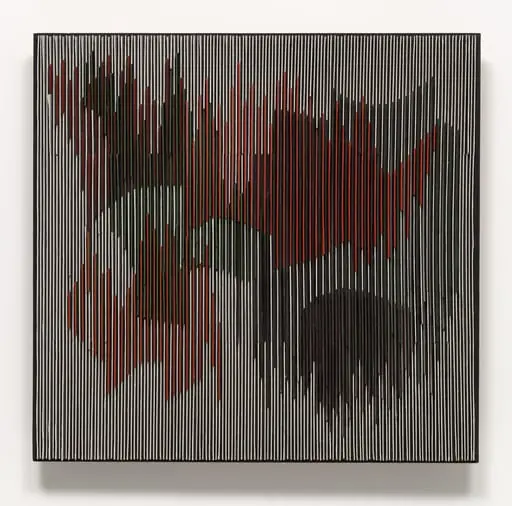
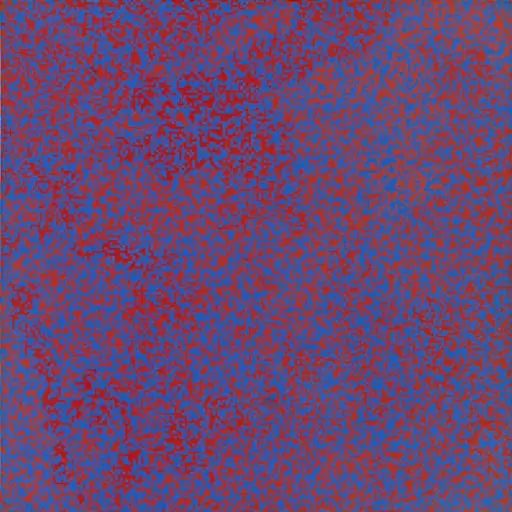
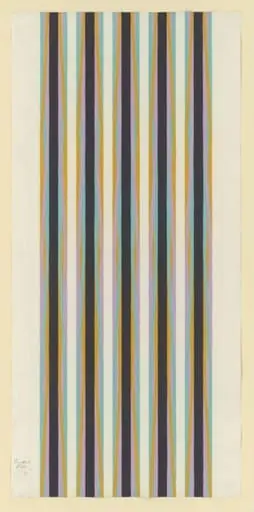
The style's defining trait is the manufacture of movement, flicker, and instability on a flat, static surface. Artists deployed simple repetitive elements—parallel lines, checkerboards, concentric circles, undulating bands—to generate moiré effects, afterimages, and the sensation of pulsing or warping space. A parallel strand exploited chromatic tension, juxtaposing complementary colors of equal intensity so that boundaries shimmer and vibrate. The results are deliberately impersonal and hard-edged, the artist's hand suppressed in favor of an almost scientific control of the viewer's nervous response.
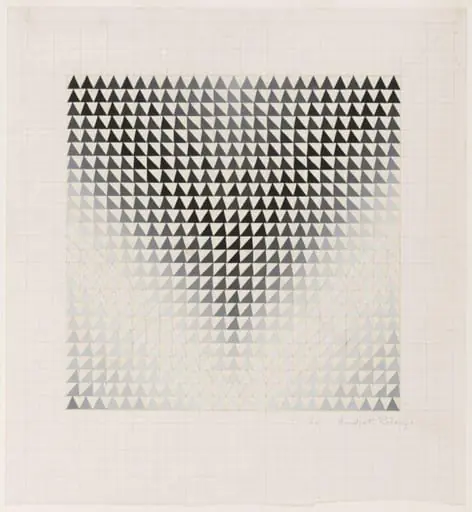
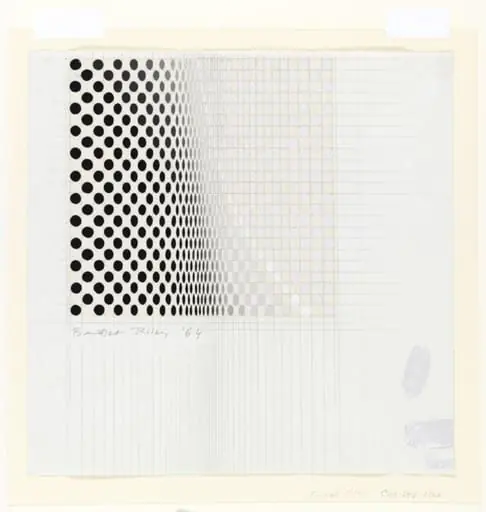
The movement crystallized internationally with The Responsive Eye at New York's Museum of Modern Art in 1965, which gathered more than 120 works by over 75 artists and proved a popular sensation. Its central figures included Vasarely; the British painter Bridget Riley, whose rippling black-and-white canvases such as Movement in Squares (1961) and Current (1964, used on the show's catalogue) became emblems of the style; Josef Albers, whose Homage to the Square series tested color interaction; the American colorist Richard Anuszkiewicz; the French systems painter François Morellet; and the Venezuelan Carlos Cruz-Diez, who pursued color as an autonomous, shifting event.
Op art overlapped closely with kinetic art—several practitioners moved between literal and illusory motion—and shared the Bauhaus inheritance of rational design. Though critics initially dismissed it as a gimmick, its visual language swiftly saturated fashion, graphics, and advertising, and its rigorous investigation of perception left a lasting mark on later abstraction, hard-edge painting, and digital and generative art.
Key artists

Works
Groups & collectives
Frequently asked questions
What is Op Art?
Op Art is an art movement. Optical art — a movement of the 1960s that exploited the physiology of perception to create illusions of vibration, depth, and movement.
How many Op Art works does Artifact World Gallery have?
Artifact World Gallery holds 15 public-domain Op Art works, all free to view and download.
Who are the key Op Art artists?
Key Op Art artists in the collection include Chryssa (Vardea-Mavromichali), Josef Albers and Victor Vasarely.
When did Op Art take place?
Op Art dates from around 1960.
Where can I see Op Art works?
Op Art works in the collection are held by Museum of Modern Art, Victoria and Albert Museum and Metropolitan Organisation of Museums of Visual Arts of Thessaloniki – MOMus.