Movement
Constructivism
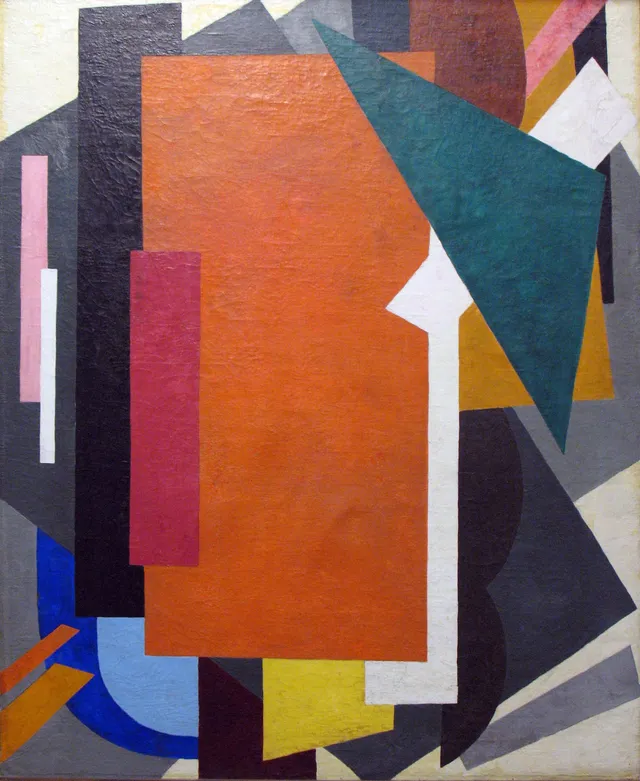
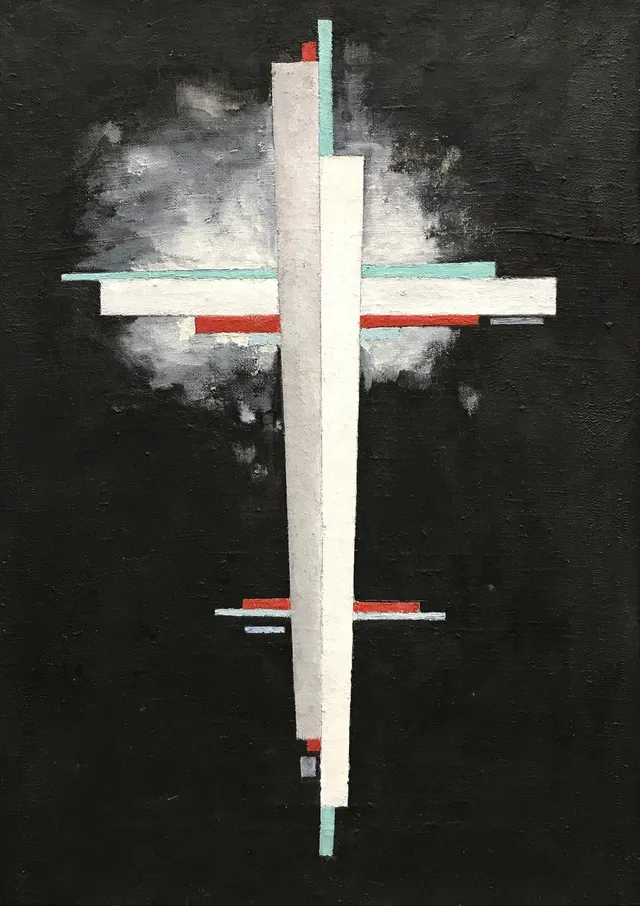
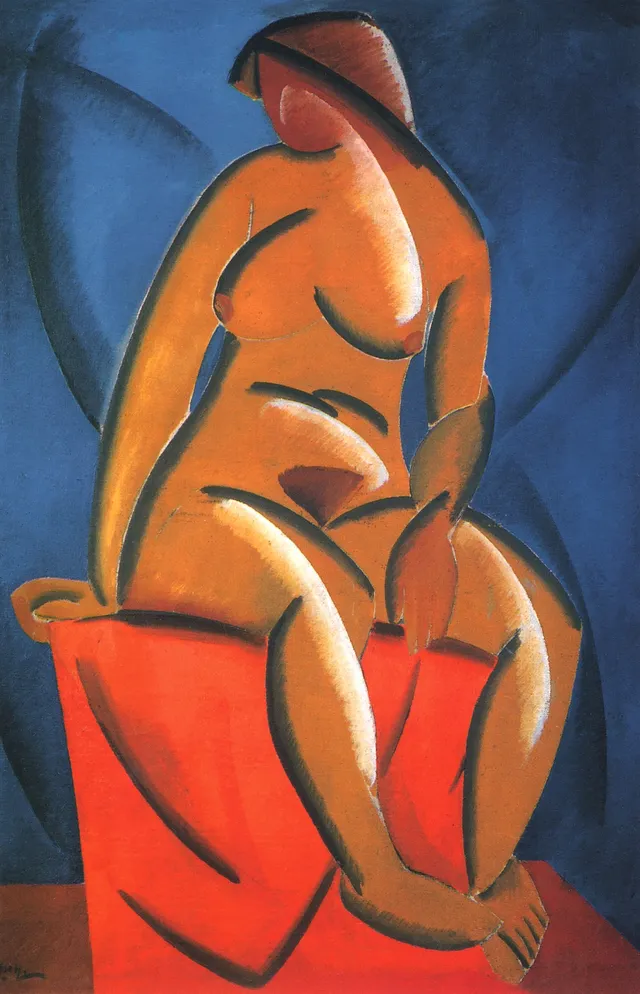
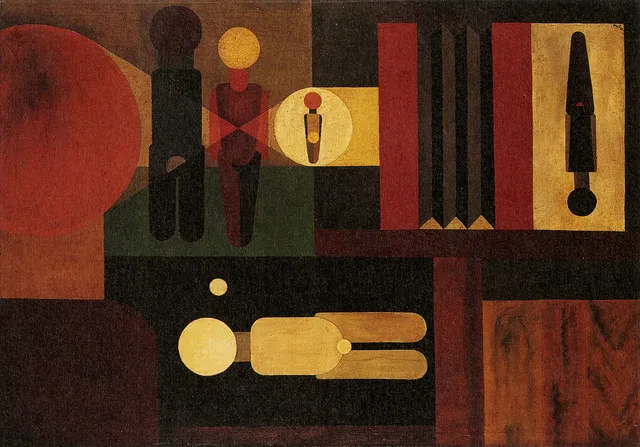
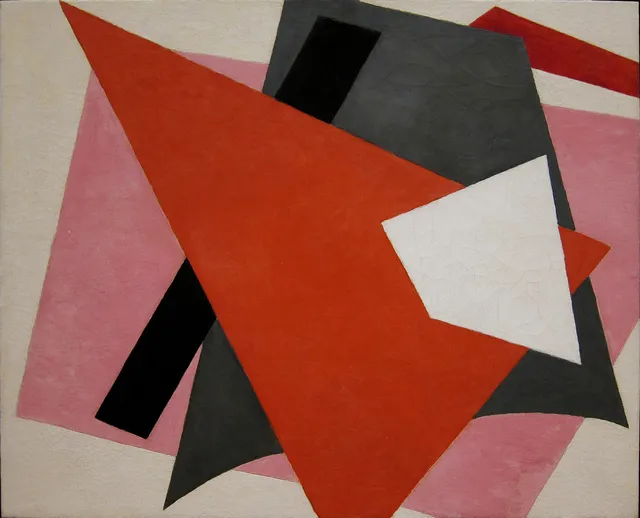
Constructivism is an art movement dating from 1913. The gallery holds 36 works in this movement, including works by Kazimir Malevich, Vladimir Tatlin and László Moholy-Nagy. Browse Constructivism paintings, portraits, pictures and artworks from the world's public-domain museum collections.
Constructivism emerged in Russia around 1915 and crystallised in the years following the 1917 Bolshevik Revolution, when artists sought to dissolve the boundary between art and life and put creative work directly at the service of the new socialist society. Its origin is conventionally traced to Vladimir Tatlin, whose abstract "corner counter-reliefs"—built from metal, wood, wire and glass—were shown around the time of the 0,10 exhibition in Petrograd in 1915. Tatlin had been galvanised by the Cubist constructions he saw in Picasso's Paris studio in 1913, but he pushed the assemblage off the canvas and into real space and real materials. The term "Constructivism" itself was coined by artists in Moscow in 1921 and gained wide currency through the decade.
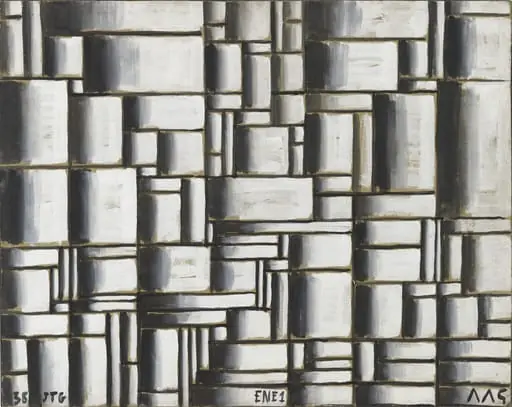
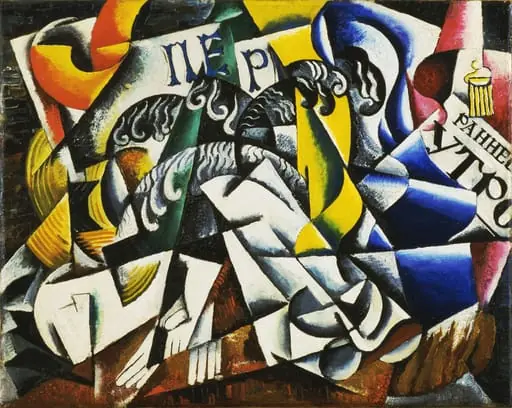
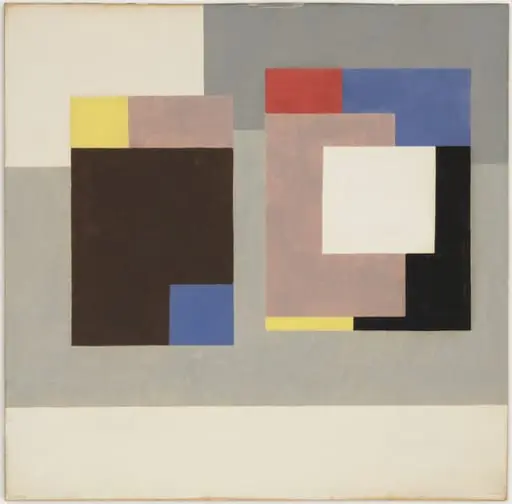
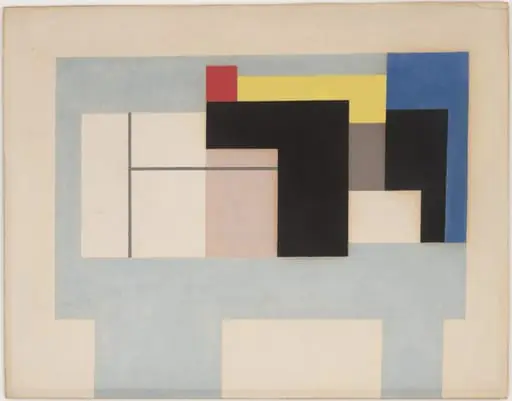
The movement rejected easel painting and "art for art's sake" in favour of "construction": rigorously geometric, abstract and impersonal work built from industrial materials. Constructivists prized faktura (the truth of a material's surface) and tektonika (purposeful structure), favouring clean lines, dynamic diagonals, circles and a stark red-and-black palette. These principles spread into photomontage, bold sans-serif typography, posters, textiles, theatre and architecture.
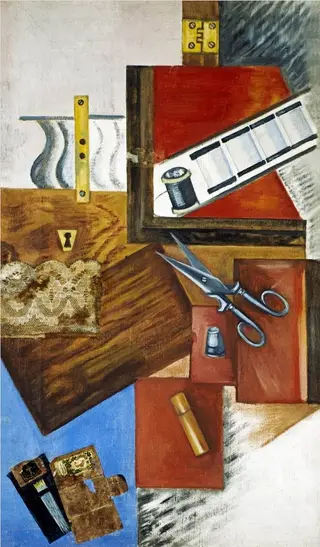
The canonical emblem is Tatlin's Monument to the Third International (1919–20), an unbuilt 400-metre leaning steel-and-glass spiral, taller than the Eiffel Tower, designed to house rotating organs of Soviet government. Alexander Rodchenko and Varvara Stepanova led the utilitarian "Productivist" wing toward mass design, while Lyubov Popova—represented in this collection by her Painterly Architectonic compositions—moved from abstraction into textile and stage design. Gustav Klutsis pioneered political photomontage, El Lissitzky bridged painting and graphics with his Proun works, and Naum Gabo and Antoine Pevsner advanced a more autonomous, kinetic strand in their 1920 Realistic Manifesto.
Constructivism grew alongside Kazimir Malevich's Suprematism and shared the abstract vocabulary of De Stijl and Cubism. Through Lissitzky and László Moholy-Nagy its ideas reached the Bauhaus and the West, decisively shaping modern graphic design, typography, photography and architecture. Within the USSR the movement was extinguished by the early 1930s as Stalin imposed Socialist Realism; Klutsis later died in the purges, yet Constructivism's formal language endures across twentieth-century design.
Key artists

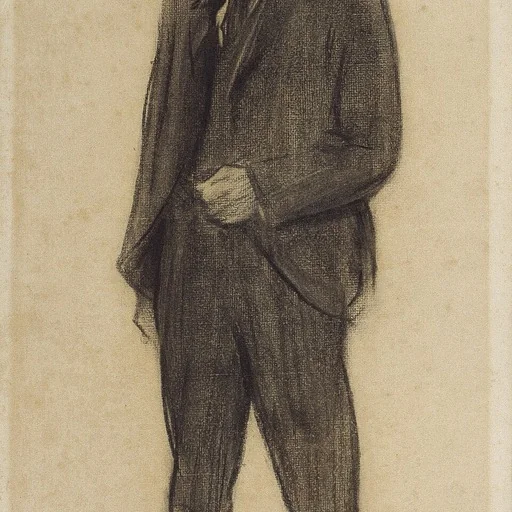
Works
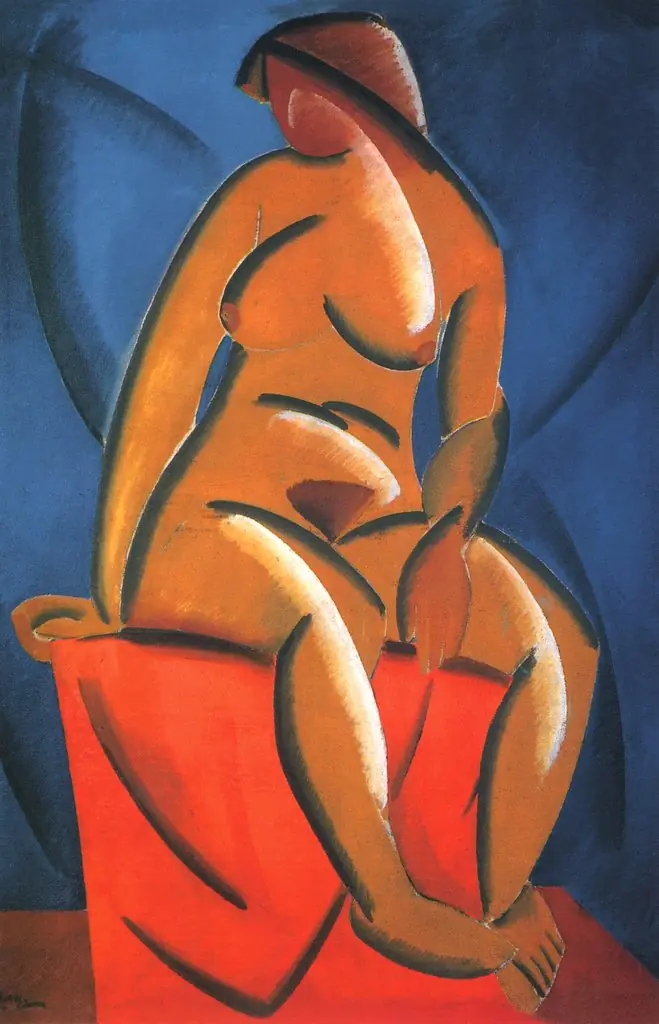 Female Model
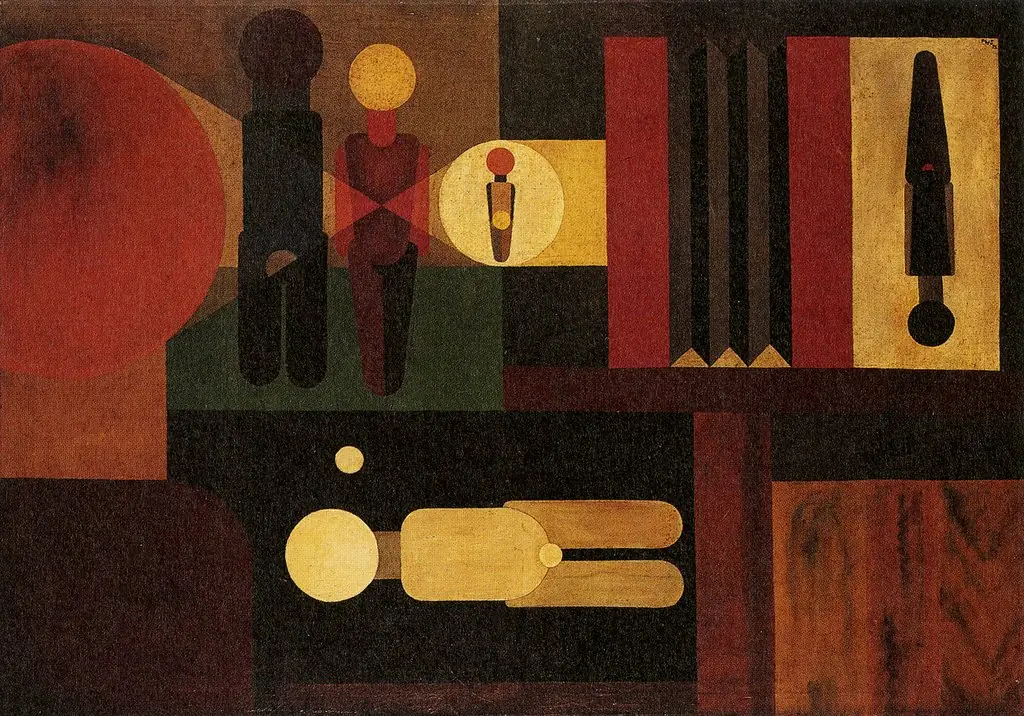 Mural for a Photographer
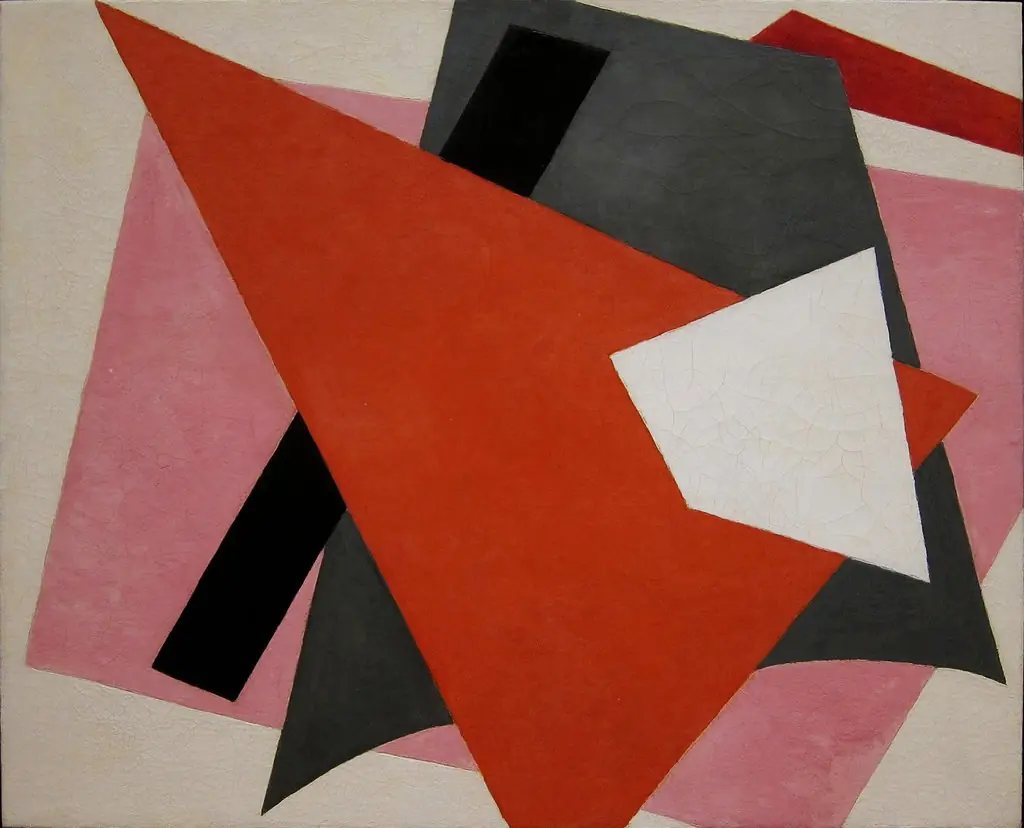 Painterly Architectonic
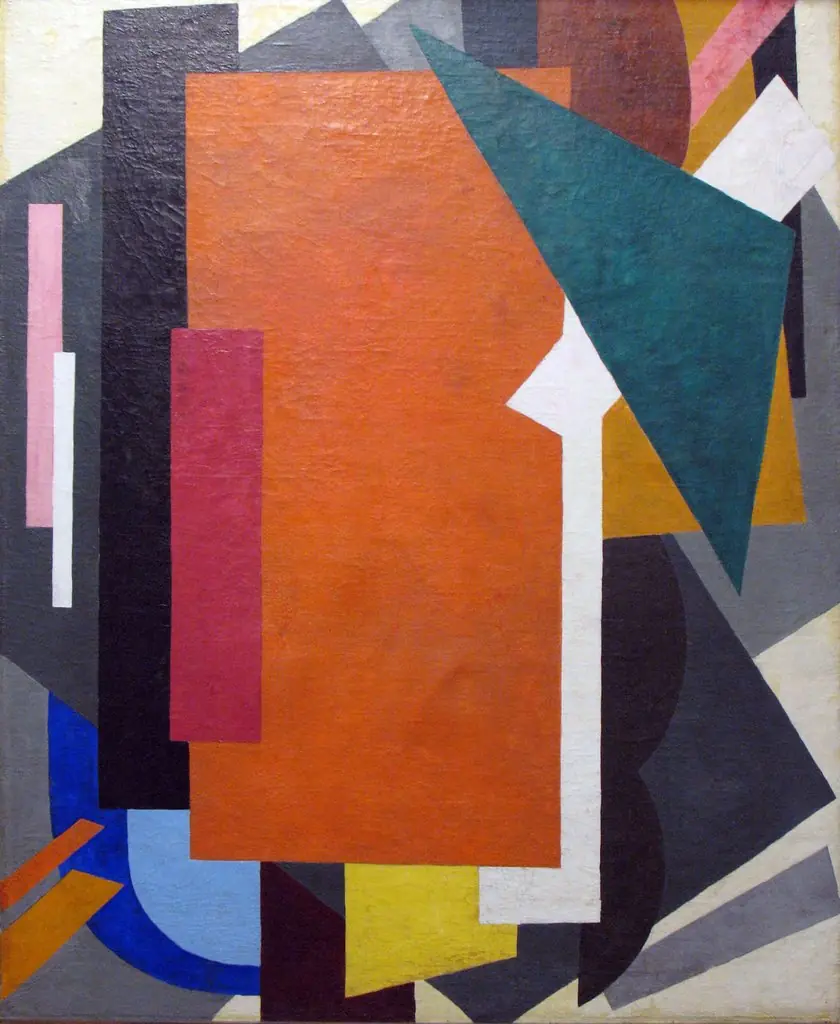 Painterly construction
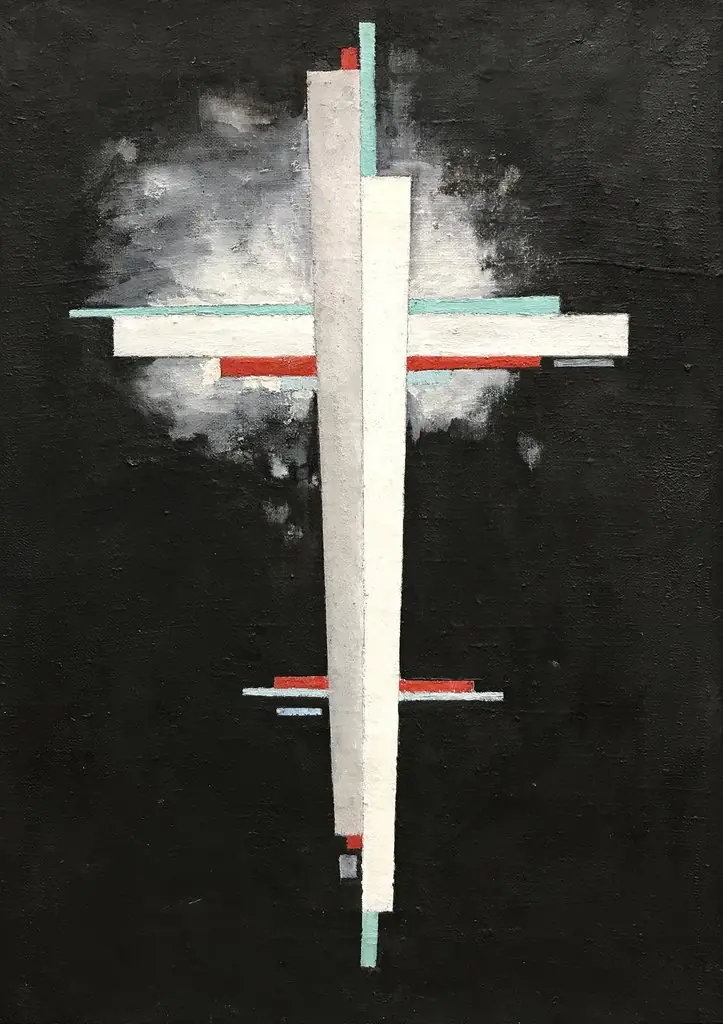 Супрематизм
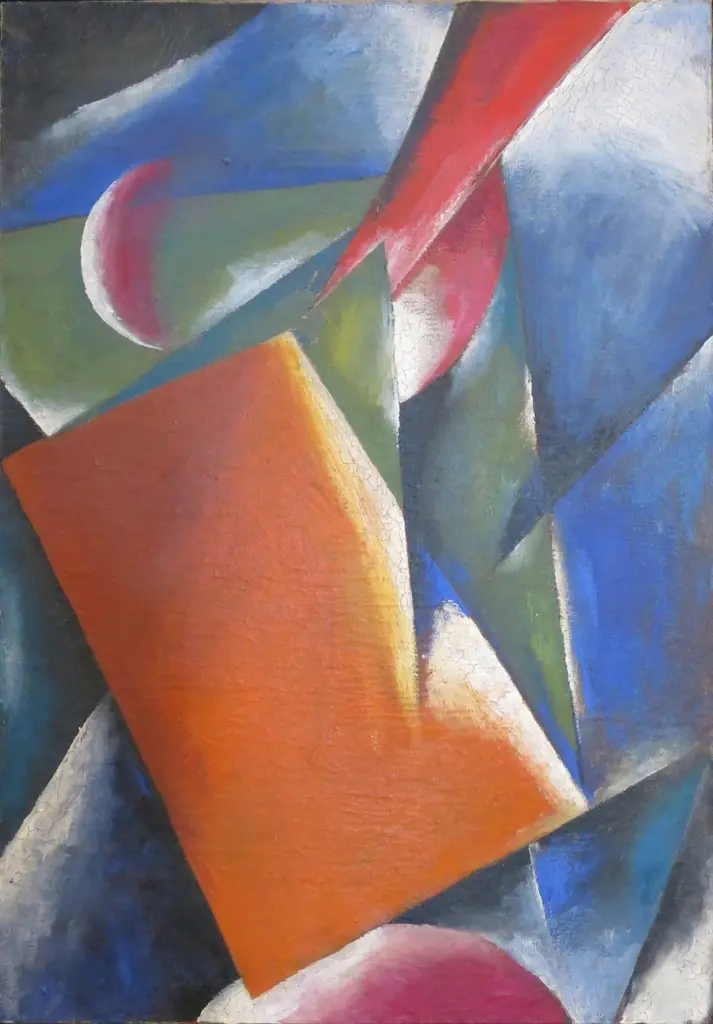 Architectonic Painting
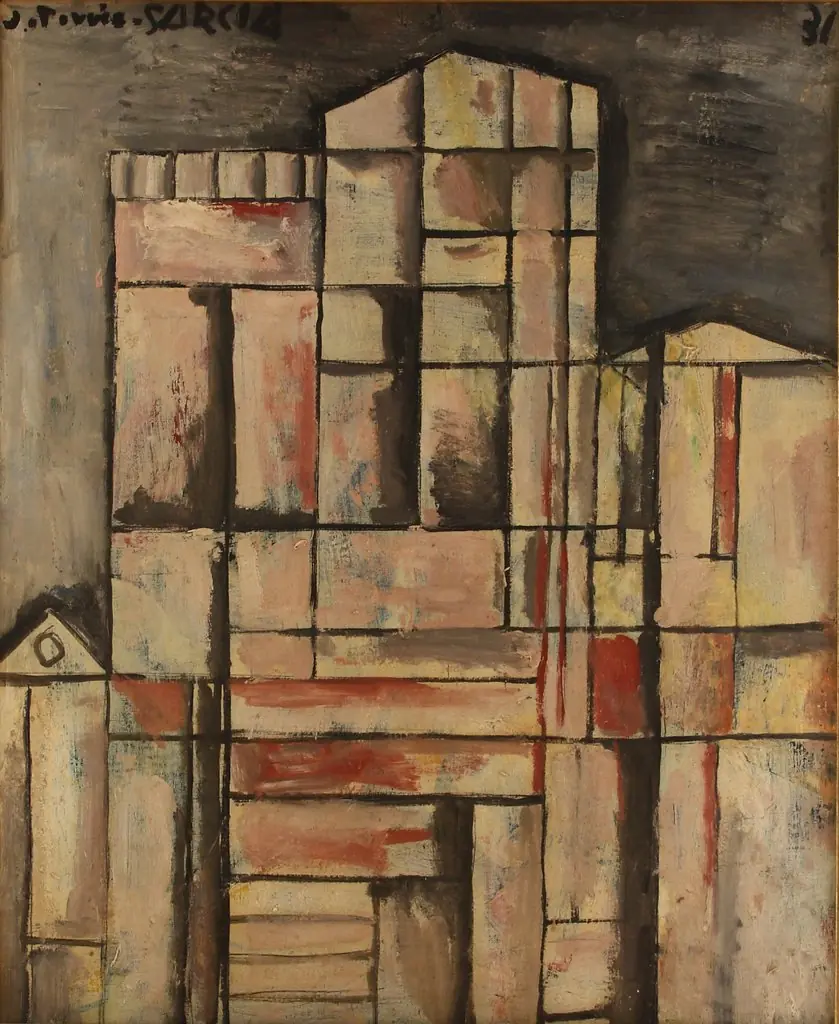 Cathedral construction
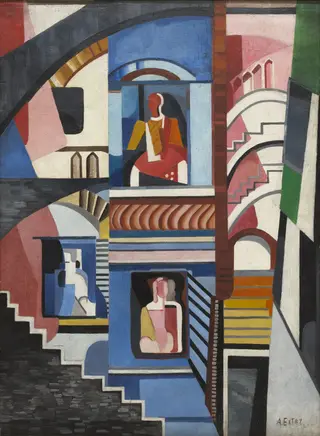 Theatrical Composition
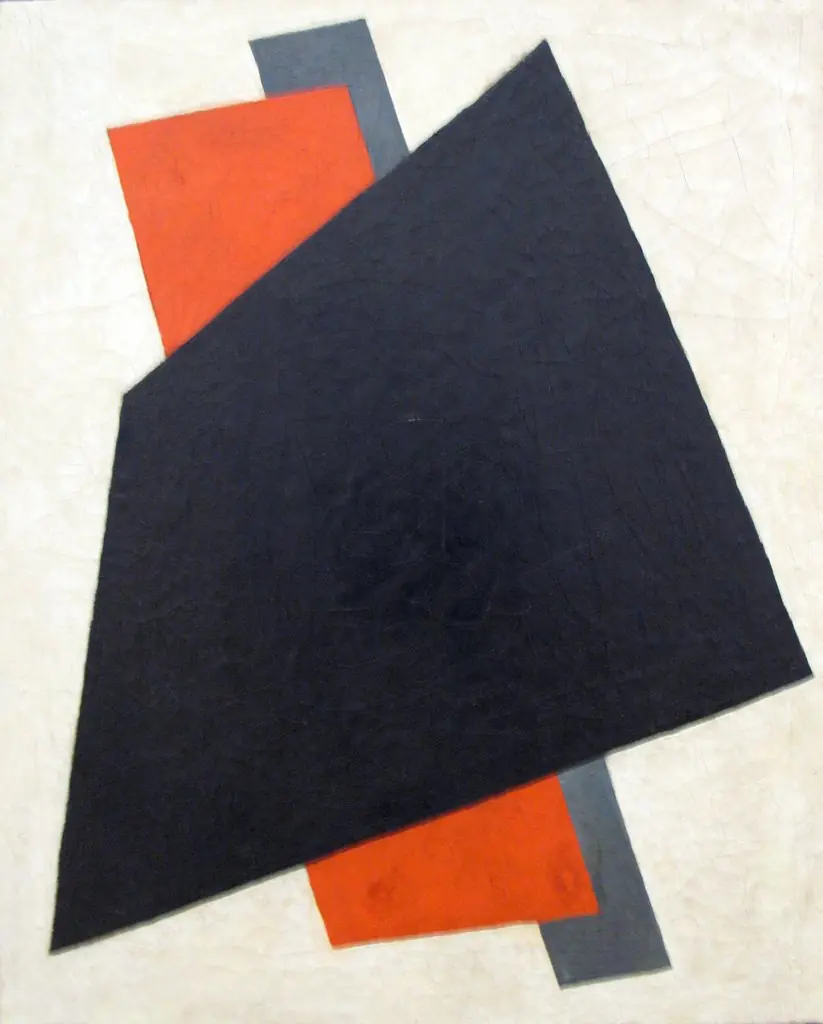 Painterly Architectonic (Black, Red, Grey)
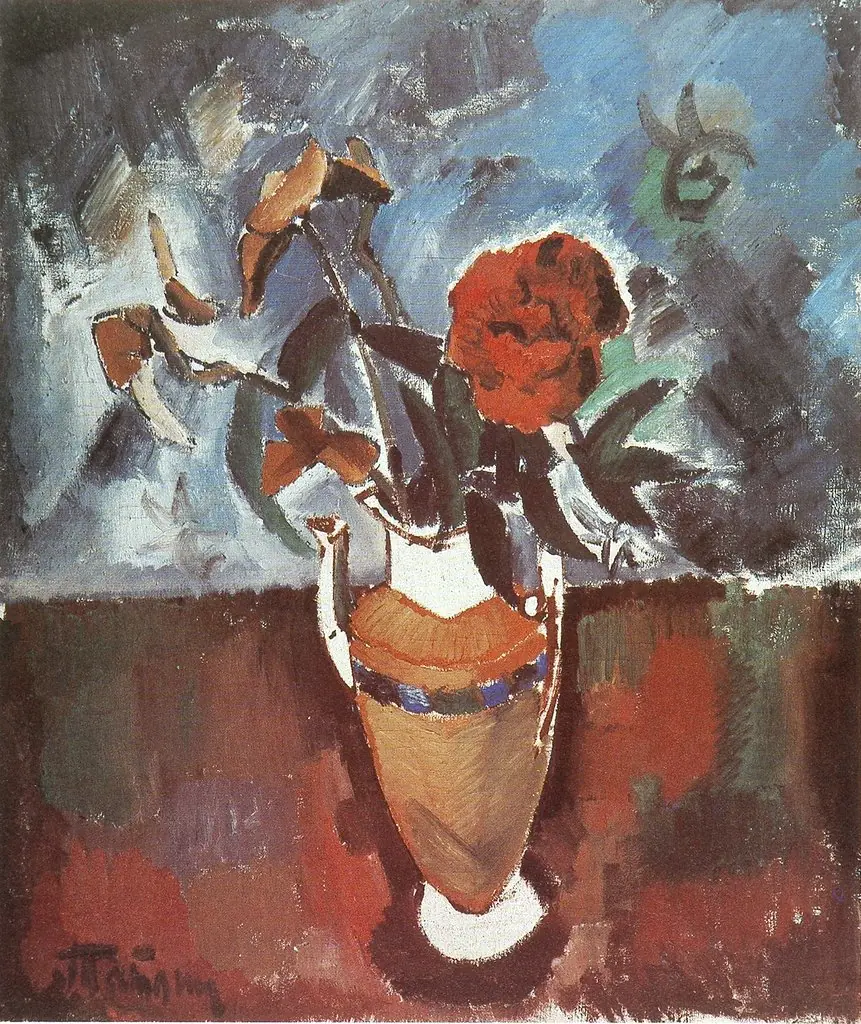 Flower Bouquet
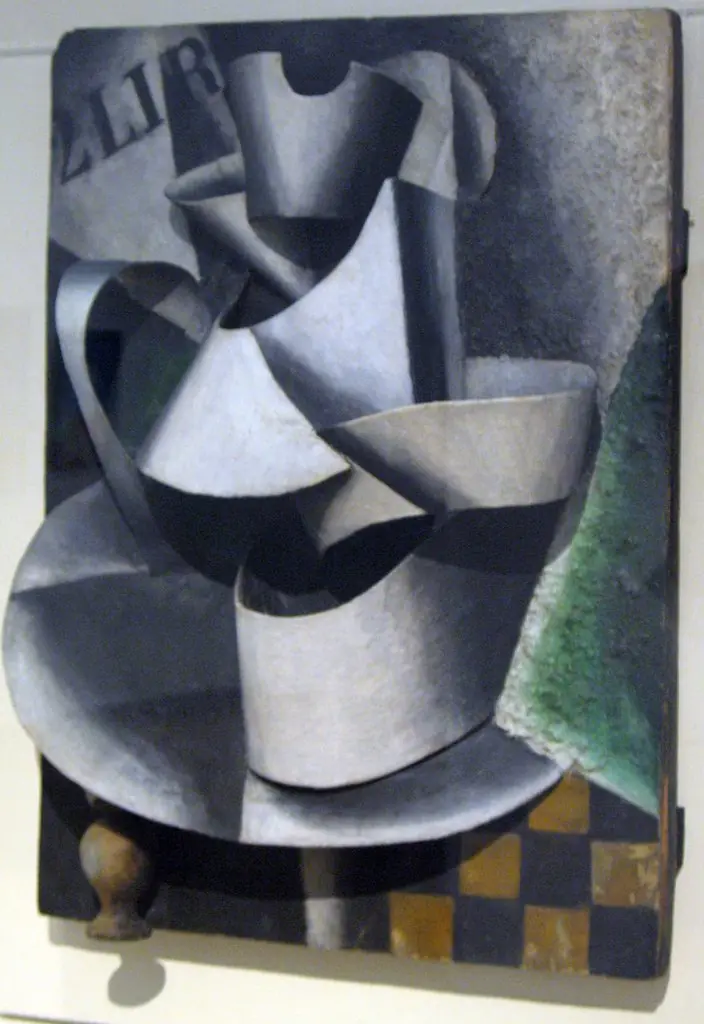 Jug on a table. Plastic painting
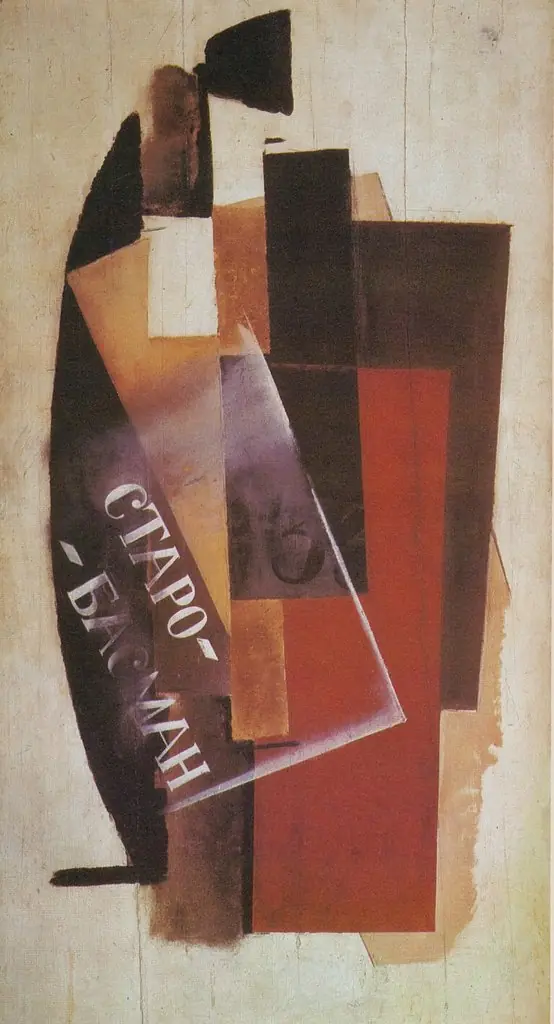 Board No. 1, Staro-Basman
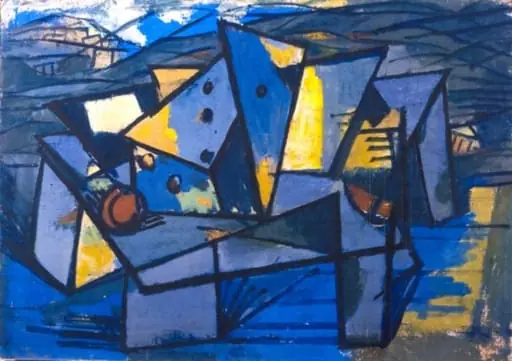 Construcție abstractă
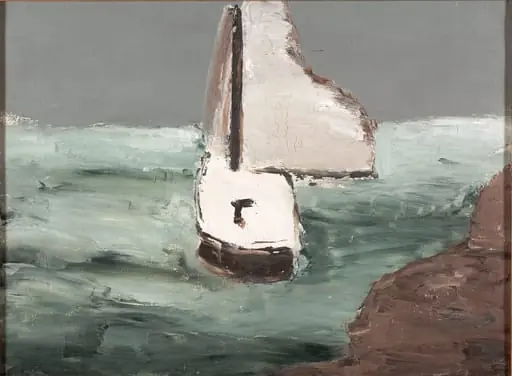 Πλοίο
Πλοίο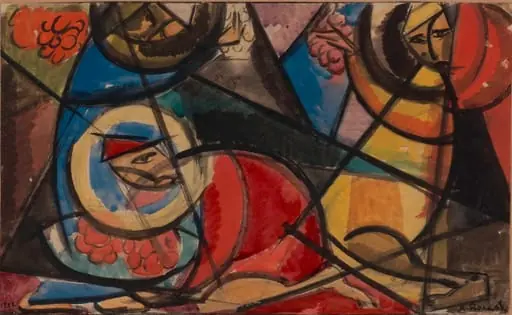 Σύνθεση με Τρεις Μορφές
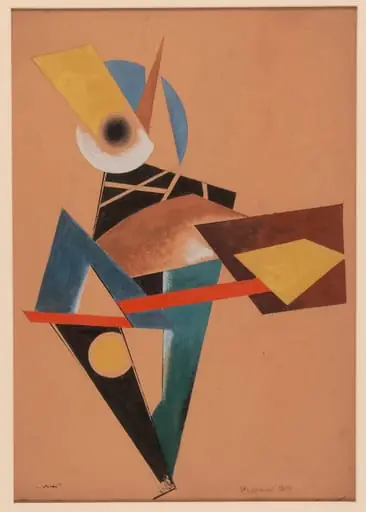 Πιερότος - Κλόουν
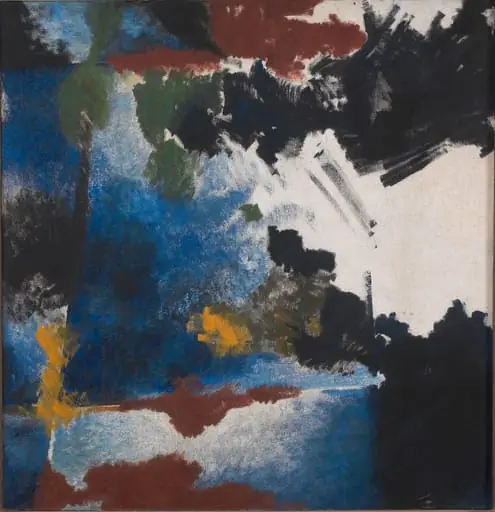 Αφαίρεση (Ρήγμα)
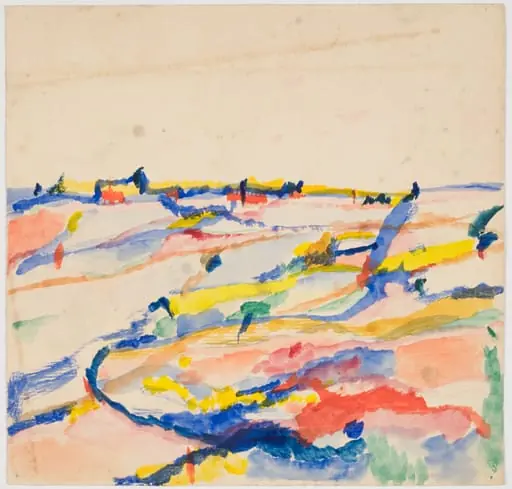 Χωρίς τίτλο
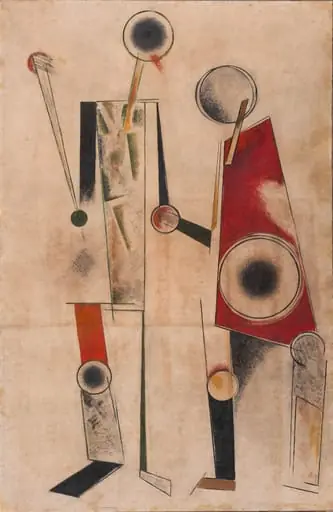 Κατασκευή σε άσπρο (Ρομπότ)
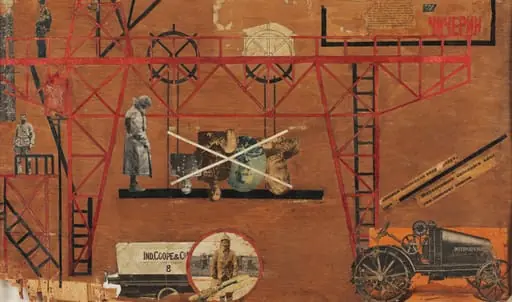 Μελέτη για το σκηνικό του θεατρικού έργου “Γη σε αναβρασμό”
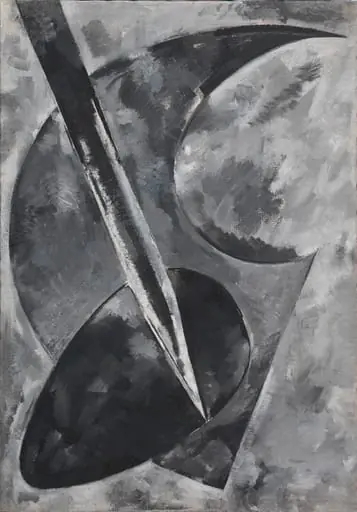 Σύνθεση Νο 125
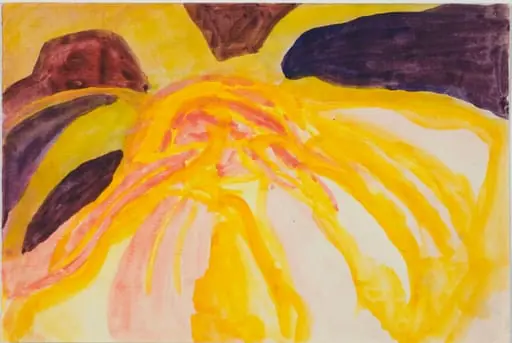 Χωρίς τίτλο
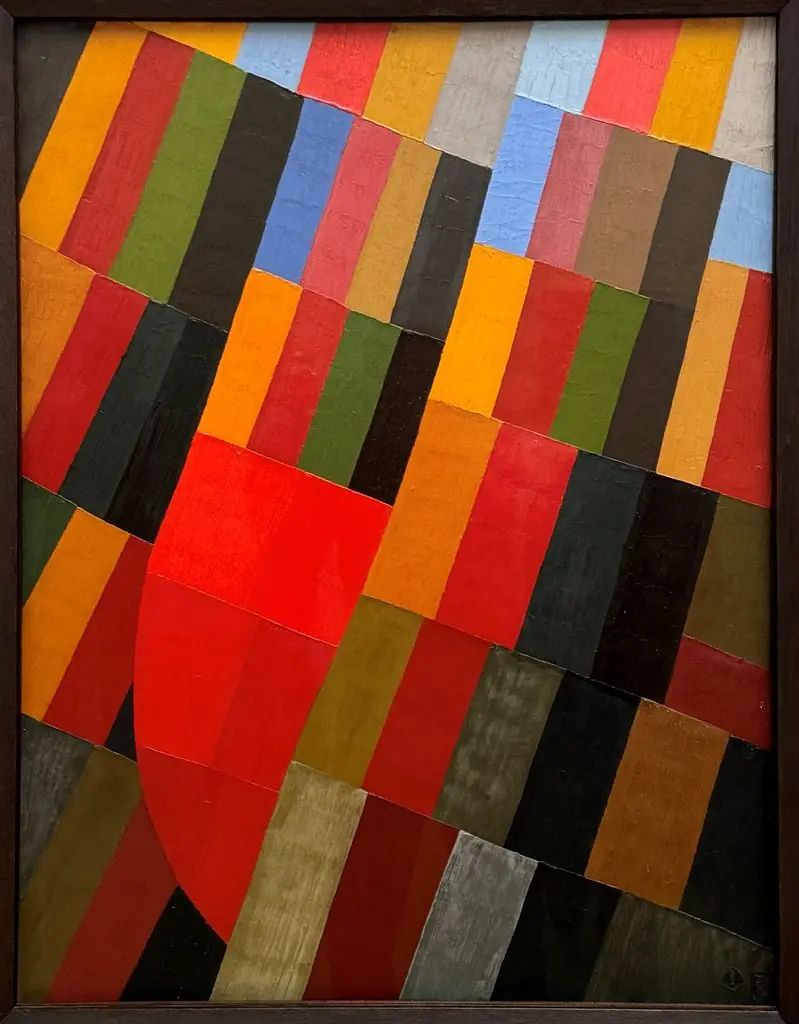 Herbstvision
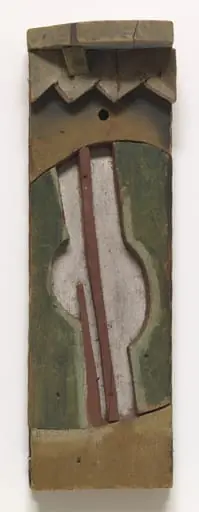 Untitled
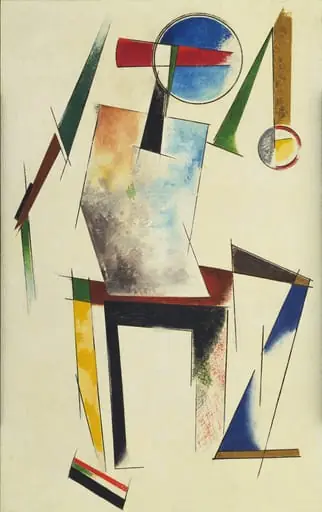 Untitled
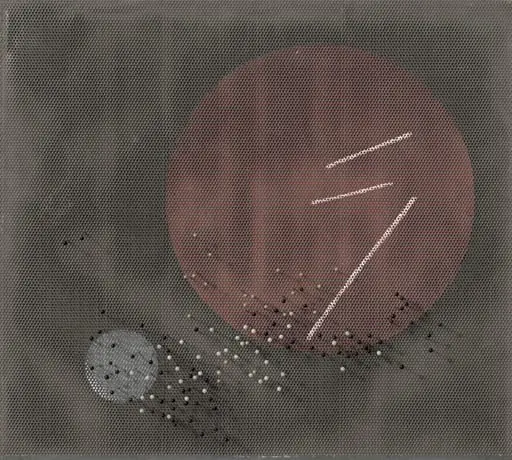 Untitled
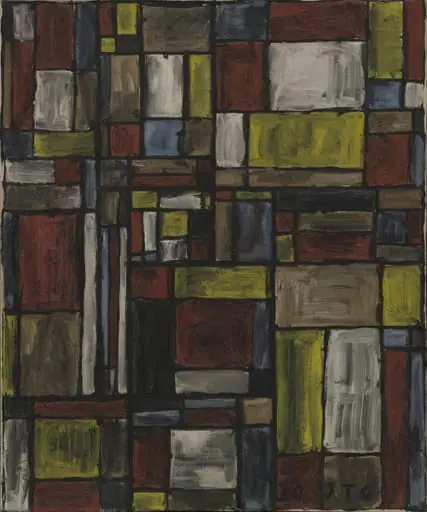 Untitled
 Untitled
 Untitled
 Untitled
 Untitled
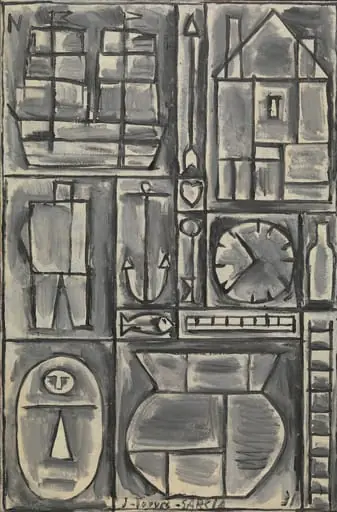 Untitled
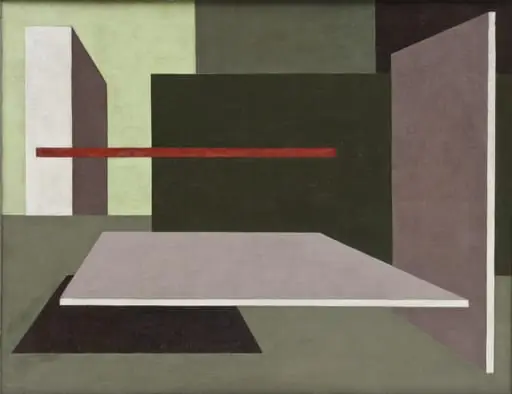 Untitled
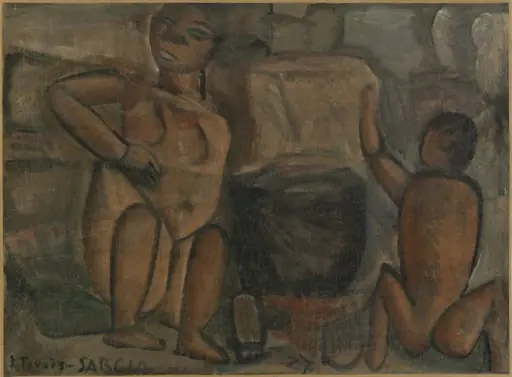 Untitled
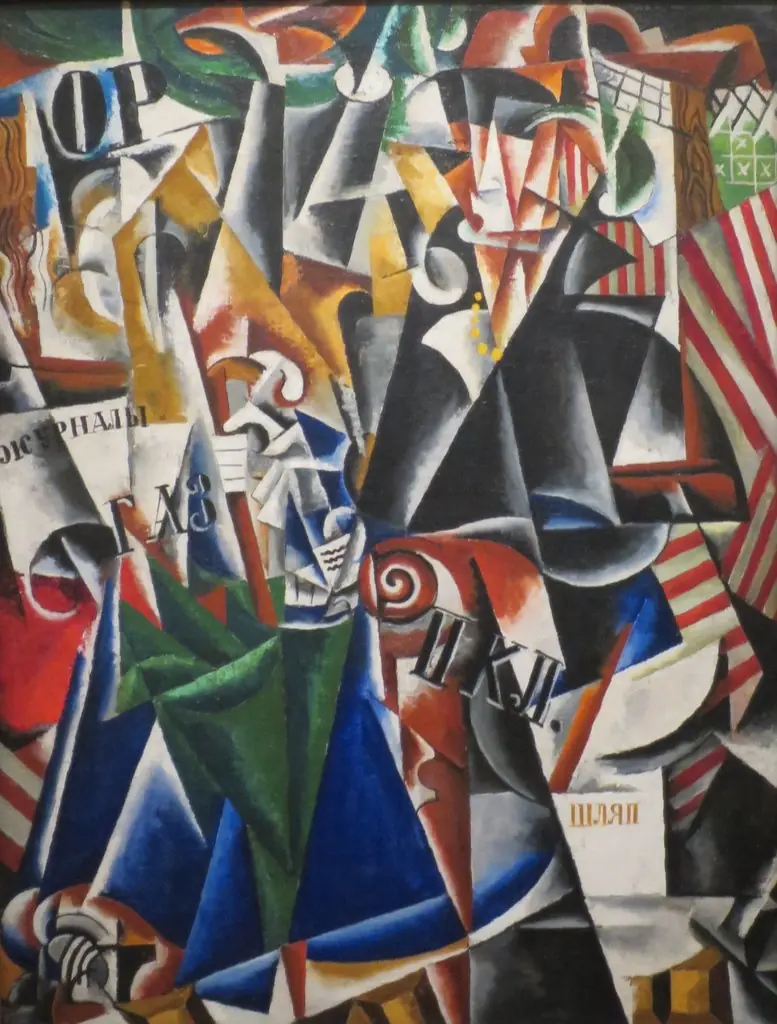 The Traveler
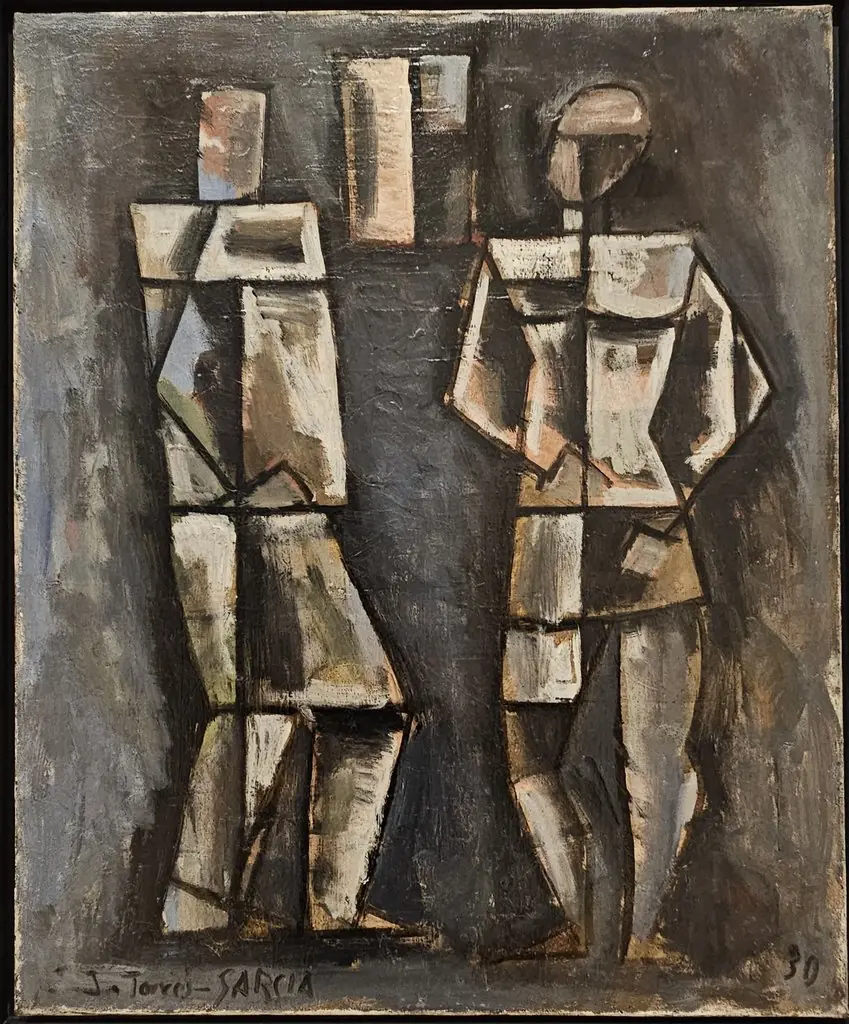 Duas Figuras
Groups & collectives
Frequently asked questions
What is Constructivism?
Constructivism is an art movement. A Russian avant-garde movement born around 1913–1920 that rejected art for its own sake in favor of art as a tool for social engineering.
How many Constructivism works does Artifact World Gallery have?
Artifact World Gallery holds 36 public-domain Constructivism works, all free to view and download.
Who are the key Constructivism artists?
Key Constructivism artists in the collection include Kazimir Malevich, Vladimir Tatlin and László Moholy-Nagy.
When did Constructivism take place?
Constructivism dates from around 1913.
Where can I see Constructivism works?
Constructivism works in the collection are held by Museum of Modern Art, Metropolitan Organisation of Museums of Visual Arts of Thessaloniki – MOMus and Tretyakov Gallery.