
Movement
Futurism
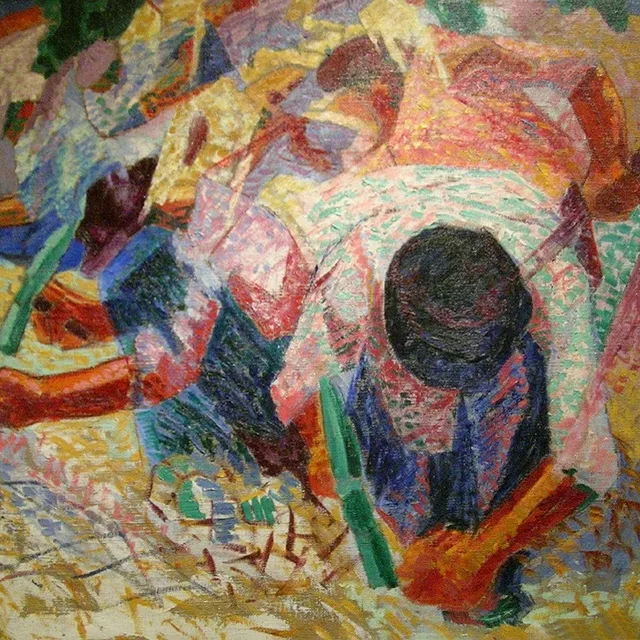
Futurism is an art movement dating from 1909. The gallery holds 36 works in this movement, including works by Umberto Boccioni, Joseph Stella and Gino Severini. Browse Futurism paintings, portraits, pictures and artworks from the world's public-domain museum collections.
Futurism was the first of the twentieth century's combative avant-gardes, launched in 1909 by the Italian poet Filippo Tommaso Marinetti. His incendiary "Manifesto of Futurism" first appeared in the Bologna newspaper Gazzetta dell'Emilia on 5 February 1909 and, days later, on the front page of the Paris daily Le Figaro on 20 February 1909. It arose from a frustration with Italy's reverence for its own classical and Renaissance past: Marinetti urged artists to abandon tradition, to scorn museums and libraries as "cemeteries," and instead to glorify the speed, machinery, and energy of the modern industrial city. The roaring automobile, electric light, the aeroplane, war, and youth itself became the movement's exalted subjects.
Visually, Futurism set out to capture motion, simultaneity, and the sensation of being immersed in a dynamic world. Painters fractured and multiplied forms to register a body or vehicle passing through space, deploying "lines of force" and rhythmic repetition. They absorbed the faceted geometry of Cubism and the stop-motion of chronophotography: Giacomo Balla traced movement through repeated limbs, as in Dynamism of a Dog on a Leash (1912), while Umberto Boccioni sought singular, swelling forms expressing "plastic dynamism."
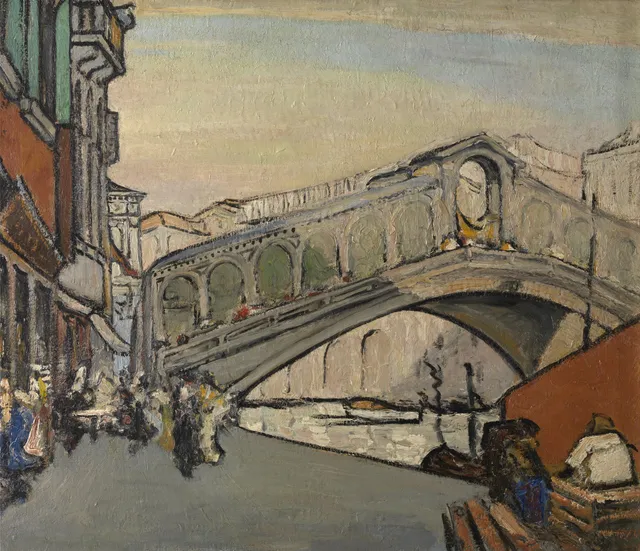
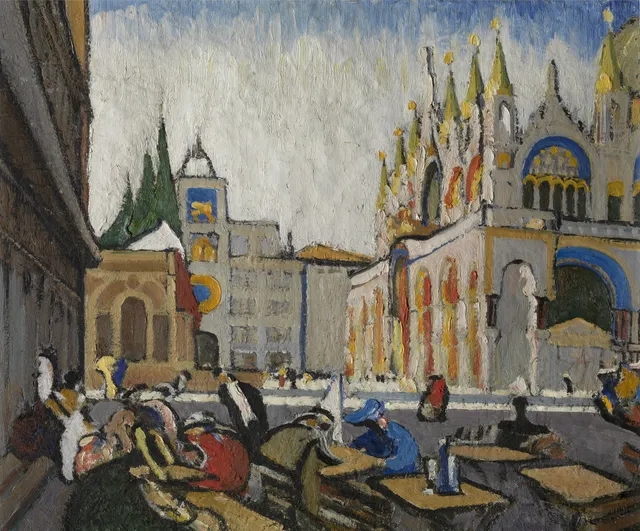
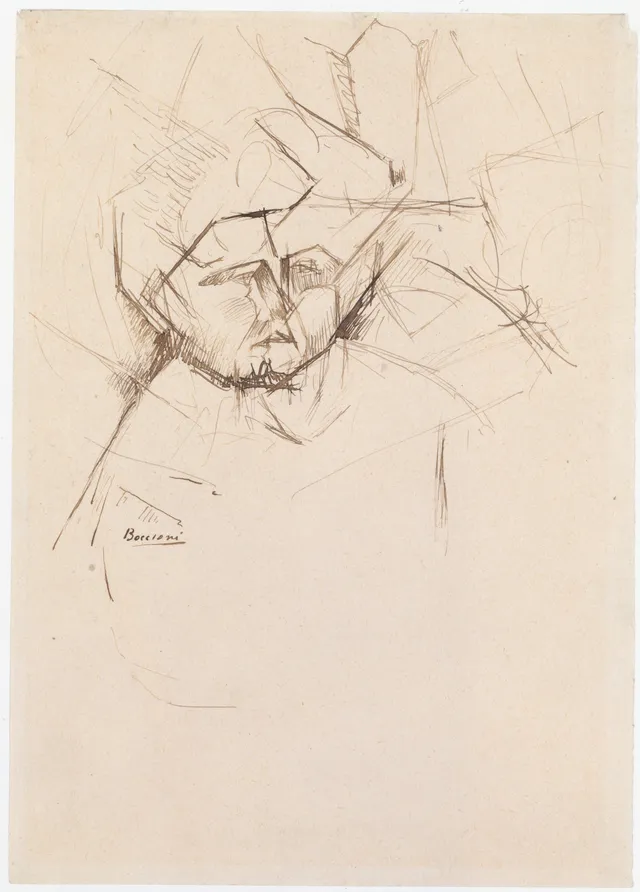
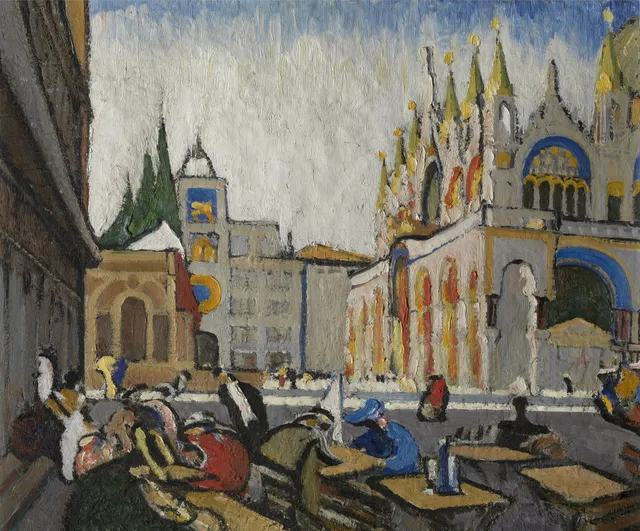
Boccioni was the movement's central figure, author of its key painting The City Rises (1910) and its defining sculpture, Unique Forms of Continuity in Space (1913); his early death in 1916 cut short the first generation. Alongside him stood Carlo Carrà, Gino Severini, and Luigi Russolo, whose "Art of Noises" extended Futurism into music. Our collection includes Boccioni's The Street Pavers and his Analytical Study of a Woman's Head Against Buildings. The idiom spread internationally: the Italian-American Joseph Stella painted the electric frenzy of Battle of Lights, Coney Island (1913–14), and the Belgian Jules Schmalzigaug—the only Belgian Futurist—rendered the shimmer of Venice in works such as The Rialto Bridge and San Marco from the Piazetta.
Descended in part from Cubism, Futurism in turn fed Russian Cubo-Futurism and Rayonism (Mikhail Larionov and Natalia Goncharova) and English Vorticism, while echoing through Art Deco and Constructivism. Its later association with Italian fascism complicated, but never erased, its foundational influence on modern art's embrace of the machine age.
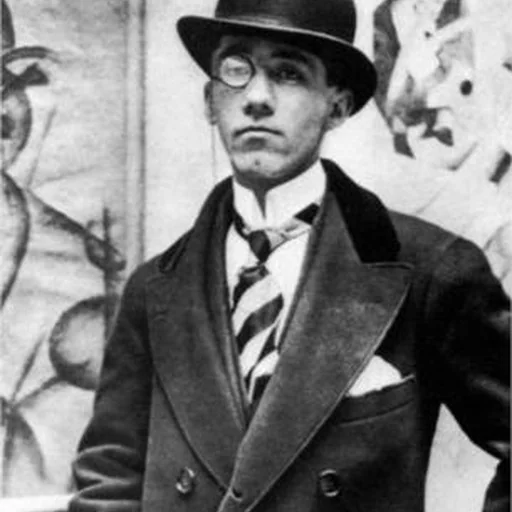
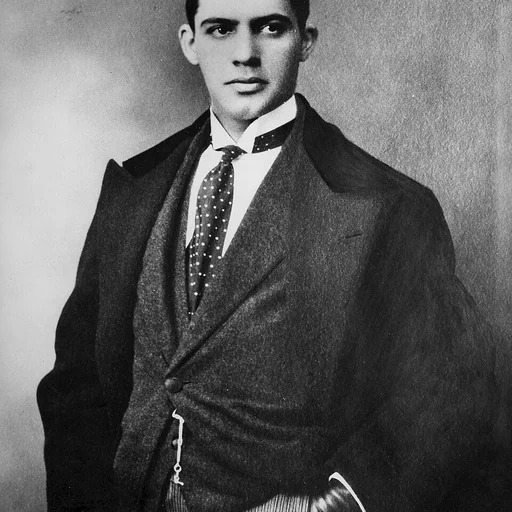
Key artists

Works
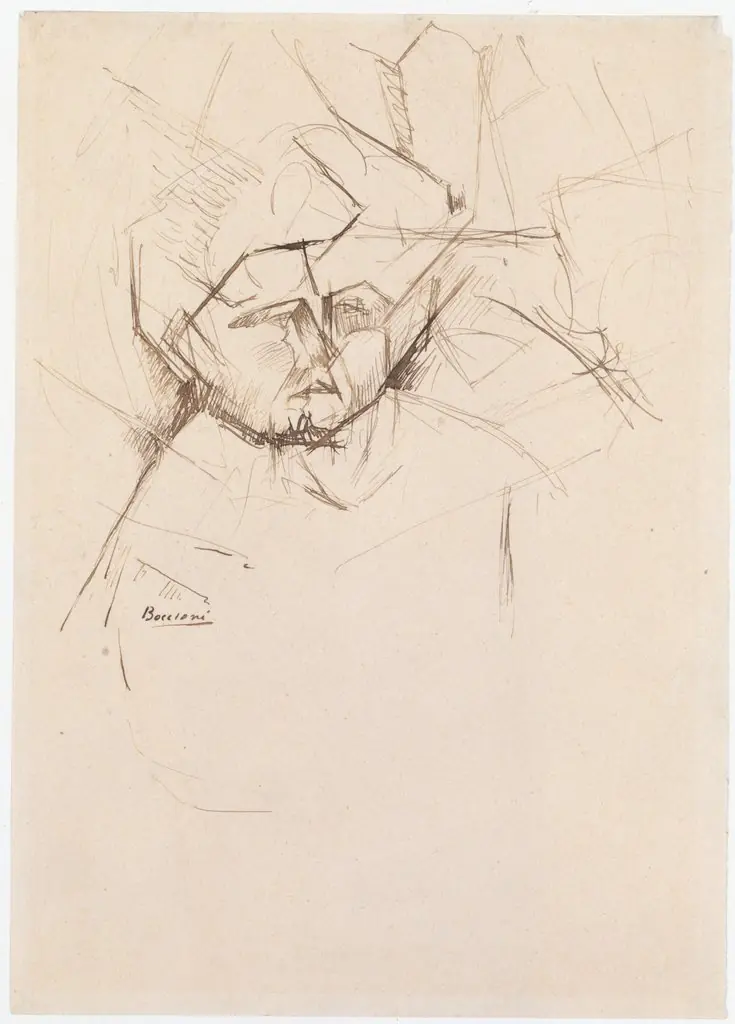 Analytical Study of a Woman's Head Against Buildings
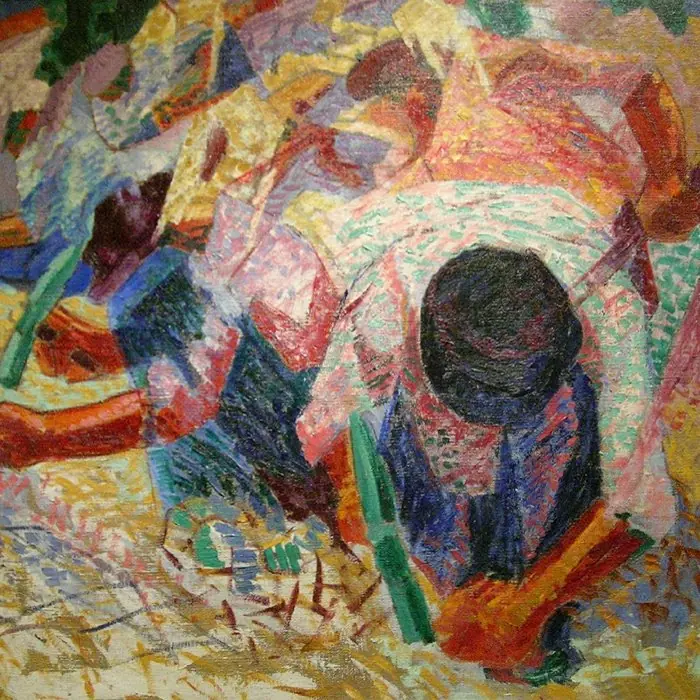 The Street Pavers
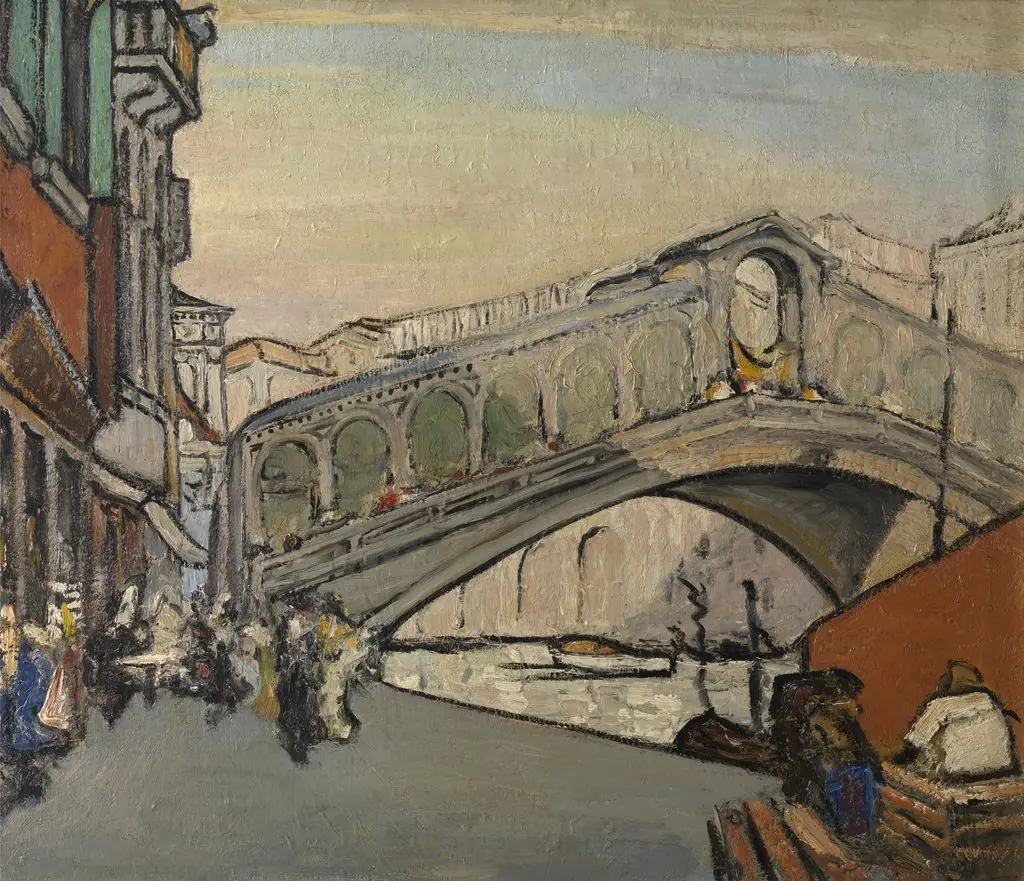 The Rialto Bridge in Venice
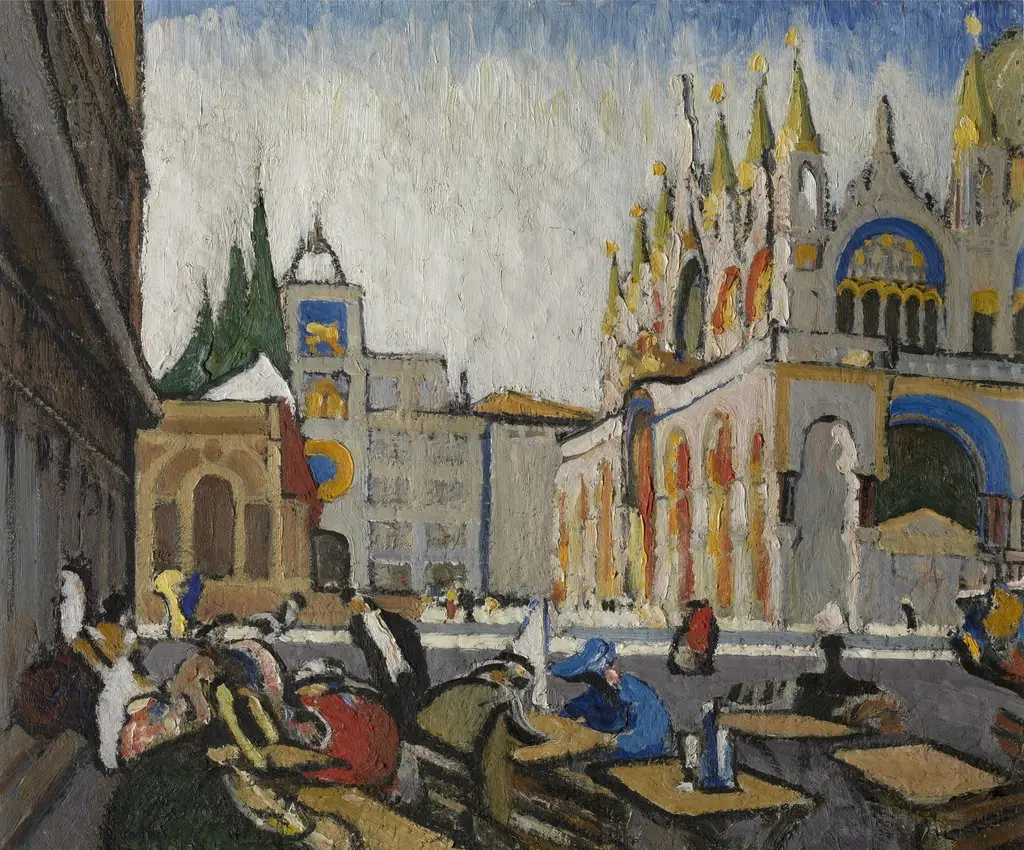 San Marco from the Piazetta
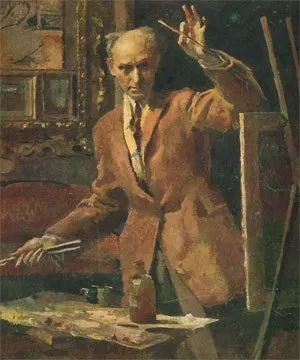
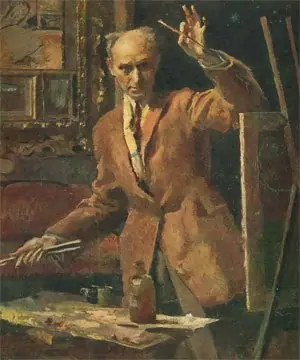 Self-portrait
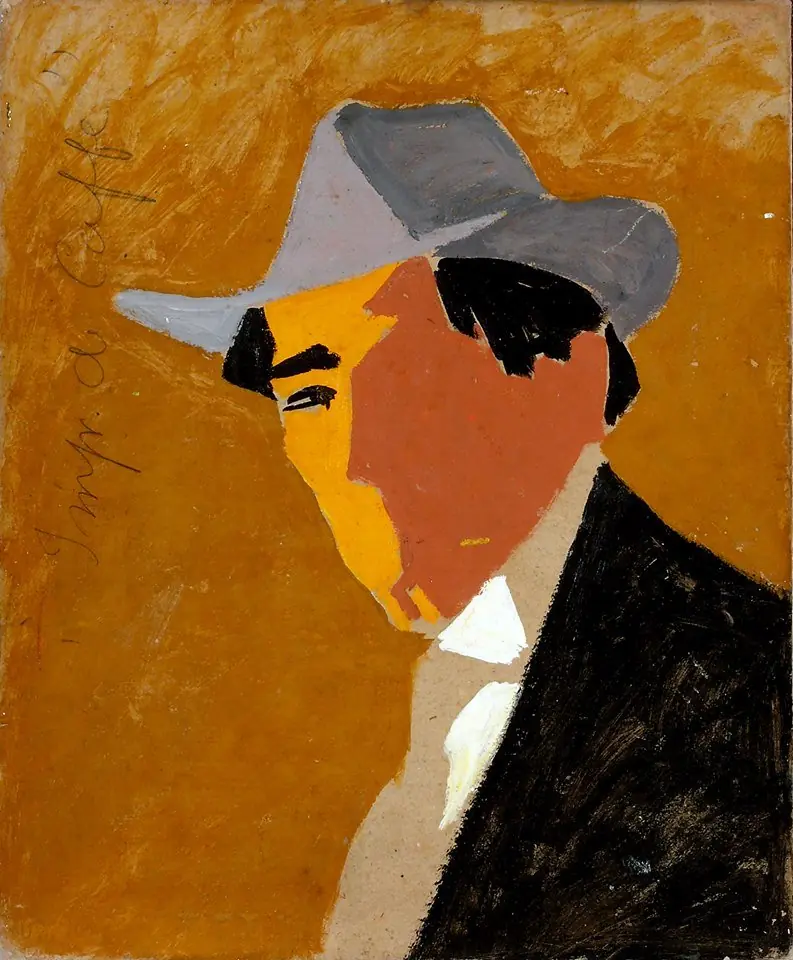 Coffee printing. Portrait. Planista. Bernabe Michelena
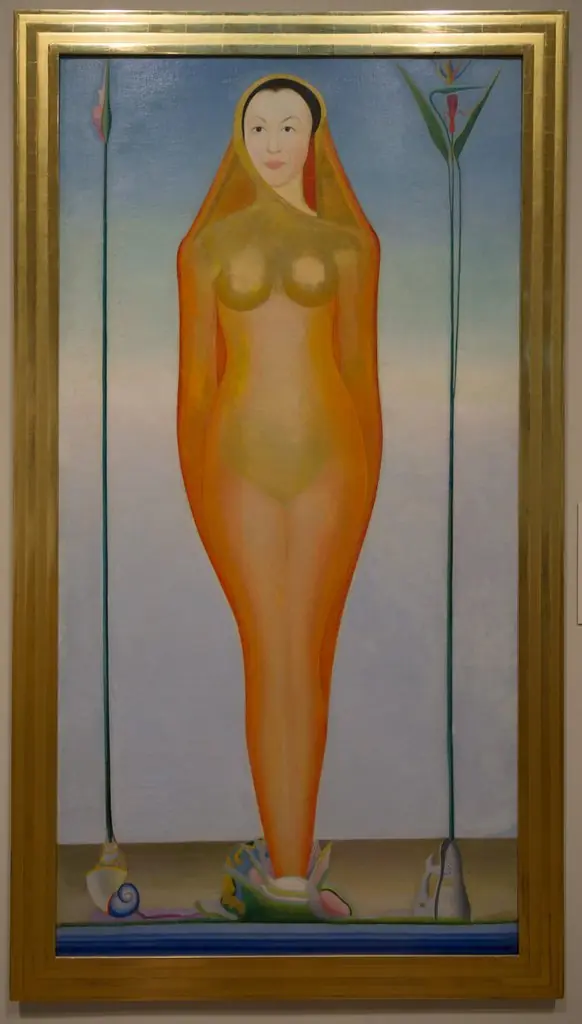 A Vision
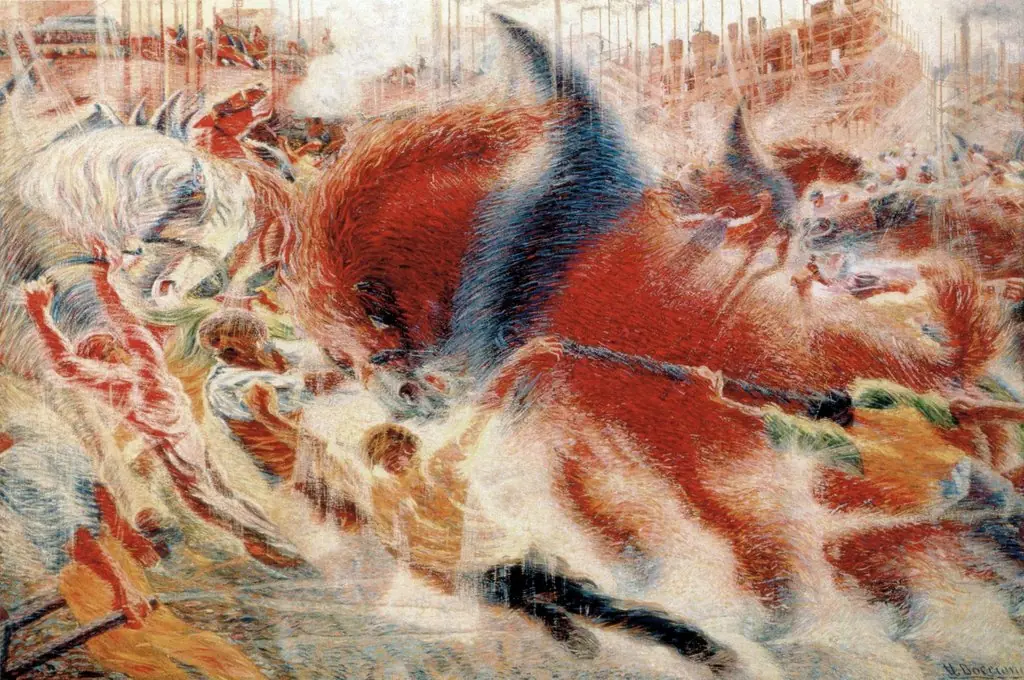 The City Rises
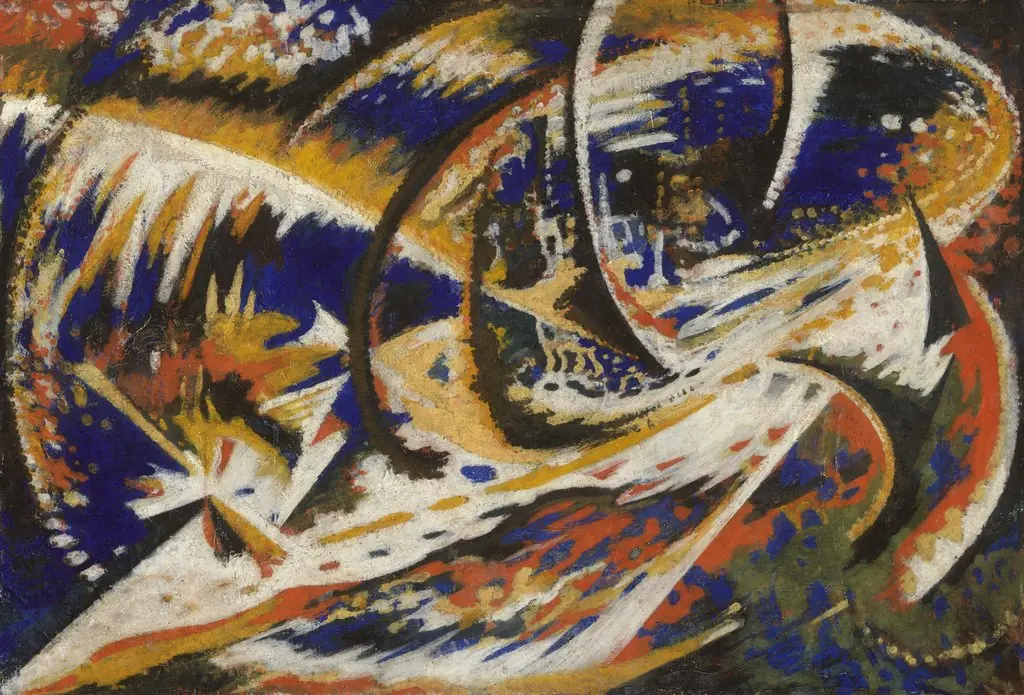 Speed
Speed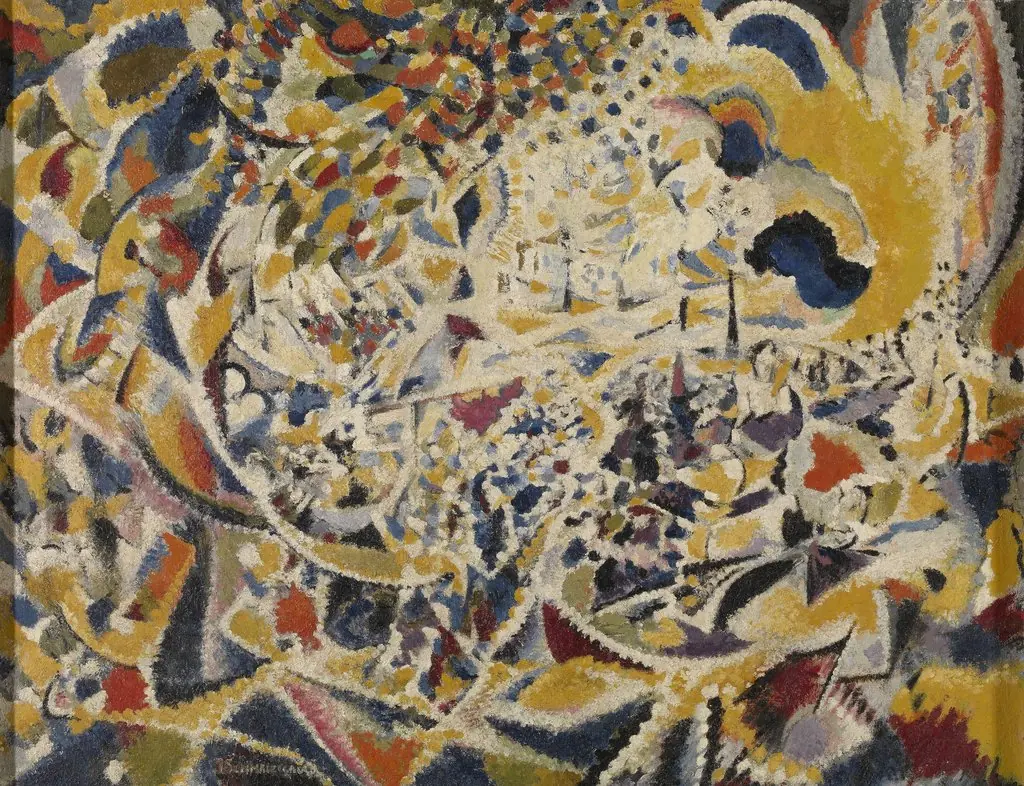 Light
Light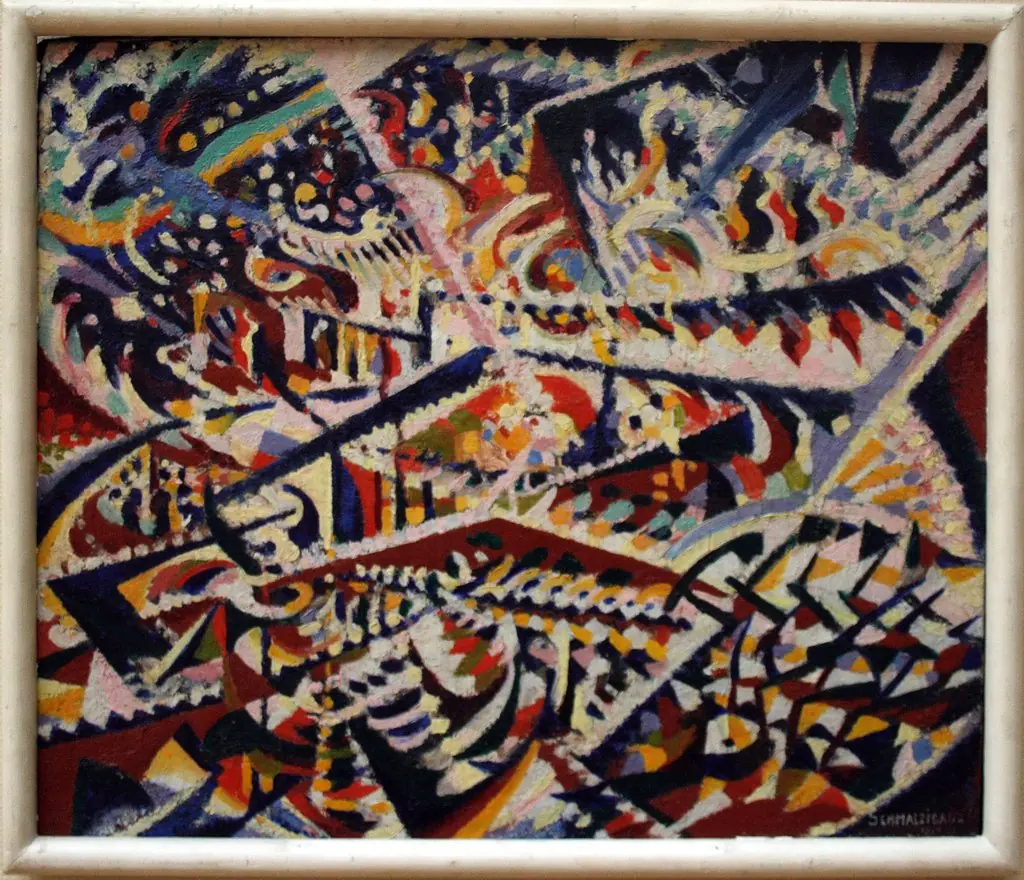 Impression in a Dance Hall
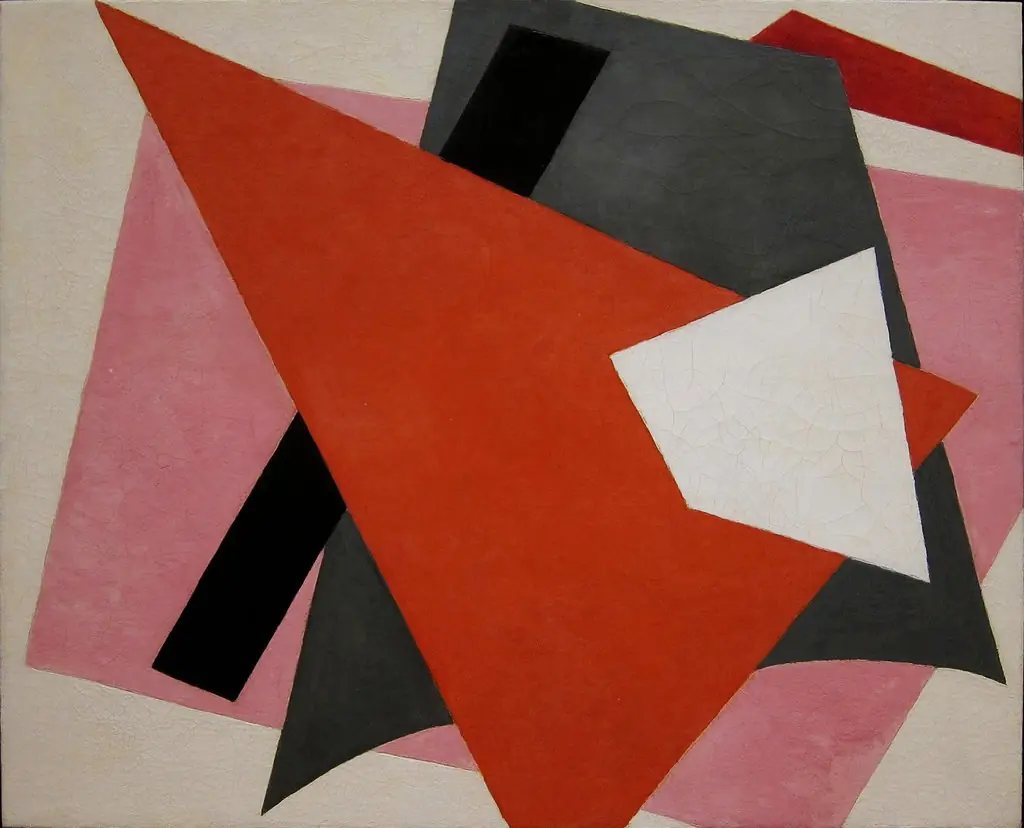 Painterly Architectonic
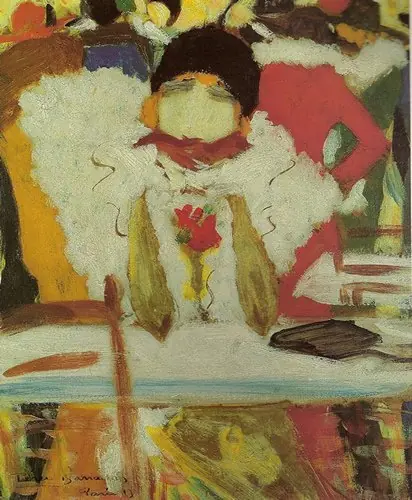 The Tango
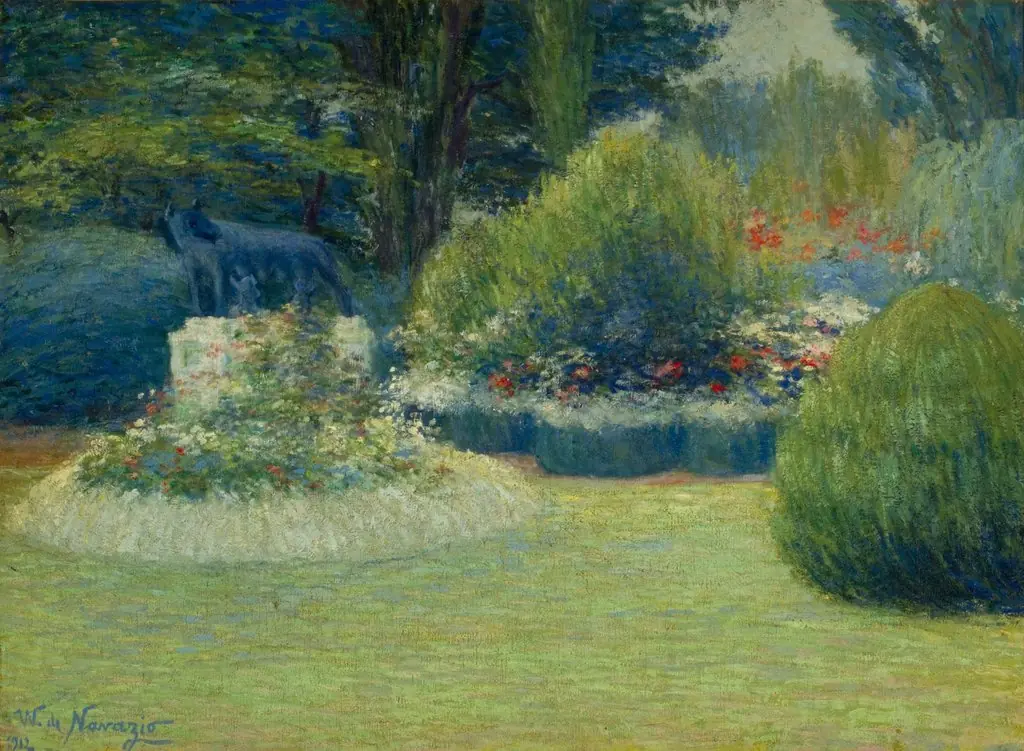 Gray day
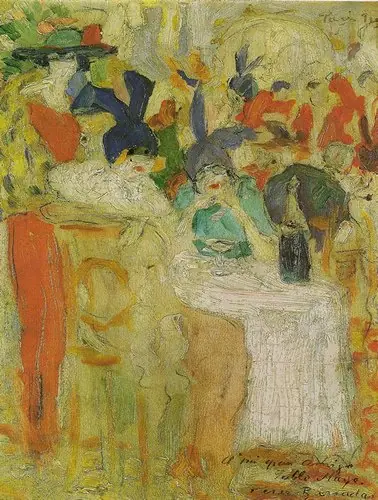 Costume Party
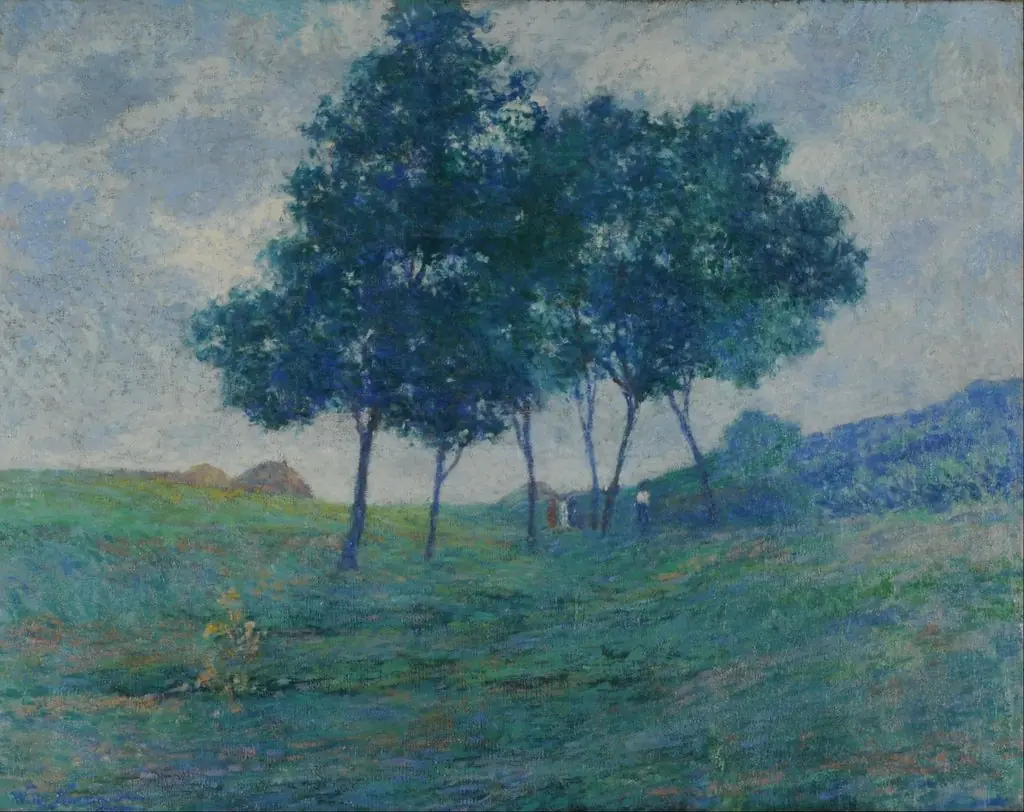 Gray Moment
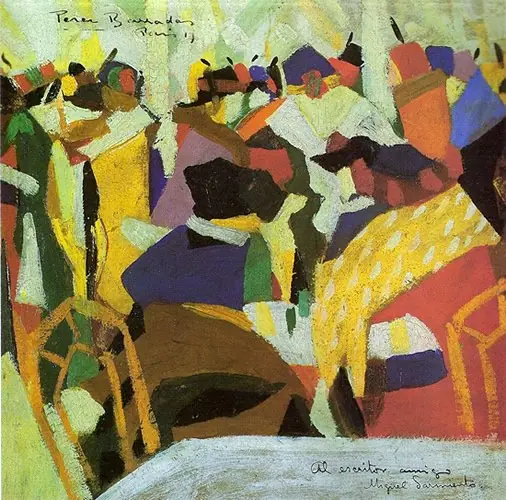 The tango color emotion. Coffee scene. Crowd
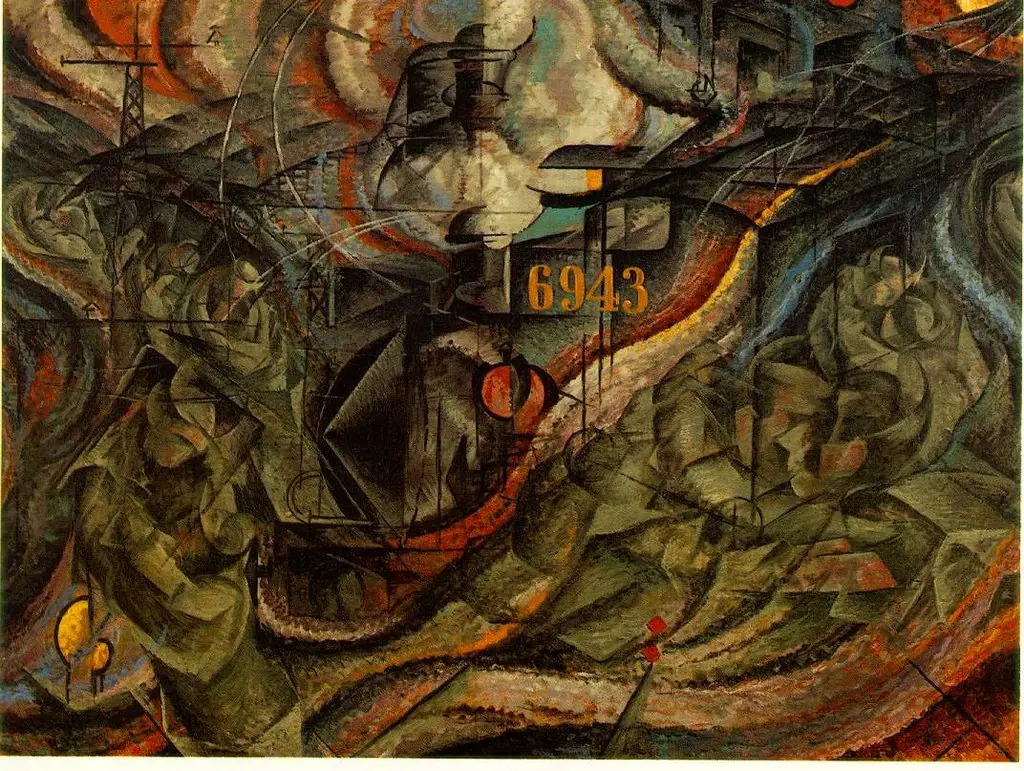 States of Mind I: The Farewells
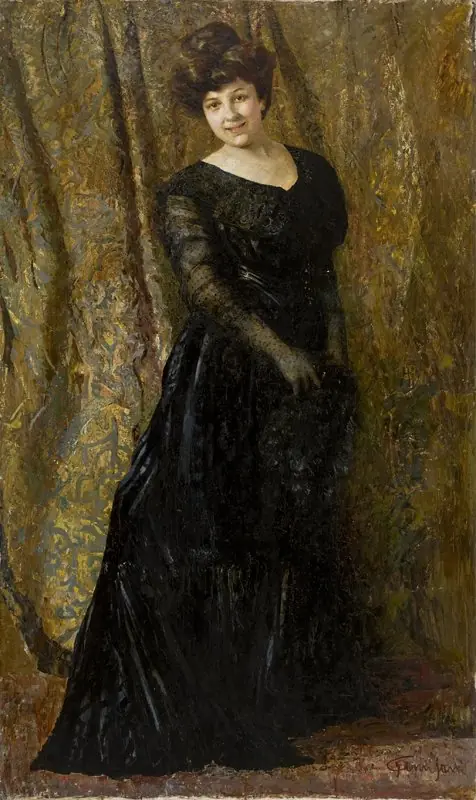 Standing lady
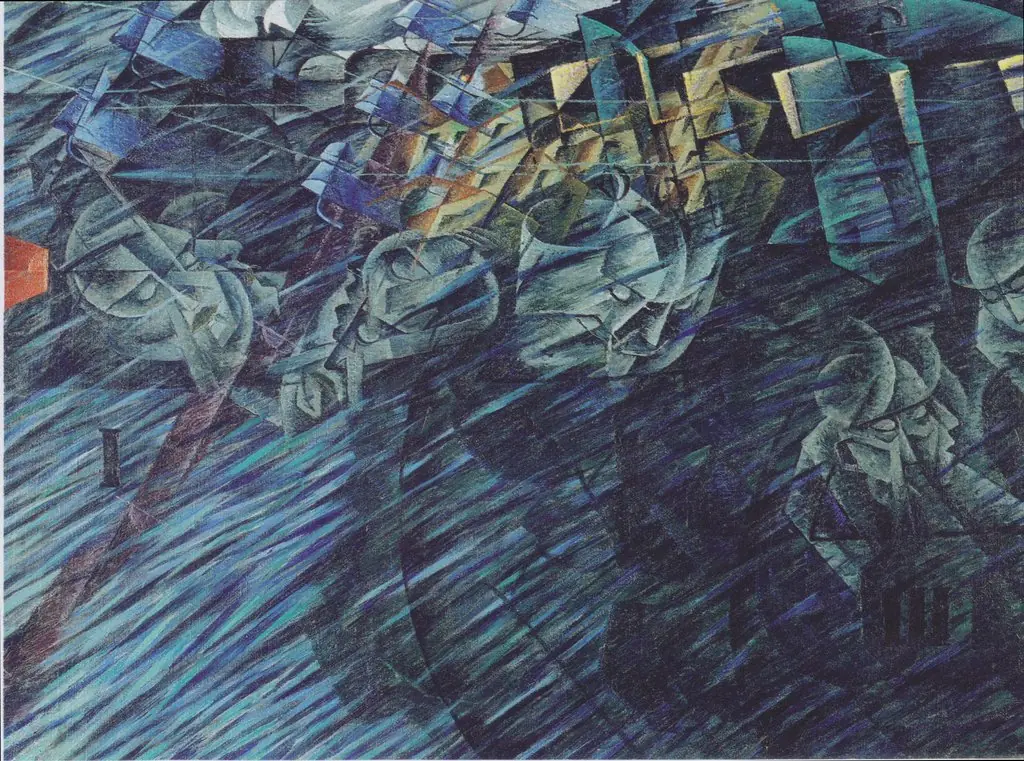 States of Mind II: Those Who Go
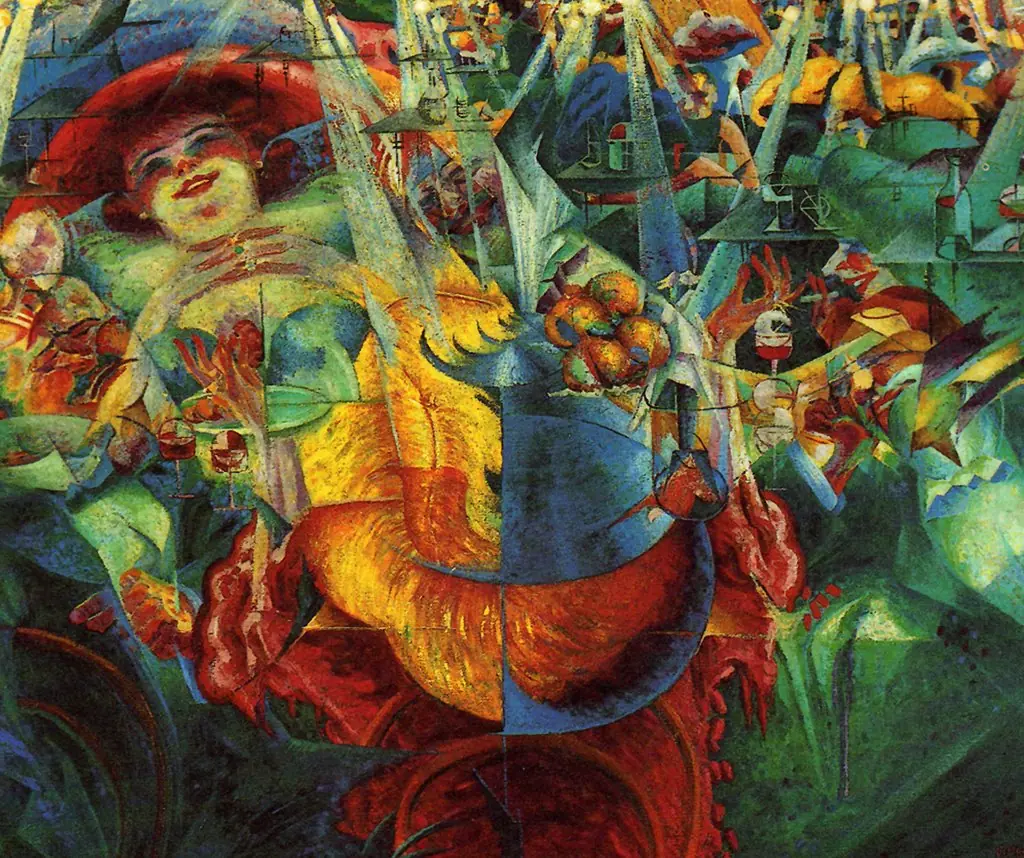 Laugh
Laugh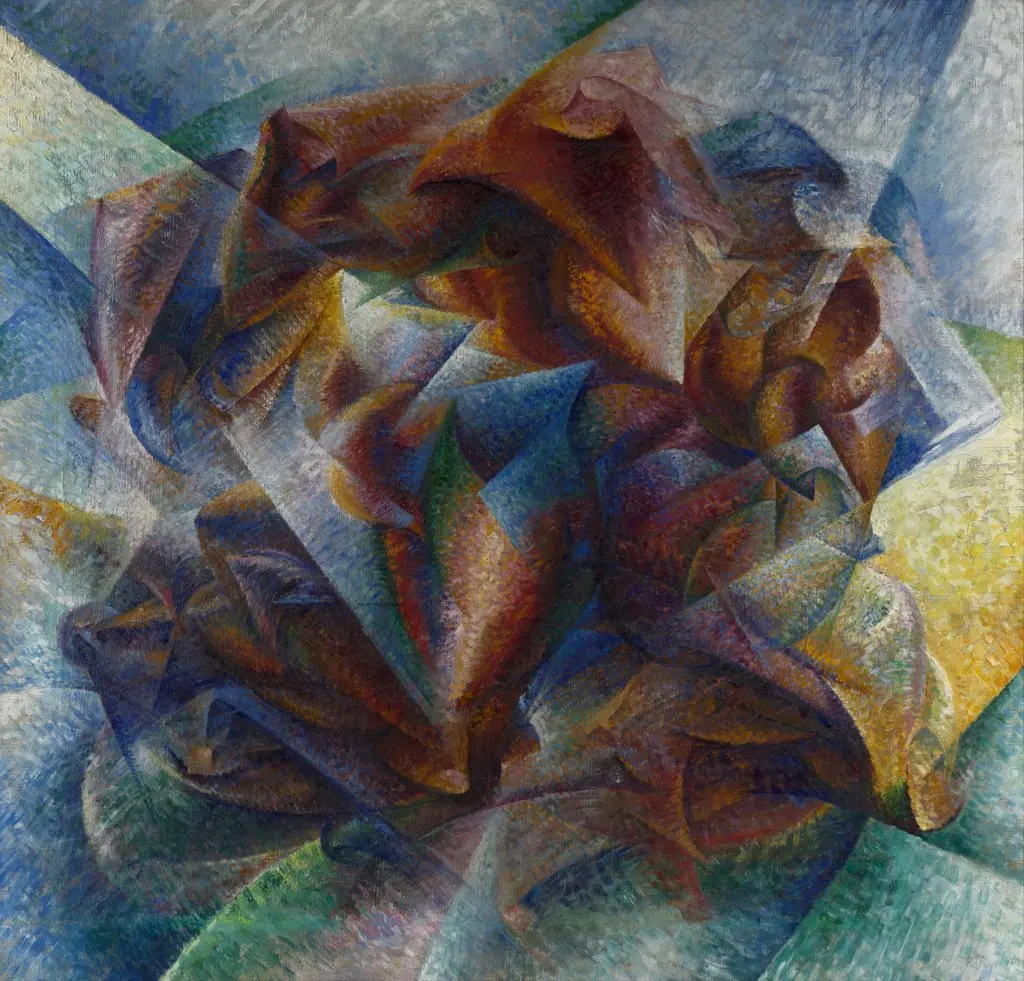 Dynamism of a Soccer Player
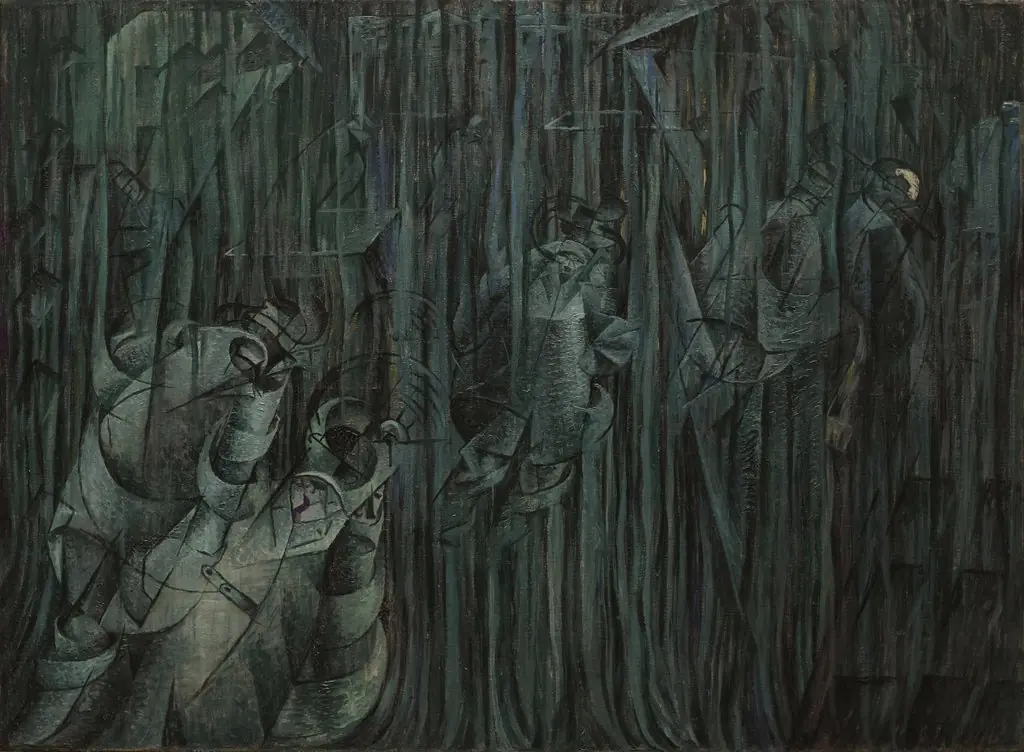 States of Mind III: Those Who Stay
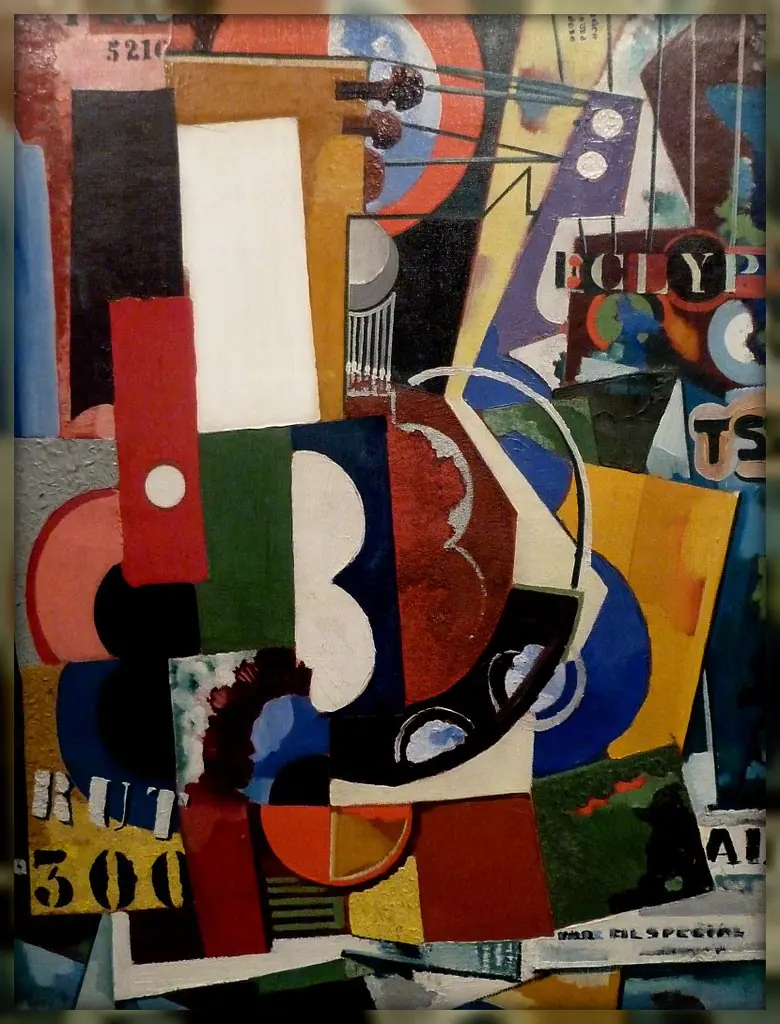 Title unknown (BRUT 300 TSF)
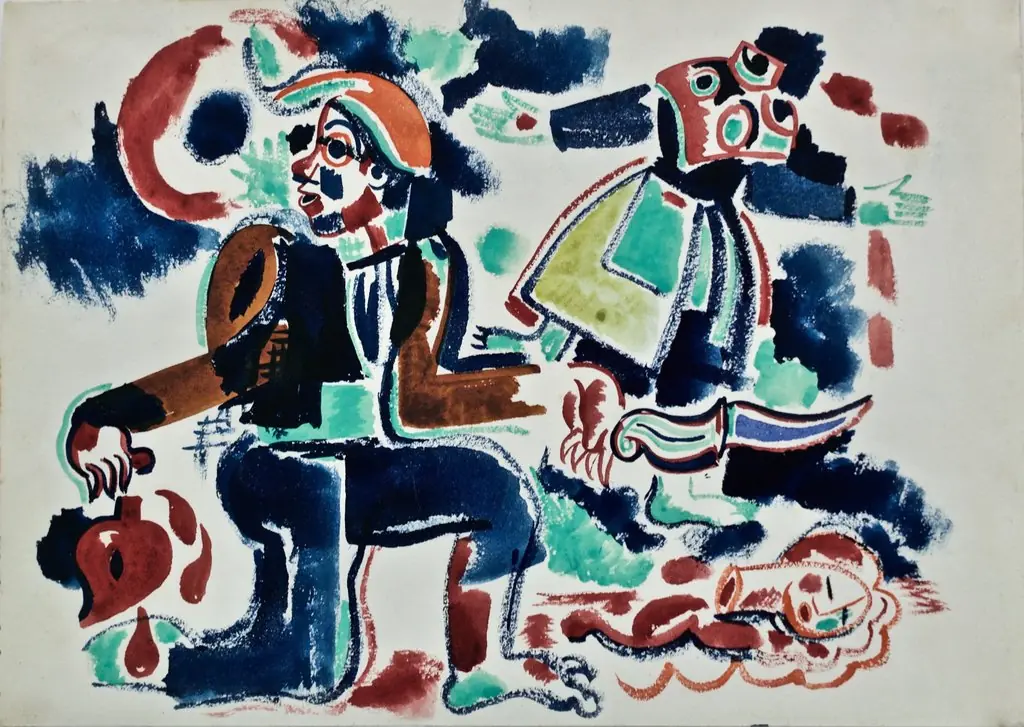 Force Love Rage
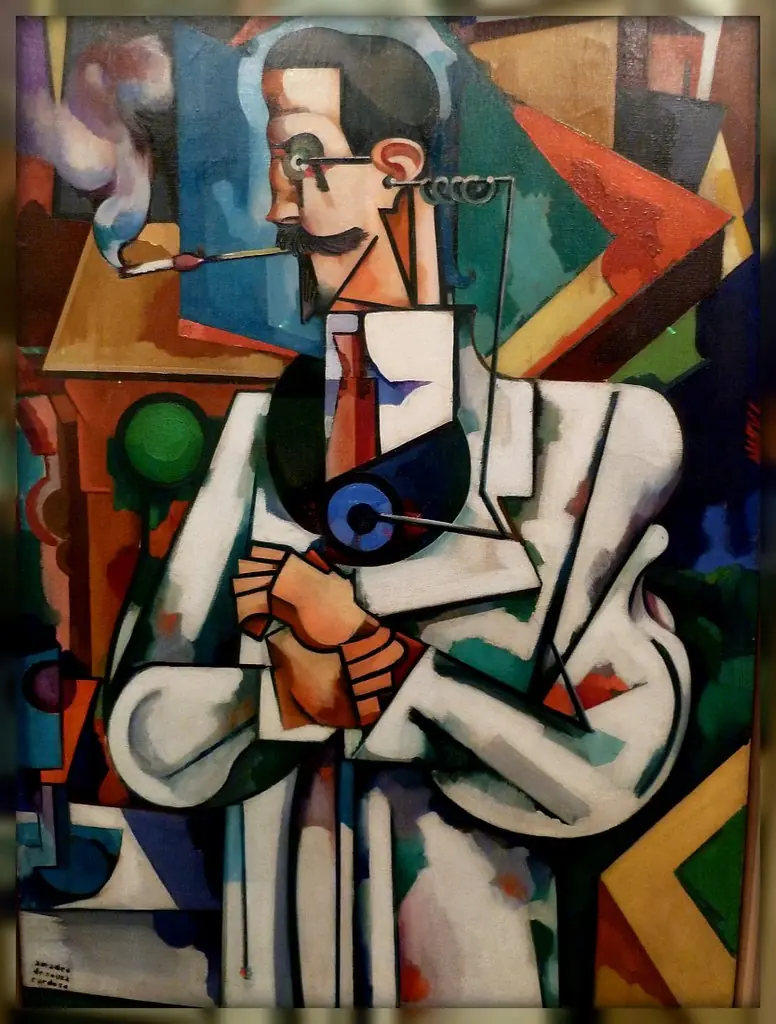 Unknown title
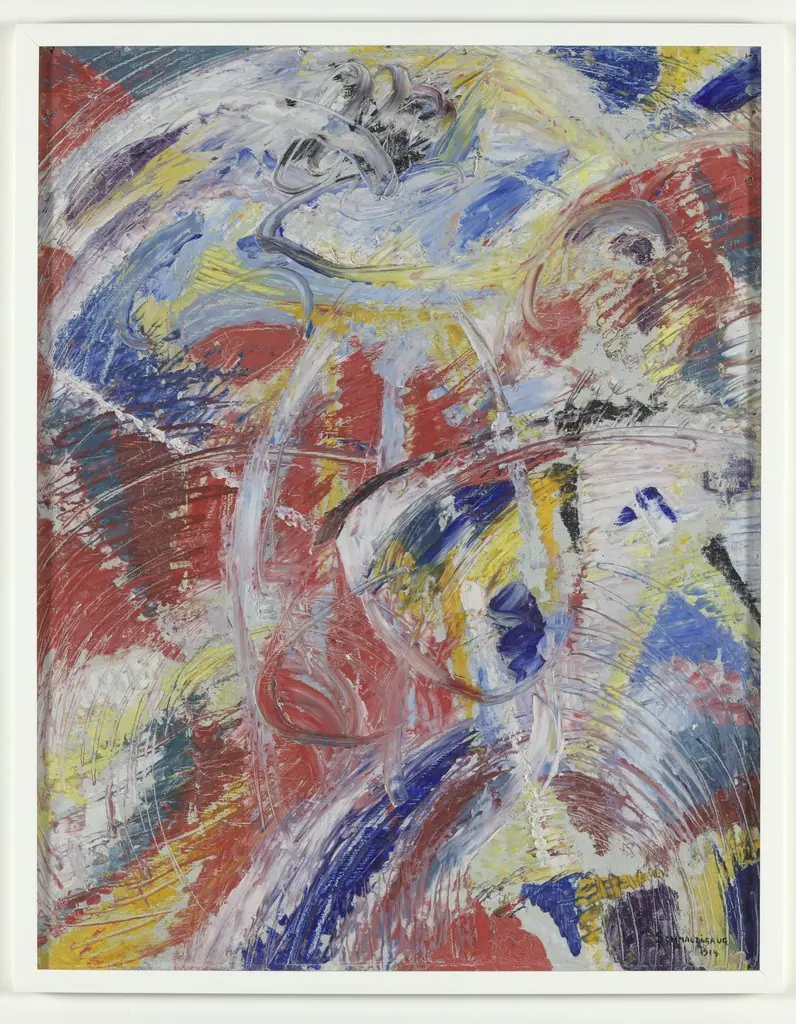 Development of a Theme in Red: Carnival
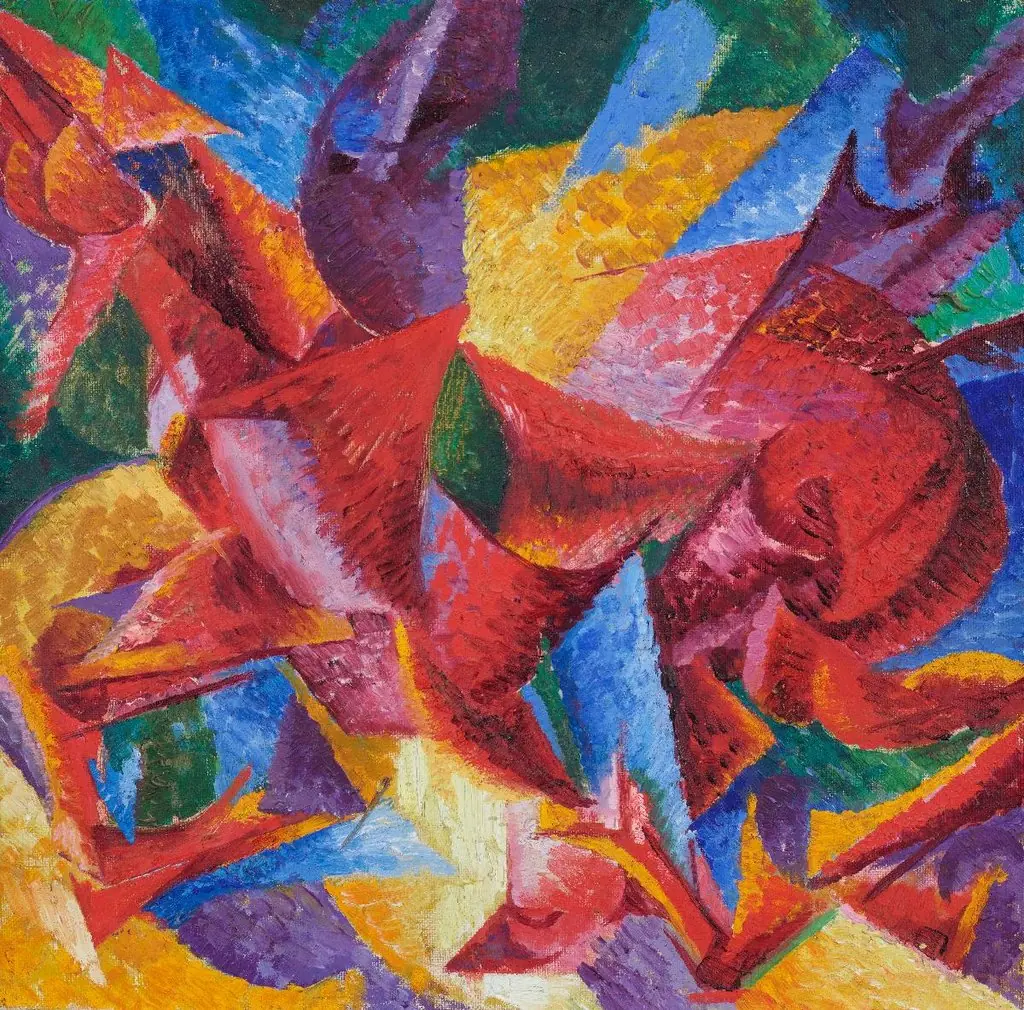 Forme plastiche di un cavallo
 Untitled
 Untitled
 Untitled
 Untitled
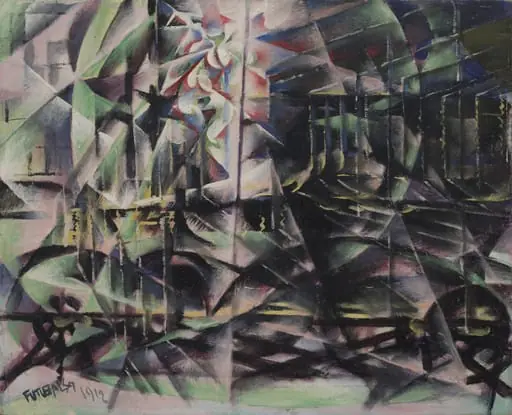 Untitled
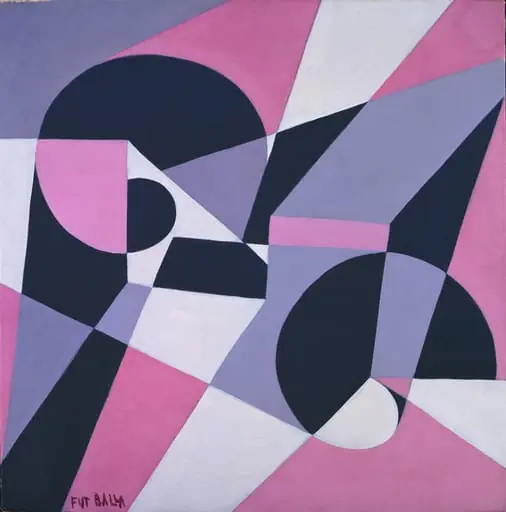 Untitled
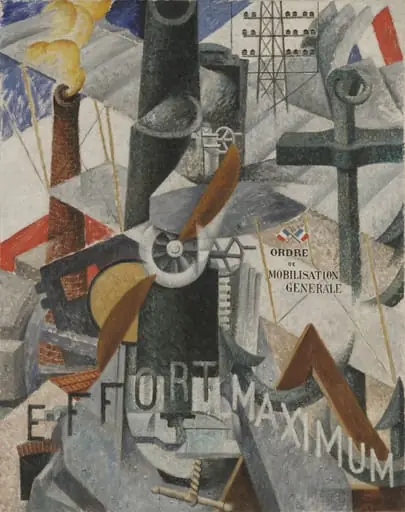 Untitled
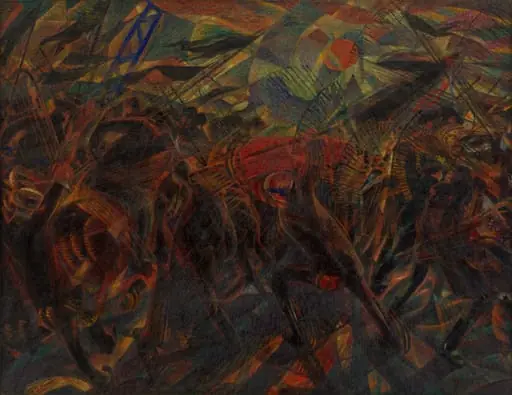 Untitled
Groups & collectives
Frequently asked questions
What is Futurism?
Futurism is an art movement. An Italian movement launched by Marinetti's 1909 manifesto that celebrated speed, machines, and violence.
How many Futurism works does Artifact World Gallery have?
Artifact World Gallery holds 36 public-domain Futurism works, all free to view and download.
Who are the key Futurism artists?
Key Futurism artists in the collection include Umberto Boccioni, Joseph Stella and Gino Severini.
When did Futurism take place?
Futurism dates from around 1909.
Where can I see Futurism works?
Futurism works in the collection are held by Museum of Modern Art, National Museum of Fine Arts, Argentina and Royal Museum of Fine Arts Antwerp.