Movement
Mexican Casta Painting

Mexican Casta Painting is an art movement of the 1700–1800 period. The gallery holds 42 works in this movement, including works by Cristóbal de Villalpando. Browse Mexican Casta Painting paintings, portraits, pictures and artworks from the world's public-domain museum collections.
Casta painting emerged in the early eighteenth century in the Viceroyalty of New Spain (colonial Mexico) as a distinctly American genre devoted to cataloguing the colony's mixed-race population. The earliest known set is attributed to Juan Rodríguez Juárez around 1711, and the form flourished for roughly a century. Its appearance coincided with Bourbon-era preoccupations with social order and with an Enlightenment impulse to classify the natural world: just as naturalists tabulated flora and fauna, these paintings sought to systematize the unions of Spaniards, Indigenous Americans, and Africans, and the offspring such pairings produced. Many sets were destined for collectors and officials in Spain, where they served as exotic illustrations of the racial hierarchy, or *sistema de castas*, that ordered colonial life.
The genre follows a remarkably consistent formula. A complete set typically comprises sixteen scenes — sometimes painted on a single canvas divided into compartments — each depicting a family trio of father, mother, and child of a given racial mixture, accompanied by an inscription reading, for example, "De español y india, mestizo." The sequence begins with prestigious unions and descends into increasingly elaborate and often pejorative categories, with fanciful, zoologically tinged names such as *lobo* (wolf), *coyote*, and *no te entiendo* ("I-don't-understand-you"). The figures are rendered naturalistically and embedded in vivid detail of dress, trades, domestic interiors, and local produce, making the paintings a rich, if ideologically loaded, record of everyday material culture.
The acknowledged master of the genre is Miguel Cabrera, the most celebrated painter of the viceroyalty, whose signed 1763 series is considered its finest achievement. Other principal practitioners include Juan Patricio Morlete Ruiz, José de Ibarra, Andrés de Islas, José Joaquín Magón, the Spanish-trained Francisco Clapera (1746–1810), and Luis de Mena, who famously fused a casta cycle with an image of the Virgin of Guadalupe.
Casta painting waned as Spain's American colonies moved toward independence around 1821, by which point over a hundred theoretical categories of mixture had been catalogued. Long dismissed, it is now studied intensively for what it reveals about race, identity, and colonial ideology, and it has inspired contemporary Latinx and Mexican artists who critique its taxonomic gaze. The anonymous panels held in this collection exemplify the genre's enduring documentary and art-historical fascination.
Key artists
Works
 Untitled
 Untitled
 Untitled
 Untitled
 Untitled
 Untitled
 Untitled
 Untitled
 Untitled
 Untitled
 Untitled
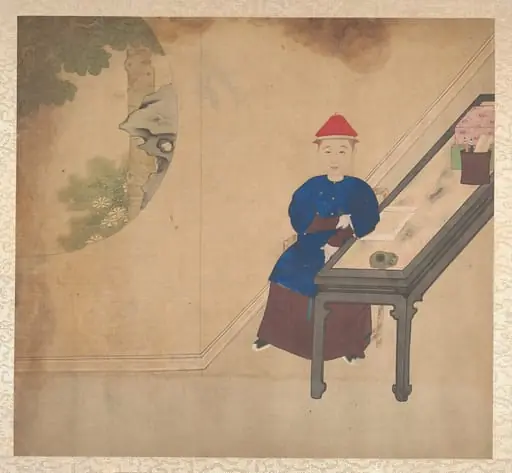 Untitled
 Untitled
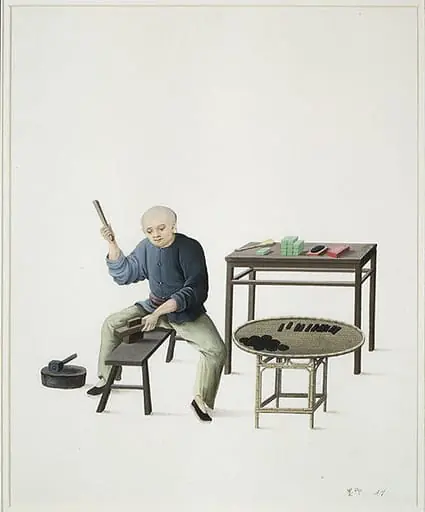 Untitled
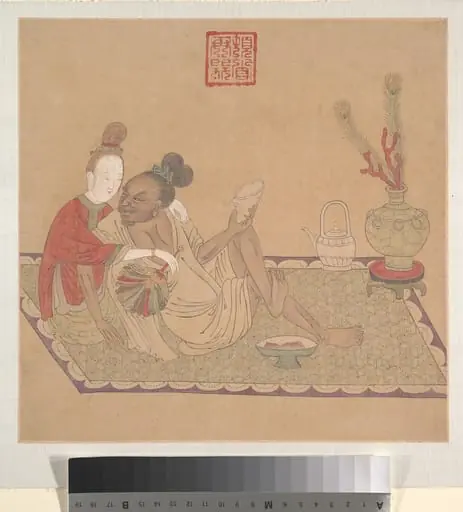 Untitled
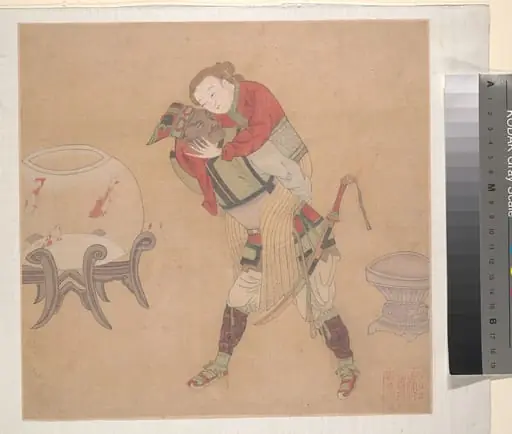 Untitled
 Untitled
 Untitled
 Untitled
 Untitled
 Untitled
 Untitled
 武将肖像画|Portrait of a Warrior
 見返り地蔵菩薩図|The Bodhisattva Jizō “Looking Back”
 Untitled
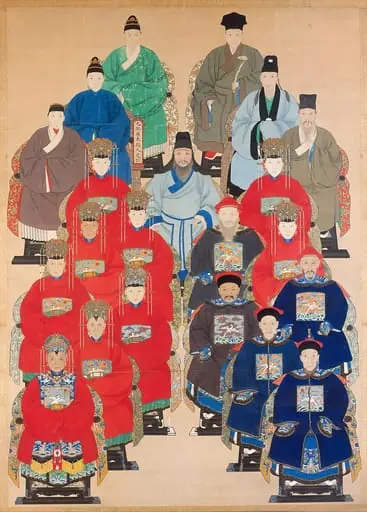 Untitled
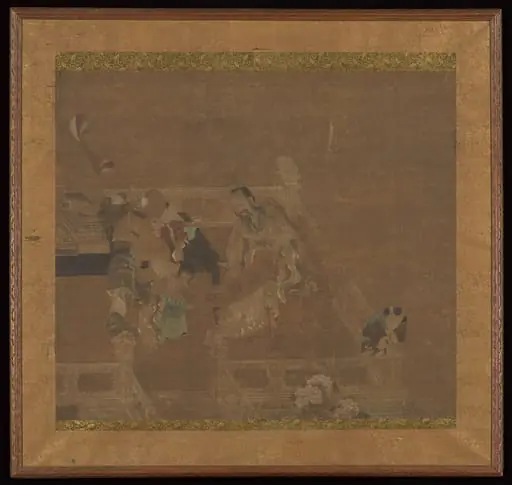 Untitled
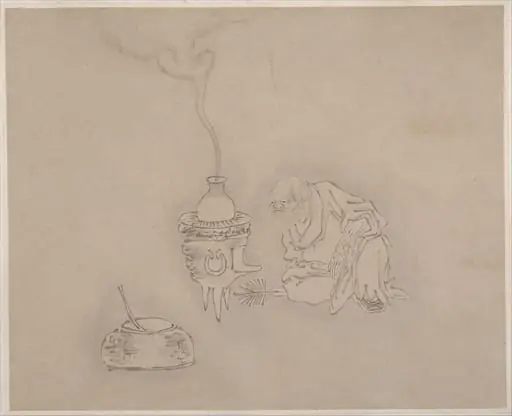 Untitled
 清 佚名 蜂舞花叢 册頁|Flowers and Bees
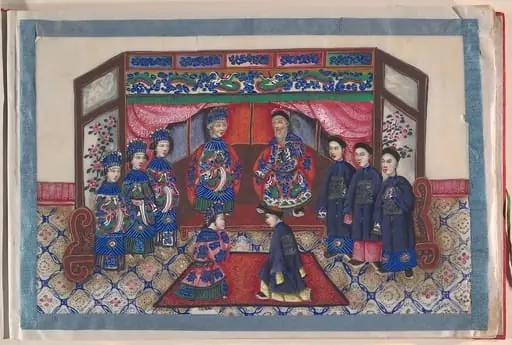 Untitled
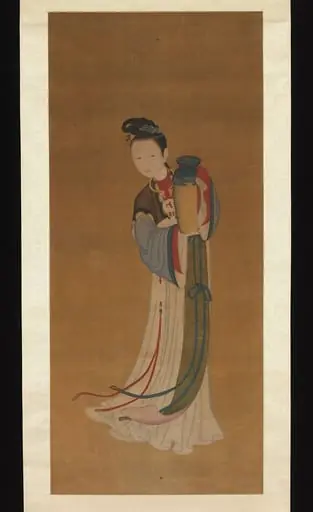 清 佚名 持瓶仕女 軸|Girl Bringing Jar of Wine
 Untitled
 Untitled
 Untitled
 Untitled
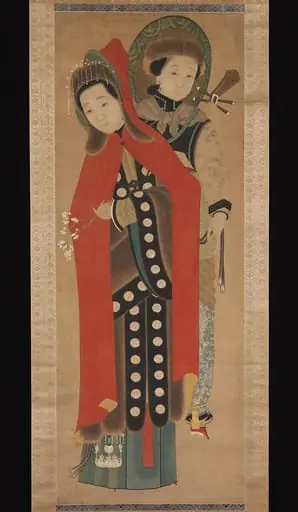 Untitled
 Untitled
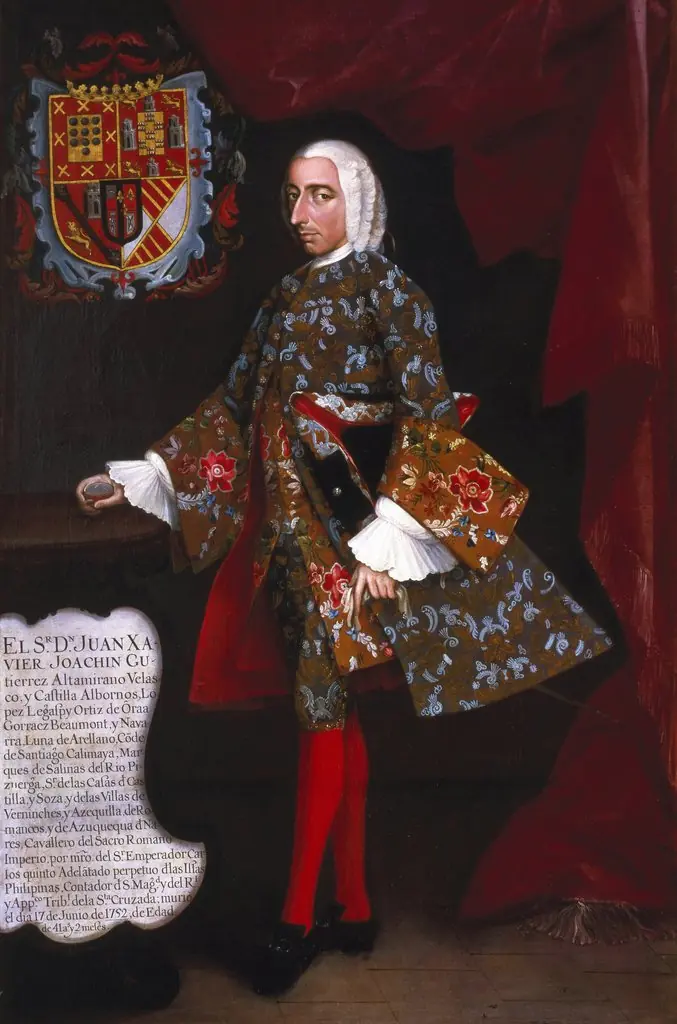 Don Juan Xavier Joachín Gutiérrez Altamirano Velasco
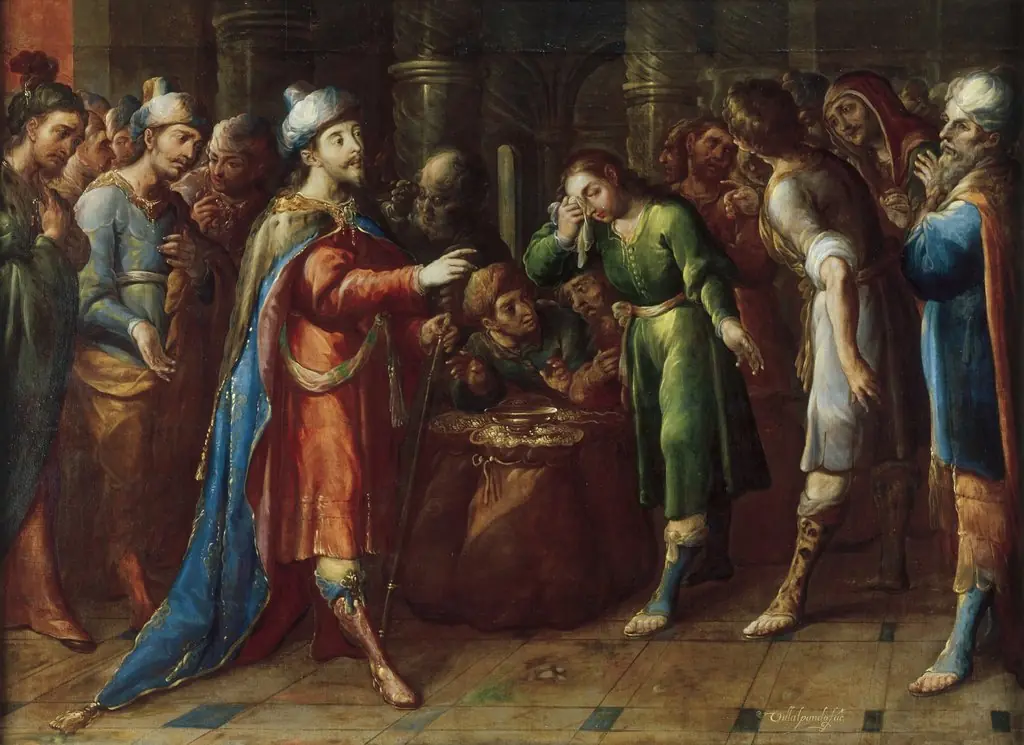 Joseph Claims Benjamin as his Slave
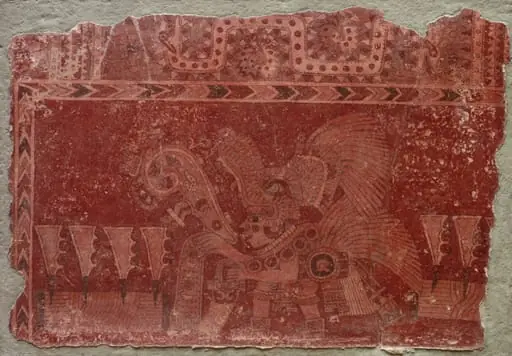 Mural Fragment with Elite Male and Maguey Cactus Leaves
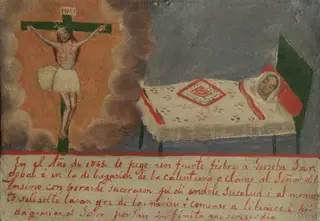 Votive offering dedicated to the Lord of the Encino
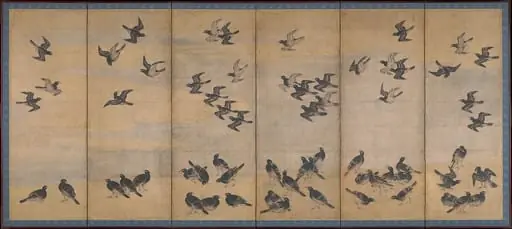 叭々鳥図屏風|Mynah Birds
Frequently asked questions
What is Mexican Casta Painting?
Mexican Casta Painting is an art movement. An 18th-century colonial Mexican genre that catalogued the racial mixtures of New Spain.
How many Mexican Casta Painting works does Artifact World Gallery have?
Artifact World Gallery holds 42 public-domain Mexican Casta Painting works, all free to view and download.
Who are the key Mexican Casta Painting artists?
Key Mexican Casta Painting artists in the collection include Cristóbal de Villalpando.
When did Mexican Casta Painting take place?
Mexican Casta Painting dates from 1700–1800.
Where can I see Mexican Casta Painting works?
Mexican Casta Painting works in the collection are held by Metropolitan Museum of Art, Cleveland Museum of Art and Brooklyn Museum.