
Movement
Post Painterly Abstraction
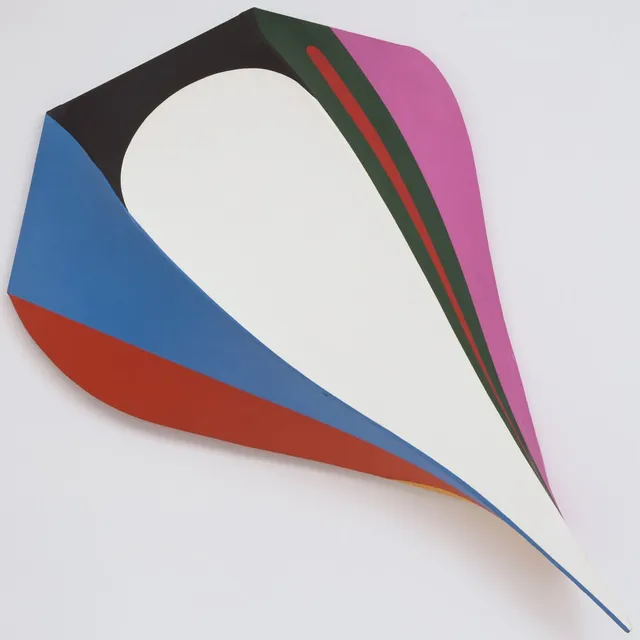
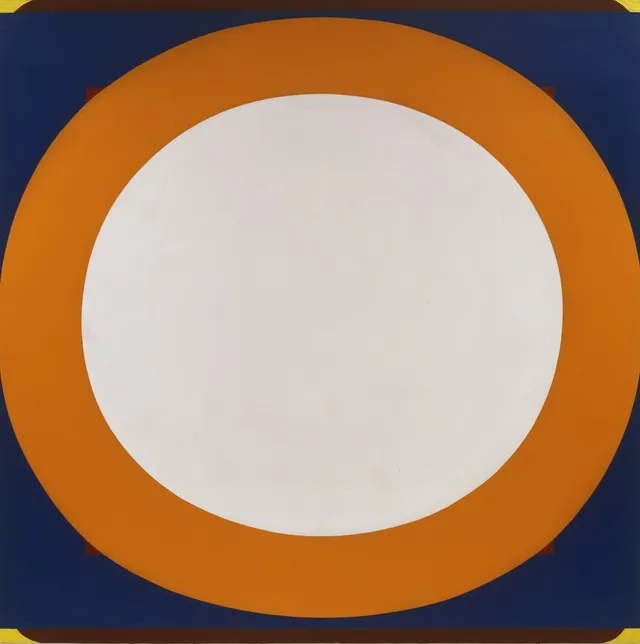
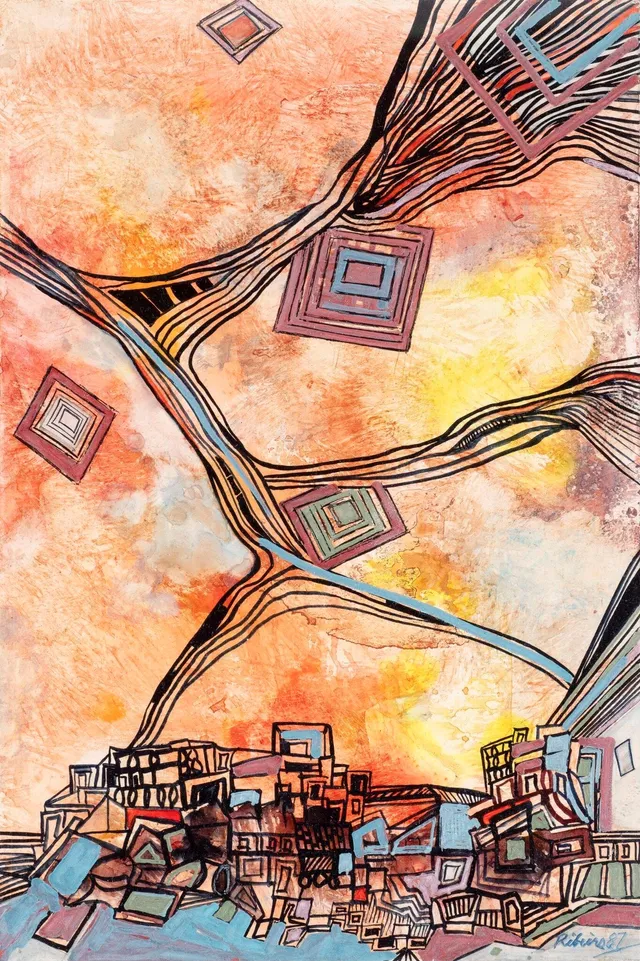
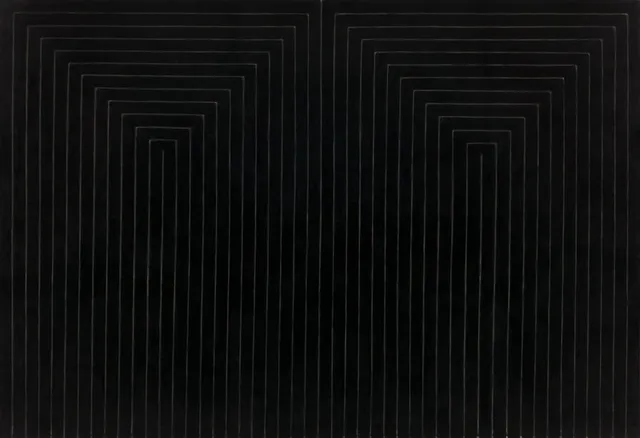
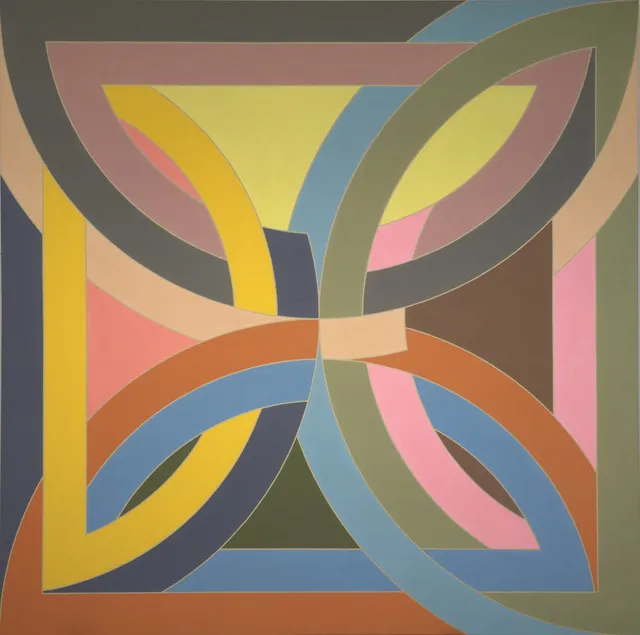
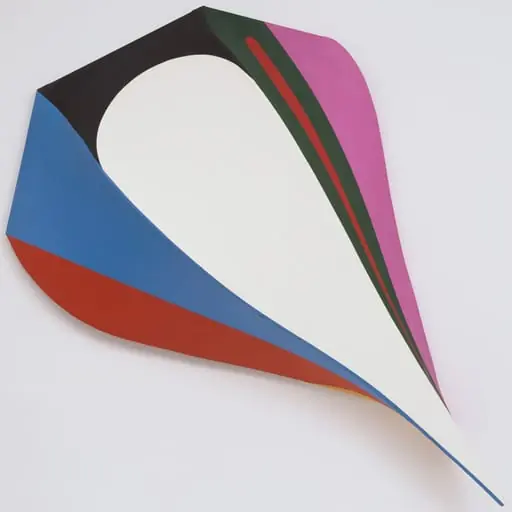
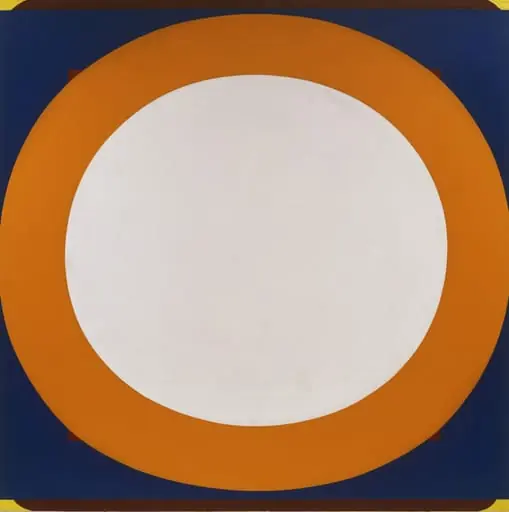
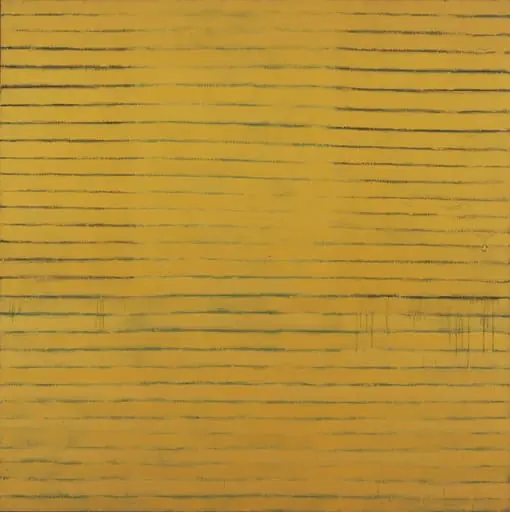
Post Painterly Abstraction is an art movement of the 1950–1970 period. The gallery holds 6 works in this movement, including works by Lancelot Ribeiro, Frank Stella and Charles Hinman. Browse Post Painterly Abstraction paintings, portraits, pictures and artworks from the world's public-domain museum collections.
Post-Painterly Abstraction was named by the influential critic Clement Greenberg for an exhibition he organized at the Los Angeles County Museum of Art, on view from April 23 to June 7, 1964, and sponsored by the museum's Contemporary Art Council. Gathering thirty-one artists, the show then traveled to the Walker Art Center in Minneapolis and the Art Gallery of Toronto. Greenberg borrowed his title from the Swiss art historian Heinrich Wölfflin's distinction between the "linear" and the "painterly," using it to identify a tendency that grew out of 1940s and 1950s Abstract Expressionism yet recoiled from its dense, gestural surfaces. Where the older generation prized thick impasto and visible struggle, these younger painters favored openness and clarity — a cooling of abstraction's heat into something lucid and resolved.
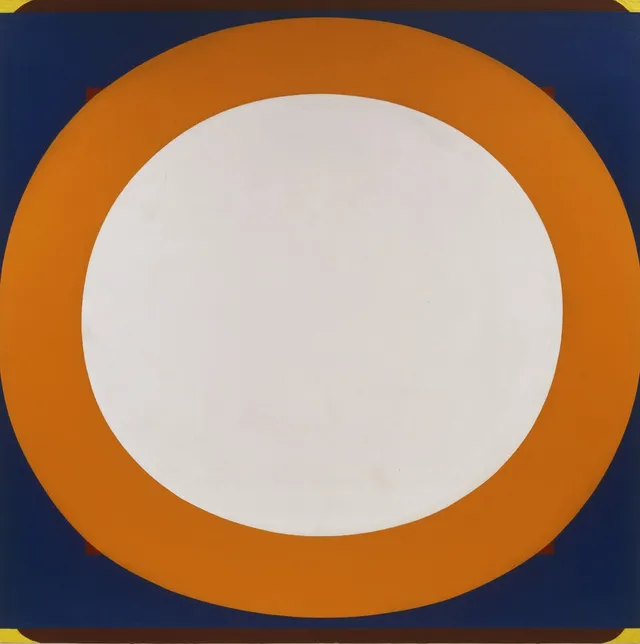
The shared visual language rejected expressive brushwork in favor of broad areas of flat, unmodulated color. Greenberg grouped two related strands under the term. The first descended from Helen Frankenthaler's "soak-stain" method: thinning paint so it seeped directly into raw, unprimed canvas, fusing color and support into a single luminous plane. The second was a crisper, hard-edge abstraction of clean contours, high-keyed hues, and clearly bounded shapes. In both, anonymity of facture replaced the heroic, personal mark.
The movement's principal figures are its enduring canon. Frankenthaler's Mountains and Sea (1952), a seven-by-ten-foot stained landscape-abstraction, served as its touchstone — Morris Louis called it "a bridge between Pollock and what is possible." Louis followed with his pouring Veils, Kenneth Noland with concentric targets and chevrons, and Jules Olitski with sprayed atmospheric fields. On the hard-edge side stood Frank Stella's austere stripe paintings, alongside Ellsworth Kelly and Al Held. Our collection holds works by several of these artists, including untitled pieces by Frank Stella and Al Held.
Post-Painterly Abstraction crystallized the broader Color Field tendency and overlapped with hard-edge painting and the Washington Color School, while its reductive logic helped open the path toward Minimalism. As the high-water mark of Greenberg's formalist criticism — art purified to flatness, color, and shape — it remains a pivotal episode in postwar American abstraction, even as later critics questioned the narrowness of its program.
Key artists

Works

Frequently asked questions
What is Post Painterly Abstraction?
Post Painterly Abstraction is an art movement. A 1960s American reaction against the heat of Abstract Expressionism.
Who are the key Post Painterly Abstraction artists?
Key Post Painterly Abstraction artists in the collection include Lancelot Ribeiro, Frank Stella and Charles Hinman.
When did Post Painterly Abstraction take place?
Post Painterly Abstraction dates from 1950–1970.
Where can I see Post Painterly Abstraction works?
Post Painterly Abstraction works in the collection are held by Museum of Modern Art and Victoria and Albert Museum.