Artist
Movement
Street Art Painting
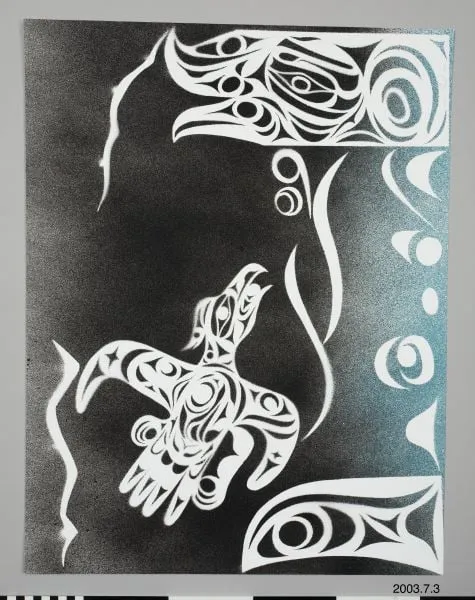
Street Art Painting is an art movement dating from 1970. The gallery holds 1 work in this movement, including works by Tim Paul. Browse Street Art Painting paintings, portraits, pictures and artworks from the world's public-domain museum collections.
Street art grew out of the graffiti subculture that took hold in American cities at the turn of the 1970s. After Cornbread tagged Philadelphia walls in the late 1960s and a Washington Heights teenager known as TAKI 183 blanketed New York with his moniker—earning a notice in The New York Times on 21 July 1971—the act of writing one's name in public spread along subway lines and tenement walls. It arose amid the fiscal crisis, poverty, and segregation of the postwar city, driven largely by young Black and Latino writers seeking visibility and identity in an indifferent landscape. What began as the simple "tag" escalated, through the competitive "Style Wars" of the 1970s, into elaborate multicolored "pieces" (short for masterpieces).
The movement's visual language is rooted in the aerosol can and, later, the stencil and the wheatpasted poster. Defining traits include bold, saturated color; hard black outlines; flattened, graphic forms; and above all lettering—names and slogans rendered in interlocking, three-dimensional, often deliberately illegible scripts. As writers moved from trains to canvas, these devices carried over: spray paint, marker, and cut stencil, a populist directness of address, and public, frequently political messages. In 1981 the Parisian Blek le Rat pioneered figurative stencil graffiti, a faster, image-based alternative to New York "wildstyle" that would shape the European scene.
The artists who carried street art into the gallery define its canon. Jean-Michel Basquiat began as half of the cryptic SAMO© tagging duo before his raw, text-laden Neo-Expressionist canvases made him a star of the early-1980s downtown scene. Keith Haring, who first drew his radiant babies and barking dogs in chalk on blacked-out subway advertising panels, built a bold, cartoon-like vocabulary to address AIDS, apartheid, and addiction. Shepard Fairey's OBEY campaign, launched from an André the Giant sticker in 1989, fused propaganda graphics with skate culture. Britain's anonymous Banksy—openly indebted to Blek le Rat and Fairey—turned satirical stencils such as Girl with Balloon into some of the most recognized images of the era.
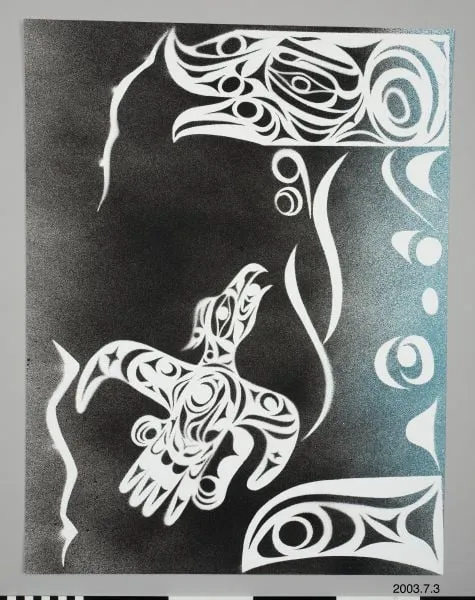
Street art is closely tied to Pop Art, sharing its embrace of mass-culture imagery, flat bold color, and an accessibility that bypasses the museum gatekeeper; Andy Warhol's brief collaboration with Basquiat literally bridged the two. From outlaw origins it has become a globally collected practice—commanding auction prices, civic mural commissions, and museum retrospectives—while seeding the muralism and "urban contemporary" art of the 21st century. This catalogue holds spray paintings, graphics, and related works in the idiom, including pieces by Tim Paul, that extend the tradition of carrying public messages from the street onto the painted surface.
Key artists
Works
Frequently asked questions
What is Street Art Painting?
Street Art Painting is an art movement. Painting that grew out of graffiti and the urban wall, moving from the street into galleries.
Who are the key Street Art Painting artists?
Key Street Art Painting artists in the collection include Tim Paul.
When did Street Art Painting take place?
Street Art Painting dates from around 1970.
Where can I see Street Art Painting works?
Street Art Painting works in the collection are held by ethnographic museum.