
Movement
Photorealism
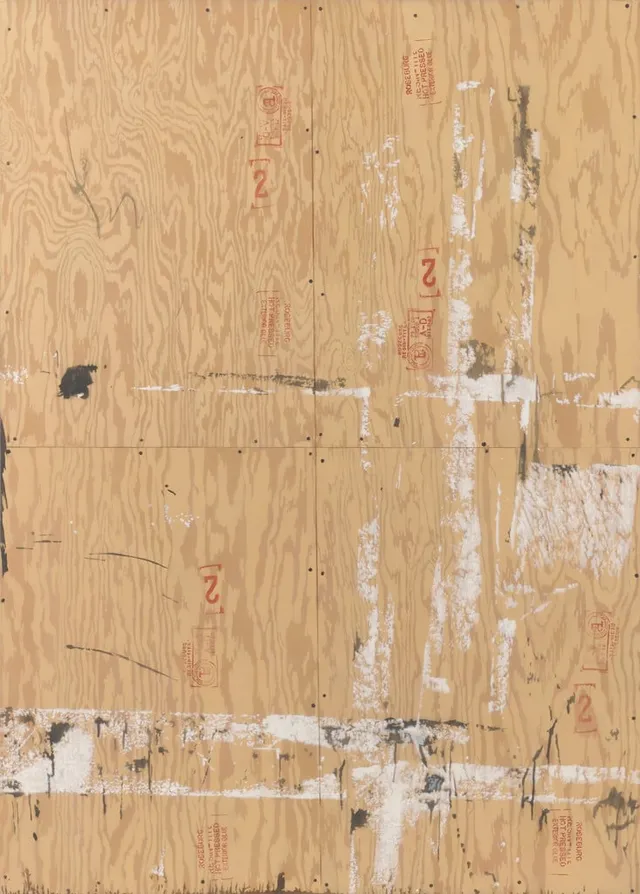
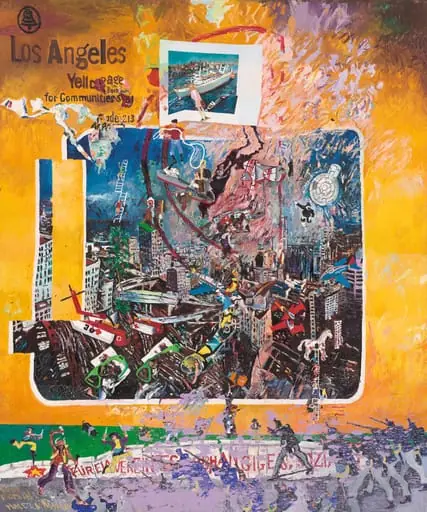
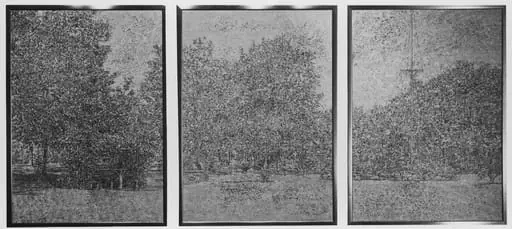
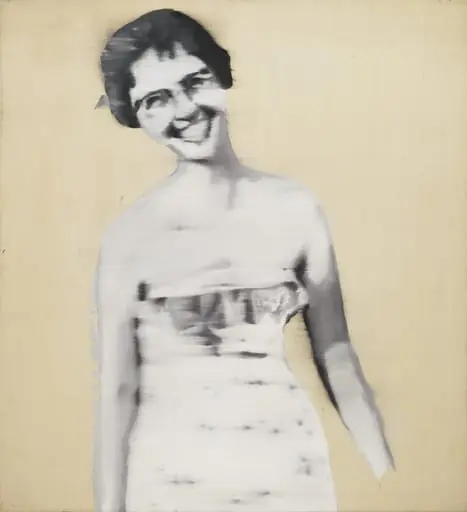
Photorealism is an art movement of the 1960–1980 period. The gallery holds 12 works in this movement, including works by Ben Johnson, Audrey Flack and Ralph Goings. Browse Photorealism paintings, portraits, pictures and artworks from the world's public-domain museum collections.
Photorealism emerged in the United States in the late 1960s and crystallized in the early 1970s, centered in New York and California. It was, in part, a reaction against the gestural emotion of Abstract Expressionism—occupying a cooler middle ground that shared Pop Art's appetite for popular and commercial subject matter while embracing a clean, methodical precision closer to Minimalism. The movement took its name from the Brooklyn art dealer Louis K. Meisel, who coined "Photorealism" in 1969; the term appeared in print the following year in the catalogue for the Whitney Museum's exhibition "Twenty-two Realists." In 1972, at the request of collector Stuart M. Speiser, Meisel codified a five-point definition stipulating that the artist use the camera and photograph to gather information, transfer it to canvas by mechanical or semi-mechanical means, and possess the technical skill to make the finished work appear genuinely photographic.
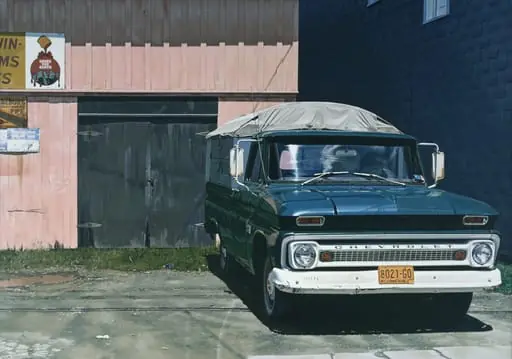
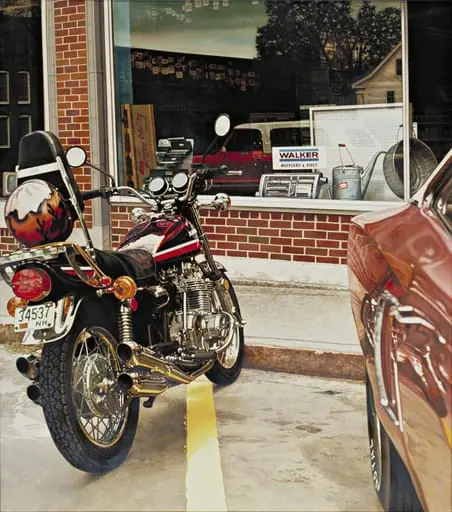
The defining ambition was to reproduce, in paint, the look of a photograph—including its flattened depth, even focus, glare, and reflections—rather than the eye's direct experience of a scene. Working from slides and prints, painters projected images onto the canvas or used grid-transfer systems to map proportions, then built the surface in oil or acrylic, frequently with an airbrush to suppress visible brushstrokes. Favored subjects were emphatically ordinary and modern: storefronts, plate glass, chrome, diners, parked cars, motorcycles, and cluttered tabletops, the glossy surfaces of post-war consumer culture.
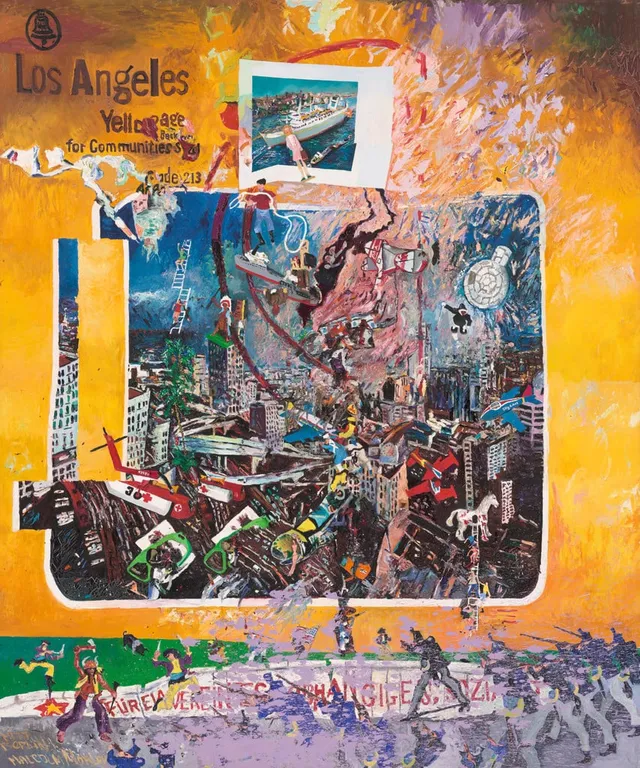
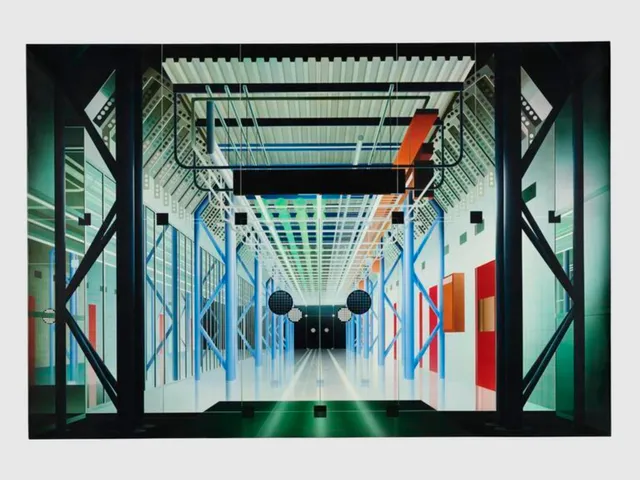
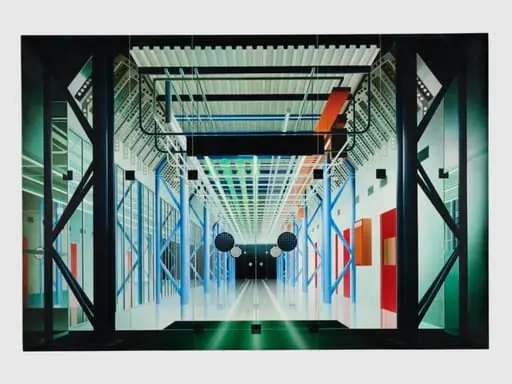
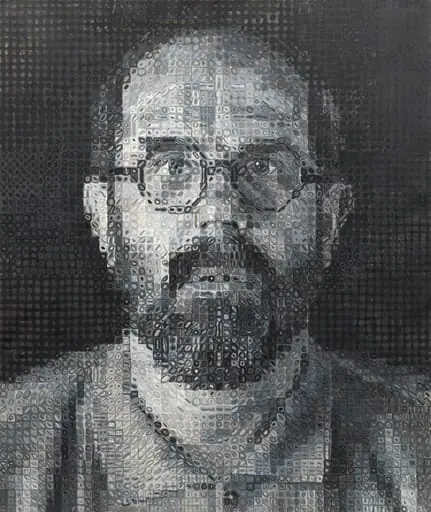
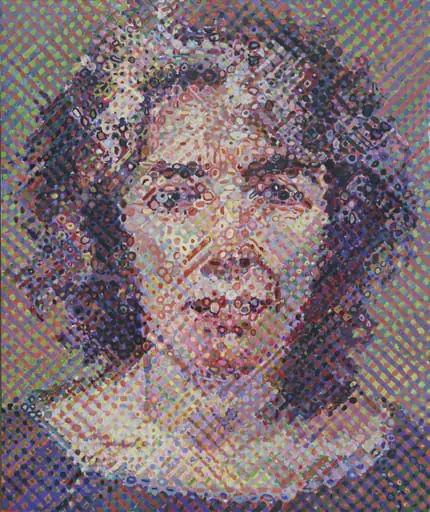
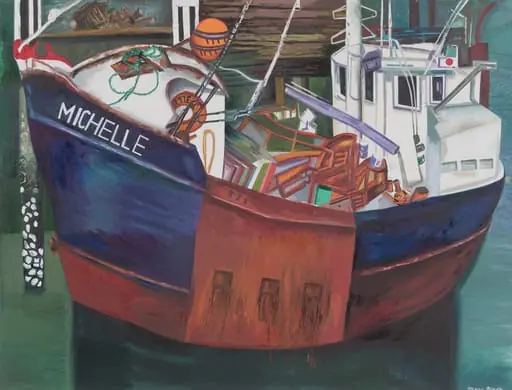
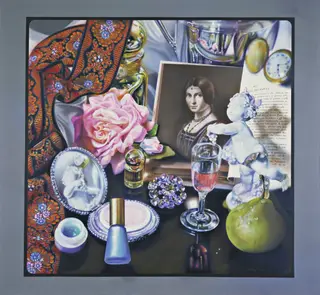
The British-born Malcolm Morley is widely credited as a pioneer, copying ship postcards via a grid in the mid-1960s, though he preferred the term "Super Realism." The canonical roster includes Richard Estes, whose mirror-perfect cityscapes such as The Candy Store (1969) epitomize the style; Chuck Close, known for monumental gridded portraits like Big Self-Portrait (1967–68); Audrey Flack, a founding figure who pioneered airbrushed vanitas still lifes; and Ralph Goings and Robert Bechtle, chroniclers of trucks, diners, and suburban California. Our collection holds works by Morley, Close, Estes's contemporaries, and the British architectural Photorealist Ben Johnson, whose Inmos Central Spine renders industrial space with diagrammatic exactitude.
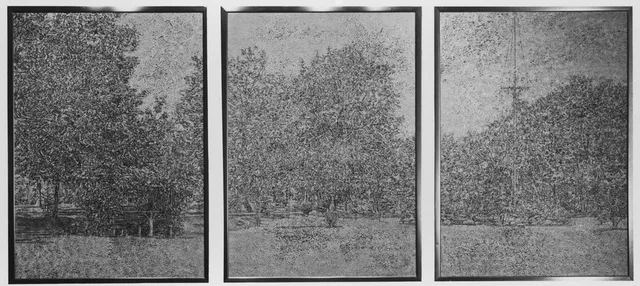
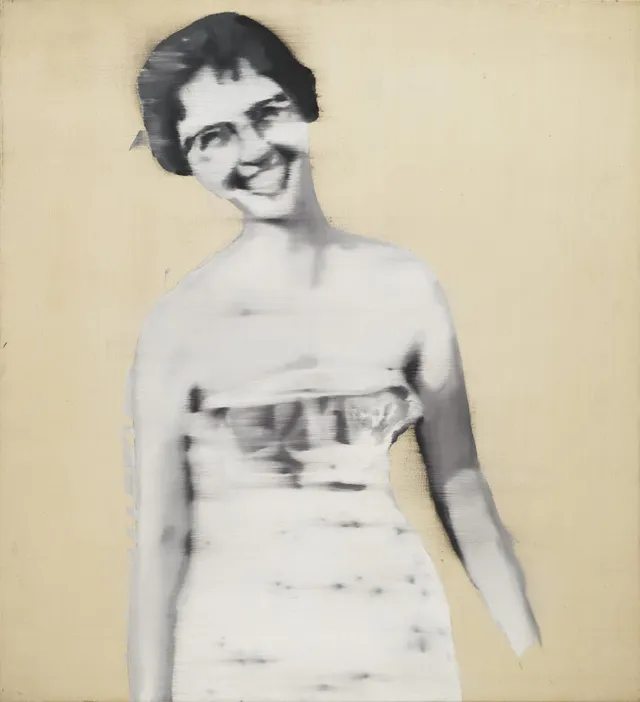
Photorealism's legacy runs through later Hyperrealism, which pushed the illusion further, and it remains entangled with figures like Gerhard Richter and Vija Celmins, who used photographic source imagery toward more conceptual or meditative ends. Its insistence on craft and the optical truth of the lens continues to inform contemporary realist painting.
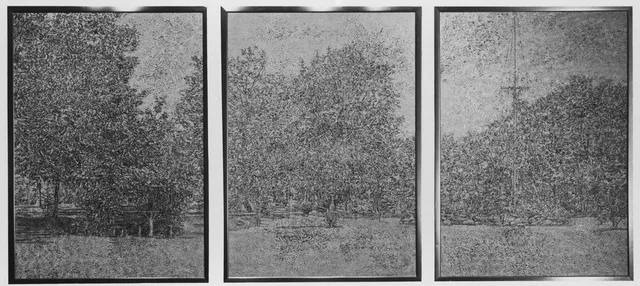
Key artists

Works
Frequently asked questions
What is Photorealism?
Photorealism is an art movement. An American movement emerging in the late 1960s in which painters reproduced photographs with such fidelity that the paintings resemble large color prints.
How many Photorealism works does Artifact World Gallery have?
Artifact World Gallery holds 12 public-domain Photorealism works, all free to view and download.
Who are the key Photorealism artists?
Key Photorealism artists in the collection include Ben Johnson, Audrey Flack and Ralph Goings.
When did Photorealism take place?
Photorealism dates from 1960–1980.
Where can I see Photorealism works?
Photorealism works in the collection are held by Museum of Modern Art and Victoria and Albert Museum.