Movement
Pop art
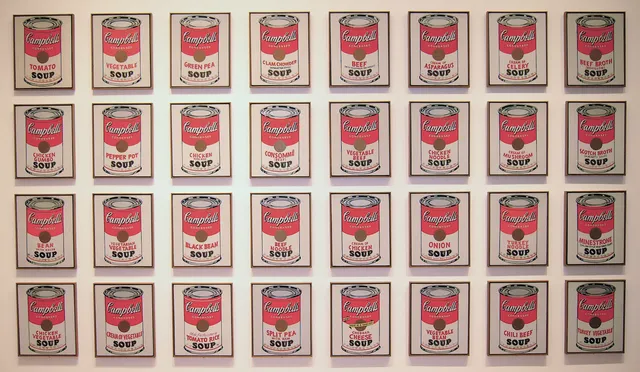
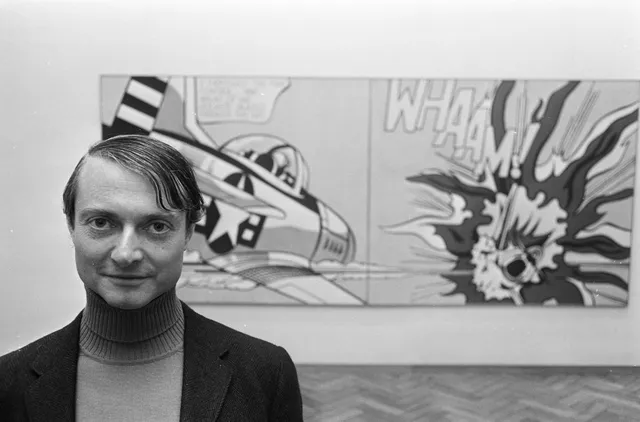
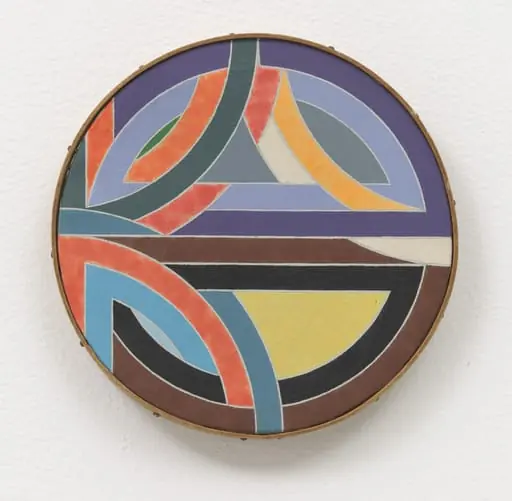
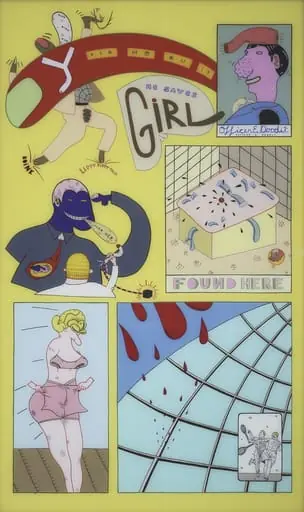
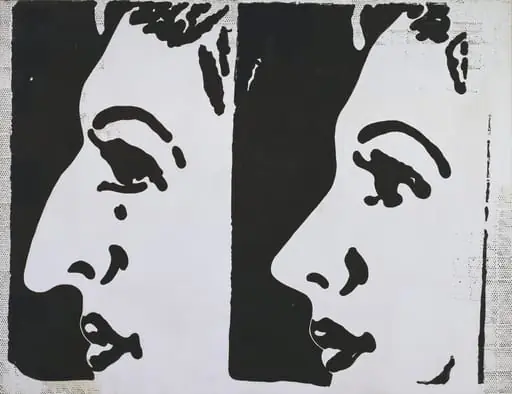
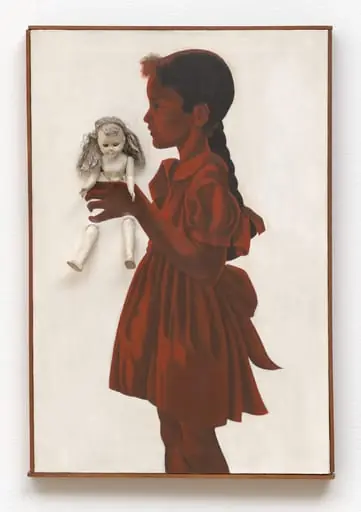
Pop art is an art movement dating from 1950. The gallery holds 36 works in this movement, including works by Andy Warhol, Roy Lichtenstein and Derek Boshier. Browse Pop art paintings, portraits, pictures and artworks from the world's public-domain museum collections.
Pop art emerged in the mid-1950s as Western economies surged out of post-war austerity into an age of mass production, advertising, and television. The term itself is generally credited to the British critic Lawrence Alloway, who used "Pop" around 1954 to describe art drawn from popular culture. Its first crucible was the Independent Group, a circle of young artists, architects, and critics — among them Eduardo Paolozzi, Richard Hamilton, the architects Alison and Peter Smithson, Alloway, and Reyner Banham — who began meeting at London's Institute of Contemporary Arts in 1952 to debate the place of cowboy films, science fiction, billboards, and consumer goods in serious art. Richard Hamilton's small collage for the 1956 Whitechapel Gallery exhibition "This Is Tomorrow" is often called the first true work of Pop.
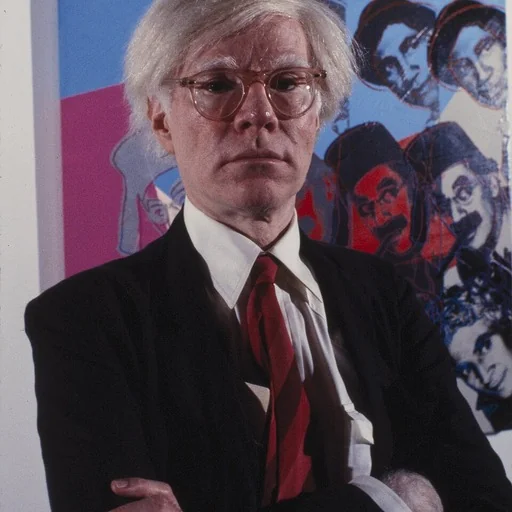
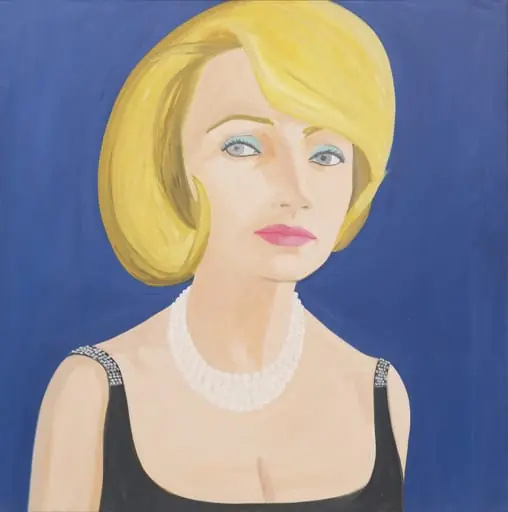
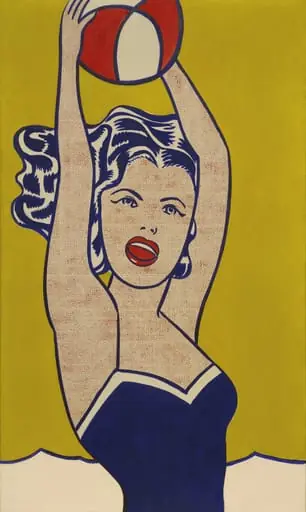
In the United States, where the movement reached its fullest scale around 1960–65, Pop arrived as a pointed reaction against the introspective seriousness of Abstract Expressionism. Where the older generation prized gesture and inner feeling, Pop artists turned outward to the cool, impersonal surfaces of commerce. The visual language was deliberately deadpan: flat fields of bright, often unmixed colour; hard contours; and techniques borrowed wholesale from mechanical reproduction — Andy Warhol's silkscreen printing, which let him repeat an image like a factory line, and Roy Lichtenstein's hand-painted imitation of the Ben-Day dots of cheap comic printing.
The canonical works fix these strategies in place. Warhol's Campbell's Soup Cans (1961–62), a series of thirty-two near-identical panels first shown at the Ferus Gallery, Los Angeles, in July 1962, made a supermarket staple into a meditation on sameness and branding. Lichtenstein's Whaam! (1963), a comic-derived diptych first exhibited at New York's Leo Castelli Gallery and acquired by the Tate in 1966, monumentalised the cartoon frame. Alongside them stood Claes Oldenburg, James Rosenquist, and Tom Wesselmann in America, and in Britain Peter Blake, David Hockney, Derek Boshier, and R. B. Kitaj.
Pop's lineage runs back through the proto-Pop assemblages of Jasper Johns and Robert Rauschenberg, who had already breached the wall between Abstract Expressionism and everyday imagery. Its legacy is vast: by insisting that the photograph and the printed image were legitimate subjects, Pop opened the way for Photorealism's mirror-like precision and, decades later, for the appropriated, public-facing imagery of street-art painting.
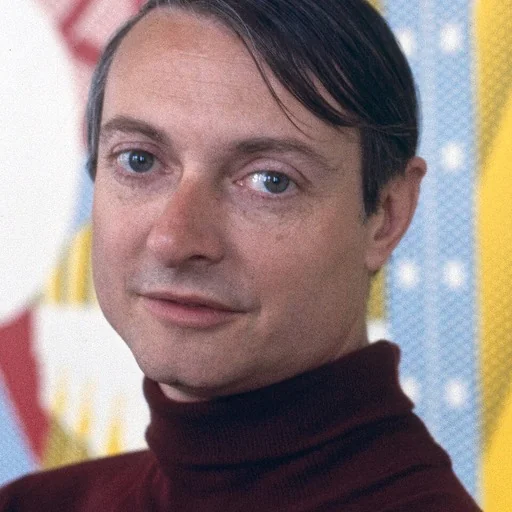
Key artists
Works
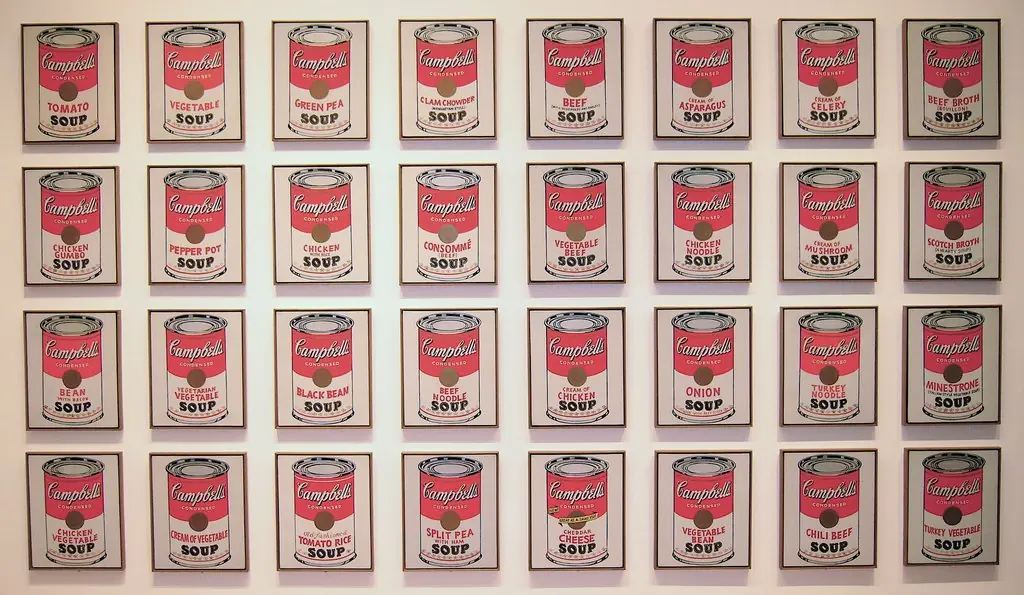 Campbell's Soup Cans
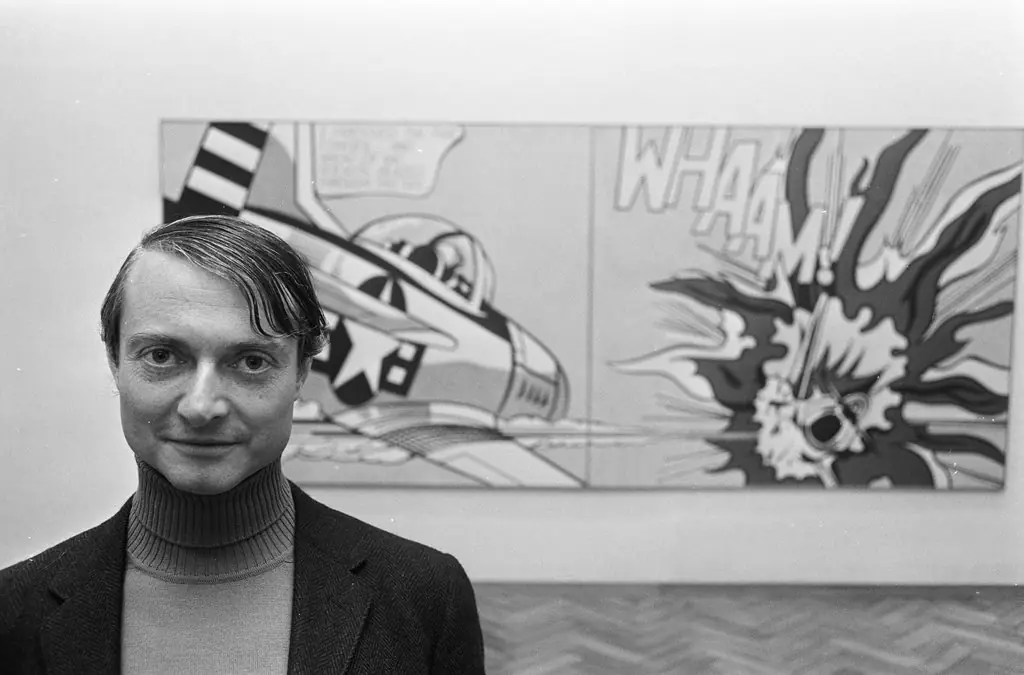 Whaam!
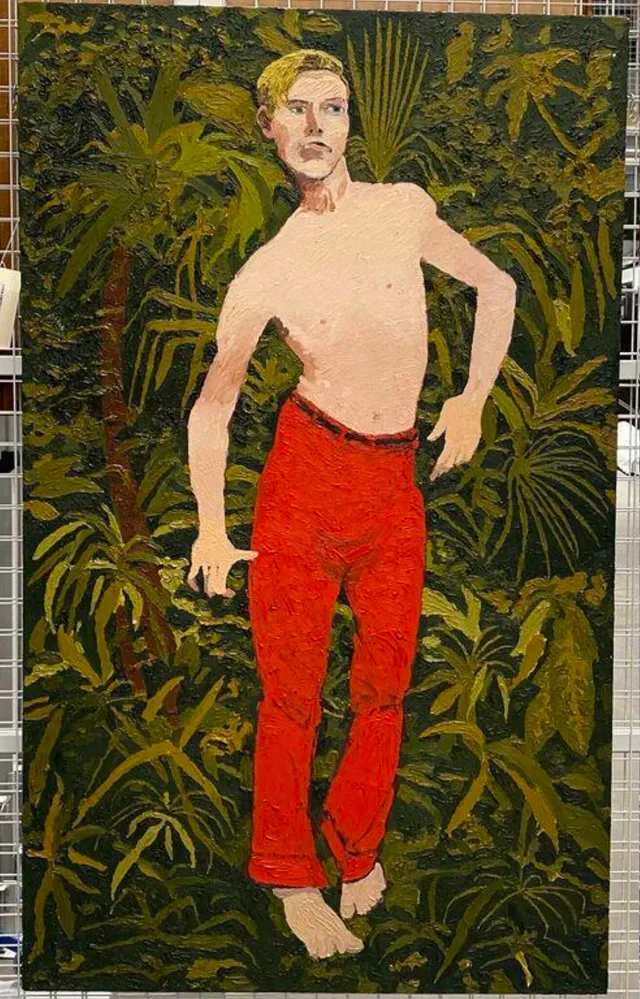
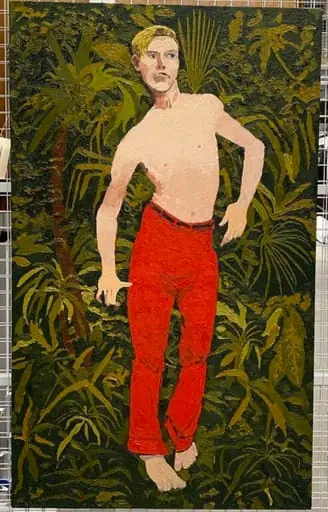 David Bowie As The Elephant Man
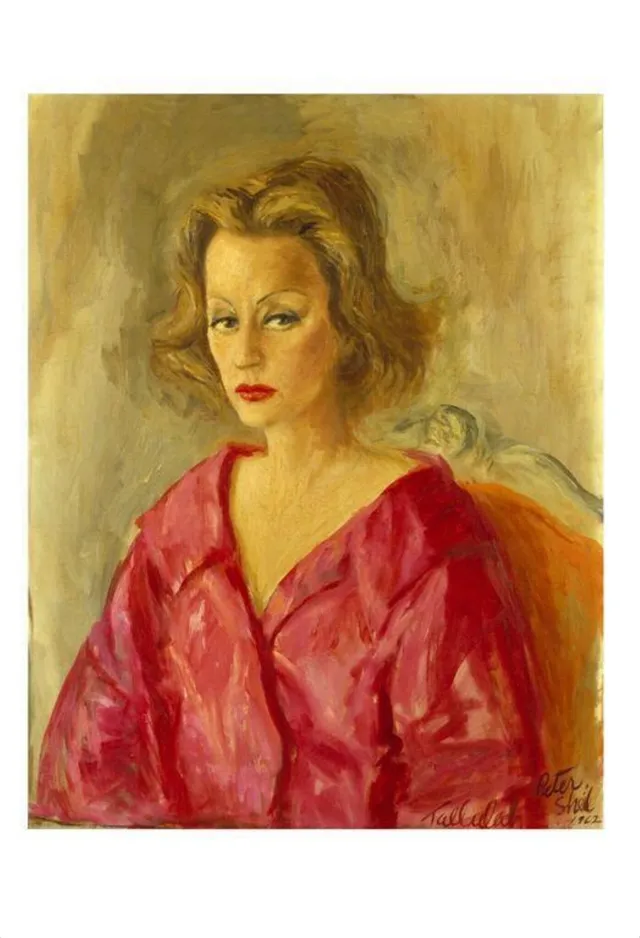
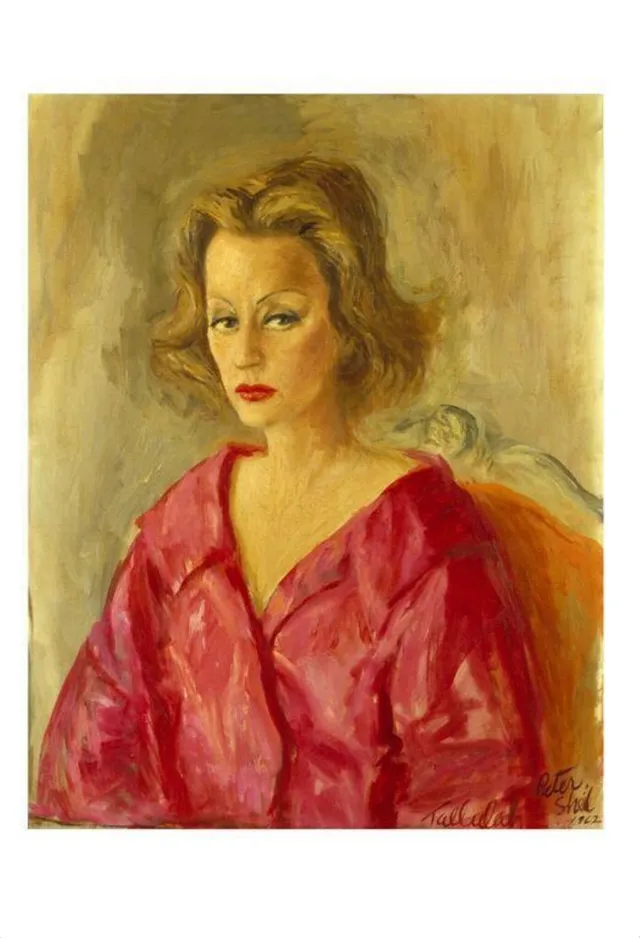
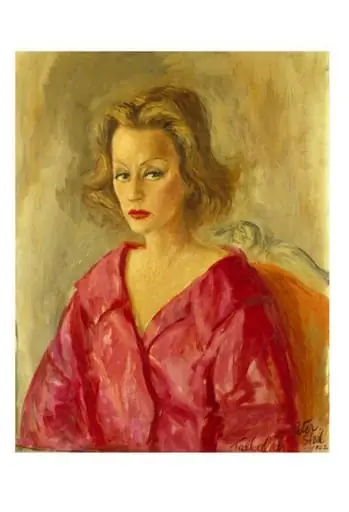 Tallulah Bankhead
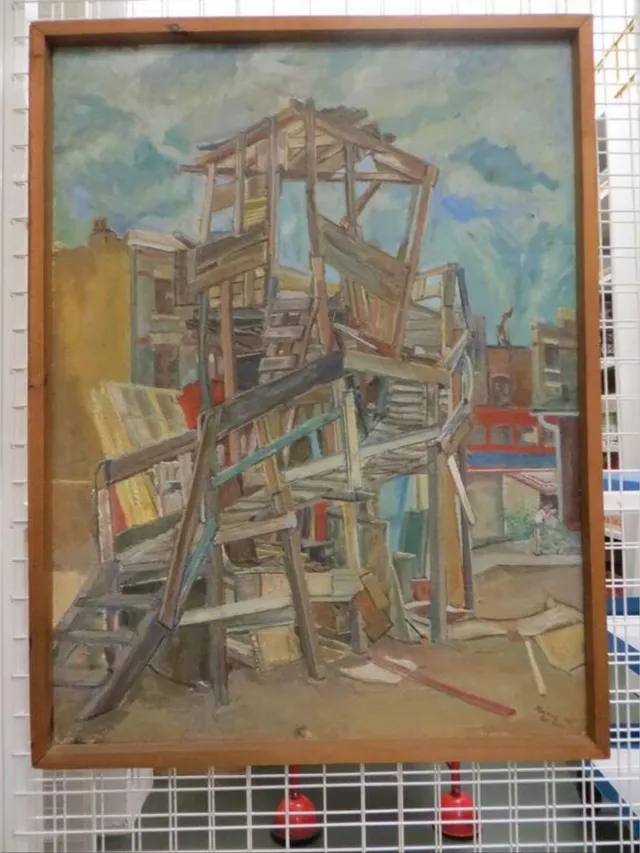
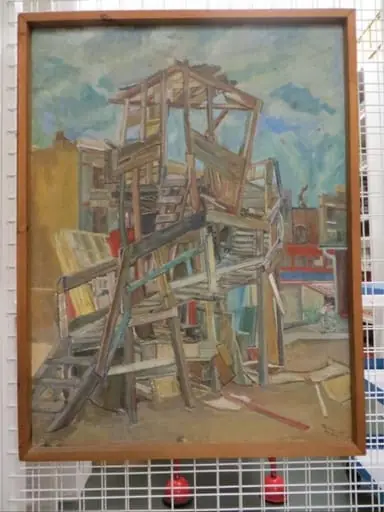 Notting Hill Adventure Playground
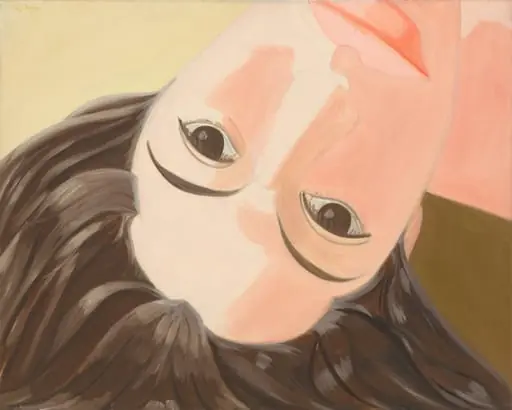 Untitled
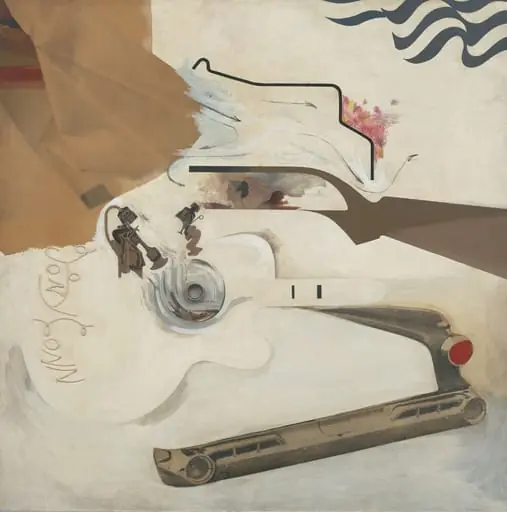 Untitled
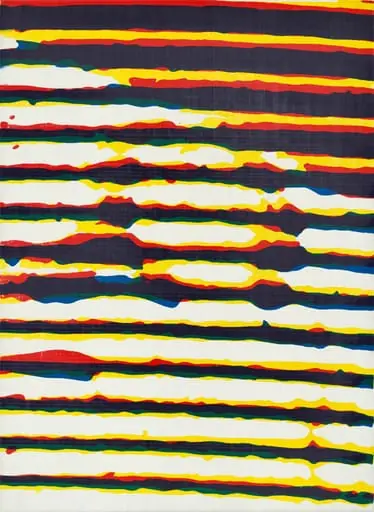 Untitled
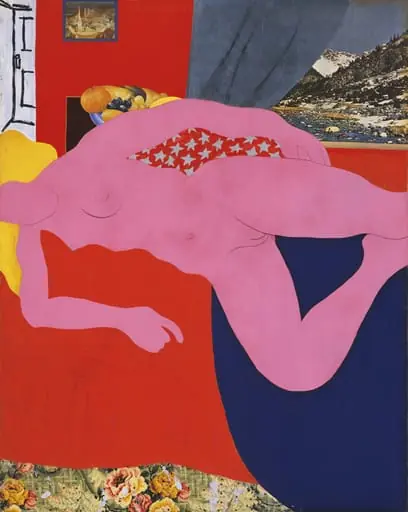 Untitled
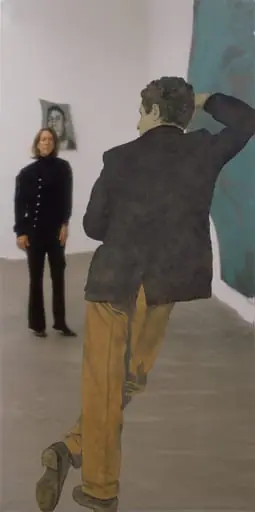 Untitled
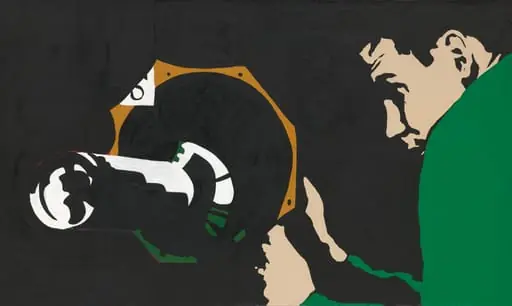 Untitled
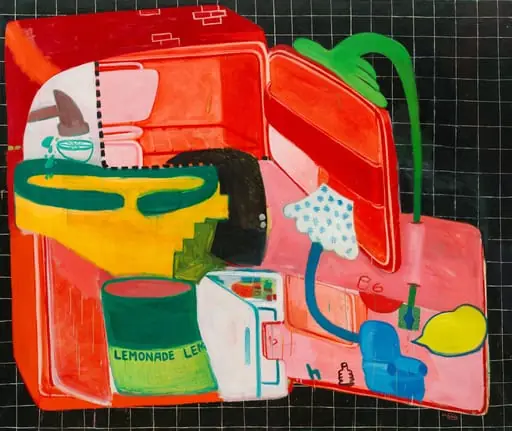 Untitled
 Untitled
 Untitled
 Untitled
 Untitled
 Untitled
 Untitled
 Untitled
 Untitled
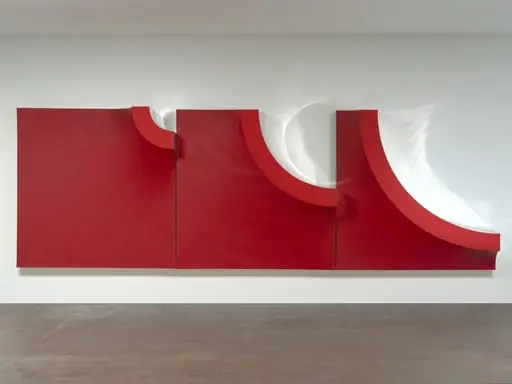 Untitled
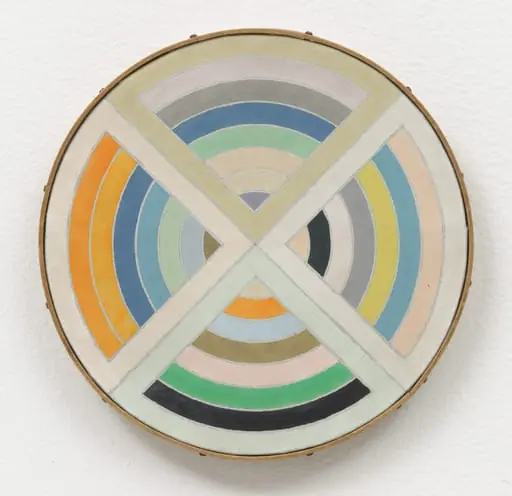 Untitled
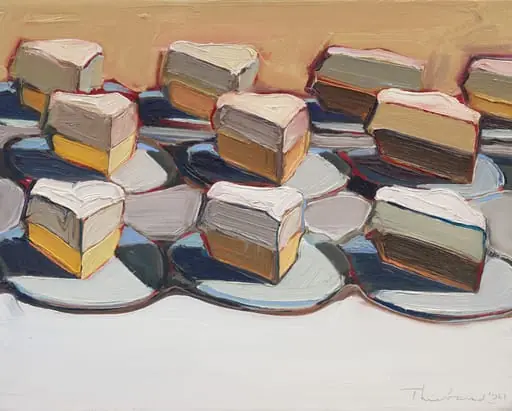 Untitled
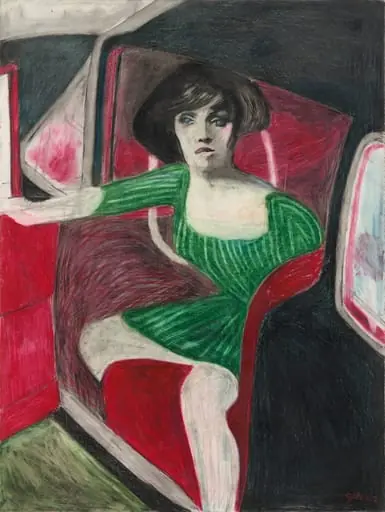 Untitled
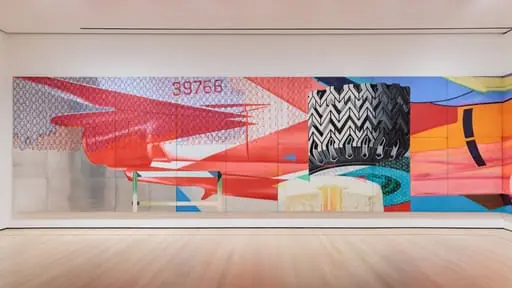 Untitled
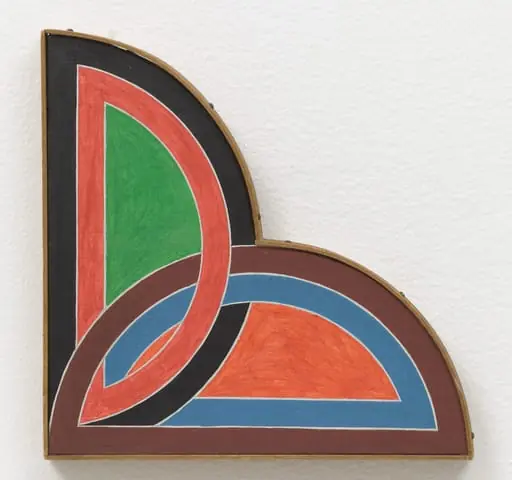 Untitled
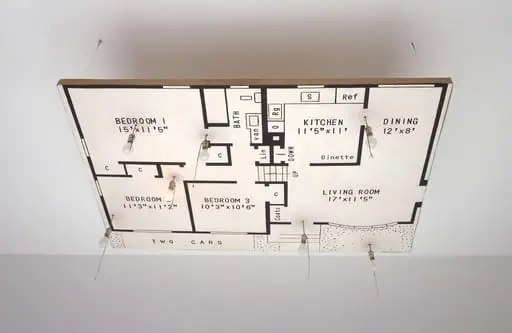 Untitled
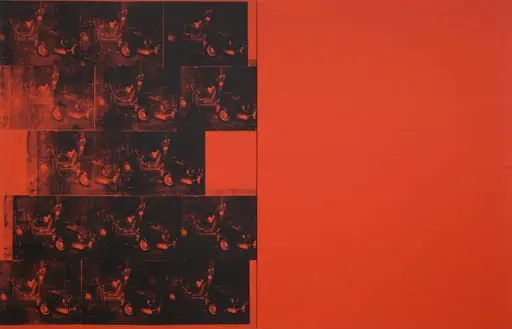 Untitled
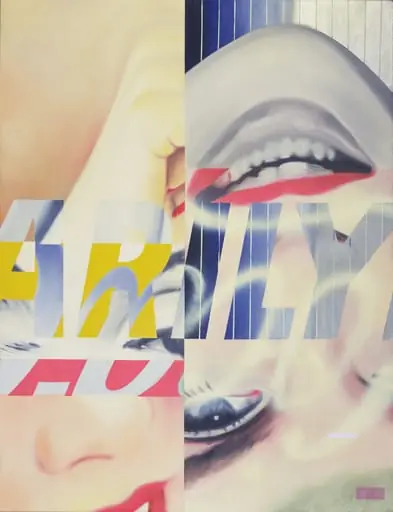 Untitled
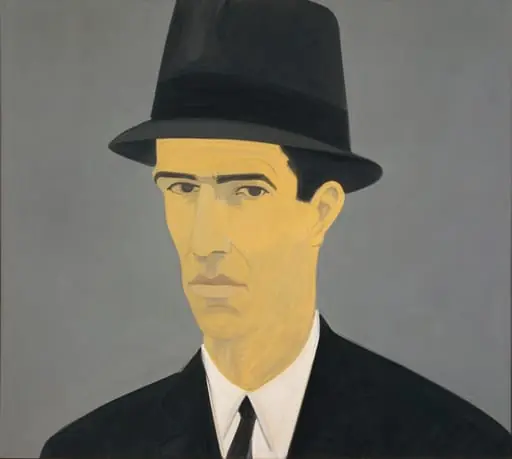 Untitled
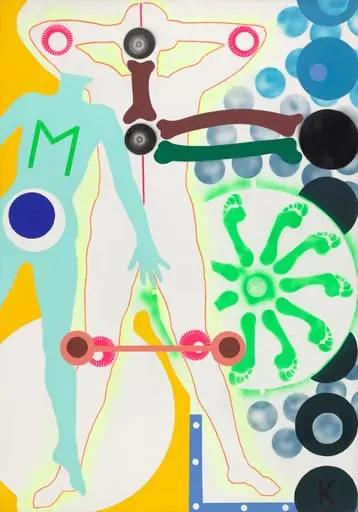 Untitled
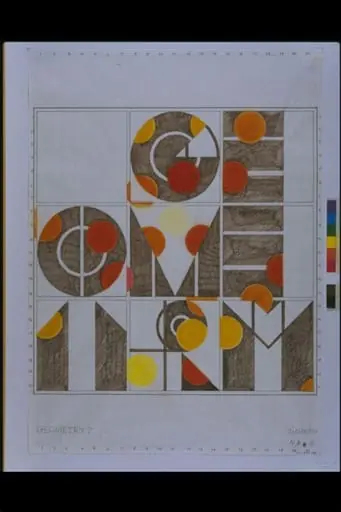 Geometry?
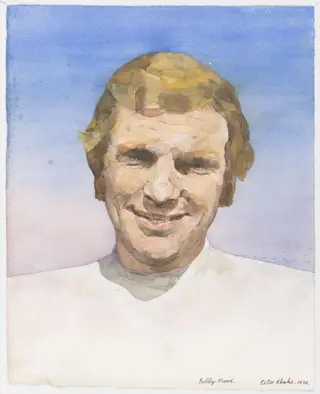 Bobby Moore
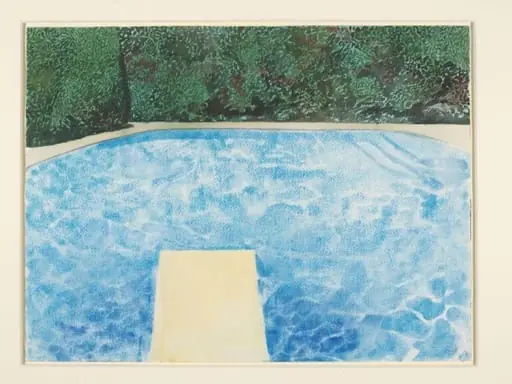 Untitled study for a painting
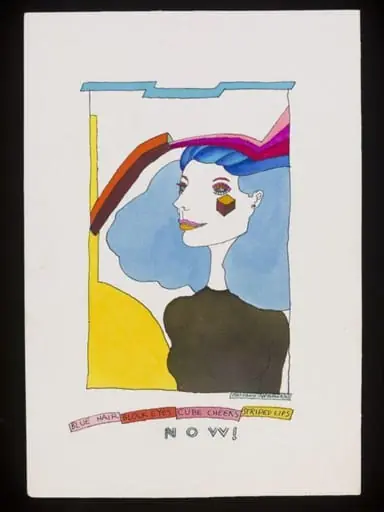 Blue Hair, Block Eyes, Cube Cheeks, Striped Lips Now!
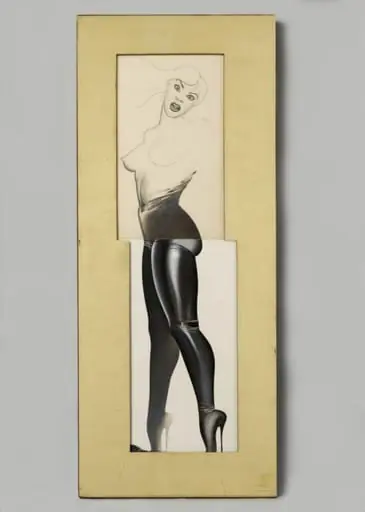 Desire Me
Groups & collectives


Frequently asked questions
What is Pop art?
Pop art is an art movement. A movement born in Britain in the 1950s and reaching its fullest form in New York in the early 1960s, embracing the imagery of mass media, advertising, and consumer products.
How many Pop art works does Artifact World Gallery have?
Artifact World Gallery holds 36 public-domain Pop art works, all free to view and download.
Who are the key Pop art artists?
Key Pop art artists in the collection include Andy Warhol, Roy Lichtenstein and Derek Boshier.
When did Pop art take place?
Pop art dates from around 1950.
Where can I see Pop art works?
Pop art works in the collection are held by Museum of Modern Art, Victoria and Albert Museum and Tate.