Movement
Transavantgarde
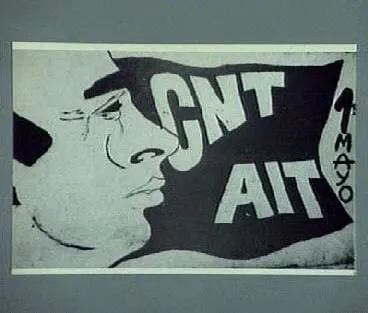
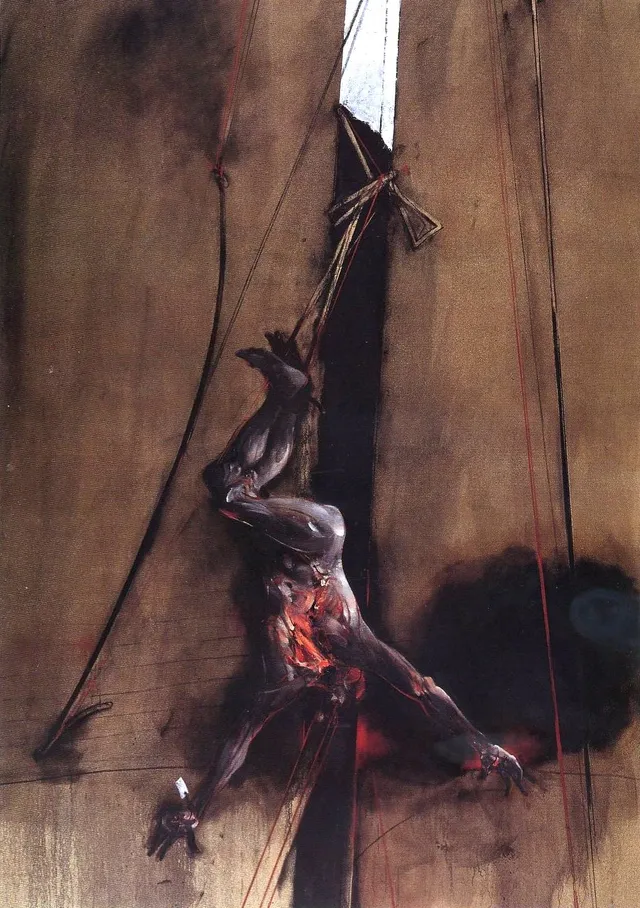
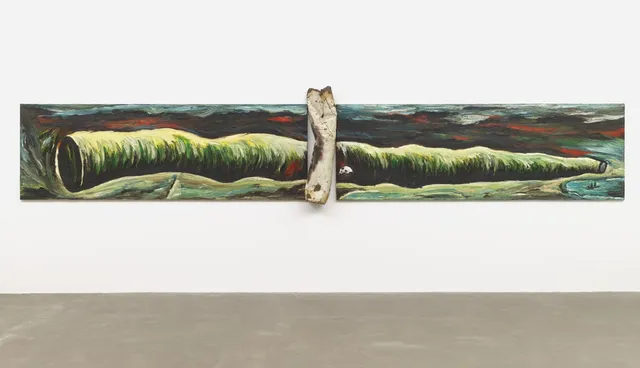
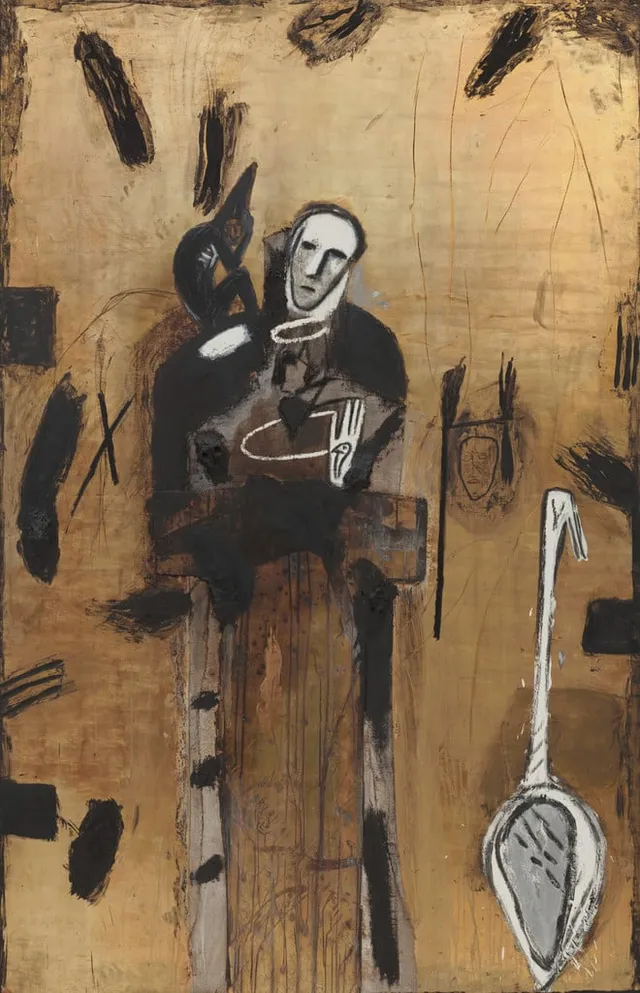
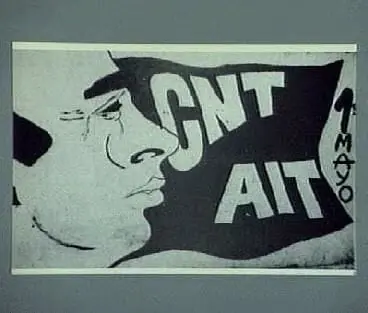
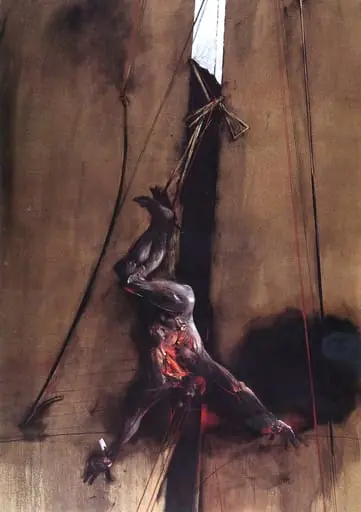
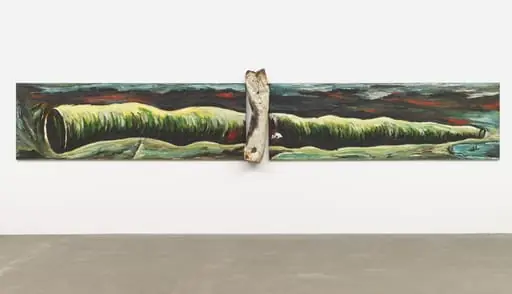
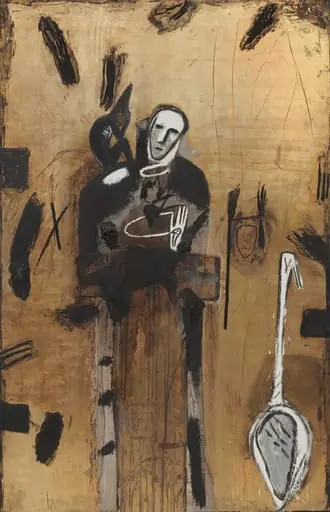
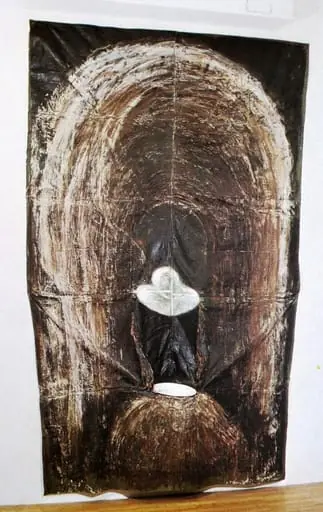
Transavantgarde is an art movement of the 1970–1990 period. The gallery holds 6 works in this movement, including works by Vladimir Velickovic, Thierry Maricourt and Ion Sălișteanu. Browse Transavantgarde paintings, portraits, pictures and artworks from the world's public-domain museum collections.
Transavanguardia—literally "beyond the avant-garde"—was the Italian strand of the international return to painting that swept Europe and North America in the late 1970s and 1980s. The term was coined by the Neapolitan critic Achille Bonito Oliva, who introduced it in a 1979 essay in the magazine Flash Art and consolidated it through exhibitions such as Le Stanze at Genazzano in 1979 and, decisively, the "Aperto '80" section of the 1980 Venice Biennale, which he co-organised with Harald Szeemann. The movement arose as a deliberate reaction against the dematerialised, ideologically charged art of the preceding decade—Arte Povera, Conceptualism and Minimalism—and against the avant-garde's faith in linear progress. In a postmodern climate, Bonito Oliva instead championed what he called the artist's "nomadism": a free, unburdened wandering through the whole inheritance of art history.
Visually, the Transavanguardia marked an emphatic recovery of figuration, myth, symbolism and painterly pleasure. Its artists worked on large, ambitious canvases in vivid colour and gestural, often deliberately "primitive" handling, raiding classical, regional and modern sources alike in a spirit of eclecticism and citation. Subject matter was personal and mythological rather than political, restoring emotion—and, as Bonito Oliva stressed, a certain joy—to drawing, painting and sculpture.
The movement is built around a canonical group of five painters: Sandro Chia, Francesco Clemente, Enzo Cucchi, Nicola De Maria and Mimmo Paladino. Chia, trained in Florence, painted muscular, mock-heroic figures, as in The Idleness of Sisyphus (1981); Clemente, working between Naples and India, revived fresco and gouache for fragmented, erotic self-imagery; Cucchi drew on the landscape and folklore of the Adriatic Marche in darkly dramatic canvases; De Maria pursued lyrical fields of colour; and Paladino translated the myths of southern Italy into a layered iconography spanning painting and sculpture. Their work—represented in this collection by untitled pieces from Paladino, Cucchi and others—was an immediate international success.
The Transavanguardia is best understood as the Italian face of a wider Neo-Expressionist surge that included the German Neue Wilde and American figures such as Julian Schnabel. It helped legitimise the 1980s art-market boom and the broad "return to painting," and remains a touchstone for any account of postmodern figurative art.
Key artists
Works
Frequently asked questions
What is Transavantgarde?
Transavantgarde is an art movement. An Italian neo-figurative movement of the early 1980s coined by critic Achille Bonito Oliva, whose painters — Sandro Chia, Francesco Clemente, Enzo Cucchi — revived subjective, painterly figuration after conceptual and minimal art, drawing freely on art-historical memory.
Who are the key Transavantgarde artists?
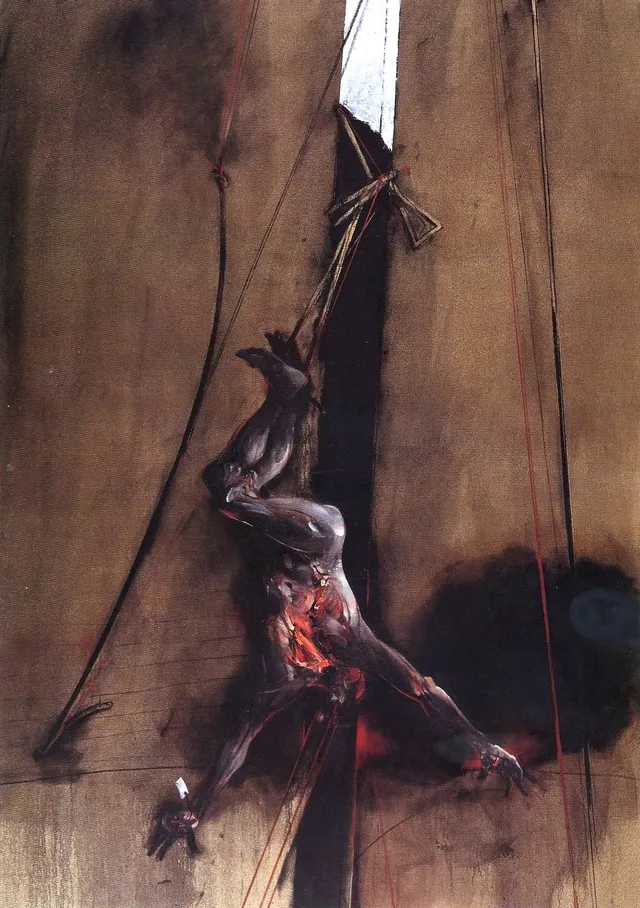
Key Transavantgarde artists in the collection include Vladimir Velickovic, Thierry Maricourt and Ion Sălișteanu.
When did Transavantgarde take place?
Transavantgarde dates from 1970–1990.
Where can I see Transavantgarde works?
Transavantgarde works in the collection are held by Museum of Modern Art, International Institute of Social History and Gavrila Simion Eco-Museum Research Institute Tulcea.