February 14 in Art History
7 real events recorded on February 14, the earliest from 1483. 2 artists were born , 1 died on this date.
Born on this day 2
- 1483 Born
Born this day: Ridolfo del Ghirlandaio
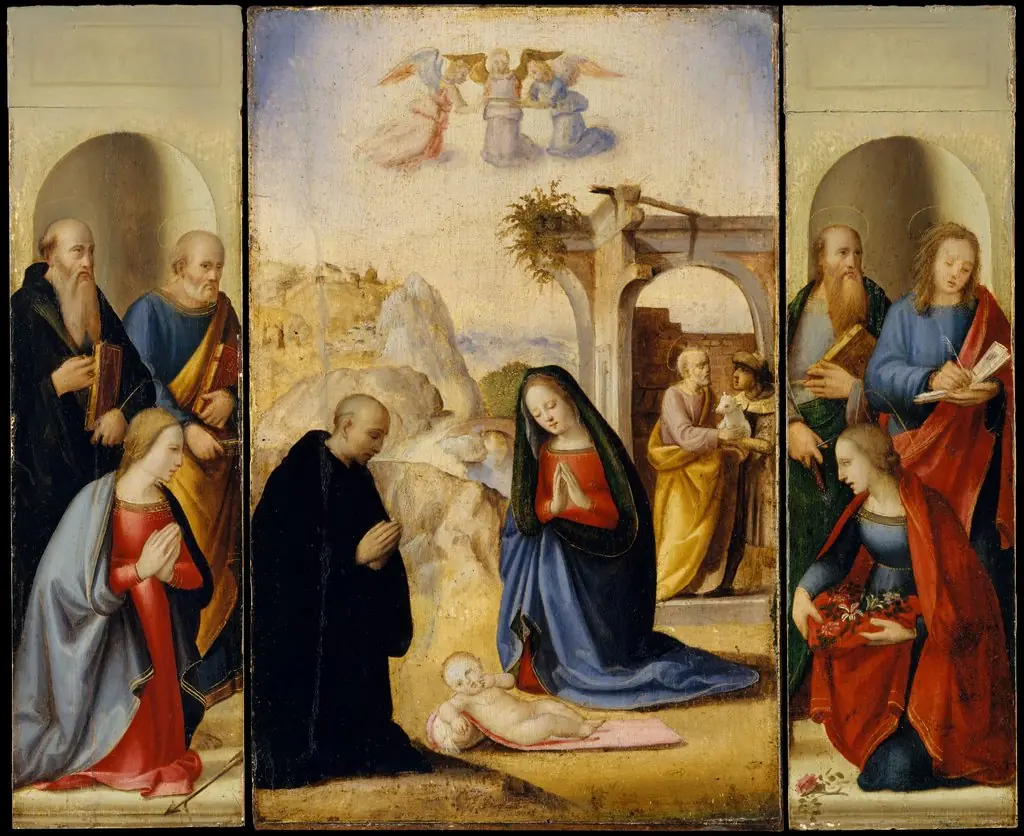
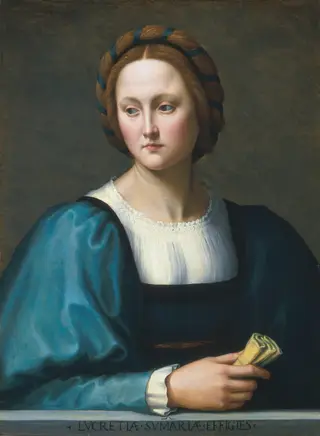
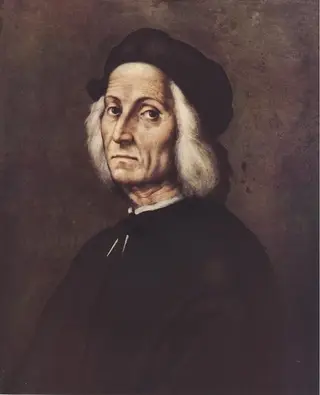
Ridolfo del Ghirlandaio, born on February 14, 1483, was an Italian Renaissance painter active in Florence, known for his portraits and religious works, such as The Nativity with Saints and Portrait of an Old Man. As the son of Domenico Ghirlandaio, he followed in his father's footsteps, contributing to the city's rich artistic heritage.
Ridolfo del Ghirlandaio's work continues to represent the artistic traditions of Renaissance Florence.
- 1812 Born
Born this day: Alfred Thomas Agate
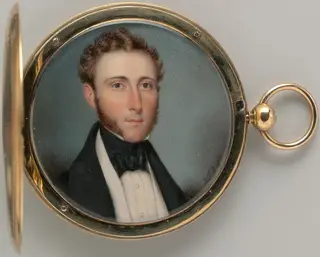
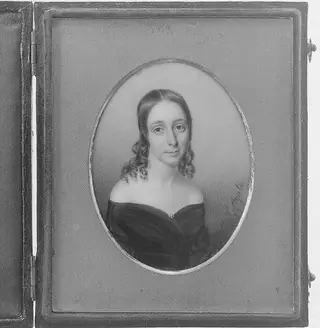
Alfred Thomas Agate, born on February 14, 1812, was an American painter and miniaturist known for his portraits, landscapes, and scientific illustrations, often created with the aid of a camera lucida. He studied with his brother and Thomas Seir Cummings, and exhibited at the National Academy of Design.
Agate's work remains a notable example of 19th-century American art, showcasing his technical skill and attention to detail.
Died on this day 1
- 1592 Died
Died this day: Jacopo Bassano
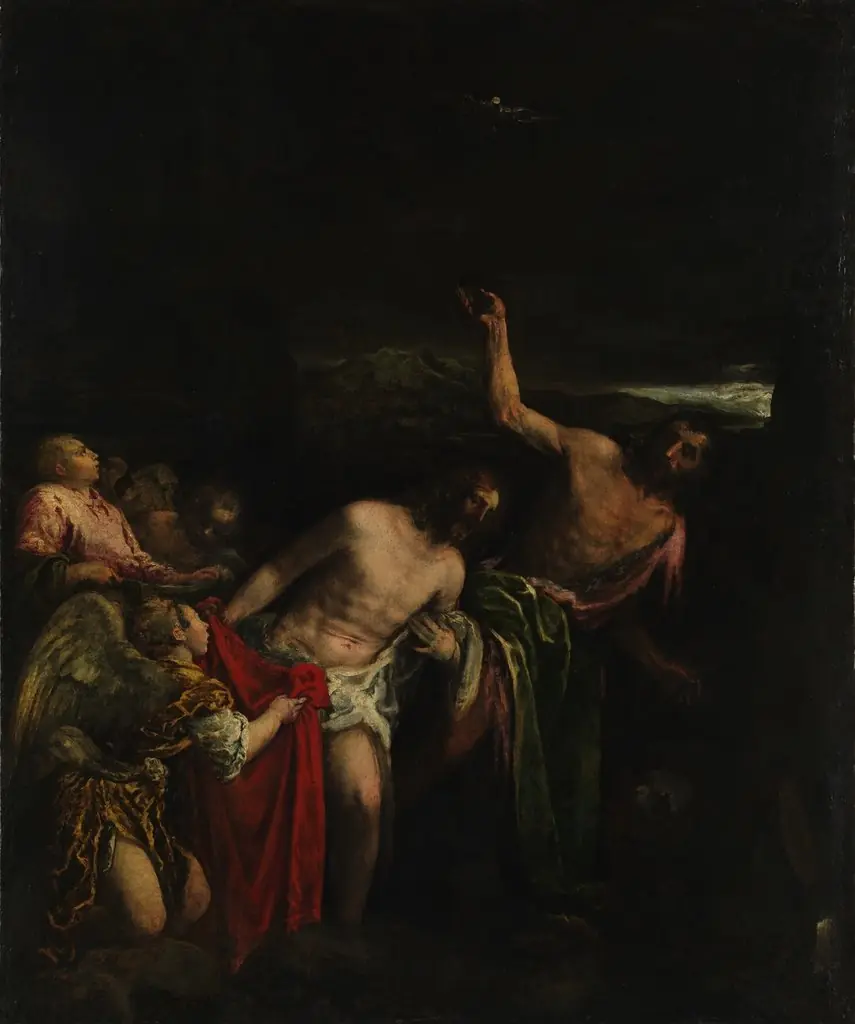
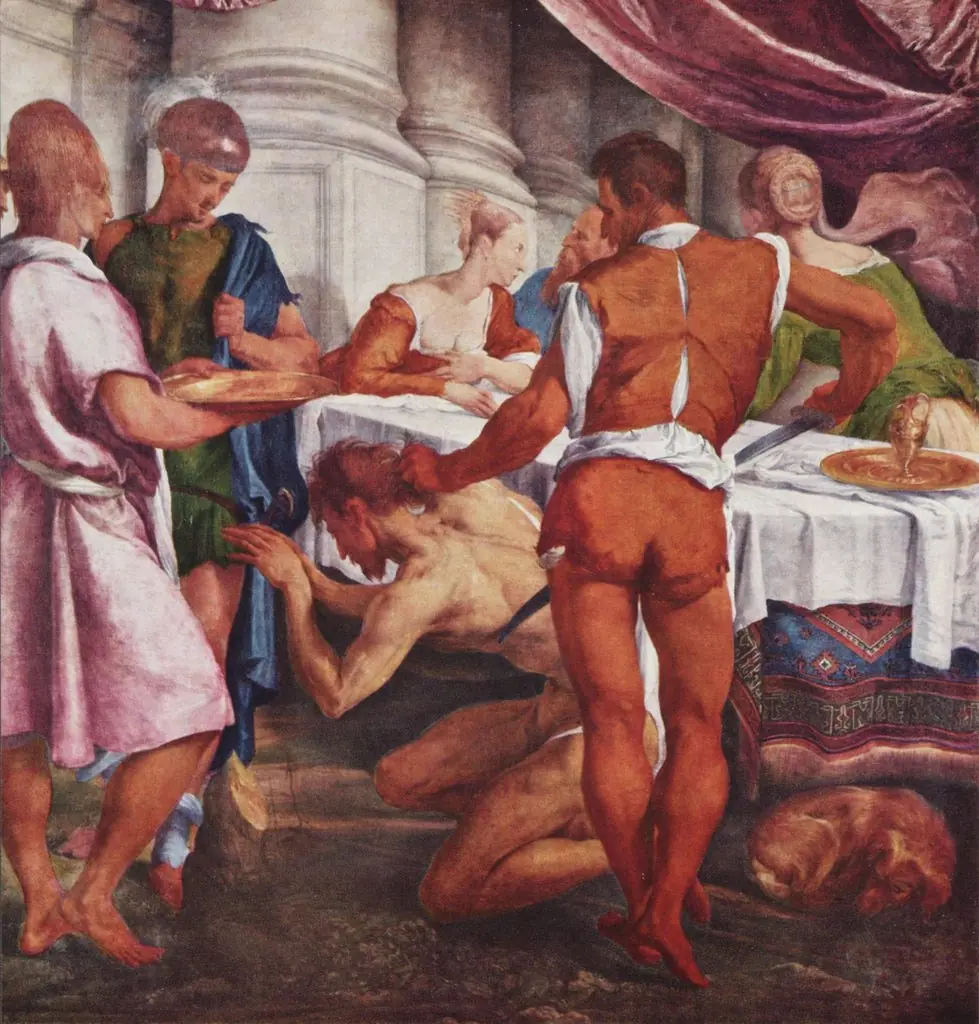
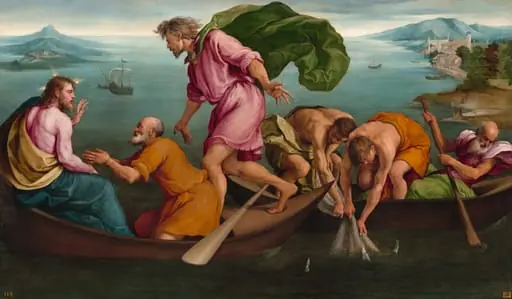
Jacopo Bassano, an Italian Renaissance painter, died on this day in 1592. He was known for his unique blend of religious and genre scenes, often depicting biblical themes in a rural setting with vivid details of peasants, animals, and landscapes. His work was highly popular in Venice and throughout Europe.
He remains a significant figure in the Venetian school, influencing generations of artists with his distinctive style.
Exhibitions & salons 1
- 1928 Exhibition
Grand Central Art Galleries opens Sargent drawings exhibition
On February 14, 1928, Grand Central Art Galleries opened a posthumous Exhibition of Drawings by John Singer Sargent. Sargent had died in 1925, and the show drew on previously unseen drawings, watercolors, and preparatory studies discovered in his London studio. His sisters asked Walter Leighton Clark to review the material, and Clark selected hundreds of works for consideration; the final catalogue listed about seventy-five exhibited works. The selection ranged from teenage drawings and early watercolor experiments to studies for canonical paintings and public mural projects. By showing the workshop evidence behind works such as Madame X, Gassed, and the Boston mural cycles, the exhibition shifted attention from Sargent's polished society portraits toward his draftsmanship and working process.
The exhibition helped preserve and publicize Sargent's studio archive as evidence of his broader artistic method.
Openings & foundings 1
- 1953 Opening
National Museum of Mali opens as the Sudanese Museum
The institution now known as the National Museum of Mali opened in Bamako on February 14, 1953, as the Sudanese Museum, a colonial-era museum within the Institut Francais d'Afrique Noire. It was directed by the Ukrainian archaeologist Yuriy Shumovskyi, who spent years assembling a large share of the archaeological and ethnographic holdings. After Mali's independence in 1960, the museum was renamed and reframed as a national institution, with a mission to promote cultural unity and preserve Malian material culture. Its collections came to include archaeology, textiles, ritual objects, musical instruments, photography, audio recordings, video, and displays connected to major West African cultural sites.
It became one of West Africa's key repositories for Malian archaeology, ethnography, and visual culture.
Auctions, prizes & heists 2
- 2012 Auction
Christopher Wool sets a new artist auction record
On February 14, 2012, Christopher Wool's Untitled, a black word painting spelling FOOL, set a new auction record for the artist at Christie's London, selling for 4,913,250 pounds, or about 7,758,022 dollars with premium. The result exceeded its estimate and surpassed the previous record set by Wool's related Blue Fool. The sale came as Wool's word paintings were consolidating their market and art-historical status: stark stenciled language, urban vernacular, and post-Pop painting were increasingly treated as central to the late twentieth-century revival of painting. The record was later overtaken by Apocalypse Now, another major Wool word painting, but the 2012 sale marked an important escalation in his secondary-market standing.
The sale confirmed Wool's word paintings as blue-chip contemporary art-market objects.
- 2014 Heist
Achaemenid relief recovered after Montreal museum theft
On February 14, 2014, reports documented the recovery in Edmonton of a fifth-century BCE Achaemenid limestone bas-relief stolen from the Montreal Museum of Fine Arts in 2011. The theft had involved two small antiquities taken from open display: the Persian relief and a Roman marble head. The relief had been bought for a small sum by Simon Metke, who believed it might be a replica, before investigators traced it through a television interview background and a police search. The recovery highlighted the vulnerabilities of small, unprotected antiquities in permanent collections and the complicated aftermath of insured museum losses: once recovered, the relief belonged to the insurer unless the museum chose to buy it back. The Roman head remained missing in later accounts.
The case became a cautionary example of provenance risk, museum display security, and insurer ownership after recovery.