February 7 in Art History
6 real events recorded on February 7, the earliest from 1741. 2 artists were born , 1 died on this date.
Born on this day 2
- 1741 Born
Born this day: Henry Fuseli
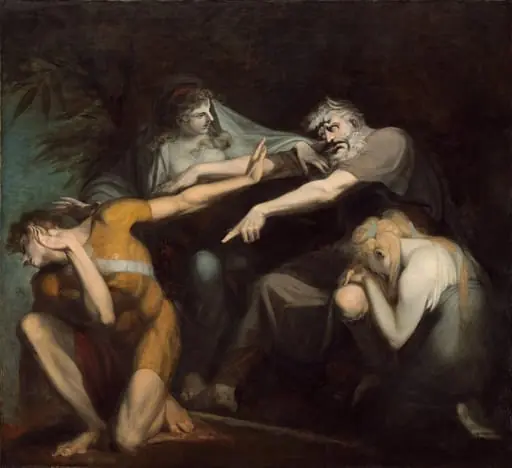
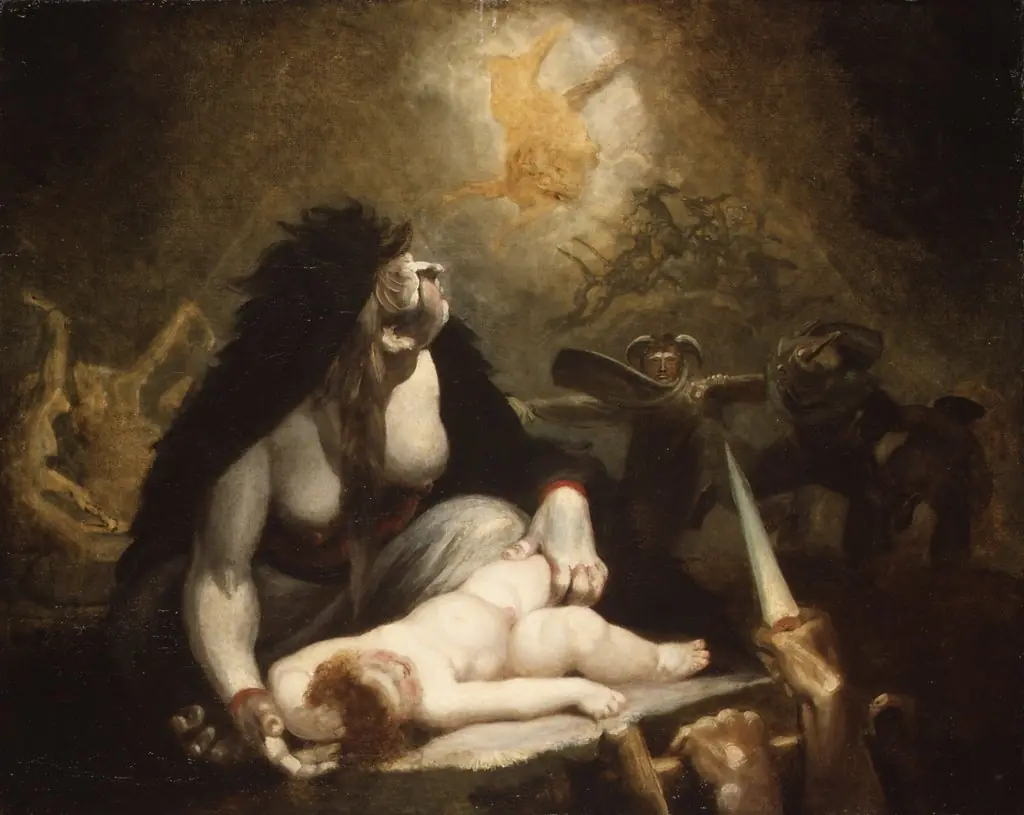
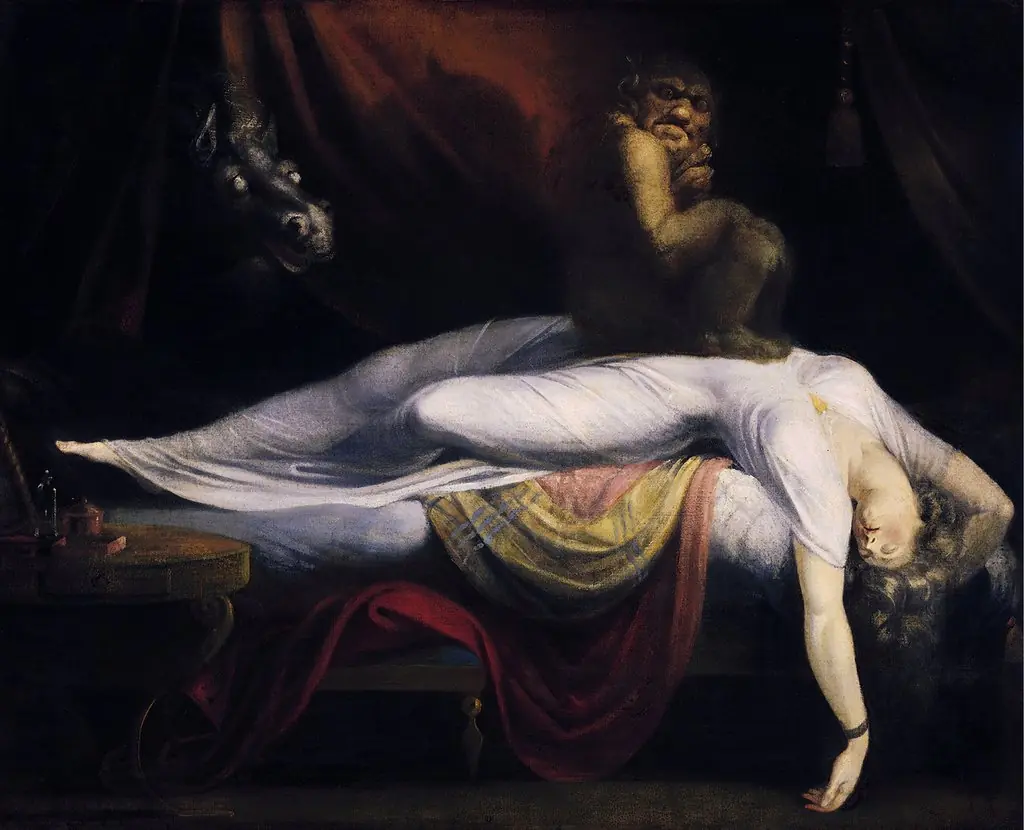
Henry Fuseli, a Swiss painter, draughtsman, and writer, was born on February 7, 1741. He spent much of his career in Britain, producing notable works like The Nightmare, which define his unique style. Fuseli's art often explored the human psyche and the world of dreams.
Fuseli's innovative and emotionally charged works continue to influence the development of Romantic-era art.
- 1804 Born
Born this day: Jean François Montessuy
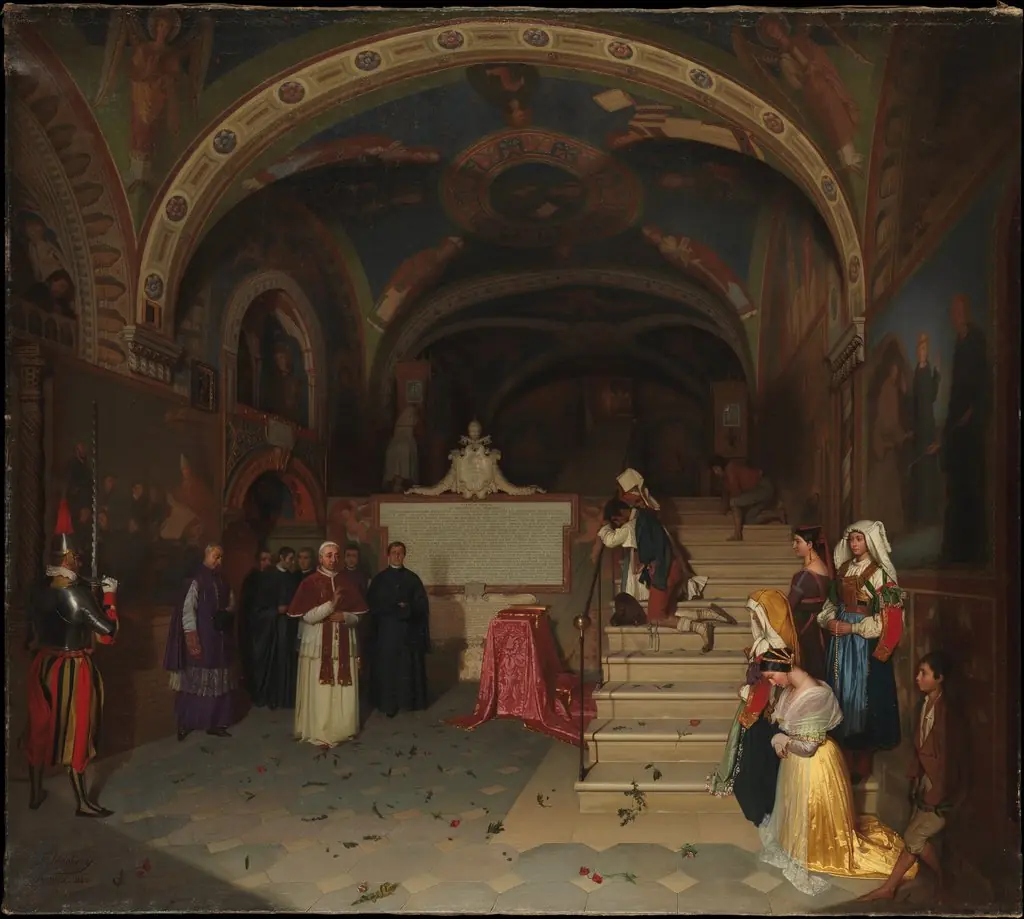
Jean François Montessuy, a French artist born on February 7, 1804, in Lyon, is notable for his work, such as 'Pope Gregory XVI Visiting the Church of San Benedetto at Subiaco', showcasing his artistic skill. His contributions to art reflect his time and training.
Montessuy's artwork remains a part of French artistic heritage.
Died on this day 1
- 1863 Died
Died this day: Francis William Edmonds
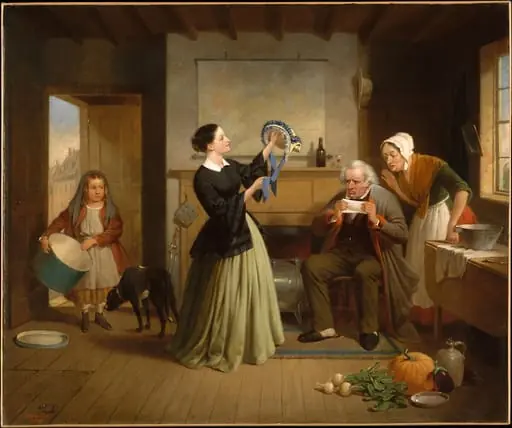
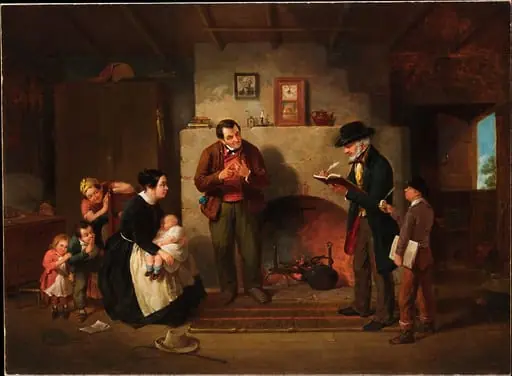
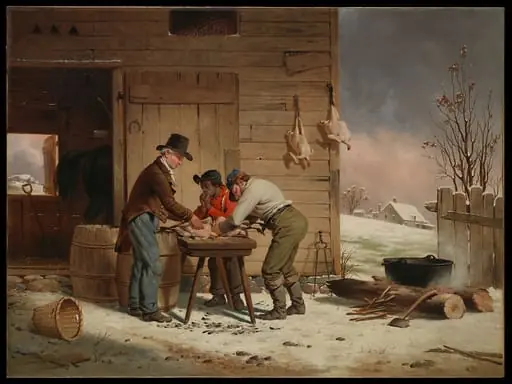
Francis William Edmonds, an American artist, died on February 7, 1863. He was known for his humorous and relatable genre paintings, such as The New Bonnet and Taking the Census, which showcased everyday life. Edmonds' work often explored themes of domesticity and community.
Francis William Edmonds left a lasting impact on American art with his contributions to the genre painting tradition.
Exhibitions & salons 2
- 1962 Exhibition
Young Contemporaries Opens at the RBA Galleries
The 1962 Young Contemporaries student exhibition opened at the RBA Galleries in London, giving early public visibility to David Hockney's four "Demonstrations of Versatility" paintings. The show placed Hockney in a live peer context with Maurice Agis, John Bowstead, Peter Phillips and others, and it is remembered as a hinge moment in the emergence of British Pop art from art-school culture rather than from a single gallery program. At this exhibition Hockney also first met Patrick Procktor, a relationship that would become part of the social and artistic network around 1960s London painting. The event matters because Young Contemporaries functioned as an unusually influential student platform, moving work from the Royal College orbit into the wider contemporary-art conversation.
It helped carry Hockney and other young British artists from student recognition toward the ICA and the broader Pop art scene.
- 2023 Exhibition
Sharjah Biennial 15 Opens
Sharjah Biennial 15, "Thinking Historically in the Present," opened across Sharjah Art Foundation venues, including the newly inaugurated Kalba Ice Factory. Initially conceived by the late curator and critic Okwui Enwezor and realized by Sheikha Hoor Al Qasimi, the biennial gathered more than 300 works and artists from dozens of countries around questions of postcolonial history, institutional memory, solidarity and the relationship between local and global art worlds. Its delayed realization after the pandemic gave Al Qasimi time to expand research and emphasize artists whose practices had been underrepresented in dominant contemporary-art circuits. The opening also marked the 30-year legacy of the Sharjah Biennial and the consolidation of Sharjah as a major non-Western contemporary-art center.
The edition strengthened Sharjah's role as a global biennial platform shaped by postcolonial curatorial thinking.
Openings & foundings 1
- 2020 Opening
Seattle Asian Art Museum Reopens After Renovation
The Seattle Asian Art Museum reopened after a three-year closure for a major renovation and expansion of its historic Volunteer Park building. The project upgraded the 1933 Art Deco structure, Seattle Art Museum's original home, while adding climate, seismic, gallery and education improvements needed for the display and rotation of Asian art collections. Reports at the reopening emphasized that the institution was returning with a more flexible curatorial model: paintings and textiles would rotate more often, and works held in storage during the renovation would come back into public view. The event matters not simply as a facilities milestone, but as a re-presentation of a regional Asian art collection in a landmark building whose history is tied to Seattle collecting, civic patronage and museum expansion.
The reopening modernized the museum's display capacity while preserving its Depression-era architectural identity.