January 19 in Art History
7 real events recorded on January 19, the earliest from 1601. 2 artists were born , 1 died on this date.
The day's biggest moments
Born on this day 2
- 1601 Born
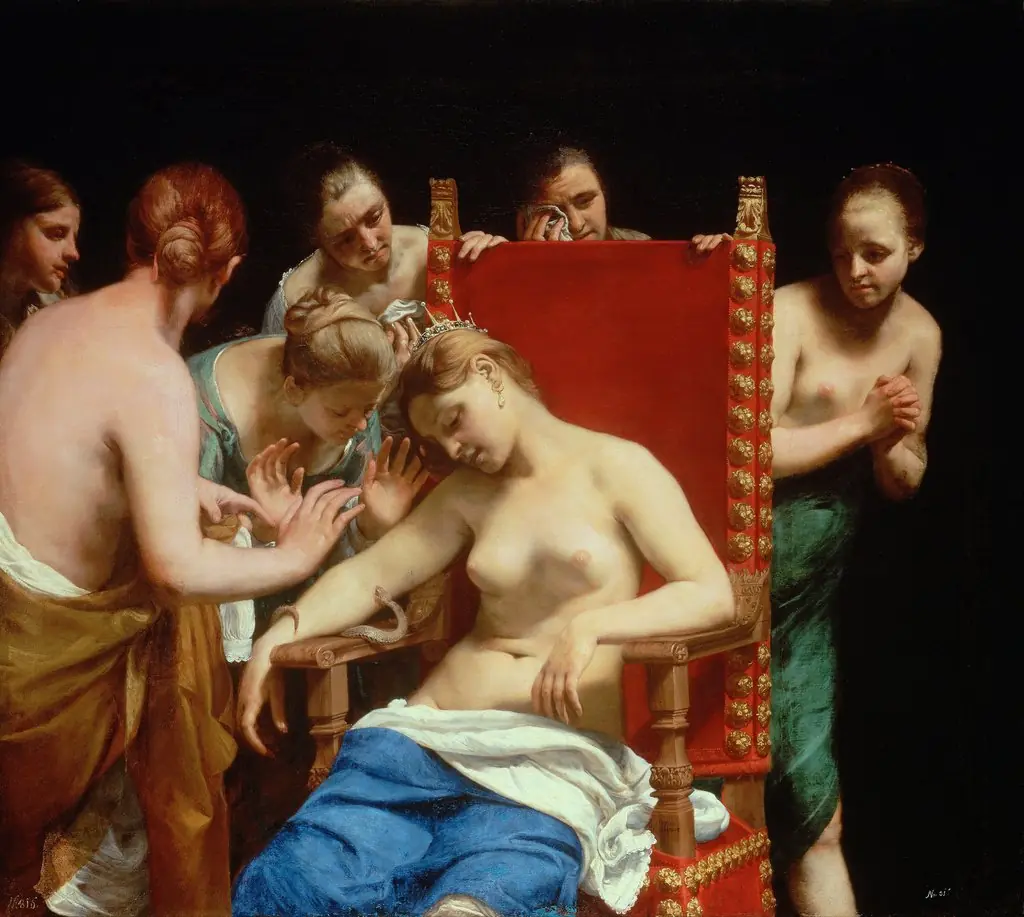
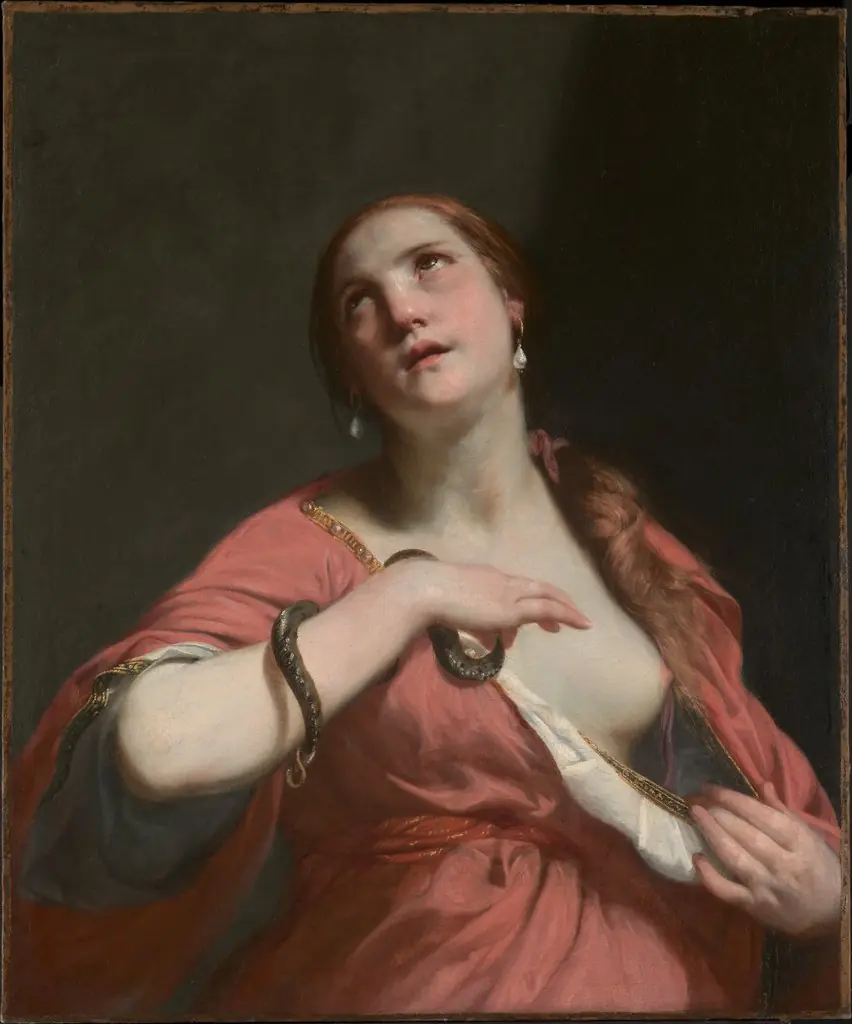
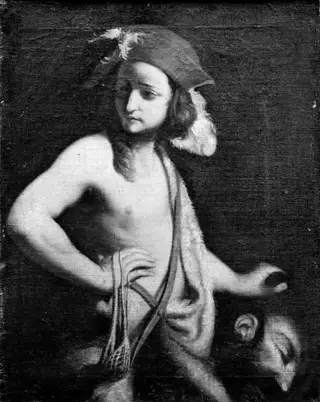
Born this day: Guido Cagnacci
Guido Cagnacci, born on January 19, 1601, was an Italian Baroque painter known for his use of chiaroscuro and sensual subjects in works like The Death of Cleopatra and David and Goliath, showcasing his mastery of dramatic lighting and composition.
He remains a notable figure in the Italian Baroque movement, influenced by the Bolognese School.
- 1839 Born
Born this day: Paul Cezanne
Paul Cézanne, born on January 19, 1839, was a French artist known for his expressive and influential works that bridged Impressionism and modern art movements. His early dark palette gave way to lighter tones under Impressionist influence, as seen in notable works like 'Harlequin' and 'Still Life with Milk Jug and Fruit'.
Cézanne's innovative style paved the way for a wide range of avant-garde movements in the 20th century.
Died on this day 1
- 1871 Died
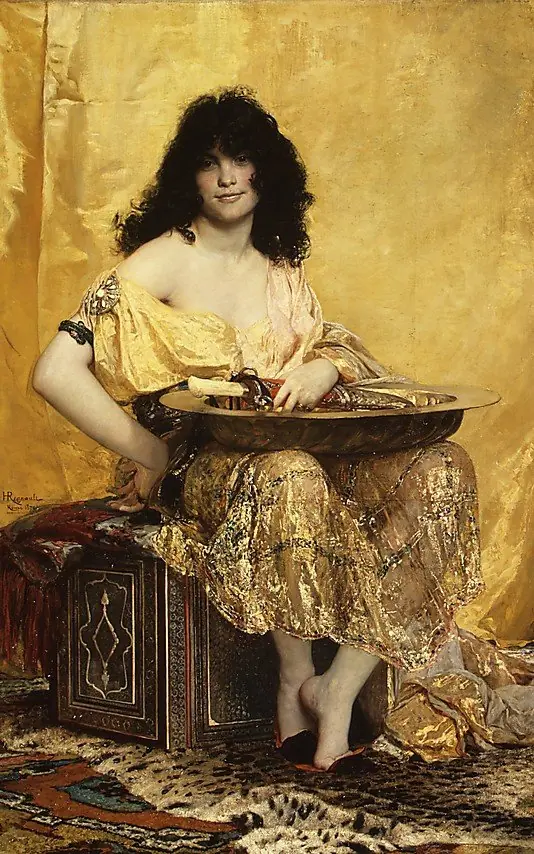
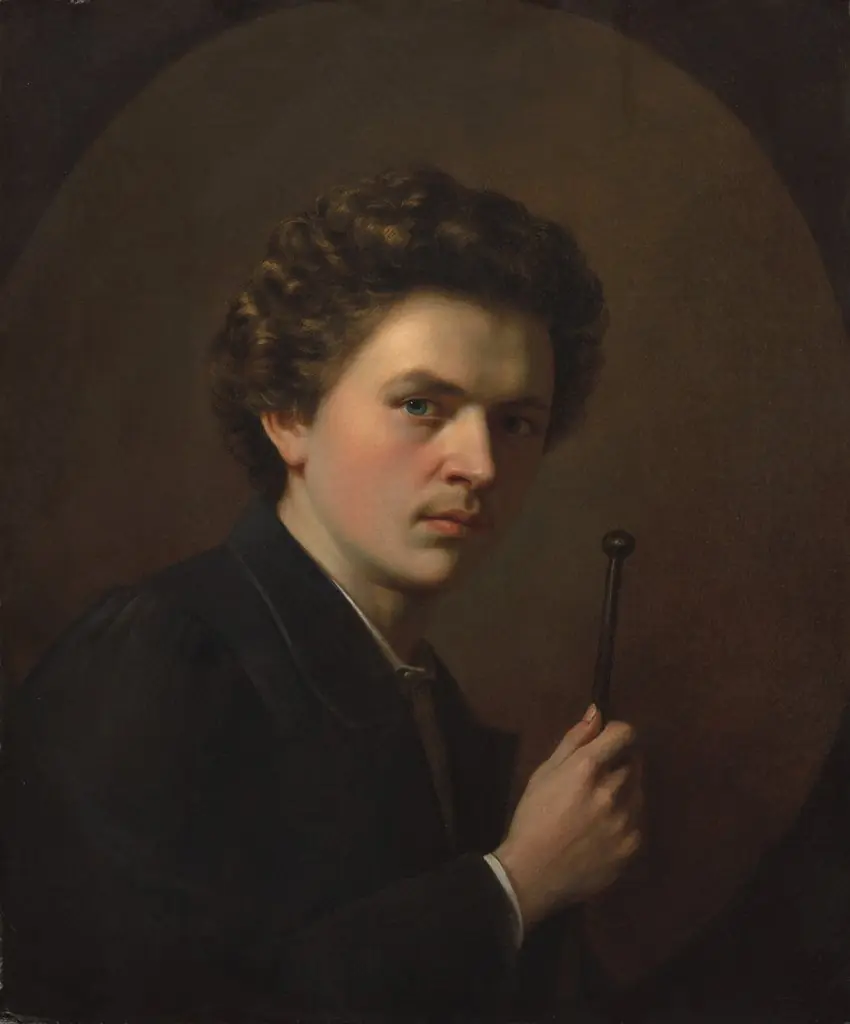
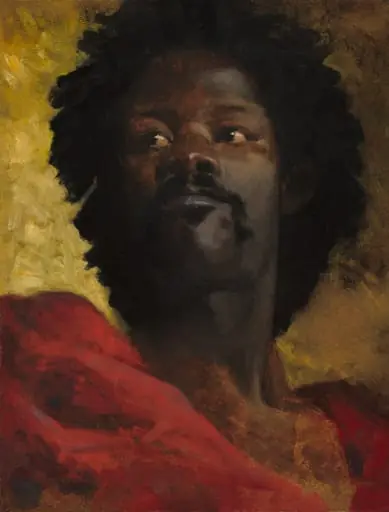
Died this day: Henri Regnault
Henri Regnault, a French painter, was known for his vibrant and expressive works, particularly in the Orientalist style. Born in Paris in 1843, he trained at the École des Beaux-Arts and won the Prix de Rome in 1866. His travels through Spain and Morocco influenced his shift towards bold colors and exotic subjects.
Regnault's innovative use of color and his Orientalist subjects continue to influence artists today.
Exhibitions & salons 1
- 1942 Salon
Hoosier Salon Opens Its First Indianapolis Annual Exhibition
On January 19, 1942, the Hoosier Salon opened its next annual exhibition in downtown Indianapolis after relocating from Chicago. The two-week show was staged in the sixth-floor auditorium of the William H. Block Company department store at Market and Illinois Streets. Coming only weeks after Pearl Harbor, the exhibition was visibly shaped by wartime subject matter: Lillian Alt's Men and Guns and William A. Eyden Jr.'s Steel for Defense were among 261 works on view. The move mattered because the Salon, originally founded by Indiana expatriates in Chicago to promote Hoosier artists, now became anchored in Indiana's capital and continued as a recurring juried exhibition for regional artists.
The relocation made Indianapolis the long-term center of one of Indiana's most durable annual art exhibitions.
Openings & foundings 2
- 1874 Opening
Corcoran Gallery Opens to the Public
On January 19, 1874, the Corcoran Gallery of Art opened to the public in Washington, D.C., in the Pennsylvania Avenue building now known as the Renwick Gallery. Built to house William Wilson Corcoran's collection of American and European art, the structure was designed by James Renwick Jr. and promoted in its own time as an American answer to the Louvre. The opening matters because it gave the capital one of its earliest purpose-built public art museums and established a civic model for displaying private collections as public culture. The gallery soon outgrew the building, moved in 1897, and left behind a structure later reclaimed by the Smithsonian for American craft and decorative arts.
It helped establish Washington, D.C., as a public art-museum city before the National Gallery era.
- 1939 Founding Landmark
Art et Liberté Is Formed in Cairo
On 19 January 1939, Art et Liberté was officially formed in Cairo around Georges Henein and a circle that included Cairo Surrealists such as Kamel el-Telmissany and Ramses Younan, alongside anarchist and Marxist intellectuals. The founding followed the group's December 1938 manifesto, Vive L'Art Dégénéré!, which deliberately reclaimed the Nazi slur 'degenerate art' as a badge of artistic freedom. The group linked Egyptian modernism to international Surrealism while opposing fascism, colonial nationalism, academic conservatism, and narrow definitions of national style. Its later exhibitions of 'Free' or 'Independent' art created an alternative platform for painting, sculpture, photography, and literature in wartime Cairo.
The group became a key bridge between Egyptian modernism and international Surrealist anti-fascist networks.
Unveilings & commissions 1
- 1903 Unveiling
Elisabet Ney's Texas Capitol Statues Are Unveiled
On January 19, 1903, Elisabet Ney's marble statues of Sam Houston and Stephen F. Austin were unveiled in the Texas State Capitol. Ney had first modeled Houston in 1892 and Austin in 1893 after being invited to create portrait statues for Texas's World's Columbian Exposition project. The Austin statue was finished too late for Chicago, but the Houston figure won attention, and supporters later pursued permanent marble versions for the state capitol. Funding was finally appropriated in 1901, leading to the 1903 unveiling. The commission is significant because it placed a German-born woman sculptor at the center of Texas's official public memory and led to duplicate versions for the National Statuary Hall Collection in Washington.
Ney's paired monuments became enduring civic images of Texas identity and strengthened her posthumous reputation.