Artwork
David and Goliath
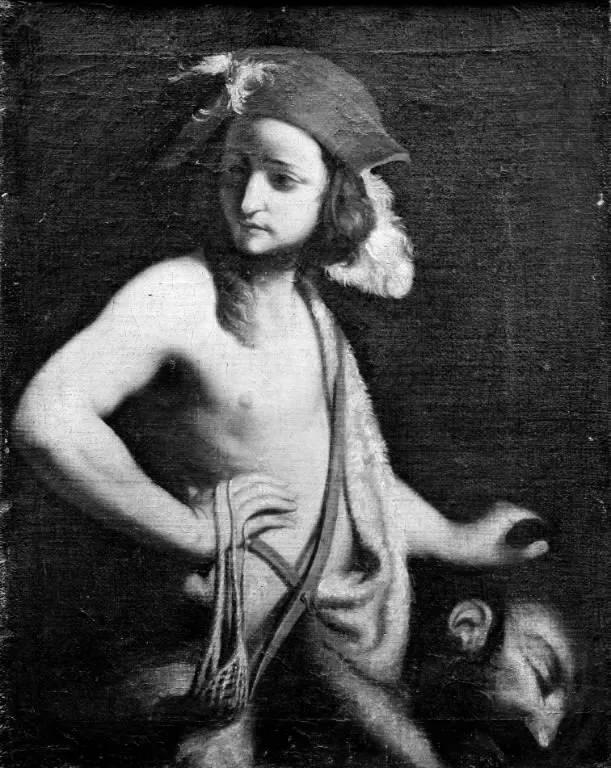
David and Goliath is an oil painting by the Early Baroque Italian artist Guido Cagnacci. It dates from 1650 and is held in the collection of the Statens Museum for Kunst.
About this work
Subject & Meaning
The painting depicts the biblical episode in which the young David slays the giant Goliath and then severs his head, a scene drawn from the First Book of Samuel. Cagnacci shows David standing over Goliath’s fallen body, holding the giant’s severed head by the hair while the sword in his other hand signals the decisive moment of victory. The contrast between David’s youthful, almost serene posture and the massive, inert form of Goliath underscores the triumph of faith and divine favor over brute force.
Technique & Style
David and Goliath is an oil painting on canvas created by Guido Cagnacci in 1650, depicting the biblical scene of David holding the severed head of Goliath. The composition emphasizes dramatic chiaroscuro and emotive realism characteristic of Baroque religious painting. The work is housed in the Statens Museum for Kunst in Copenhagen, where it remains part of the collection.
History & Provenance
Guido Cagnacci’s David and Goliath is dated 1650, within the artist’s mature period. Executed in oil on canvas, it depicts the biblical episode of David with the beheaded Goliath and is classified as a religious work. The painting is held in the collection of the Statens Museum for Kunst in Copenhagen. No documented commission or early ownership history is recorded in the available sources.
Context
Guido Cagnacci's 1650 depiction of David and Goliath resides in the Statens Museum for Kunst, where it has been part of the permanent collection since its creation. The work portrays the biblical moment of David holding Goliath's severed head, a subject that reflects Counter-Reformation emphasis on divine justice and heroic virtue. Scholarship on Cagnacci's religious paintings often situates this canvas within his later Bolognese period, noting its dramatic chiaroscuro and psychological intensity as hallmarks of early Baroque narrative painting.
Comparative analysis with contemporaries such as Francesco Albanese reveals a shared fascination with visceral storytelling, though Cagnacci's composition uniquely foregrounds the severed head as a focal point of divine retribution.
Legacy
Guido Cagnacci's 1650 painting David and Goliath entered the collection of the Statens Museum for Kunst, where it became a reference point for later interpretations of the biblical theme. Its dramatic composition and focus on the severed head of Goliath influenced Baroque narrative painting, particularly in works that emphasize visceral storytelling and psychological tension. The piece remained on view in Copenhagen through the 19th century and was cited in 19th-century art historical surveys as an example of Guido's mastery of religious drama.
Overview
Guido Cagnacci, an Italian painter active in the mid‑17th century, produced an oil on canvas titled David and Goliath around 1650. The composition presents a youthful figure standing before a darkened backdrop, clutching a sword while his other hand rests on a severed head at his feet. The work is part of the collection of the Statens Museum for Kunst in Copenhagen.
Artist & collection
Artist
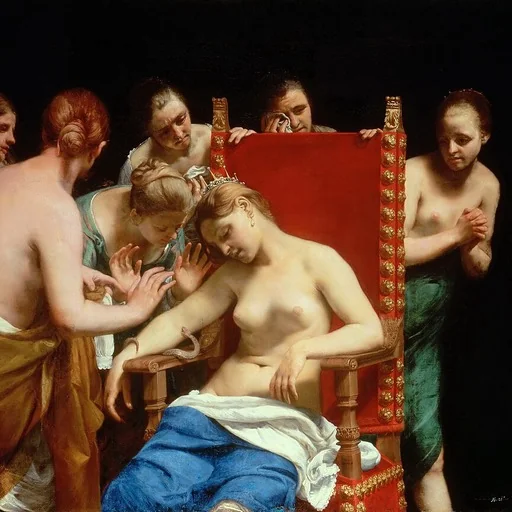
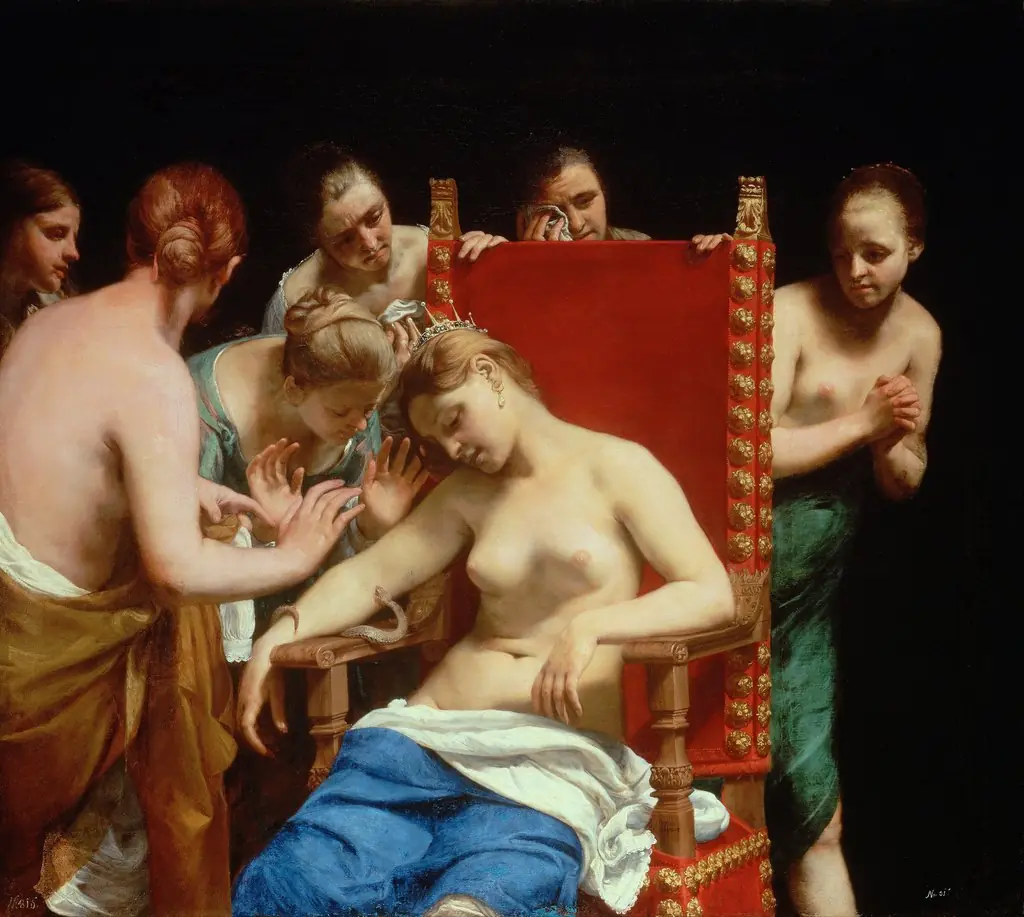
Guido Cagnacci (Italian:; 13 January 1601 – 1663) was an Italian Baroque painter originally from Santarcangelo di Romagna.

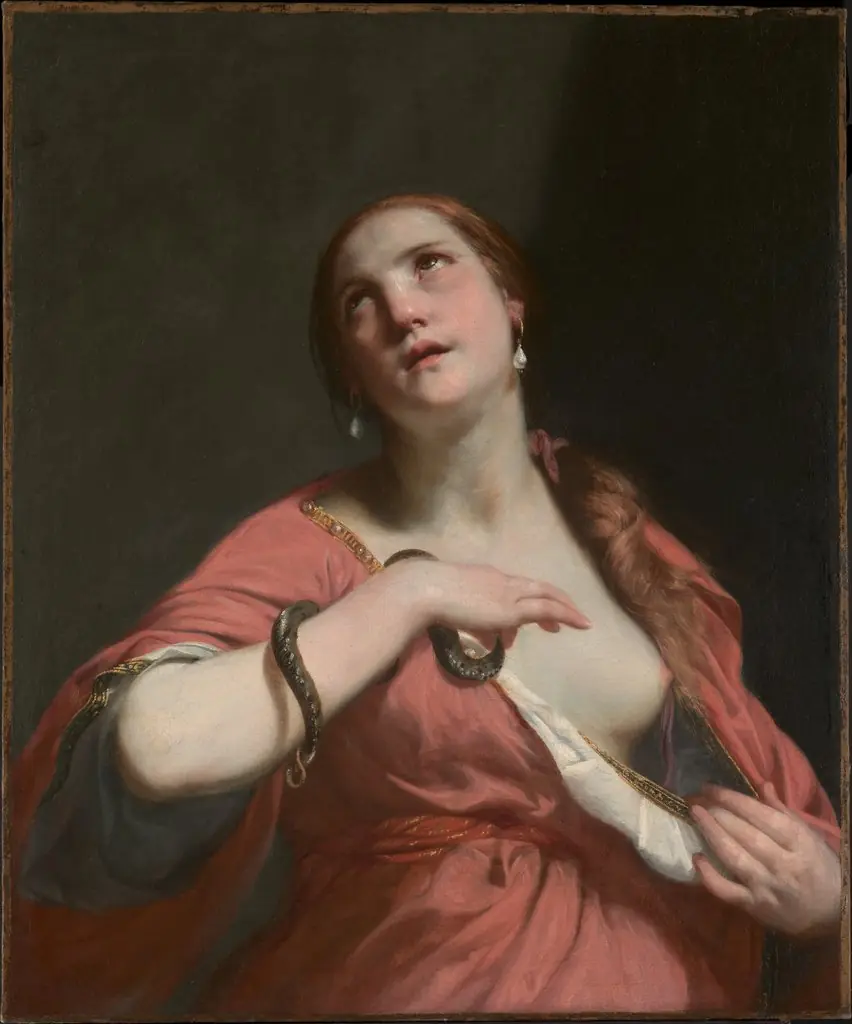
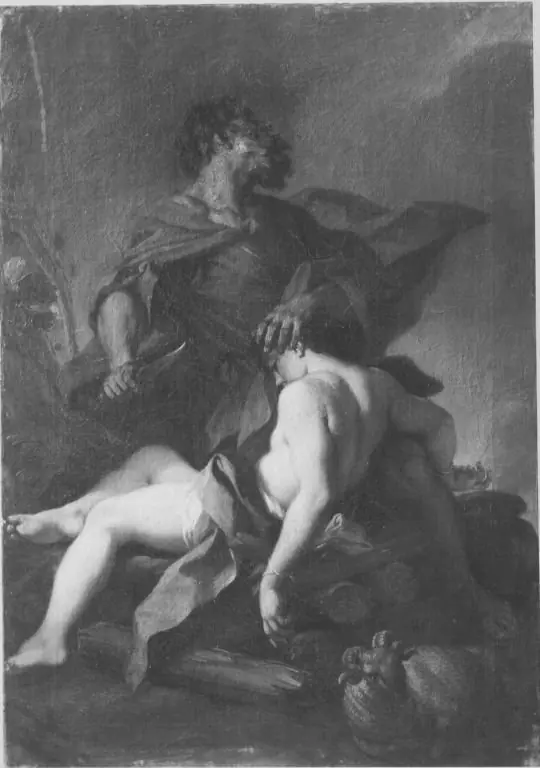 Abraham opfert Isaak
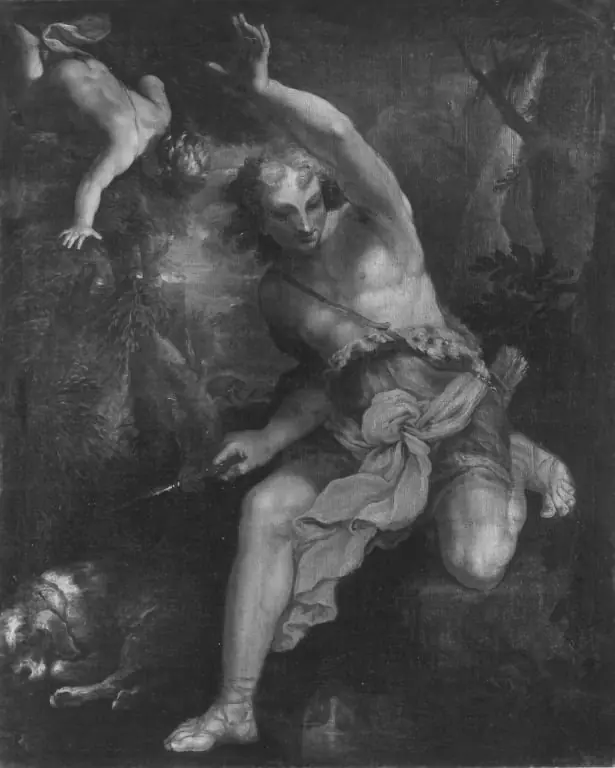 Narcissus
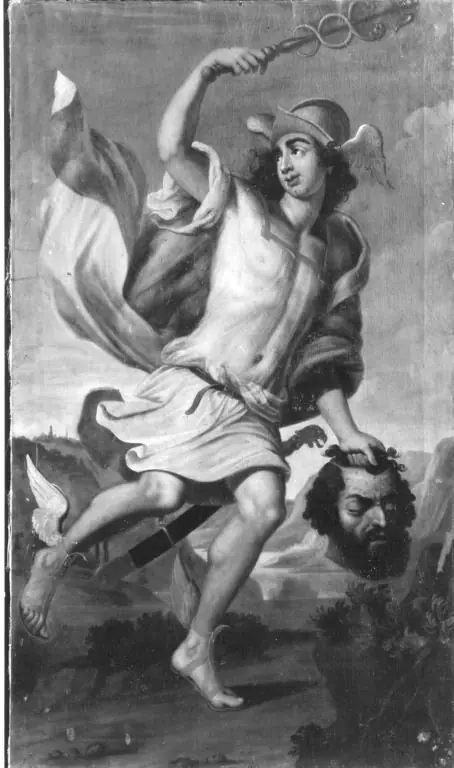 Mercury, God of Commerce and Messenger of the Gods
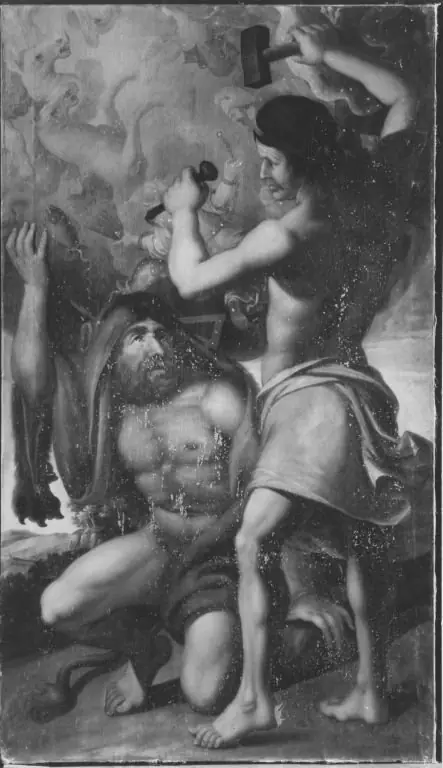 Atlas
Atlas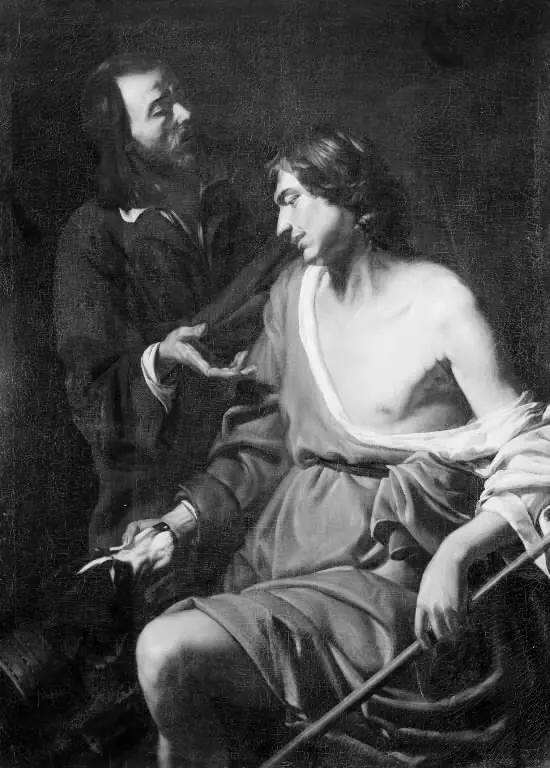 Sitting Person Conversing One Standing
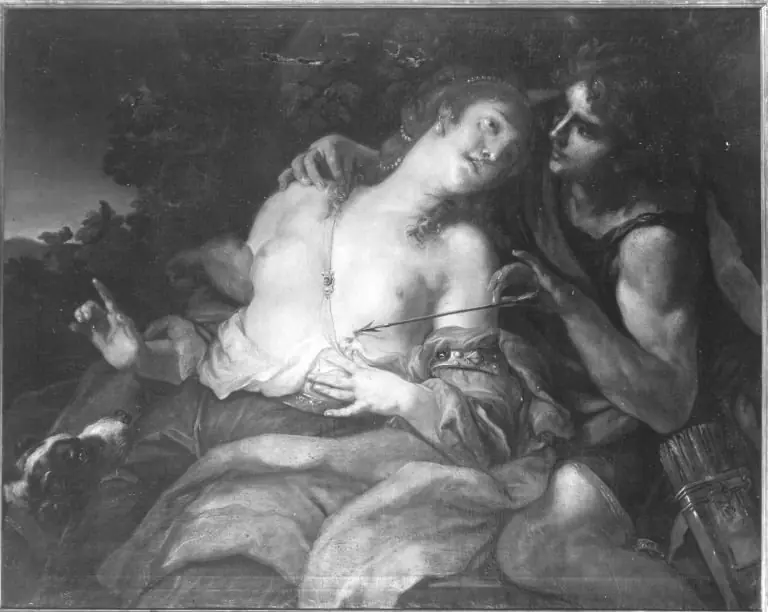 Cephalus und Procris
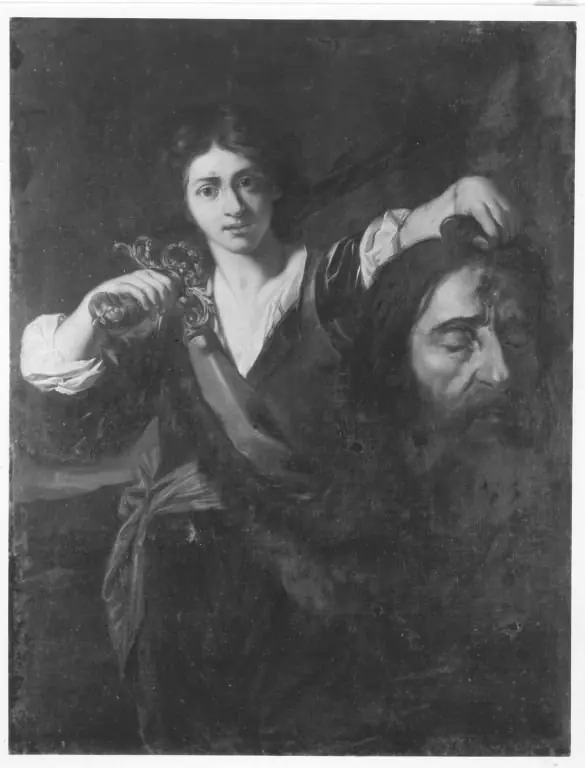 David mit dem Haupt des Goliath (?)
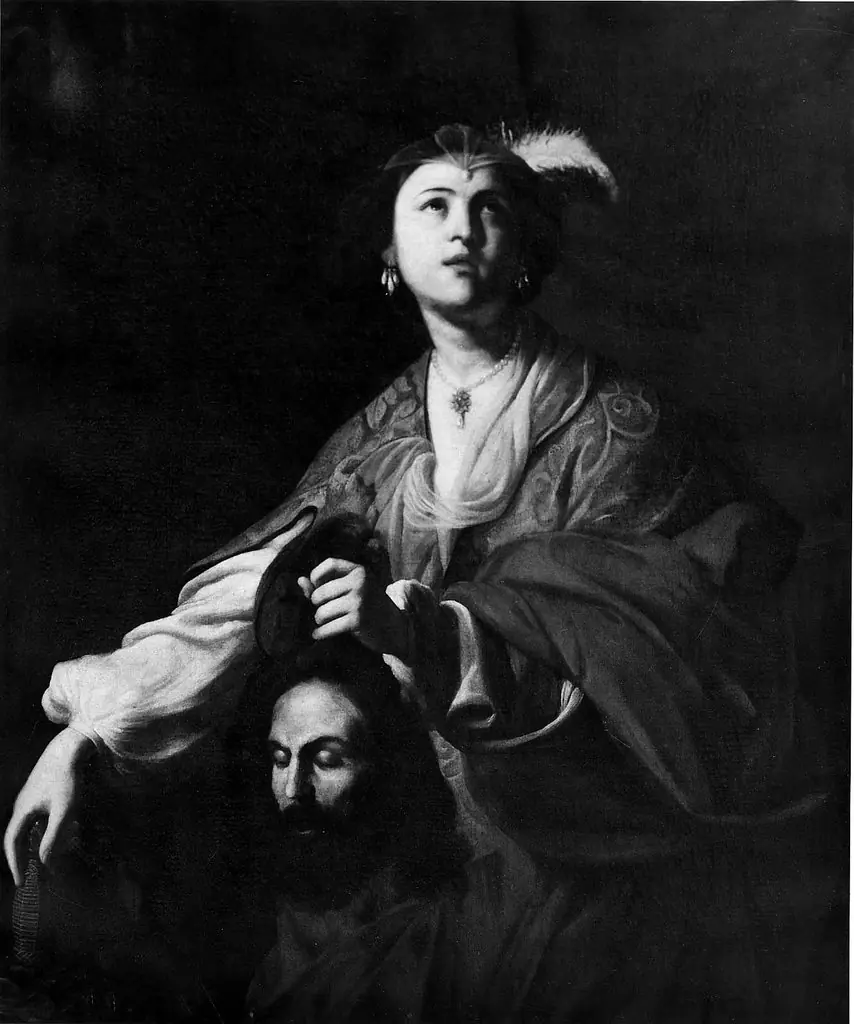 Judith with the Head of Holofernes
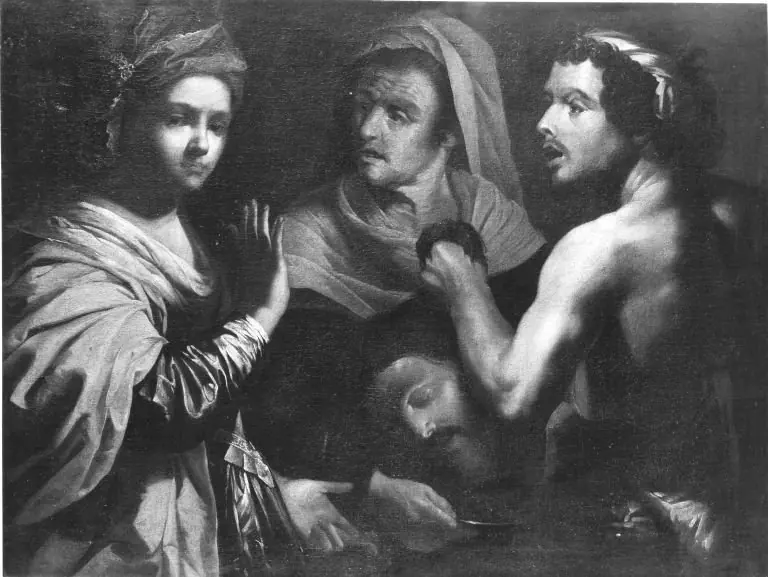 Enthauptung Johannes des Täufers
 Sitting Person Conversing One Standing
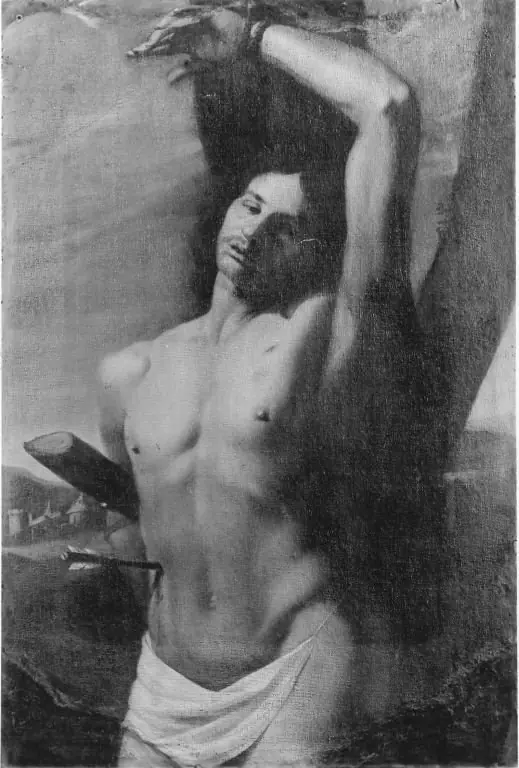 St Sebastian
- David and Goliath