January 2 in Art History
6 real events recorded on January 2, the earliest from 1462. 2 artists were born , 1 died on this date.
Born on this day 2
- 1462 Born
Born this day: Piero di Cosimo
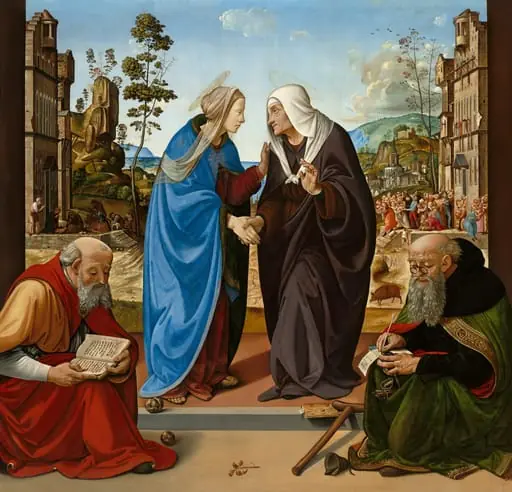
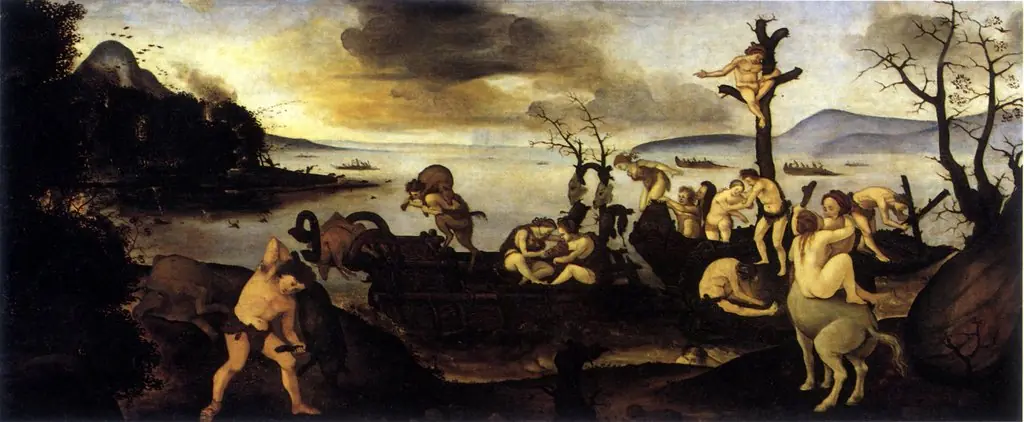
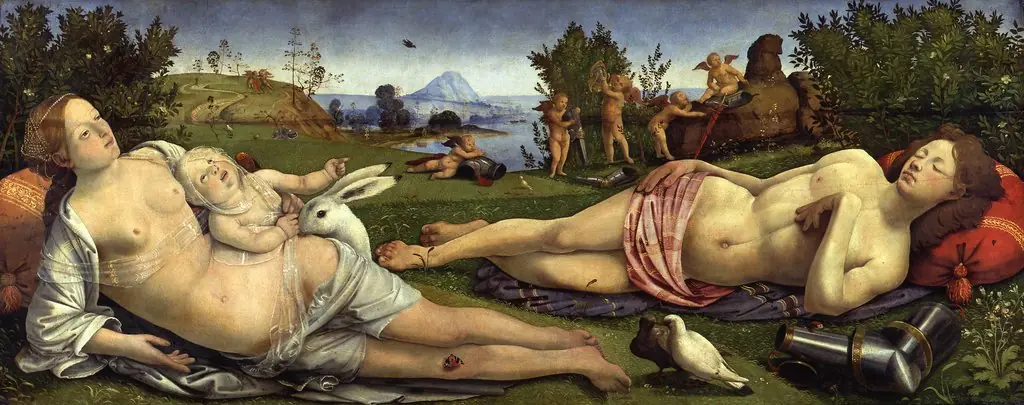
Piero di Cosimo, an Italian Renaissance painter, was born on January 2, 1462. He is known for continuing the Early Renaissance style into the 16th century, as seen in works like The Visitation with Saint Nicholas and Saint Anthony Abbot and Venus, Mars and Cupid. His unique approach set him apart from his contemporaries.
Piero di Cosimo's legacy lies in his distinctive blend of traditional and innovative techniques that influenced the development of Renaissance art.
- 1781 Born
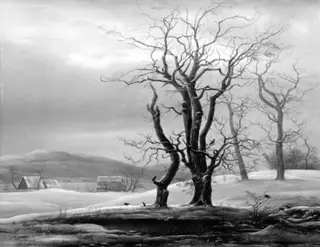
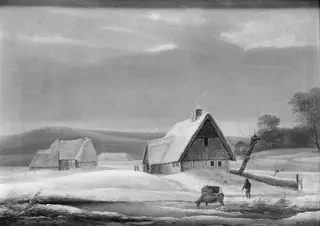
Born this day: F.M.E. Fabritius de Tengnagel
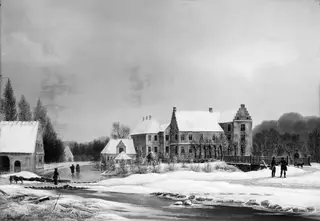
Frederik Michael Ernst Fabritius de Tengnagel was a Danish military officer and landscape painter, born on January 2, 1781, known for specializing in winter landscapes, as seen in works like Prospekt af hovedgården Lykkesholm på Fyn. Vinter. His art captures serene and frozen scenes, often featuring rural settings and icy landscapes.
He remains a notable figure in Danish landscape painting for his unique winter scenes.
Died on this day 1
- 1932 Died
Died this day: Emil Carlsen
Emil Carlsen, a Danish-American painter, was a prominent figure in American Impressionism, known for his captivating still lifes, landscapes, and seascapes. He had a long and distinguished career, marked by numerous awards and honors, including membership in the National Academy of Design.
Emil Carlsen's legacy lies in his contributions to American Impressionism and his influence on future generations of artists as a respected teacher.
Exhibitions & salons 1
- 1942 Exhibition
First Exhibition of Leningrad wartime artists opens
The First Exhibition of Works by Leningrad Artists during the Great Patriotic War opened at the Leningrad Union of Artists during the siege's catastrophic first winter. The exhibition brought together work by artists who remained active under bombardment, hunger, cold, and civic emergency, including Ivan Bilibin, Vladimir Konashevich, Aleksandr Laktionov, Vladimir Lebedev, Vsevolod Lyshev, and Yaroslav Nikolaev. A related history of Leningrad art describes the show as opening in a frozen building and later traveling to Moscow. Its importance lies in the way it made artistic production part of wartime endurance, propaganda, documentation, and morale, while preserving visual testimony of the besieged city.
The exhibition became a touchstone for the wartime identity and historical memory of Leningrad artists.
Openings & foundings 2
- 2010 Opening
Bechtler Museum of Modern Art opens
The Bechtler Museum of Modern Art opened to the public in Charlotte, North Carolina, as a purpose-built museum for the Bechtler family's collection of mid-twentieth-century modern art. Designed by Swiss architect Mario Botta, the 36,500-square-foot museum became part of the Levine Center for the Arts and gave public institutional form to Andreas Bechtler's holdings of more than 1,400 works. Its opening mattered because it placed a concentrated European and American modernist collection, including artists associated with major postwar movements, in a new civic arts district outside the traditional museum capitals.
Charlotte gained a dedicated modern art museum and a new anchor for its uptown cultural district.
- 2014 Opening
Cleveland Museum of Art West Wing opens
The Cleveland Museum of Art opened its new West Wing, completing a major phase of the museum's long renovation and expansion under architect Rafael Vinoly. The project replaced earlier additions, added new east and west wings, enclosed the atrium with a glass roof, and roughly doubled the museum's total size to 592,000 square feet. The West Wing was especially significant because it restored and re-presented parts of the museum's internationally respected Asian collections, including Chinese, Indian, and Southeast Asian art, in new galleries. The opening capped a multi-year reconfiguration of one of the United States' leading encyclopedic art museums.
The wing helped complete the museum's transformation into a larger, more coherent campus for its global collections.