Artwork
Venus, Mars and Cupid
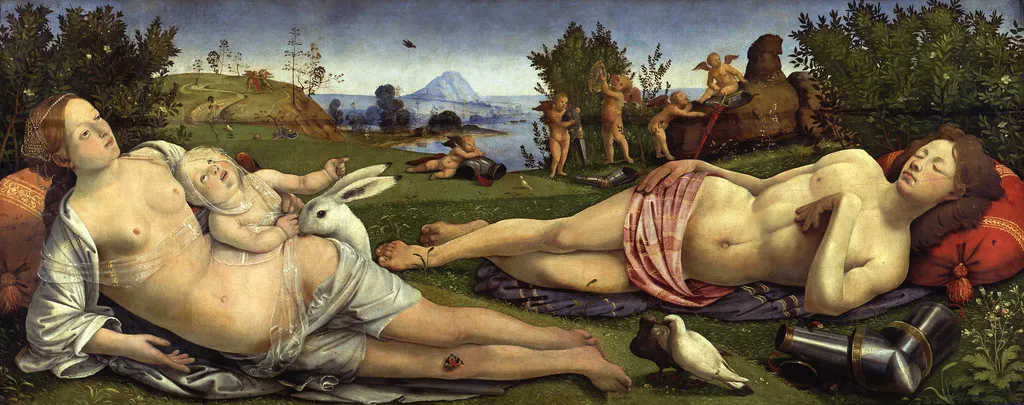
Venus, Mars and Cupid is an oil painting by the Early Renaissance artist Piero di Cosimo. It dates from 1505 and is held in the collection of the Gemäldegalerie Berlin.
About this work
Subject & Meaning
The myrtle, doves, rabbit and butterfly symbolize love, fertility and the soul, while the disarmed armor underscores war’s defeat by affection.
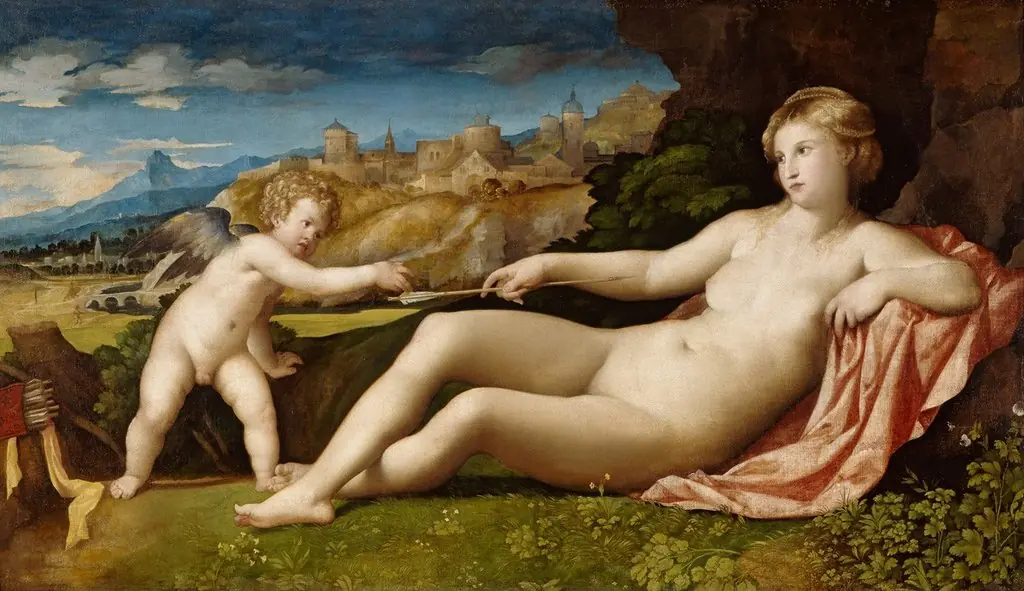
Painted by Piero di Cosimo circa 1505, the work shows Venus reclining nude, playing with her son Cupid while Mars lies asleep, his weapons and armor strewn nearby and being toyed with by putti. Venus is accompanied by her traditional attributes: doves, a white rabbit, a butterfly, and myrtle bushes under which the scene unfolds, referencing her birthplace on Cyprus. Mars’ slumber follows the ‘petite mort’ after love, making the painting an allegory of Love triumphing over War, a neo‑Platonic theme also found in Botticelli’s Venus and Mars.
The myrtle, doves, rabbit and butterfly symbolize love, fertility and the soul, while the disarmed armor underscores war’s defeat by affection.
Technique & Style
Venus, Mars and Cupid is executed in oil paint on a poplar wood panel, measuring 72 by 182 cm in a horizontal format. The work was likely produced as a spalliera panel, a type of decorative painting used to finish wooden wall paneling in Florentine domestic interiors, often commissioned for weddings. Stylistically, the composition follows the neo-Platonic mythological tradition associated with the Florentine milieu, drawing on Botticelli's earlier Venus and Mars as a model.
The landscape employs aerial perspective, with distant elements such as a lake, gentle hills, and a volcanic cone on the horizon softened into bluish tones through atmospheric haze. The palette features a pastel-blue cloudless sky, the pinkish drapery of Mars's loincloth, and translucent silk and veil-like fabrics draped across Venus's shoulder and hips. Figures are rendered nude save for these minimal coverings, set within an idyllic pastoral setting framed by myrtle bushes.
History & Provenance
The painting Venus, Mars and Cupid by Piero di Cosimo is dated to c.1505 and likely originated as a spalliera panel, a decorative element for wooden wall paneling in Florentine villas, often commissioned for weddings. Its neo-Platonic subject aligns with contemporary cassone and spalliera traditions. The work entered the collection of Giorgio Vasari by 1550, as noted in the second edition of his Vite.
By the early 19th century, it was recorded in the Casa Nerli, Florence. The Berlin Gemäldegalerie acquired the painting in 1828 through the mediation of Carl Friedrich von Rumohr during the formation of its Italian holdings.
Piero di Cosimo's painting Venus, Mars and Cupid is permanently held in the Gemäldegalerie in Berlin, Germany, where it is located in Hall XVIII among Italian paintings from the 13th to 15th centuries. The work was acquired for the museum's collection in 1828 by Rumohr, acting as an advisor during the assembly of the Berlin gallery, having previously been in the possession of Giorgio Vasari after 1550. Prior to its acquisition by the state, the painting was associated with the Casa Nerli in Florence.
While the specific accession number is not provided in the available sources, the work is cataloged as a major piece of the museum's holdings. The sources do not list specific past exhibition dates or touring histories beyond its permanent display location in Berlin.
Context
Piero di Cosimo's Venus, Mars and Cupid (c. 1490–1505) is a seminal example of Florentine mythological painting, widely interpreted as a neo-Platonic allegory of Love triumphing over War. Scholars identify the work as a spalliera or cassone panel, a decorative format popular for domestic interiors, with Giorgio Vasari documenting the piece in his Lives by the mid-16th century. Art historical analysis frequently positions the painting as a direct response to Sandro Botticelli's earlier Venus and Mars, sharing its thematic core of the sleeping war god conquered by the goddess of love.
However, critical reception notes a distinct divergence: while Botticelli's version omits specific narrative tension, Piero's composition includes putti playing with Mars's armor and Cupid gesturing toward the sky, potentially alluding to the Homeric myth of Hephaestus's trap. This synthesis of classical literature, specifically Lucretius, and contemporary humanist thought situates the work within the intellectual circles of late 15th-century Florence.
Legacy
The painting, created circa 1505, entered the Gemäldegalerie Berlin collection in 1828 after passing through the hands of Giorgio Vasari, a provenance documented in contemporary scholarship (2,4). Its original function as a cassone or spalliera panel reflects the Florentine decorative tradition of the period (3). Scholars have highlighted its Neo‑Platonic theme, in which Venus triumphs over Mars, a motif also explored by Botticelli and later interpreted as an allegory of love over war (3,4).
The work’s symbolic details, myrtle, doves, a rabbit, and armor played with by putti, have been analyzed in studies of Renaissance mythological iconography (4). Its enduring reputation is reflected in continuous scholarly discussion and its presence in digital catalogues across multiple language Wikipedias (5,6).
Overview
Piero di Cosimo's Venus, Mars and Cupid, painted around 1505, is an oil on panel work. This painting, now housed in Berlin's Gemäldegalerie, likely served as a decorative element for a cassone, or marriage chest. It presents a classical mythological scene, exploring themes of love and conflict through its central figures.
Artist & collection

Artist
Piero di Cosimo, also known as Piero di Lorenzo, was an Italian Renaissance painter, who continued to use an essentially Early Renaissance style into the 16th century.

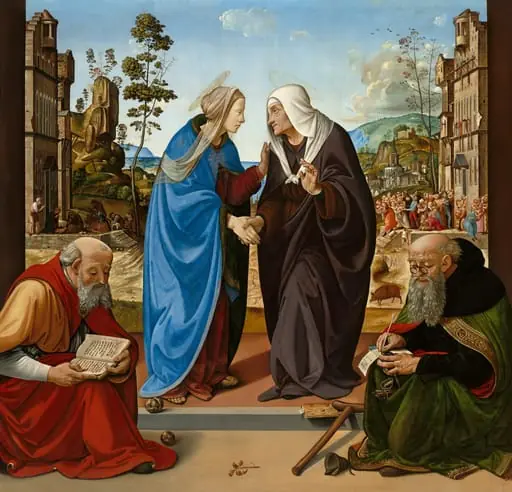 The Visitation with Saint Nicholas and Saint Anthony Abbot
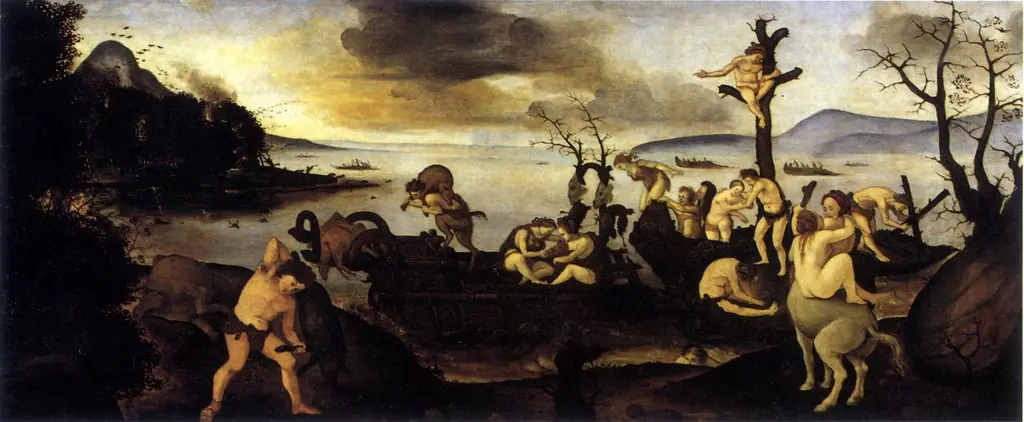 Return from the Hunt by Piero di Cosimo
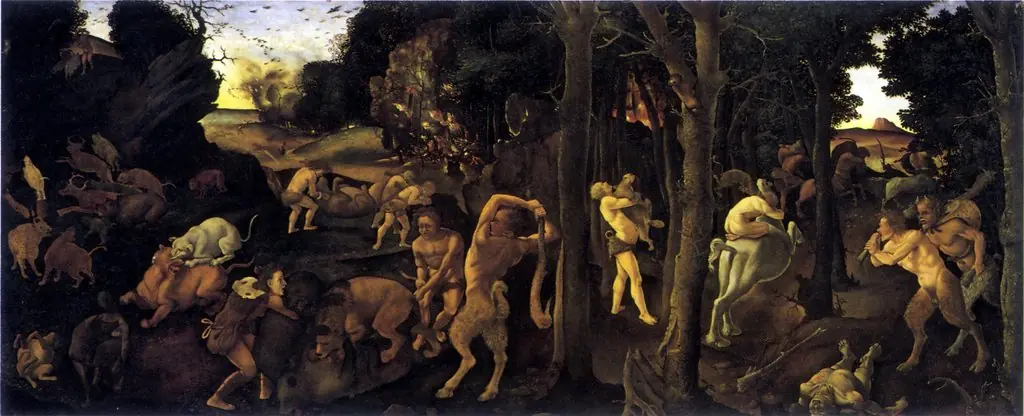 A Hunting Scene
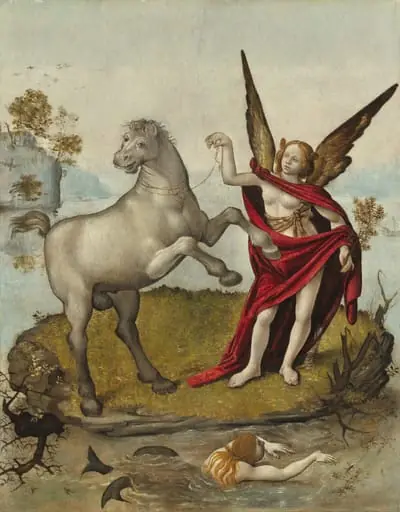 Allegory
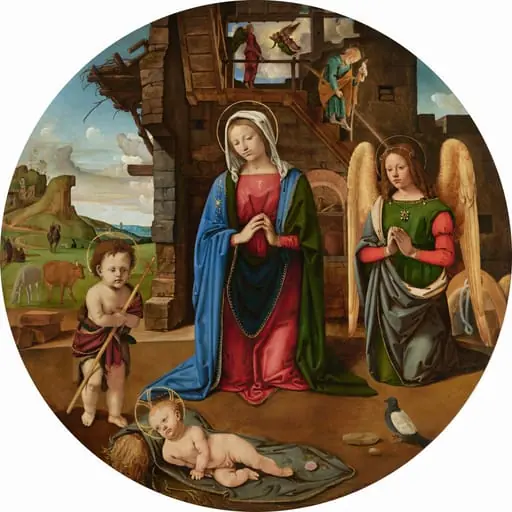 The Nativity with the Infant Saint John
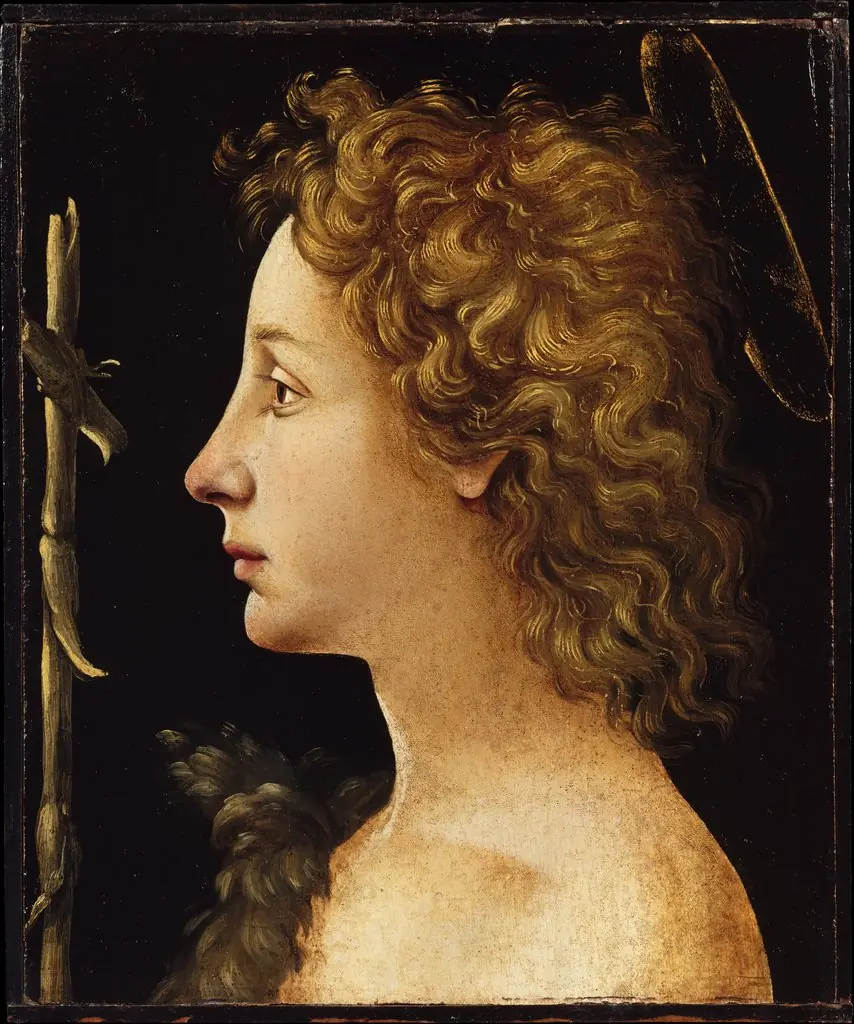 The Young Saint John the Baptist
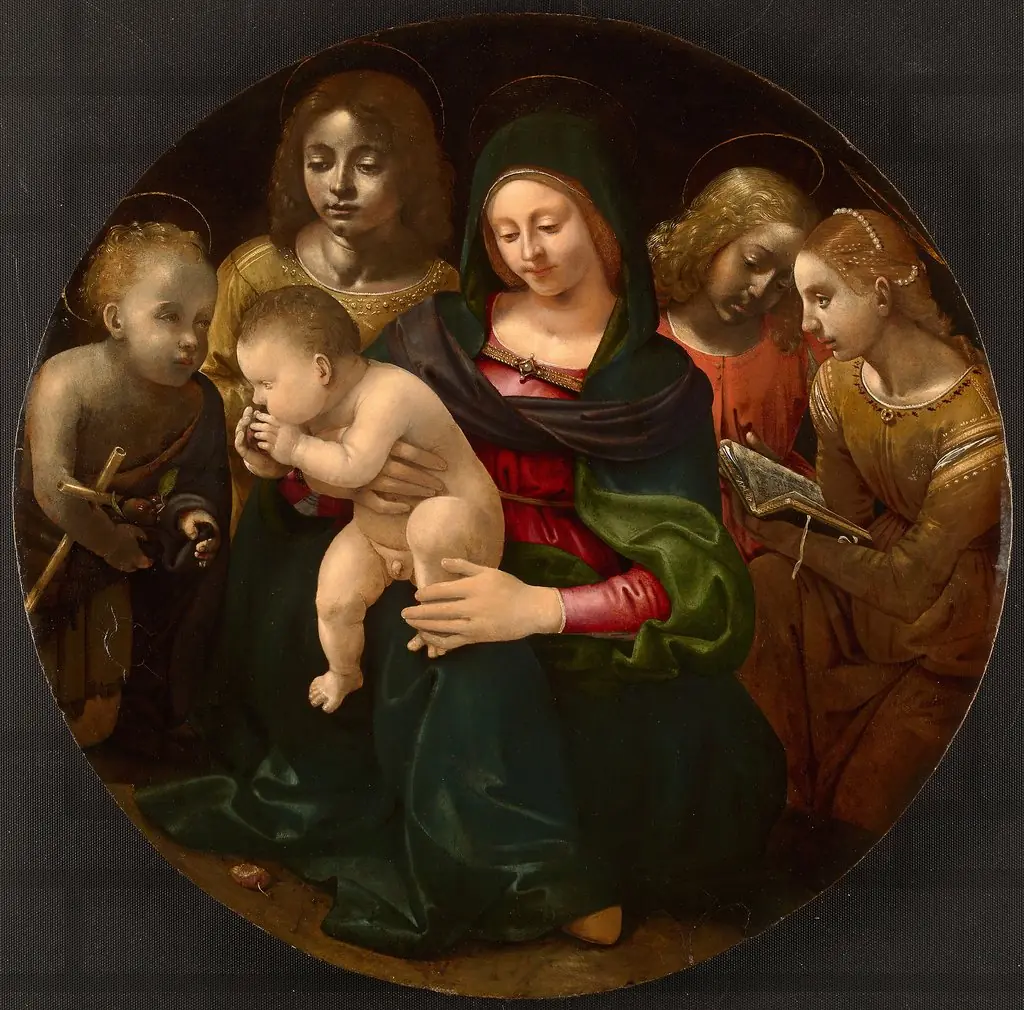 Virgin and Child with the Young Saint John the Baptist, Saint Cecilia, and Angels
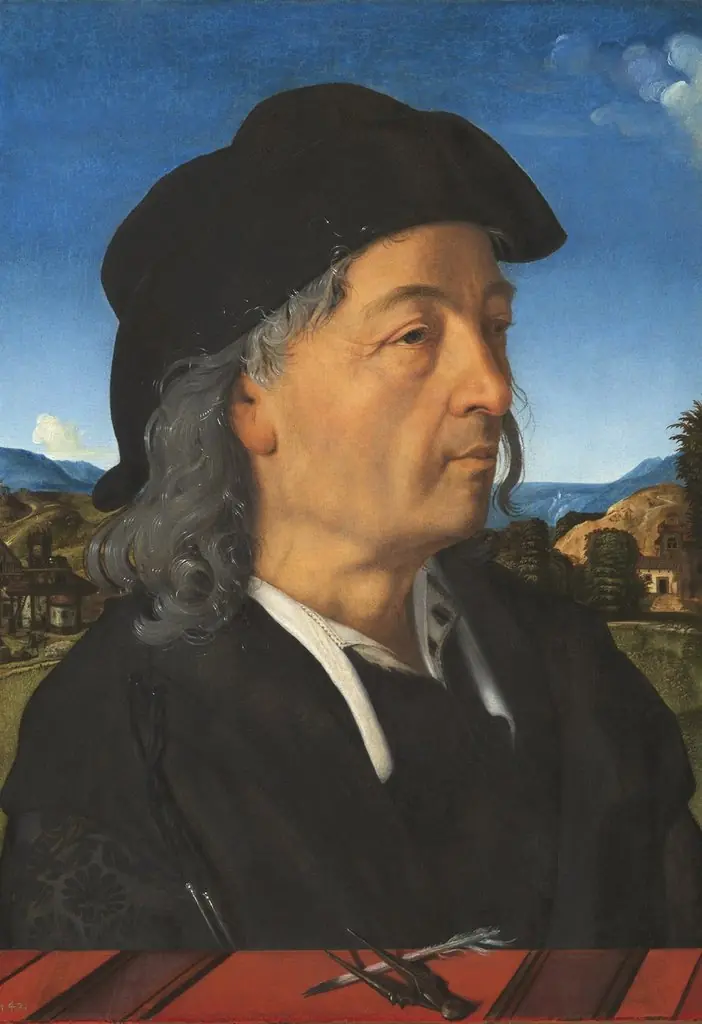 Portrait of Giuliano Giamberti da Sangallo