Artwork
Return from the Hunt by Piero di Cosimo
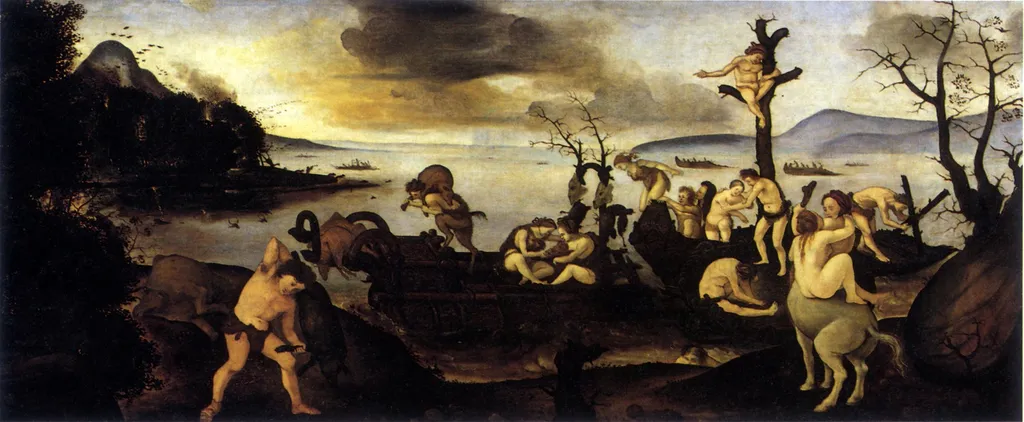
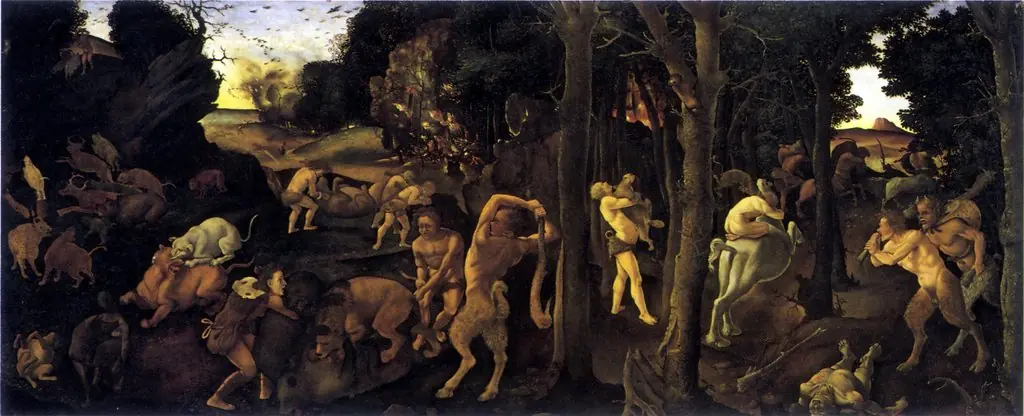
Return from the Hunt by Piero di Cosimo is an oil painting by the Early Renaissance artist Piero di Cosimo. It dates from 1500 and is held in the collection of the Metropolitan Museum of Art.
About this work
Exhausted hunters ferry slaughtered prey across a river in Piero di Cosimo's oblong panel, a companion to his Hunting Scene at the Metropolitan Museum. Painted around 1500 in tempera and oil, it imagines a primal episode from early human history, drawn from the Roman poet Lucretius. Likely made for the Florentine merchant Francesco del Pugliese, it reached the Met in 1875.
Subject & Meaning
The scene symbolizes the first signs of communal life and the acquisition of technical knowledge, representing a step toward the earliest forms of civilization.
The painting belongs to Piero di Cosimo's Histories of Early Humanity series, which depicts human existence before the discovery of fire and the use of metals, hence before weapons. This panel, the second in the sequence, shows early humans returning from a hunt, wearing animal skins and using simple boats. The scene symbolizes the first signs of communal life and the acquisition of technical knowledge, representing a step toward the earliest forms of civilization.
In the background, smoke and flames from a distant forest fire contrast with the absence of controlled fire, underscoring the primitive stage. A woman riding a centaur in the foreground introduces a mythological element, possibly alluding to the fusion of human and bestial nature at this early epoch. Overall, the work illustrates humanity's gradual progress from a raw, unorganized state toward social and technological development.
Technique & Style
Painted in oil on wood panel, this horizontal work (70.5 × 168.9 cm) was executed around 1500–1505 as part of a series of panels originally installed as a spalliera (bed headboard) in a Florentine palace. The artist employs a layered composition with close foreground figures, a central lake with boats, and a distant smoky landscape, typical of the narrative style of the series 'Stories of Primitive Humanity.' The handling is detailed, with attention to the natural setting and the diverse actions of the figures, reflecting the early Renaissance interest in both classical themes and naturalistic observation. No specific condition notes are provided in the sources.
History & Provenance
Return from the Hunt is an oil-on-panel painting by Piero di Cosimo, dated to around 1500–1505. It formed part of a series depicting primitive humanity, likely commissioned for a room in the Palazzo Del Pugliese in Florence, as recorded by Giorgio Vasari. The panel probably functioned as a spalliera (headboard).
It entered the collection of the Metropolitan Museum of Art in 1875 as a gift from Robert Gordon, along with its companion piece The Primitive Hunt.
Context
Piero di Cosimo’s Return from the Hunt (ca. 1500–1505) is the second panel of his Stories of Early Humanity series, which imagines primitive life before the discovery of fire and metals. The cycle reflects Renaissance humanist interest in the origins of civilization and human ingenuity. The panel was likely a bed headboard (spalliera) from the Palazzo Del Pugliese in Florence, recorded by Giorgio Vasari.
It entered the Metropolitan Museum of Art in 1875 as a gift from Robert Gordon. Scholarship, notably by Erwin Panofsky, has examined the painting’s iconological themes, emphasizing the transition from savagery to communal life and technical knowledge. The work is consistently discussed within the broader context of Piero di Cosimo’s mythological and allegorical output, which often explores primal human experience.
Overview
Piero di Cosimo's Return from the Hunt, painted with oil and tempera on wood around 1494–1500, is an oblong panel housed at the Metropolitan Museum of Art. Measuring 70.5 by 168.9 centimeters, it forms one half of a pair, alongside A Hunting Scene. Together, these works present a visual interpretation of early human history, exploring humanity's progression from a primal, animalistic existence, a theme inspired by classical literature.
Artist & collection

Artist
Piero di Cosimo, also known as Piero di Lorenzo, was an Italian Renaissance painter, who continued to use an essentially Early Renaissance style into the 16th century.

- Neptun și Amphitrite
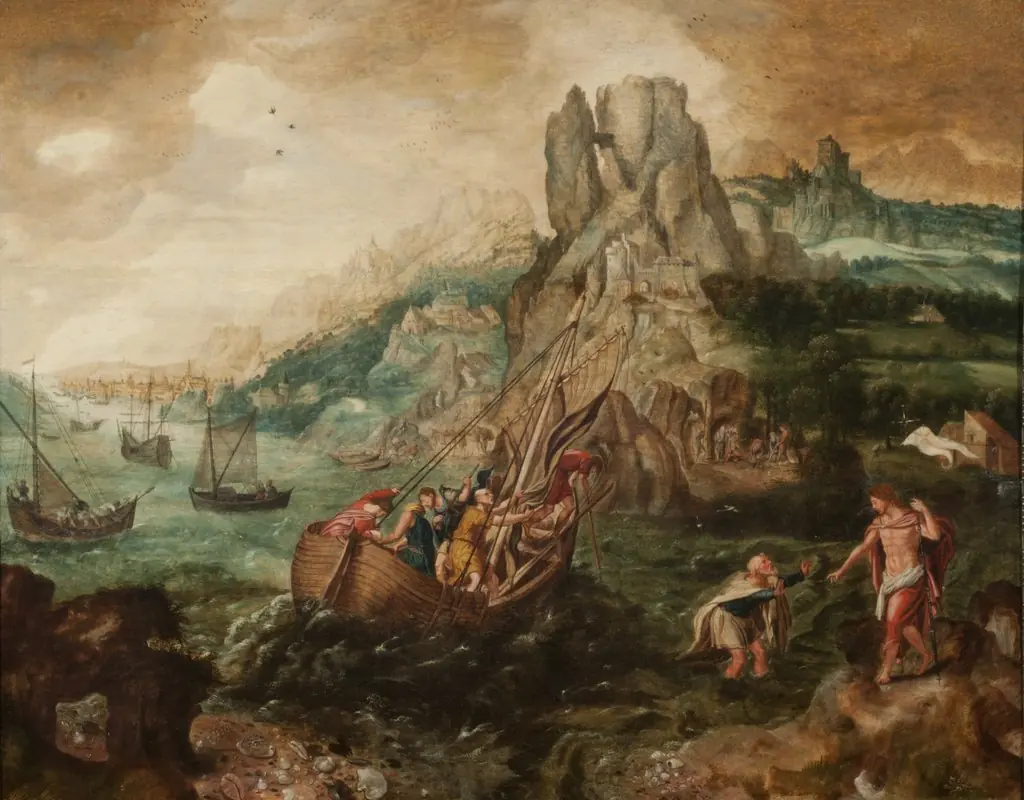 The last appearance of Christ to his disciples
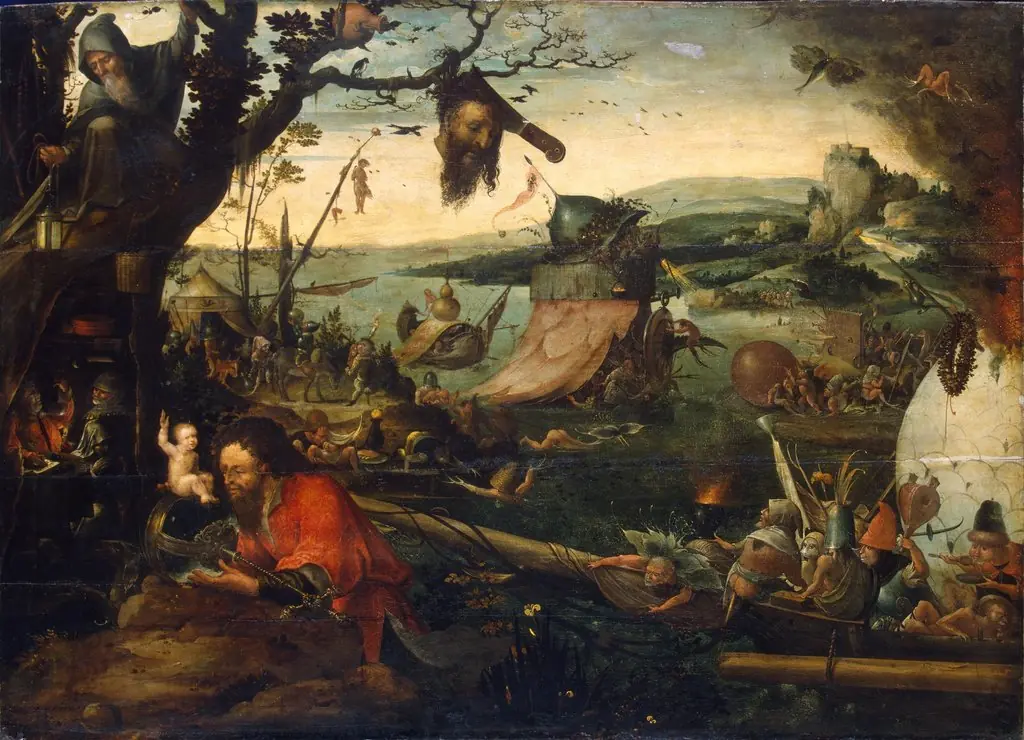 Landscape with the Legend of St Christopher
 Landscape with Bathers
 Landscape with Orpheus and the Animals
 Die Sintflut mit der Arche Noah
 River view with Large Rock
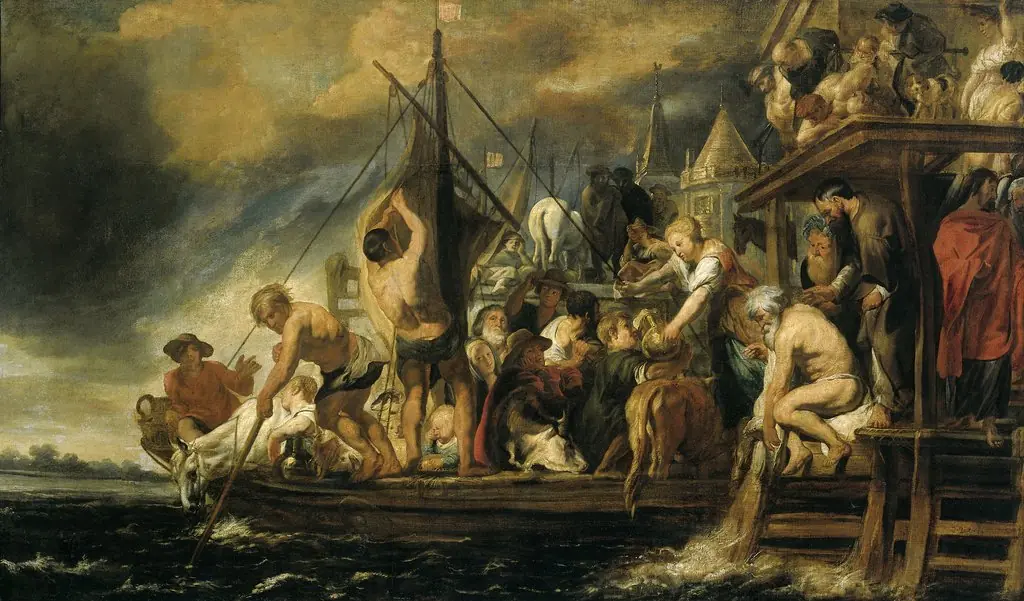 The Tribute Money - Peter Finding the Silver Coin in the Mouth of the Fish
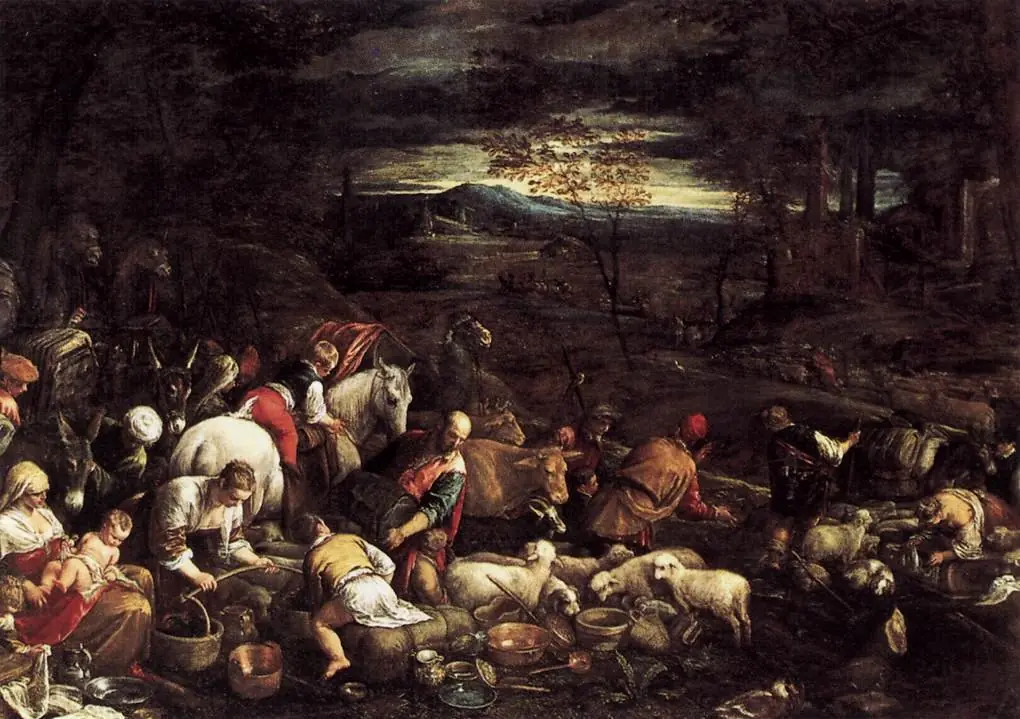 Return of Jacob with His Family
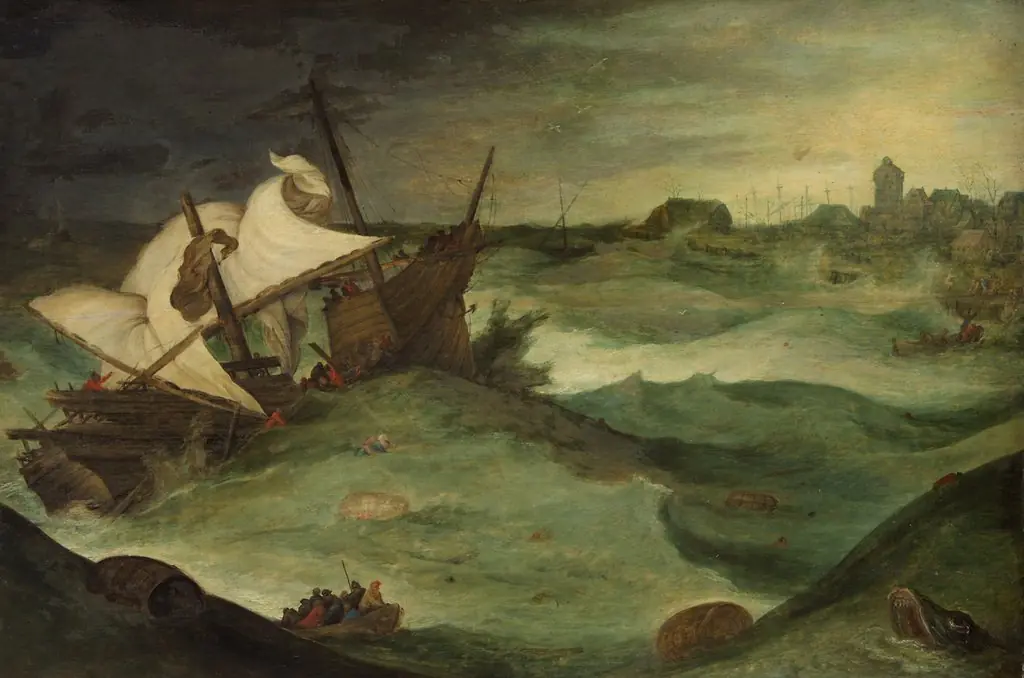 Storm at sea
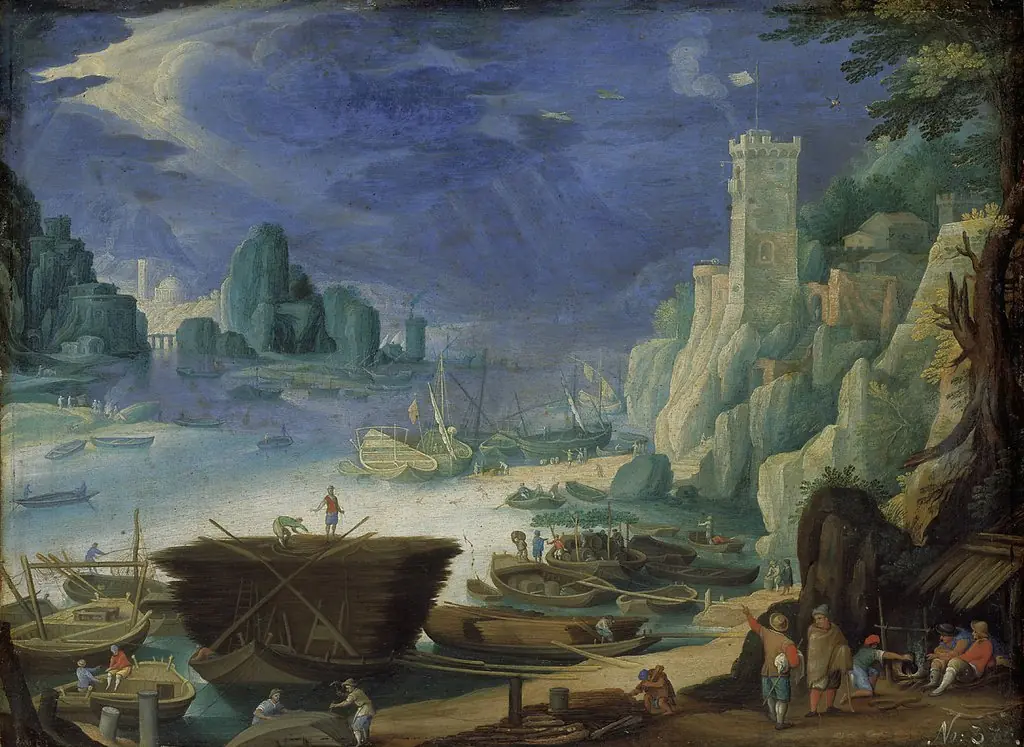 Nächtliche Hafenlandschaft mit Leuchtturm
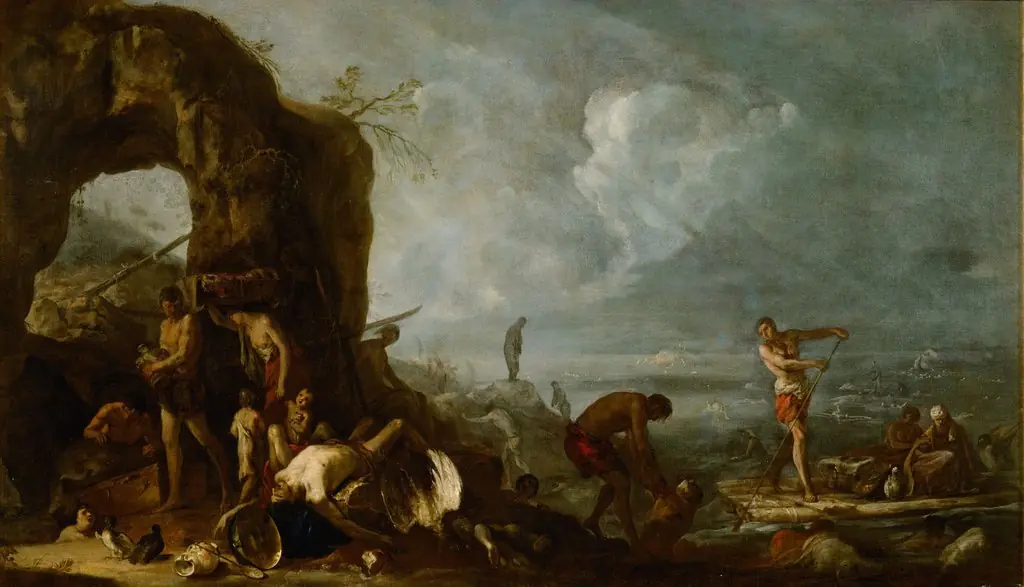 Flood
Flood
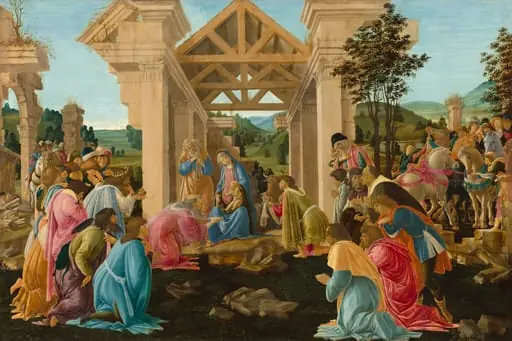 Compared in the Renaissance Florence course