Artwork
The Visitation with Saint Nicholas and Saint Anthony Abbot
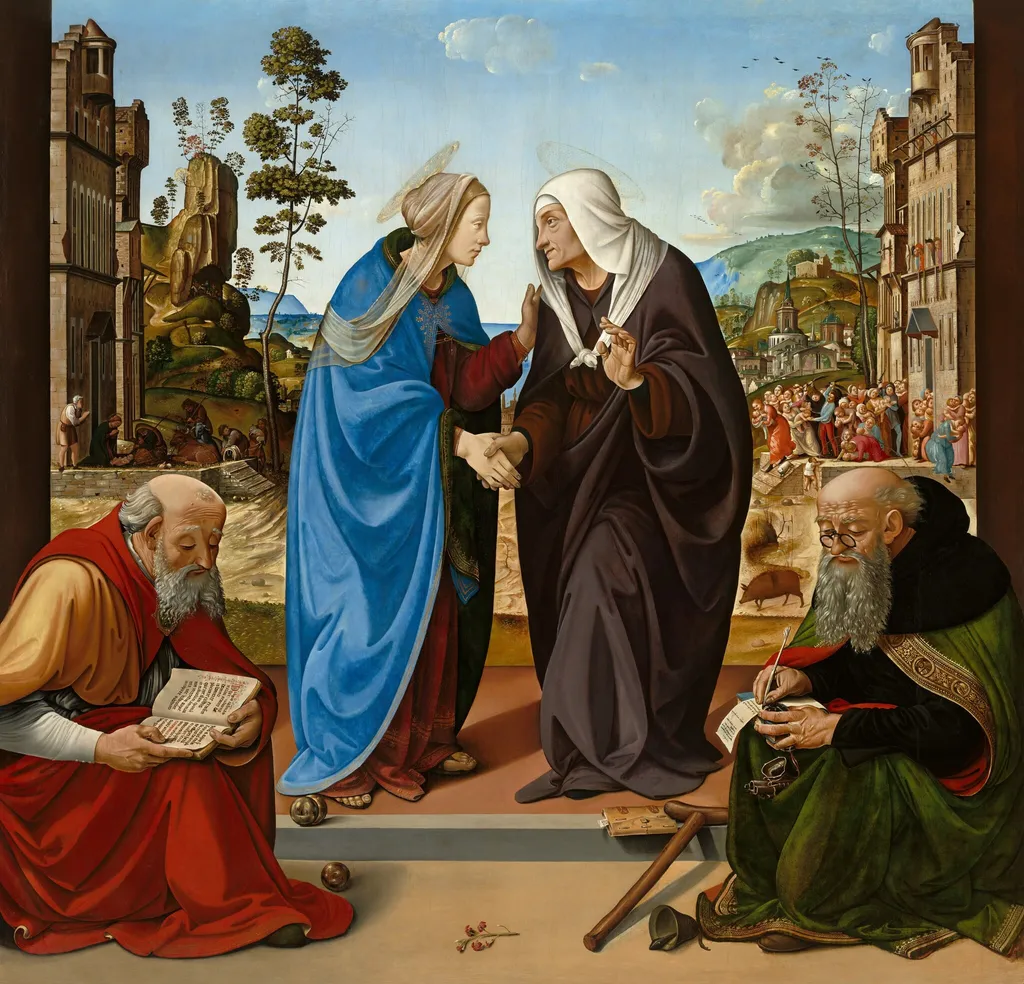
The Visitation with Saint Nicholas and Saint Anthony Abbot is an oil painting by the Early Renaissance artist Piero di Cosimo. It dates from 1490 and is held in the collection of the National Gallery of Art.
About this work
Subject & Meaning
Their figures dominate the composition, exchanging a gaze that conveys awareness of their unborn children's destinies (John the Baptist and Jesus).
The painting centers on the Visitation, the biblical encounter between Mary and her cousin Elizabeth, both miraculously pregnant. Their figures dominate the composition, exchanging a gaze that conveys awareness of their unborn children's destinies (John the Baptist and Jesus). Flanking them are Saint Nicholas of Bari, identifiable by the three golden balls, and Saint Anthony Abbot, who holds a bell and staff and wears spectacles; both are absorbed in reading and writing, serving as quiet witnesses.
The background includes secondary episodes: the Annunciation painted on a distant church wall, the Adoration of the Shepherds on the left, and the Massacre of the Innocents on the right, linking Mary's joy to future suffering. The pyramidal arrangement of the saints at the base and the women at the apex reflects Leonardo da Vinci's influence, while the precise detail of wrinkles and textures shows the impact of Flemish realism. The work's meaning lies in the shared recognition of divine destiny, rendered with intimate psychological depth.
Technique & Style
Executed in oil on panel, the painting measures approximately 184 × 189 cm. Its pyramidal composition, with the central figures of Mary and Elizabeth at the apex and Saints Nicholas and Anthony forming the base, reflects the influence of Leonardo da Vinci. The work exhibits a pronounced realism derived from contemporary Flemish painting, seen in the meticulous rendering of details such as the saints' wrinkles, hair, and the reflections on Saint Nicholas's golden balls. The foreground features naturalistic gestures and intense gazes, while secondary scenes (the Annunciation, the Adoration of the Shepherds, and the Massacre of the Innocents) unfold in the background.
Piero's handling combines Florentine structure with Northern European precision, producing a vivid, psychologically charged depiction of the Visitation.
History & Provenance
The painting was commissioned between 1489 and 1490 by the Capponi family for the Cappella di San Niccolò in the Basilica of Santo Spirito, Florence. In 1713 it was moved to the Villa Capponi a Legnaia, near Florence. Around 1850, Frederick West acquired the work and brought it to Chirk Castle in Wales.
It remained with the West family until being sold by descendants about 1891. The painting then passed through Thomas Agnew & Sons, London, and by 1933 was with Duveen Brothers, Inc., New York. In 1937 Duveen sold it to the Samuel H. Kress Foundation, which donated it to the National Gallery of Art, Washington, in 1939.
Context
Vasari praised the work in his Lives of the Artists, noting the naturalistic detail of Saint Anthony's spectacles and the convincing depiction of an old parchment book, and highlighting Piero di Cosimo's idiosyncratic pursuit of difficult effects. Modern scholarship situates the painting within the artist's youthful period, emphasizing its debt to Netherlandish realism in the meticulous rendering of wrinkles, hair, and textures. The composition, with saints flanking the central group, adapts the traditional triptych format, while its pyramidal structure reflects the contemporary influence of Leonardo da Vinci.
Legacy
After leaving Florence for Wales in the nineteenth century, the painting eventually entered the Samuel H. Kress Collection and was donated to the National Gallery of Art in 1939. There it has been recognized as a defining example of Piero di Cosimo's youthful period, noted for its Flemish-inspired detail and psychological intensity. The art historian Fanny Knapp Allen praised it as among the finest Visitations painted in Florence.
Its prominent display in Washington, D.C., has cemented its standing as a masterwork of late Quattrocento religious painting.
Overview
Piero di Cosimo's The Visitation with Saint Nicholas and Saint Anthony Abbot, created around 1490, is an oil on panel painting now housed at the National Gallery of Art in Washington. This large Florentine altarpiece presents the biblical encounter between the Virgin Mary and Saint Elizabeth, framed by the figures of Saint Nicholas and Saint Anthony Abbot, and set against a complex, multi-narrative landscape.
Own this work as a print
Artist & collection

Artist
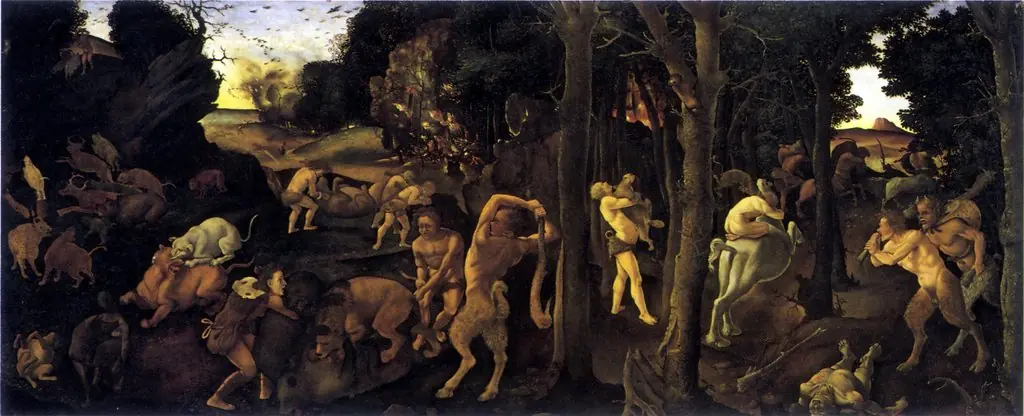
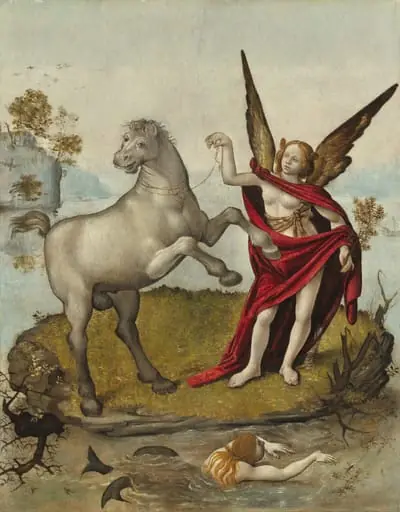
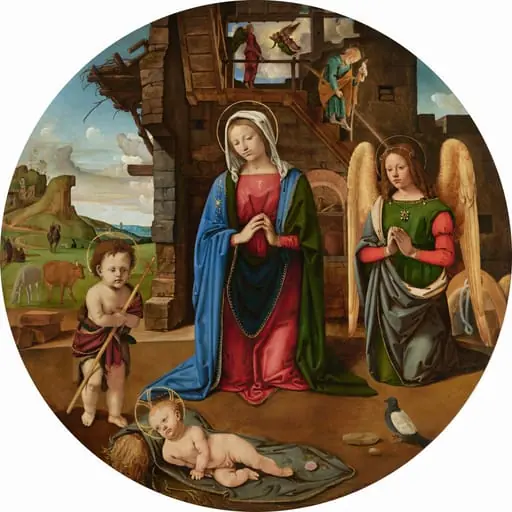
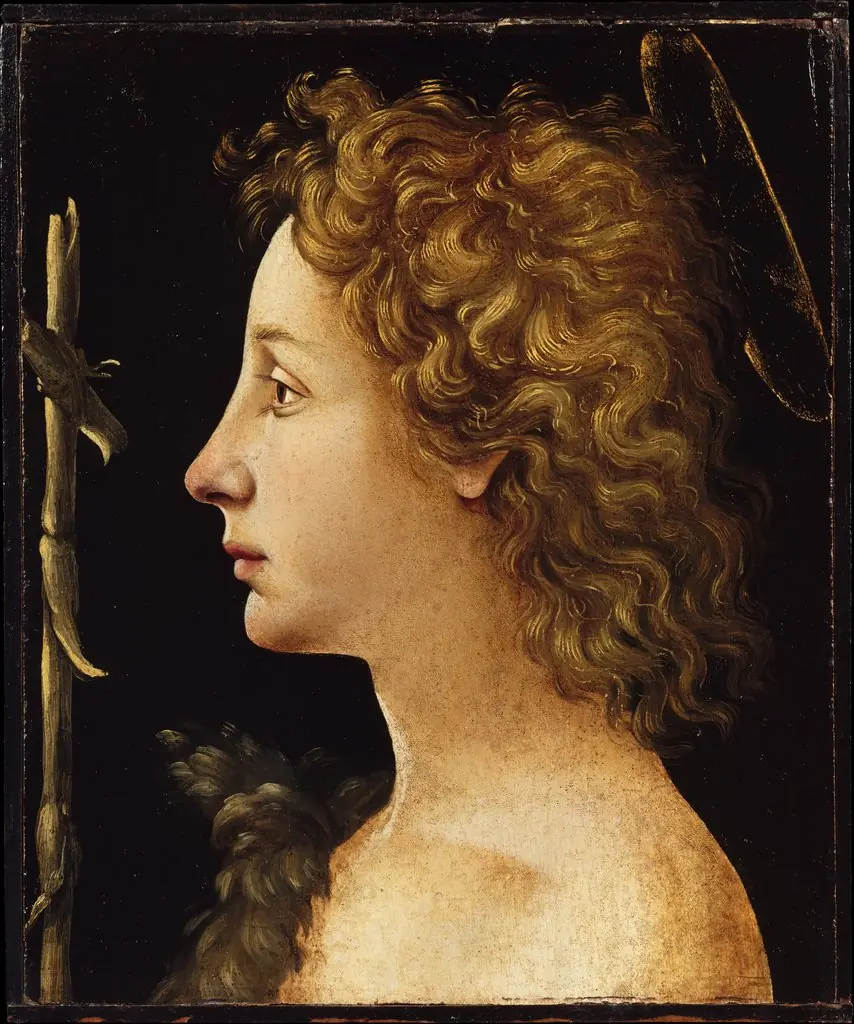
Piero di Cosimo, also known as Piero di Lorenzo, was an Italian Renaissance painter, who continued to use an essentially Early Renaissance style into the 16th century.

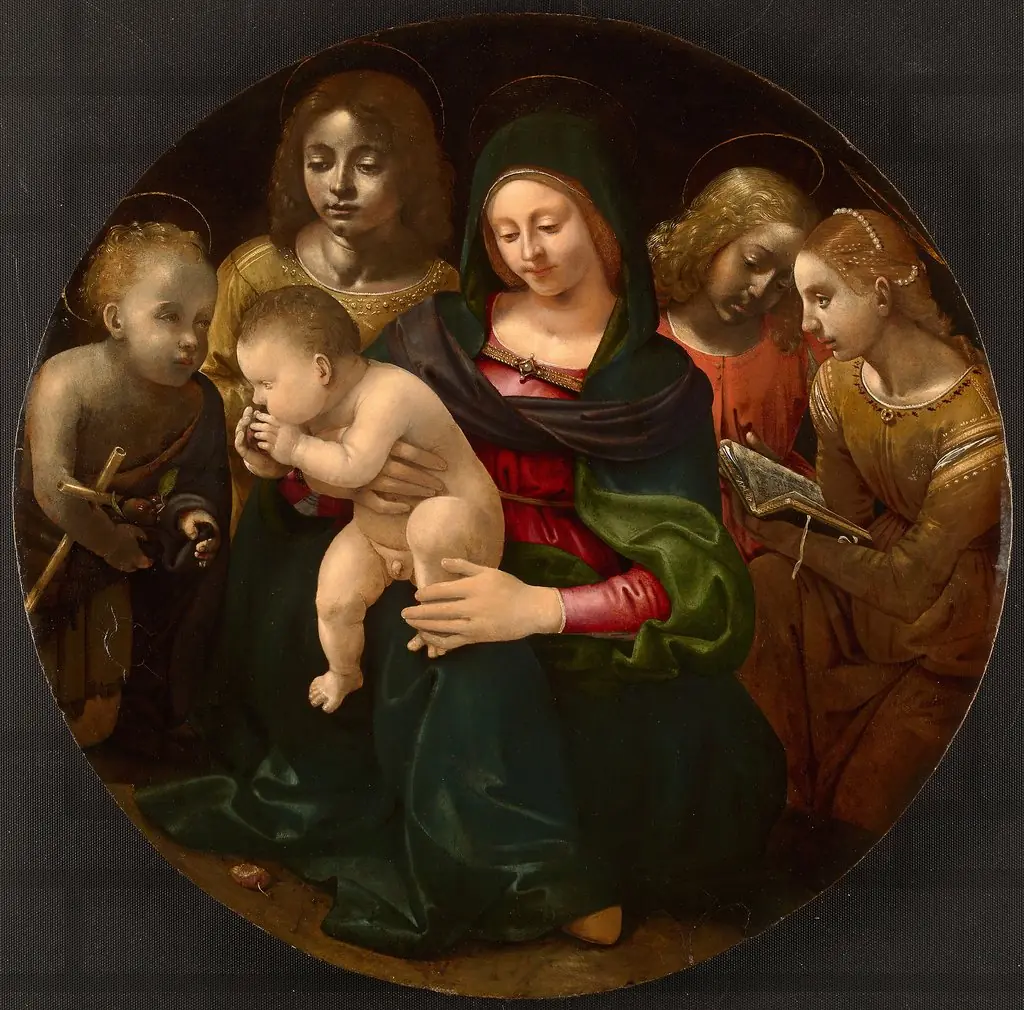
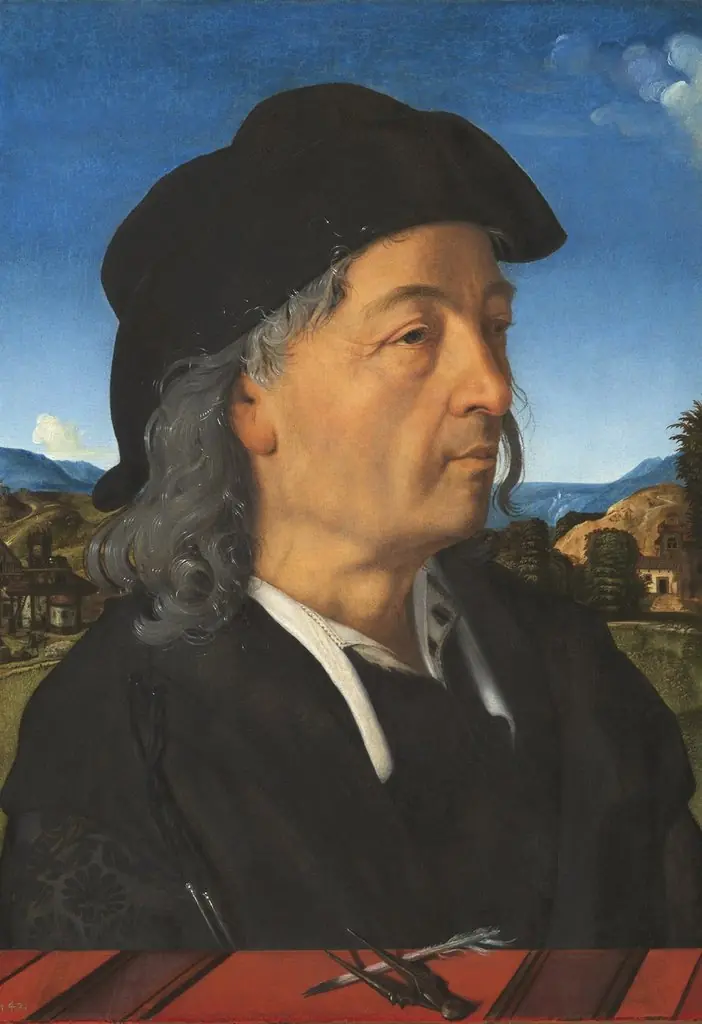
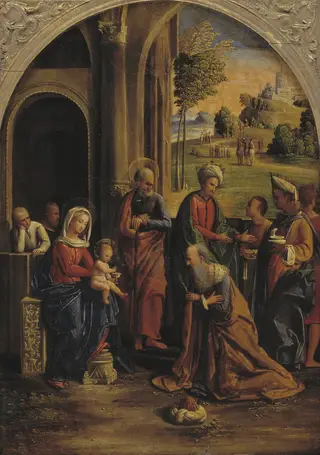 The Adoration of the Kings
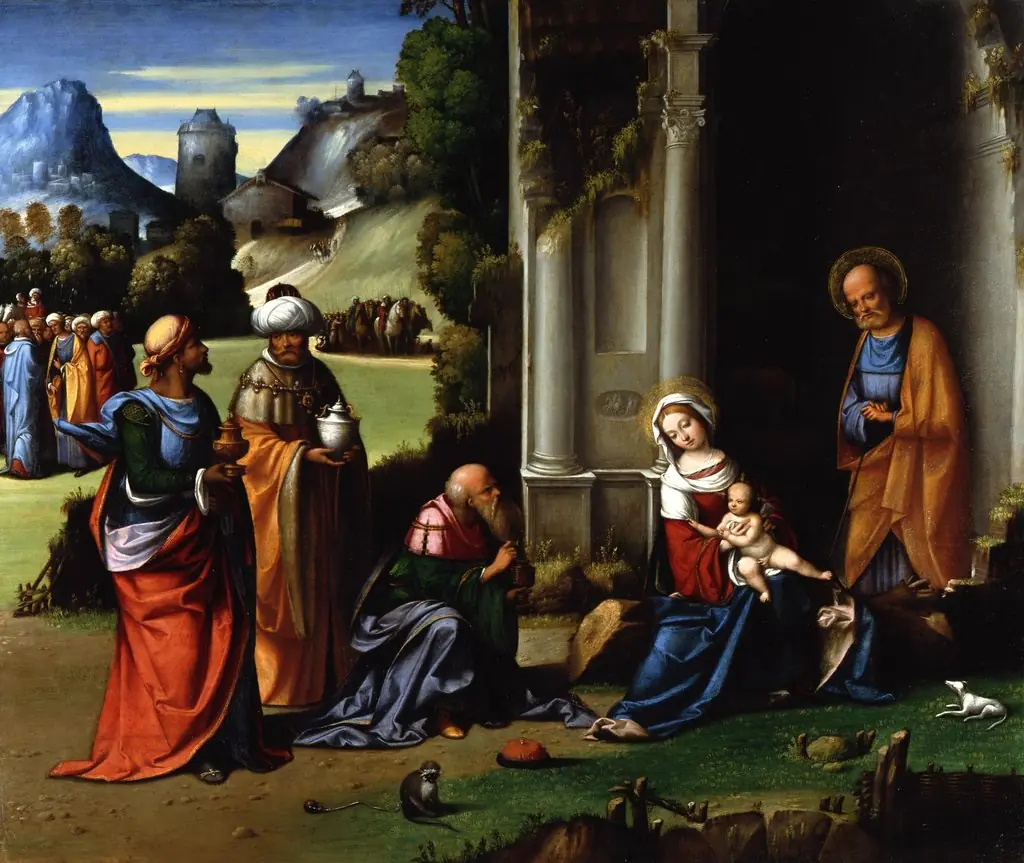 The Adoration of the Magi
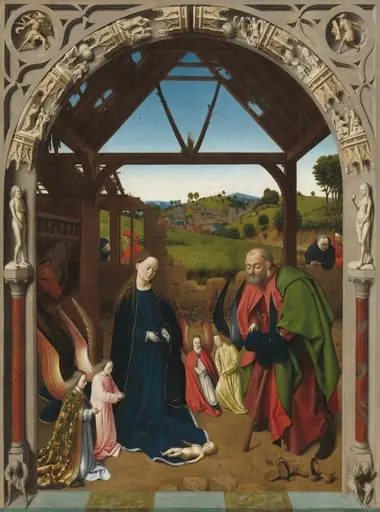 The Nativity
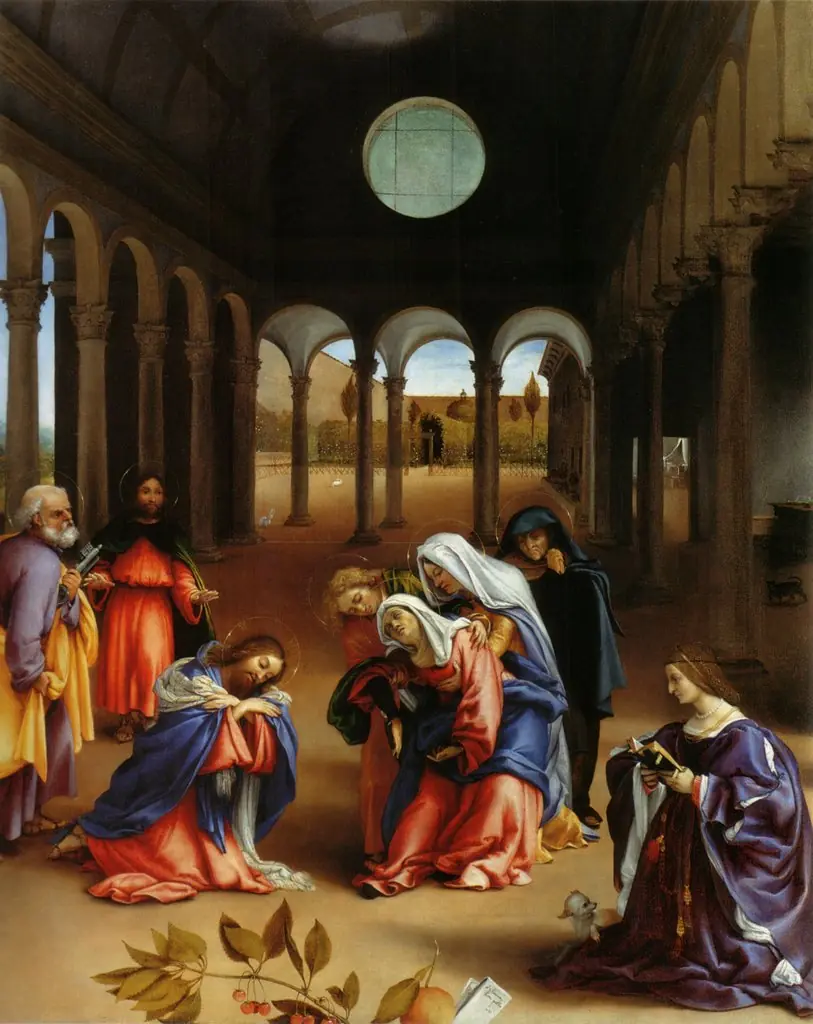 Christ taking leave of his Mother
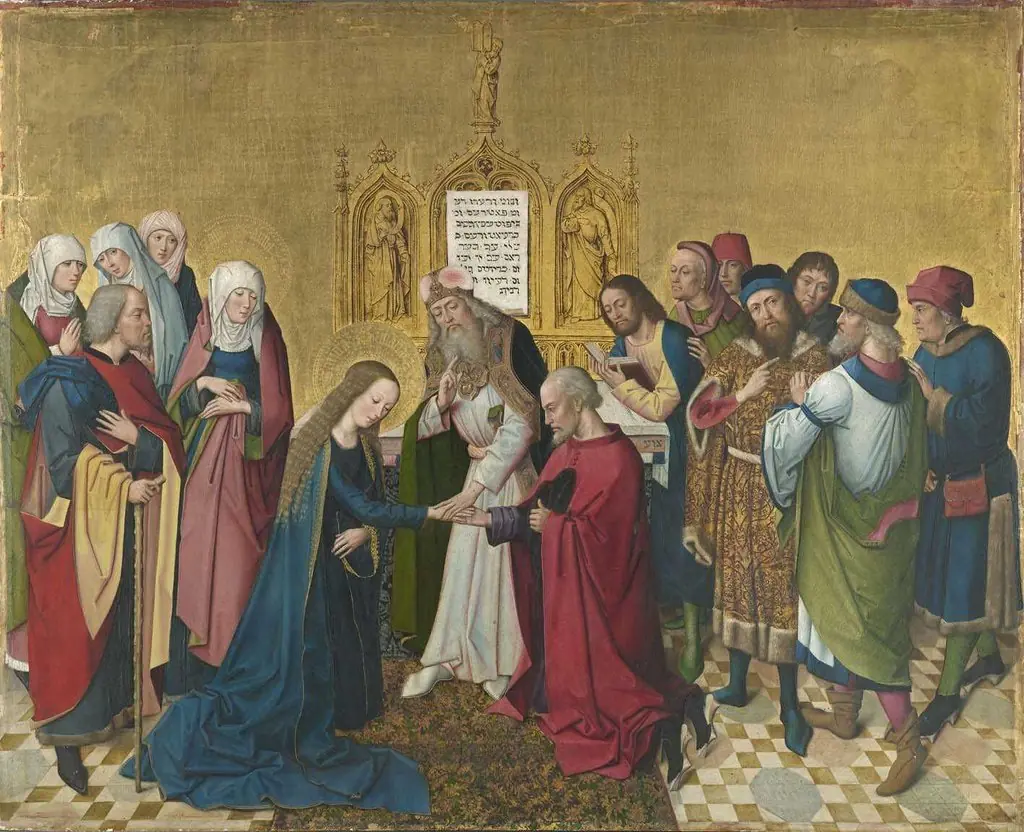 The Engagement of Mary (verso: upper half of the Coronation of Mary)
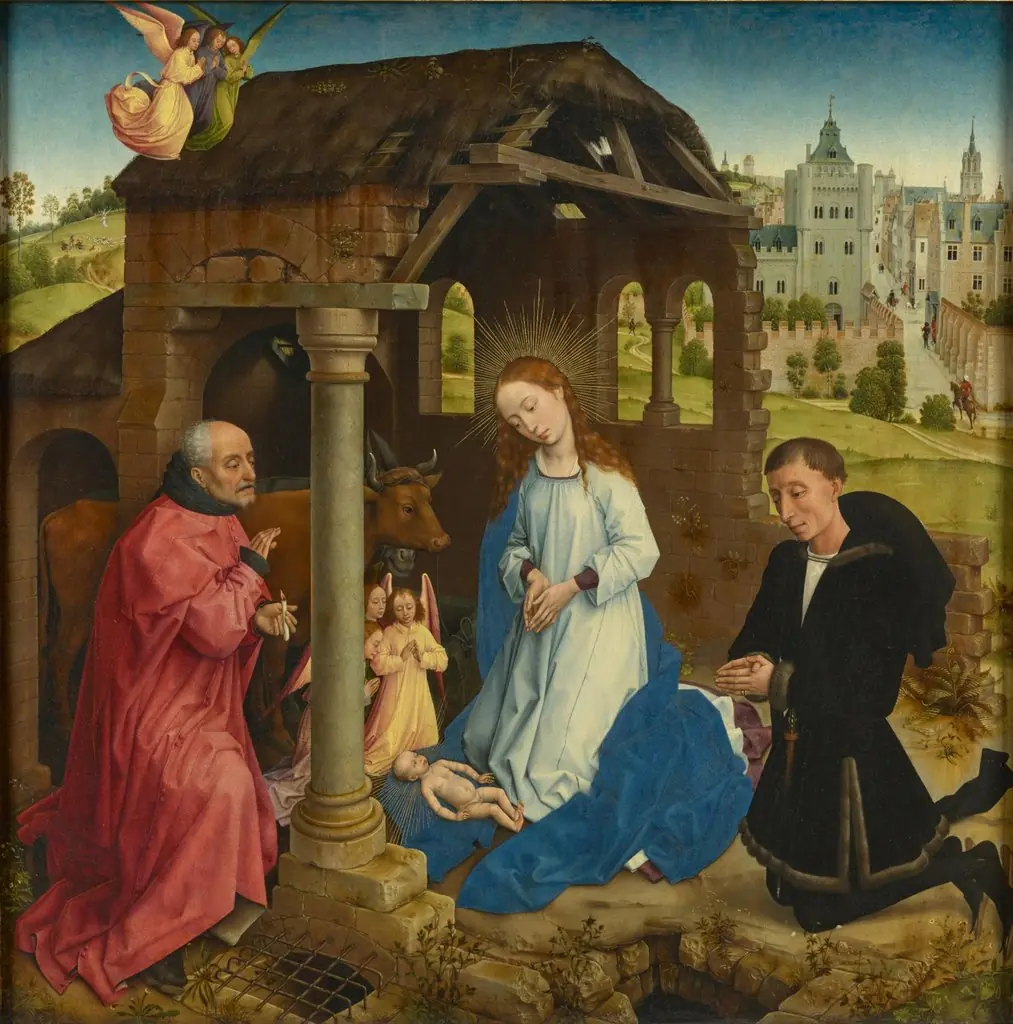 Bladelin Triptych Nativity (central panel)
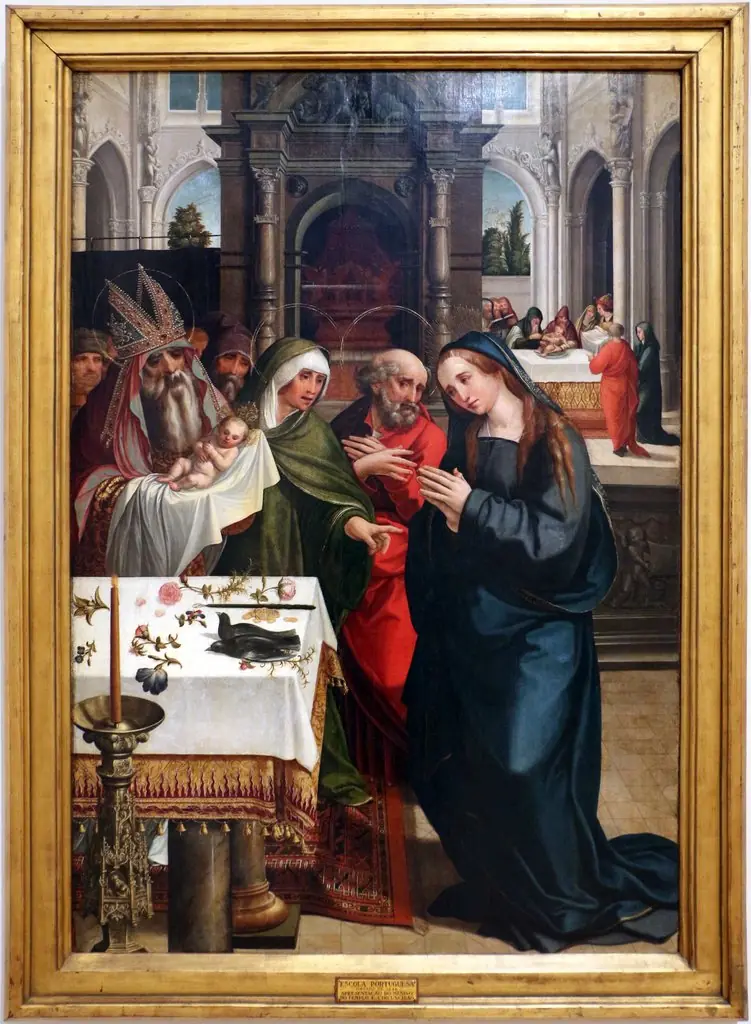 Presentation of Jesus at the Temple
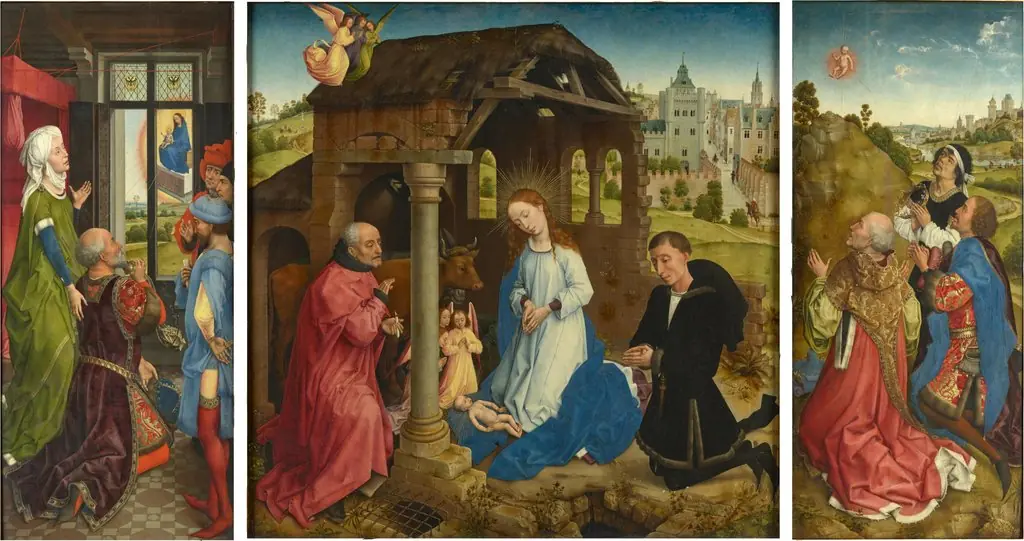 Bladelin Triptych
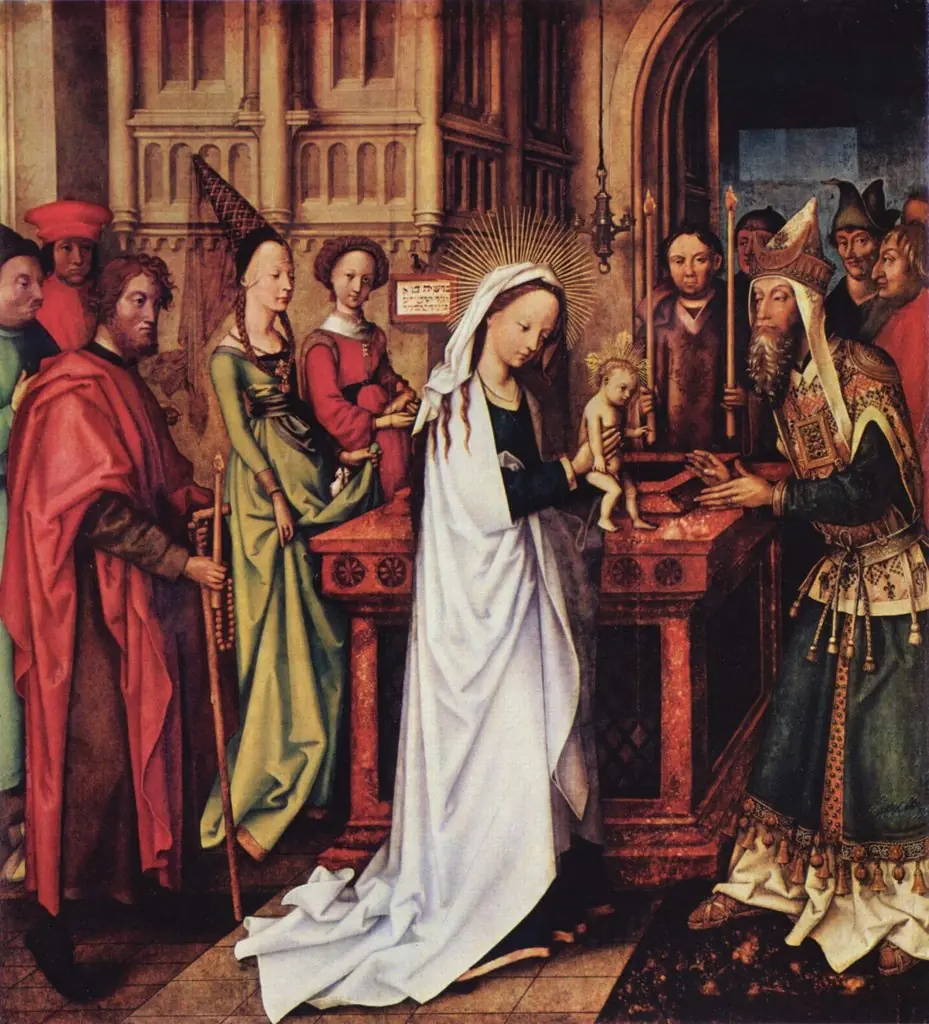 Presentation of Christ Child in the temple
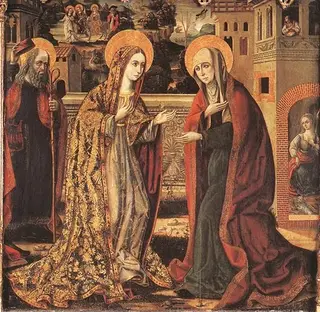 The visitation
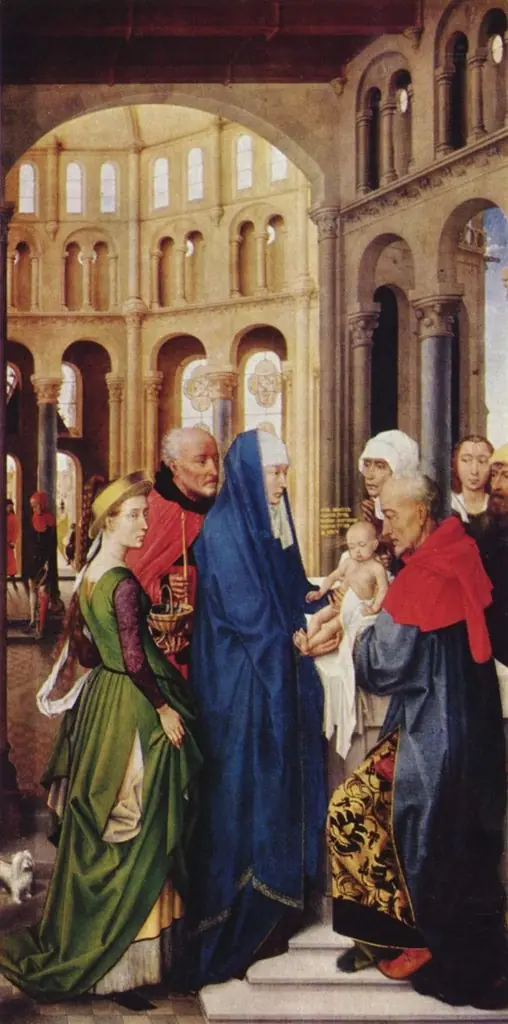 Columba-Altar: Darbringung im Tempel
- Visitation - Saint Benedict altarpiece
 Studied in the Renaissance Florence course