January 21 in Art History
6 real events recorded on January 21, the earliest from 1646. 2 artists were born , 1 died on this date.
The day's biggest moments
Born on this day 2
- 1659 Born
Born this day: Adriaen van der Werff
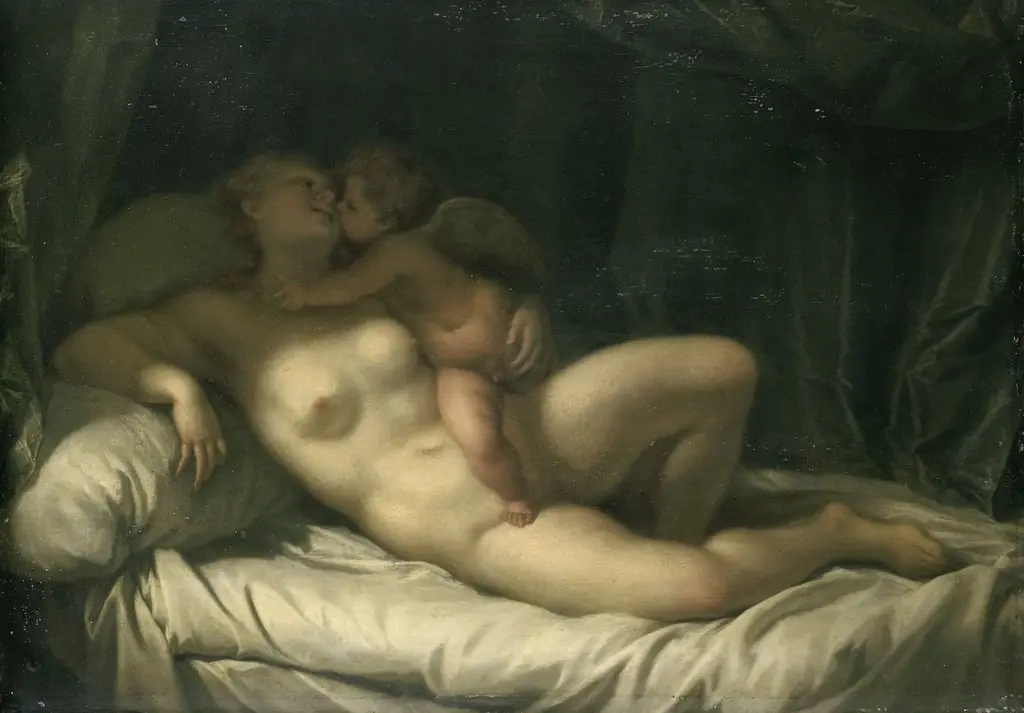
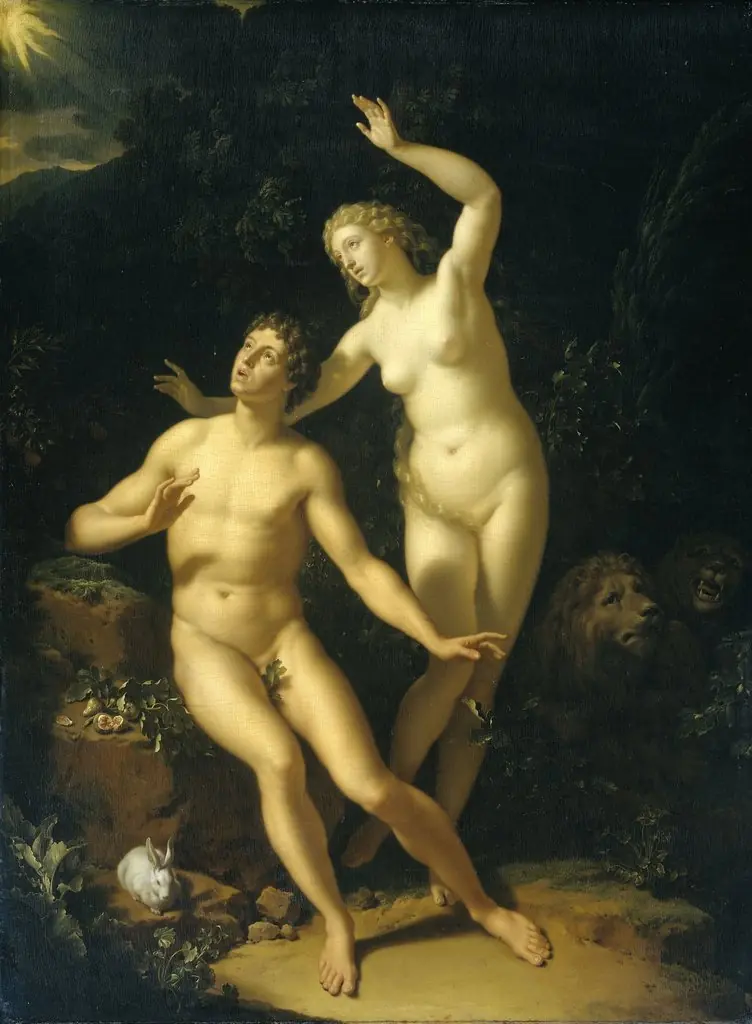
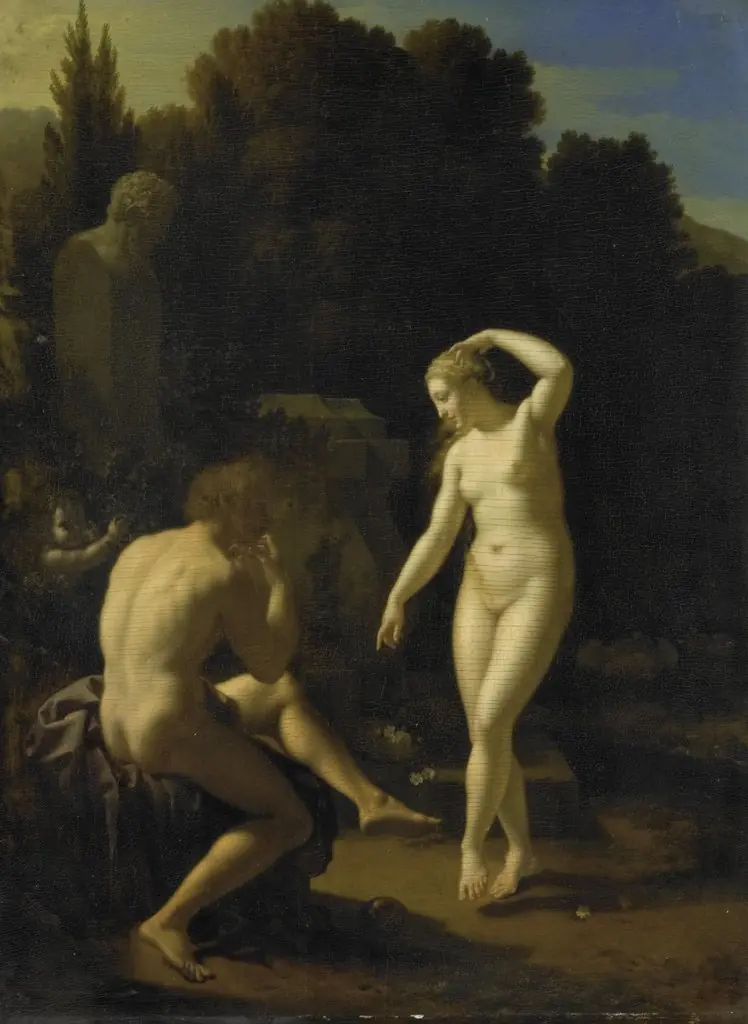
Adriaen van der Werff, a Dutch painter born on January 21, 1659, is known for his portraits and scenes of erotic, devotional, and mythological themes. His work often explored intimate and emotive subjects, as seen in pieces like 'Cupid Kissing Venus' and 'A Nymph Dancing to a Shepherd's Flute-Playing'.
He remains notable for his contributions to Dutch painting, particularly in his nuanced depiction of human emotion and form.
- 1716 Born
Born this day: Georg Cristoph Grooth
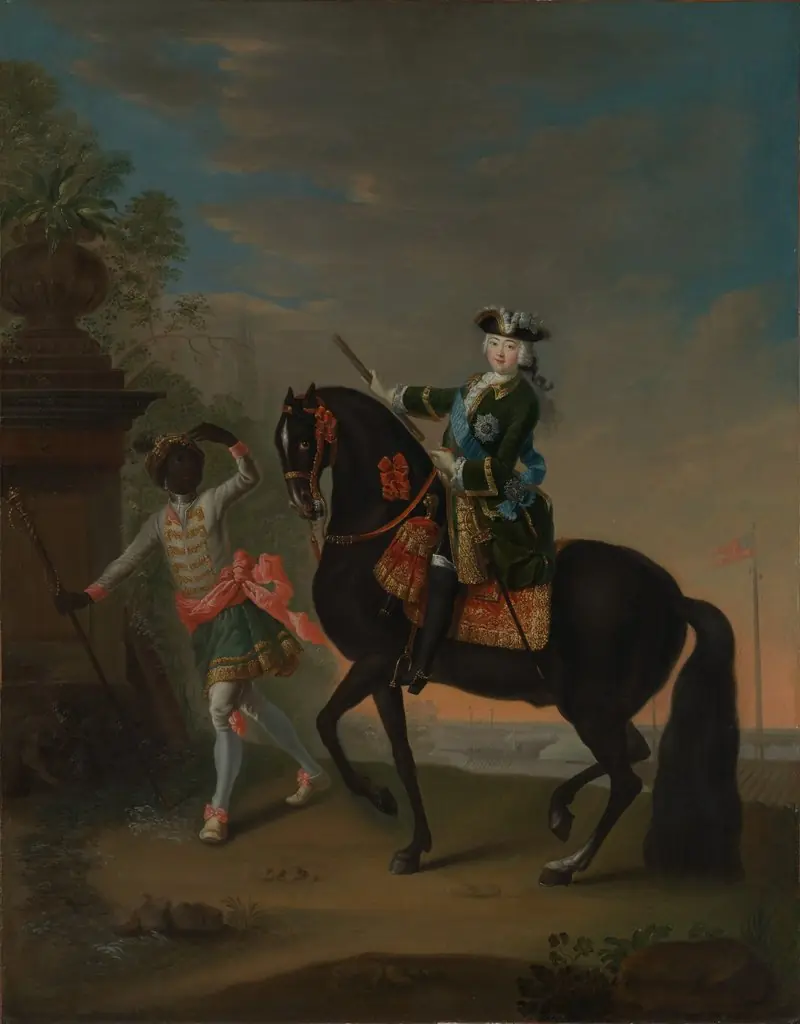
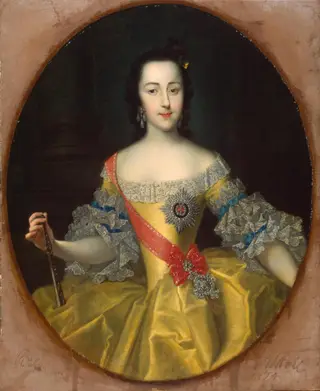
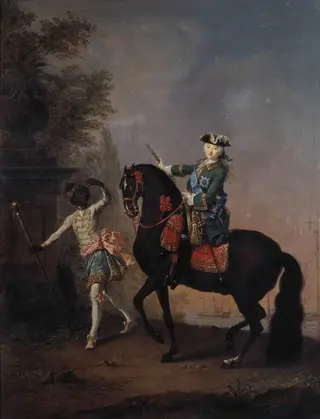
Georg Christoph Grooth was a German painter known for his portraits of European royalty, particularly in Imperial Russia. His work includes notable pieces such as 'The Empress Elizabeth of Russia on Horseback, Attended by a Page' and 'Portrait of Grand Duchess Catherine Alexeyevna'. Born on January 21, 1716, Grooth's career spanned employment in the Duchy of Württemberg and Imperial Russia.
Grooth's portraits remain significant in the history of European royal art.
Died on this day 1
- 1646 Died
Died this day: Joost de Pape
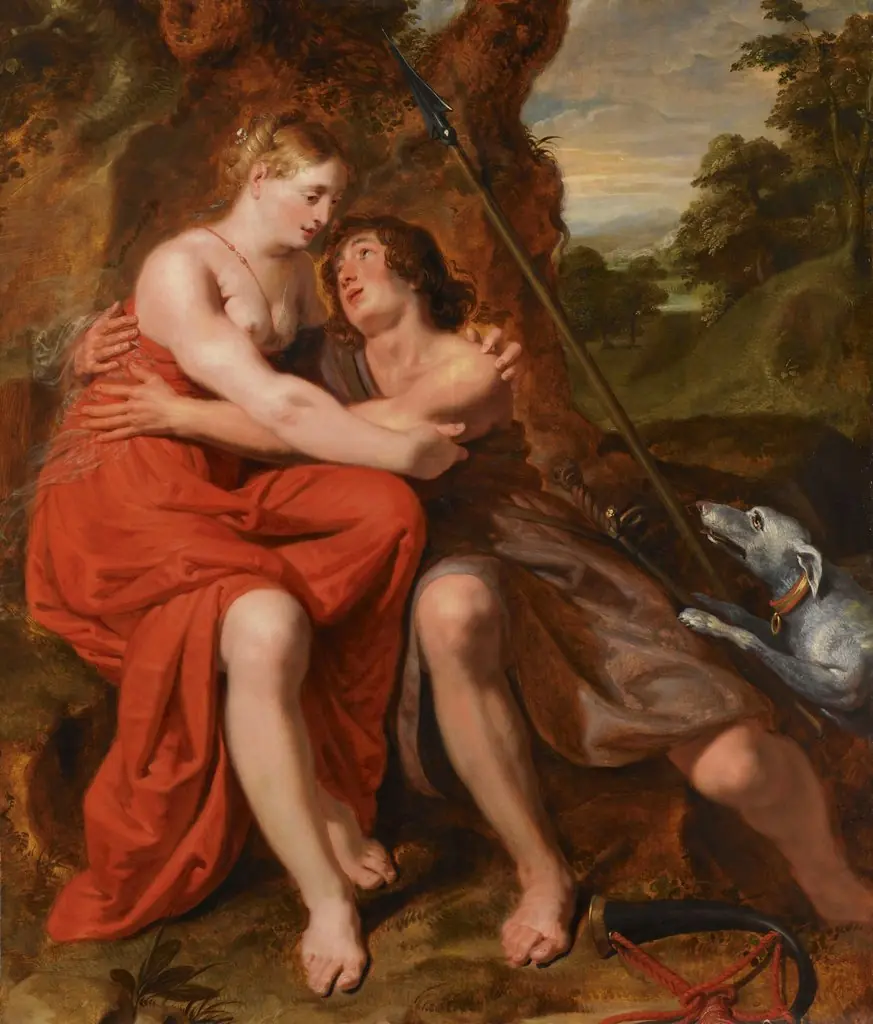
Joost de Pape was a Flemish painter born around 1607, known for his work in the Baroque style, as seen in his notable piece 'Venus and Adonis'. He was active in Antwerp and Rome, producing drawings and etchings, including works after antique sculpture and Annibale Carracci. De Pape's artistic career spanned multiple cities, leaving a mark on the art world.
He remains a notable figure in the history of Flemish painting for his technical skill and contributions to the Baroque movement.
Openings & foundings 2
- 1961 Opening
Amon Carter Museum Opens
The Amon Carter Museum of Western Art opened to the public in Fort Worth, Texas, establishing a purpose-built home for Amon G. Carter Sr.'s collection of works by Frederic Remington and Charles M. Russell. Designed by Philip Johnson, the building gave Fort Worth a nationally visible art institution at a moment when American regional collections were being reframed as serious museum subjects. The Carter's official history emphasizes that the museum began from Carter's wish for a public cultural resource, while later accounts document the exact public opening date as January 21, 1961. Although founded around western art, the museum soon broadened into American art more generally, adding photography, works on paper, and major nineteenth- and twentieth-century holdings.
The Carter became a major center for American art and photography rather than only a western art memorial.
Frederic Remington Amon Carter Museum of American Art, Fort Worth
- 2007 Opening
The National Art Center, Tokyo Opens
The National Art Center, Tokyo opened in Roppongi as Japan's fifth facility under the Independent Administrative Institution National Museum of Art. Its own Japanese history page gives the exact opening as January 21, 2007, and describes the institution as an art center without a permanent collection. Designed by Kisho Kurokawa, the vast glass-fronted building was conceived to support changing exhibitions, public-association shows, art-library services, education, and international cultural exchange rather than the traditional permanent-display model. The opening mattered because it created one of Japan's largest exhibition venues and formalized a national Kunsthalle-like role inside the Japanese museum system, shifting attention from collecting toward circulation, information, and temporary exhibition culture.
NACT became a high-capacity platform for temporary exhibitions and public art associations in Tokyo.
Auctions, prizes & heists 1
- 2006 Heist Landmark
Cellini's Saliera Is Recovered
Austrian police recovered Benvenuto Cellini's Saliera, the celebrated gold, enamel, ebony, and ivory salt cellar stolen from Vienna's Kunsthistorisches Museum in 2003. The exact recovery date is documented as January 21, 2006: the work was found buried near Zwettl, north of Vienna, after the thief Robert Mang turned himself in following the release of surveillance images. BBC's contemporary report, published the next day, confirms the recovery circumstances, the object's high valuation, and its status as Cellini's only surviving authenticated gold work. The Kunsthistorisches Museum's object record underscores the art-historical stakes: the Saliera is not merely tableware but an allegorical Mannerist cosmos made for Francis I of France, with Neptune and Tellus staging sea and earth.
The recovery returned one of the most important surviving Renaissance goldsmith works to public view in Vienna.