Artwork
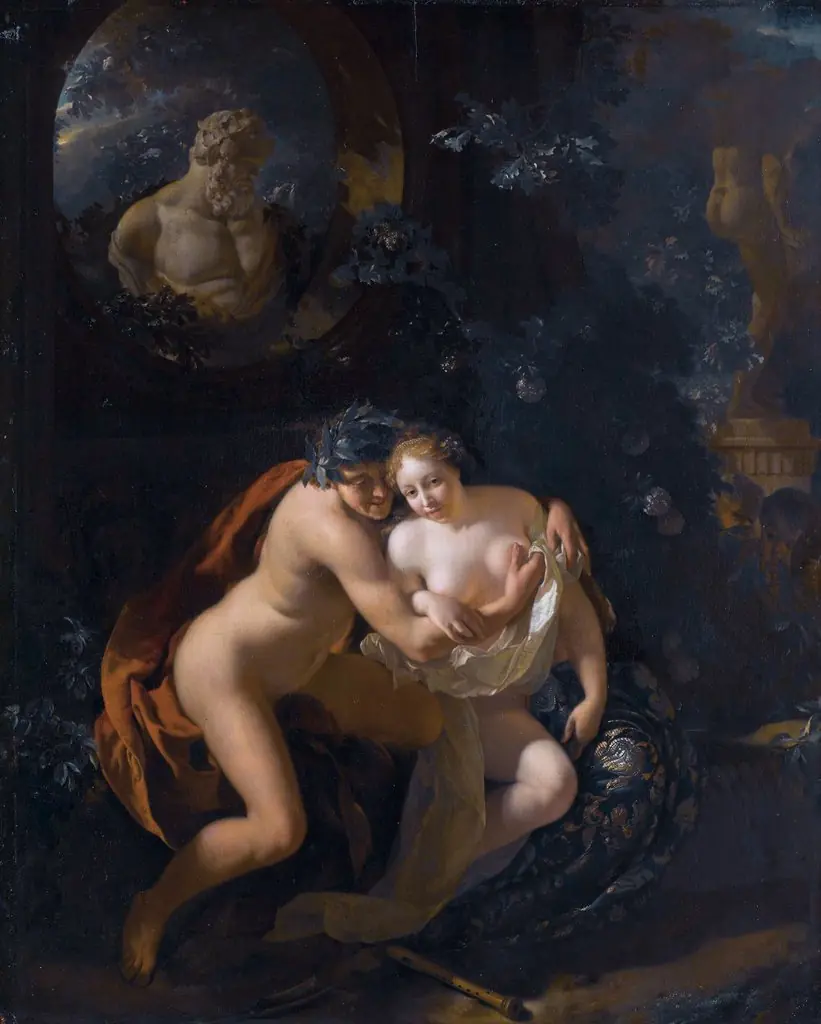
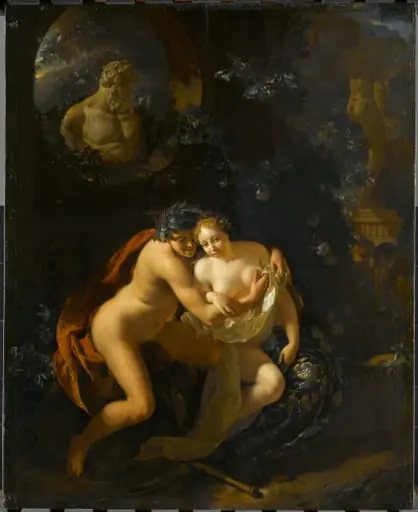
A Nymph Dancing to a Shepherd's Flute-Playing
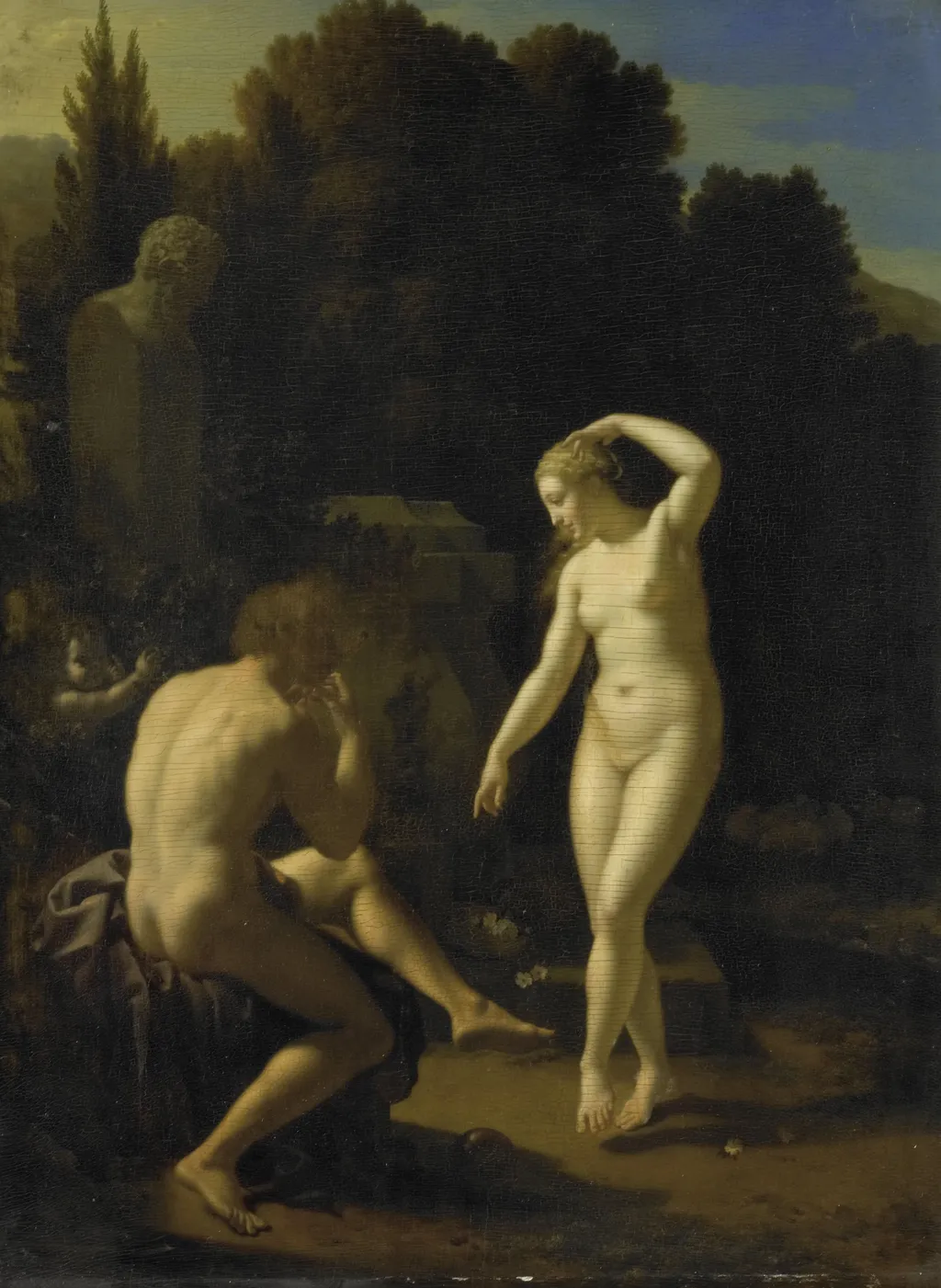
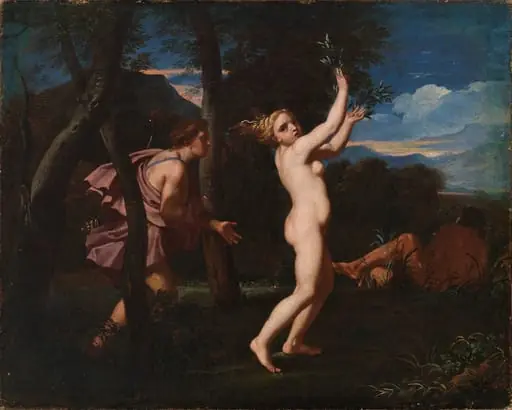
A Nymph Dancing to a Shepherd's Flute-Playing is an oil painting by the Rococo painting artist Adriaen van der Werff. It dates from 1718 and is held in the collection of the Kabinet van Heteren Gevers.
About this work
Subject & Meaning
Created in 1718, Adriaen van der Werff's oil painting depicts a mythological idyll set within a rural landscape under a cloudy sky.
Created in 1718, Adriaen van der Werff's oil painting depicts a mythological idyll set within a rural landscape under a cloudy sky. The central narrative features a nude nymph dancing to the music of a herder playing a Western concert flute. The composition includes specific iconographic elements such as a herma and a putto, which frame the pastoral encounter.
The scene embodies the genre of mythological painting by combining figures of classical antiquity with an idealized nature setting. The depiction of the dancing woman and the sitting man highlights themes of rural leisure and classical romance, characteristic of the artist's approach to mythological subjects. The presence of broad-leaved trees and the open sky further establish the serene, idyllic atmosphere typical of this genre.
Technique & Style
The painting is executed in oil on a wooden panel, a technique typical of Dutch artists in the early 18th century. The work depicts a mythological scene of a nymph dancing to a shepherd playing a Western concert flute, accompanied by putti, a herma, and a broad‑leaved tree under a cloudy sky. Its dimensions are approximately 44.5 cm in height and 33.1 cm in width.
The composition combines idyllic rural elements with classical motifs, reflecting the mythological genre. The support is a panel, and the medium is oil paint, as recorded in the documented sources. Current condition details are not specified in the available records.
History & Provenance
A Nymph Dancing to a Shepherd's Flute-Playing was painted by Adriaen van der Werff in 1718, executed in oil on panel. The provenance chain traces ownership through several Dutch collectors, beginning with Gerard Bicker (II) van Zwieten and subsequently passing to the Lormier family, including Willem Lormier and Henrica Cunera Lormier-van Olden. The painting later entered the collection of Adriaan Leonard van Heteren Gevers.
The work is catalogued in the inventories of both the Rijksmuseum and Museum Rotterdam as part of the Kabinet van Heteren Gevers collection. No commission details are recorded in the available documentation.
Overview
This oil painting, titled A Nymph Dancing to a Shepherd's Flute-Playing, depicts a classical scene within a natural setting. It features a female figure in motion, accompanied by a male musician. The composition emphasizes the interplay between the figures and their environment, rendered through the distinctive application of oil paint. The artwork invites contemplation of music, dance, and the human form in harmony with nature.
Own this work as a print
Artist & collection
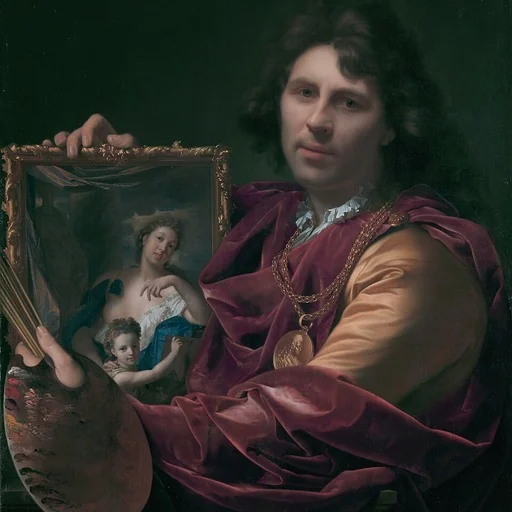
Artist
Adriaen van der Werff (21 January 1659 – 12 November 1722) was a Dutch painter of portraits and erotic, devotional and mythological scenes.
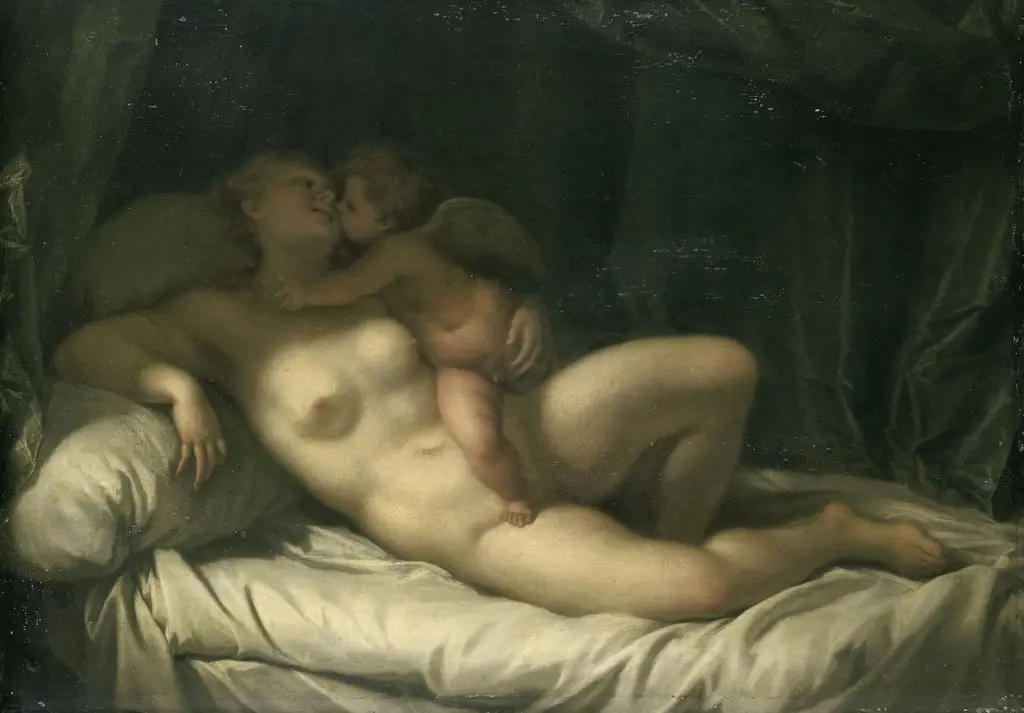 Cupid Kissing Venus (Venus Kissed by Amor)
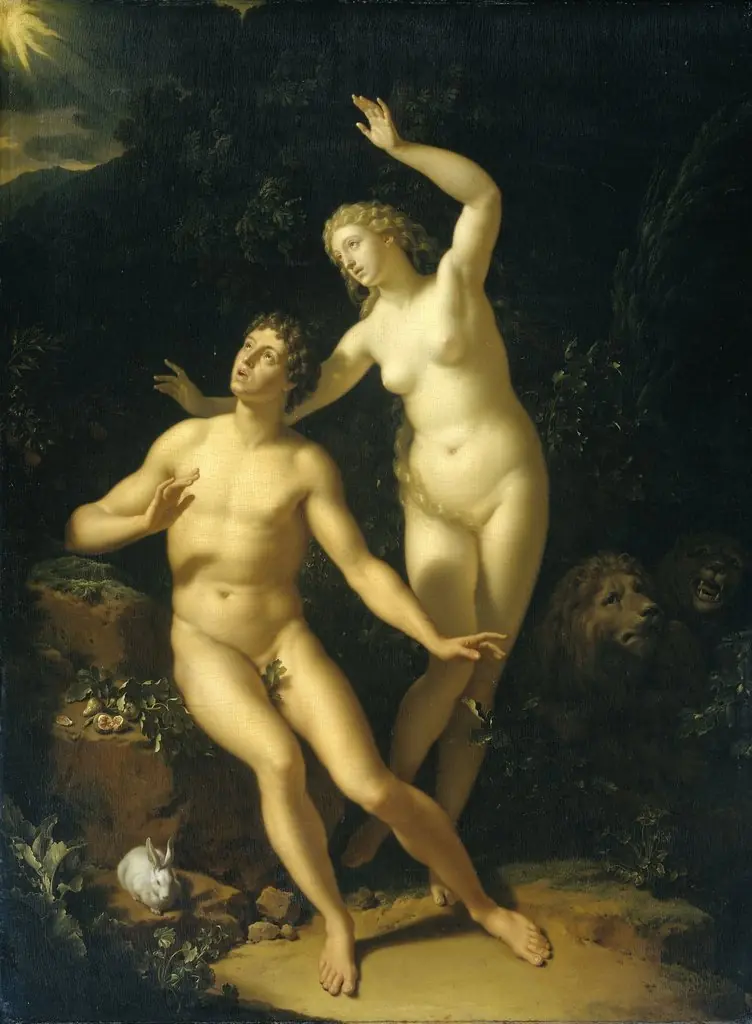 God Holds Adam and Eve Responsible
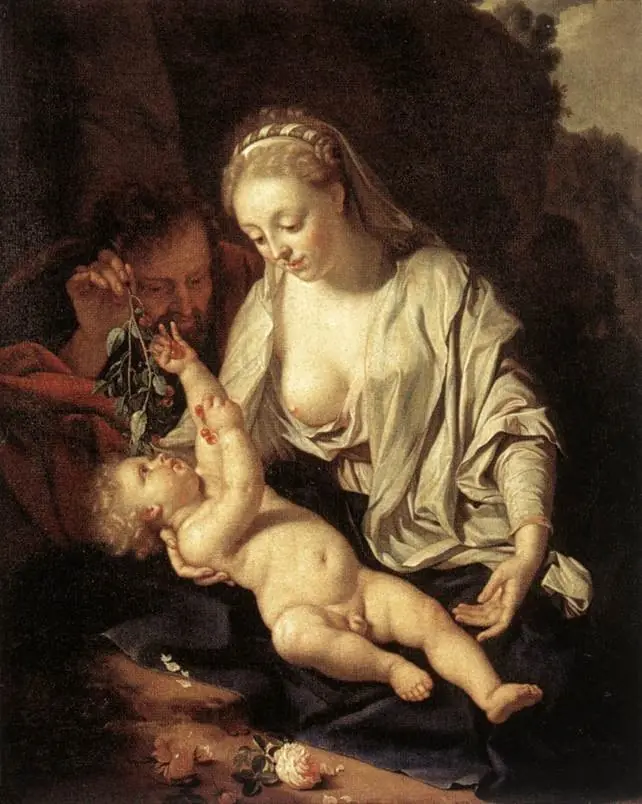 The Holy Family
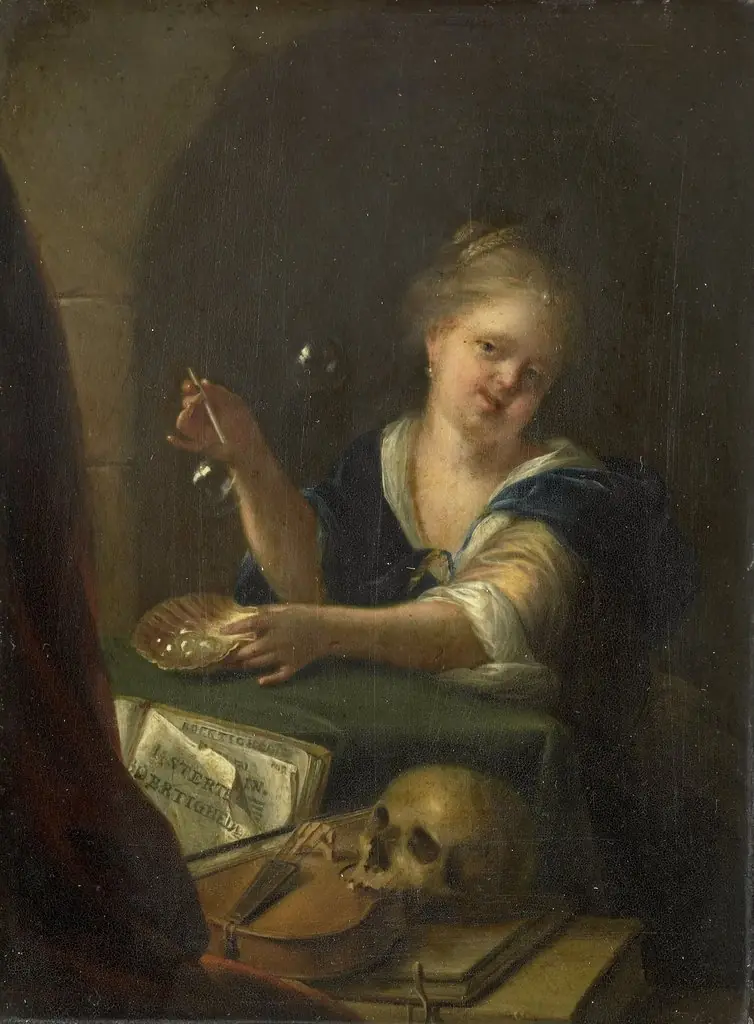 Bubble-blowing Girl with a Vanitas Still Life
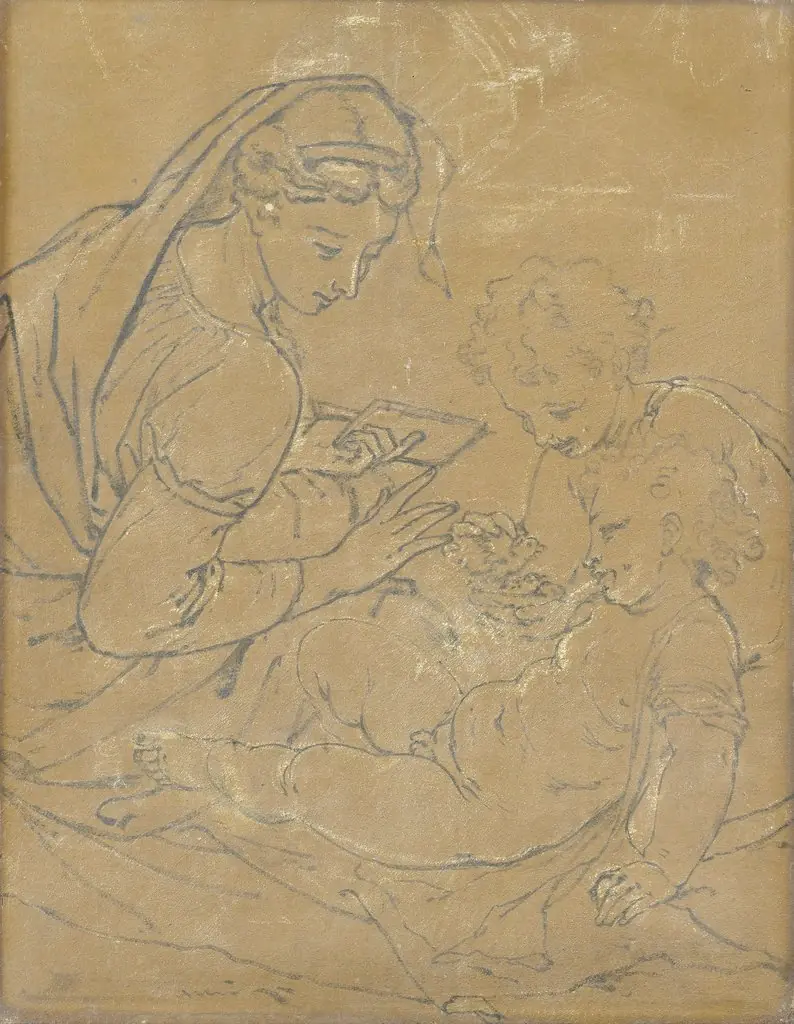 Virgin and Child with Saint John (chalk sketch)
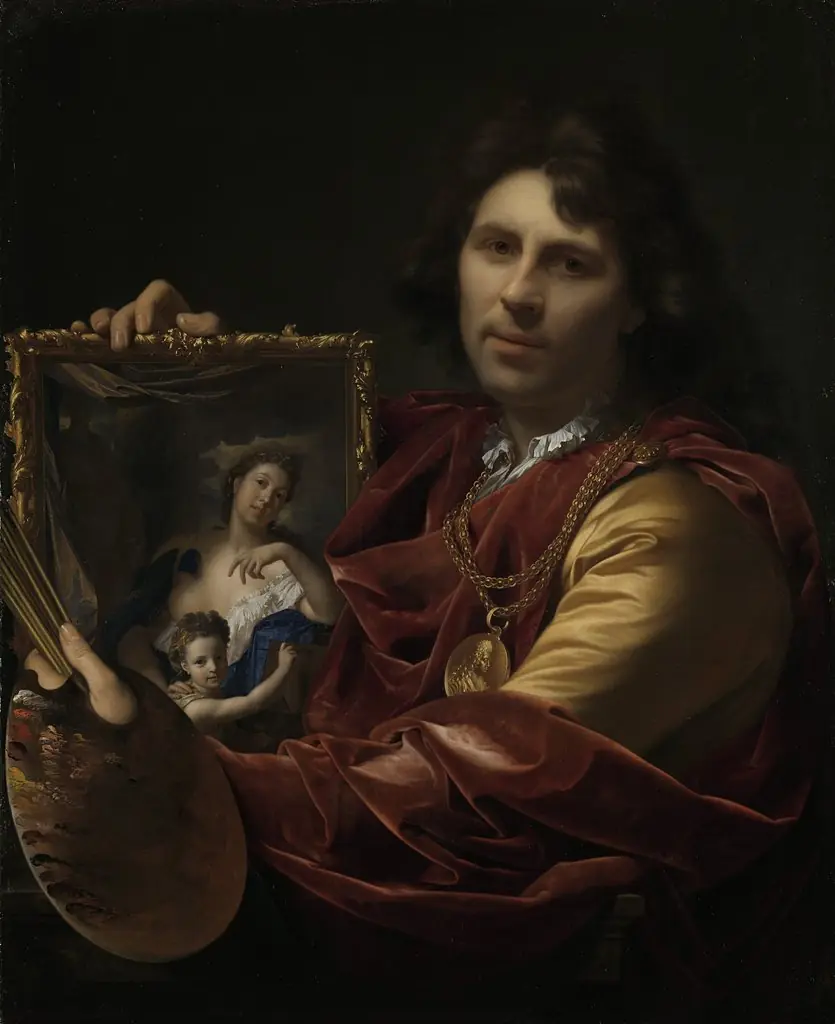 Self-portrait with the Portrait of his Wife, Margaretha van Rees, and their Daughter Maria
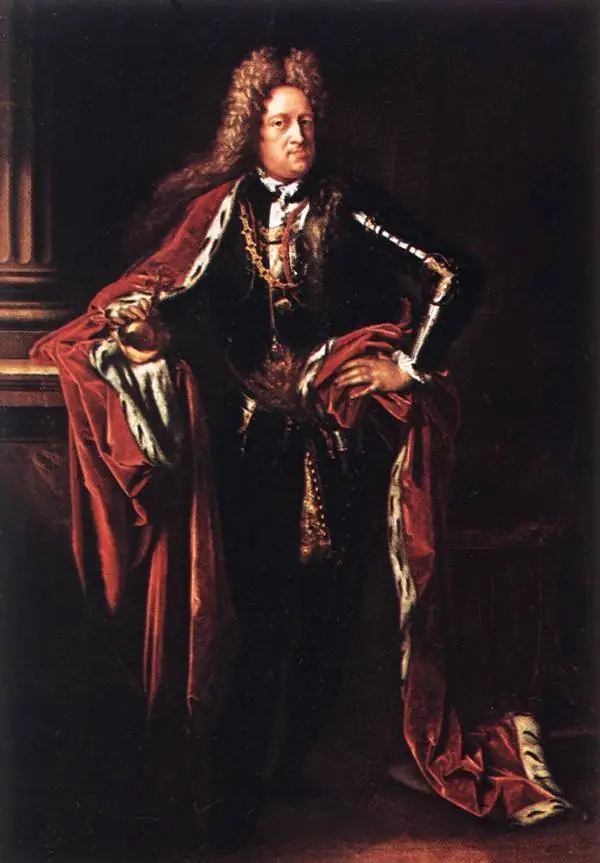 Portrait of Johann Wilhelm Elector of Palatine (1658-1716)
 Night scene with children