January 3 in Art History
7 real events recorded on January 3, the earliest from 1591. 2 artists were born , 1 died on this date.
Born on this day 2
- 1591 Born
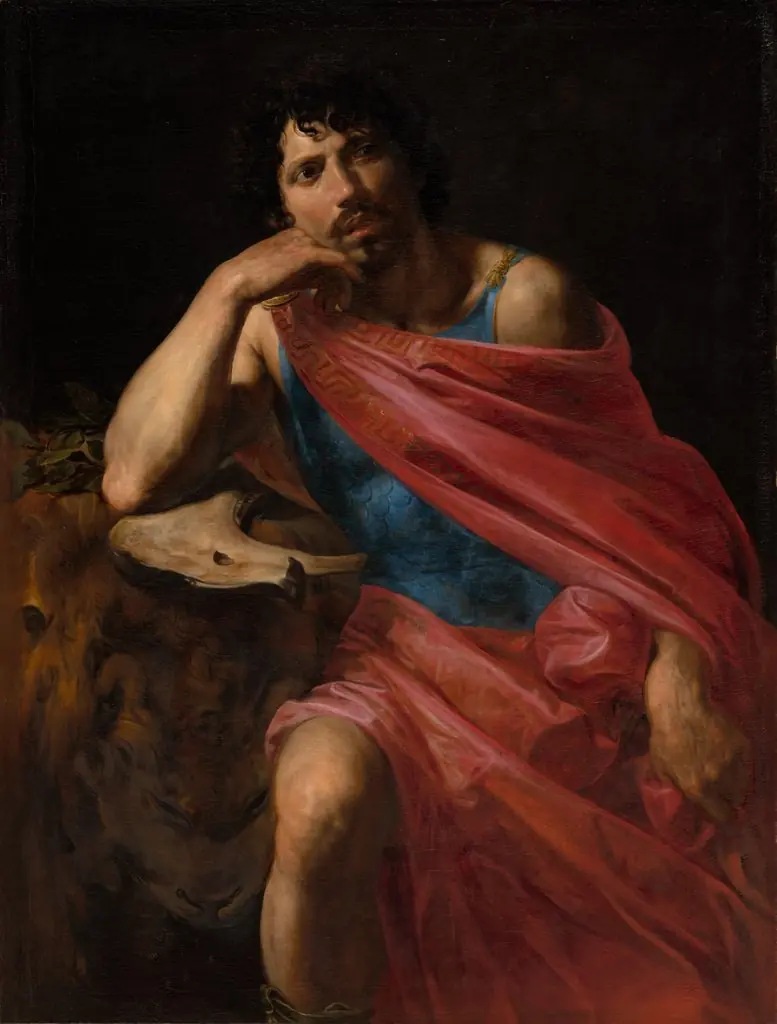
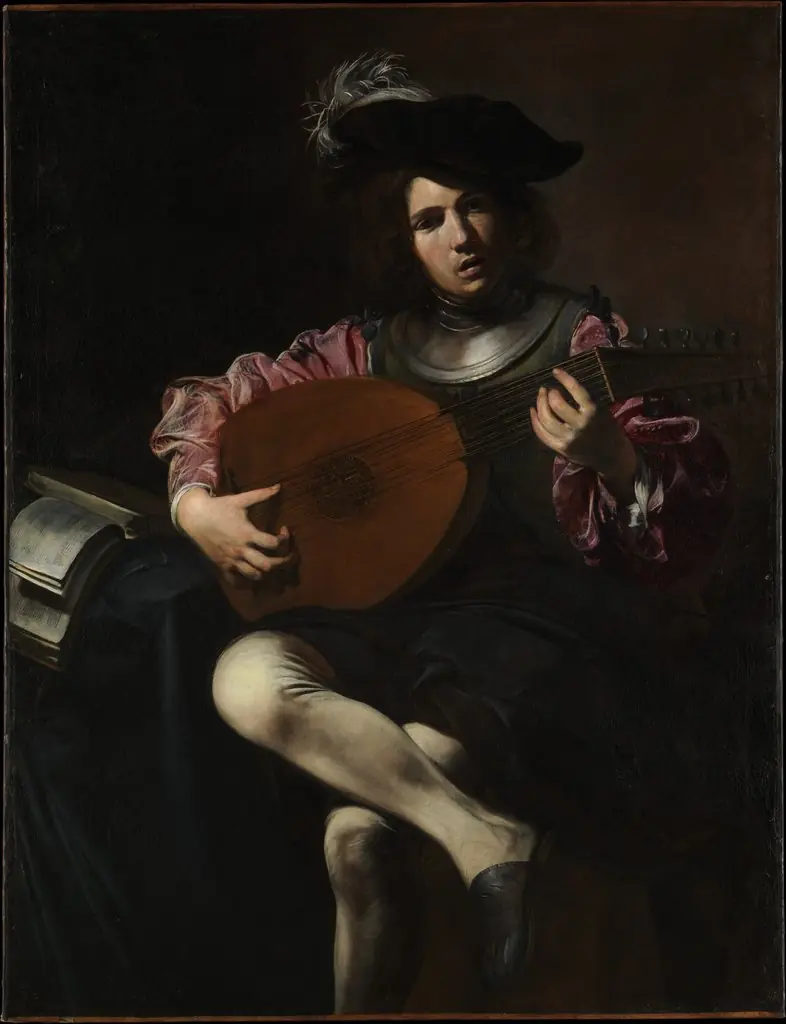
Born this day: Valentin de Boulogne
Valentin de Boulogne, born on January 3, 1591, was a French painter known for his work in the tenebrist style, characterized by dramatic lighting and intense emotions. His notable works, such as Samson and The Lute Player, showcase his mastery of this style.
Valentin de Boulogne's contributions to the tenebrist movement continue to influence the development of European art.
- 1789 Born
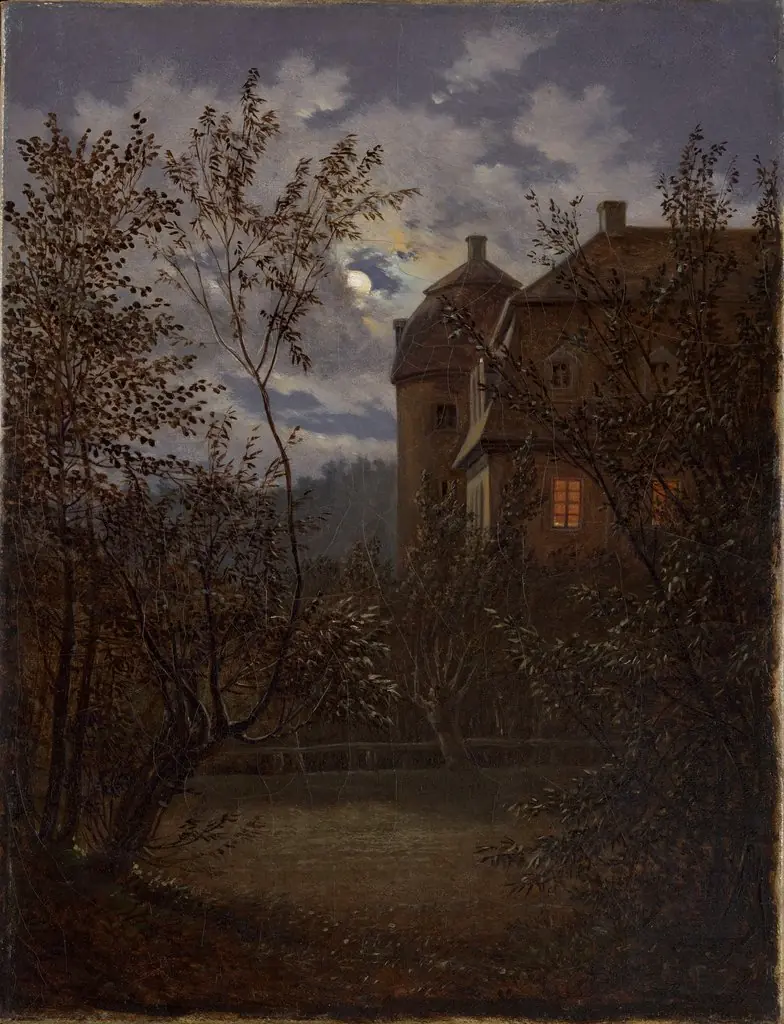
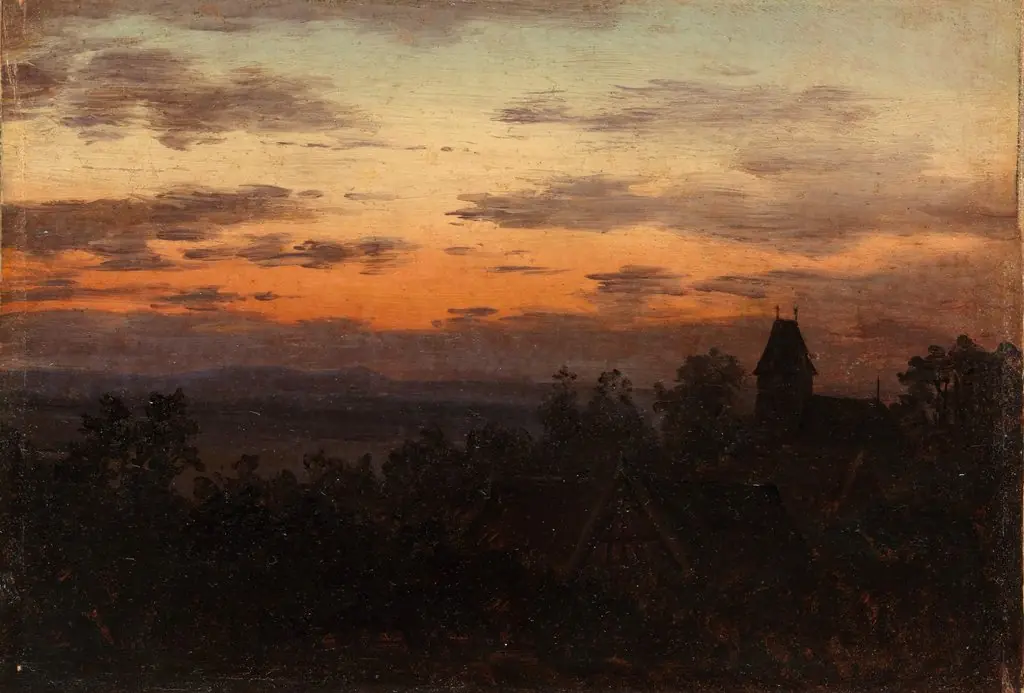
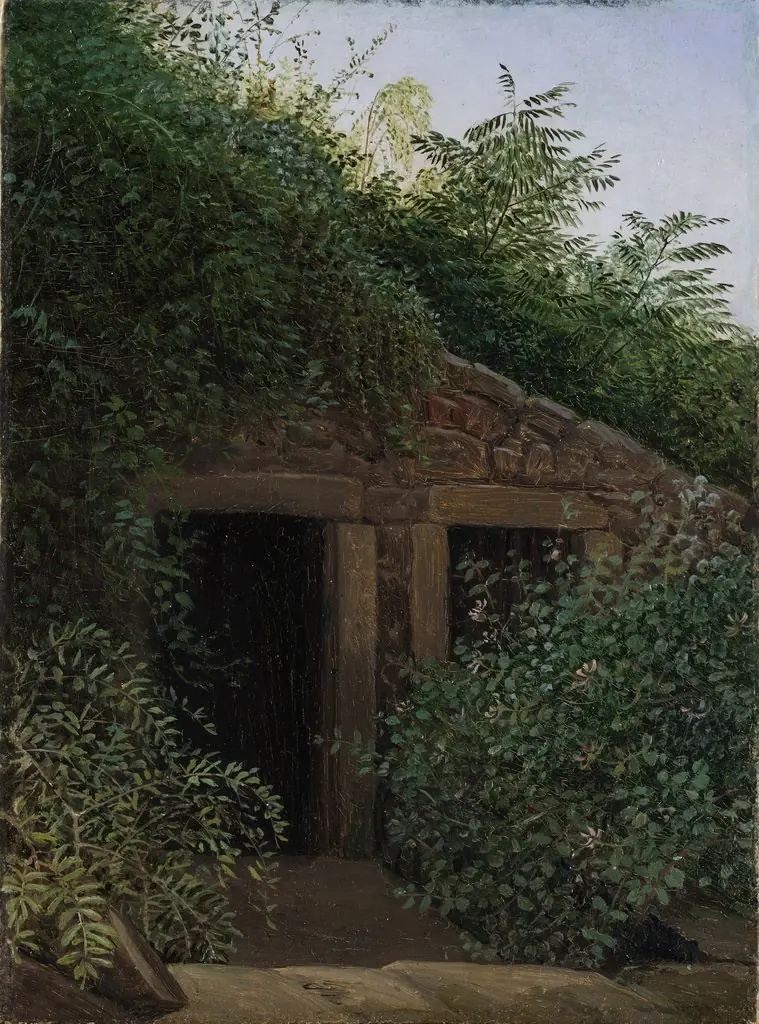
Born this day: Carl Gustav Carus
Carl Gustav Carus, born on January 3, 1789, was a multifaceted German figure of the Romantic era, excelling as a physiologist, painter, and naturalist, with friendships like Johann Wolfgang Goethe influencing his work. His landscape paintings, such as Schloss Milkel in Moonlight, showcase his artistic skill. Studying under Caspar David Friedrich further refined his craft.
Carl Gustav Carus leaves a lasting legacy as a bridge between art and science in the 19th century.
Died on this day 1
- 1705 Died
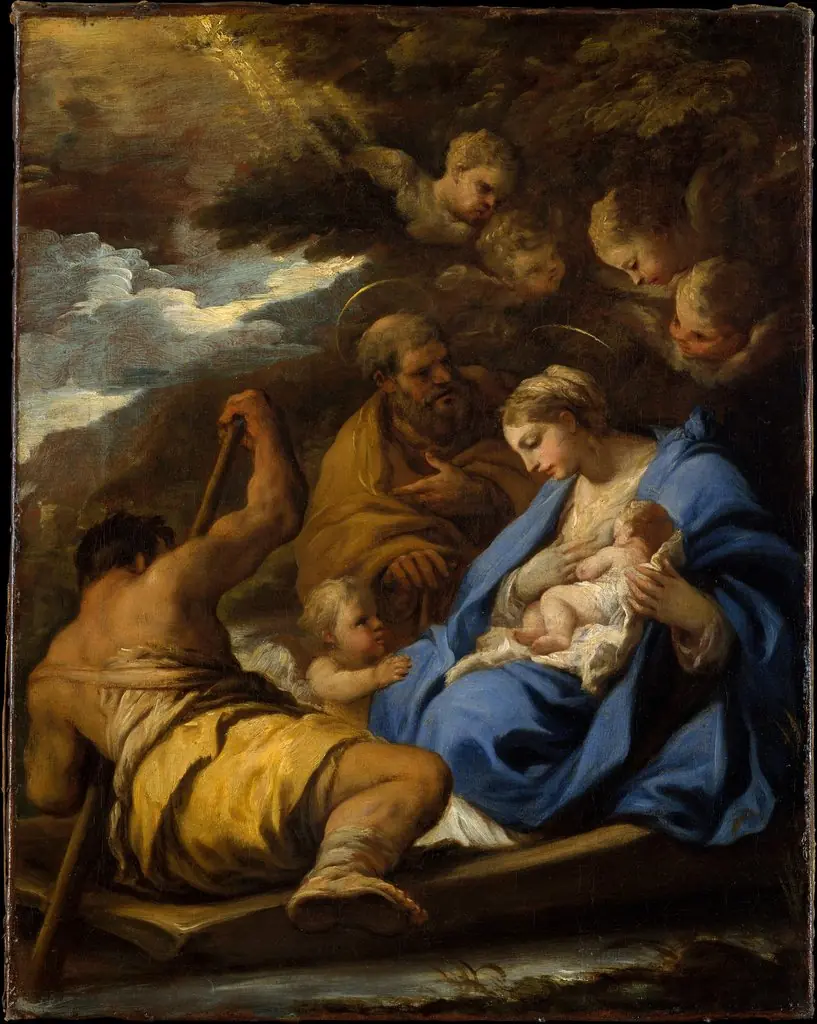
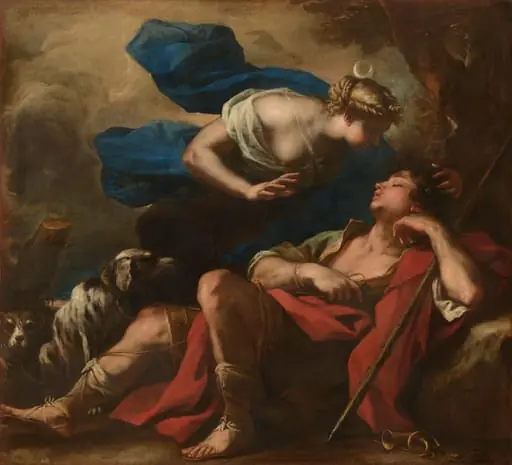
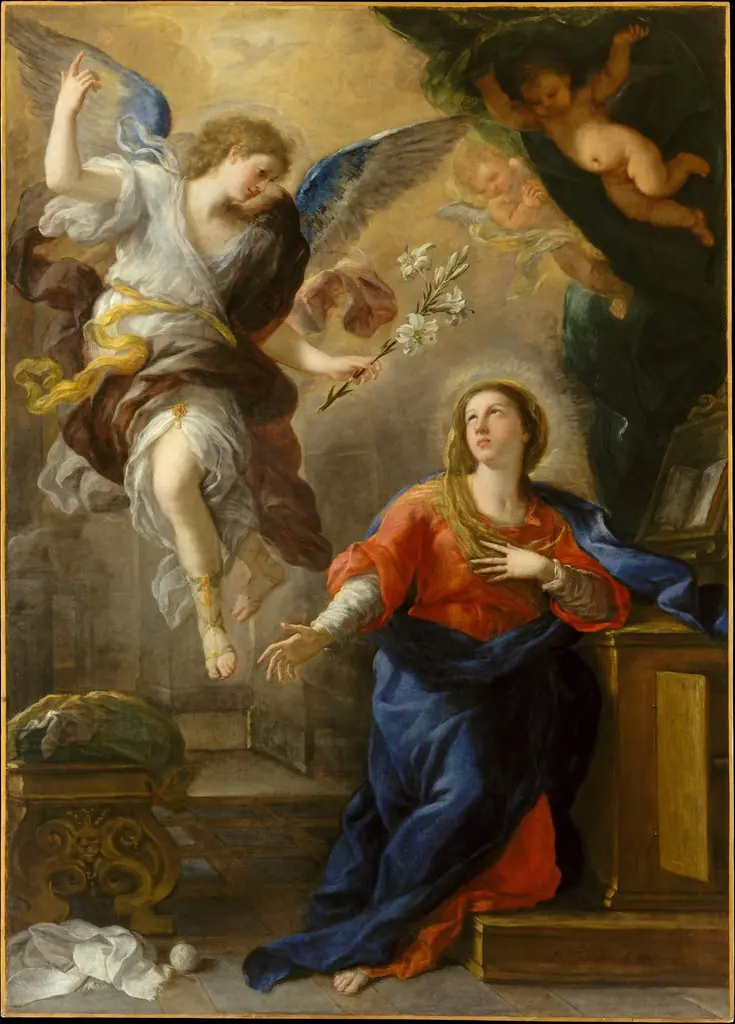
Died this day: Luca Giordano
Luca Giordano, a prominent Italian late-Baroque painter and printmaker, passed away on this day. He was known for his vast output, including altarpieces and fresco cycles, which introduced a new sense of light and color to Neapolitan art. Giordano's work was influenced by 16th-century Venetians and Pietro da Cortona, and he achieved international success, working in various cities across Italy and Spain.
Luca Giordano's innovative style and use of light and color continue to influence the development of European art.
Exhibitions & salons 1
- 1870 Exhibition
Royal Academy launches its first Winter Exhibition
The Royal Academy of Arts opened its first Winter Exhibition at Burlington House on January 3, 1870, a new counterpart to its annual contemporary exhibition. Instead of living exhibitors, the winter show presented Old Masters and deceased British artists, including significant retrospectives of Charles Robert Leslie and Clarkson Stanfield. This was more than a seasonal programming change: it marked the Academy's entry into the growing Victorian market for historical British painting and European old masters. Contemporary critics greeted the winter display warmly, while the same year's summer exhibition was judged comparatively weak, making the new format an early sign of shifting taste, patronage, and commercial power in London art life.
The Academy helped normalize museum-like old-master exhibitions within a living artists' institution.
Charles Robert Leslie Royal Academy of Arts, City of Westminster
Openings & foundings 3
- 1948 Opening
Moderna galerija opens to the public
Ljubljana's Museum of Modern Art, Moderna galerija, officially opened to the public on January 3, 1948, only days after being established by decree of the People's Republic of Slovenia on December 30, 1947. Designed by architect Edvard Ravnikar, the institution became the central museum and gallery for Slovenian modern and contemporary art. Its founding placed twentieth-century Slovenian art in a dedicated public framework at a moment when postwar Yugoslavia was rebuilding cultural institutions and asserting national artistic narratives. Later expansion through the Museum of Contemporary Art Metelkova connected the original modern-art mission to a broader contemporary and Eastern European collection program.
The opening anchored Slovenia's modern-art canon in a purpose-built national institution.
- 1969 Founding
Takis removes Tele-sculpture from MoMA
On January 3, 1969, Greek kinetic sculptor Takis, supported by friends, removed his Tele-sculpture from MoMA's exhibition The Machine at the End of the Mechanical Age. Although MoMA owned the 1960 work, Takis objected that the museum had selected it without consulting him and that it no longer represented his current practice. He carried it to the sculpture garden and stayed until museum officials confirmed it would be withdrawn. The action became the immediate catalyst for meetings at the Chelsea Hotel among artists, critics, curators, and writers, leading to the Art Workers' Coalition and its demands for artist rights, museum accountability, fair representation, and free public access.
The protest helped launch institutional critique as organized museum activism in New York.
- 1973 Opening
Museum of Conceptual Art moves above Breen's Bar
Tom Marioni's Museum of Conceptual Art moved into its second San Francisco location on January 3, 1973, at 75 Third Street above Breen's Bar. Founded in 1970, MOCA treated conceptual art as a social artwork and became one of the key California centers for conceptual and performance-based practice. The new space supported a high point in the museum's activity: artists including Joseph Beuys, Chris Burden, and Dan Graham performed there, and Marioni's Wednesday Free Beer gatherings mixed salon, performance, video viewing, and artist network into a deliberately informal institutional form. Its short life made it a touchstone for alternative spaces and artist-run museums.
MOCA modeled the artist-run institution as both exhibition site and social practice.