January 30 in Art History
6 real events recorded on January 30, the earliest from 1652. 2 artists were born , 1 died on this date.
Born on this day 2
- 1721 Born
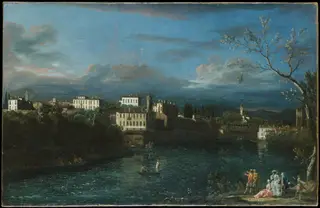
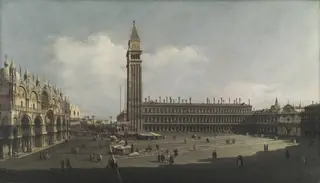
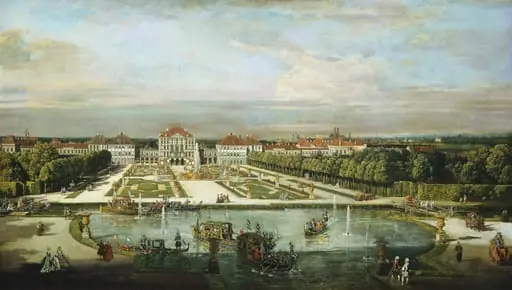
Born this day: Bernardo Bellotto
Born on January 30, 1721, Bernardo Bellotto was an Italian urban landscape painter and printmaker, famous for his vedute of European cities. His work is characterized by sombre colors and detailed depictions of clouds and shadows, drawing parallels to Dutch painting. As the nephew and student of Giovanni Antonio Canal, known as Canaletto, Bellotto sometimes signed his work under his uncle's name, causing some confusion between their styles.
Bellotto's unique style and contributions to the vedutista tradition continue to influence landscape painting.
- 1814 Born
Born this day: Jerome B. Thompson
Jerome B. Thompson, born on January 30, 1814, was an American artist known for his works such as Summer Flowers and The Belated Party on Mansfield Mountain, showcasing his skill in capturing landscapes and scenes. His art reflects a perspective rooted in 19th-century American life and environments.
Jerome B. Thompson's legacy lies in his contributions to American art, particularly in landscape painting.
Died on this day 1
- 1652 Died
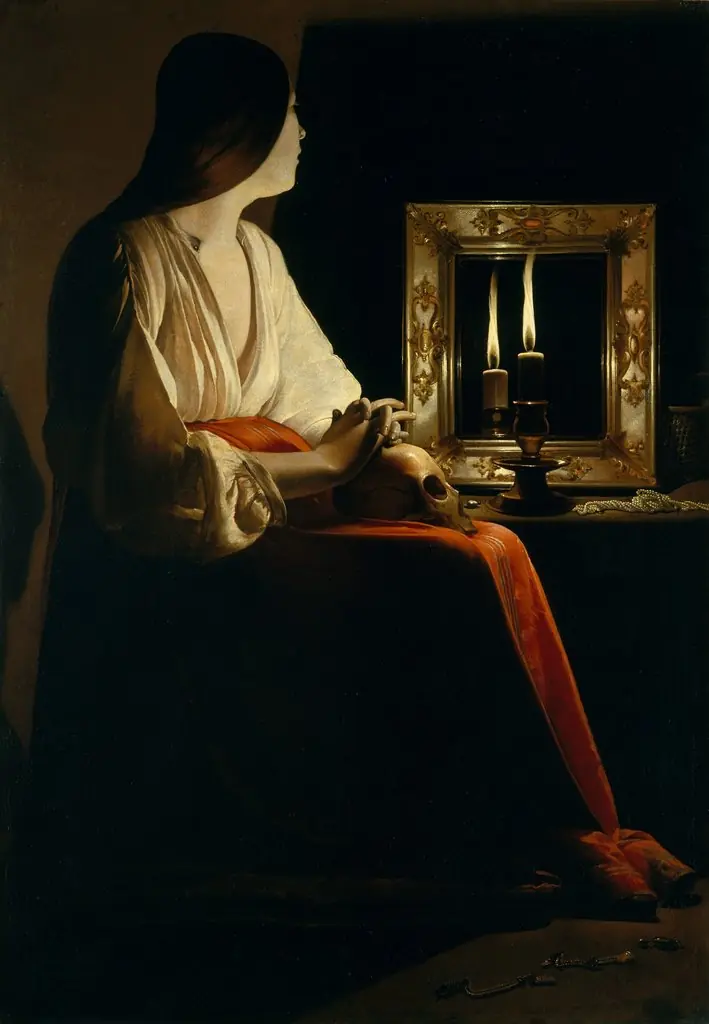
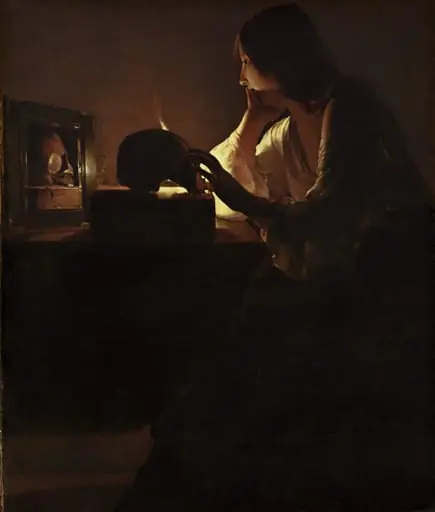
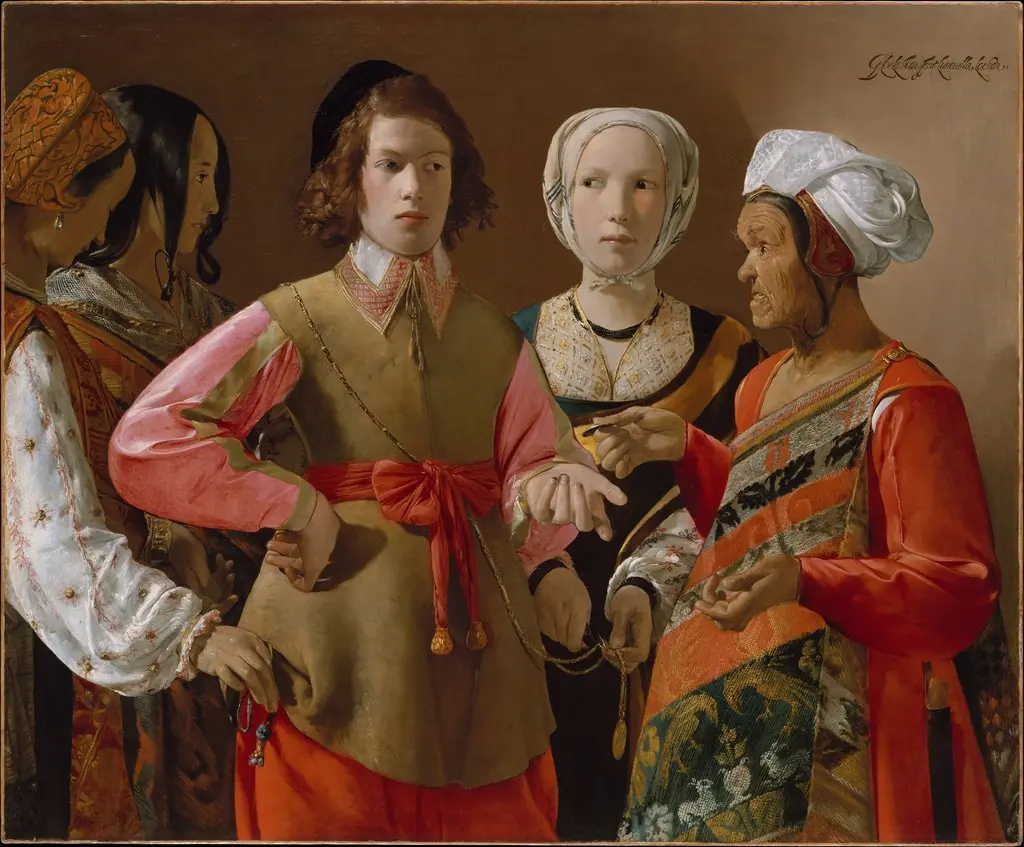
Died this day: Georges de La Tour
Georges de La Tour, a French Baroque painter, is known for his poignant and intimate candlelit scenes, often exploring religious themes with a keen eye for everyday reality. His work reflects the confluence of Nordic, Italian, and French influences, showcasing a unique mastery of chiaroscuro.
La Tour's innovative use of light and shadow has cemented his place as one of the most original successors of Caravaggio.
Manifestos & publications 1
- 1869 Publication
Vanity Fair begins its caricature series
On January 30, 1869, the British weekly Vanity Fair published a full-page caricature of Benjamin Disraeli by Carlo Pellegrini, the first in the magazine's long-running series of color lithographic portraits of public figures. The image followed Thomas Gibson Bowles's promise of new pictorial material and turned a struggling society magazine into an important visual record of Victorian and Edwardian public life. Later issues made artists, writers, politicians, scientists, soldiers, clergy, and athletes recognizable through a consistent format: a large chromolithograph paired with sharp social commentary. The Disraeli sheet established the magazine's best-known contribution to graphic satire and celebrity portraiture.
The series made Vanity Fair caricature a collectible visual archive of late nineteenth-century public culture.
Auctions, prizes & heists 2
- 2014 Auction
The Bird Trap sells at Sotheby's
On January 30, 2014, Sotheby's New York offered Pieter Brueghel the Younger's The Bird Trap as lot 27 in its Old Master Paintings sale. The panel was catalogued as one of the many versions of a celebrated Brueghel-family winter composition whose prototype has usually been associated with Pieter Bruegel the Elder's 1565 painting now in Brussels. Sotheby's emphasized the image's durability: a village skating scene set beside an ominous bird trap, often interpreted as an allegory of fragile life, political danger, or ordinary winter subsistence. The auction placed a studio tradition, rather than a unique autograph invention, at the center of an Old Master market moment.
The sale helped keep attention on workshop repetition and market demand in the Brueghel dynasty.
- 2019 Auction
Portrait of Muhammad Dervish Khan sells
On January 30, 2019, Sotheby's New York sold Elisabeth Louise Vigee Le Brun's Portrait of Muhammad Dervish Khan in its Master Paintings Evening Sale. The life-size 1788 portrait shows the lead ambassador sent by Tipu Sultan of Mysore to the court of Louis XVI. Sotheby's catalogue framed the painting as a rare cross-cultural object: an Indian Muslim diplomat represented by a prominent woman artist in pre-Revolutionary Paris, then exhibited at the Salon of 1789. The sale brought renewed market and scholarly attention to a work already known from major exhibitions at the Victoria and Albert Museum, Versailles, the Grand Palais, and other venues.
The auction reinforced Vigee Le Brun's importance beyond court portraiture of Marie Antoinette and French elites.