Artwork
Nymphenburg Palace, Munich
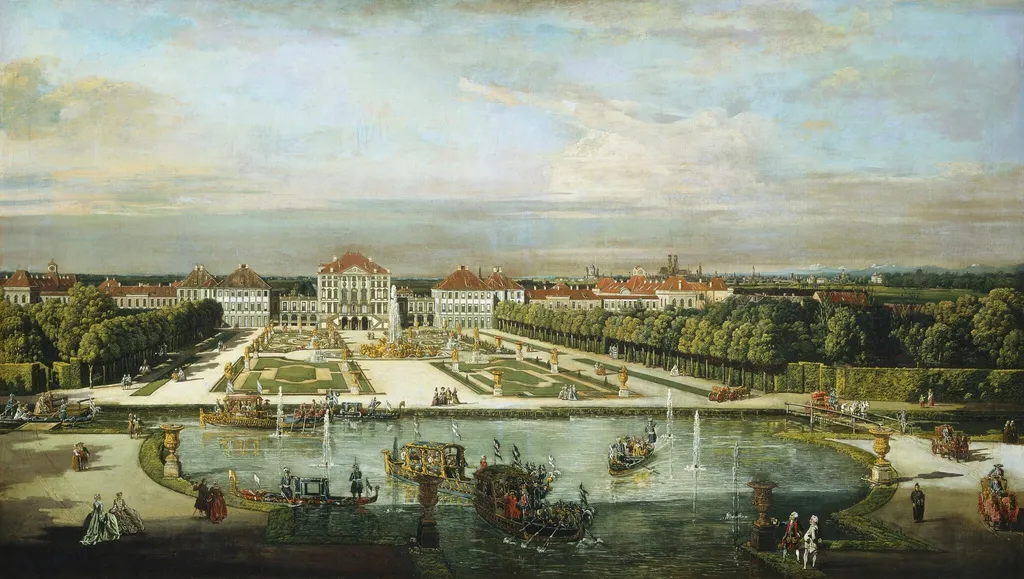
Nymphenburg Palace, Munich is an oil painting by the Rococo painting artist Bernardo Bellotto. It dates from 1761 and is held in the collection of the National Gallery of Art.
About this work
Technique & Style
Bernardo Bellotto’s view of Nymphenburg Palace is executed in oil paint on a canvas support, a medium typical of his vedute produced in the early 1760s.
Bernardo Bellotto’s view of Nymphenburg Palace is executed in oil paint on a canvas support, a medium typical of his vedute produced in the early 1760s. The work measures 68.4 cm in height and 119.8 cm in width. Classified as a cityscape (veduta), it presents a precise topographical rendering of the palace and its surroundings, characterized by clear linear perspective, meticulous architectural detail, and a luminous palette that captures the light of the Bavarian landscape.
History & Provenance
Painted by Bernardo Bellotto in 1761, the canvas was on the art market by 1936, when it was recorded by Hellmuth Allwill Fritzsche. Its earlier ownership is considered likely to mirror that of a companion painting, as noted in a 1951 letter from Saemy Rosenberg to the Kress Foundation. The work subsequently passed into the Swiss collection of Dr. Gustav Mez, a German industrialist resident in Switzerland.
Rosenberg and Stiebel of New York handled the painting before selling it to the Samuel H. Kress Foundation in October 1951, with the bill of sale dated 23 October 1951. The Kress Foundation donated the painting to the National Gallery of Art in 1961, where it remains in the Samuel H. Kress Collection.
Overview
This oil on canvas painting, titled Nymphenburg Palace, Munich, was created by Bernardo Bellotto around 1761. It presents a detailed cityscape, focusing on the grand Nymphenburg Palace in Munich. The composition captures the extensive palace grounds, including its formal gardens and a prominent pond, populated by various figures engaged in leisure activities.
Subject & Meaning
The artwork meticulously renders the Nymphenburg Palace, emphasizing its imposing architecture and expansive surroundings. In the foreground, a tranquil pond features boats carrying passengers, while numerous individuals stroll through the manicured gardens. These grounds are adorned with a variety of trees, decorative fountains, and classical statues, collectively conveying an impression of aristocratic leisure and the opulent lifestyle associated with the palace.
Artist & collection
Artist
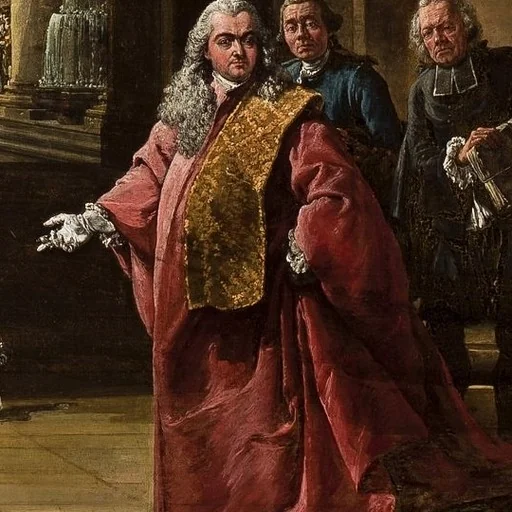
Bernardo Bellotto, was an Italian urban landscape painter or vedutista, and printmaker in etching famous for his vedute of European cities – Dresden, Vienna, Turin, and Warsaw.

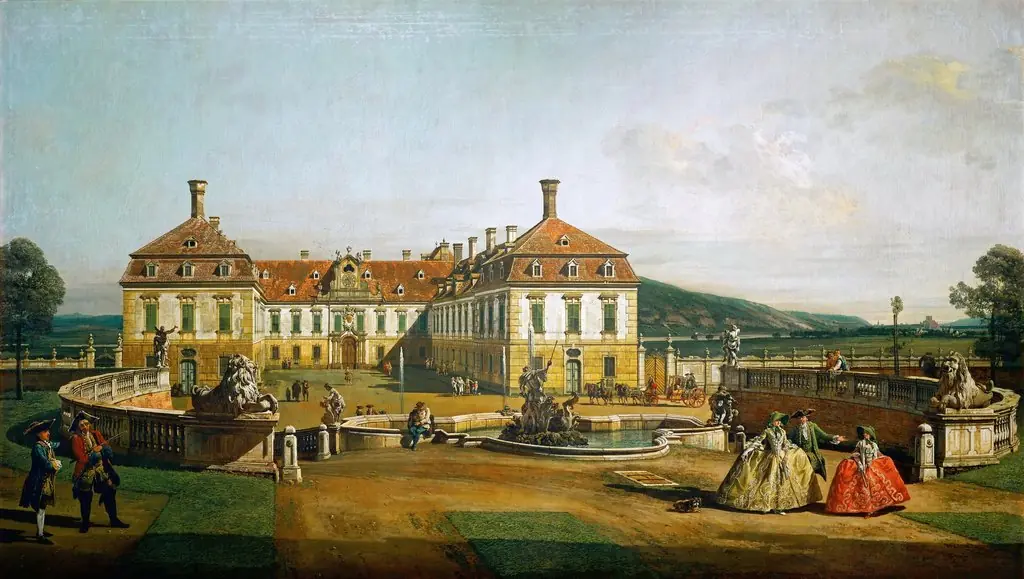
- Das kaiserliche Lustschloß Schloss Hof, Ehrenhofseite
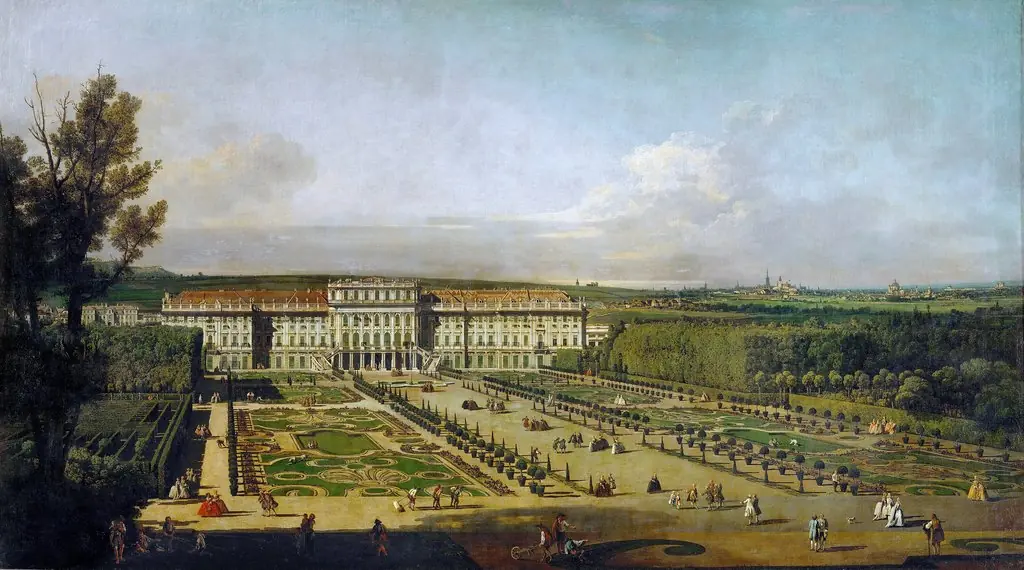 Das kaiserliche Lustschloß Schönbrunn, Gartenseite
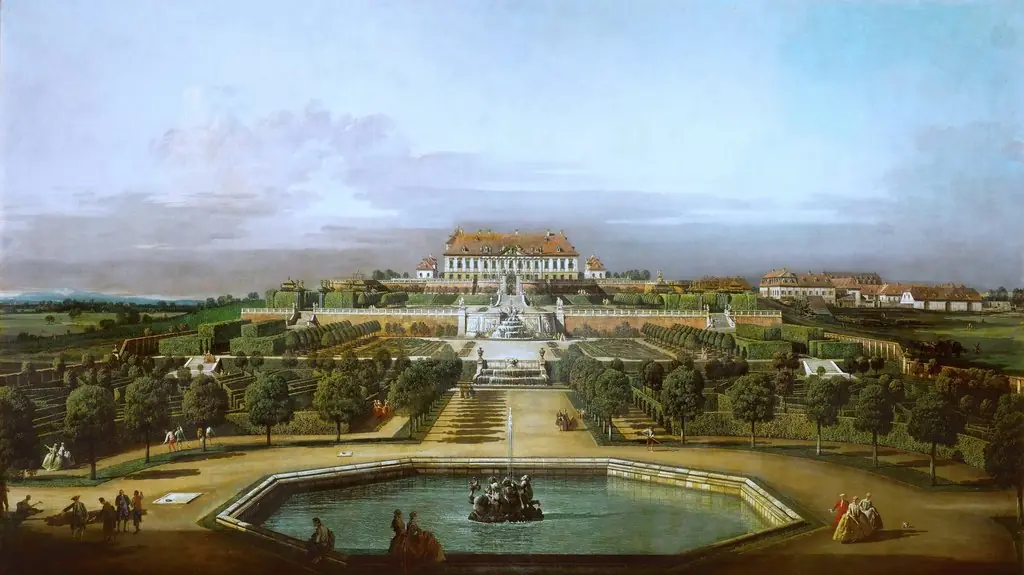 Schloss Hof, Garden Side
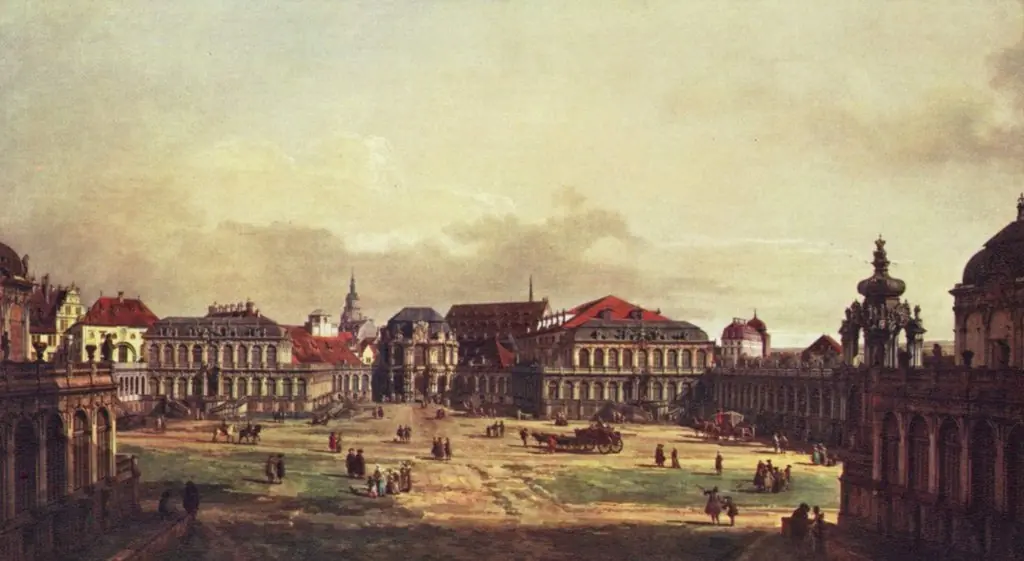 The Zwinger in Dresden
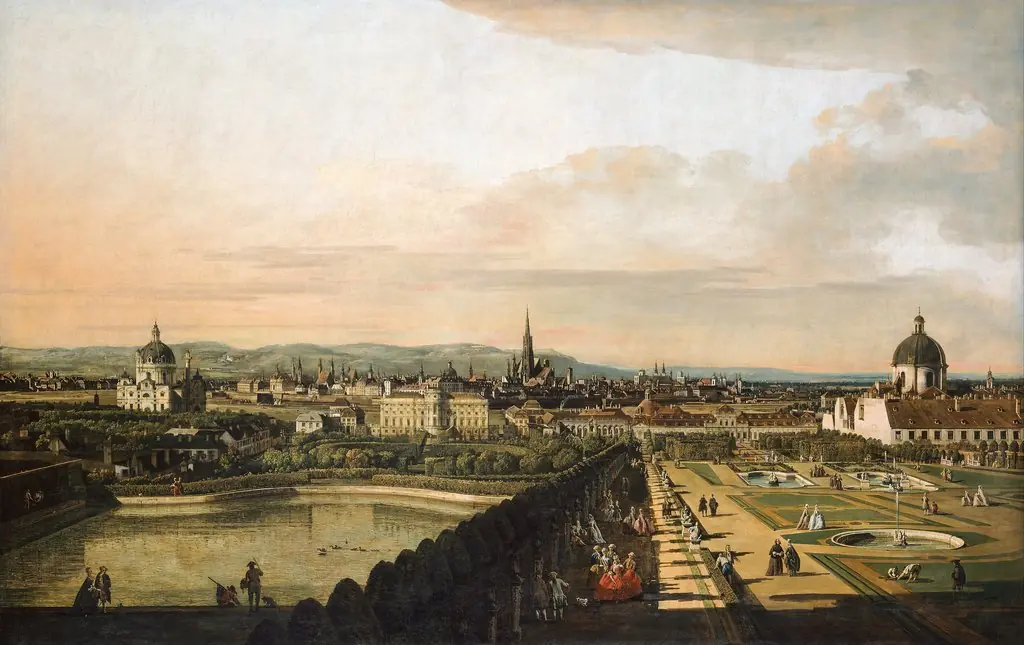 View of Vienna from the Belvedere
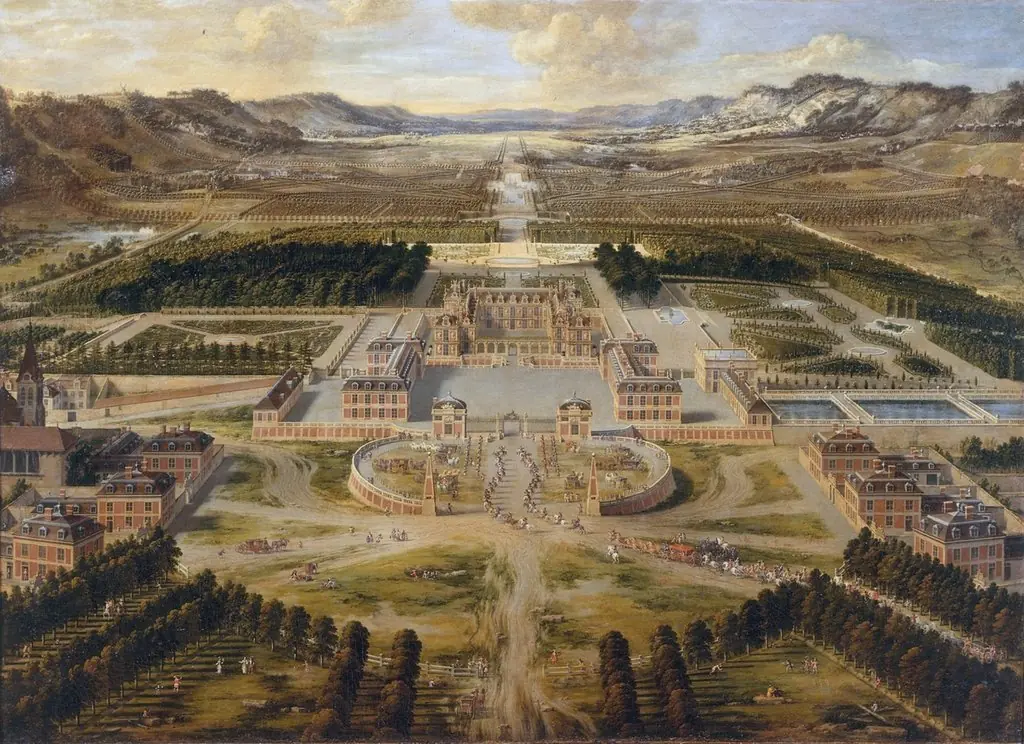 View of the Palace of Versailles and the gardens from the Avenue de Paris in 1668
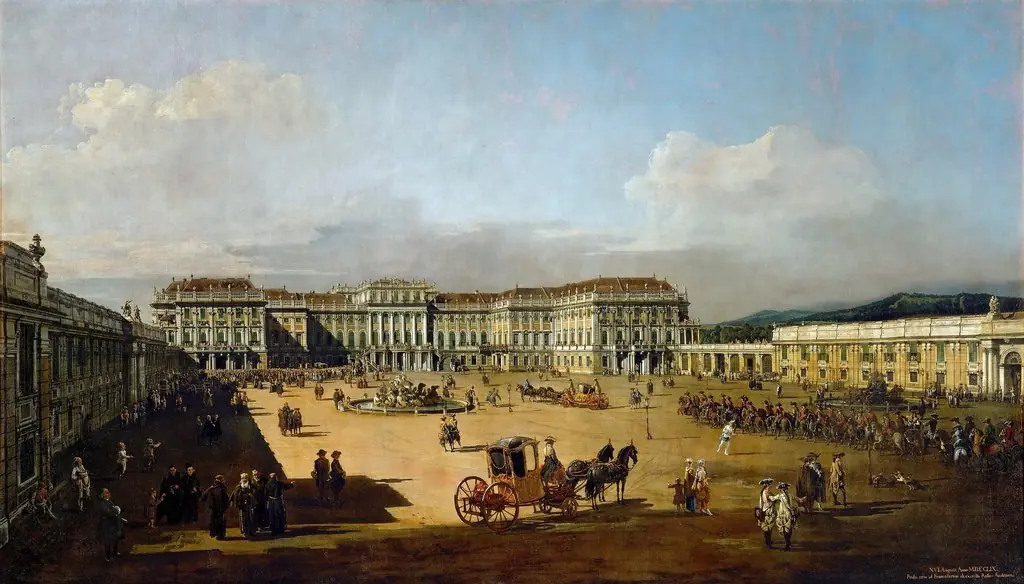 Das kaiserliche Lustschloß Schönbrunn, Ehrenhofseite
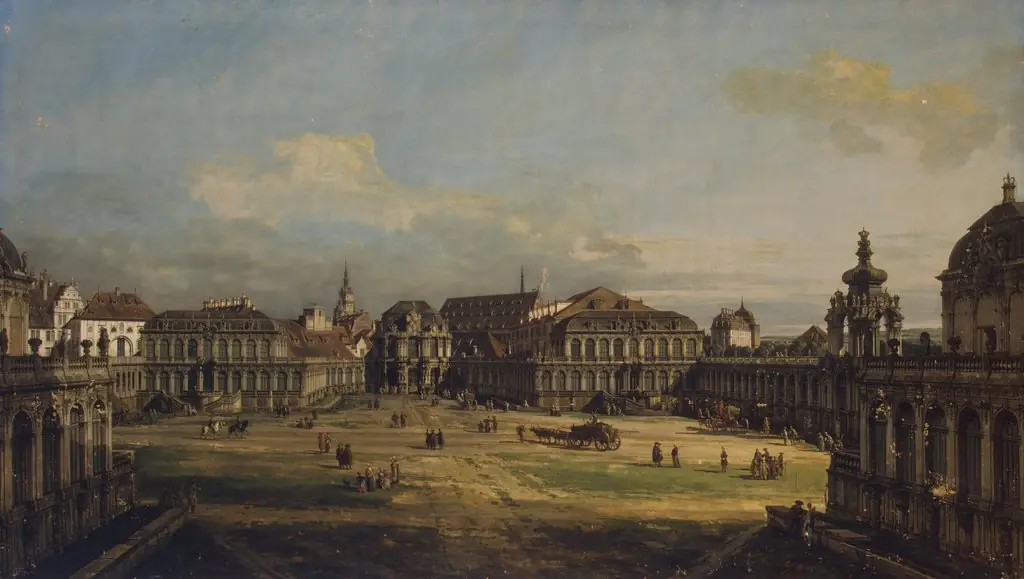 Zwinger in Dresden
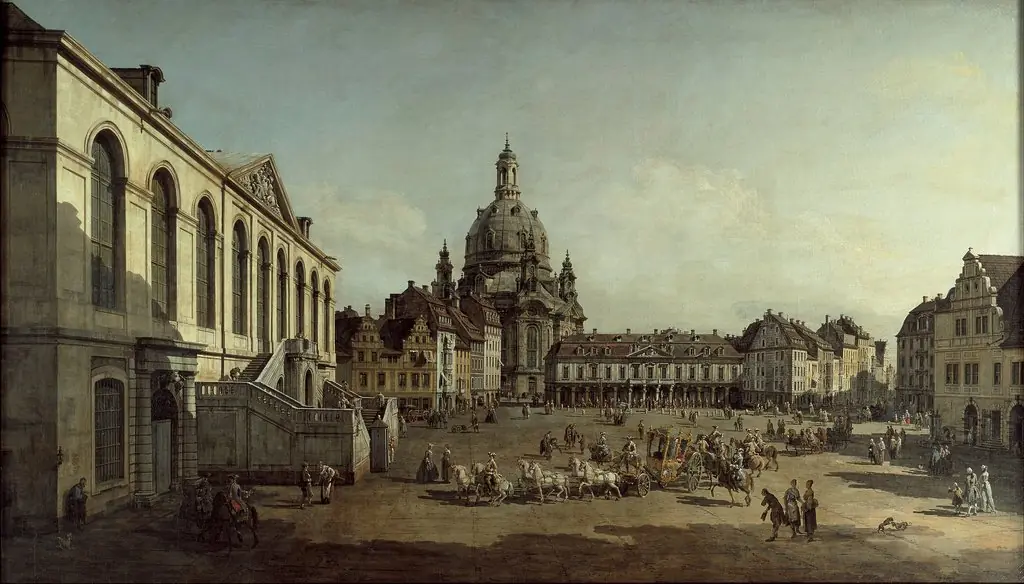 View of the Neumarkt in Dresden from the Jüdenhofe
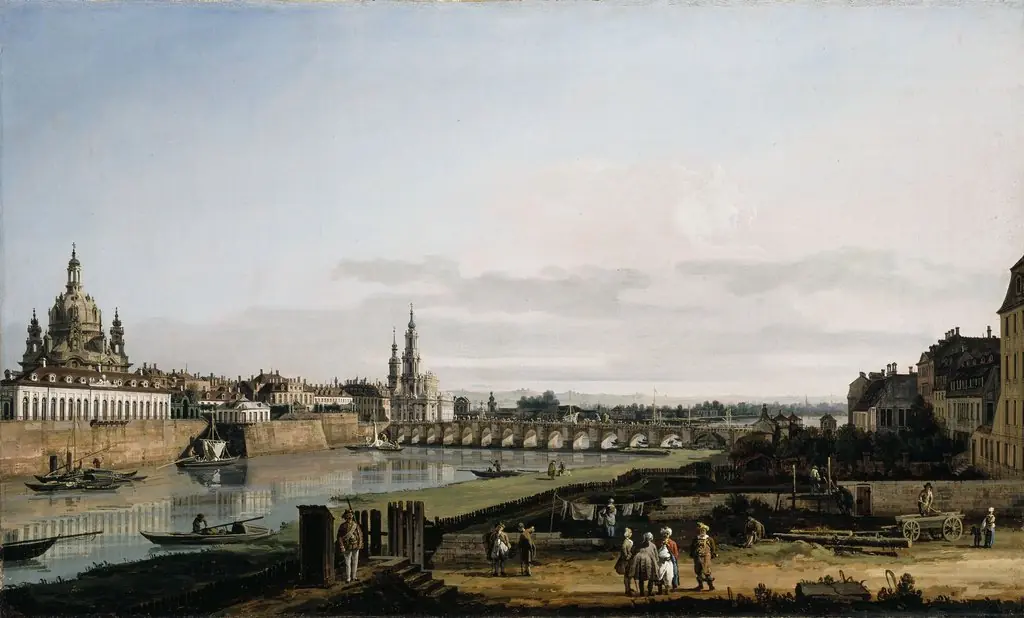 Dresden from the Right Bank of the Elbe above the Augustus Bridge
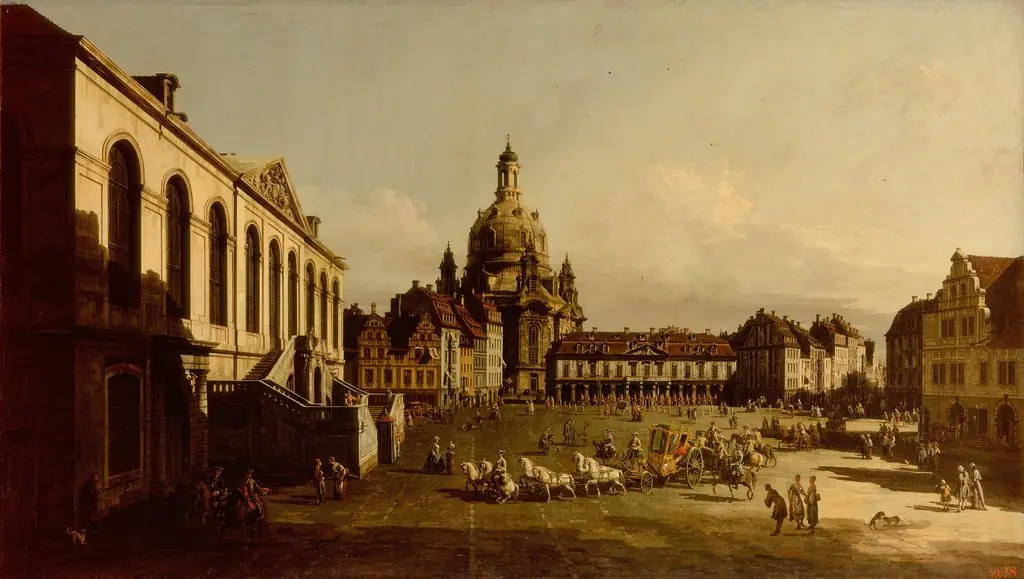 New Market Place in Dresden