January 5 in Art History
6 real events recorded on January 5, the earliest from 1767. 2 artists were born , 1 died on this date.
The day's biggest moments
Born on this day 2
- 1767 Born
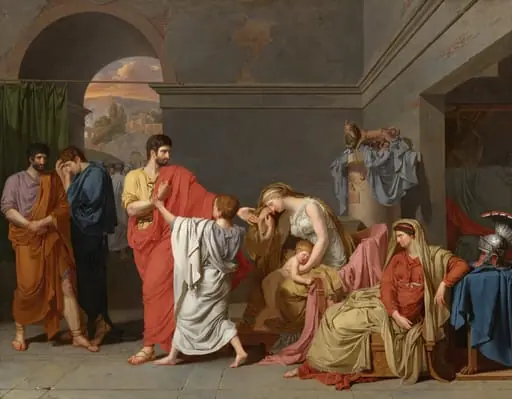
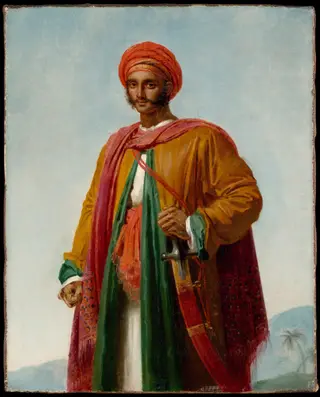
Born this day: Anne-Louis Girodet
On January 5, 1767, French painter Anne-Louis Girodet was born, known for his precise and clear style, and participation in the early Romantic movement with elements of eroticism in his work, often depicting members of the Napoleonic family. His notable works showcase his unique blend of style and subject matter.
Girodet's legacy lies in his contributions to the early Romantic movement in French art.
- 1774 Born
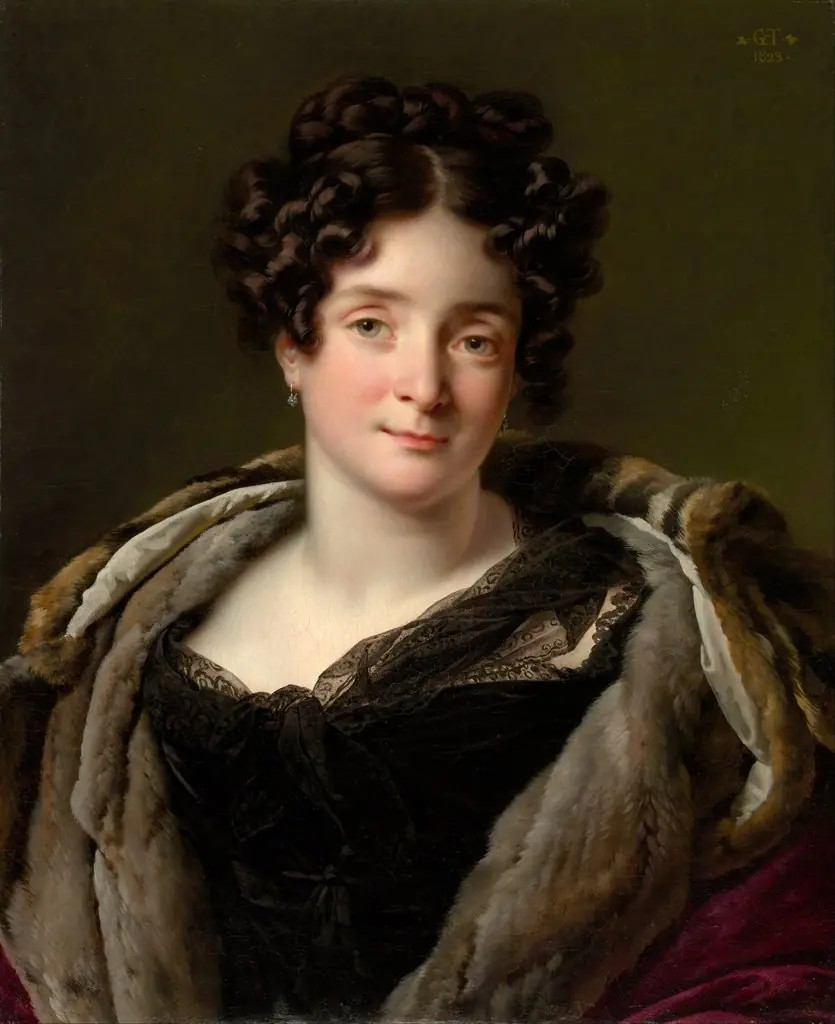
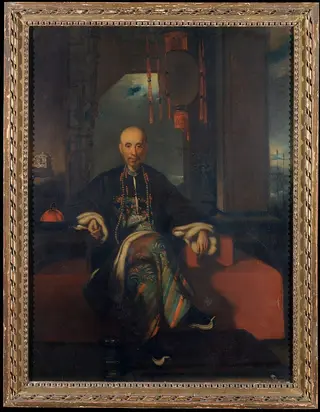
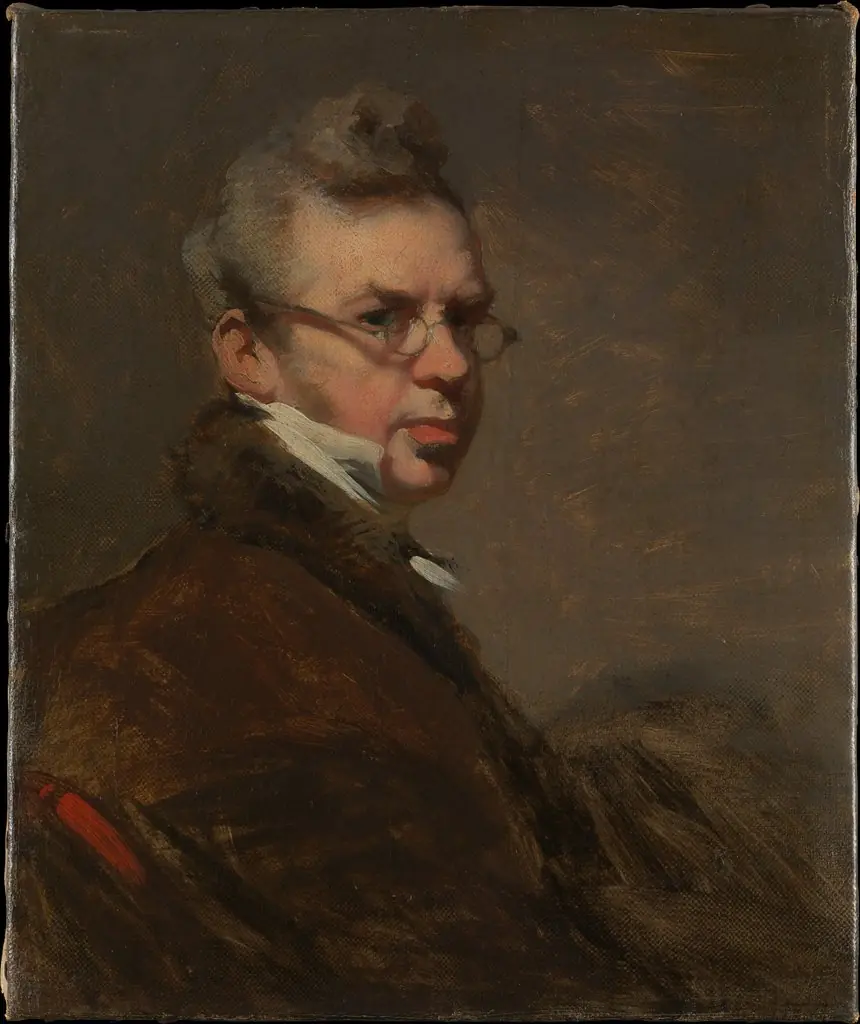
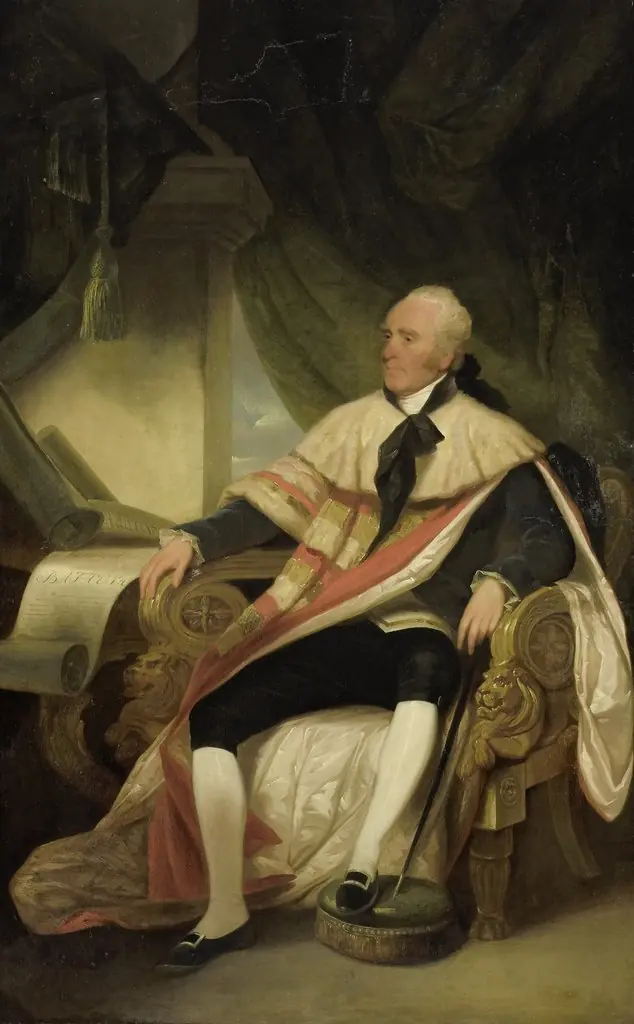
Born this day: George Chinnery
George Chinnery, a British painter born on January 5, 1774, is notable for spending most of his life in Asia, particularly in India and southern China, which significantly influenced his work. His portraits, such as those of prominent figures like Gilbert Elliot, showcase his skill. Chinnery's self-portraits also demonstrate his artistic range.
George Chinnery's legacy lies in his unique blend of European painting techniques with Asian subjects and settings.
Died on this day 1
- 1846 Died
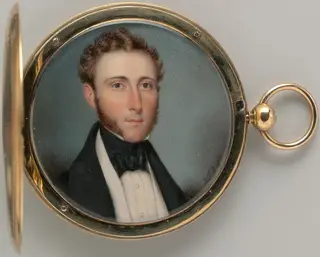
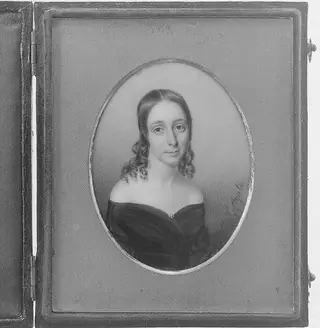
Died this day: Alfred Thomas Agate
Alfred Thomas Agate was an American painter and miniaturist known for his landscapes, portraits, and scientific illustrations, often created with the aid of a camera lucida. He studied with his brother and Thomas Seir Cummings, exhibiting his work at the National Academy of Design in New York by the late 1830s.
Agate's work remains a notable example of 19th-century American art, showcasing his technical skill and attention to detail.
Exhibitions & salons 2
- 1907 Exhibition
Pamela Colman Smith Opens 291 to Non-Photography
Alfred Stieglitz's Little Galleries of the Photo-Secession, later known simply as 291, opened Drawings by Pamela Colman Smith on January 5, 1907. The exhibition ran to January 24 and marked the gallery's first non-photographic show, shifting a space founded to argue for pictorial photography into a broader laboratory for modern art. Smith, a British illustrator, publisher, theatrical designer, and future designer of the Waite-Smith Tarot, became the first painter shown at a venue previously devoted to photographic avant-garde work. Contemporary accounts describe the exhibition as initially quiet but later well attended after critical notice, with enough interest for Stieglitz to extend it. Its importance lies less in any single object than in the institutional turn it announced: 291 would soon introduce New York audiences to Rodin, Matisse, Cezanne, Picasso, Brancusi, and other European modernists.
The show helped convert 291 from a Photo-Secession showcase into a pre-Armory Show engine of American modernism.
- 1943 Exhibition Landmark
Exhibition by 31 Women Opens at Art of This Century
Peggy Guggenheim's Exhibition by 31 Women opened on January 5, 1943 at Art of This Century, her Frederick Kiesler-designed New York gallery. Conceived with Marcel Duchamp and juried by a group that included Duchamp, Andre Breton, Max Ernst, James Johnson Sweeney, Howard Putzel, and Guggenheim, it gathered artists from sixteen nationalities, among them Frida Kahlo, Leonora Carrington, Leonor Fini, Meret Oppenheim, Louise Nevelson, Kay Sage, Sophie Taeuber-Arp, and Dorothea Tanning. Sources identify it as the first documented exhibition in the United States devoted exclusively to women artists, and Vogue notes its later reputation as the first U.S. art show dedicated to female artists. Although commercially weak and sometimes dismissed through sexist criticism, the exhibition made visible women surrealists and abstractionists in a gallery that was central to wartime modernism in New York.
It became a touchstone for later histories of women artists and feminist exhibition-making.
Leonora Carrington , Marcel Duchamp , André Breton , Frida Kahlo , Max Ernst
Manifestos & publications 1
- 1969 Publication
The Black Artist in America Symposium Appears in the Met Bulletin
On January 5, 1969, The Metropolitan Museum of Art Bulletin published The Black Artist in America: A Symposium, a transcript-format discussion moderated by Romare Bearden and involving Sam Gilliam Jr., Richard Hunt, Jacob Lawrence, Tom Lloyd, William T. Williams, and Hale Woodruff. The exchange had taken place in 1968 at the Met, during a moment when Black artists and critics were pressing major museums over exclusion, interpretive authority, and community accountability. The published issue placed those arguments inside the Met's own periodical, pairing institutional self-scrutiny with direct testimony from artists working across abstraction, sculpture, figuration, light-based art, and mural practice. Its continuing citation in biographies of Lloyd, Williams, and Hunt reflects how the symposium captured the tensions of the Black Arts era just before landmark exhibitions such as Contemporary Black Artists in America and later reassessments of Black abstraction.
The publication preserved a primary debate about race, museums, and modernism at a decisive moment in U.S. art history.
Romare Bearden , William T. Williams , Richard Hunt , Jacob Lawrence