March 7 in Art History
6 real events recorded on March 7, the earliest from 1657. 2 artists were born , 1 died on this date.
Born on this day 2
- 1869 Born
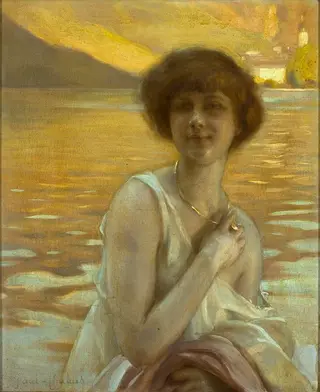
Born this day: Paul Émile Chabas
Paul Émile Chabas, born on March 7, 1869, was a French painter and illustrator known for his works such as September Morn and Blonde Nymph, showcasing his skill in capturing the human form and natural settings. As a member of the Académie des Beaux-Arts, Chabas contributed to the French art scene with his distinctive style.
Chabas' legacy remains in his elegant and serene paintings that continue to inspire artists today.
- 1872 Born
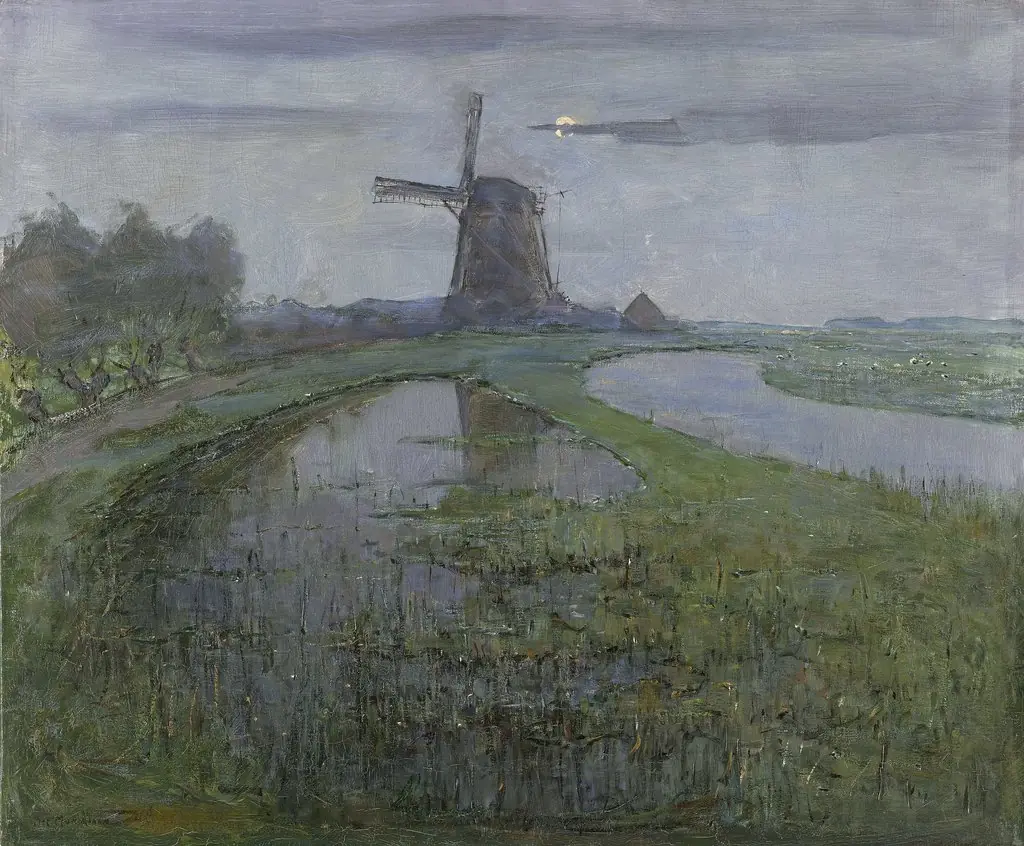
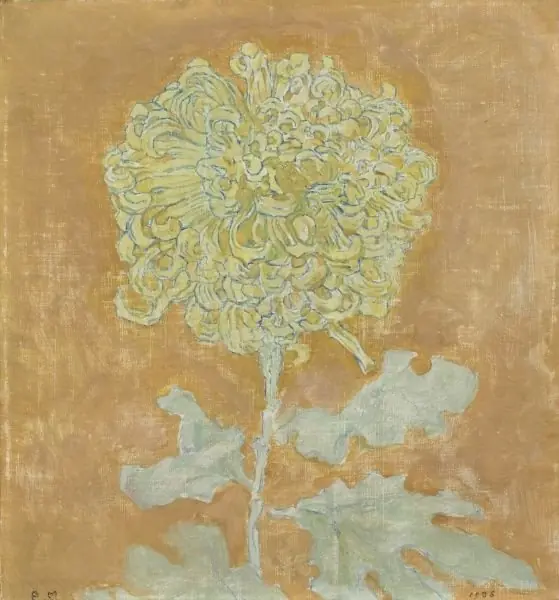
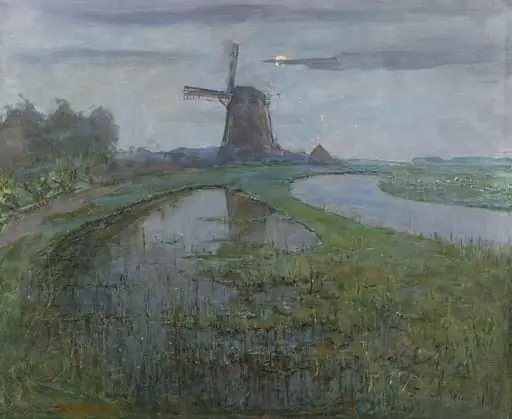
Born this day: Piet Mondrian
Piet Mondrian, a Dutch painter and art theoretician, was born on March 7, 1872. He is renowned for pioneering 20th-century abstract art, transitioning from figurative to abstract styles, and simplifying his vocabulary to geometric elements. Mondrian's utopian art sought universal values and aesthetics.
Mondrian's innovative abstract style continues to influence art and design to this day.

Died on this day 1
- 1657 Died
Died this day: Balthasar van der Ast
Balthasar van der Ast was a Dutch Golden Age painter known for his still lifes of flowers, fruit, and shells, often featuring insects and lizards. He pioneered the genre of shell painting, creating remarkable works that showcased his attention to detail and beauty.
He remains a notable figure in the Dutch still life movement, celebrated for his unique and captivating compositions.
Exhibitions & salons 2
- 1926 Exhibition
Carnegie International Presented at Grand Central Art Galleries
Grand Central Art Galleries in New York became the site of the Carnegie International Exhibition, the first time the Carnegie International had been held outside Pittsburgh. The March 7 presentation featured works by artists from twelve countries and more than 500 paintings selected by Homer Saint-Gaudens. The display was large enough to be divided into two parts, with separate national rooms for countries including the United States, Belgium, Germany, Italy, Russia, Spain, Austria, Czechoslovakia, France, Great Britain, and Sweden. Its move to New York showed how Grand Central Art Galleries used its commercial scale and central location to circulate international art to a broader American public.
The show extended the Carnegie International's reach beyond Pittsburgh and amplified New York's role as a market and exhibition hub.
- 2014 Exhibition
Whitney Biennial 2014 Opens
The 2014 Whitney Biennial opened at the Whitney Museum of American Art on March 7. Curated by Stuart Comer, Anthony Elms, and Michelle Grabner, it adopted an unusual structure in which three outside curators each oversaw a floor, producing distinct views of contemporary art in the United States. The exhibition included 103 participants across painting, sculpture, photography, film, dance, performance, publishing, and collective practice. It was also the final Biennial staged in the Whitney's Marcel Breuer building at 945 Madison Avenue before the museum moved downtown in 2015. As the 77th Annual/Biennial in a series begun in 1932, it became both a survey of its moment and a farewell to a defining site in the museum's history.
It closed the Breuer-building era of the Whitney Biennial before the museum's downtown relocation.
Zoe Leonard , Etel Adnan , Amy Sillman , Sterling Ruby , Laura Owens Whitney Museum of American Art, Manhattan
Openings & foundings 1
- 1982 Opening
The Dalí Museum Opens in St. Petersburg
The Salvador Dalí Museum opened in St. Petersburg, Florida, after Reynolds and Eleanor Morse moved their large Dalí collection from Ohio to a rehabilitated marine warehouse on the city waterfront. The Morses had begun collecting Dalí after seeing a Cleveland Museum of Art retrospective in 1942 and built a decades-long relationship with the artist. The St. Petersburg opening gave the collection a permanent public home and helped establish a major American center for Surrealism outside the traditional museum capitals. The museum later moved to a purpose-built waterfront building in 2011, but the March 7, 1982 opening is the institutional turning point that brought the Morse collection to Florida.
It made St. Petersburg a major public destination for Dalí and Surrealist art.