Provenance · Collection
Charles H. and Mary F. S. Worcester
This catalog gathers 38 public-domain works assembled in the Charles H. and Mary F. S. Worcester collection. Every work is held by Art Institute of Chicago.
-
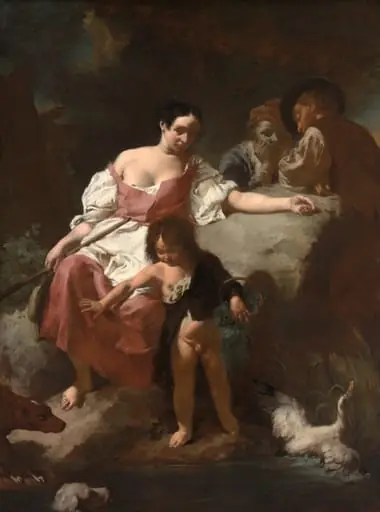 Pastoral Scene
 -
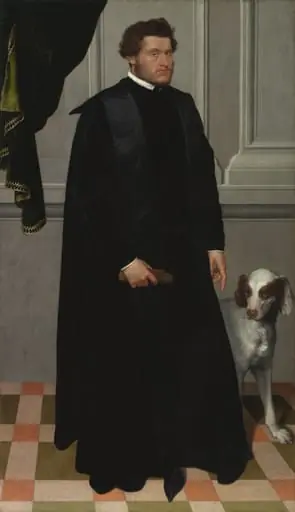 Gian Lodovico Madruzzo
 -
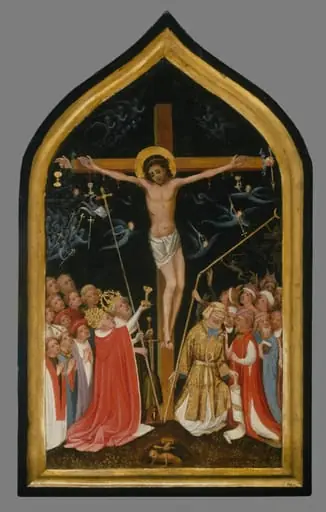 Christ on the Living Cross
 -
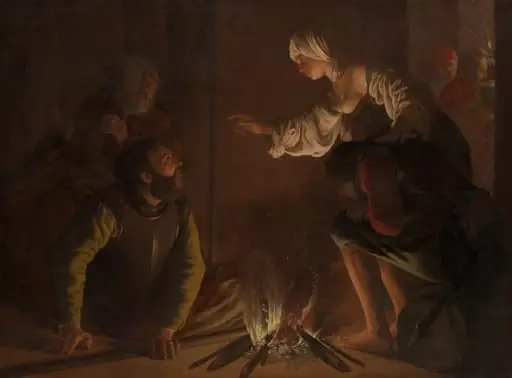 The Denial of Saint Peter
 -
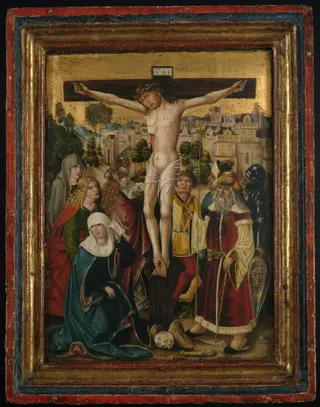 The Crucifixion
 -
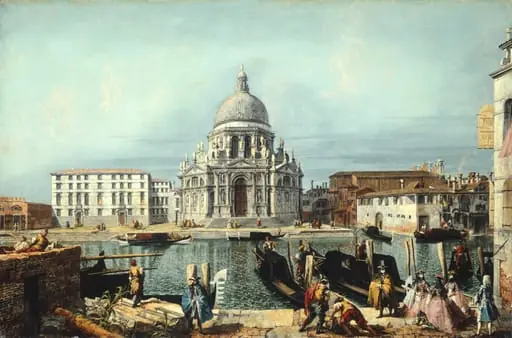 The Church of Santa Maria della Salute, Venice
 -
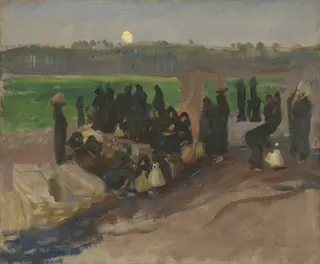 Water Carriers on the Nile
 -
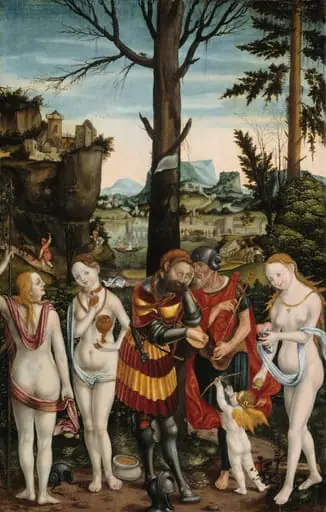 The Dream of Paris
 -
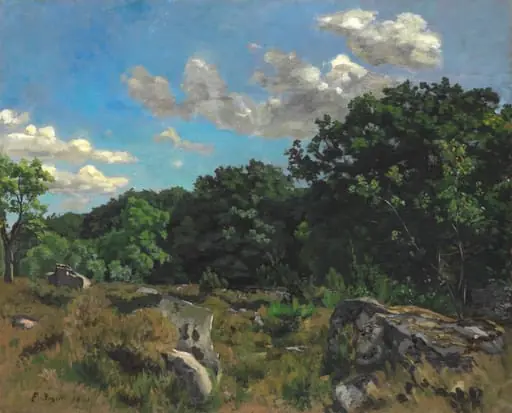 Landscape at Chailly
 -
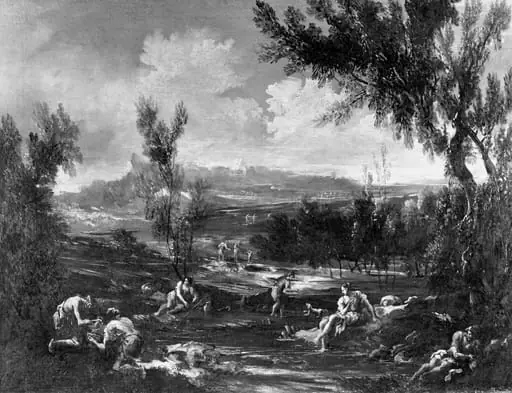 Arcadian Landscape with Figures
 -
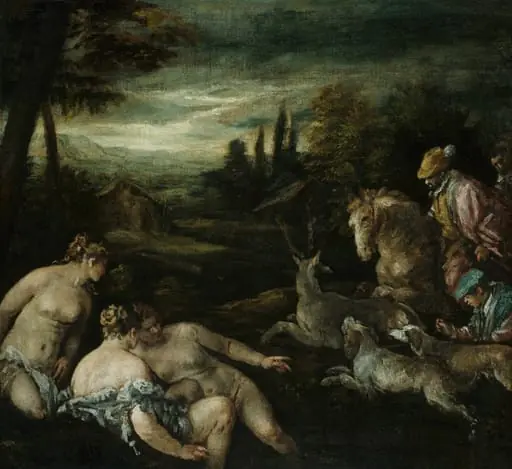 Diana and Actaeon
 -
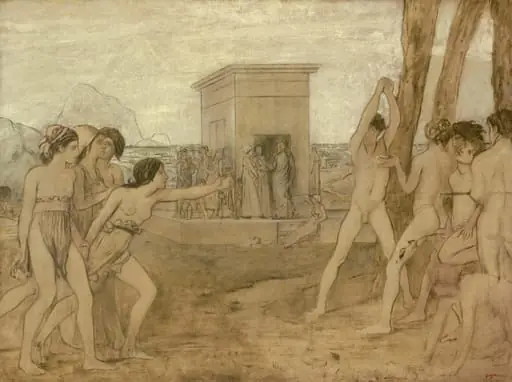 Young Spartan Girls Challenging Boys
 -
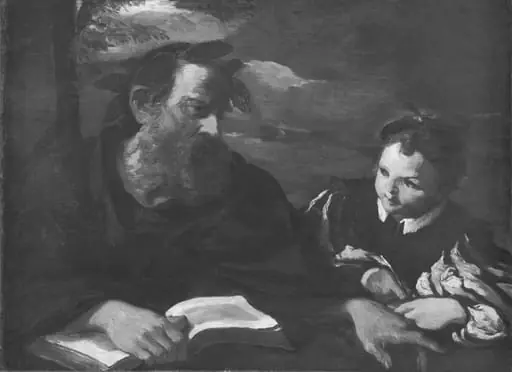 Homer Dictating
 -
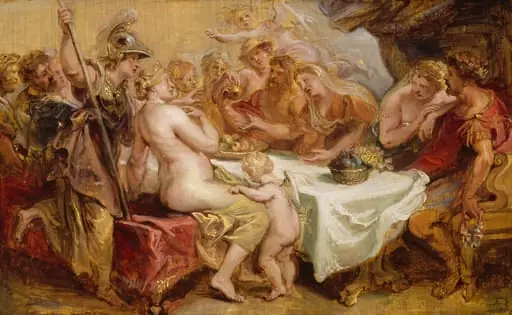 The Wedding of Peleus and Thetis
 -
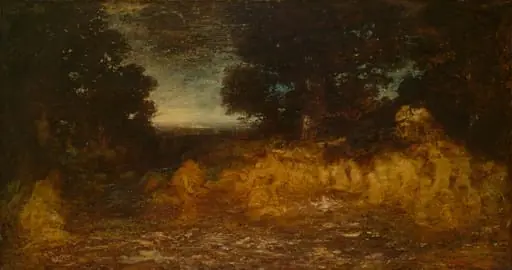 Ghost Dance (The Vision of Life)
 -
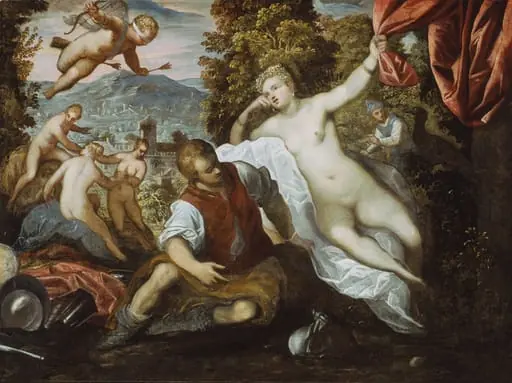 Venus and Mars with Cupid and the Three Graces in a Landscape
 -
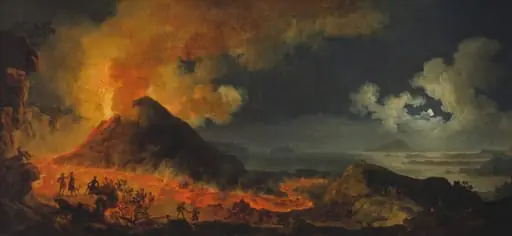 The Eruption of Vesuvius
 -
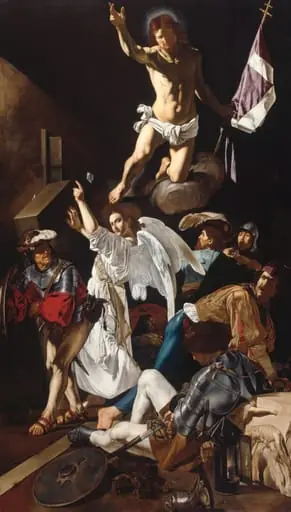 The Resurrection
 -
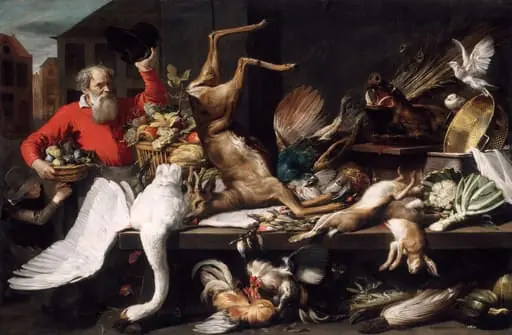 Still Life with Dead Game, Fruits, and Vegetables in a Market
 -
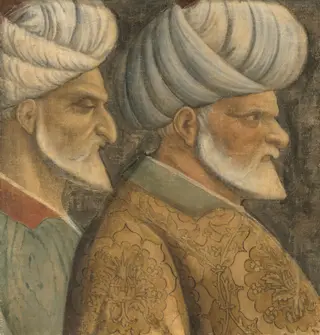 Sinan Reis and Hayreddin Barbarossa
 -
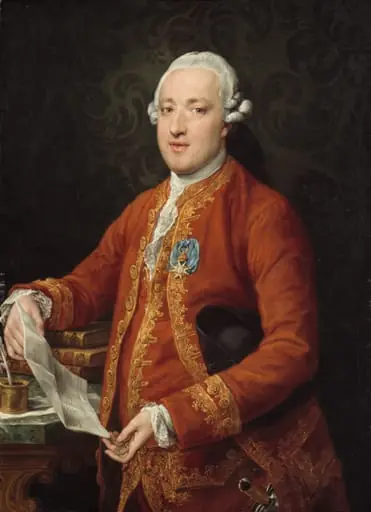 Don José Moñino y Redondo, Conde de Floridablanca
 -
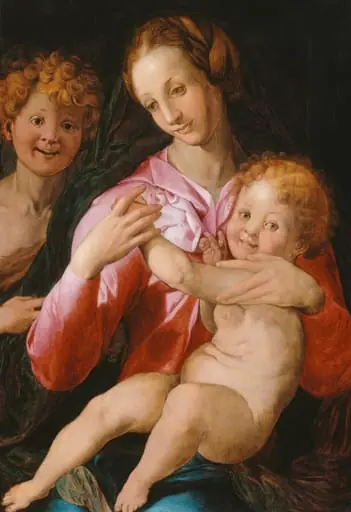 Virgin and Child with the Young Saint John the Baptist
 -
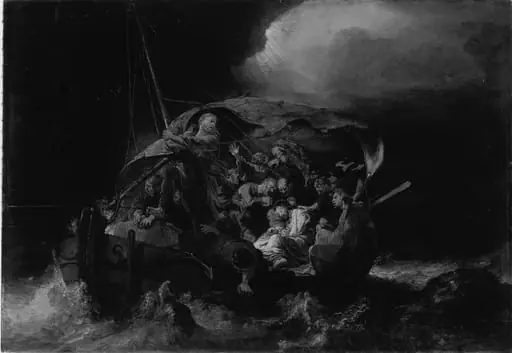 Christ in the Storm
 -
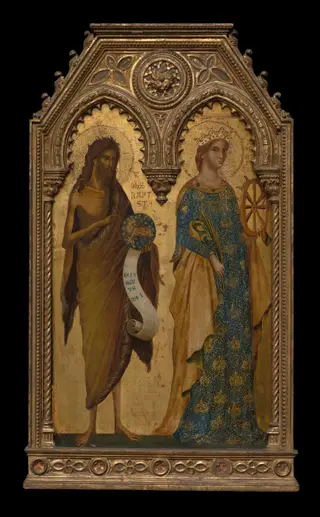 Saints John the Baptist and Catherine of Alexandria
 -
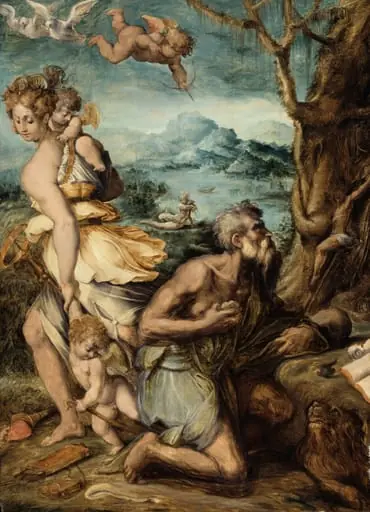 The Temptation of Saint Jerome
 -
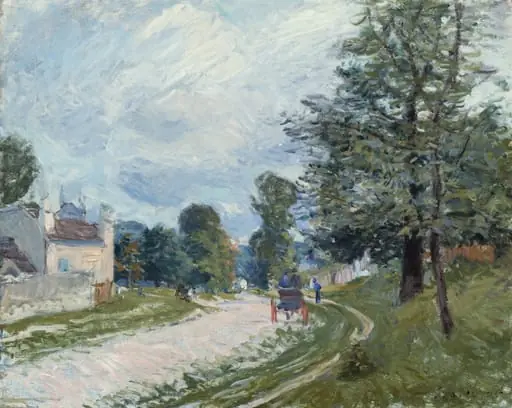 A Turn in the Road
 -
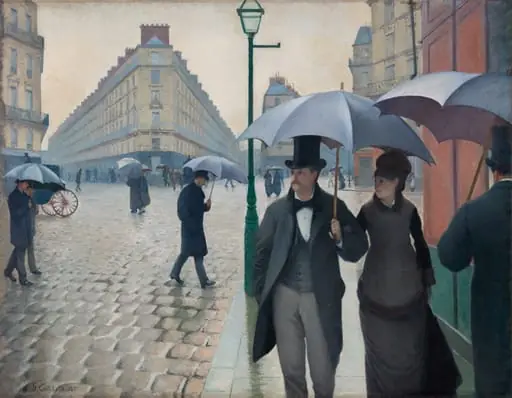 Paris Street; Rainy Day
 -
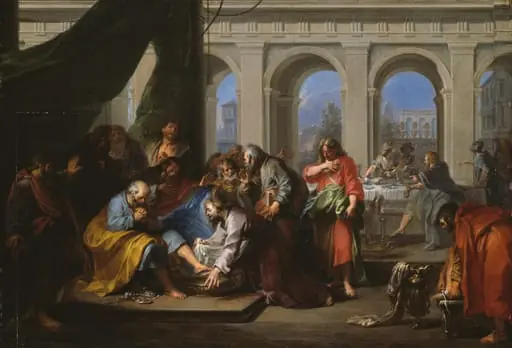 Christ Washing the Feet of His Disciples
 -
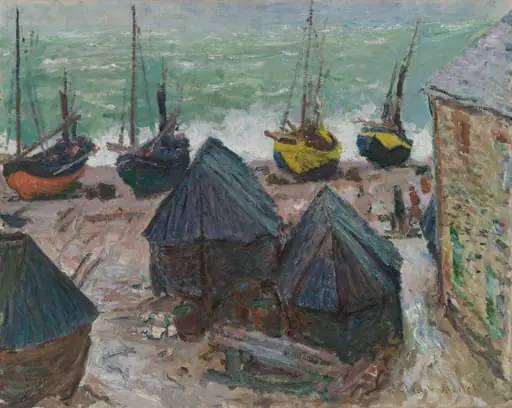 Boats on the Beach at Étretat
 -
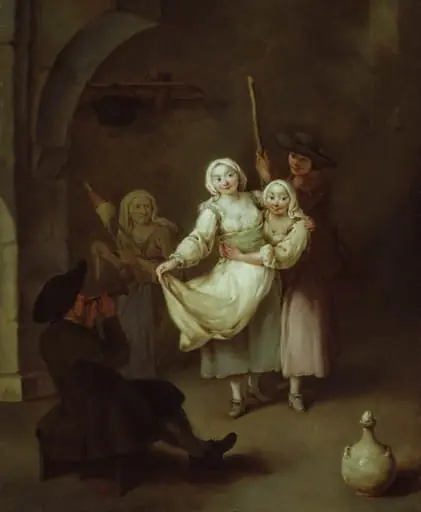 The Dance
 -
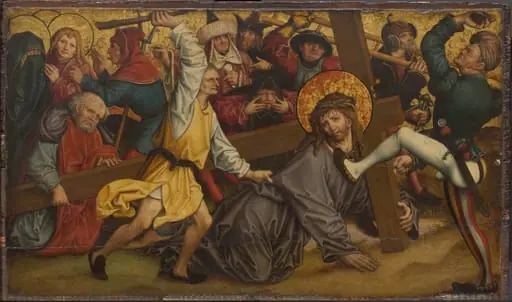 Christ Carrying the Cross
 -
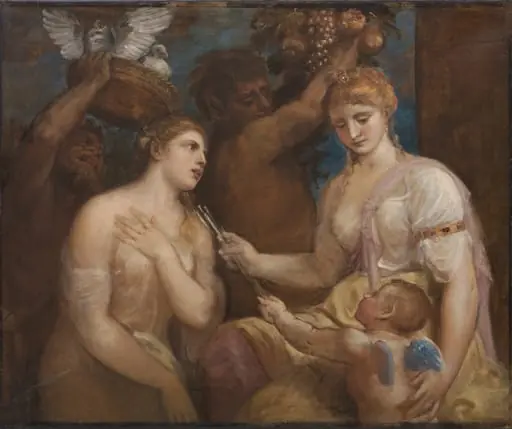 Allegory of Venus and Cupid
 -
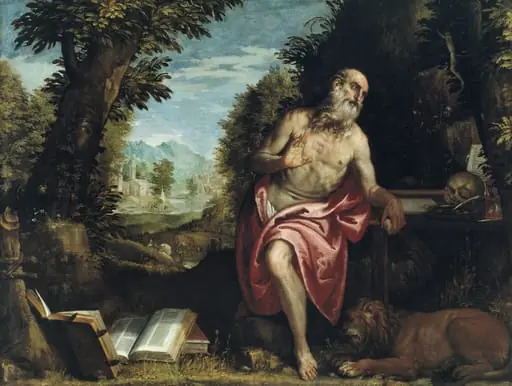 Saint Jerome in the Wilderness
 -
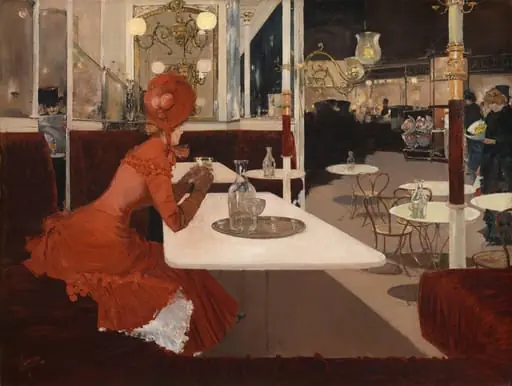 In the Café
 -
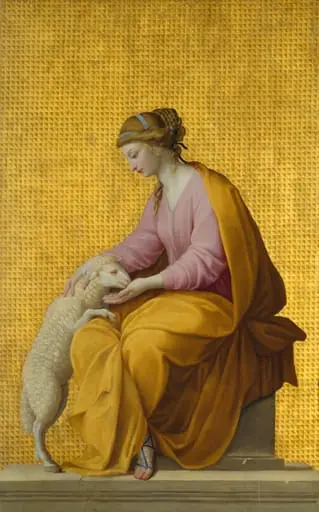 Meekness
 -
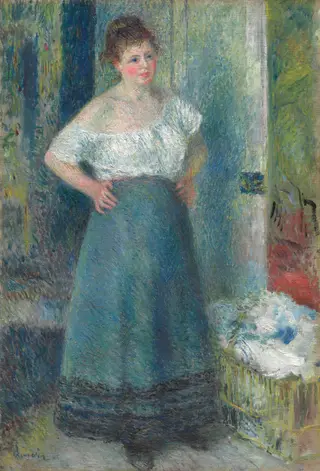 The Laundress
 -
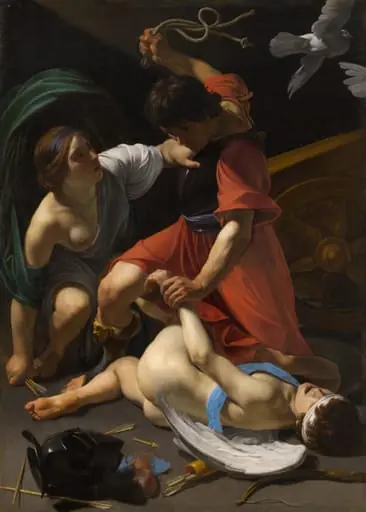 Cupid Chastised
 -
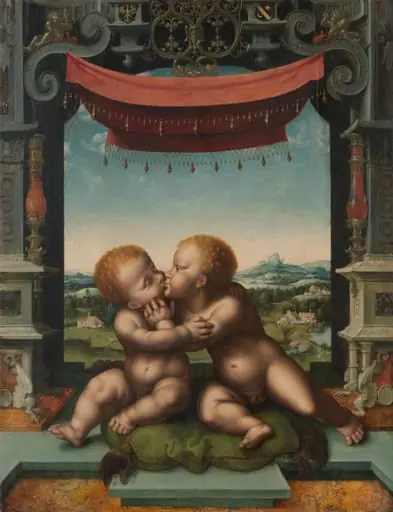 The Infants Jesus Christ and Saint John the Baptist Embracing
On provenance & the public domain
A credit line — the small "Collection of…" note beside a work on a museum wall — records its provenance: how the object passed from a private hand into a public collection, whether as an outright gift, a bequest left in a will, the purchase from a named endowment, or an entire collection acquired at once. Because these works are in the public domain, anyone can study, share, and reproduce them freely. Browsing by provenance follows the human story behind a museum's holdings — the collectors and benefactors whose generosity put these works where the public can see them.
Every work in this catalog is in the public domain; images come from the museums that hold them.