Artwork
Sinan Reis and Hayreddin Barbarossa
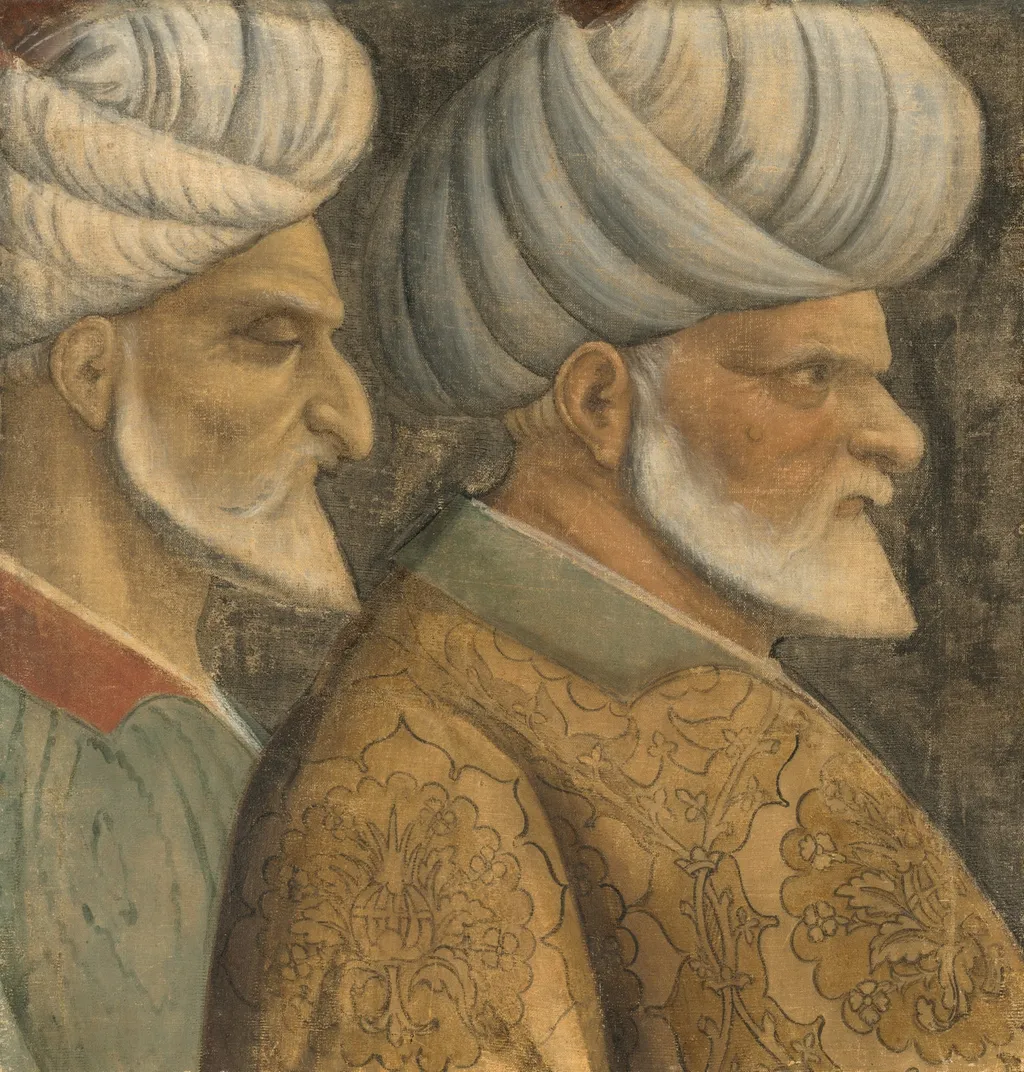
Sinan Reis and Hayreddin Barbarossa is a tempera painting by the Mannerist artist Unknown. It dates from 1535 and is held in the collection of the Art Institute of Chicago.
- Accession no.
- 90060
About this work
Overview
Painted around 1535 in tempera on canvas, this portrait depicts two Ottoman naval commanders: Sinan Reis and Hayreddin Barbarossa. Attributed to an Italian artist, the work resides in the Art Institute of Chicago. Unlike typical European portraiture of the period, it presents non-European figures with deliberate detail, reflecting early cross-cultural artistic engagement in the Mediterranean.
Subject & Meaning
Barbarossa, a famed admiral, and Sinan Reis, his skilled subordinate, are rendered with solemn expressions and dignified posture.
The two men portrayed were prominent figures in the Ottoman Empire’s maritime forces. Barbarossa, a famed admiral, and Sinan Reis, his skilled subordinate, are rendered with solemn expressions and dignified posture. The portrait likely served to document their authority and status, possibly commissioned by a European patron seeking to acknowledge or negotiate with Ottoman power during a time of naval rivalry.
Technique & Style
Tempera paint, applied in thin, layered strokes, allows for precise rendering of textures and facial features. The artist emphasizes fabric patterns, facial contours, and subtle lighting to convey individuality. The composition is frontal and static, typical of early 16th-century portraiture, yet the attention to ethnic detail, such as headwear and beard styles, suggests an intent to capture specific identities rather than idealized types.
History & Provenance
The painting’s early history is undocumented, but it entered the Art Institute of Chicago’s collection in the 20th century. Its survival suggests it was preserved in a private or institutional European collection, possibly linked to diplomatic or mercantile circles familiar with Ottoman figures. No records confirm its original commission, but its existence implies a rare European interest in portraying Ottoman elites with accuracy.
Context
Created during heightened naval conflict between the Ottoman Empire and European powers, the portrait reflects a moment when Mediterranean cultures intersected through war, trade, and diplomacy. While European art often depicted Ottomans as exotic or threatening, this work presents its subjects with restrained realism, hinting at a more nuanced, if still limited, awareness of their roles beyond stereotypes.
Legacy
The painting remains one of the few early modern European portraits of Ottoman naval leaders. It contributes to scholarly understanding of how non-European figures were visually represented in Renaissance art. Its preservation offers insight into the visual culture of cross-cultural encounter, challenging assumptions about the exclusivity of European portraiture in this era.
Artist & collection









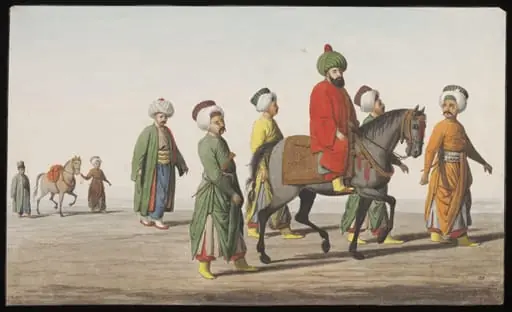 Kaymakam, or Govenor of Istanbul
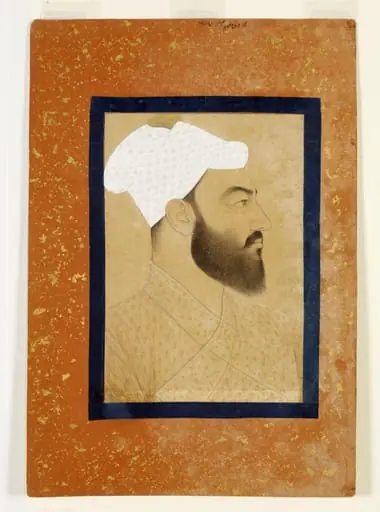 Bahadur Shah I
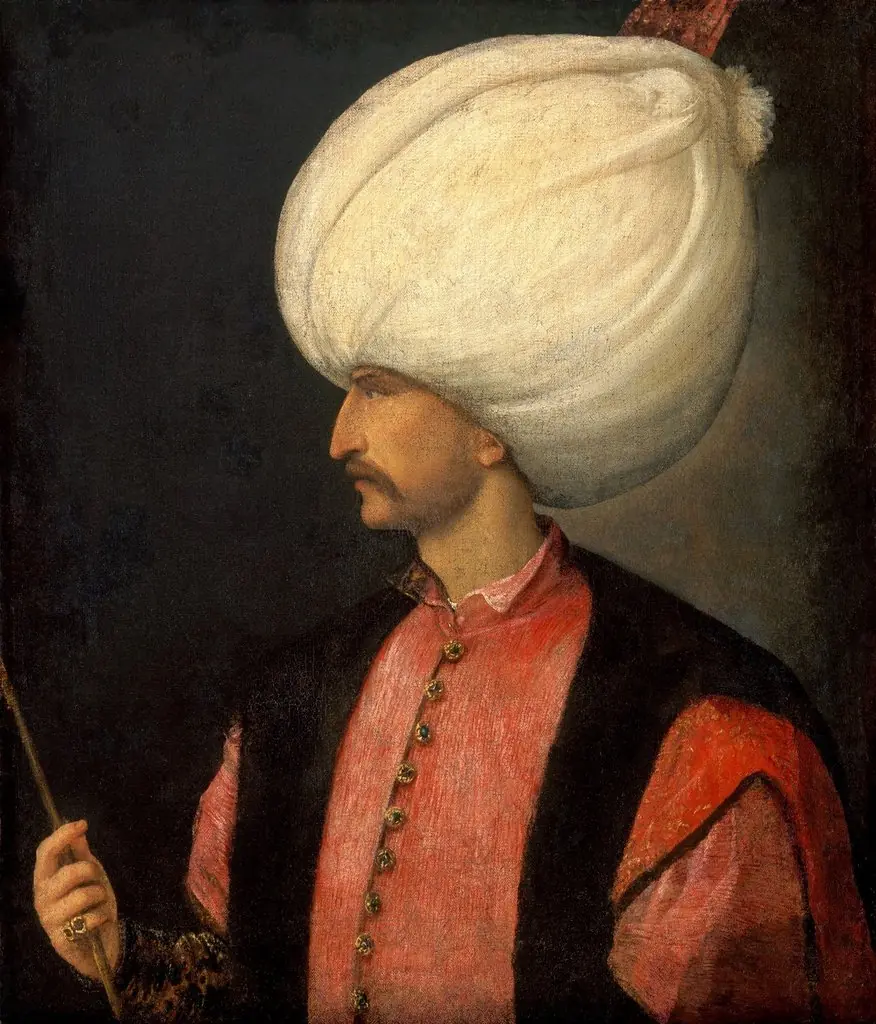 Sultan Suleiman in profile
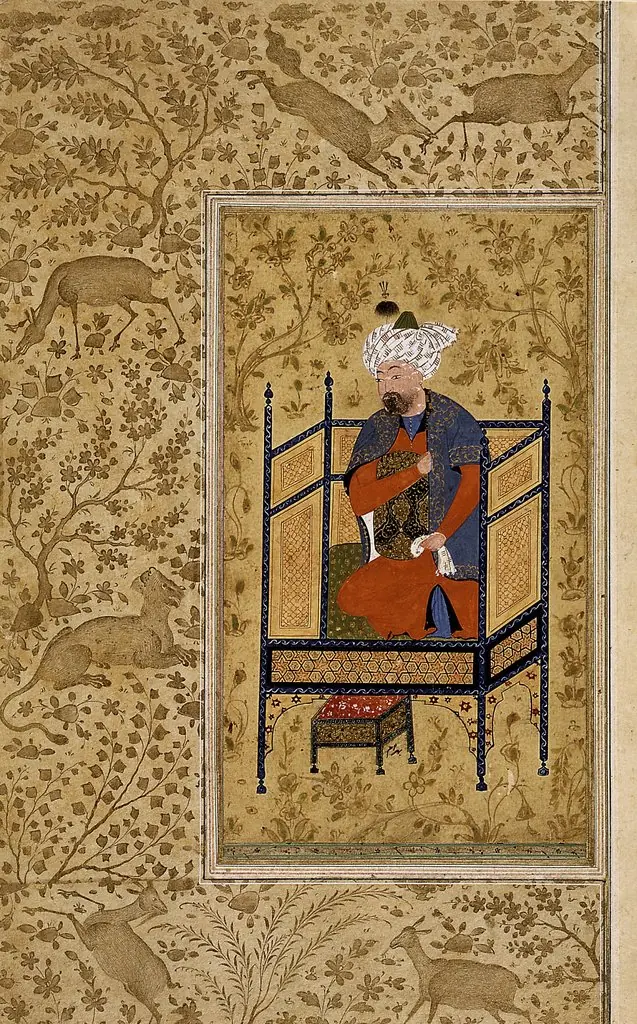 Album Page with Illustrated Margins
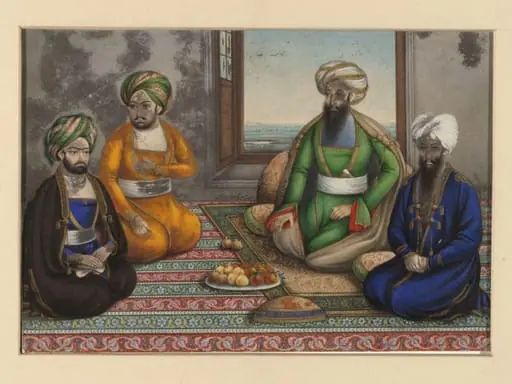 Dost Muhammad (d.1863), Amir of Afghanistan, with his three sons, Muhammad Akram Khan, Haidar Khan and Abdul Ghani Khan, seated on a carpet
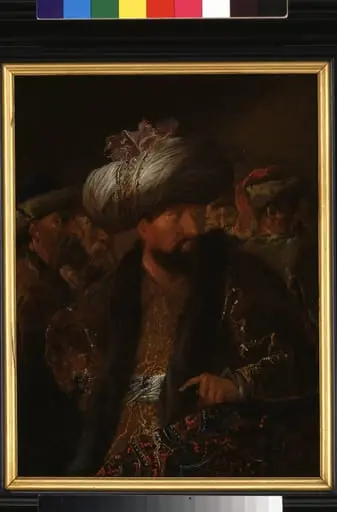 En samling tyrkiske mænd
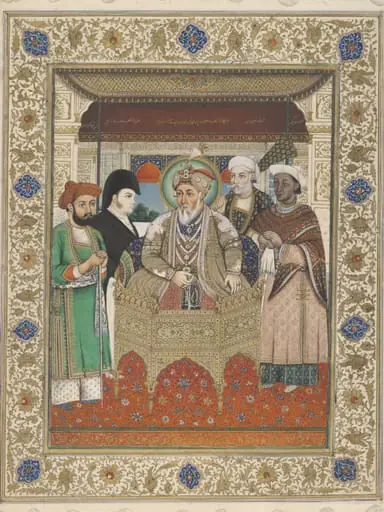 Portrait of Akbar II with Sir Charles Theophilus Metcalf and court dignitaries
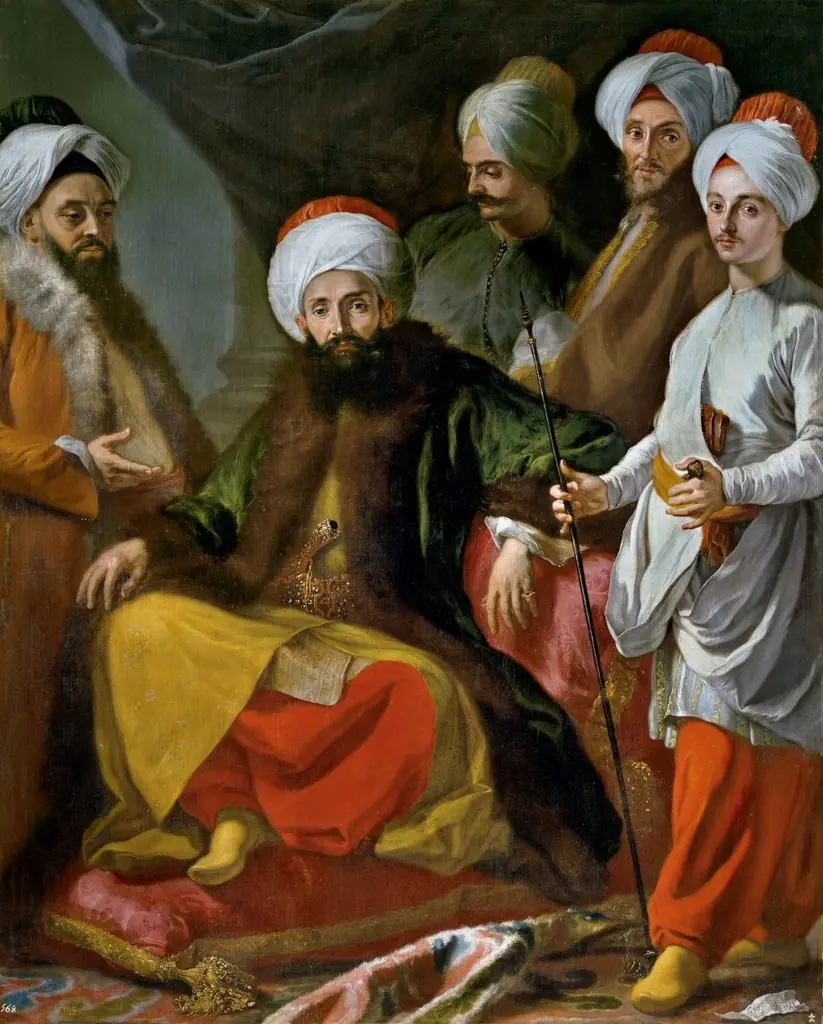 The Turkish Embassy in Naples
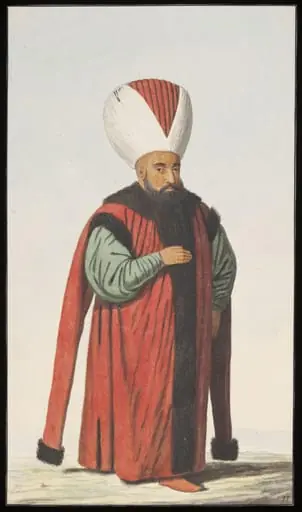 Reis Efendi or Minister
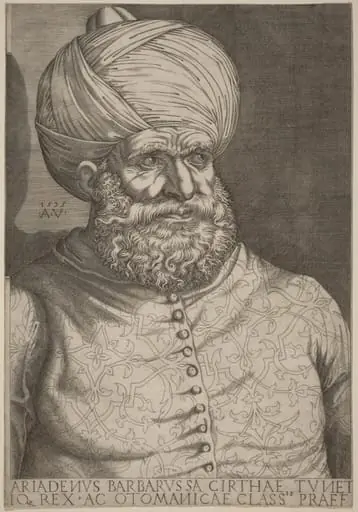 Barbarossa, Khair-ed-Din
 Turkish sultans, sultanas and other historical figures
- Sinan the Jew and Haireddin Barbarossa