Artwork
The Maltese Girls Song
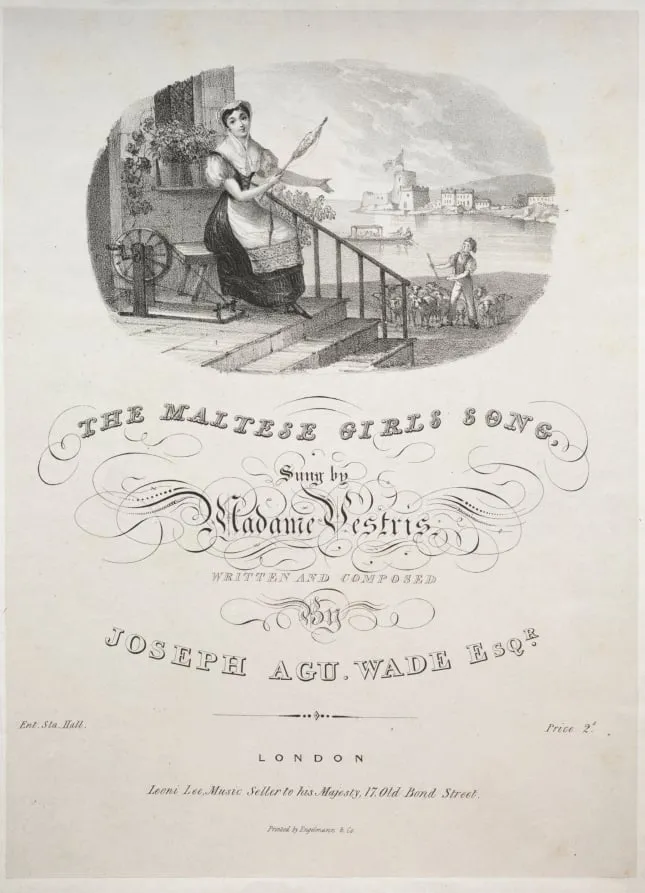
The Maltese Girls Song is a print by the Romanticist artist Unknown. It dates from 1804 and is held in the collection of the Cleveland Museum of Art. An unsigned 19th-century print depicts two young girls in long dresses, singing from a shared sheet of music in a softly lit interior.
- Accession no.
- 1944.267
- Credit line
- Gift of Leo Weidenthal
About this work
You see two young girls in long dresses, singing from a sheet of music in a dim room.
No one knows who painted it, but the faces feel real, like the artist knew them. The light hits their cheeks and hands just enough to make you believe they’re alive.
If you like quiet moments like this, look up more paintings of England, 19th century.
Overview
An unsigned 19th-century print depicts two young girls in long dresses, singing from a shared sheet of music in a softly lit interior.
An unsigned 19th-century print depicts two young girls in long dresses, singing from a shared sheet of music in a softly lit interior. The scene is intimate and unadorned, capturing a quiet moment of domestic music-making. The artist’s handling of light and expression suggests close observation, though the painter’s identity remains unknown.
The work belongs to a tradition of British genre scenes that valued stillness and sincerity over grand narrative.
Subject & Meaning
The girls, likely siblings or close companions, engage in a private act of musical practice, their focus inward and unperformed for an audience. Their shared music implies familiarity and routine, not spectacle. The absence of furniture or decoration emphasizes their presence, making the act of singing itself the subject. The work conveys quiet companionship, a common theme in Victorian domestic imagery.
Technique & Style
The print employs subtle tonal gradations to model flesh and fabric, with light falling gently on cheeks and hands to suggest warmth and life. Details are restrained, no ornate patterns or props distract from the figures. The composition is tightly framed, drawing attention to their postures and expressions. The technique reflects a preference for realism over idealization, aligning with emerging 19th-century British printmaking practices.
History & Provenance
The work’s origin is undocumented; no record of the artist, publisher, or early ownership survives. It likely circulated as a modestly priced print, possibly reproduced from a drawing or watercolor. Its survival suggests it was kept in private collections rather than displayed publicly. No exhibition history or critical commentary from the period has been traced.
Context
Created during a period when domestic scenes gained popularity in British art, the print reflects broader cultural values around female education, moral refinement, and home-centered leisure. Music was considered an essential accomplishment for young women, and such images reinforced ideals of modesty and familial harmony. Similar subjects appear in works by established artists, though this piece lacks their institutional recognition.
Legacy
Though unsigned and uncelebrated in its time, the print endures as a quiet testament to everyday life in 19th-century England. It appeals to viewers drawn to understated emotion and untheatrical moments. Its anonymity invites reflection on the many unnamed artists who captured the ordinary with sensitivity, leaving behind traces of lives otherwise unrecorded.
Artist & collection









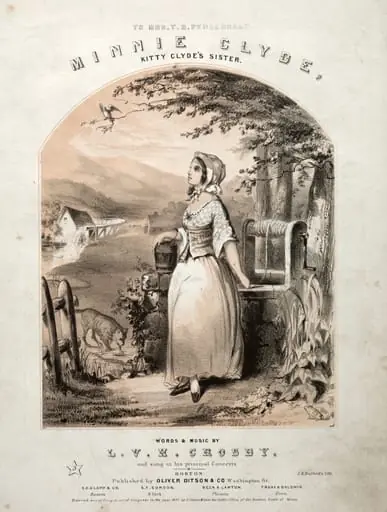
- Minnie Clyde - Sheet Music Cover
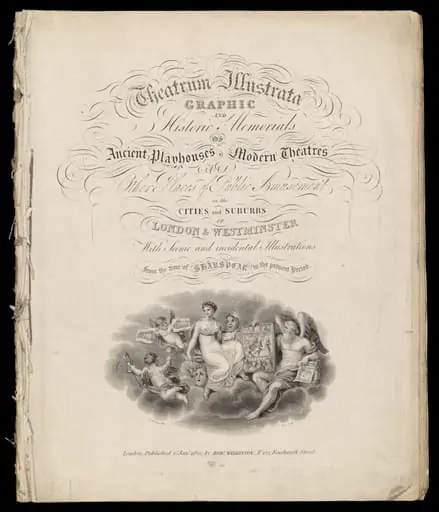 H Beard Print Collection
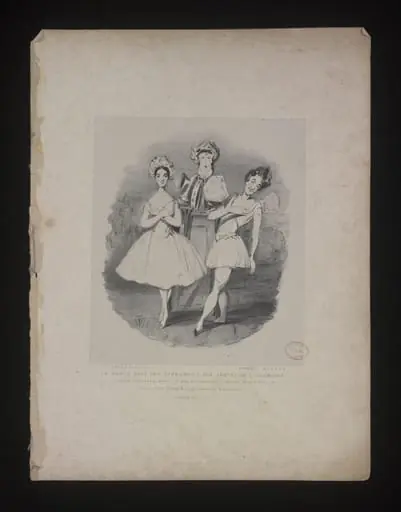 La danse fait ses offrandes sur l'autel de l'harmonie
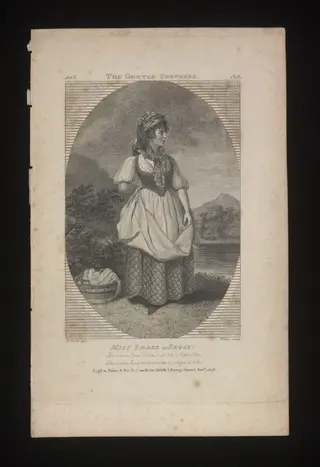 Miss Leake as Peggy
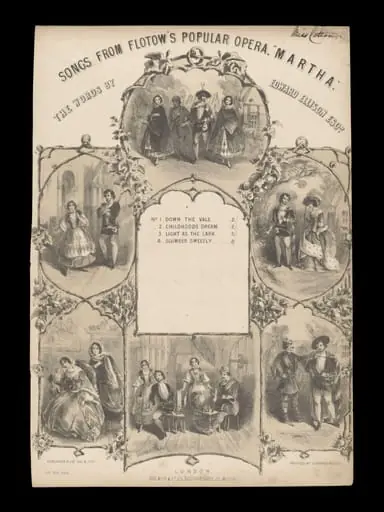 H Beard Print Collection
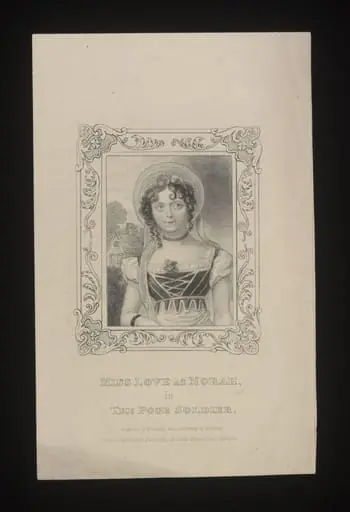 Miss Love as Norah in The Poor Soldier
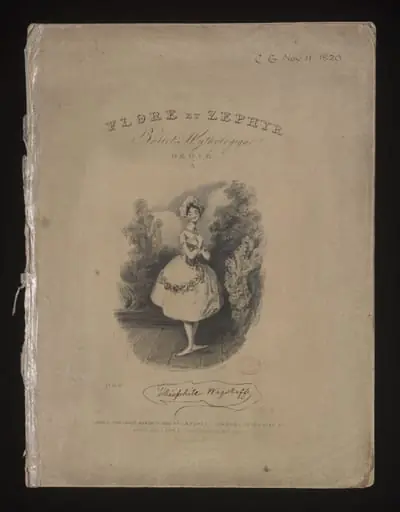 Flore et Zephyr, Ballet Mythologique
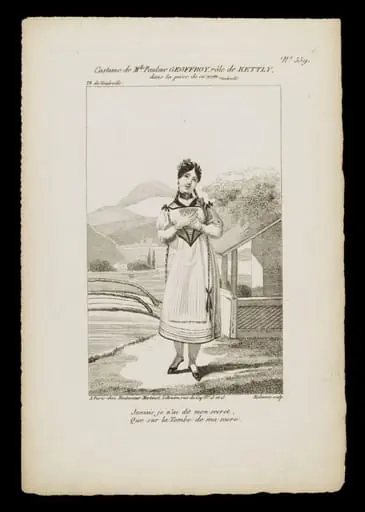 H Beard Print Collection
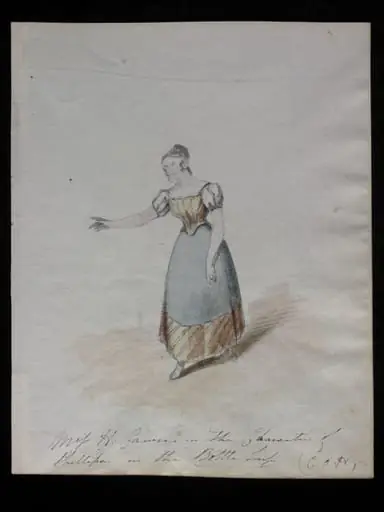 Miss H. Cawse in the character of Phillipa in The Bottle Imp
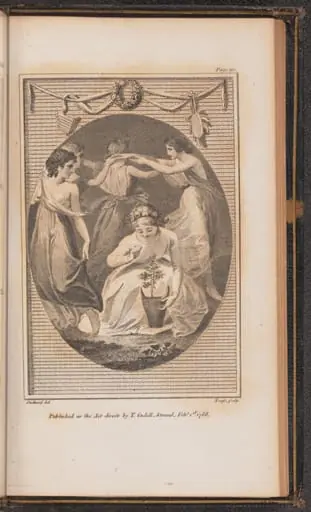 Illustration for Canto V
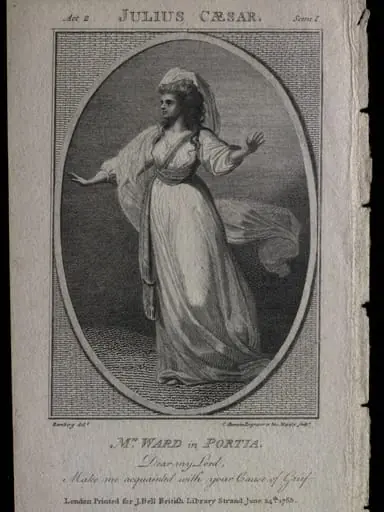 H Beard Print Collection
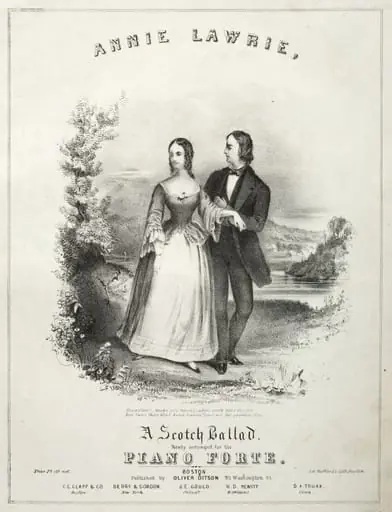 Annie Laurie - Sheet Music Cover