Artist
Subject
Biology
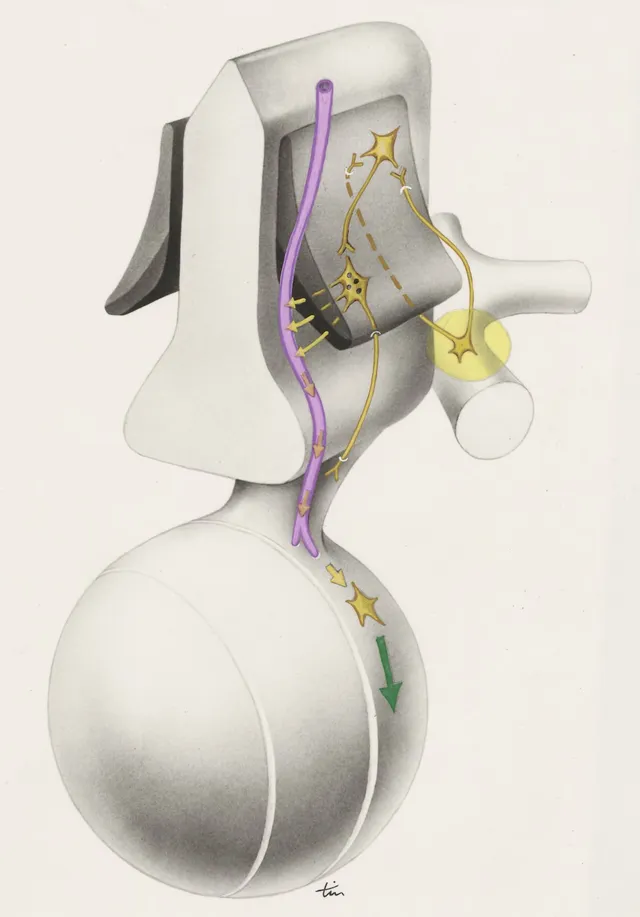
Biology is a subject in art. The gallery holds 32 works in this subject in art, including works by J Tinkelenberg, H.G, Wetselaar and J Wetselaar-Whittaker.
Biology is the scientific study of life and living organisms. It is a broad natural science that encompasses a wide range of fields and unifying principles that explain the structure, function, growth, origin, evolution, and distribution of life.
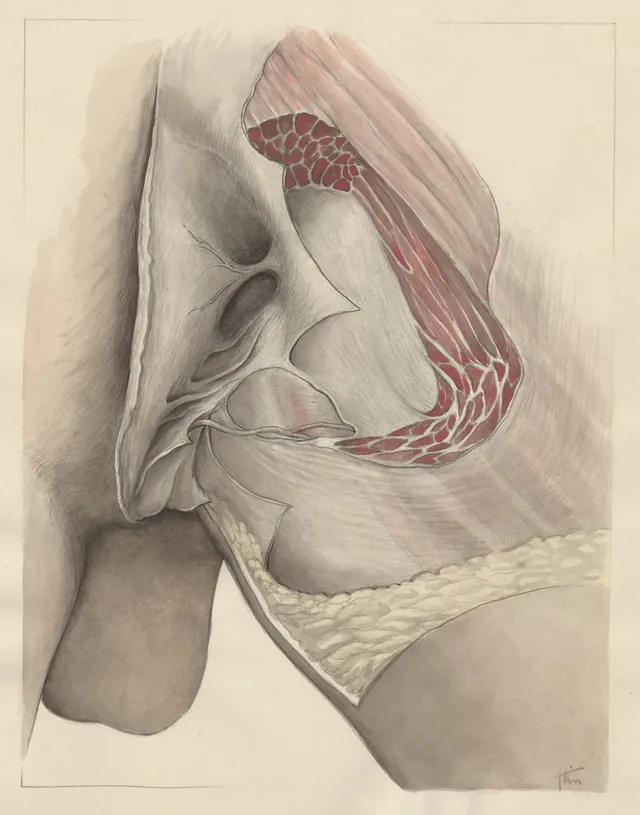
Key artists
Overview
Biology is the natural science dedicated to the study of life and living organisms. It encompasses a vast range of fields and unifying principles that explain the structure, function, growth, origin, evolution, and distribution of living things. The discipline examines life across multiple levels of organization, from molecules and cells to organisms, populations, and ecosystems. Central to modern biology are five fundamental themes: the cell as the basic unit of life, genes as the basis of inheritance, evolution as the driver of diversity, energy transformation for sustaining life processes, and homeostasis for maintaining internal stability. As an exact natural science, it relies on experimental, quantitative approaches and causal explanations, utilizing observation, experimentation, and mathematical modeling to investigate biological phenomena.
Across movements & periods
The study and representation of biology have transformed significantly over time. Ancient roots trace to Egypt and Mesopotamia around 3000 to 1200 BCE, shaping Greek natural philosophy where Aristotle explored biological causation and Theophrastus studied plants. From antiquity through the Middle Ages, biological thought relied on natural observation, often interpreted through elemental theories or spiritual doctrines like the biblical Genesis. The scientific revolution of the early modern period shifted focus away from the supernatural. In the 16th and 17th centuries, anatomical dissections resumed, and Anton van Leeuwenhoek's improvements to the microscope revealed microscopic life, spurring new interest in entomology and dissection techniques. By the 19th century, the focus shifted to the cell as the central unit of life, consolidated into cell theory by Schleiden, Schwann, Remak, and Virchow. The 20th century brought the expansion of molecular biology, allowing structures like DNA, enzymes, and membranous systems to be visualized and analyzed at the atomic level, while statistical methods replaced purely anecdotal descriptions of natural phenomena.
Notable depictions
The term biology itself emerged in the late 18th and early 19th centuries. The word first appeared in the title of Michael Christoph Hanow's 1766 work, Philosophiae naturalis sive physicae dogmaticae. It was subsequently introduced in its modern sense independently by multiple figures: Theodor Georg August Roose in 1797, Thomas Beddoes in 1799, Karl Friedrich Burdach in 1800, and Gottfried Reinhold Treviranus and Jean-Baptiste Lamarck in 1802. Lamarck, who defined the term in his 1802 work Hydrogeologie, is notable for presenting early coherent theories of evolution. Charles Darwin and Alfred Russel Wallace later formulated the more successful theory of evolution by natural selection. Gregor Mendel established the principles of biological inheritance in 1865, which, alongside the discovery of the double-helical structure of DNA by James Watson and Francis Crick in 1953, fundamentally altered the discipline's trajectory.
Legacy
The legacy of biology is defined by its transition from observational natural history to a molecular and experimental science. The modern synthesis reconciled Darwinian evolution with classical genetics, creating a unified theoretical framework. The identification of DNA as the carrier of genetic information by Alfred Hershey and Martha Chase, followed by the cracking of the genetic code by Har Gobind Khorana, Robert W. Holley, and Marshall Warren Nirenberg, transformed the field. This molecular focus led to major applications in medicine, agriculture, biotechnology, and environmental science, exemplified by the launch of the Human Genome Project in 1990. Philosophically, the discipline's legacy includes an ongoing debate over the definition of life itself, with figures like Claude Bernard arguing that life can only be characterized rather than defined, and later thinkers like Albert Szent-Gyorgyi and Francois Jacob suggesting that as biological mechanisms are reduced to physicochemical processes, the distinct concept of life evaporates, leaving only the algorithms of the living world.
Works
 Part of the central nervous system
 Tissue of the buttocks
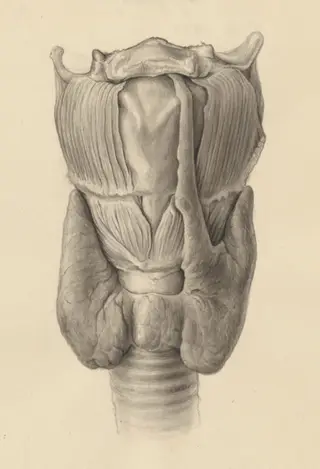 Glands of internal secretion
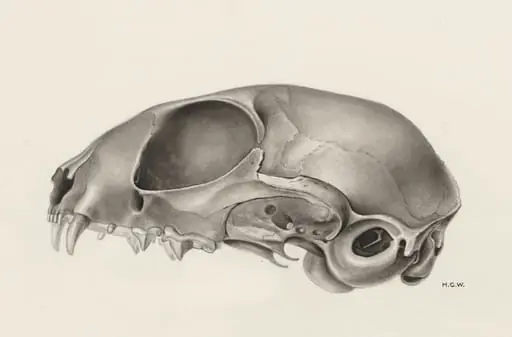 Skull of a feline
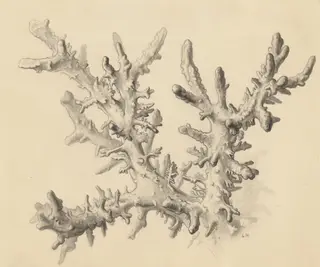 Part of the human anatomy
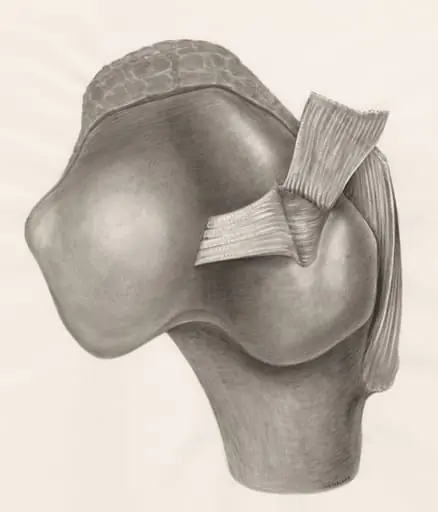 Muscular tissue on a joint
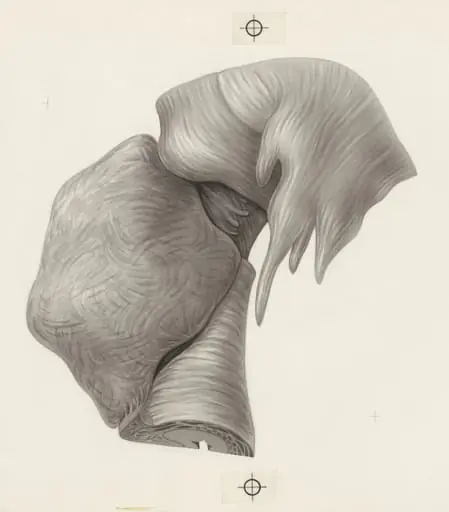 Human tissue
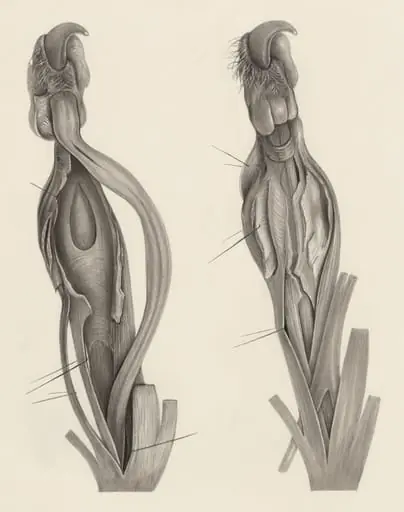 Muscular tissue of an animal paw
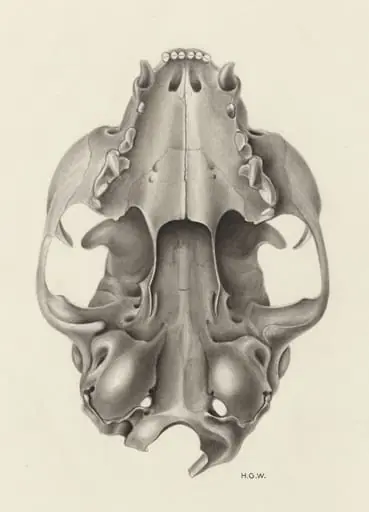 Skull of a feline seen from below
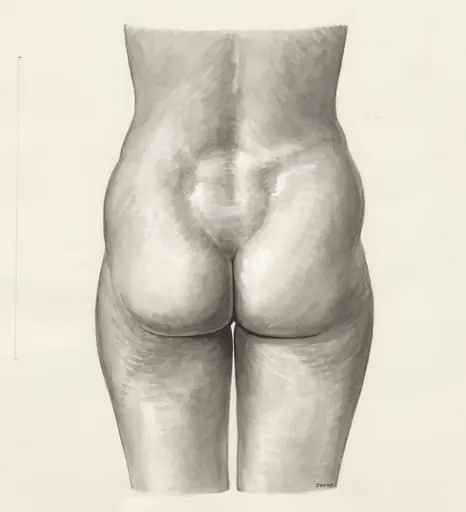 Female lower back and buttocks
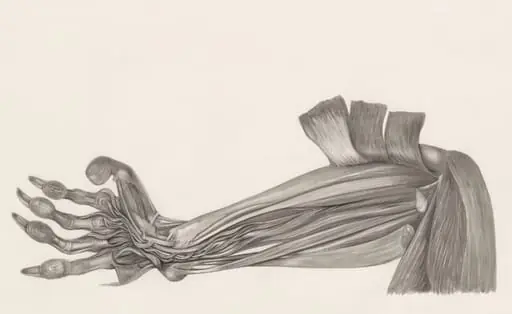 Muscular tissue of an animal arm
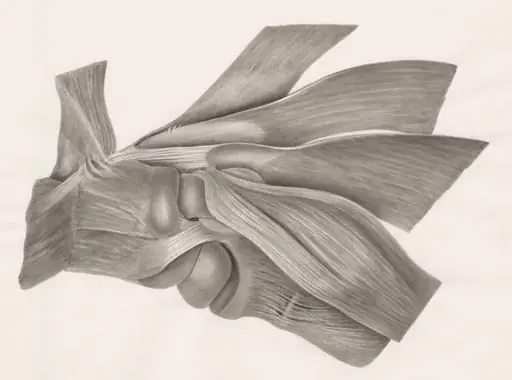 Muscular tissue
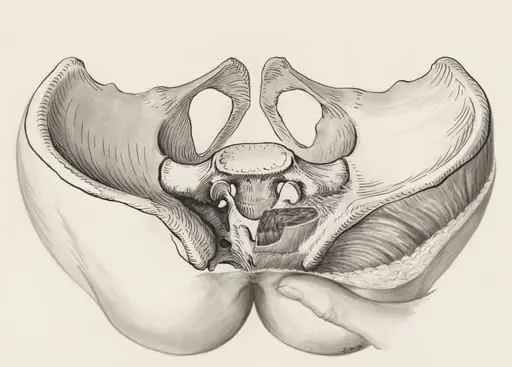 Cross section of the pelvis
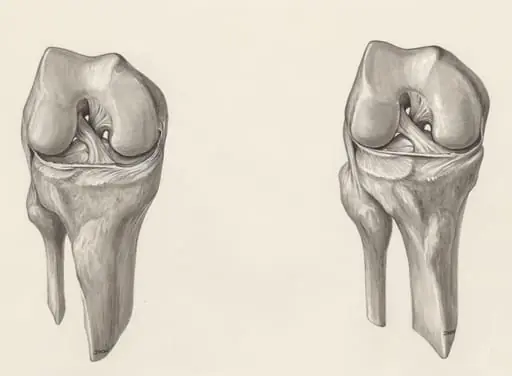 Muscular tissue of a joint
 Female torso, holding up the right arm
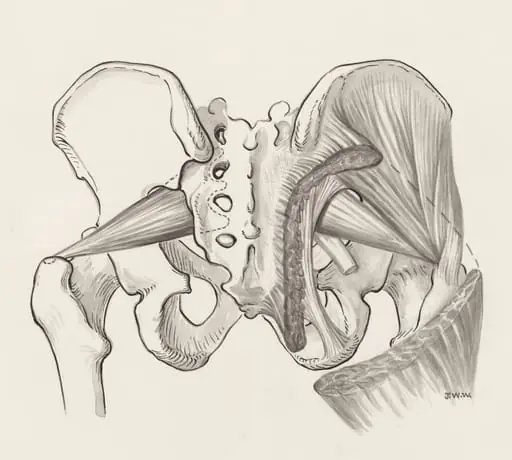 Muscular tissue of the pelvis
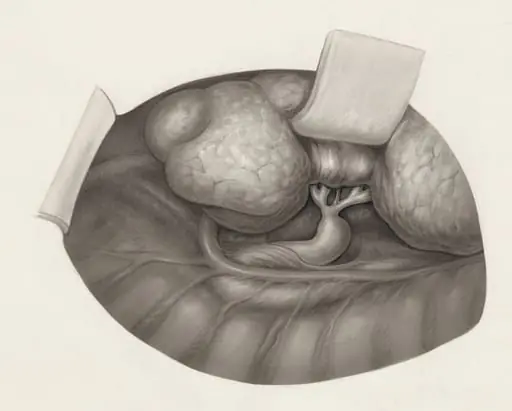 Human organs
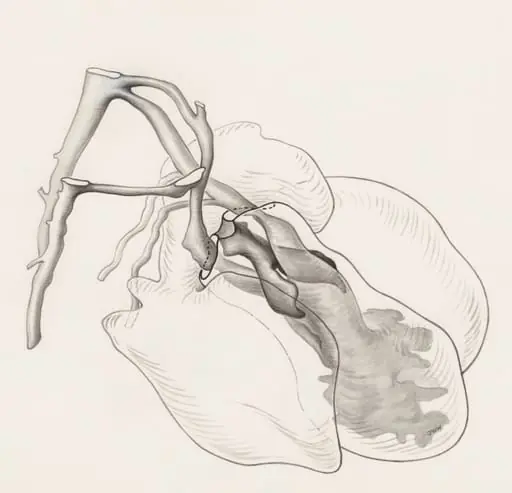 Tissue of the human embryo
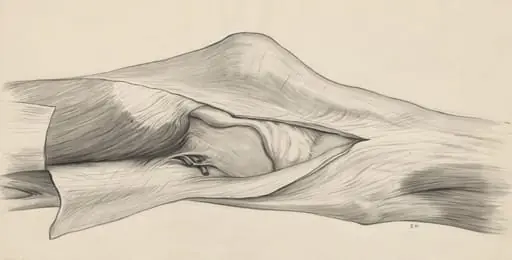 Knee joint
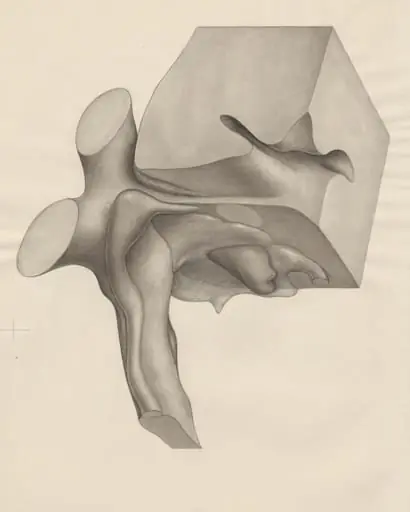 Undefined tissue
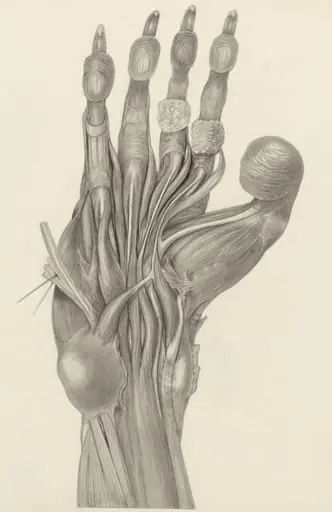 Muscular tissue of the claw of a mammal
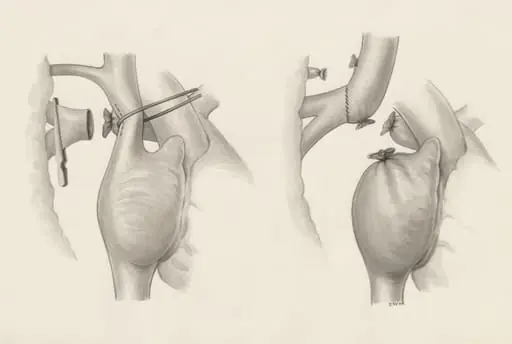 Heart surgery
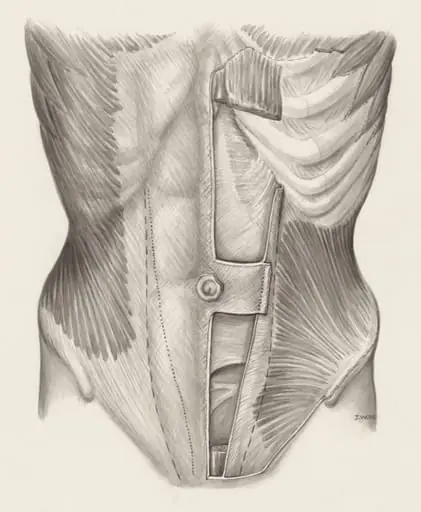 Muscular tissue of the abdomen
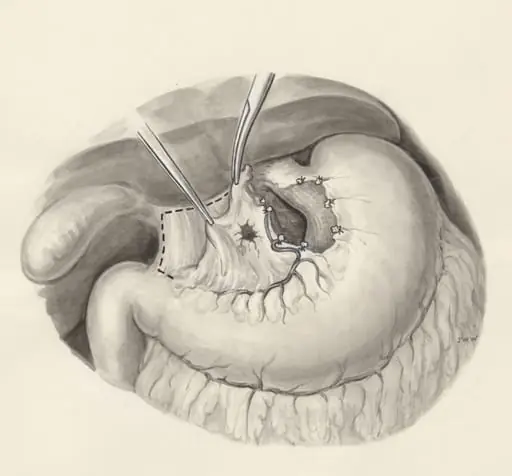 Surgery on a part of the human body
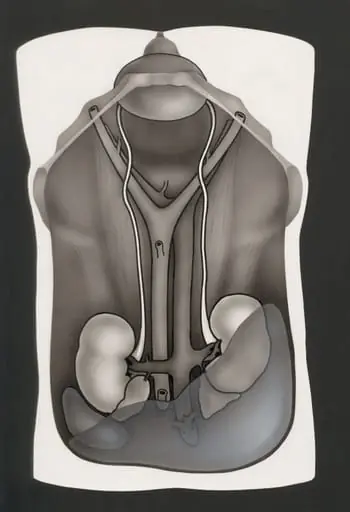 Opened abdominal cavity, with the kidneys
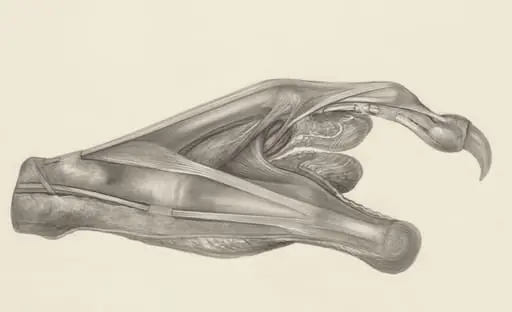 Muscular tissue of the claw of a gray four-eyed opossum
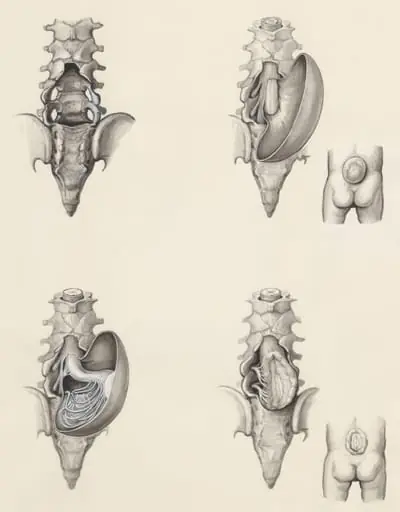 Protrusion of the lower back
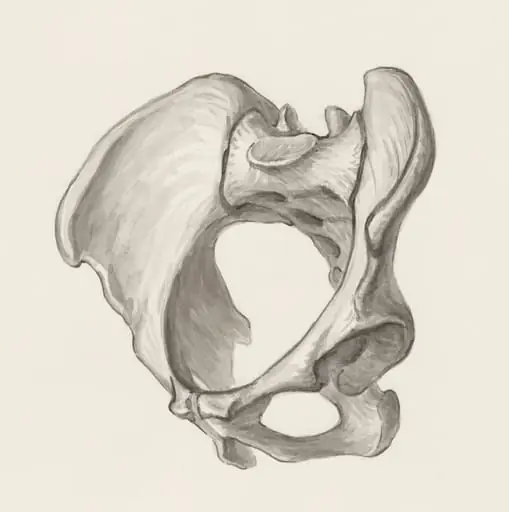 Pelvis bones
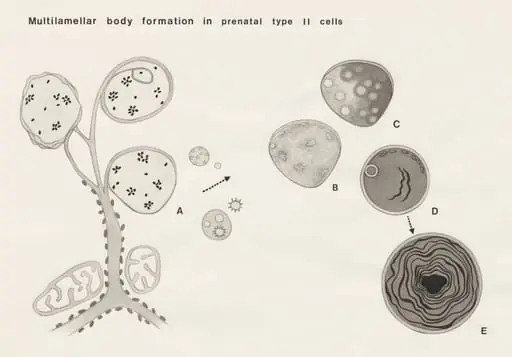 Multilamellar body formation in prenatal type II cells
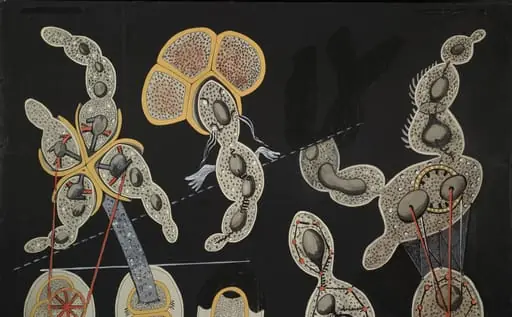 Untitled
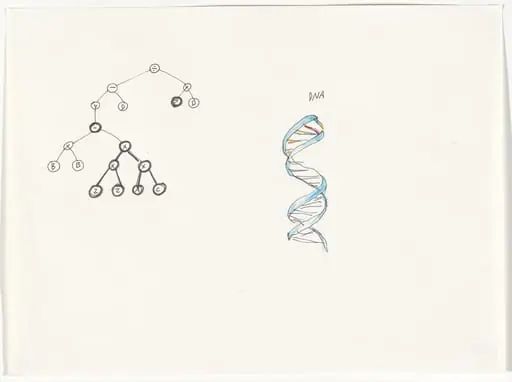 Untitled
 Untitled
Frequently asked questions
What is Biology?
Biology is the scientific study of life and living organisms.
How many Biology works does Artifact World Gallery have?
Artifact World Gallery holds 32 public-domain Biology works, all free to view and download.
Who are the key Biology artists?
Key Biology artists in the collection include J Tinkelenberg, H.G, Wetselaar and J Wetselaar-Whittaker.
Where can I see Biology works?
Biology works in the collection are held by Leiden University Libraries and Museum of Modern Art.