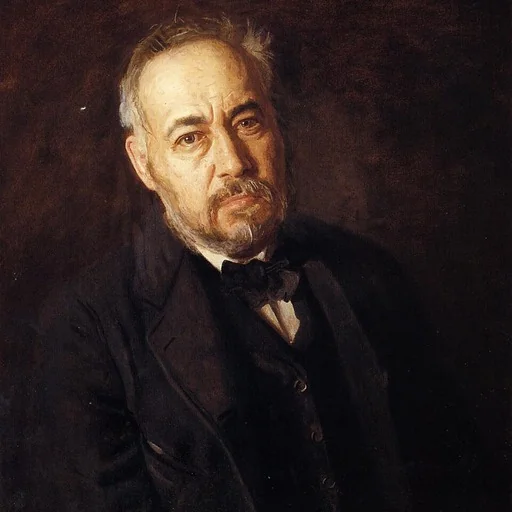
Subject
Medicine
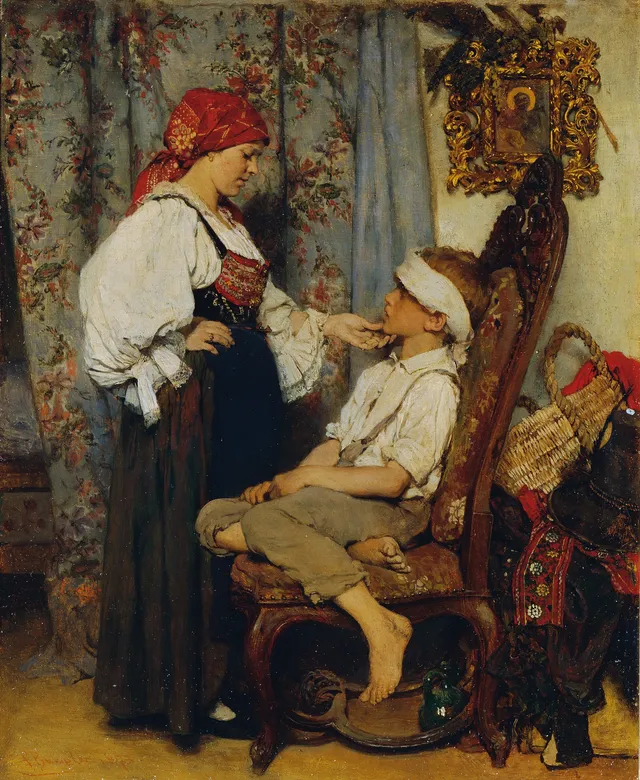
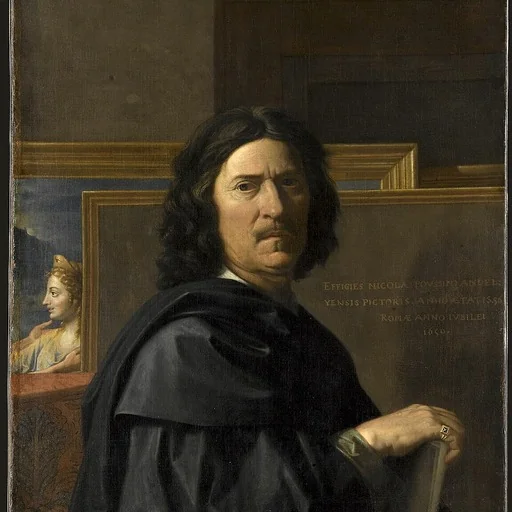
Medicine is a subject in art. The gallery holds 58 works in this subject in art, including works by Thomas Eakins, Gerard ter Borch and Nicolas Poussin.
Medicine is the science and practice of caring for patients, managing the diagnosis, prognosis, prevention, treatment and palliation of their injury or disease, while promoting their health. Medicine encompasses a variety of health care practices which evolved to maintain and restore health through the prevention and treatment of illness and infection.
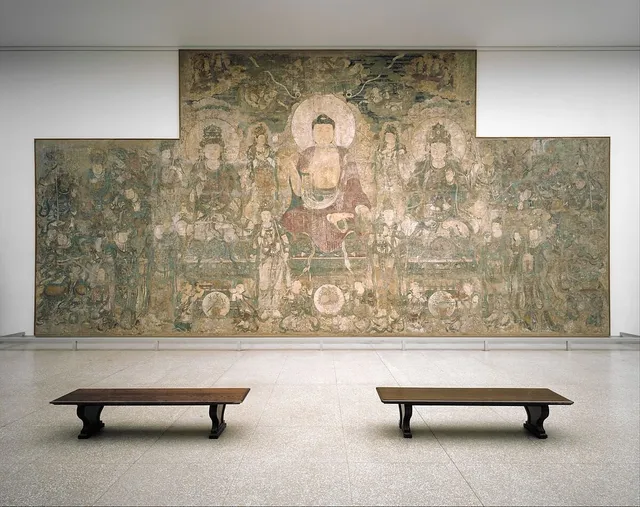
Key artists
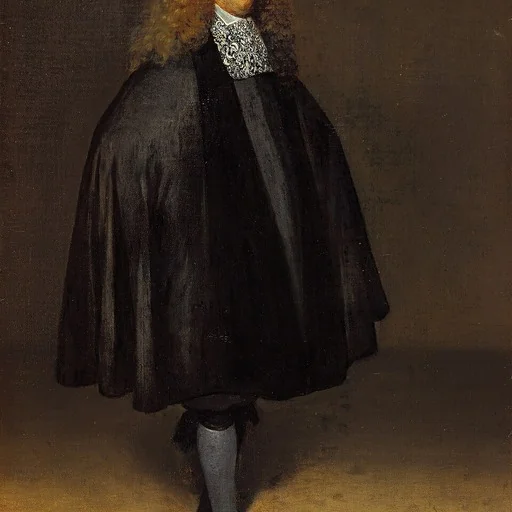
Overview
Medicine as a subject in art encompasses the science and practice of caring for patients, including the diagnosis, prognosis, prevention, treatment, and palliation of injury or disease. The motif recurs across art history because illness, healing, and the human body are universal experiences that intersect with fundamental themes of suffering, compassion, knowledge, and mortality. From ancient religious depictions of healing deities to modern documentary paintings of clinical practice, artists have engaged with medicine as both a practical human activity and a profound cultural symbol. The subject appears in 94 works in this collection, ranging from East Asian Buddhist imagery to nineteenth-century genre painting and modern portraiture, reflecting medicine's persistent hold on the artistic imagination across cultures and periods.
Across movements & periods
The treatment of medicine in art has shifted dramatically across movements and periods, reflecting broader changes in how societies understood the body, disease, and healing. In ancient and medieval contexts, medicine was frequently inseparable from religion: the Egyptian Imhotep, the Greek cults of healing deities, and the Buddhist Bhaishajyaguru all positioned healing within cosmic or divine frameworks. Medieval European monastic institutions preserved and practiced medicine, though the Church's later separation of monastic and medical vocations led to the university-based medical training of the eleventh century onward. The Renaissance and early modern periods saw medicine become increasingly subject to empirical observation, exemplified by the anatomical studies of Andreas Vesalius and the clinical innovations of Ambroise Pare, even as humorism and other prescientific theories persisted. Nineteenth-century realism, as in Eakins's The Gross Clinic, brought new documentary ambition to medical subjects, while also exposing the social dimensions of health and care. The modern period has seen medicine become ever more technological and specialized, a development that art has variously celebrated, critiqued, or rendered visible. Across these shifts, non-Western traditions maintained their own medical iconographies, from the shamanistic practices of North American indigenous peoples, understood as medicine in the broadest sense of restoring harmony between human and environment, to the sustained Buddhist traditions of East Asia.
Notable depictions
Among the collection's notable depictions, Thomas Eakins's The Gross Clinic stands as a canonical work of nineteenth-century American art, renowned for its unsparing realism in portraying Dr. Samuel D. Gross performing surgery before students. The painting broke with academic convention through its contemporary subject matter and dramatic chiaroscuro, becoming a touchstone for discussions of medicine, art, and modernity. The Yuan dynasty Buddha of Medicine Bhaishajyaguru (Yaoshi fo) represents a very different tradition, embodying the healing Buddha in monumental wall painting format and reflecting the integration of medicine into Mahayana Buddhist soteriology. The Testament of Eudamidas, likely referring to a classical subject of filial piety and care for the sick, connects medicine to ethical virtue in the antique mode. Genre works such as Grandmother's visit to the little Convalescent and Der kleine Patient demonstrate how nineteenth-century artists domesticated the medical encounter, rendering illness as a site of familial affection and social observation. Einem verwundeten Offizier wird die letzte Ölung erteilt merges military and sacramental themes, reminding viewers that medicine's boundaries with religion and mortality have never been fixed. The inclusion of Znachor (Witch Doctor) suggests ongoing artistic interest in the margins of official medicine, in healers whose knowledge derives from tradition rather than institutional training.
Legacy
The legacy of medicine as an artistic subject extends beyond individual works to shape how cultures visualize care, knowledge, and the body. The persistence of medical themes across 94 works in this collection testifies to their enduring relevance, even as the specific meanings attached to medicine have transformed. From the spiritual healing embodied by Bhaishajyaguru to the technological confidence of The Gross Clinic and the social compassion of genre painting, these works collectively document the shifting grounds on which medicine has been understood. The subject's afterlife in contemporary art continues to engage with debates about medical ethics, access to care, and the human costs of technological progress. The historical trajectory from medicine as art, through its combination with science, to its current status as a highly specialized biomedical enterprise, mirrors broader patterns in modernity that art both reflects and interrogates. The collection's inclusion of folk and alternative healers alongside institutional medicine preserves a reminder that official medicine has never held a monopoly on the desire to heal or the cultural imagination of how healing occurs.
Works
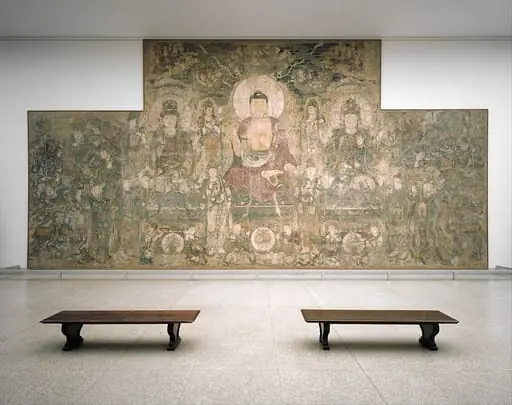 元 廣勝寺 藥師佛法會圖壁畫|Buddha of Medicine Bhaishajyaguru (Yaoshi fo)
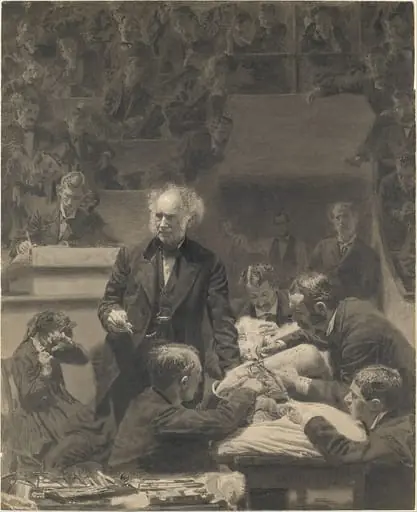 The Gross Clinic
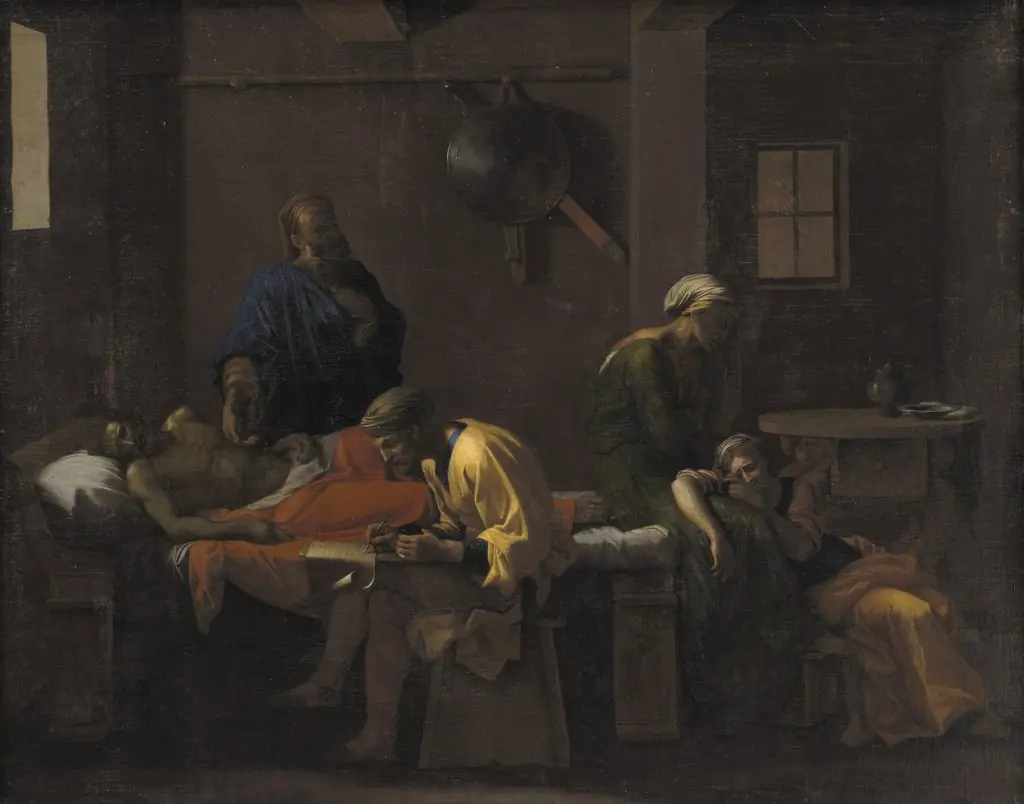 The Testament of Eudamidas
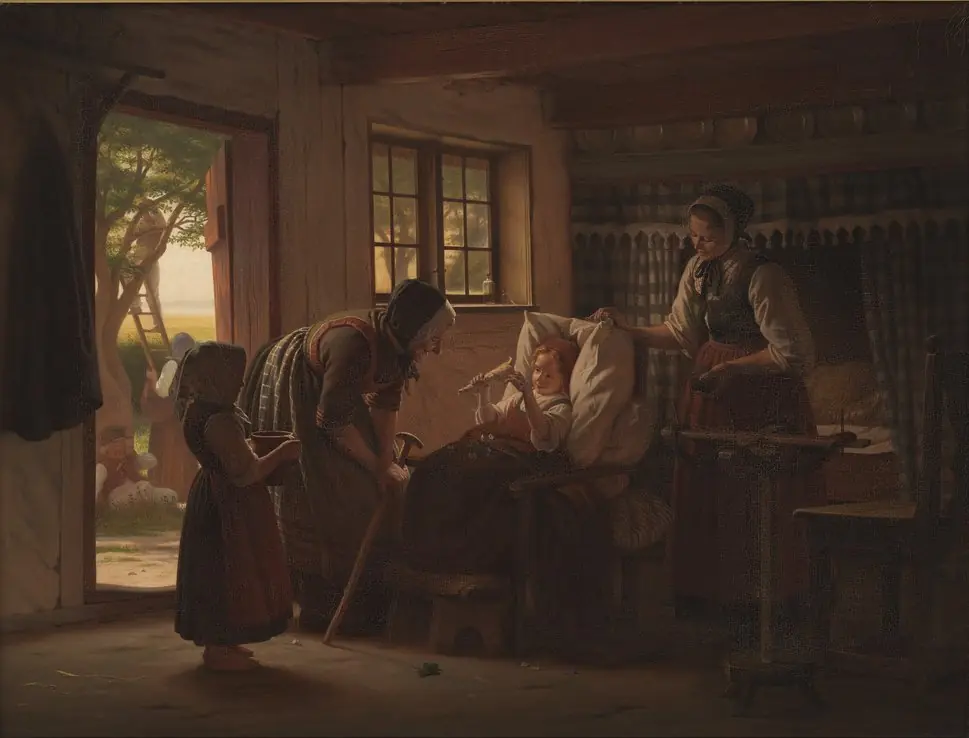 Grandmother's visit to the little Convalescent
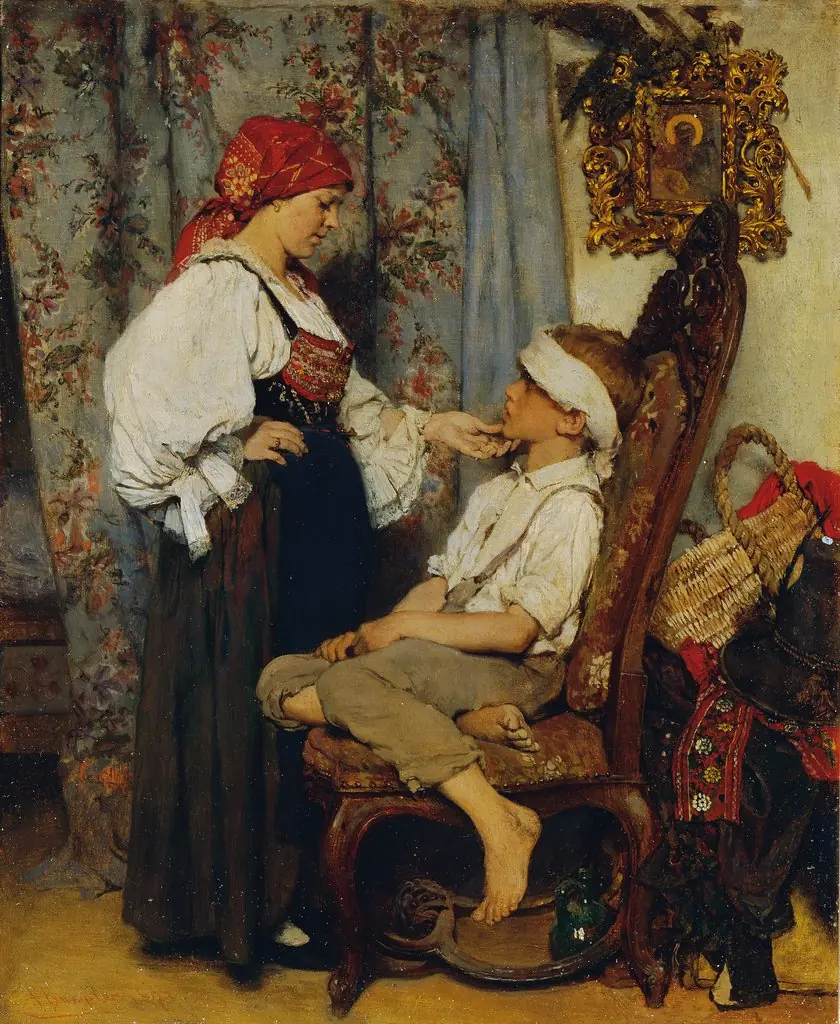 Der kleine Patient
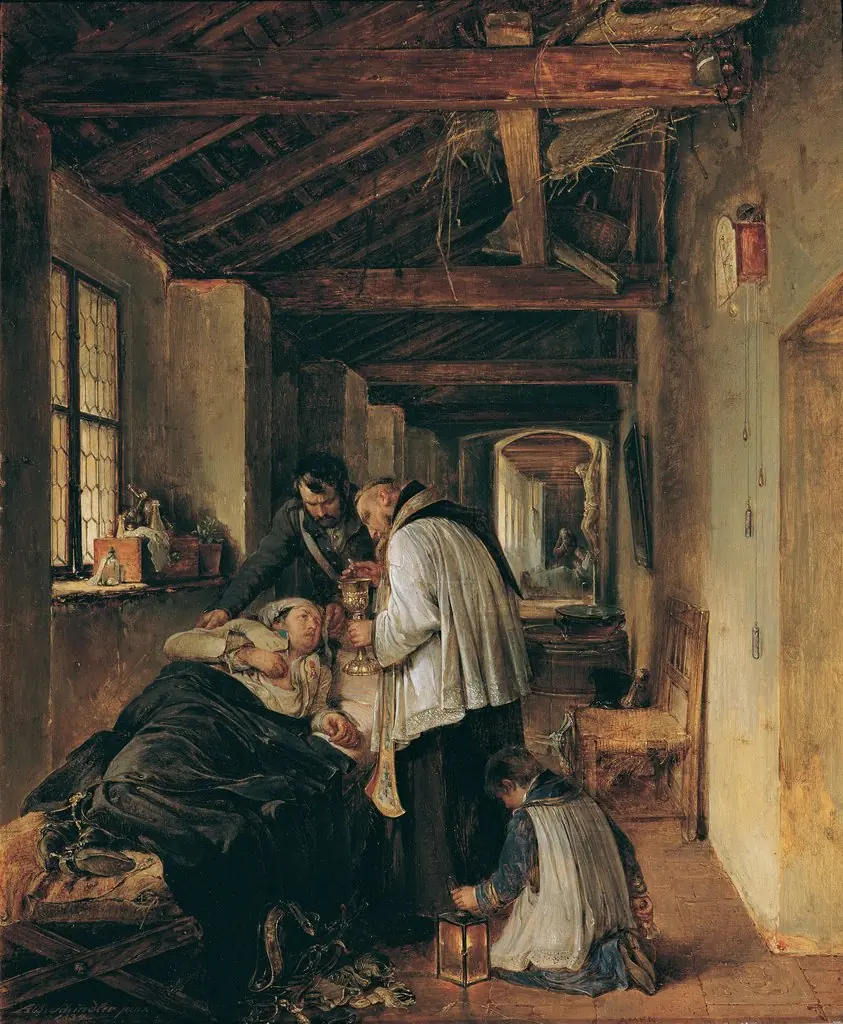 Einem verwundeten Offizier wird die letzte Ölung erteilt
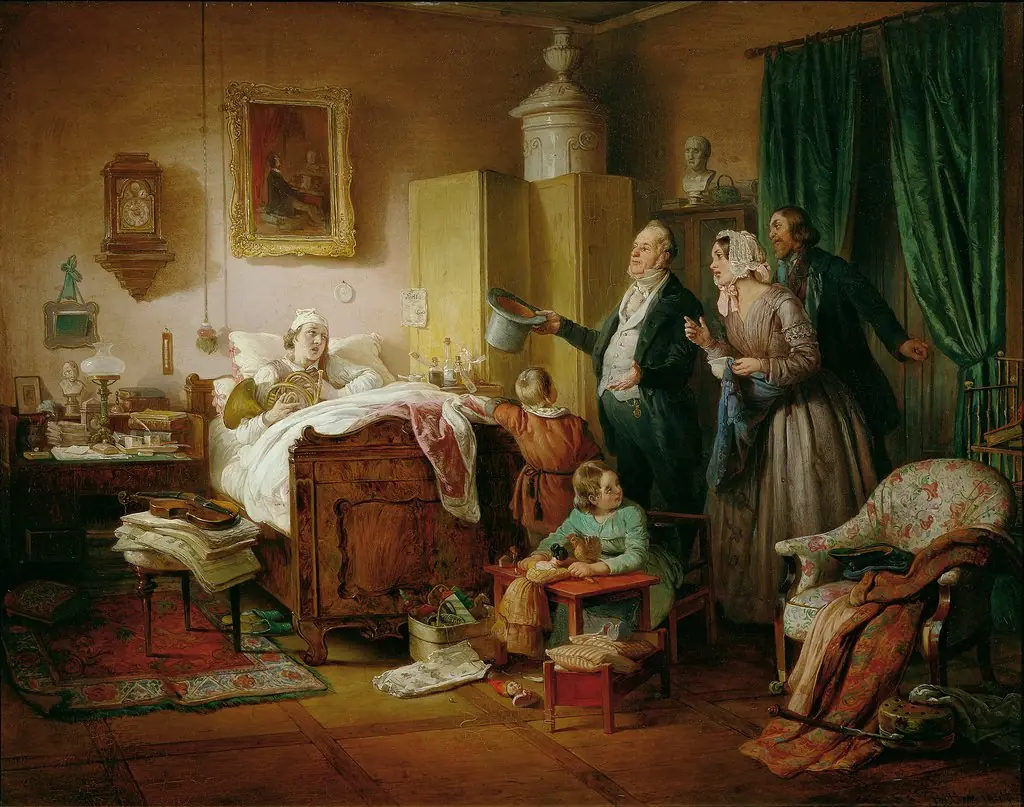 Der kranke Musiker
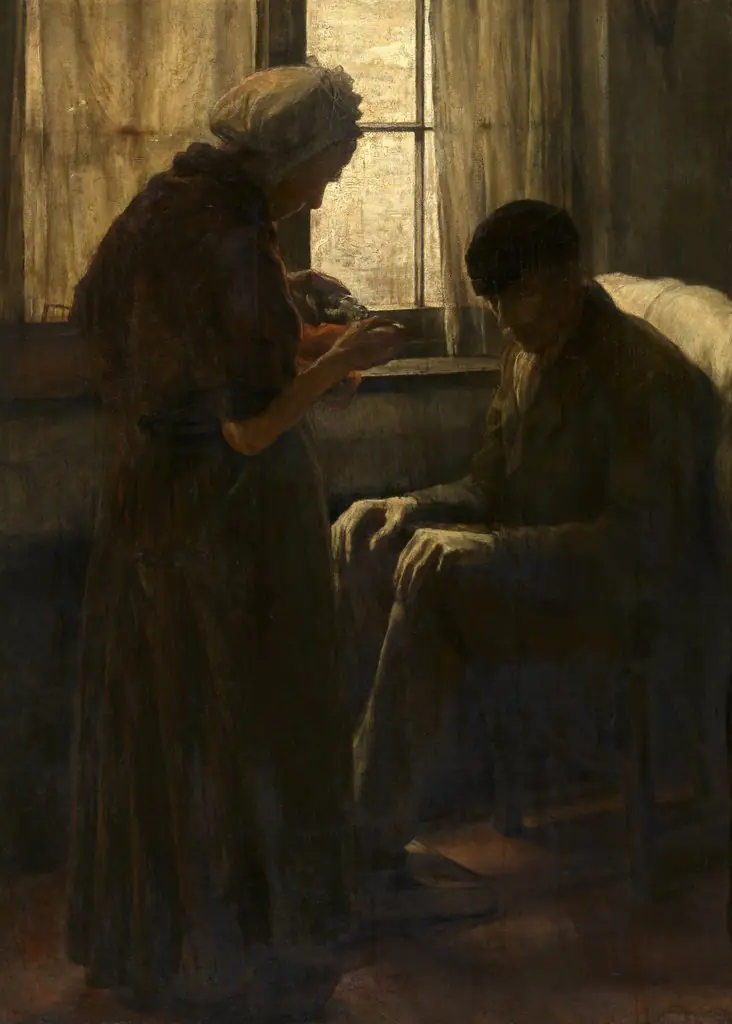 The Breadwinner
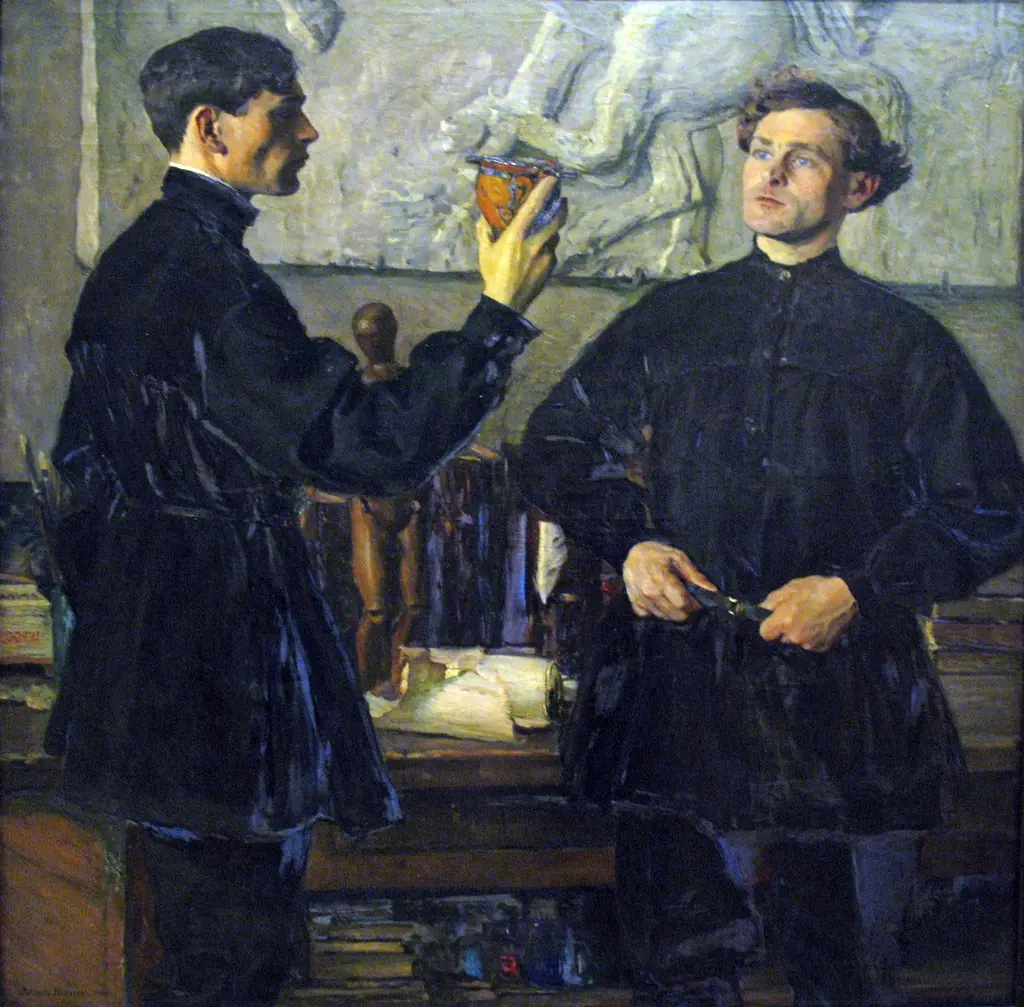 Portrait of the artists P.D. and A.D. Korin
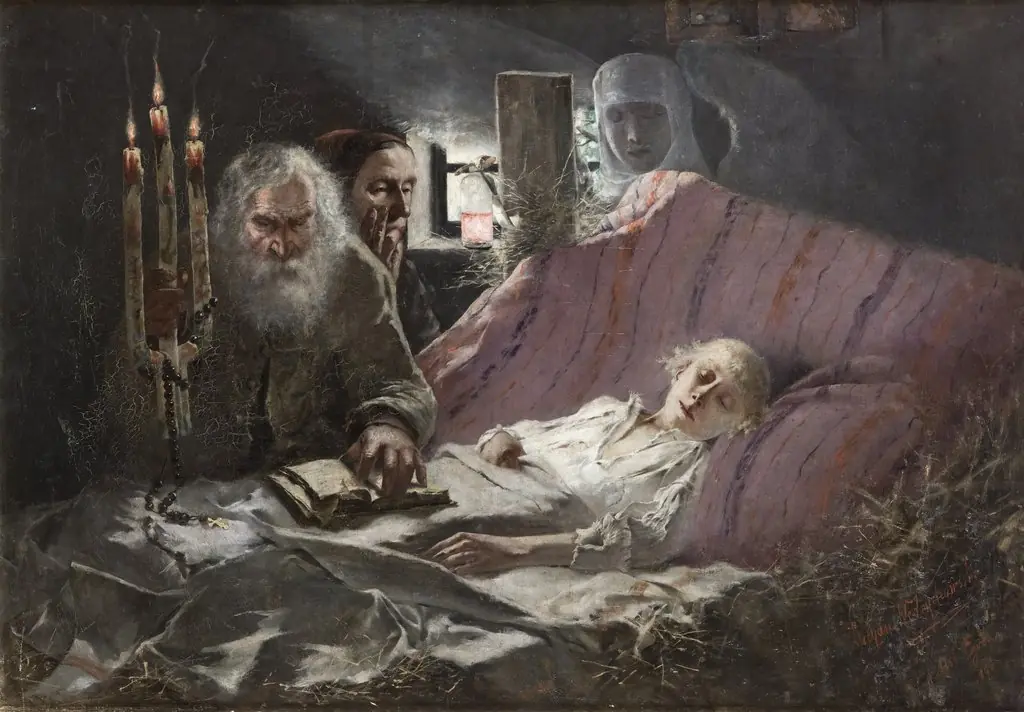 Znachor (Witch Doctor)
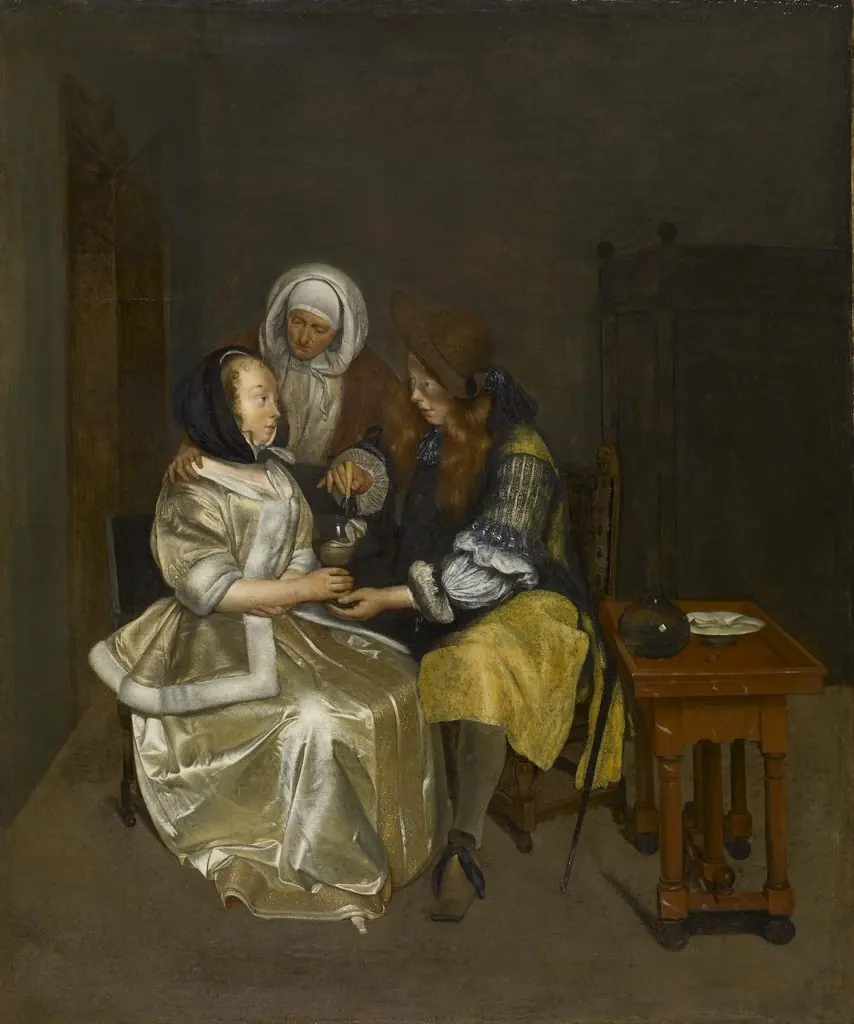 A Glass Of Lemonade
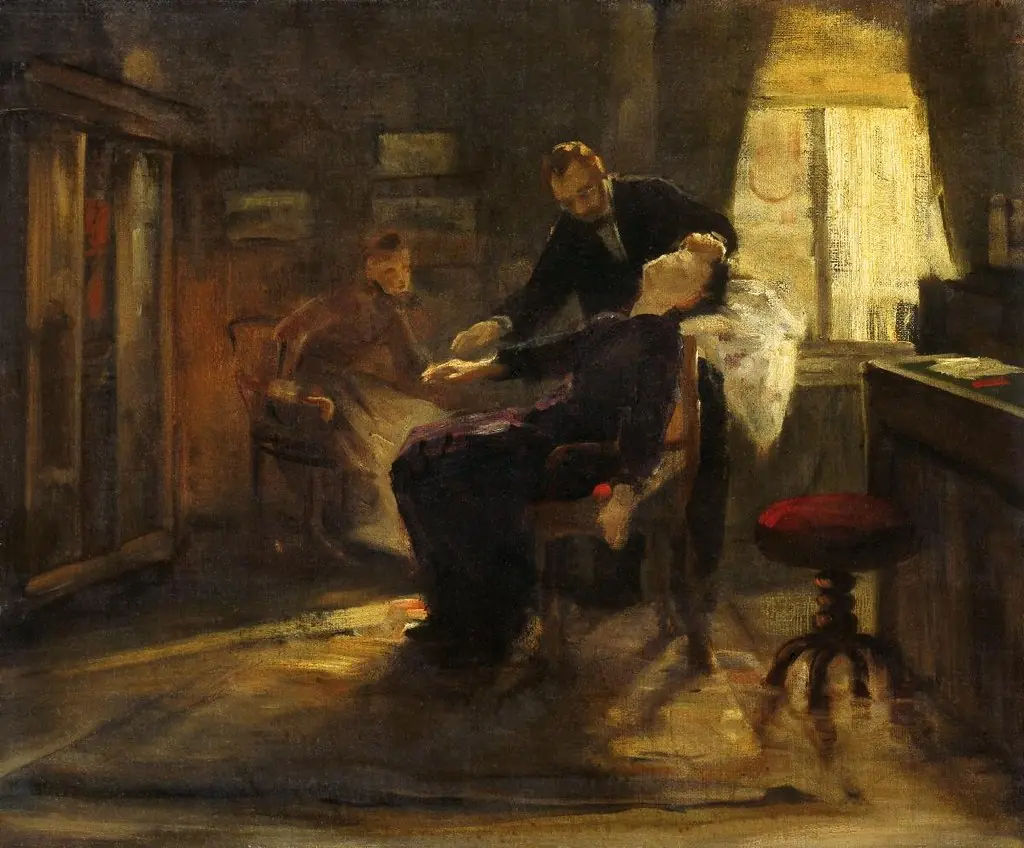 Hypnose bei Schrenck-Notzing
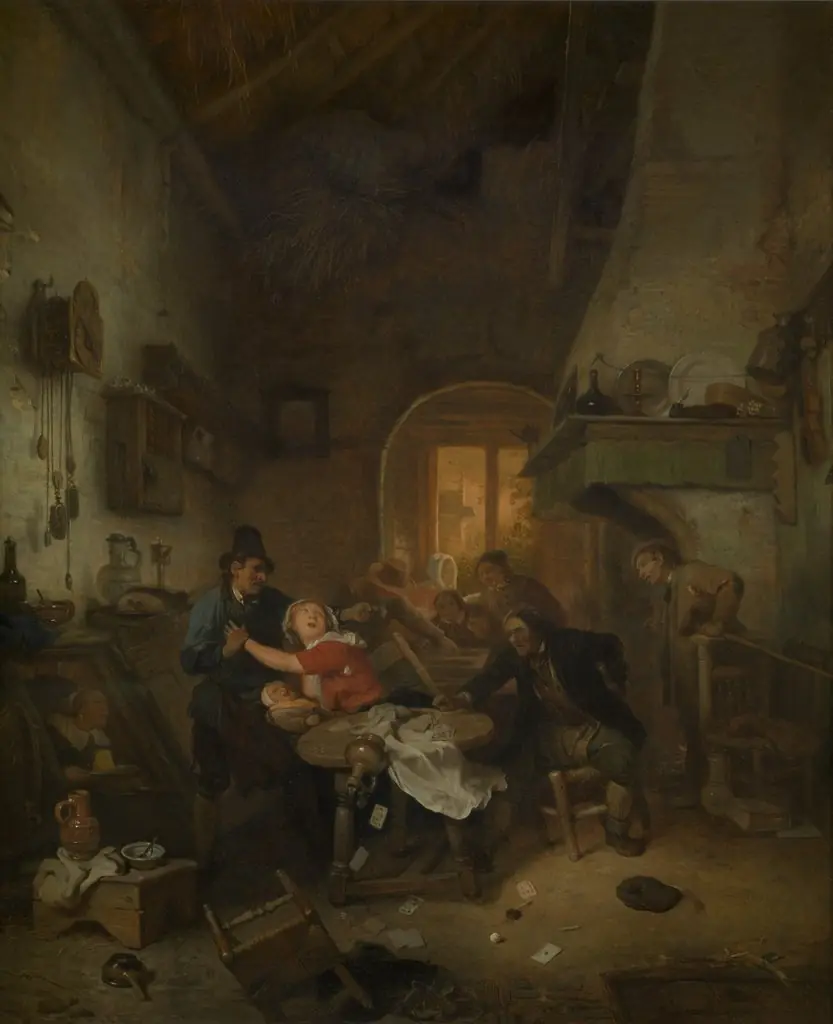 Cardplayers Quarreling
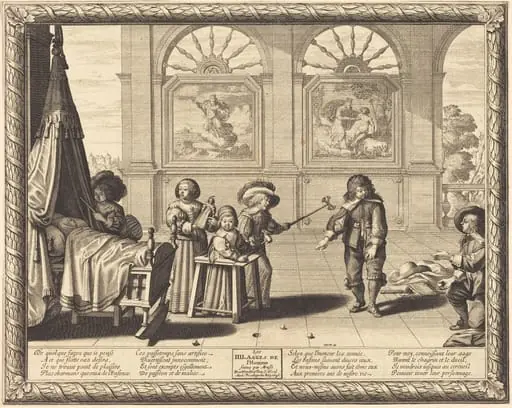 Childhood
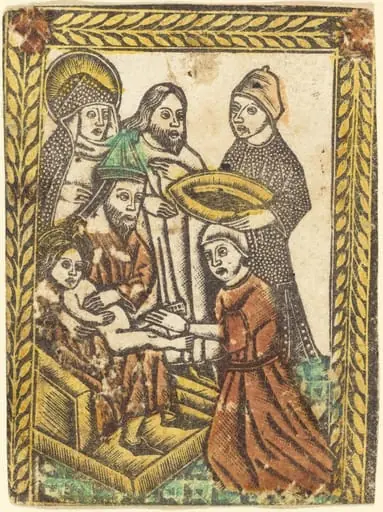 The Circumcision
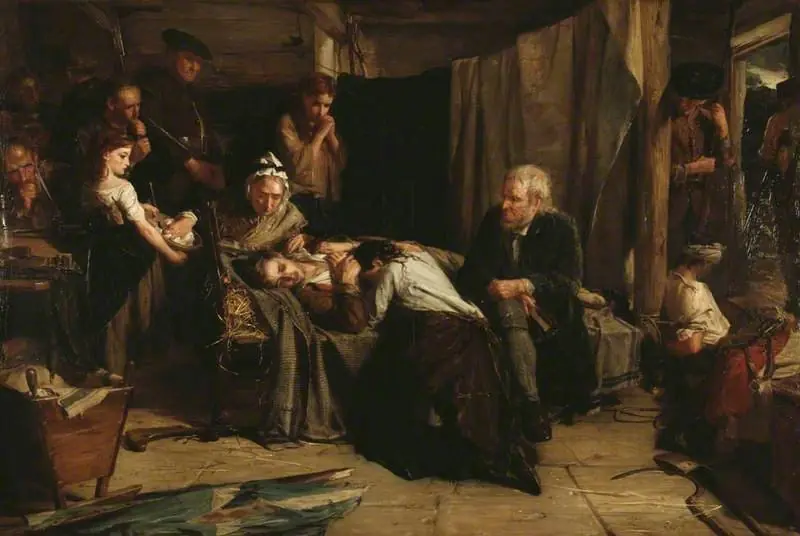 After the Battle
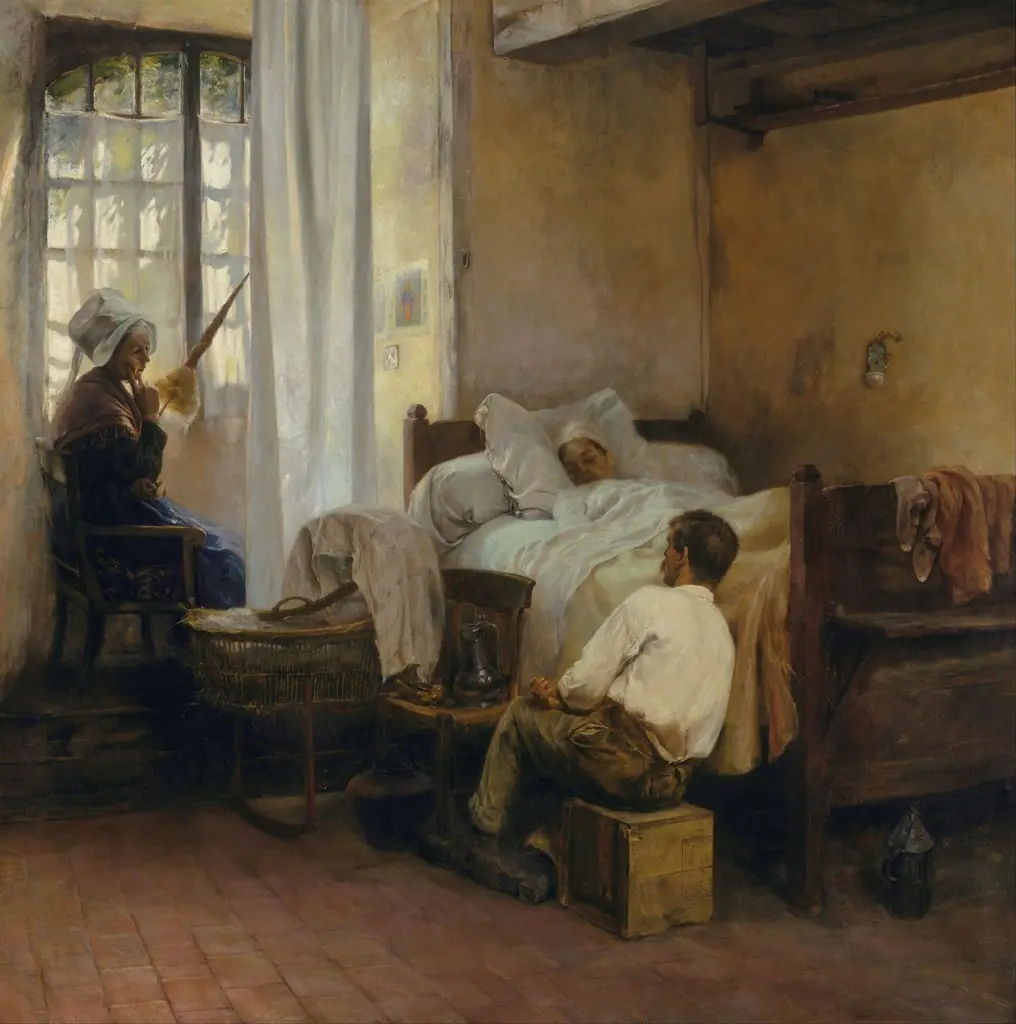 The first born
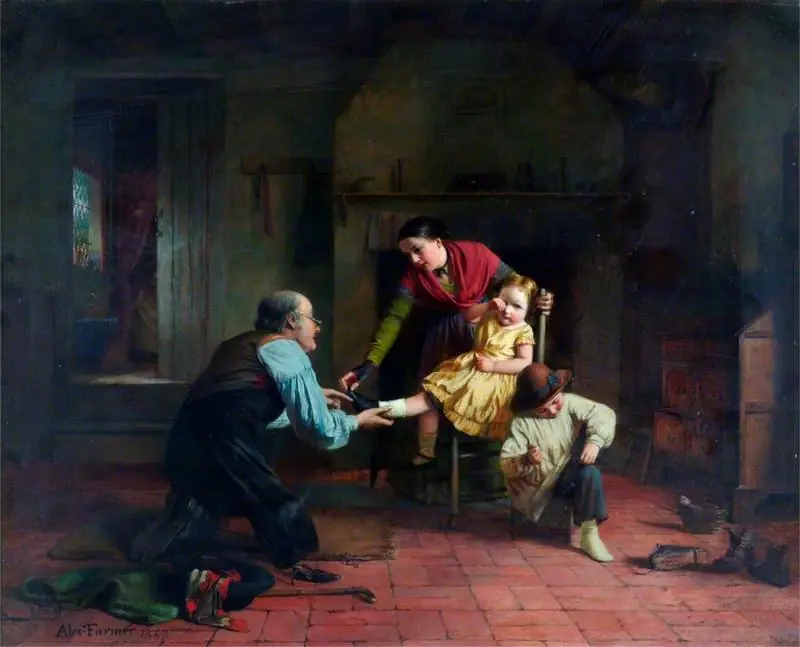 No One Knows Where the Shoe Pinches But Him Who Wears It
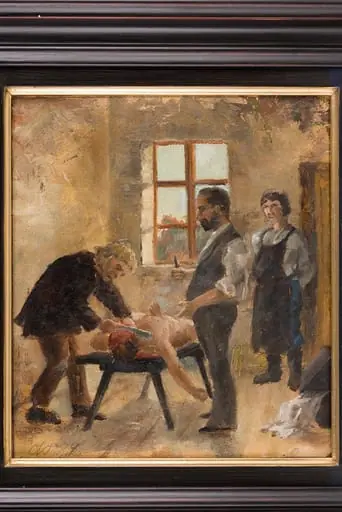 Leikkuusalissa, ruumiin avaus
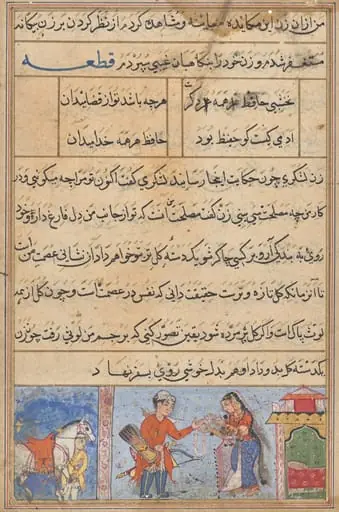 The soldier receives a garland of roses from his wife which will remain fresh as long as she is faithful, from a Tuti-nama (Tales of a Parrot): Fourth Night
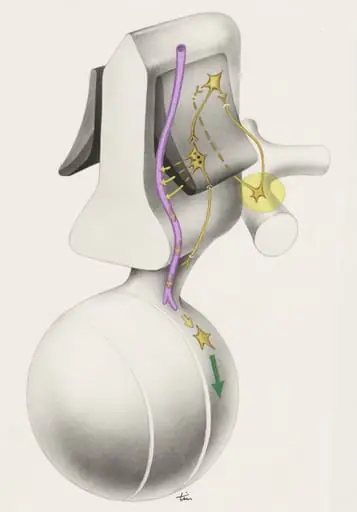 Part of the central nervous system
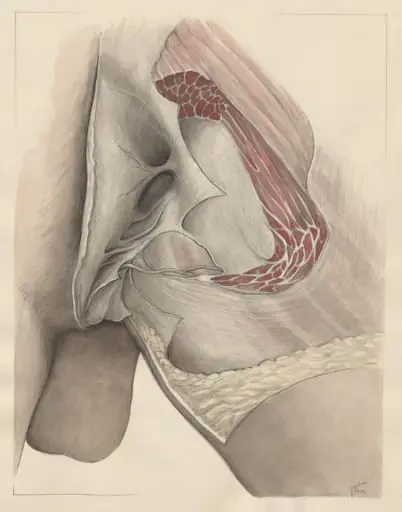 Tissue of the buttocks
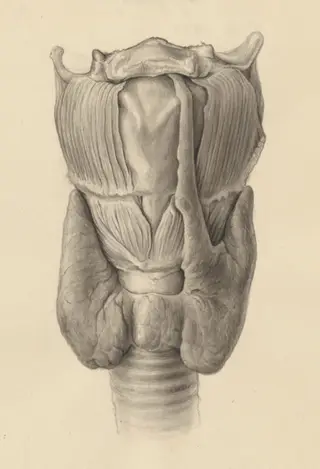 Glands of internal secretion
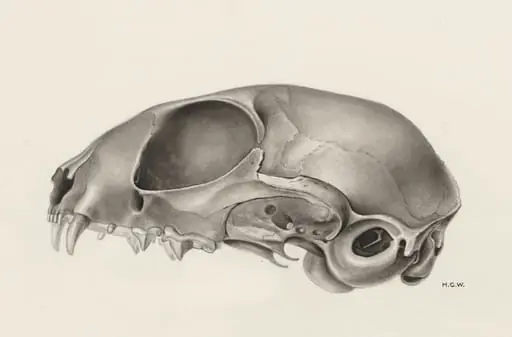 Skull of a feline
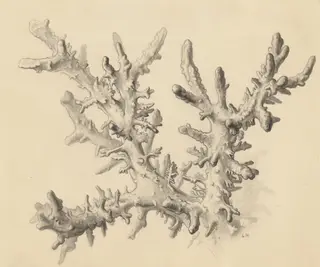 Part of the human anatomy
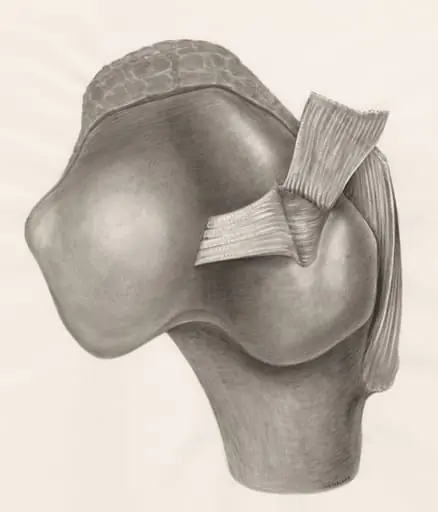 Muscular tissue on a joint
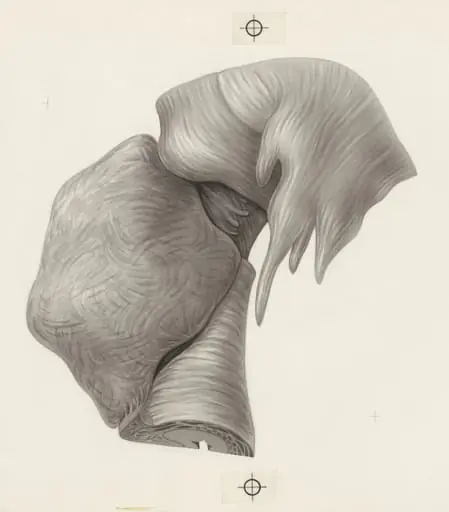 Human tissue
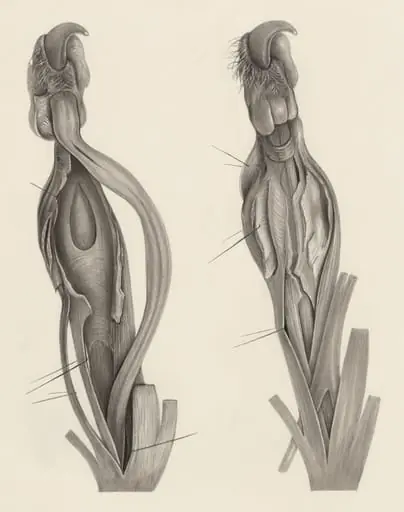 Muscular tissue of an animal paw
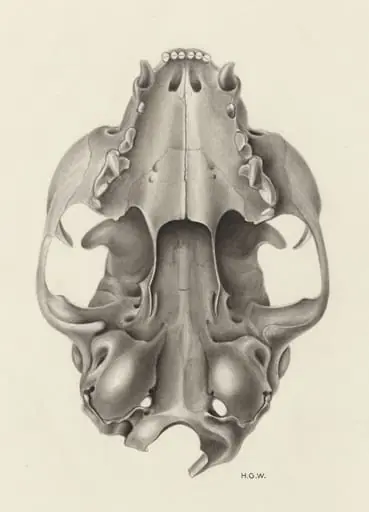 Skull of a feline seen from below
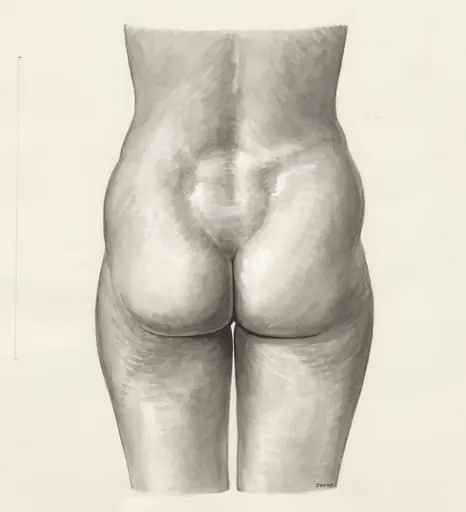 Female lower back and buttocks
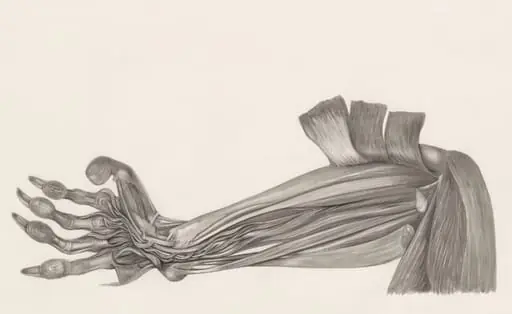 Muscular tissue of an animal arm
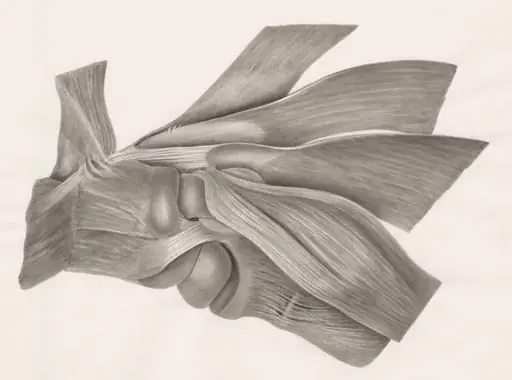 Muscular tissue
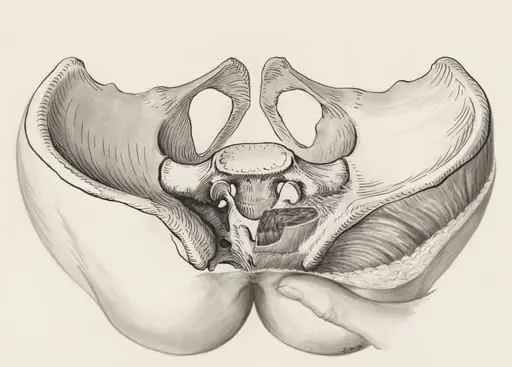 Cross section of the pelvis
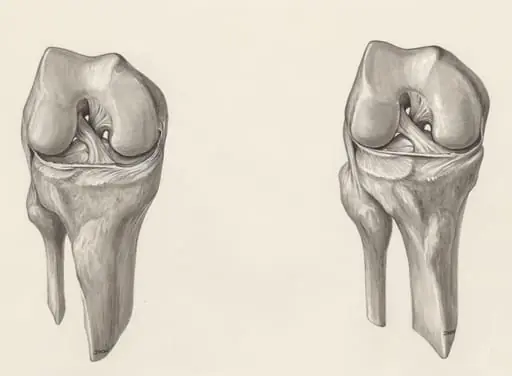 Muscular tissue of a joint
 Female torso, holding up the right arm
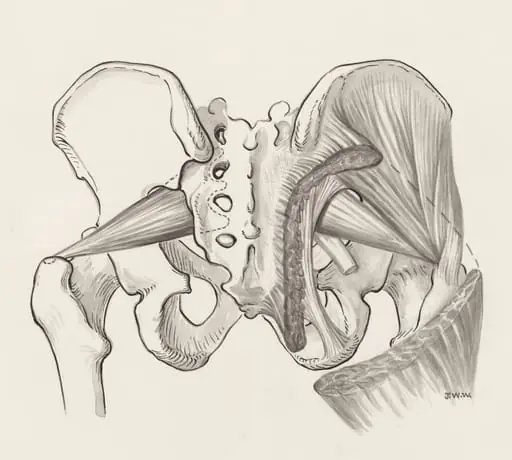 Muscular tissue of the pelvis
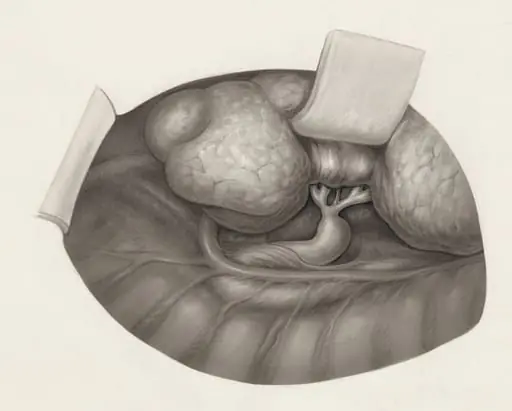 Human organs
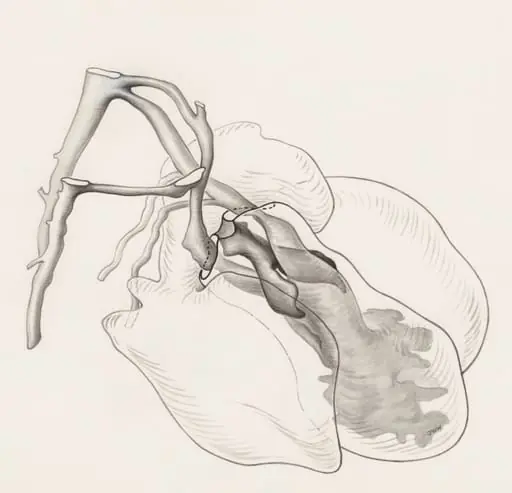 Tissue of the human embryo
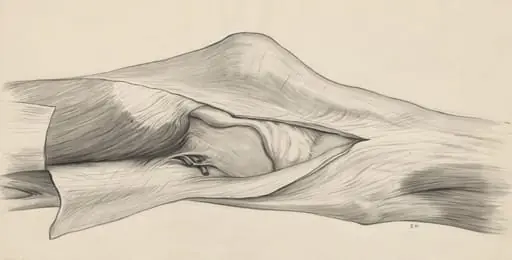 Knee joint
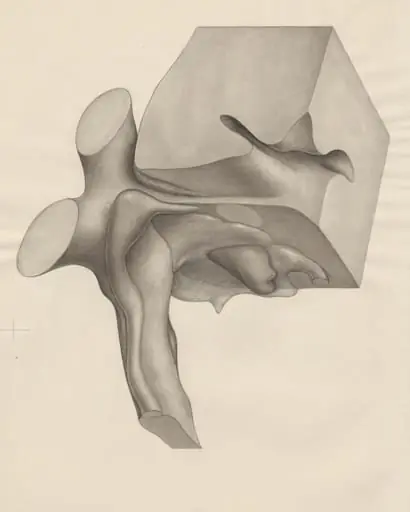 Undefined tissue
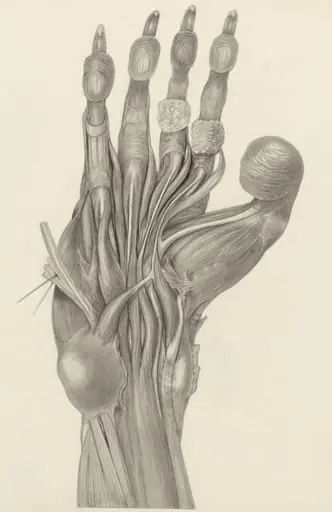 Muscular tissue of the claw of a mammal
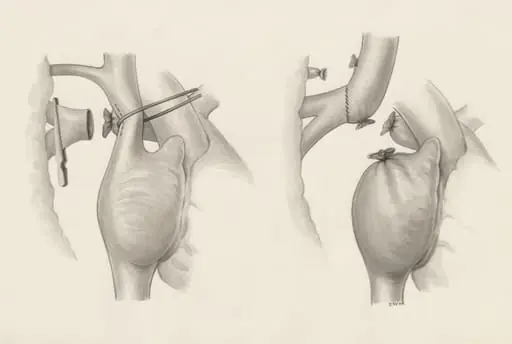 Heart surgery
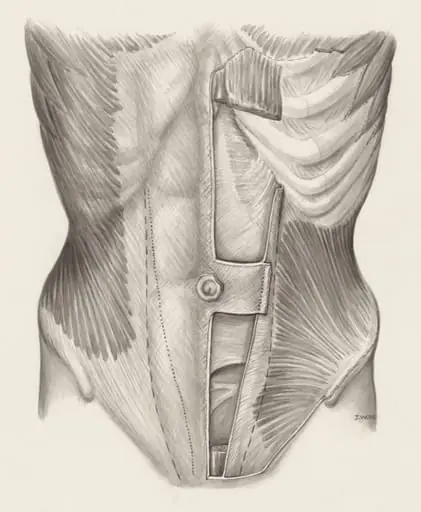 Muscular tissue of the abdomen
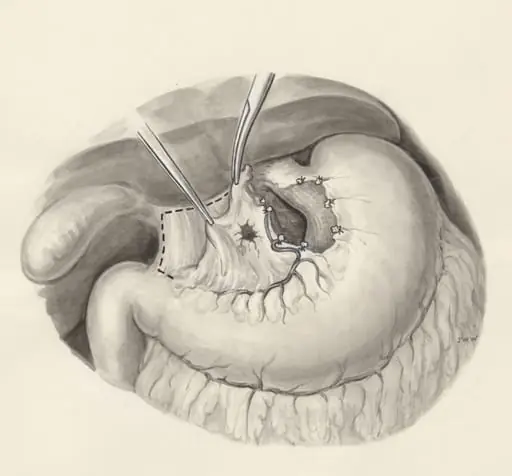 Surgery on a part of the human body
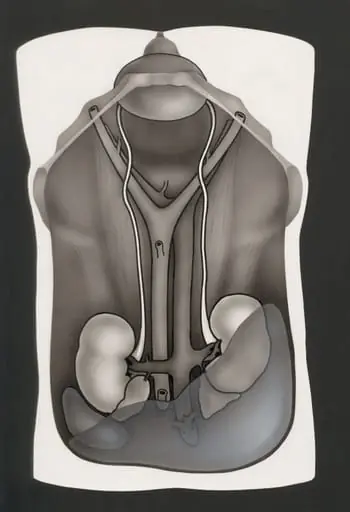 Opened abdominal cavity, with the kidneys
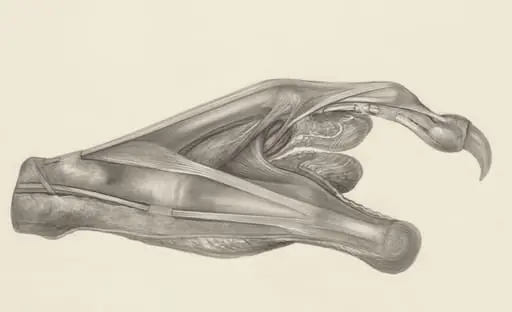 Muscular tissue of the claw of a gray four-eyed opossum
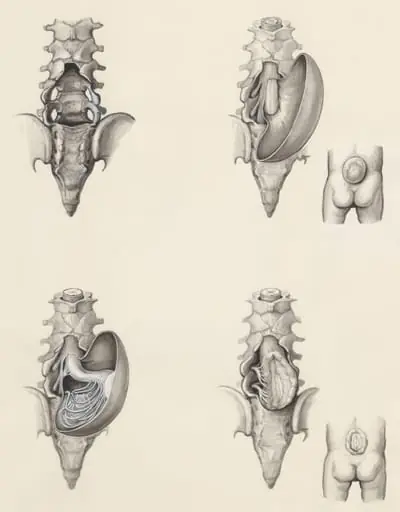 Protrusion of the lower back
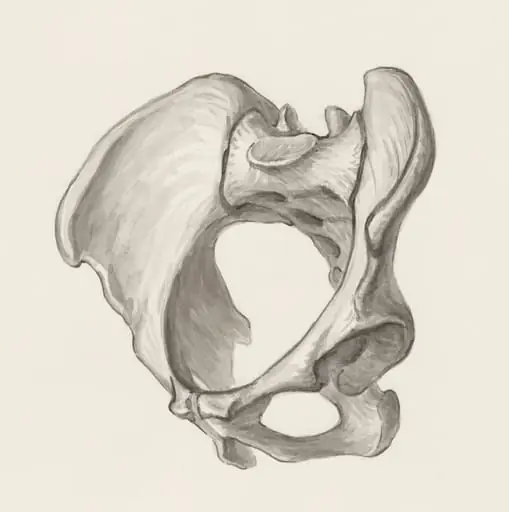 Pelvis bones
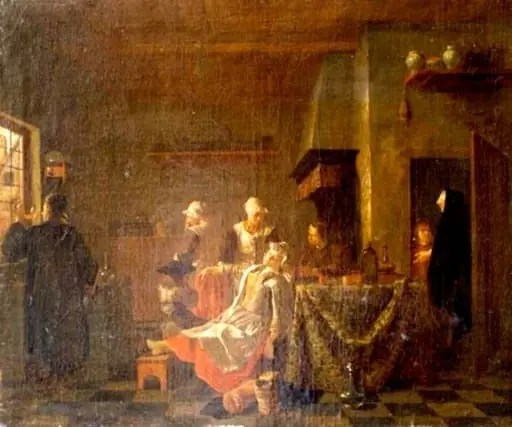 Luare de sânge
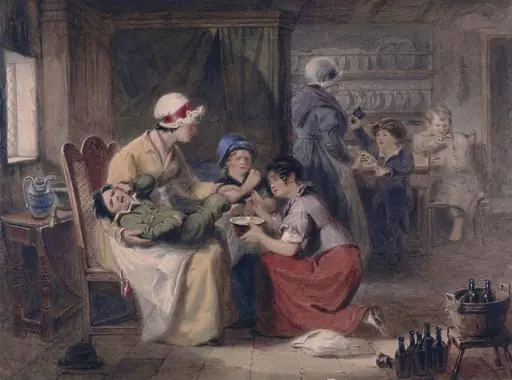 The Cut Foot
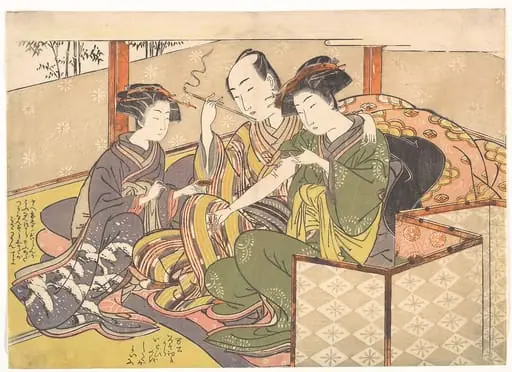 Untitled
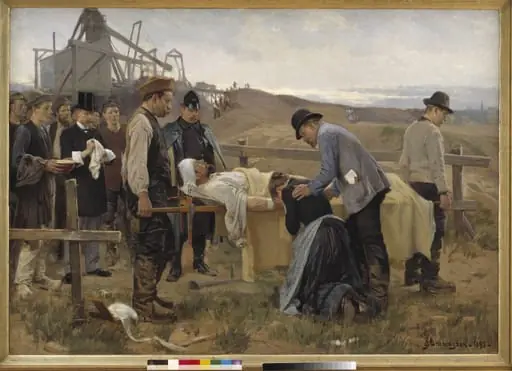 A Wounded Workman
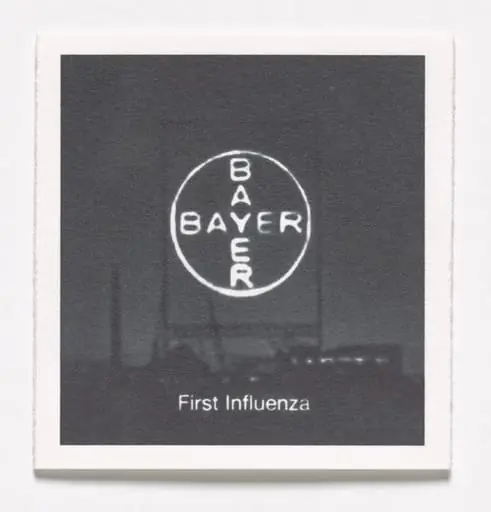 Untitled
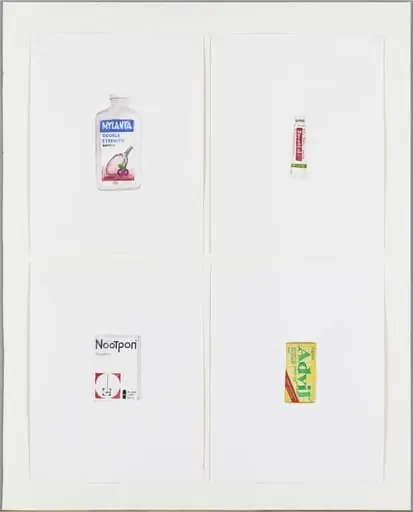 Untitled
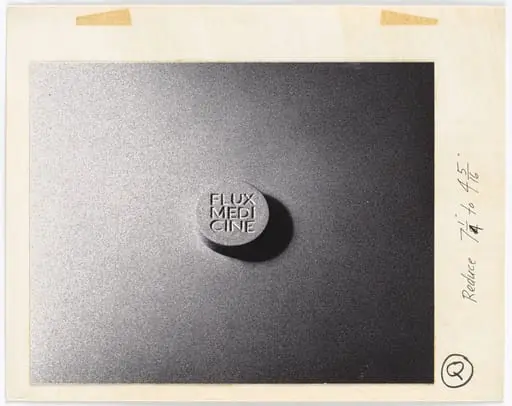 Untitled
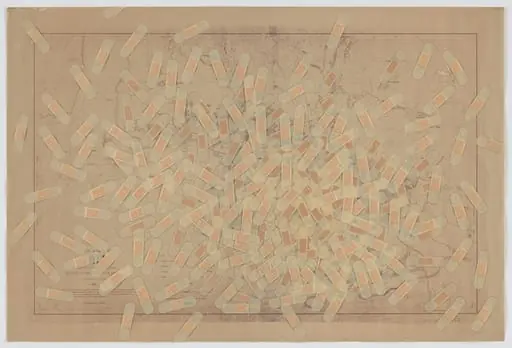 Untitled
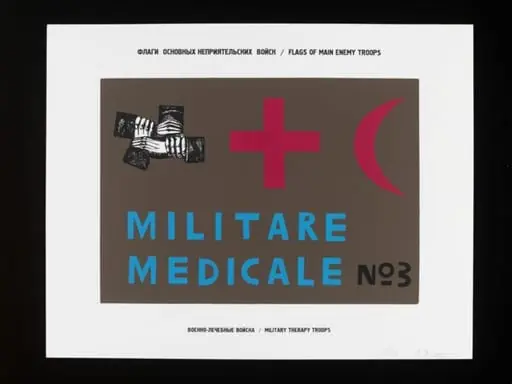 Military Therapy Troops
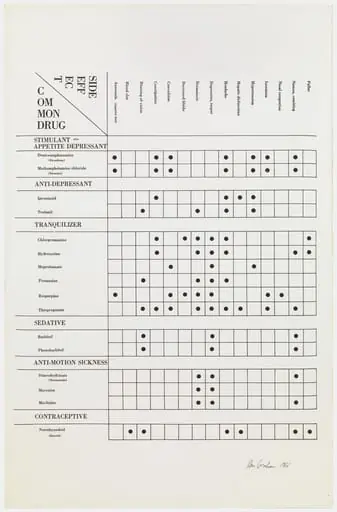 Untitled
Frequently asked questions
What is Medicine?
Medicine is the science and practice of caring for patients, managing the diagnosis, prognosis, prevention, treatment and palliation of their injury or disease, while promoting their health.
How many Medicine works does Artifact World Gallery have?
Artifact World Gallery holds 58 public-domain Medicine works, all free to view and download.
Who are the key Medicine artists?
Key Medicine artists in the collection include Thomas Eakins, Gerard ter Borch and Nicolas Poussin.
Where can I see Medicine works?
Medicine works in the collection are held by Leiden University Libraries, Museum of Modern Art and Kunsthistorisches Museum.