Museum
Maramureș Village Museum

Image: Wikimedia Commons.
Maramureș Village Museum is a museum in Sighetu Marmației, Romania.
About Maramureș Village Museum
museum in Romania
Maramureș Village Museum by the numbers
- Founded
- 1981
Works from Maramureș Village Museum
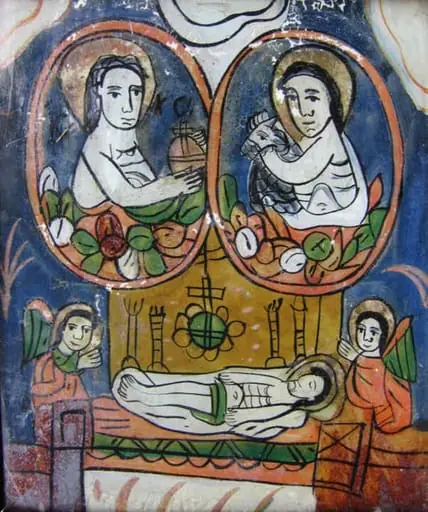 Ioan Botezătorul cu mielul și Iisus; Îngroparea lui Iisus
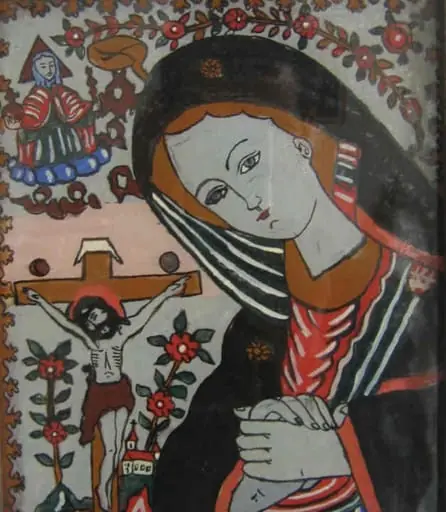 Maica Domnului Îndurerată
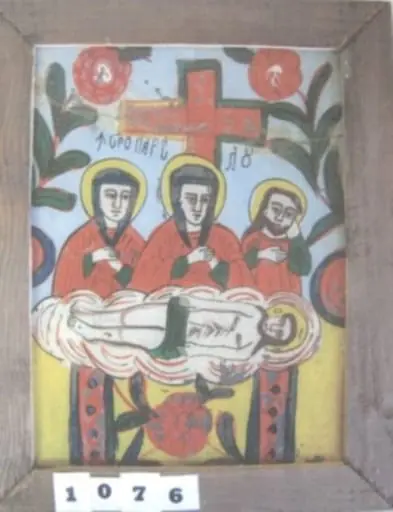 Îngroparea lui Iisus
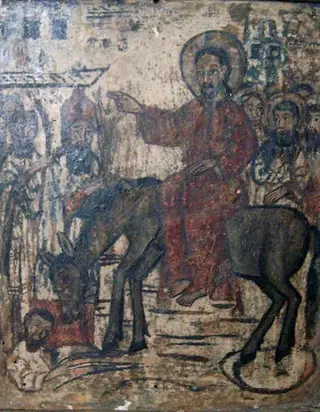 Intrarea în Ierusalim a lui Iisus Hristos
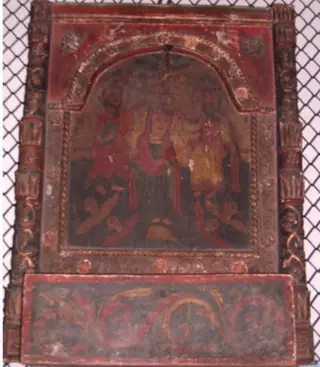 Încoronarea Mariei
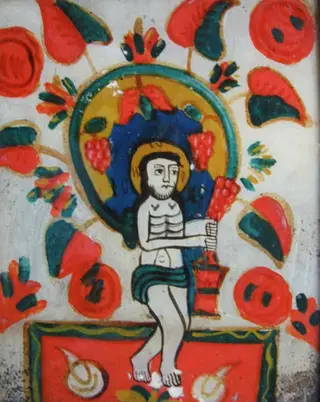 Iisus și vița de vie
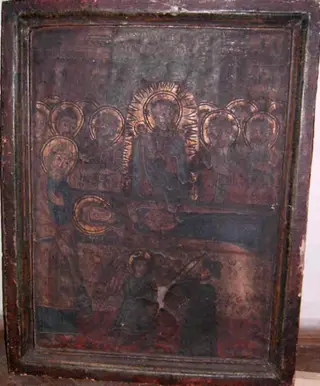 Adormirea Maicii Domnului
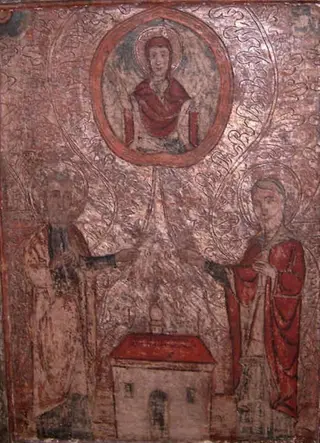 Zămislirea Fecioarei Maria
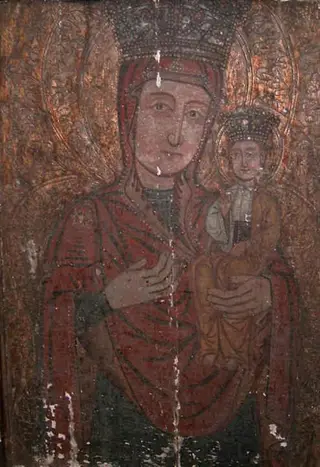 Madona cu Pruncul
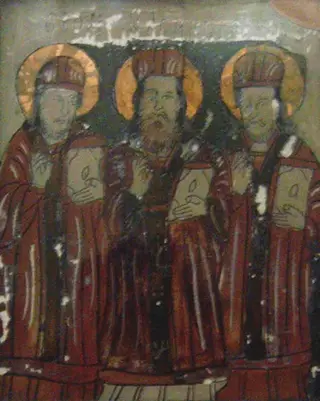 Cei Trei Sfinți
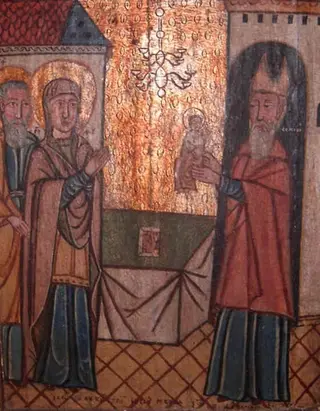 Întâmpinarea Domnului
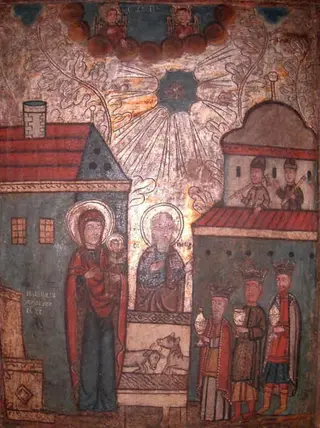 Nașterea Domnului
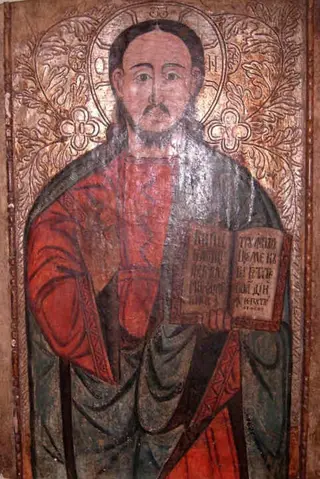 Iisus Invățător
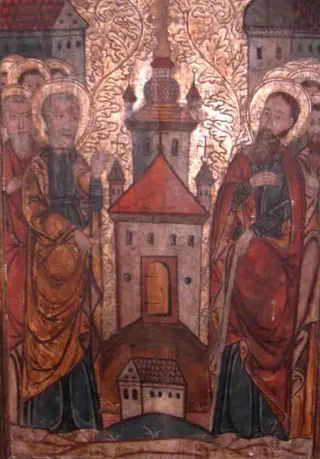 Soborul apostolilor
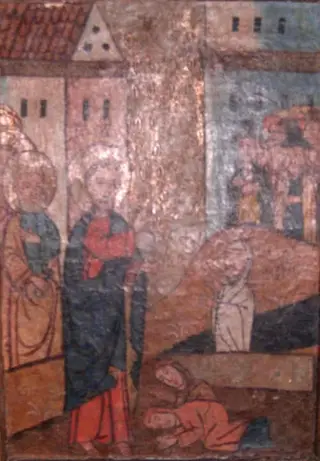 Învierea lui Lazăr
Plan your visit
Maramureș Village Museum
- Website
- maramuresul-cr.uv.ro
Overview
The Maramureș Village Museum is an open-air ethnographic museum located in Sighetu Marmației, Romania. Inaugurated in 1981, it preserves and presents the traditional wooden architecture and rural culture of the historical Maramureș region. Situated on Dealul Doboieș, roughly three kilometers from the city center, the museum recreates the layout of a traditional Maramureș village. It holds over thirty household complexes equipped with original inventories, representing the diverse ethnic heritage of the area. The institution is recognized within international museum networks and has received significant accolades, including two stars from the Michelin Guide in 2019.
Founding & history
The origins of the museum trace back to 1972, when Mihai Dăncuș developed the organizational thematic for the open-air project and Elisabeta Lucacs created the placement plan. This work built upon an earlier ethnographic collection established in 1926. Following the opening of a pavilion exhibition, Francisc Nistor and Dăncuș identified and acquired representative folk architecture monuments and peasant technical installations for the new museum. The museum officially opened on May 30, 1981, coinciding with the International Day of Museums, under the aegis of the Romanian National ICOM Council. In 1993, the institution hosted the 16th Conference of the European Association of Open-Air Museums, followed by the European conference on the Wood Road in Europe in June 2000. The Ministry of Culture and Cults awarded the museum the Gheorghe Focşa Prize in 2001.
Collection scope
The museum functions as a reservation of peasant architecture monuments selected based on scientific criteria, emphasizing building typology and architectural evolution. The collection spans diachronically from the oldest surviving constructions to synchronous representations of settlements preserved into the modern era. Structures are grouped according to the historical subzones of Maramureș, including Mara-Cosău, Lower Iza to Strâmtura, Middle Iza, Vișeu-Borșa, and the Tisa and Ruscova basins. Beyond Romanian households, the collection encompasses the material and spiritual contributions of regional minorities, including Hungarian, Ukrainian, German, and Jewish communities. The houses and farmsteads are fully furnished with original tools, household goods, textiles, and farming implements, documenting daily routines and traditional crafts like shepherding and woodworking.
Notable holdings
The oldest structure in the museum is a wooden church relocated from the village of Oncești in the Iza Valley. Originally constructed in 1621, the church was built using reused materials from an even older structure, which dendrochronological analysis dated to between 1572 and 1614. It retains interior paintings over two centuries old. Other significant holdings include the houses of Bud, Tivadar, Cupcea, Barcan, and Iura, which date from the 16th to 18th centuries. The museum also features a Jewish house from Bârsana, a Hungarian house from Câmpulung la Tisa, and a Ukrainian house from Poienile de sub Munte. Interiors display intricately carved looms, geometrically designed carpets with anthropomorphic borders, traditional costumes, and a rammer oil press.
Building & site
The museum is situated on Dealul Doboieș, at the exit toward Vadu Izei. The site is organized to simulate the evolution of a traditional Maramureș village, transitioning from a scattered and dispersed layout to a gathered one. Straight main streets, winding paths, and fences converge on a promontory where the church stands, mirroring the spatial organization of authentic local settlements. The grounds include a lake and feature structures with intricate wooden gate carvings and facades bearing inscriptions of their construction years. The architecture relies predominantly on wood, utilizing traditional construction methods, with roofs covered in wooden shingles that are actively maintained using historical techniques.
Visiting
The museum is located on Doboieș Street in Sighetu Marmației, Maramureș County, Romania. Visitors traveling by car can reach the site via DN18 from Baia Mare, following Strada 1 Decembrie 1918 and Strada Muzeului, where parking is available. The site is also accessible on foot from the city center, a walk of approximately twenty minutes, or by taxi. The museum is part of the broader Maramureș Museum complex, which includes departments of history, archaeology, natural sciences, and art. Audio guides accessible via QR codes on the buildings provide historical context. A thorough visit requires two to three hours, as buildings begin closing at 3:30 PM. The museum operates under the umbrella of ICOM and UNESCO networks, and current visiting schedules are available on the official website.


