Museum
National Museum of Transylvanian History

Image: Wikimedia Commons.
National Museum of Transylvanian History is a museum. 34 works from its collection are in this catalog, including Pavel Zamfir and Simion Poienaru.
About National Museum of Transylvanian History
The National Museum of Transylvanian History (Romanian: Muzeul Național de Istorie a Transilvaniei, Hungarian: Erdélyi Történelmi Múzeum) is a history and archaeology museum in the city of Cluj-Napoca, Romania. It features a permanent exhibition, as well as temporary exhibitions, the "Tezaur" exhibition, and Pharmacy Historical collection—this last opened in the Hintz House, an historical building in the city's center.
The beginnings of the museum date back to 1859 with the foundation of the Society of the Transylvanian Museum, featuring collections of antiquities and botanical, zoological and mineralogical specimens. In 1929 the collection of artefacts was transferred to the Romanian Institute of Classical Studies.
Identity & Overview
The National Museum of Transylvanian History (Romanian: Muzeul Național de Istorie a Transilvaniei) is a premier history and archaeology institution located in the historic center of Cluj-Napoca, Romania. Founded to preserve the complex cultural identity of Transylvania, the museum documents the region's multi-ethnic heritage spanning from prehistoric times to the present day. It stands as one of the most significant cultural institutions in Romania, housing a vast permanent exhibition, temporary displays, the 'Tezaur' (Treasury) exhibition, and a specialized Pharmacy Historical collection.
The museum's collections illustrate the civilization of Transylvania through over 450,000 cultural goods, serving as a critical repository for the region's archaeological and historical artifacts.
History & Founding
The museum's origins date back to the autumn of 1859 with the constitution of the Association of the Transylvanian Museum, which initially gathered collections of antiquities, mineralogy, zoology, and botany. The institution was shaped by donations from prominent families such as the Kemény and Eszterházy families. A pivotal moment occurred in 1918 when the Transylvanian Museum came under the administration of the Romanian state.
Following further reorganizations, the History Museum of Cluj was formally established as an independent institution in 1963 under the leadership of C. Daicoviciu. In 1994, due to its outstanding historic and archaeological heritage, the museum was officially renamed the National Museum of Transylvanian History.
Building & Architecture
The museum is housed in a historic two-story building located in Piața Muzeului (Museum Square), specifically the Casa Petrechevich-Horvath on the western side of the square. Originally constructed in the early 19th century as a private residence by Major Dániel Petrichevich-Horváth, a patron of theatre and culture, the building was later acquired by the Romanian state in 1925 for the King Ferdinand I University. From 1929, it served as the headquarters for the Institute of Classical Studies before the Museum of Antiquities opened there in 1933.
The building's location in the oldest square of Cluj-Napoca, which was the site of the city's first fortress, adds to its historical significance.
Collection Highlights & Notable Holdings
The museum's permanent collection is organized chronologically, featuring artifacts from the Prehistoric period, including the Wietenberg culture, which boasts the largest hoard of bronze artifacts in Europe. The Dacian collection includes significant weaponry and the renowned ritual vessel inscribed with 'Decebalus per Scorilo,' considered one of the most valuable exhibits. The collection also encompasses ancient and medieval lapidary, ceramics, and a unique Pharmacy Historical Collection established in the 16th-century Hintz House, where the first pharmacy of Cluj operated. The total holdings exceed 450,000 items, making it the second-largest museum in the country.
Significance & Legacy
As a central institution for Transylvanian history, the museum plays a vital role in preserving the region's multi-ethnic heritage and archaeological record. Its transition from a private association to a state-administered national museum reflects the broader political and cultural shifts in the region during the 20th century. The museum is not only a repository of artifacts but also a cultural hub that aims to maintain the original social and artistic purpose of its historic building.
Through its extensive collections and temporary exhibitions, such as those on Sarmizegetusa and the history of pharmacy, it continues to educate the public on the rich civilization of Transylvania.
What to see at National Museum of Transylvanian History
Start with Sfânta Parascheva by Simion Poienaru.
See all highlights at National Museum of Transylvanian History →National Museum of Transylvanian History by the numbers
- Founded
- 1937
Works from National Museum of Transylvanian History
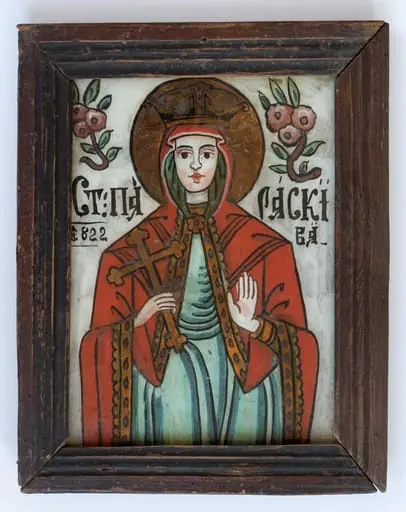 Sfânta Parascheva
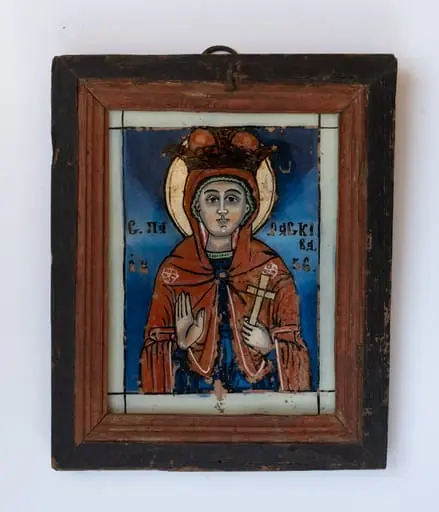 Sfânta Parascheva
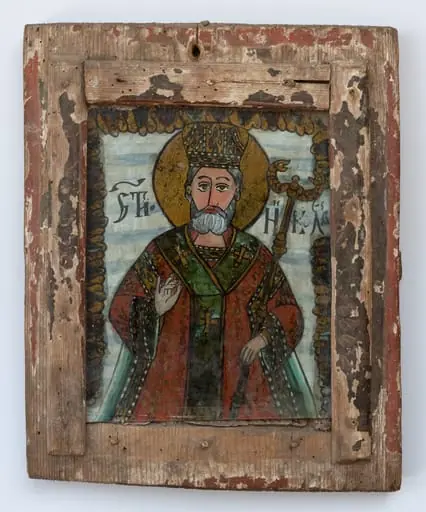 Sfântul Nicolae
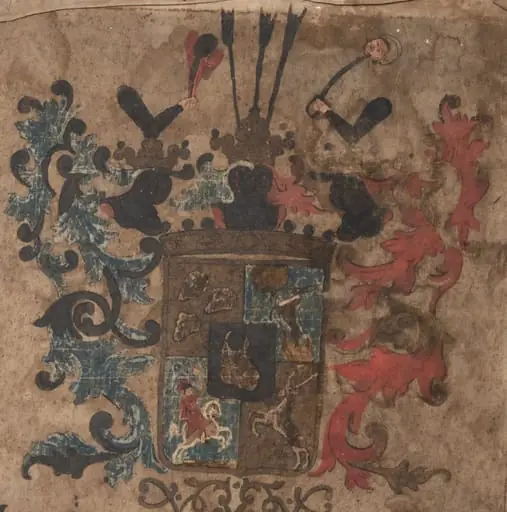 Blazonul funerar al contelul Miklós Wass din Țaga
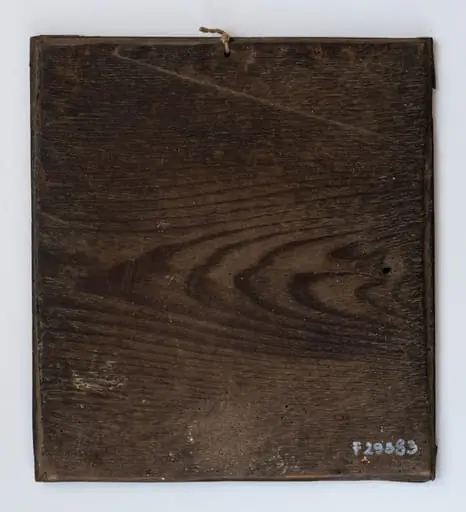 Isus copil
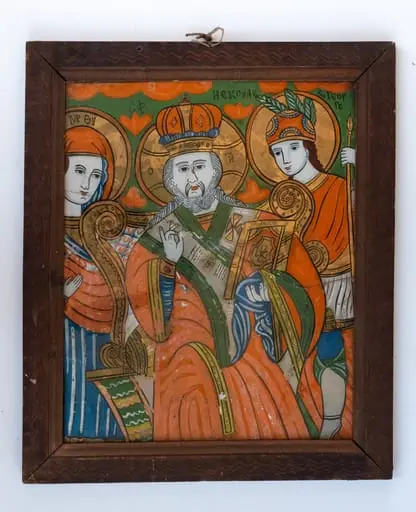 Sfântul Nicolae încadrat de Fecioara Maria și Sfântul Gheorghe
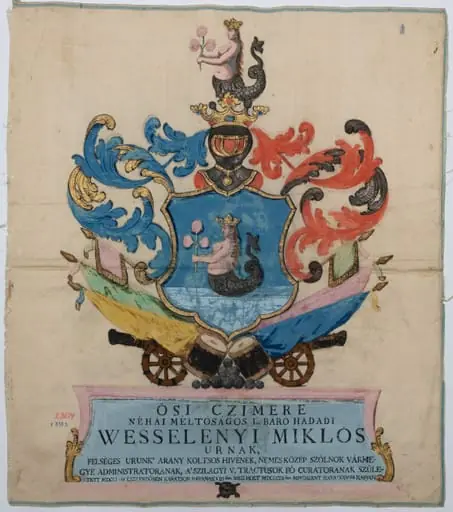 Blazonul funerar al baronului Miklós Wesselényi din Hodod
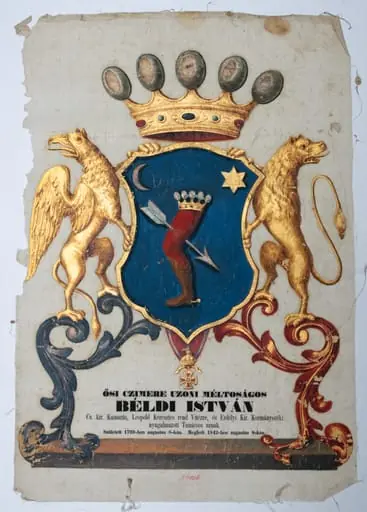 Blazonul funerar al unui membru din familia Béldi din Uzon
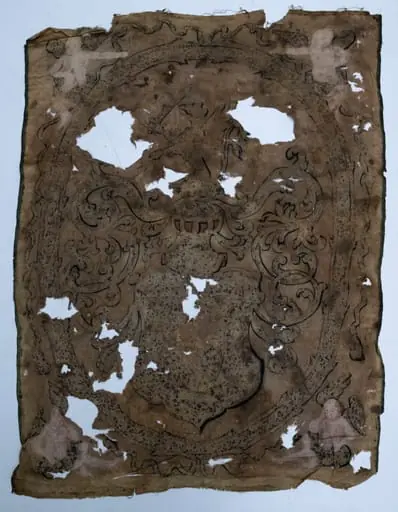 Blazonul funerar al unui membru din familia Bánffy
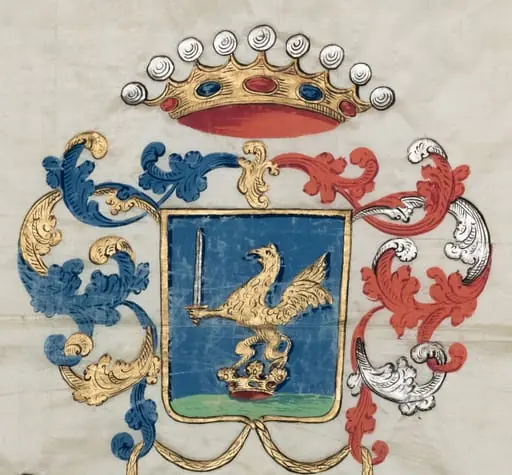 Blazonul funerar a baronesei Terézia Bánffy
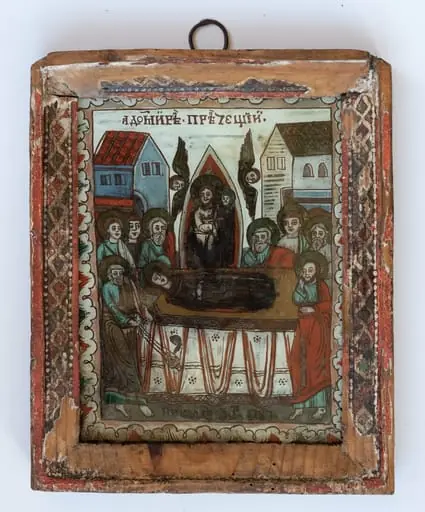 Adormirea Maicii Domnului
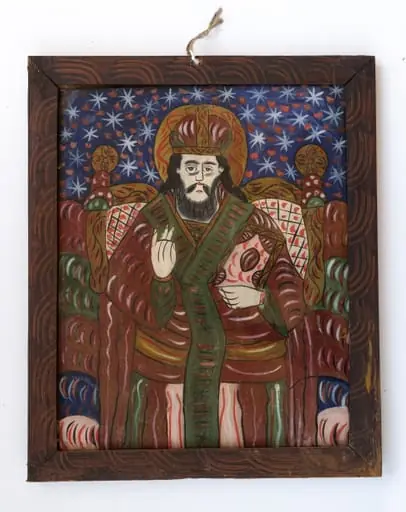 Isus Pantocrator
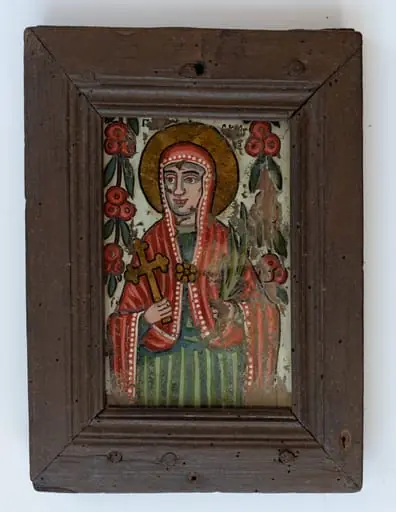 Sfânta Parascheva
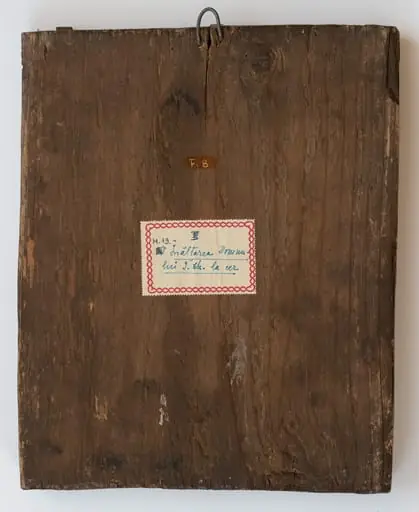 Înălțarea Domnului
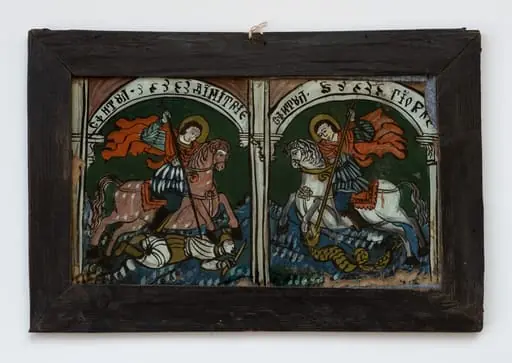 Sfântul Dumitru și Sfântul Gheorghe
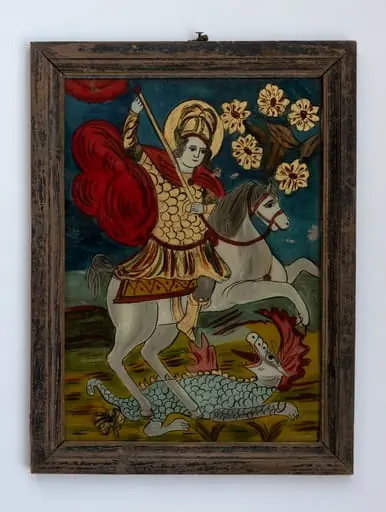 Sfântul Gheorghe
 Isus Hristos și Ioan Botezătorul copii. Vegherea lui Isus în mormânt
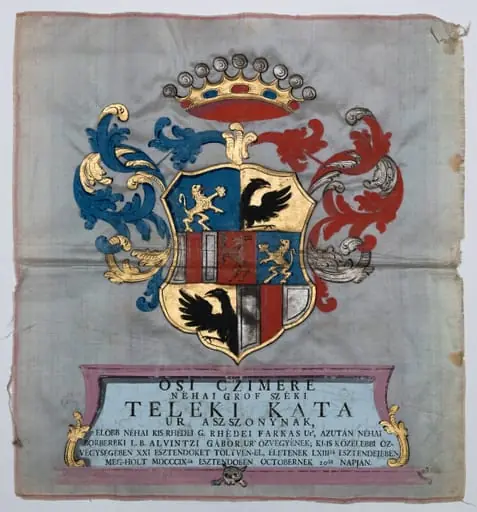 Blazonul funerar a contesei Kata Teleki
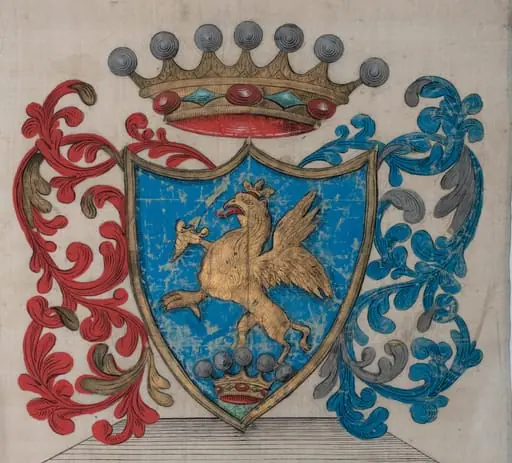 Blazonul funerar a văduvei baronului László Kemény din Mănăstireni, născută baronesa Ágnes Bánffy de Losontz
 Sfântul Nicolae
 Prohodul lui Isus
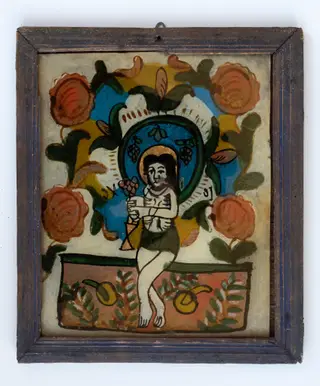 Isus Hristos - Viță de vie
 Sfântul Ilie. Sfântul Nicolae și Sfântul Ioan Botezătorul (?)
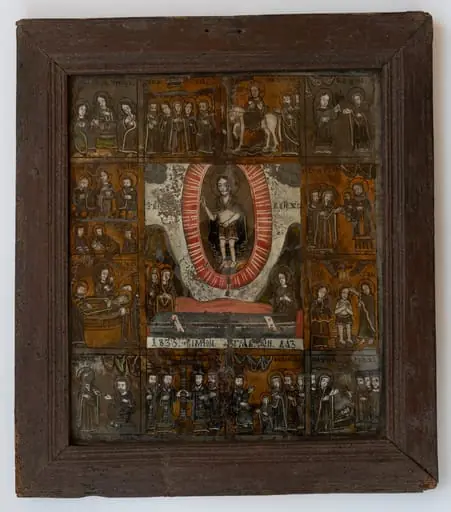 Învierea Domnului încadrată de praznice
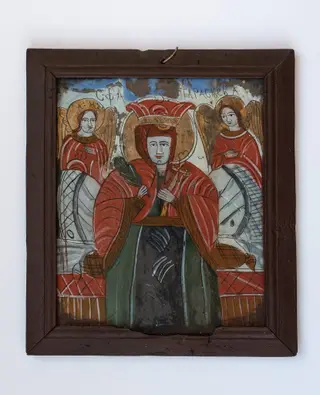 Sfânta Parascheva
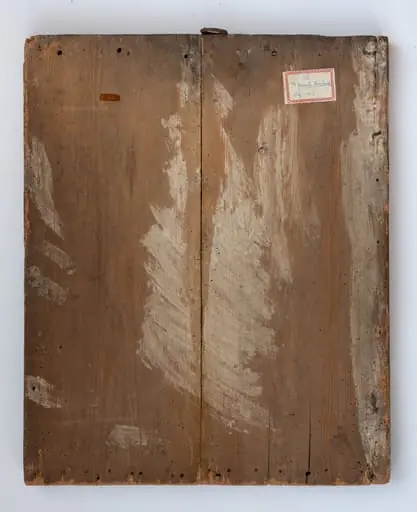 Fecioara cu Pruncul (Împărătiță)
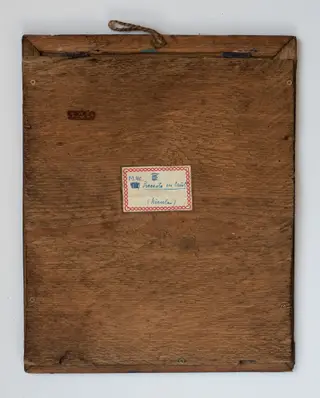 Fecioara cu Pruncul (Hodighitria)
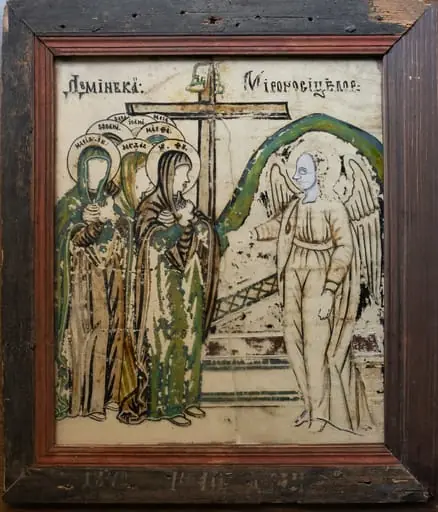 Duminica Mironosițelor
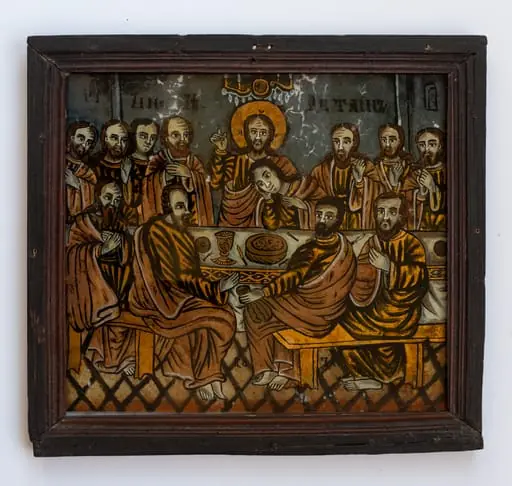 Cina cea de Taină
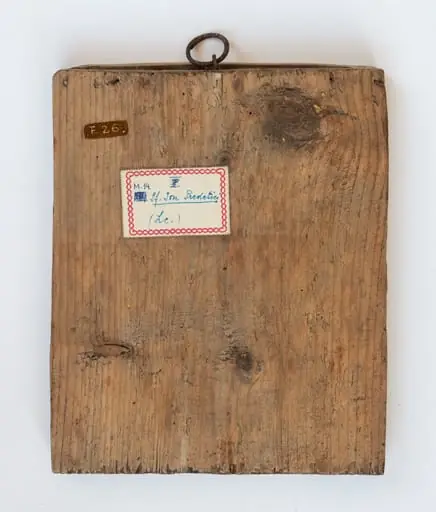 Sfântul Ioan Botezătorul
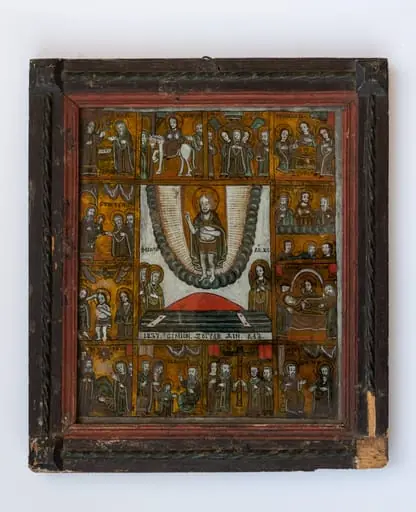 Învierea lui Isus încadrată de praznice
 Fecioara cu Pruncul (Eleusa)
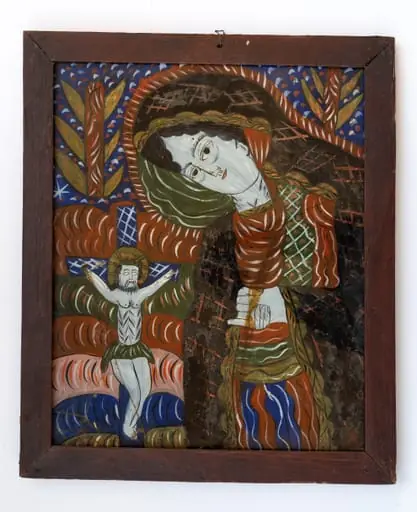 Maica Domnului îndurerată
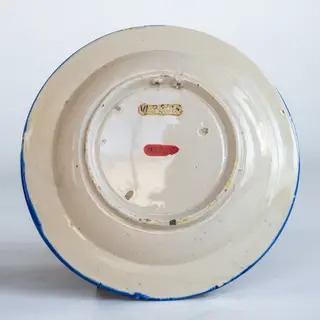 Farfurie
Plan your visit
National Museum of Transylvanian History
- Website
- www.mnit.ro


