Early Baroque Italian at the National Gallery of Ireland
The National Gallery of Ireland holds 63 Early Baroque Italian works in this public-domain catalogue, dating from 1525 to 1720. The collection is led by Guercino, Bartolomé Esteban Murillo and Enea Salmeggia.
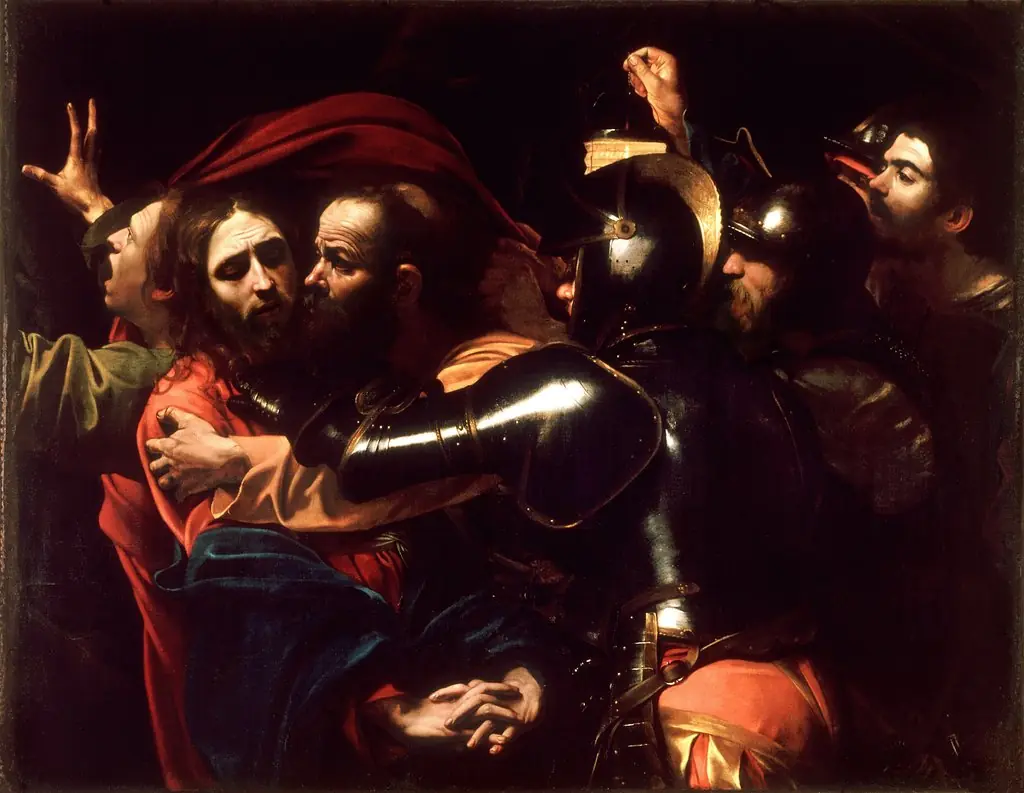 The Taking of Christ
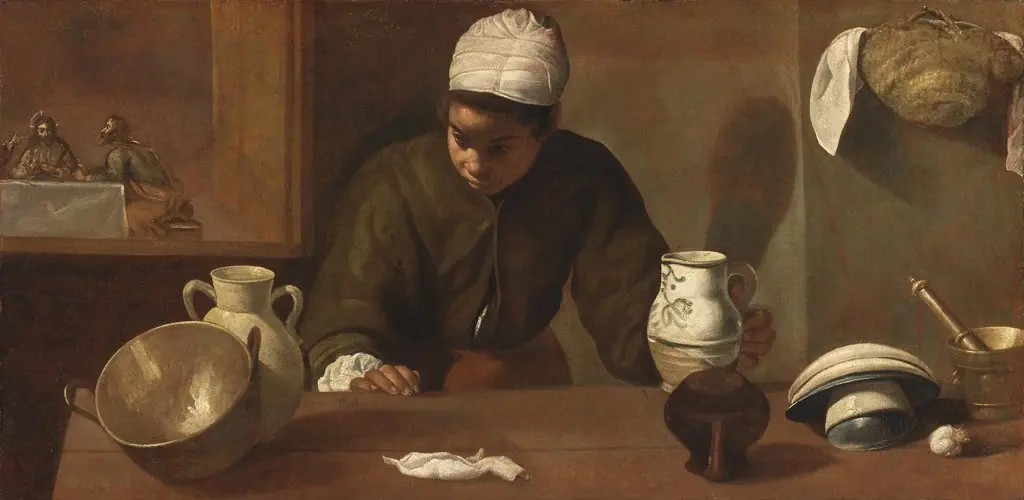 Kitchen Scene with the Supper in Emmaus
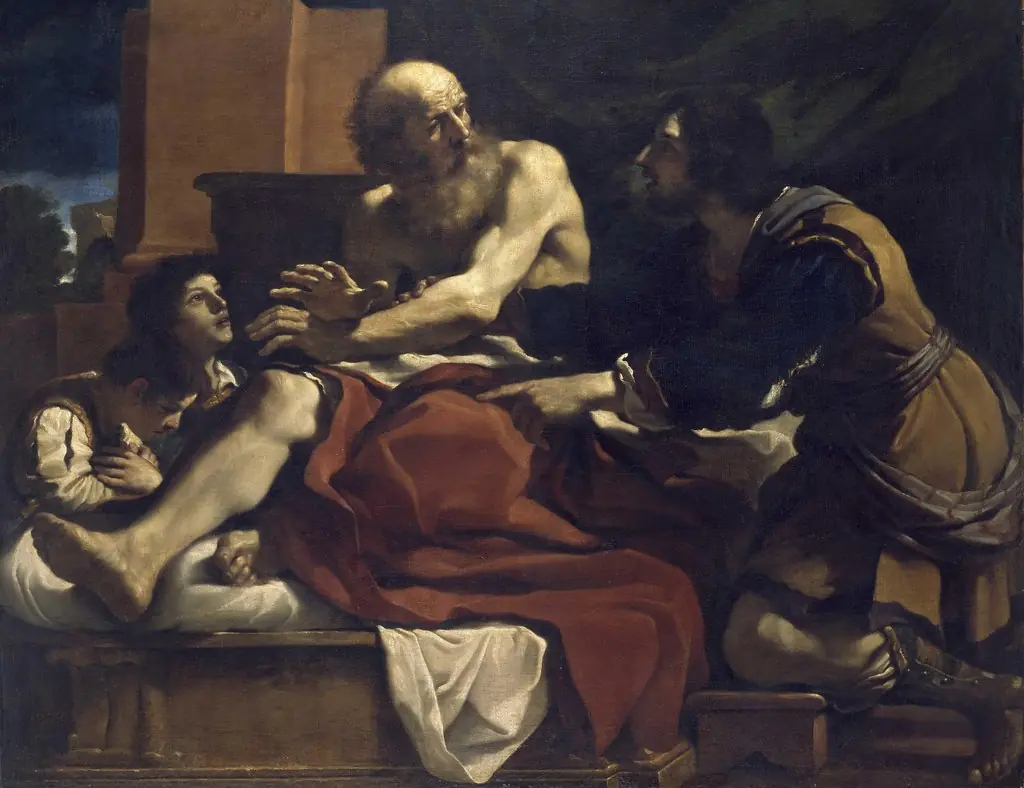 Jacob Blessing the Sons of Joseph
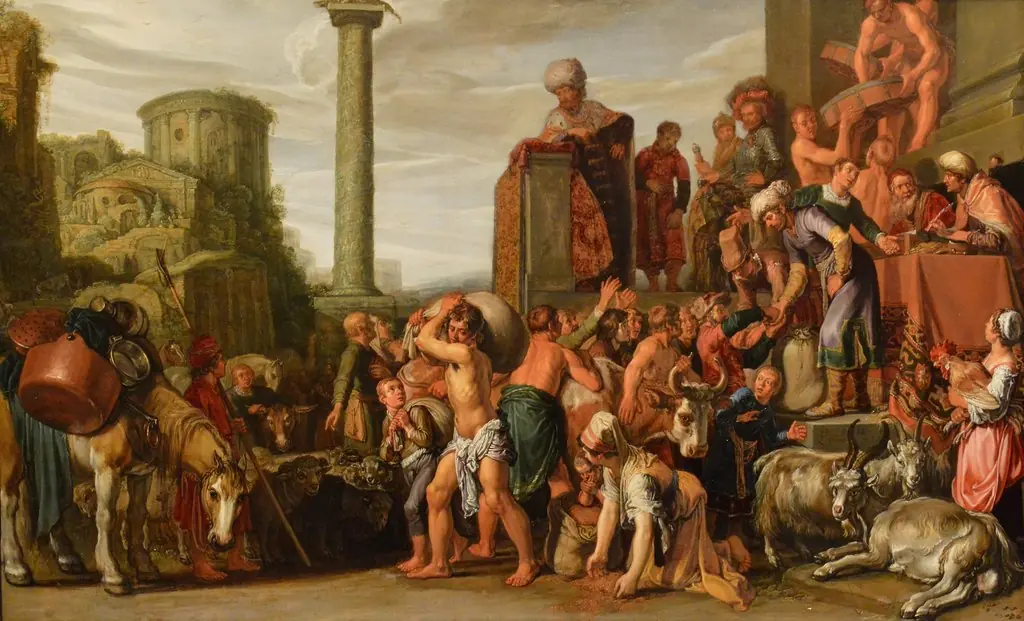 Joseph Selling Corn in Egypt
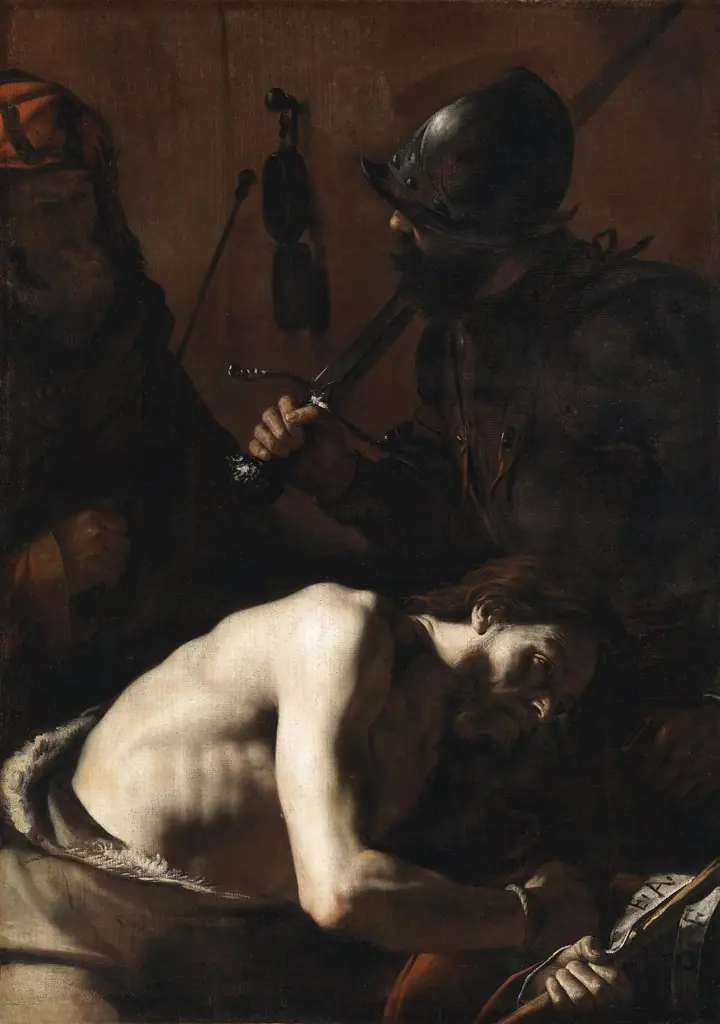 The Beheading of Saint John the Baptist
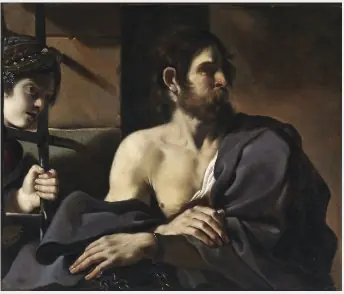 Saint John the Baptist Visited in Prison by Salome
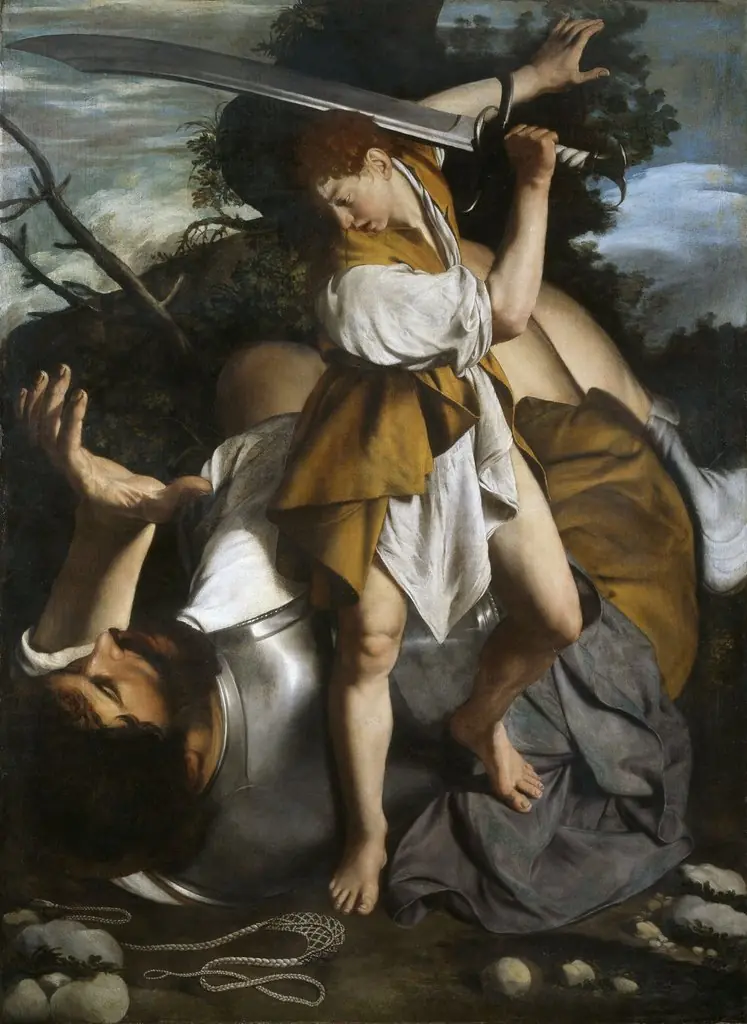 David and Goliath
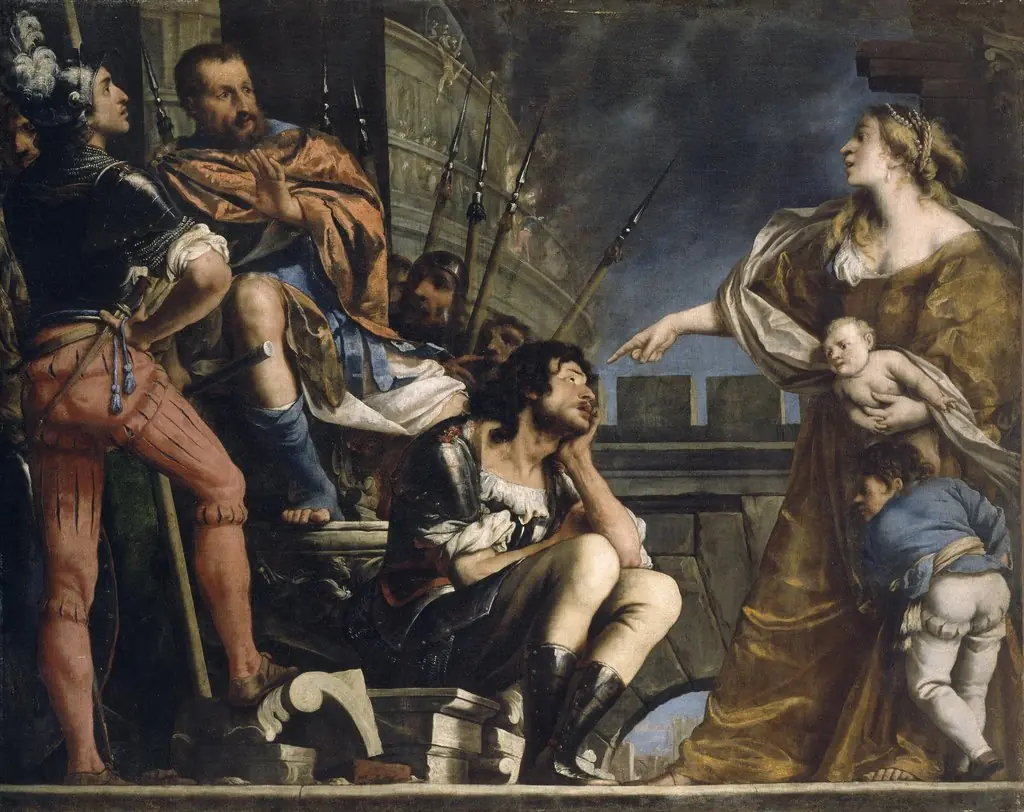 Haasdrubal's Wife Denouncing her Husband before Scipio Africanus
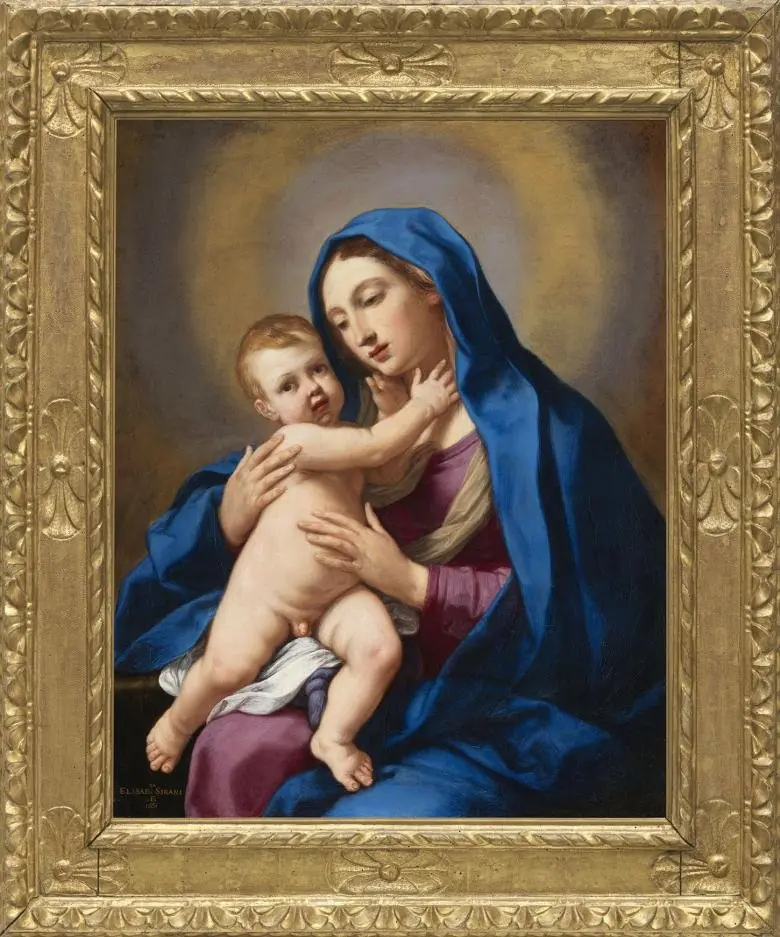 Virgin and Child
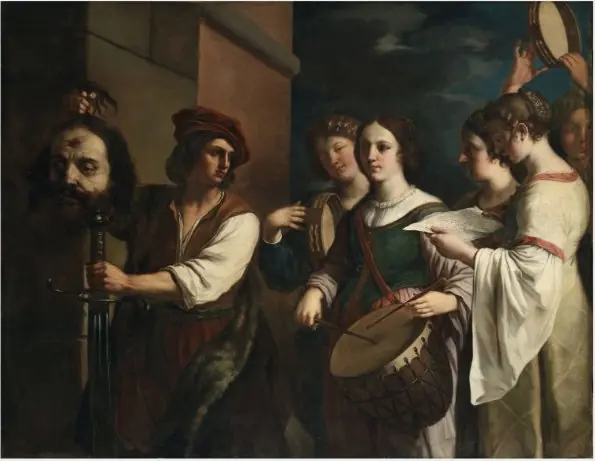 The Triumph of David
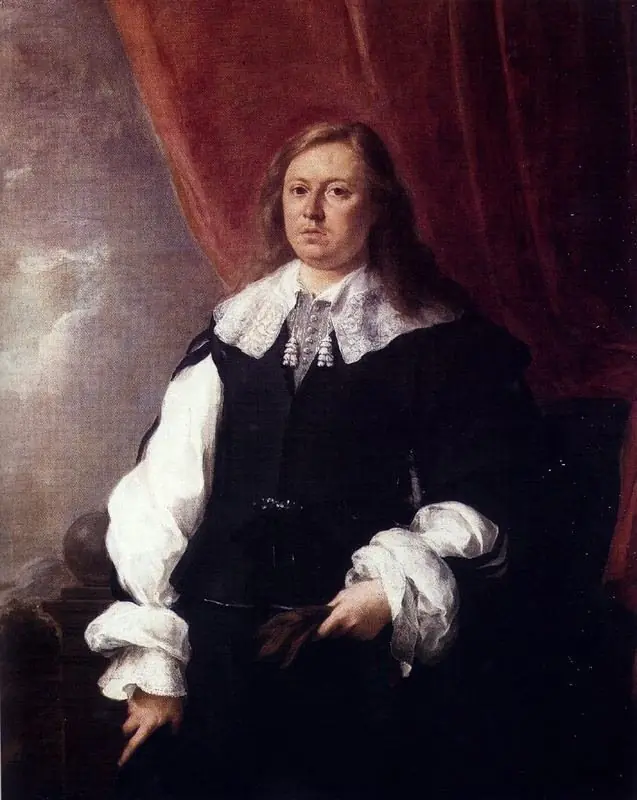 Portrait of Josua van Belle
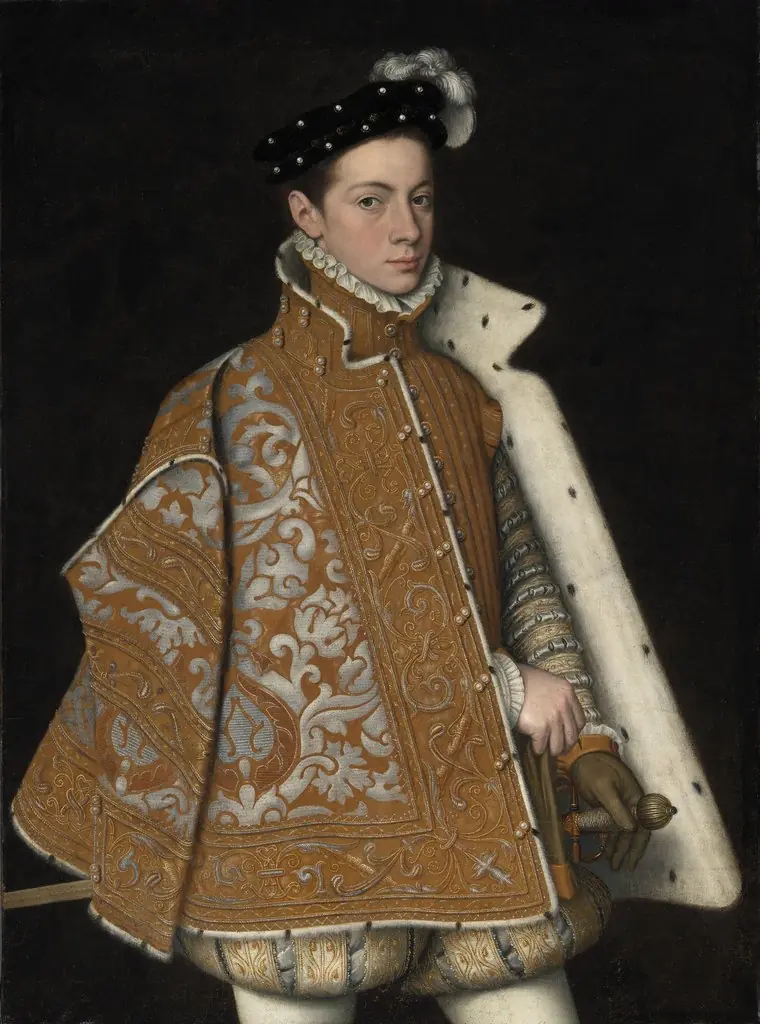 Portrait of Prince Alessandro Farnese
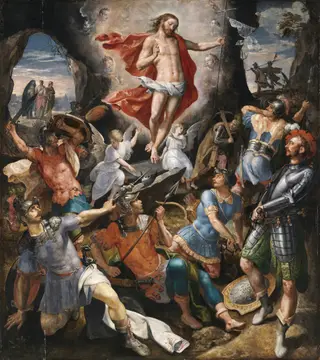 The Resurrection of Christ
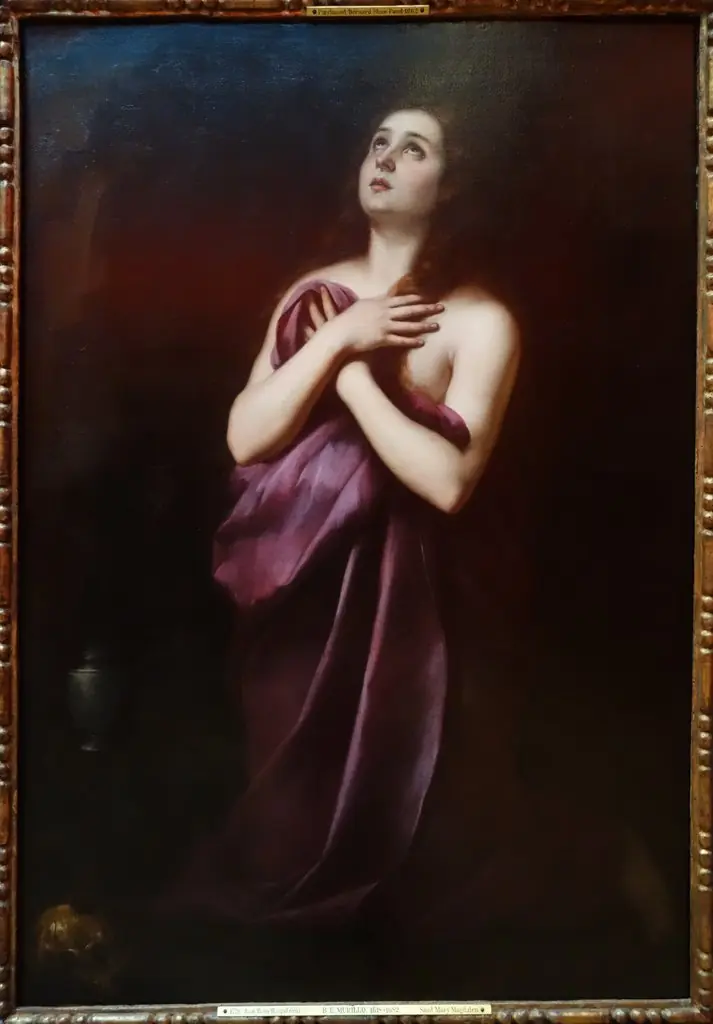 The Penitent Magdalene
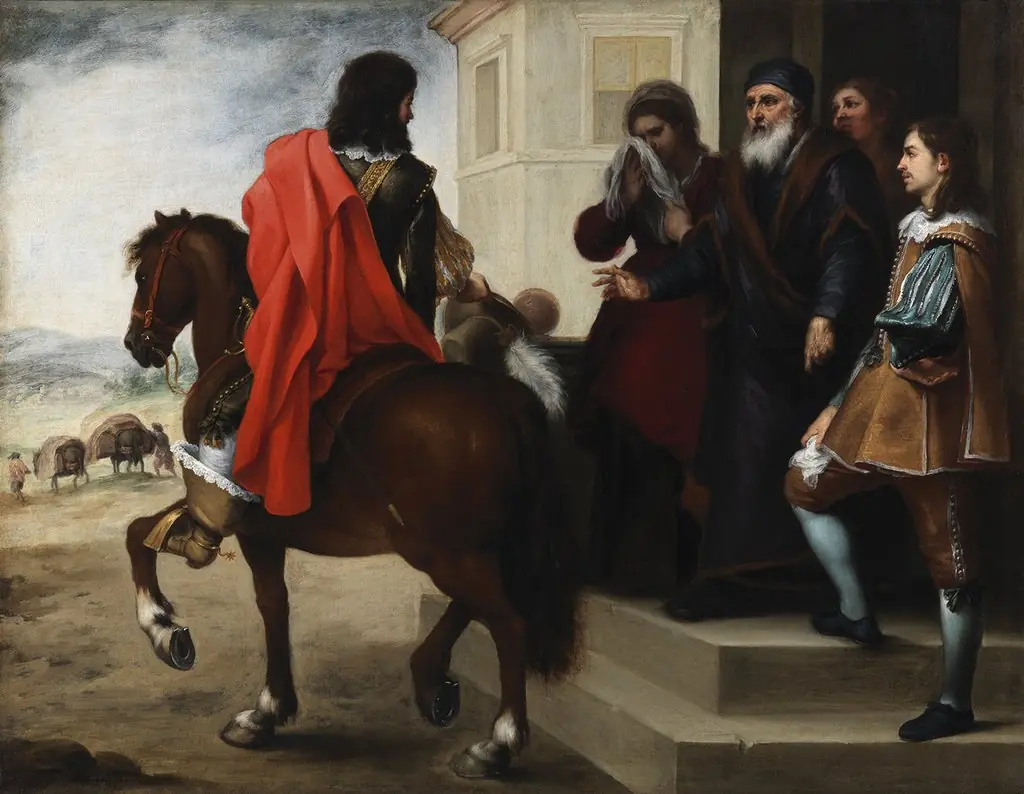 The Departure of the Prodigal Son
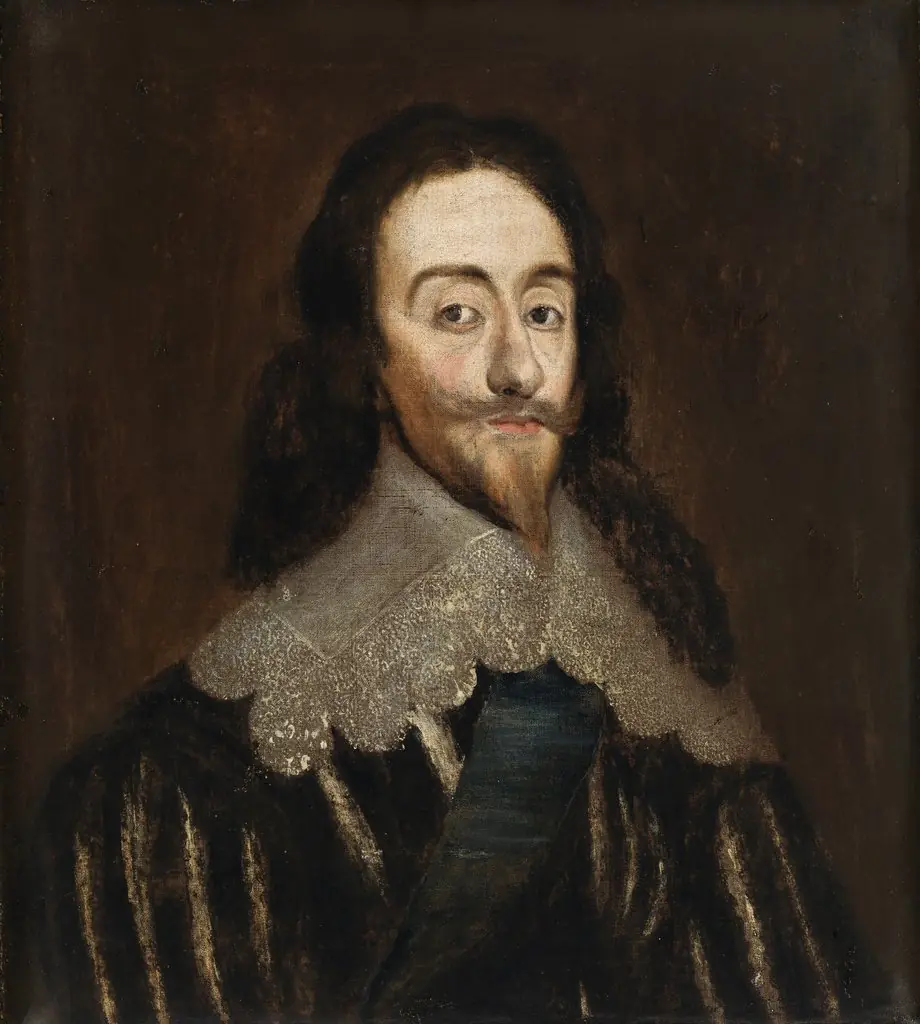 Portrait of Charles I, King of England (1600-1649)
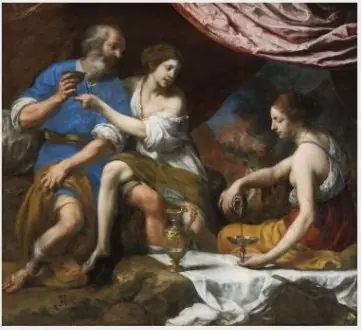 Lot and his Daughters
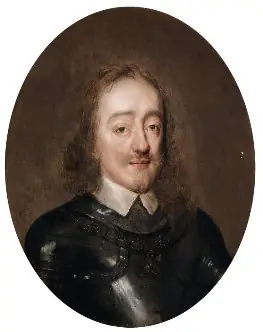 Portrait of Charles I, King of England (1600-1649)
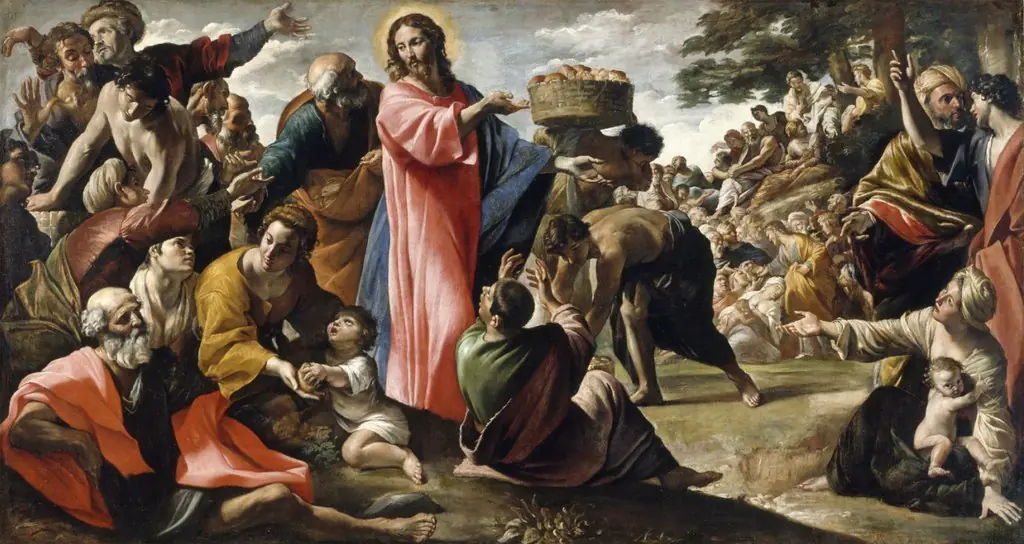 The Miracle of the Loaves and Fishes
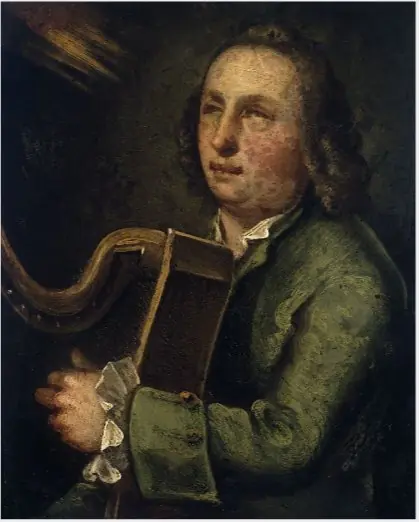 Portrait of Turlough O'Carolan
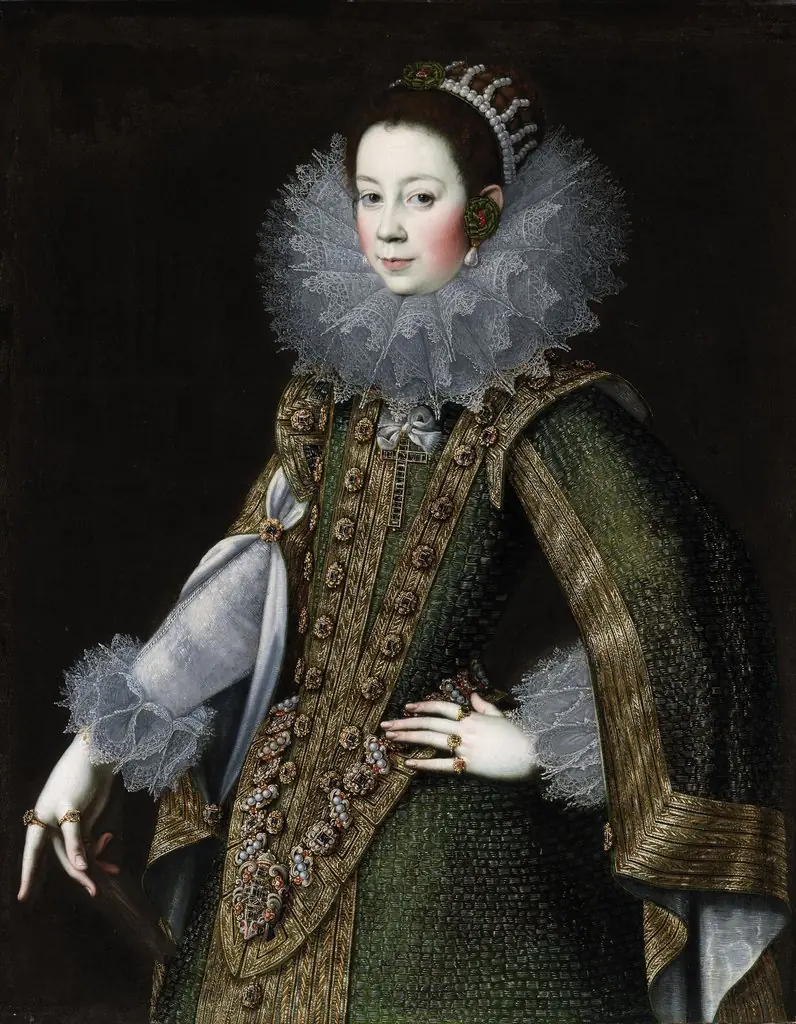 Portrait of a Spanish Noblewoman
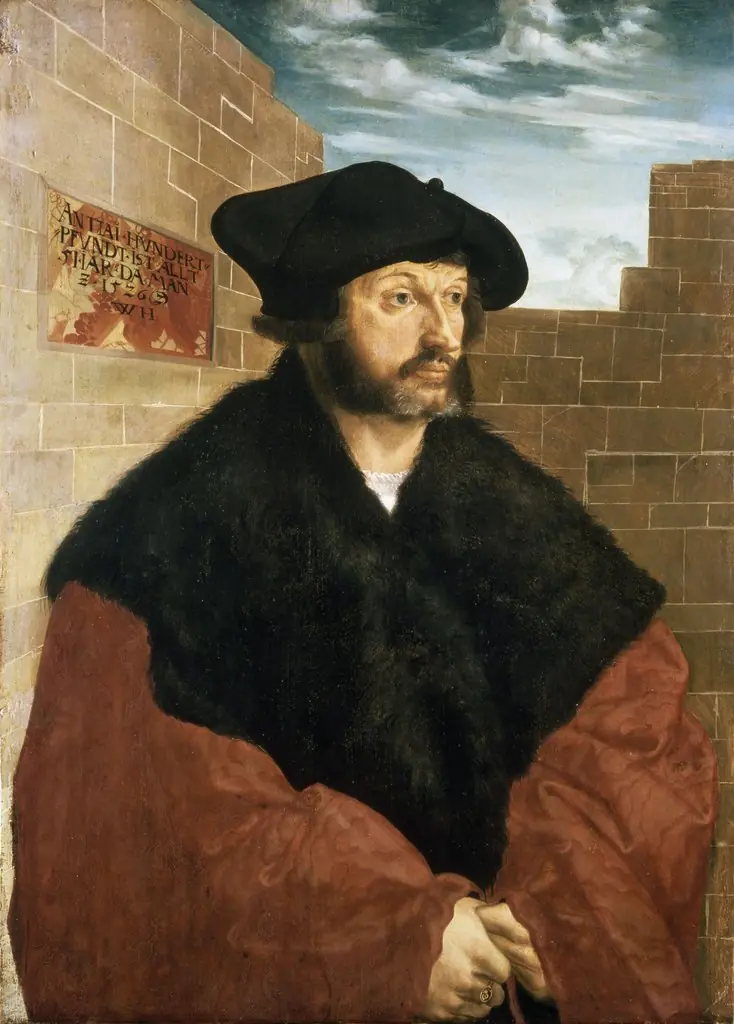 Portrait of Anton Hundertpfundt
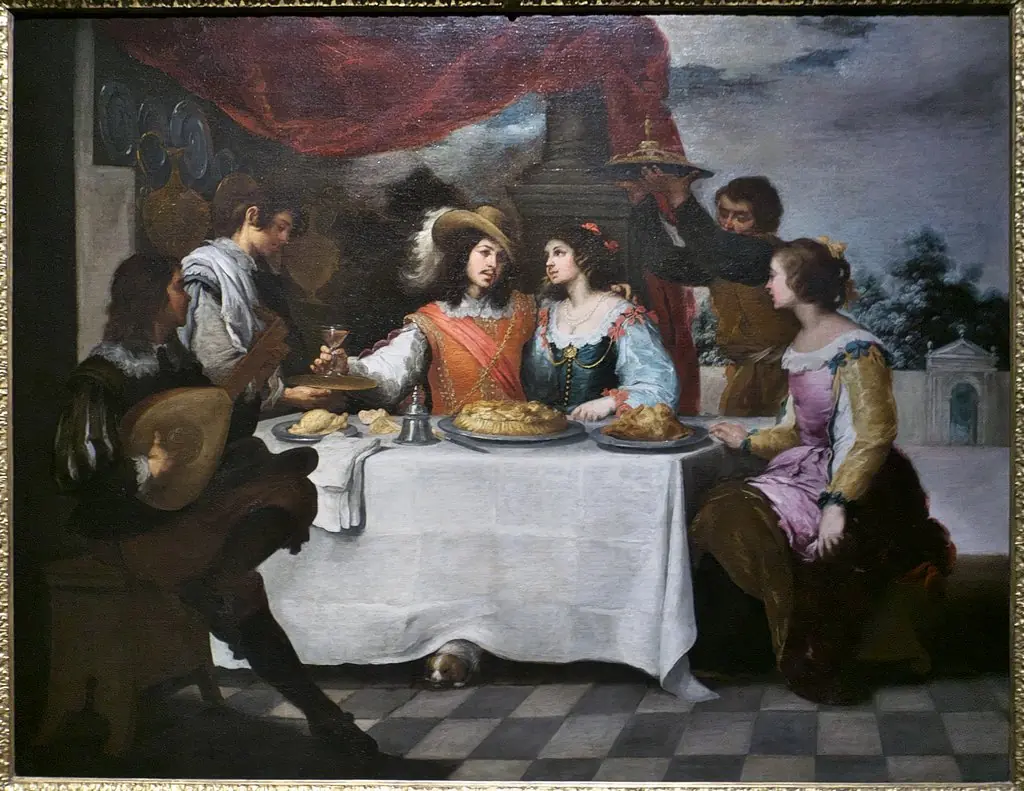 The Prodigal Son Feasting
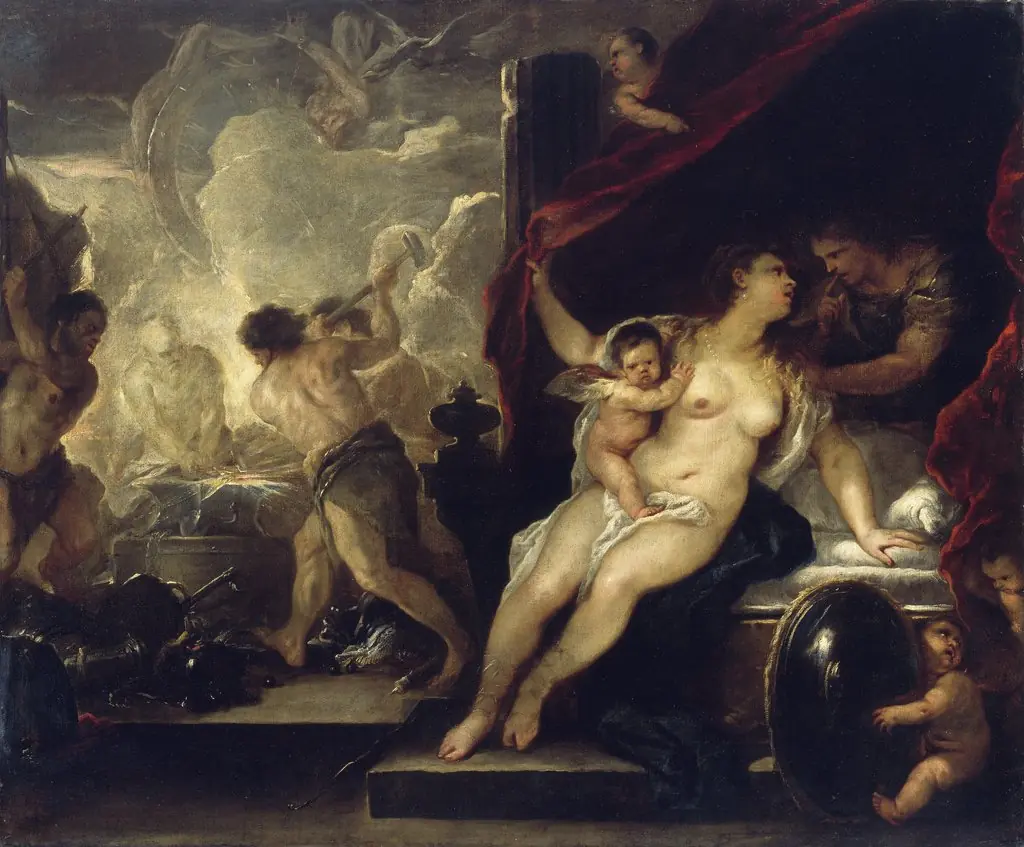 Venus, Mars and the Forge of Vulcan
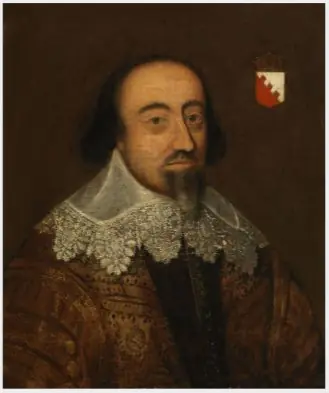 Richard Boyle, 1st Earl of Cork (1566-1643)
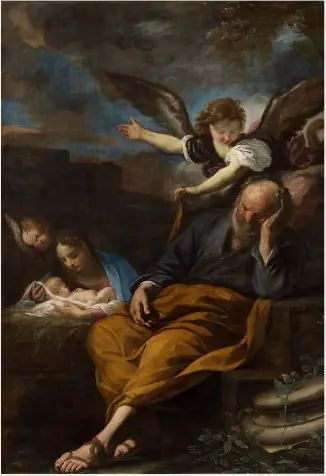 Saint Joseph's Dream
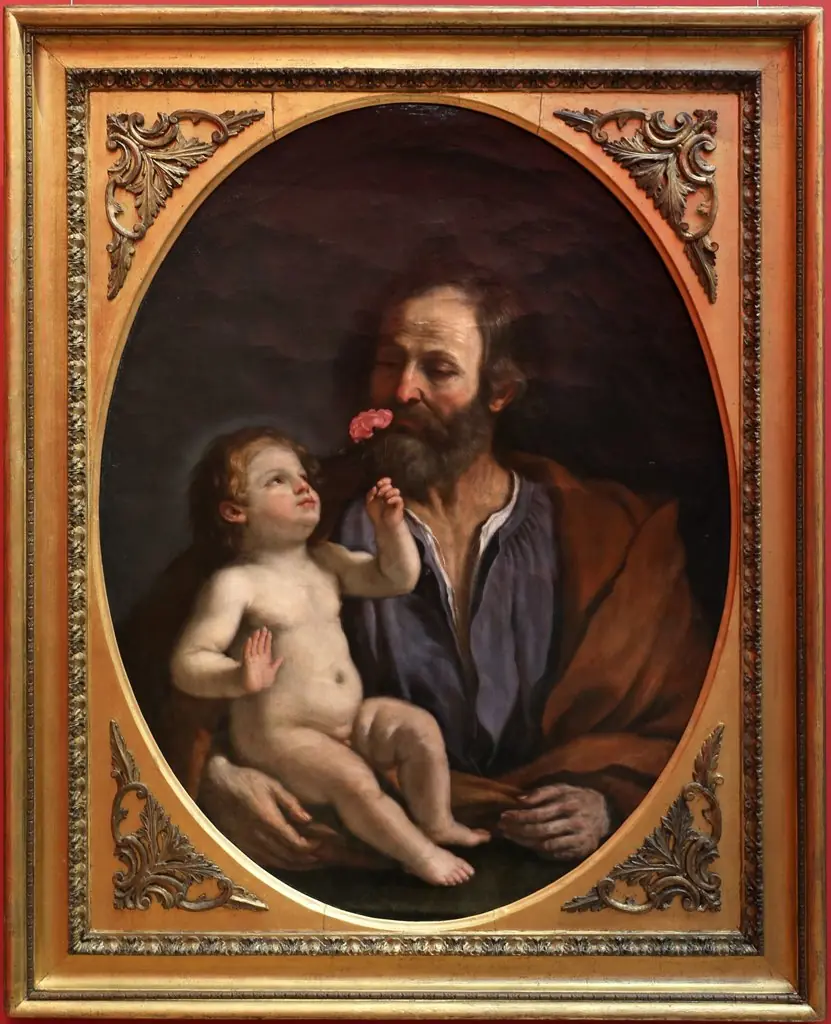 Saint Joseph with the Christ Child
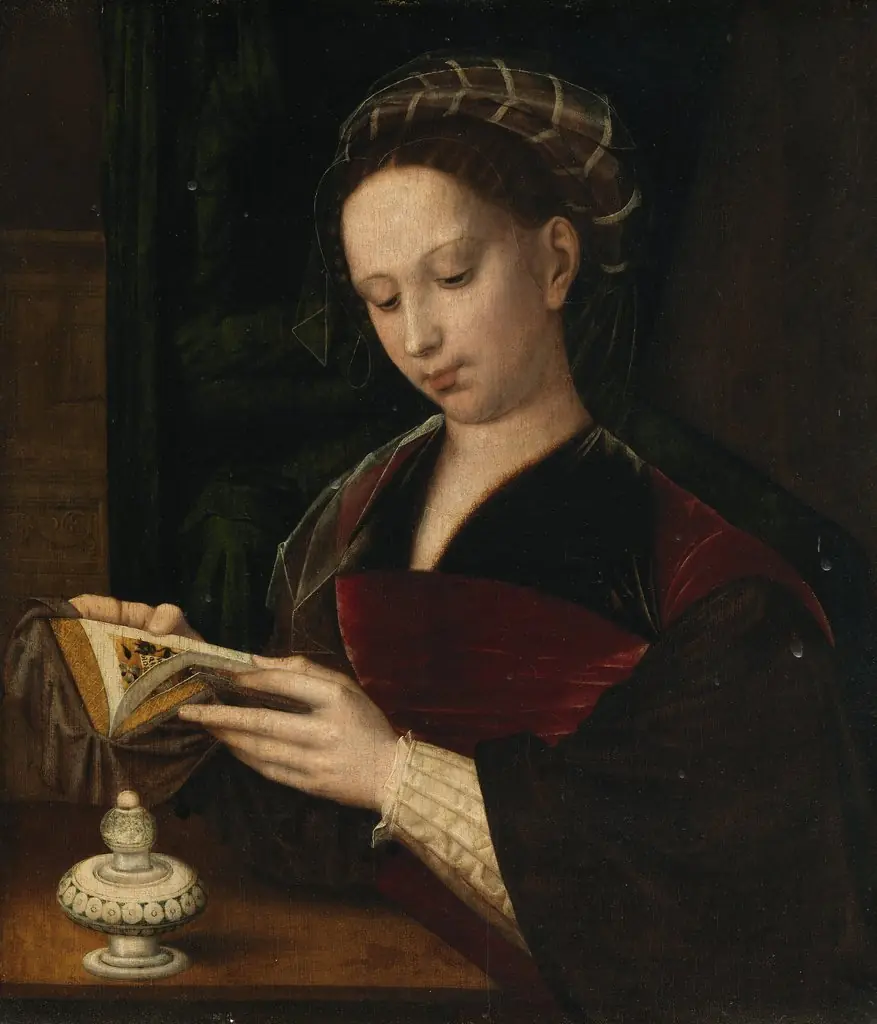 The Magdalen Reading
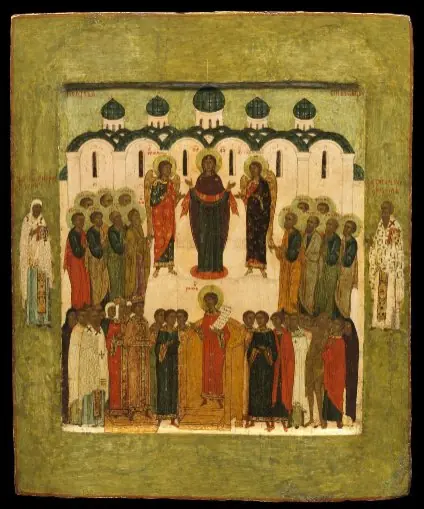 The Virgin's Protection, or Stole
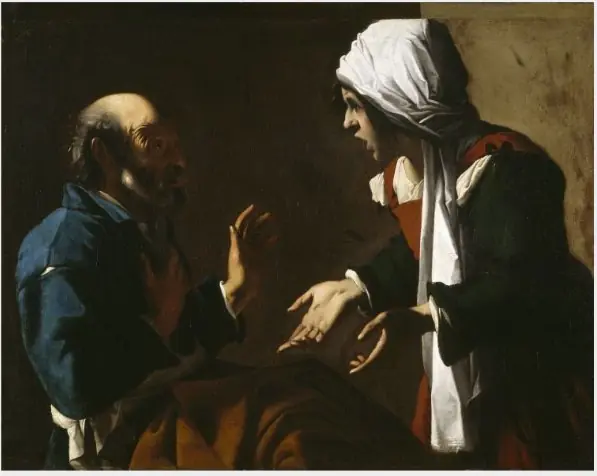 Saint Peter Denying Christ
 St Bartholomew
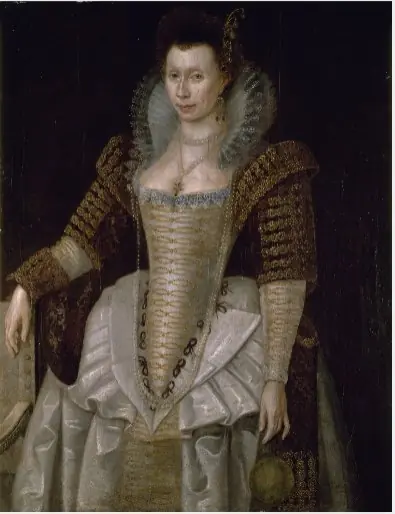 Portrait of Lady Raleigh (née Elizabeth Throckmorten) (1565-1647)
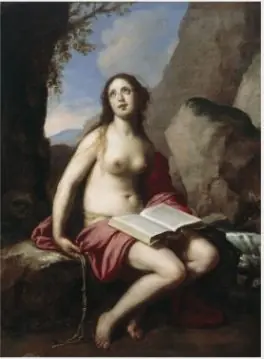 Saint Mary Magdalen
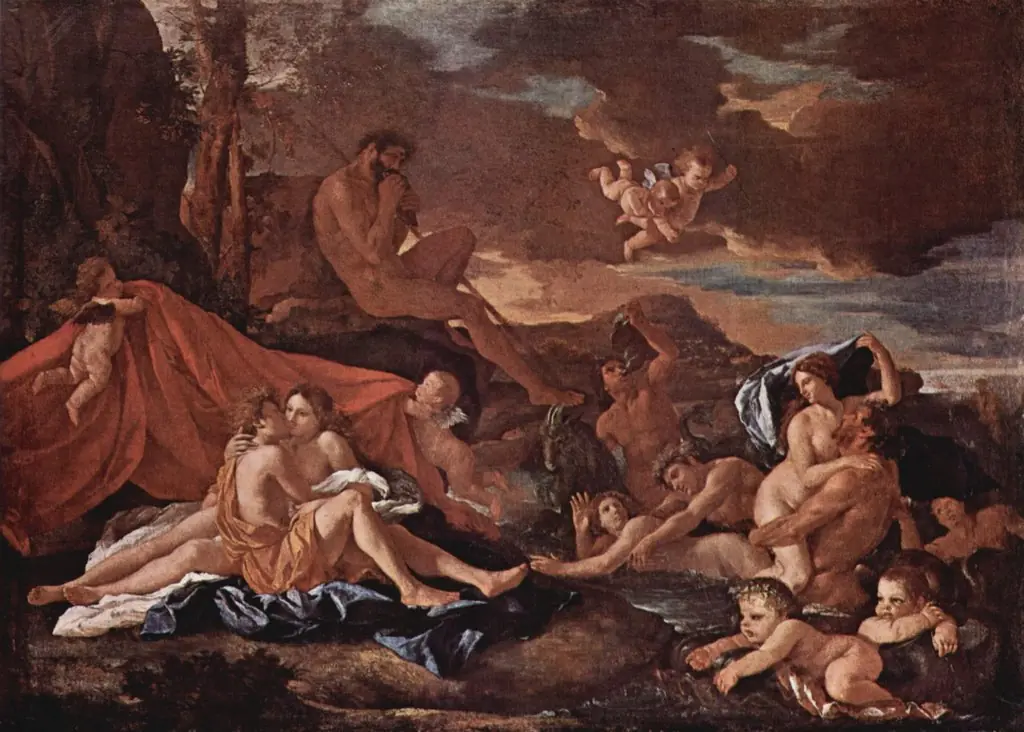 Acis and Galatea
 The Vision of Saint Jerome
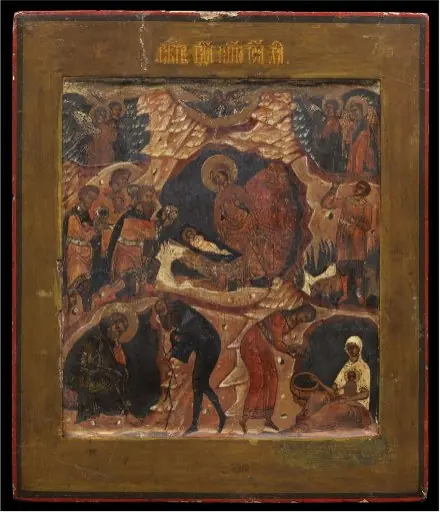 The Birth of Christ
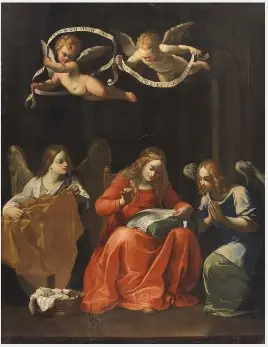 The Virgin Sewing or the Virgin of the Annunciation
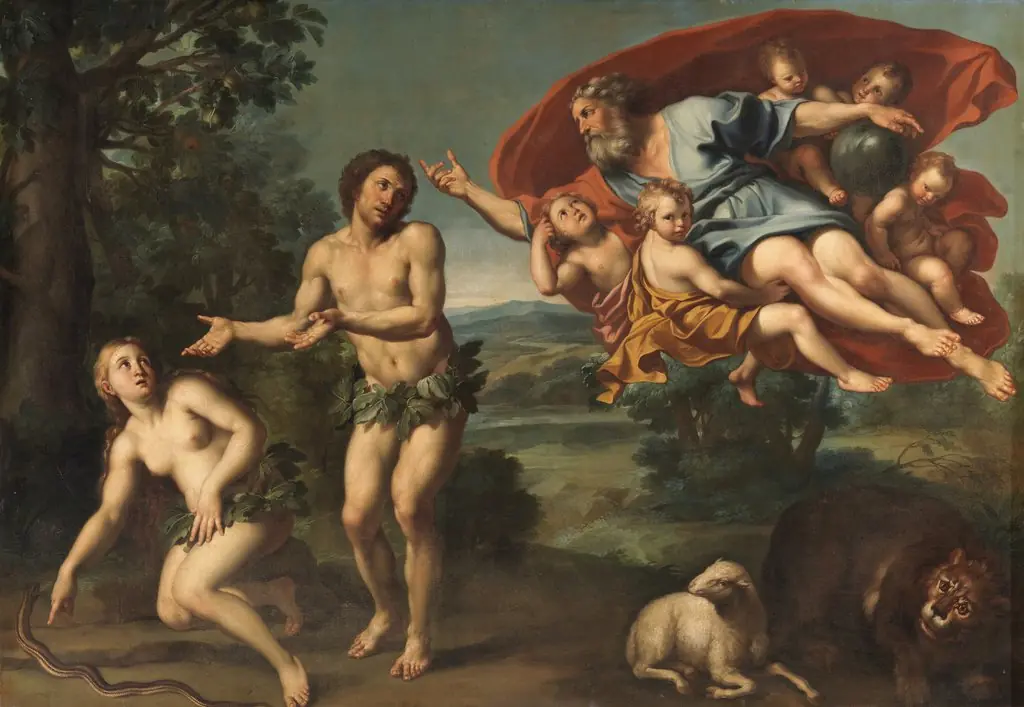 The Expulsion of Adam and Eve
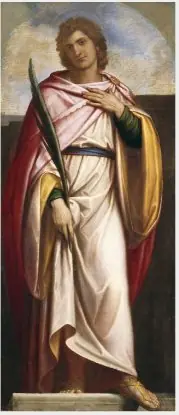 Saint John the Evangelist
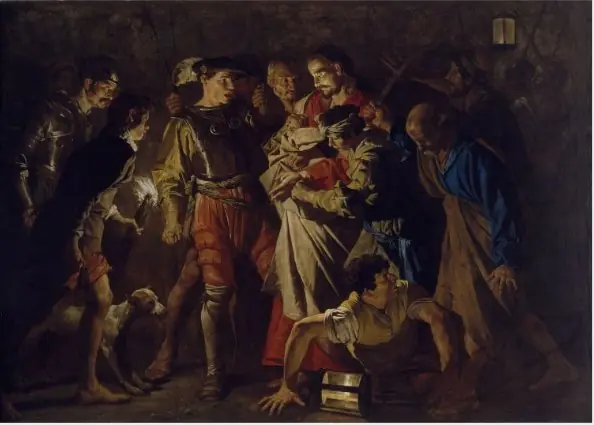 The Arrest of Christ
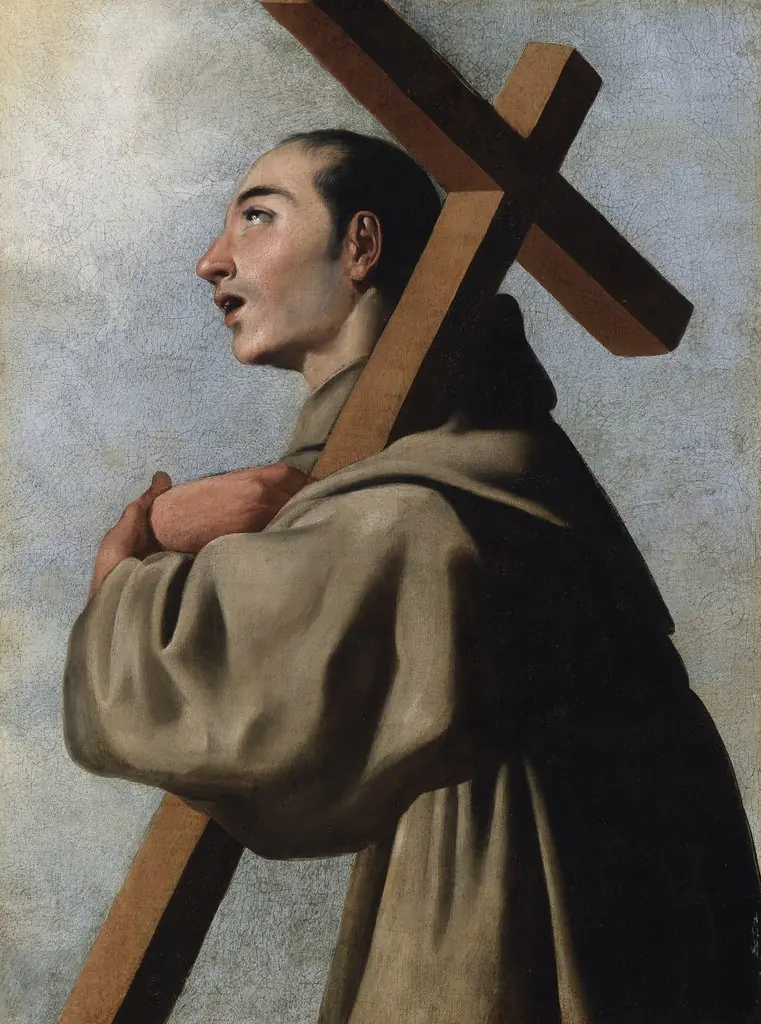 Saint Diego of Alcalá
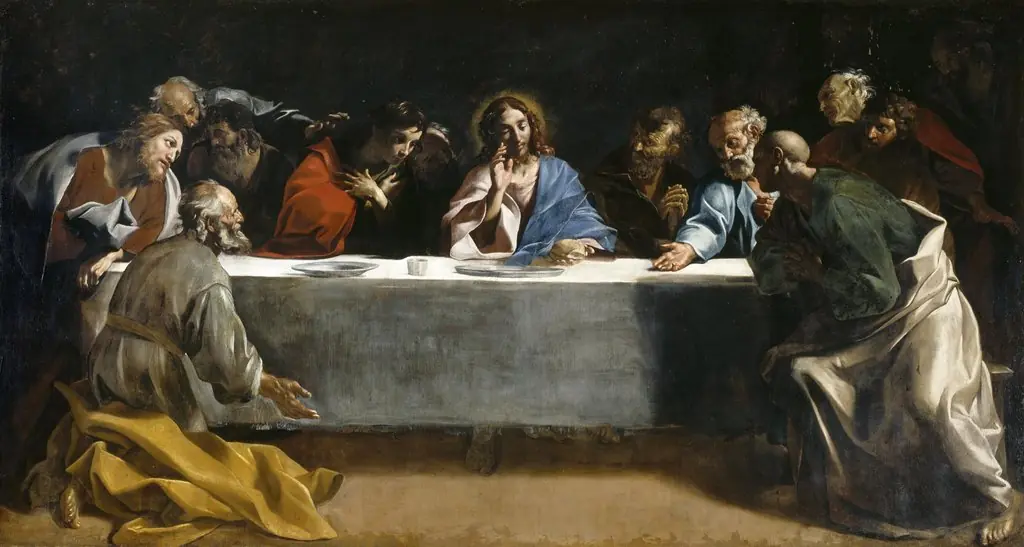 The Last Supper
 The Mystic Marriage of Saint Catherine
 Portrait of Giovanni Battista Brignole
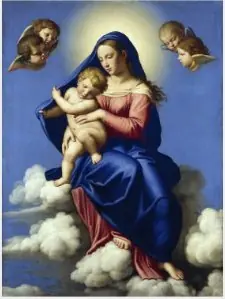 The Virgin and Child Seated in Clouds
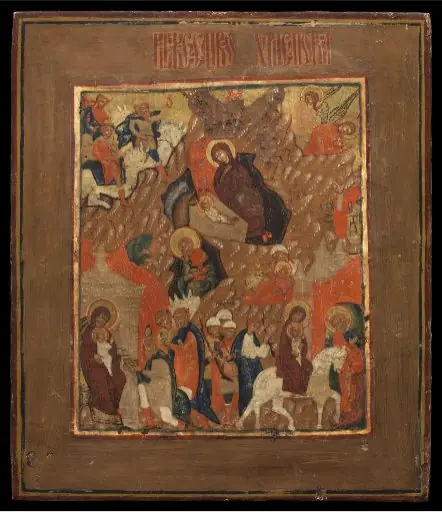 The Nativity of Christ
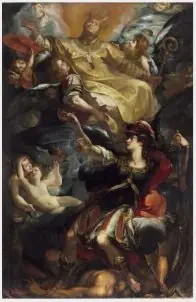 The Apotheosis of Saint Charles Borromeo
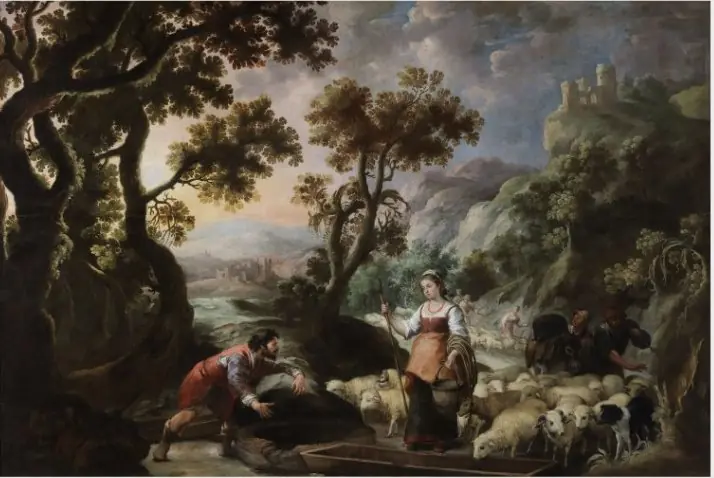 The Meeting of Jacob and Rachel at the Well
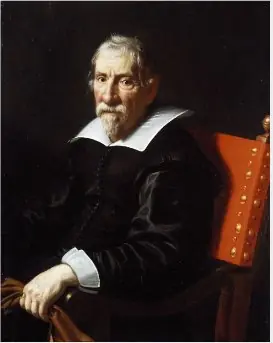 Portrait of an Elderly Man
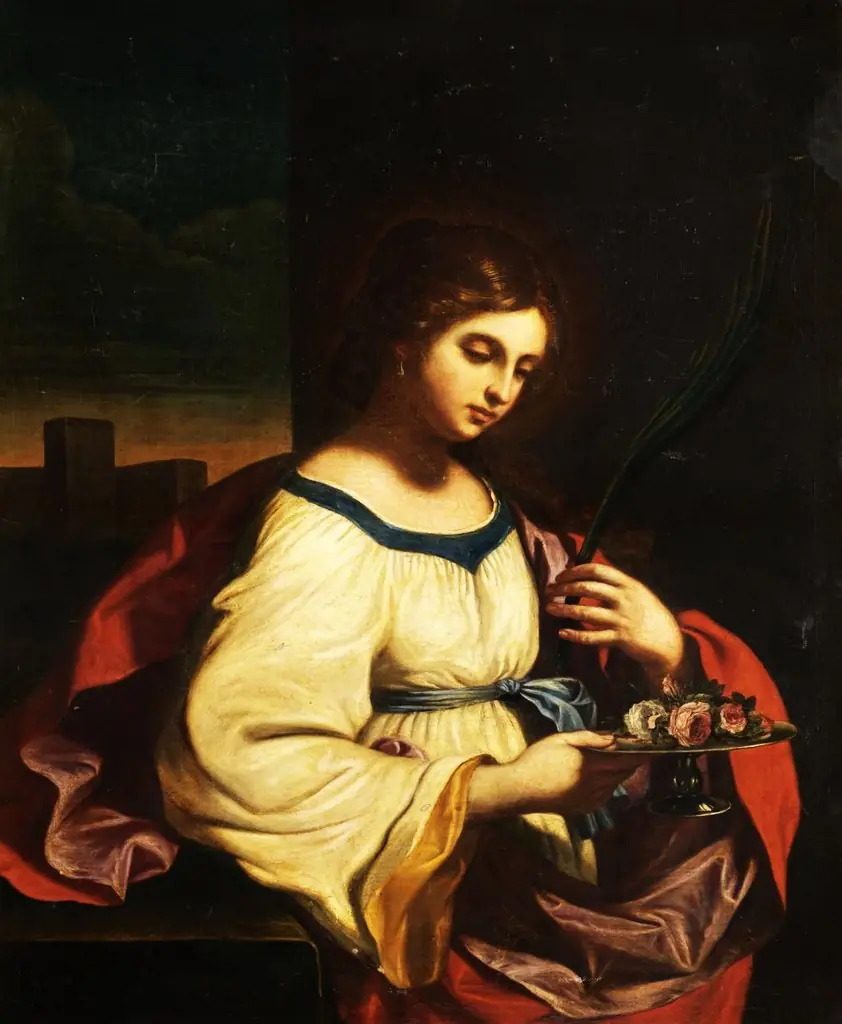 Saint Agatha
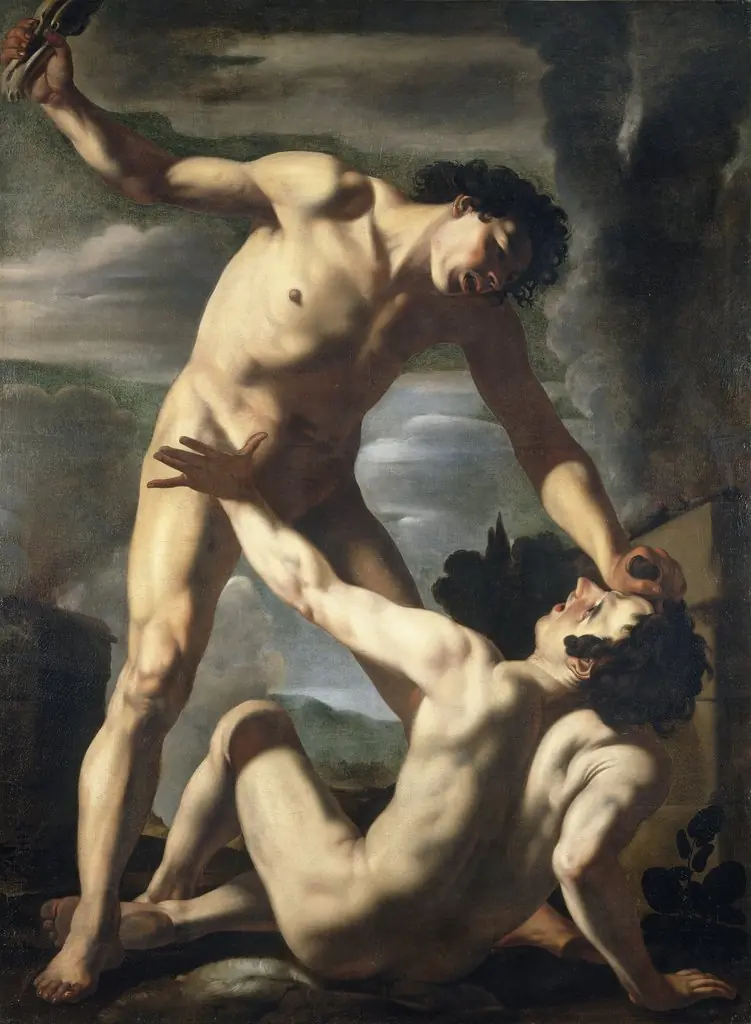 Cain and Abel
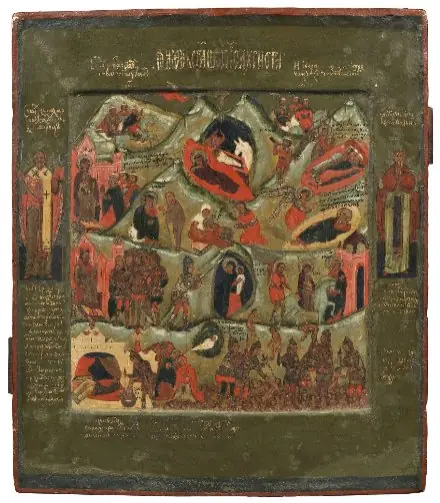 The Birth of Christ
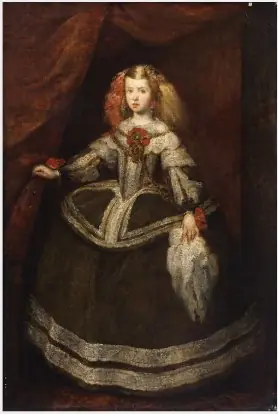 A Spanish Infanta in 17th Century Costume
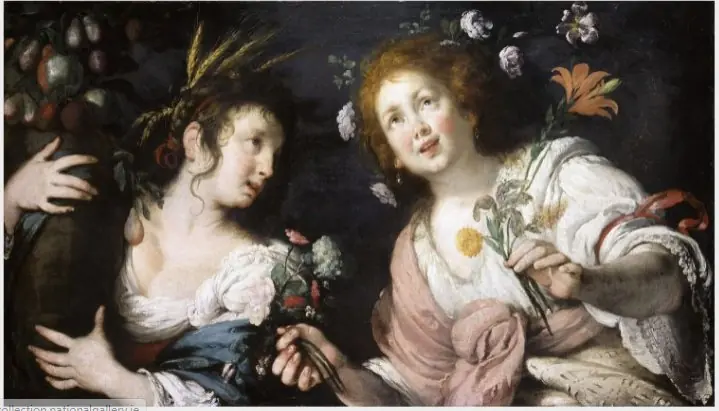 Allegory of Spring and Summer
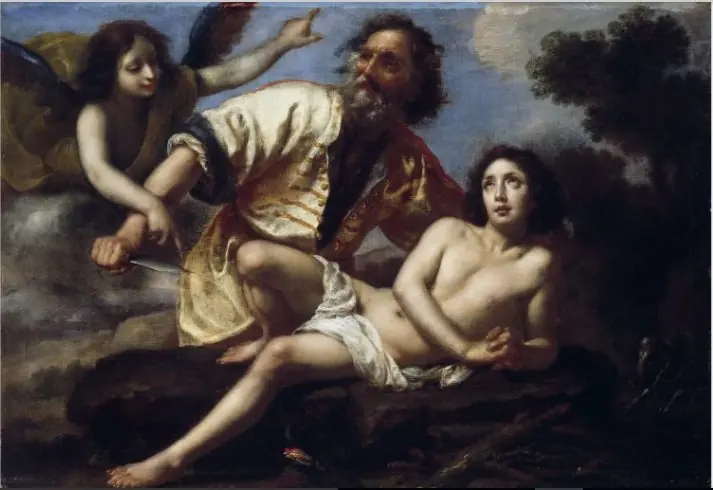 The Sacrifice of Isaac
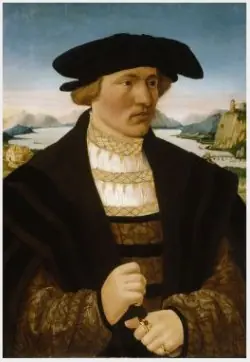 Portrait of Heinrich Knoblauch
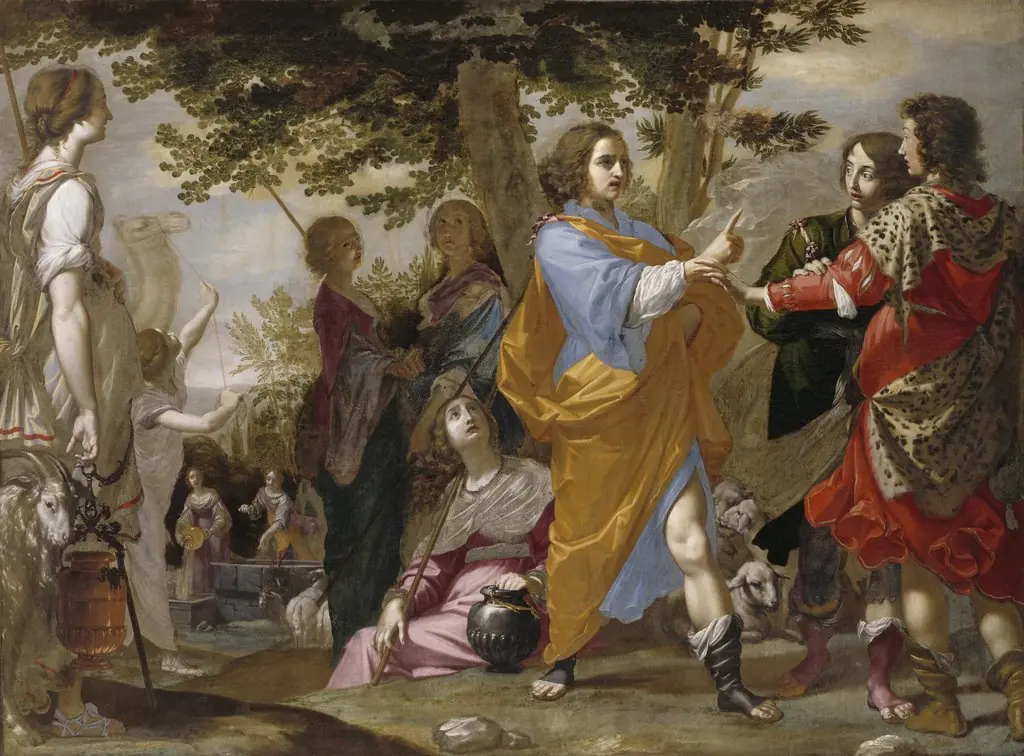 Moses Defending Jethro's Daughters at the Well
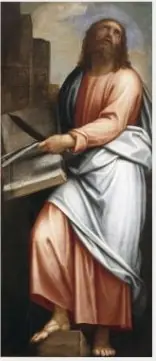 Saint Bartholomew
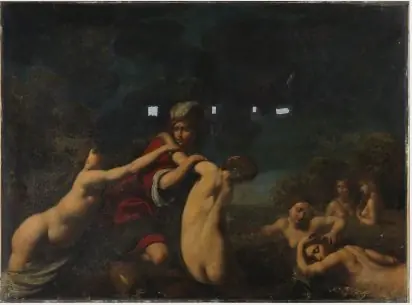 Hylas and the Nymphs
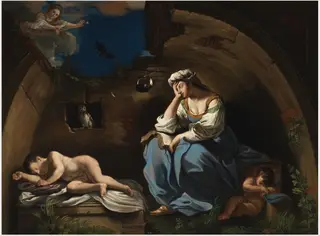 The Pensive Muse
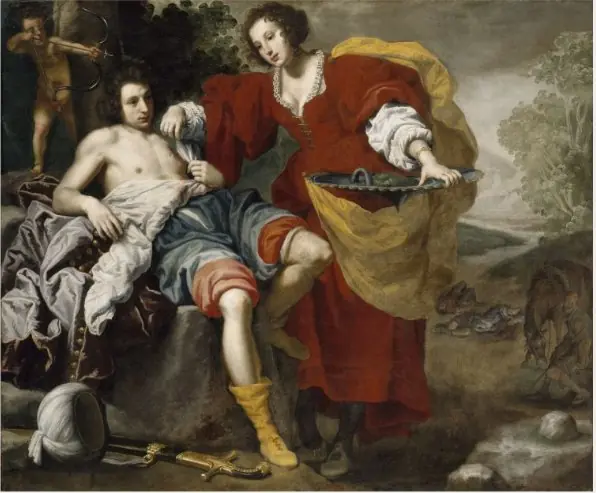 Angelica and Medoro
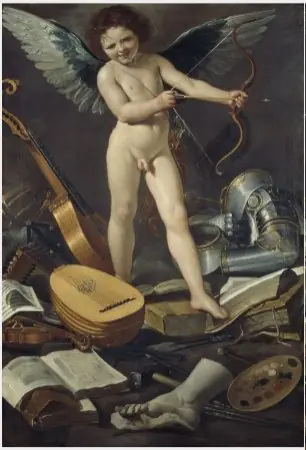 Victorious Love
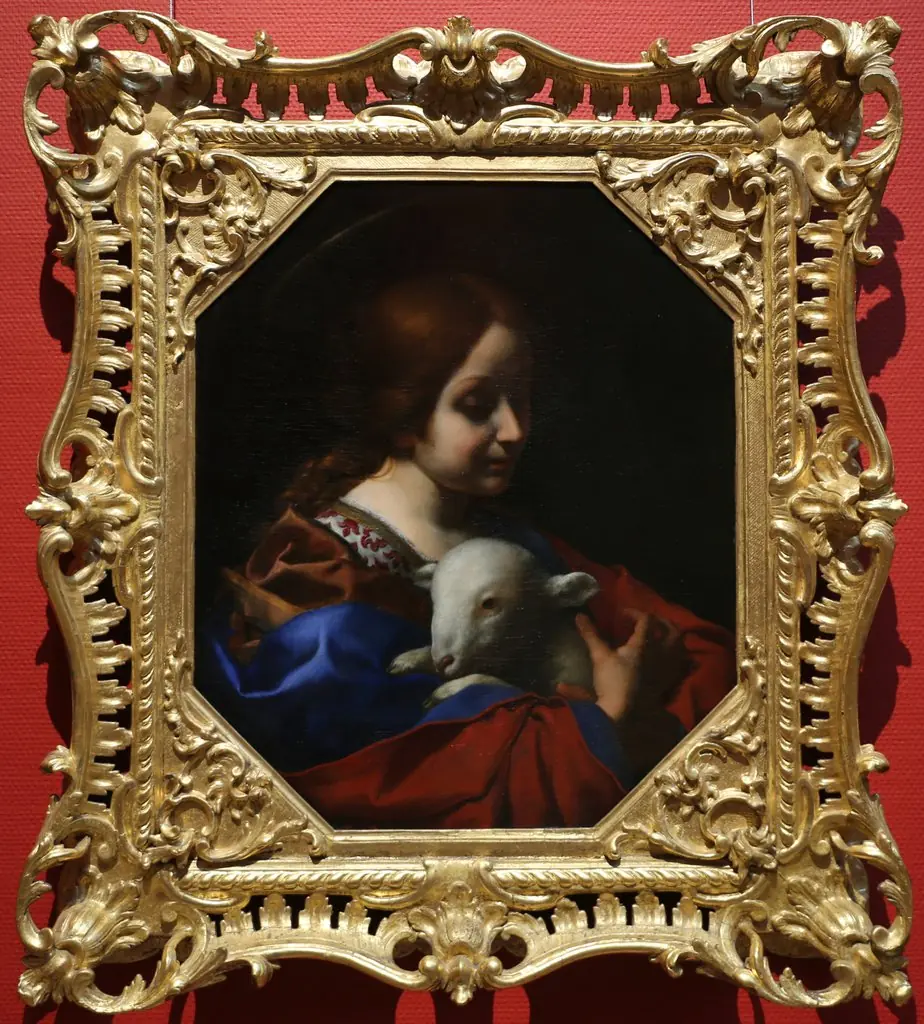 St Agnes