Art Museum
Yamatane Museum of Art

Image: Wikimedia Commons.
Yamatane Museum of Art is an art museum in Hiroo, Japan.
About Yamatane Museum of Art
The Yamatane Museum of Art (山種美術館, Yamatane Bijutsukan) is a museum in Japan specializing in the nihonga style of Japanese watercolour painting. It is run by the Yamatane Art Foundation. The museum holds 7-8 exhibitions per year.
The Yamatane museum was opened in 1966 by the Yamatane art foundation, an organization based on the personal collection of Yamazaki Taneji and the corporate collection of Yamatane securities (now SMBC Friend Securities). There is a long-term exhibition of lesser works, with periodic displays organized. The foundation organizes moving exhibitions of works in their possession. The museum owns famous nihonga paintings including some with "object of national cultural significance" status. The quality of their collection is very high.
Yamatane Museum of Art by the numbers
- Founded
- 1966
Plan your visit
Yamatane Museum of Art
- Website
- www.yamatane-museum.jp
Overview
The Yamatane Museum of Art is a private museum in Hiroo, Shibuya, Tokyo, devoted to nihonga, the modern Japanese style of watercolour painting. Established in 1966 by the Yamatane Art Foundation, it holds one of the most respected collections in its field, numbering over 1,800 works. The museum presents seven to eight exhibitions annually and maintains an active publishing and touring exhibition program that extends its influence beyond Tokyo.
Founding & history
The museum was founded in 1966 by the Yamatane Art Foundation, an organization built from the personal collection of Yamazaki Taneji (1893-1983), a securities dealer, and the corporate collection of Yamatane Securities, now SMBC Friend Securities. Yamazaki was personally acquainted with Yokoyama Taikan and collected nihonga with an eye toward investment as well as connoisseurship. The collection was first displayed near the company headquarters in Kabutochō, Tokyo's banking district. In 2007 the museum relocated to its present site in Hiroo, Shibuya, chosen for easier public access. A major acquisition came in 1976, when the museum purchased 105 works from the Ataka Collection, significantly strengthening its holdings.
Collection scope
The collection of over 1,800 works is centered on modern and contemporary nihonga from the Meiji period onward, while also encompassing classic calligraphy, early modern paintings, ukiyo-e, and Western-style paintings. Its particular strengths lie in depth rather than breadth: 120 paintings by Hayami Gyoshū, seventy by Kawai Gyokudō, and 135 by Okumura Togyū, including the majority of works he exhibited in the postwar Inten (Japan Art Institute Exhibition). The collection spans the Edo period through the late twentieth century, with notable Edo-era holdings including works by Sakai Hōitsu of the Rimpa school. The museum's publications program, active since at least 2010, has produced catalogues on Gyoshū, Seihō, Taikan, Kokei, Togyū, and thematic volumes on flowers, cherry blossoms, and animals.
Notable holdings
The museum holds six works designated as Important Cultural Properties. These include Court Ladies Enjoying Wayside Chrysanthemums by Iwasa Matabei (1578-1650), View of Mt. Kunō by Tsubaki Chinzan (1801-1854), Tabby Cat by Takeuchi Seihō (1864-1942), Nude by Murakami Kagaku (1888-1939), and two works by Hayami Gyoshū (1894-1934): Dancing in the Flames and Camellia Petals Scattering. Among Important Art Objects is Autumn Plants and Quails by Sakai Hōitsu (1761-1828). Other significant works include Sakuemon's House and Divine Spirit: Mt. Fuji by Yokoyama Taikan, Ancient Pine Tree and White Wisterias by Shimomura Kanzan, Scene from the Noh Play Kinuta by Uemura Shōen, Agalloch Pillow by Kaburaki KKKiyokata, Scenes from the Legend of Kiyohime by Kobayashi Kokei, and End of the Year by Higashiyama Kaii. The Gyoshū holdings are especially notable, with Dancing in the Flames and Camellia Petals Scattering ranking among the most celebrated nihonga of the early twentieth century.
Building & site
The museum occupies a purpose-built facility in Hiroo, an upscale residential district in Shibuya, Tokyo. The move from Kabutochō to Hiroo in 2007 was undertaken specifically to improve accessibility for the general public, shifting from a location in the financial district to a more visitor-friendly neighborhood. The building houses long-term display space for lesser works alongside galleries for temporary exhibitions.
Visiting
The Yamatane Museum of Art is located in Hiroo, Shibuya, Tokyo, and is operated by the Yamatane Art Foundation. It presents seven to eight exhibitions per year, combining long-term displays of works from its permanent collection with periodic special exhibitions. The foundation also organizes traveling exhibitions that circulate works from its holdings to other venues. The museum maintains both Japanese and English websites and has a presence on Google Arts & Culture. Its active publishing program issues exhibition catalogues and collection studies that serve as reference works for scholars and collectors of nihonga.
Museums near Yamatane Museum of Art
- Art Museum National Museum of Western Art Ueno-kōen, Japan
- Art Museum Tokyo Fuji Art Museum Yanomachi, Japan
- National Museum National Museum of Korea Yongsan District, South Korea
- National Museum National Palace Museum Shilin District, Taiwan
- National Museum National Museum of China Donghuamen Subdistrict, People's Republic of China
- Art Museum Lopez Museum Pasig, Philippines


What's on
Current Exhibition
![Exhibition: [Special Exhibition] Sakura, Sakura, Sakura 2025 ―Flower Viewing at the Museum!](https://www.yamatane-museum.jp/upload/img2412-00.jpg)
[Special Exhibition] Sakura, Sakura, Sakura 2025 ―Flower Viewing at the Museum!
From 8 Mar 2025
[Special Exhibition]
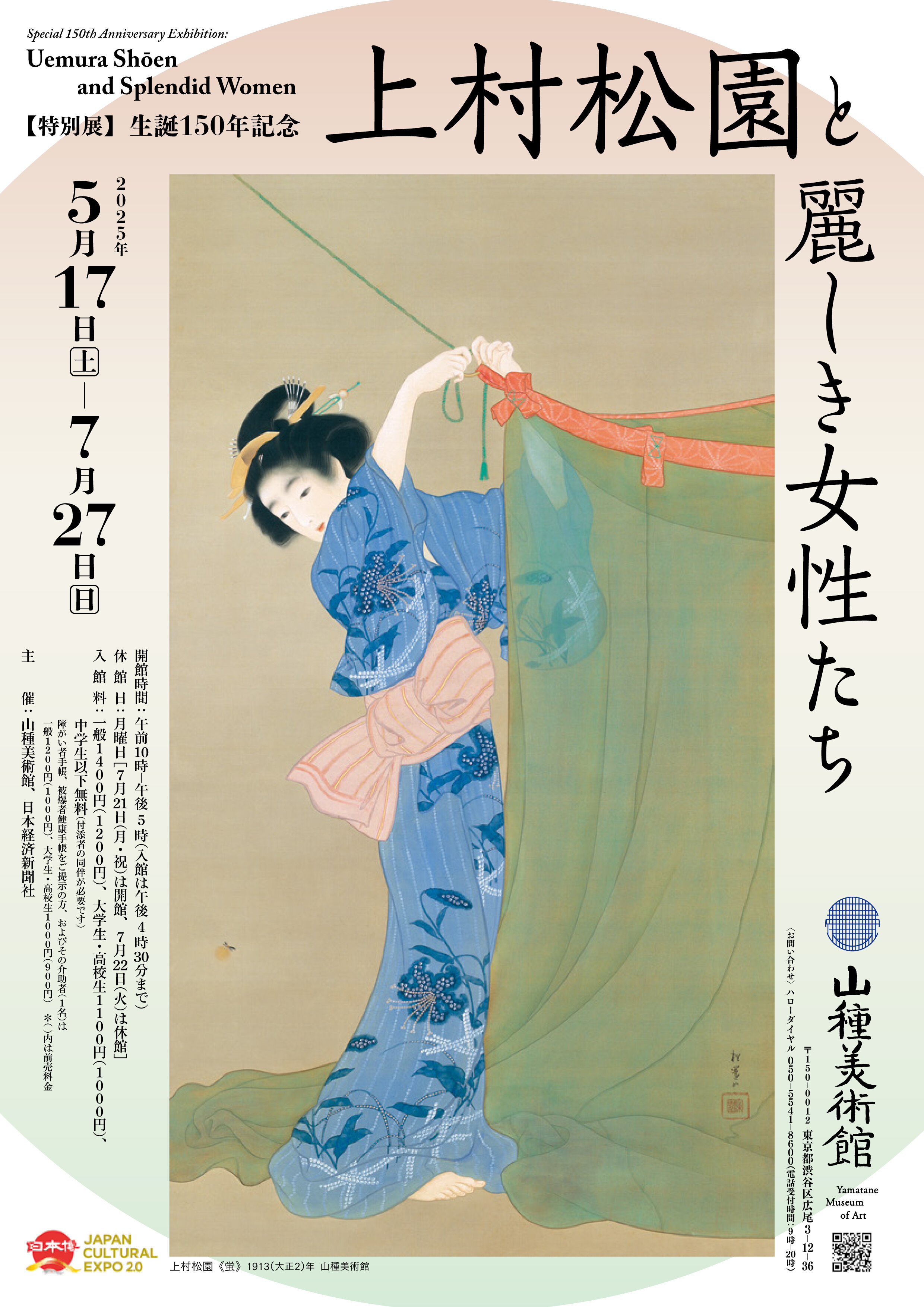
Special 150th Anniversary Exhibition: Uemura Shōen and Splendid Women
From 17 May 2025
Special 150th Anniversary Exhibition:
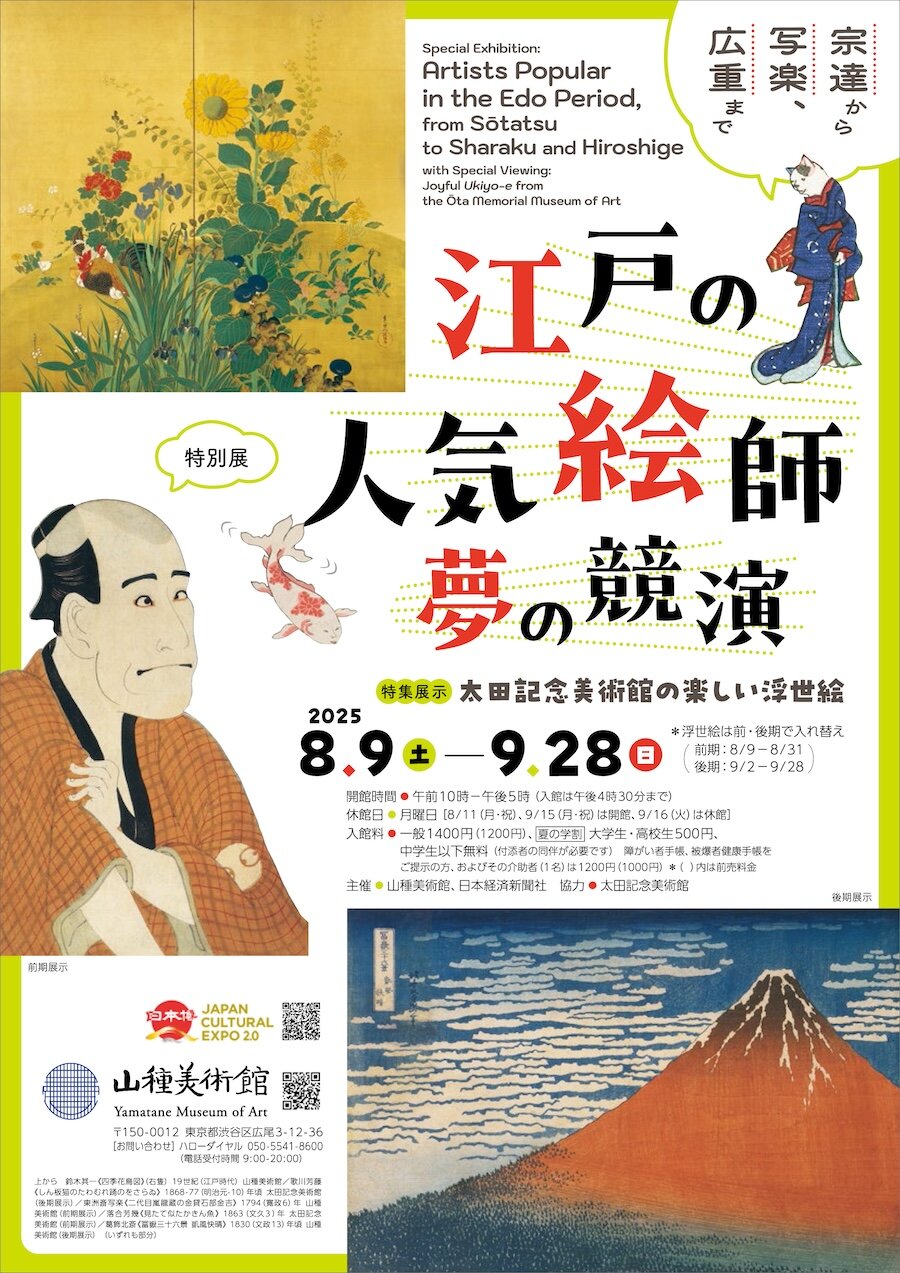
Artists Popular in the Edo Period, from Sōtatsu to Sharaku and Hiroshige with Special Viewing: Joyful Ukiyo-e from the Ōta Memorial Museum of Art
From 9 Aug 2025
[Special Exhibition]
![Exhibition: [Special Exhibition] A Nihonga Pilgrimage 2025 ―From Hayami Gyoshū and Higashiyama Kaii to Yamaguchi Akira―](https://www.yamatane-museum.jp/image/202508nihonga-chirashi.jpg)
[Special Exhibition] A Nihonga Pilgrimage 2025 ―From Hayami Gyoshū and Higashiyama Kaii to Yamaguchi Akira―
From 4 Oct 2025
[Special Exhibition]
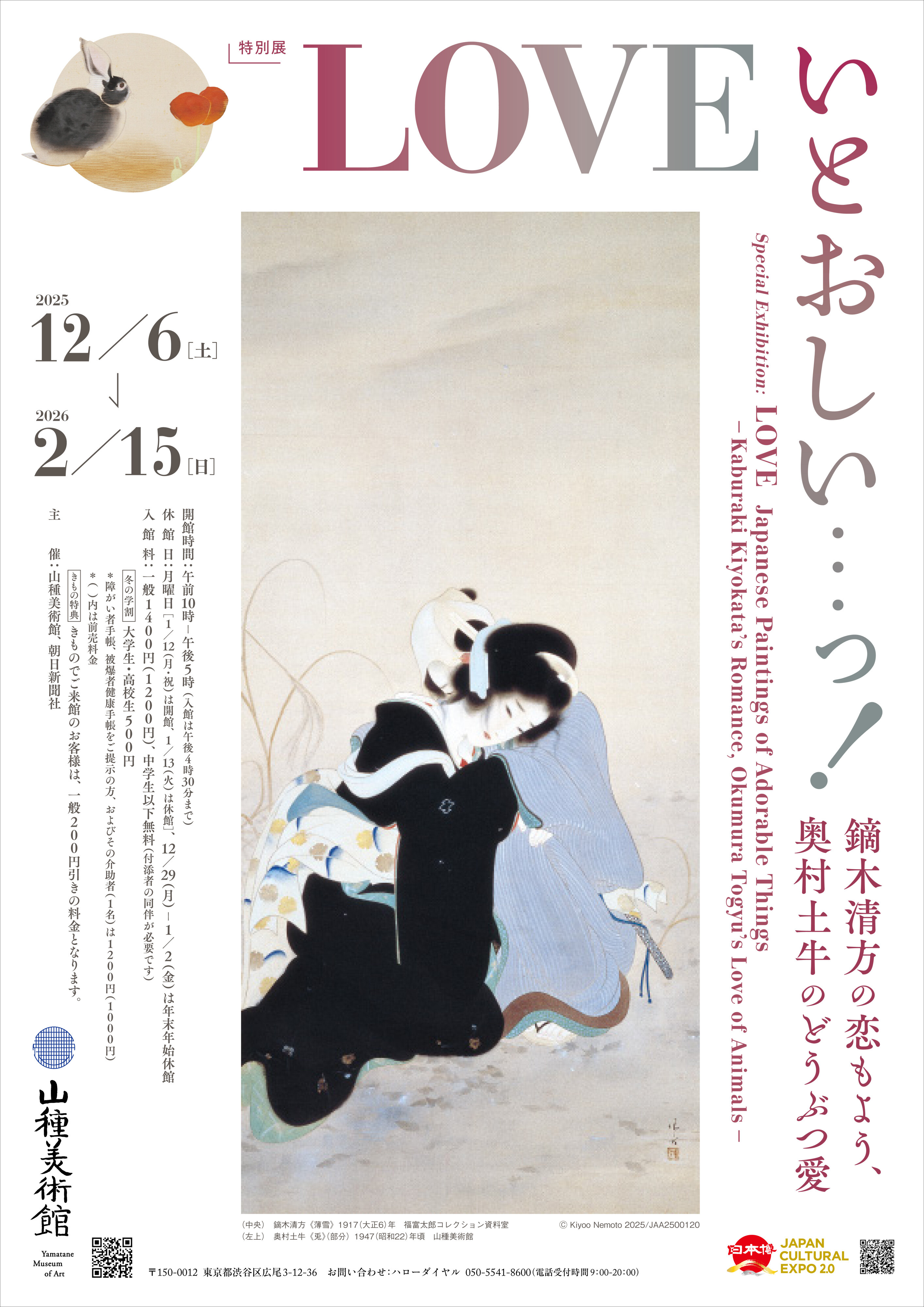
LOVE Japanese Paintings of Adorable Things ―Kaburaki Kiyokata’s Romance, Okumura Togyu’s Love of Animals―
From 6 Dec 2025
[Special Exhibition]
![Exhibition: [Special Exhibition] A World of Flowers 2026 ―Yokoyama Taikan’s Cherry Blossoms, Kawabata Ryūshi’s Peonies and Hayami Gyoshū’s Plum Blossoms―](https://www.yamatane-museum.jp/image/img2602-00.jpg)
[Special Exhibition] A World of Flowers 2026 ―Yokoyama Taikan’s Cherry Blossoms, Kawabata Ryūshi’s Peonies and Hayami Gyoshū’s Plum Blossoms―
From 28 Feb 2026
[Special Exhibition]