Artist
Sesshū Tōyō

Japanese, 1420–1506
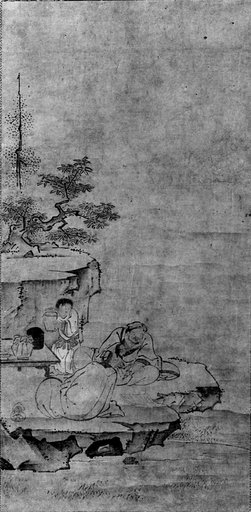
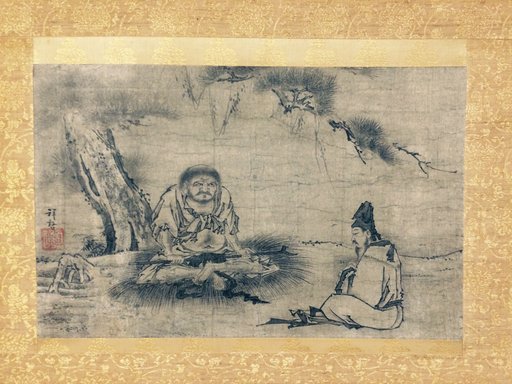
Sesshū Tōyō was a Japanese Renaissance artist. 9 works are cataloged here, principally at Cleveland Museum of Art, most of them ink works. Sesshū Tōyō was born in Bitchū Province.
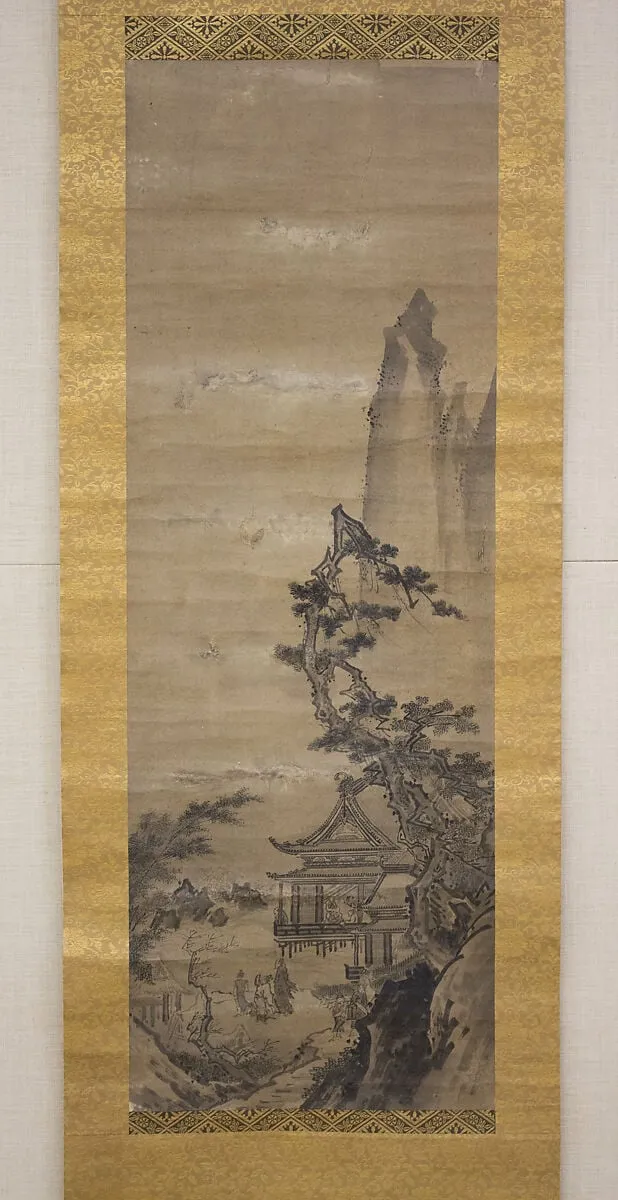
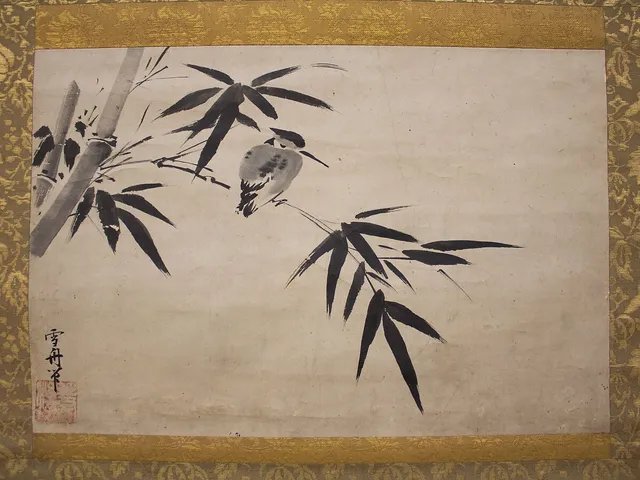
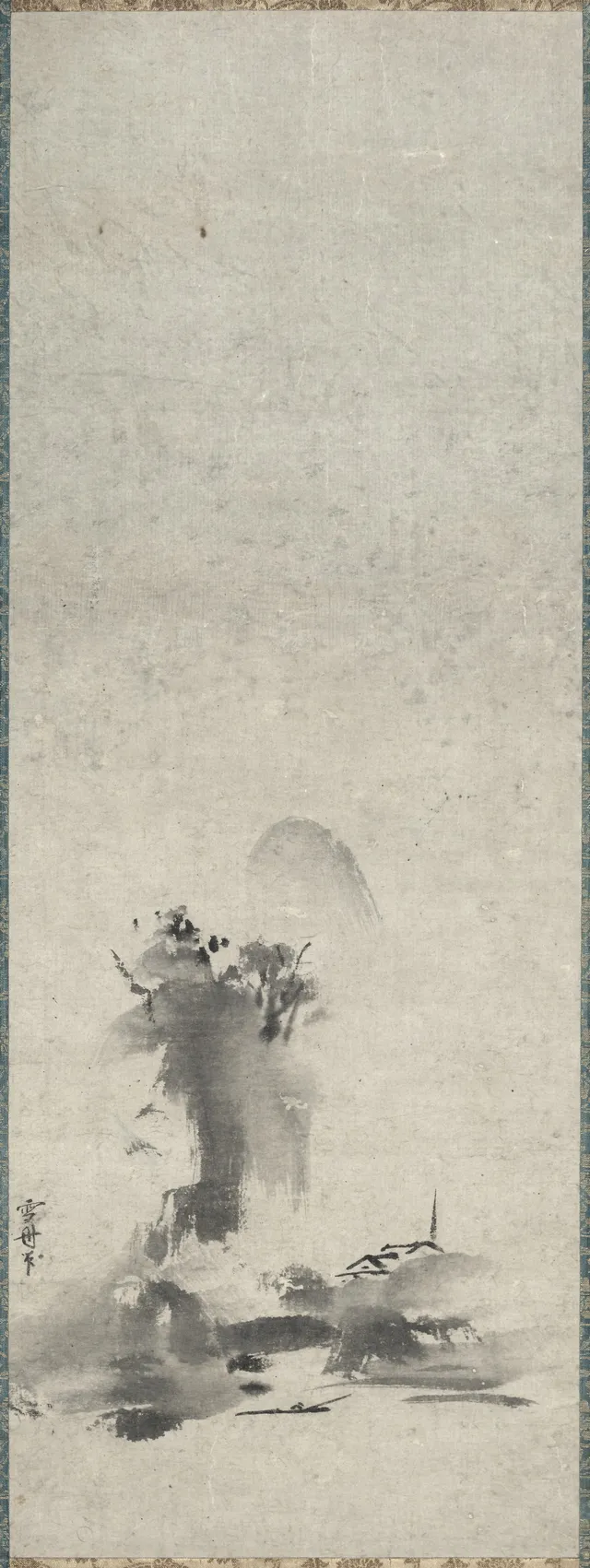
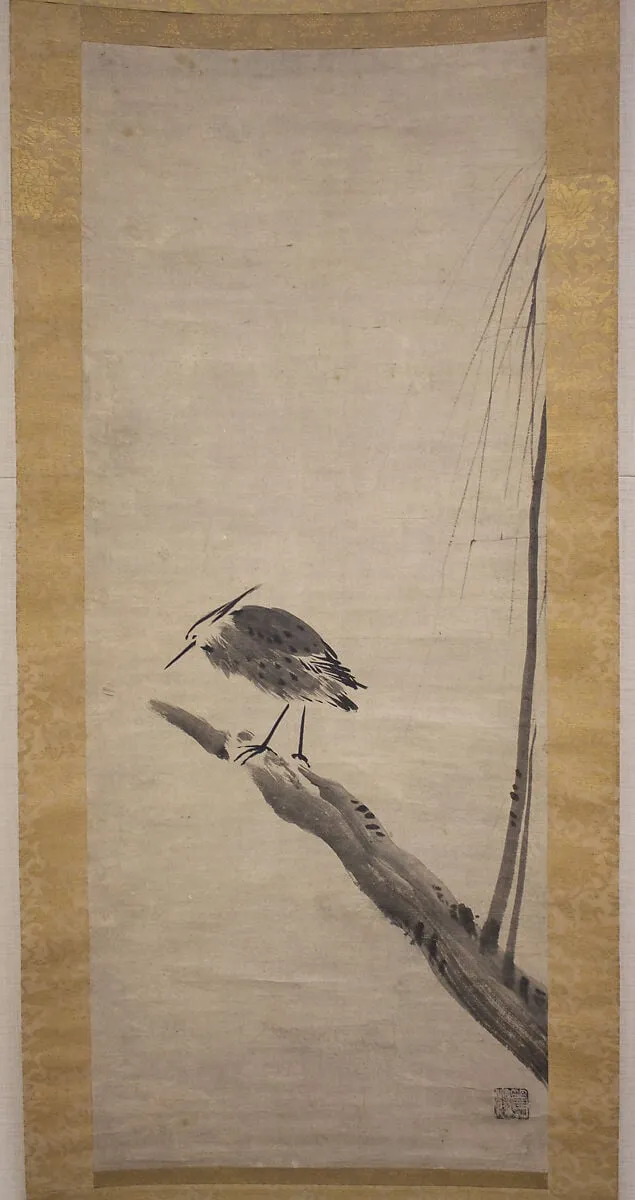
Sesshū Tōyō (雪舟 等楊; c. 1420 – August 26, 1506), also known simply as Sesshū (雪舟; Japanese pronunciation: ), was a Japanese Zen monk and painter who is considered a great master of Japanese ink painting. Initially inspired by Chinese landscapes, Sesshū's work holds a distinctively Japanese style that reflects Zen Buddhist aesthetics. His prominent work captured images of landscapes, portraits, birds and flowers paintings, infused with Zen Buddhist beliefs, flattened perspective, and emphatic lines.
Sesshū was born into the samurai Oda family (小田家) and trained at Shōkoku-ji temple in Kyoto, Japan, as a Zen monk. From his early childhood, Sesshū showed a talent for painting and eventually became widely revered throughout Japan as a wise, reputable Zen scholar, and the greatest painter priest of Zen-Shu. Sesshū worked in a painting atelier whilst training under Tenshō Shūbun (c. 1418–1463).
But upon visiting China, his work took on a distinctive Chinese influence, merging Japanese and Chinese styles to develop his individualistic style of Zen paintings. Sesshū's influence on painting was so wide that many schools of art appointed him their founder. Sesshū's most acclaimed works are Winter Landscape (c. 1470s), Birds and Flowers (1420–1506) and Four Landscape Scrolls of the Seasons (1420–1506).
Works by Sesshū Tōyō
Collections represented


Artists in a similar vein