Artwork
竹に翡翠図|Kingfisher and Bamboo
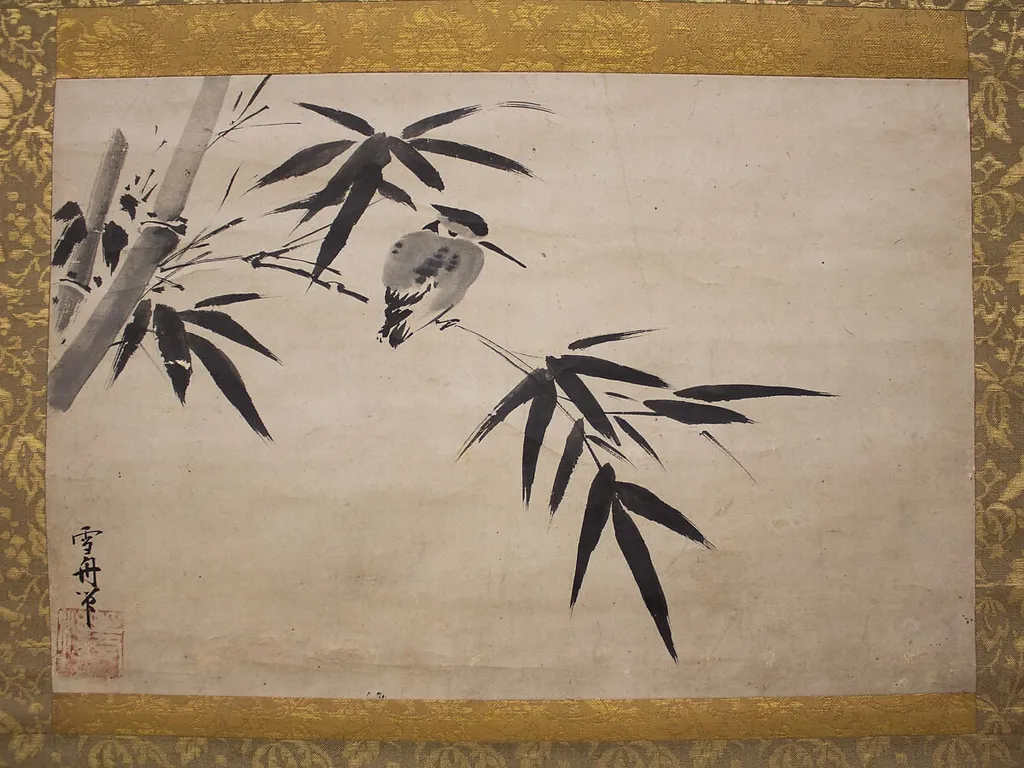
竹に翡翠図|Kingfisher and Bamboo is an ink painting by the Ming dynasty painting artist Sesshū Tōyō. It dates from 1463 and is held in the collection of the Metropolitan Museum of Art.
About this work
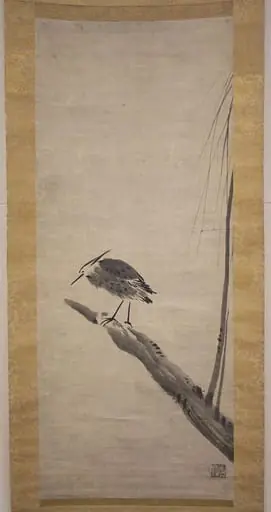
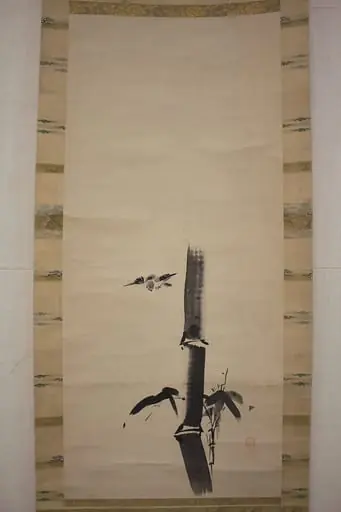
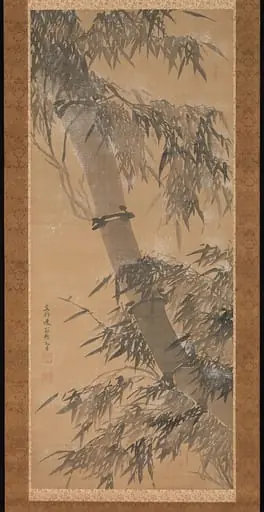
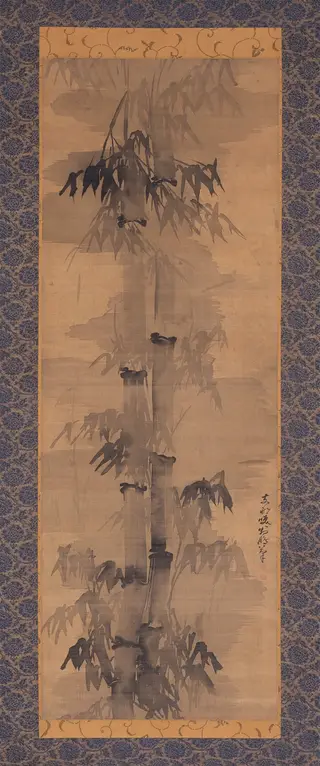
A single kingfisher clings to a thin bamboo stalk, small, bright, and still, as leaves fan out in quick dark strokes. Sesshū Tōyō painted the original in 1463; this scroll is a later copy that kept the idea alive after the first was lost. In black ink alone, it reads like light and shadow.
Subject & Meaning
The work portrays a vivid kingfisher perched among slender bamboo stems, a motif rooted in Chinese and Japanese visual tradition.
The work portrays a vivid kingfisher perched among slender bamboo stems, a motif rooted in Chinese and Japanese visual tradition. Bamboo (Bambusoideae) is conventionally associated with resilience, scholarly integrity, and enduring virtue, while the kingfisher symbolizes happiness, springtime renewal, and good fortune. By combining these elements, Sesshū Tōyō creates a compact visual image that celebrates the harmonious coexistence of nature's steadfastness and fleeting joy, reflecting the artist's interest in subtle moral and aesthetic ideals.
Technique & Style
The work, titled 竹に翡翠図|Kingfisher and Bamboo, is a hanging scroll executed in ink on paper in 1463 in Japan. It belongs to the landscape genre and portrays bamboo (Bambusoideae) alongside a bird, rendered through fine, calligraphic brushstrokes that emphasize linear rhythm and negative space. The composition balances sparse bamboo stalks with a delicately rendered kingfisher, creating a harmonious interplay of movement and stillness typical of Sesshū's style. The scroll is now held in the collection of the Metropolitan Museum of Art.
History & Provenance
Created in 1463 in Japan, the hanging scroll titled 竹に翡翠図|Kingfisher and Bamboo was painted by Sesshū Tōyō using ink on paper. The composition depicts bamboo (Bambusoideae) together with a bird and is classified as a landscape painting. The work is held in the collection of the Metropolitan Museum of Art in New York, among the museum's holdings of paintings.
While a specific accession number is not provided in the available records, the piece is documented as part of the permanent collection. No exhibition history is recorded in the available sources.
Legacy
The hanging scroll Kingfisher and Bamboo, executed in ink on paper in 1463 by Sesshū Tōyō, portrays a kingfisher among bamboo stems. Classified as a landscape painting within the suiboku-ga (ink-wash) tradition, the work is held in the Metropolitan Museum of Art's collection, where it stands as a representative example of early Japanese ink painting and continues to attract scholarly attention to Sesshū's technique.
Overview
Sesshū Tōyō's "Kingfisher and Bamboo" is an ink painting on a hanging scroll, originally created in 1463. This work exemplifies the artist's skill in depicting natural subjects with minimalist means. It features a solitary kingfisher perched on a bamboo stalk, rendered with a focus on line and tone rather than color. The composition highlights the delicate balance between the bird and its environment.
Artist & collection

Artist
Sesshū Tōyō (雪舟 等楊; c. 1420 – August 26, 1506), also known simply as Sesshū (雪舟; Japanese pronunciation: ), was a Japanese Zen monk and painter who is considered a great master of Japanese ink painting. Initially…