Artwork
柳鷺図 (Ryūro zu)|Heron and Willow
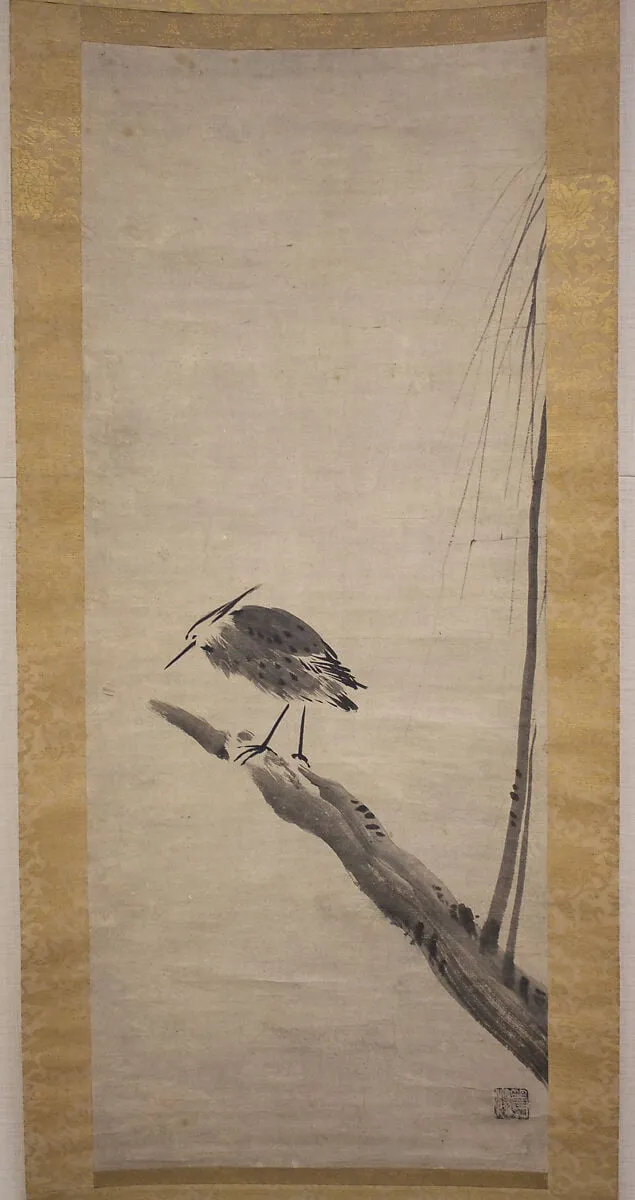
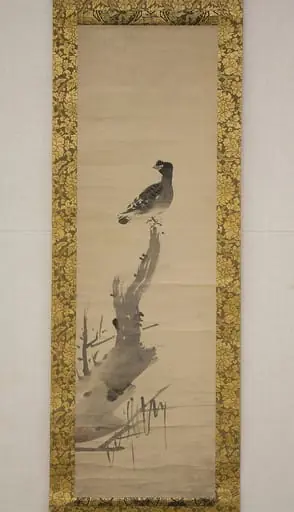
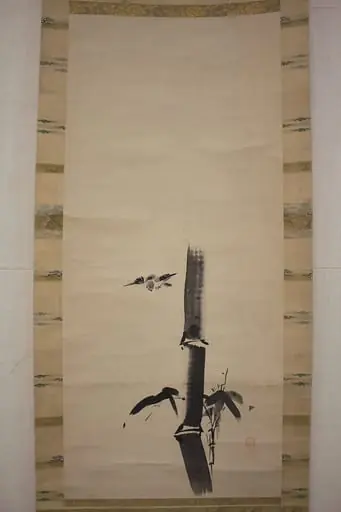
柳鷺図 (Ryūro zu)|Heron and Willow is an ink painting by the Baroque artist Sesshū Tōyō. It dates from 1453 and is held in the collection of the Metropolitan Museum of Art.
About this work
Subject & Meaning
As an ink painting on paper, the composition utilizes the traditional landscape genre to present this avian subject.
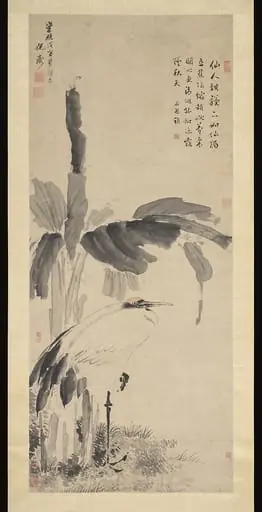
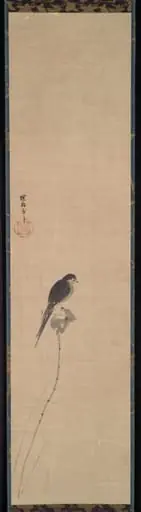
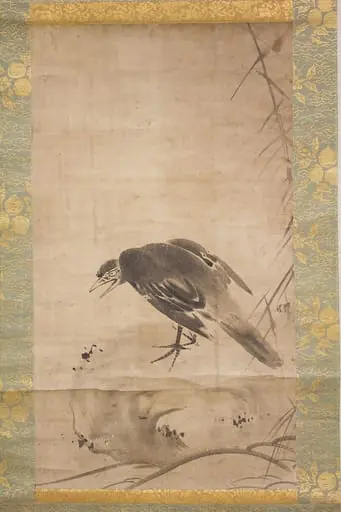
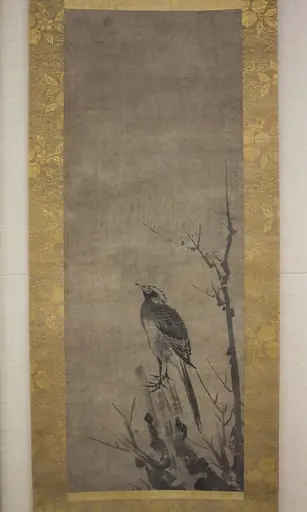
The work depicts a bird, specifically a heron, situated within a willow setting. As an ink painting on paper, the composition utilizes the traditional landscape genre to present this avian subject. While the specific symbolic interpretations of the heron and willow are not detailed in the provided records, the piece is recognized as a landscape painting by Sesshū Tōyō created in 1453. The subject matter focuses on the natural elements of the bird and the willow.
Technique & Style
Created in 1453, Heron and Willow is a hanging scroll executed in ink on paper. The work measures 99.7 cm in height and 40.6 cm in width. As a landscape painting, the composition centers on the depiction of a bird, specifically a heron, set within a natural environment suggested by willow elements.
The piece exemplifies the monochromatic ink technique characteristic of the artist, utilizing the paper support for expressive brushwork.
History & Provenance
Created in 1453 by the Japanese artist Sesshū Tōyō, this hanging scroll executed in ink on paper originated in Japan. The work, which depicts a heron within a landscape composition, is currently held in the collection of the Metropolitan Museum of Art. While the specific circumstances of its commission and the details of its ownership chain prior to entering the museum are not recorded in the available documentation, the piece is attributed to Sesshū's output in the mid-15th century.
The hanging scroll titled 'Heron and Willow' (Japanese: 柳鷺図) is part of the Metropolitan Museum of Art's collection in New York. It was created by the fifteenth-century Japanese master Sesshū Tōyō in 1453 and is recorded as a landscape painting depicting a bird. The work measures 99.7 cm in height and 40.6 cm in width.
Exhibition histories for the piece are not documented in the sources consulted, and no accession number is provided in the available records.
Context
Sesshū Tōyō (1420–1506) is recognized as a pivotal figure in Japanese medieval painting, especially for his contributions to suiboku‑ga and landscape imagery. The hanging scroll dated 1453, titled 柳鷺図 (Heron and Willow), exemplifies his interest in natural subjects.
The work belongs to the Metropolitan Museum of Art’s collection, where its rendering of a heron amid willow foliage is regarded as a representative example in studies of early Japanese ink landscapes and informs broader scholarship on the genre.
Overview
Heron and Willow is a hanging scroll executed in ink on paper, attributed to the Japanese painter Sesshū Tōyō and dated to 1453. The composition presents a solitary heron poised on one leg beneath a slender willow, rendered with restrained brushwork that allows the paper’s surface to remain largely visible. The work exemplifies the minimalist aesthetic of the Muromachi period, where simplicity and suggestion dominate the visual narrative.
Artist & collection

Artist
Sesshū Tōyō (雪舟 等楊; c. 1420 – August 26, 1506), also known simply as Sesshū (雪舟; Japanese pronunciation: ), was a Japanese Zen monk and painter who is considered a great master of Japanese ink painting. Initially…