Artwork
Untitled
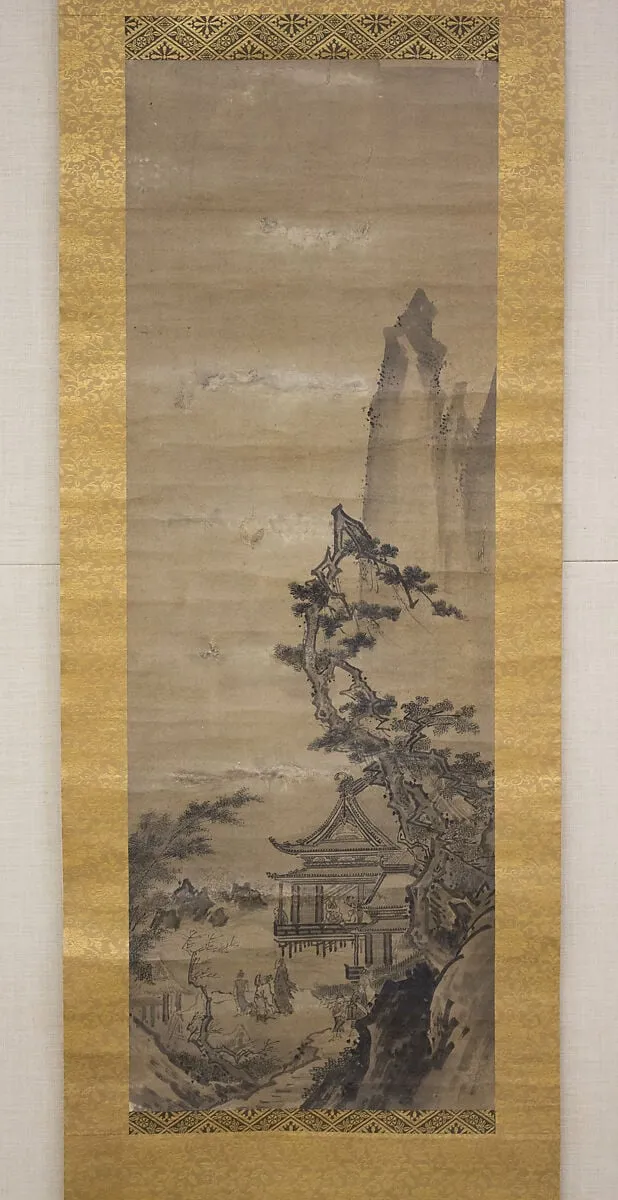
Untitled is an ink painting by the Baroque artist Sesshū Tōyō. It is held in the collection of the Metropolitan Museum of Art.
- Accession no.
- 29.100.529
- Credit line
- H. O. Havemeyer Collection, Bequest of Mrs. H. O. Havemeyer, 1929
About this work
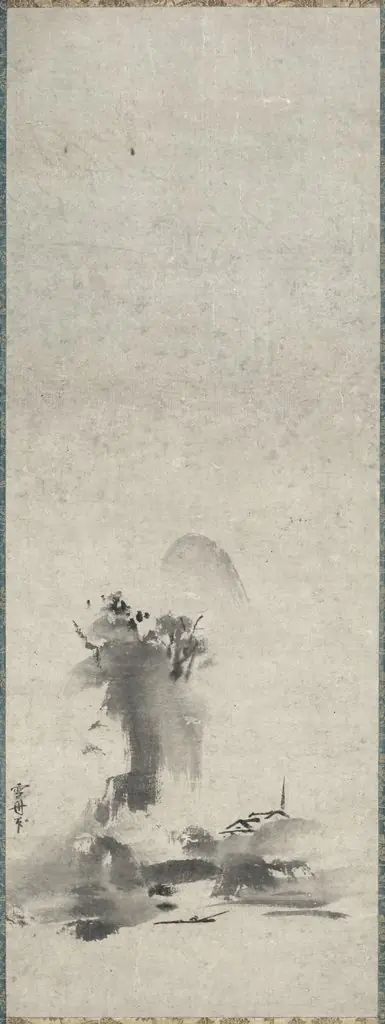
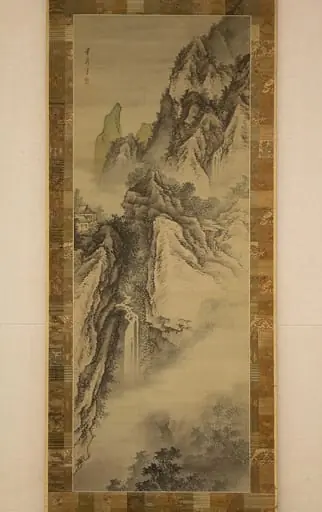
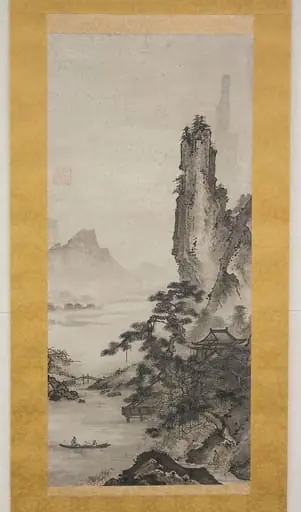
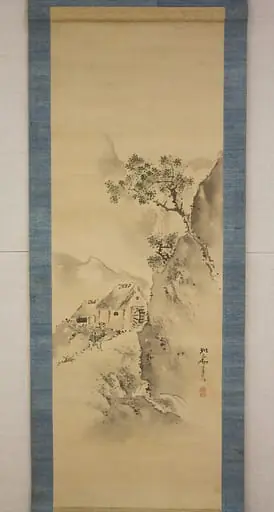
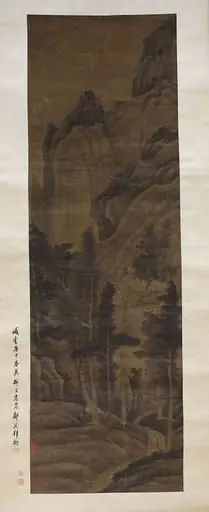
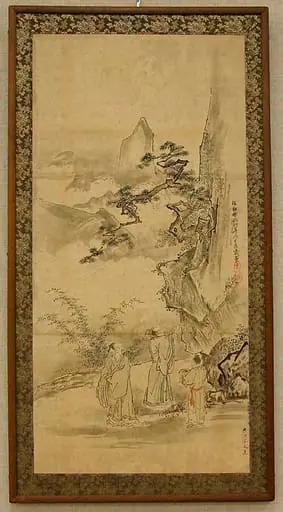
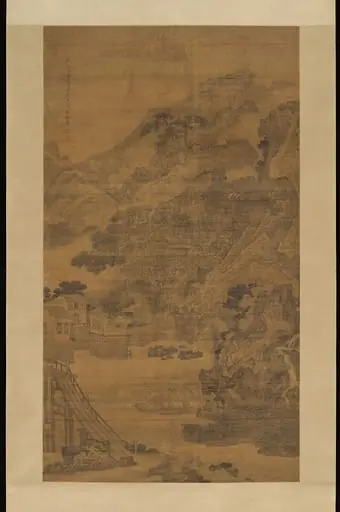
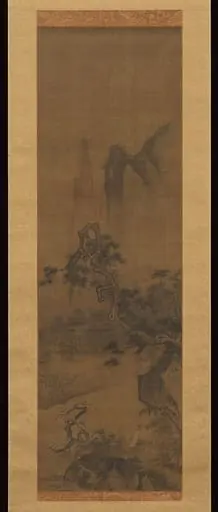
A tall, narrow scroll in black ink: mountains rise in jagged layers, a small pavilion clings to a slope, and a lone pine leans into the wind. Sesshu painted it in the 1400s, though the museum dates the mounting to the 17th century, as old scrolls were often remounted. In places the ink is dry as cracked earth, yet the strokes stay alive.
Subject & Meaning
The composition thus operates as both a descriptive view of terrain and an expression of the philosophical relationship between humanity and landscape.
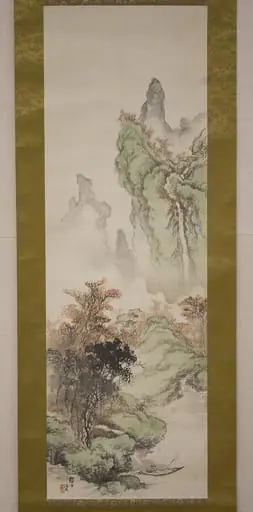
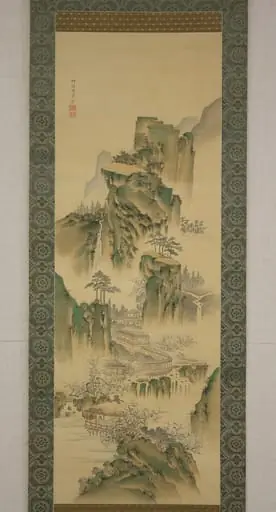
The scroll presents a monochromatic landscape rendered in ink on paper, depicting mountains and a pavilion situated within a natural setting. In the tradition of East Asian ink painting, such mountainous scenery typically evokes the harmony between human architecture and the natural world, with the pavilion functioning as a contemplative retreat nestled into the terrain. The genre designation as a landscape painting situates the work within a long-standing visual tradition in which mountains symbolize permanence, spiritual elevation, and the immensity of nature, while built structures such as pavilions suggest the human presence observing or seeking refuge within that vast environment.
The composition thus operates as both a descriptive view of terrain and an expression of the philosophical relationship between humanity and landscape.
Technique & Style
The work Untitled is a hanging scroll executed in ink on paper by Sesshū Tōyō (1420–1506), dated 1657. The scroll measures approximately 84.5 cm in height by 29.5 cm in width and was produced in Japan for the Metropolitan Museum of Art’s collection. Its medium consists of ink applied with brush and wash techniques that render a mist‑filled mountain landscape punctuated by a pavilion, employing atmospheric perspective and subtle gradations of tone.
The support is a single sheet of paper attached to a silk mounting, designed for vertical display and handled by its rolled format. The painting’s formal qualities emphasize compositional balance, delicate line work, and a restrained palette that conveys depth and serenity.
Overview
This untitled work is a hanging scroll rendered in ink on paper. It depicts a dramatic natural scene, characterized by towering, jagged mountains that rise in successive layers. A small pavilion is nestled precariously on a slope, while a solitary pine tree appears to bend under an unseen force, suggesting a dynamic interaction with the elements. The composition utilizes the vertical format of the scroll to emphasize the grandeur of the landscape.
History & Provenance
While this scroll was historically attributed to the 15th-century artist Sesshū, its current museum labeling assigns it to the 17th century. This revision stems from the common practice of remounting older scrolls, which can complicate precise dating and attribution. The artwork's physical characteristics, such as the condition of the paper and the specific ink application, likely informed this updated assessment, distinguishing the original painting from later interventions.
Artist & collection

Artist
Sesshū Tōyō (雪舟 等楊; c. 1420 – August 26, 1506), also known simply as Sesshū (雪舟; Japanese pronunciation: ), was a Japanese Zen monk and painter who is considered a great master of Japanese ink painting. Initially…