Artist
Tawaraya Sōtatsu

Japanese, 1570–1643
Tawaraya Sōtatsu was a Japanese Baroque artist. 26 works are cataloged here, principally at Cleveland Museum of Art, most of them ink works. Tawaraya Sōtatsu was born in Kyoto.
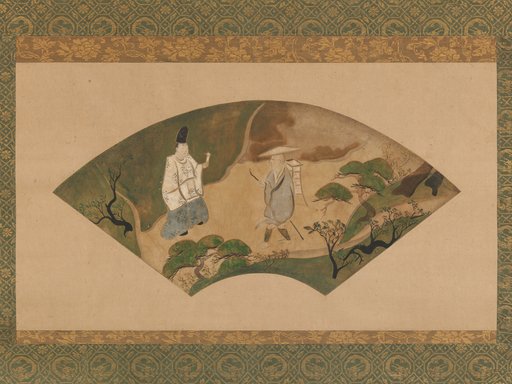
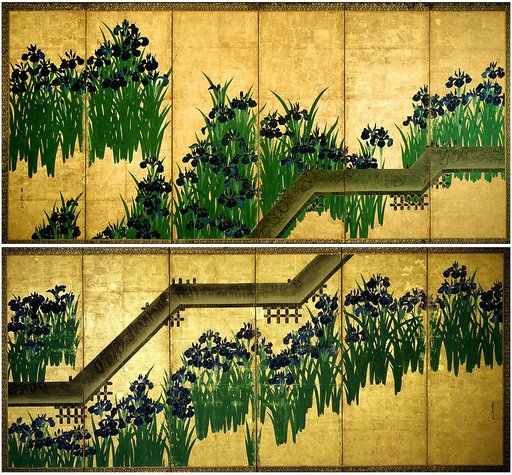
Tawaraya Sōtatsu (俵屋 宗達; c. 1570 – c. 1640) was a Japanese furniture designer and painter of the Rinpa school. Sōtatsu is best known for his decorations of calligraphic works by his partner Hon'ami Kōetsu (1558–1637), and his spectacular and highly influential byōbu folding screens, such as National Treasures Wind God and Thunder God and his painting of the Sekiya and Miotsukushi chapters from The Tale of Genji. He also popularized a technique called tarashikomi, in which a second layer of paint is applied before the first layer is dry.
He is also credited with co-founding the Rinpa school of Japanese painting, together with Kōetsu. Rinpa was not strictly a school, but a group of artist directly influenced by Sōtatsu and Kōetsu. Some of the most notable Rinpa artists are Ogata Kōrin (1658–1716), Ogata Kenzan (1663–1743) and Sakai Hōitsu (1761–1828).
While not particularly known at the time he lived and painted, he is now the second-most recognized Japanese painter in terms of number of inclusions in the National Treasures of Japan list.
Works by Tawaraya Sōtatsu
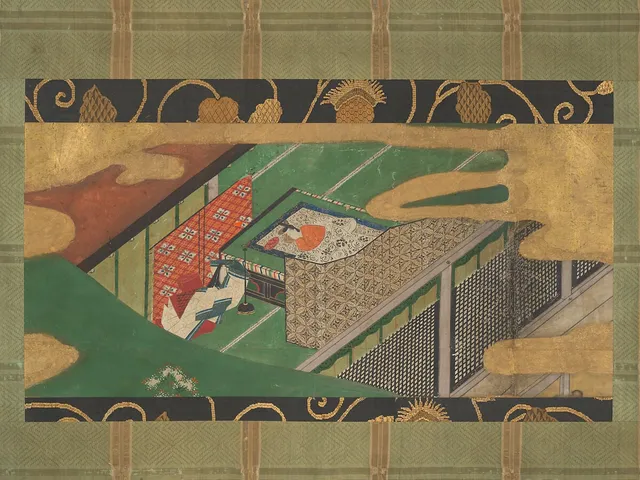 伝俵屋宗達筆 源氏物語図「宿木」 |“Trees Encoiled in Vines of Ivy” (Yadorigi)
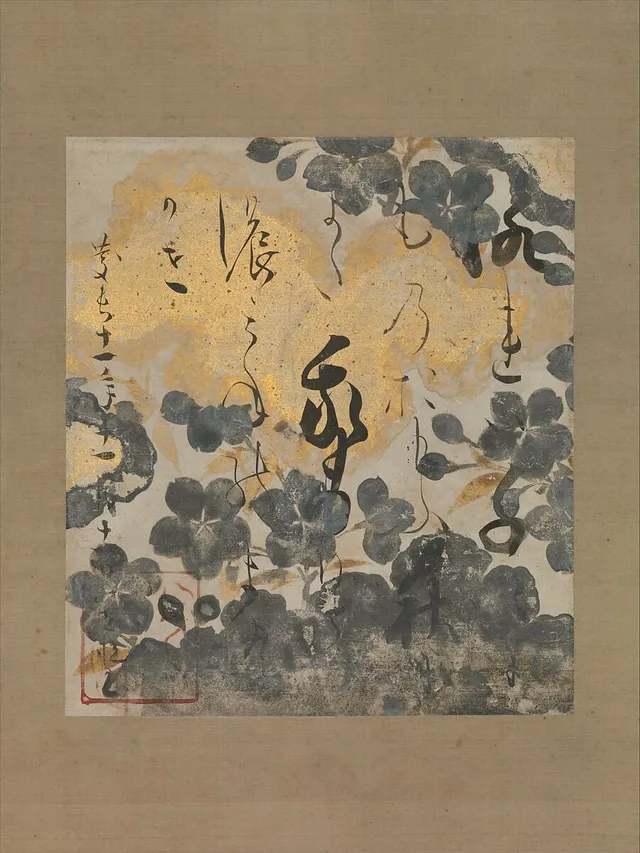 本阿見光悦書・俵屋宗達下絵 桜下絵和歌色紙 鴨長明|Poem by Kamo no Chōmei with Underpainting of Cherry Blossoms
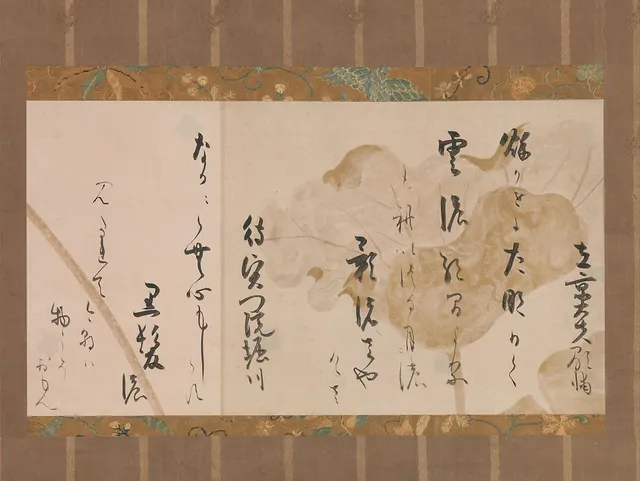 本阿弥光悦書・俵屋宗達下絵 小倉百人一首和歌巻断簡|Two Poems from One Hundred Poems by One Hundred Poets
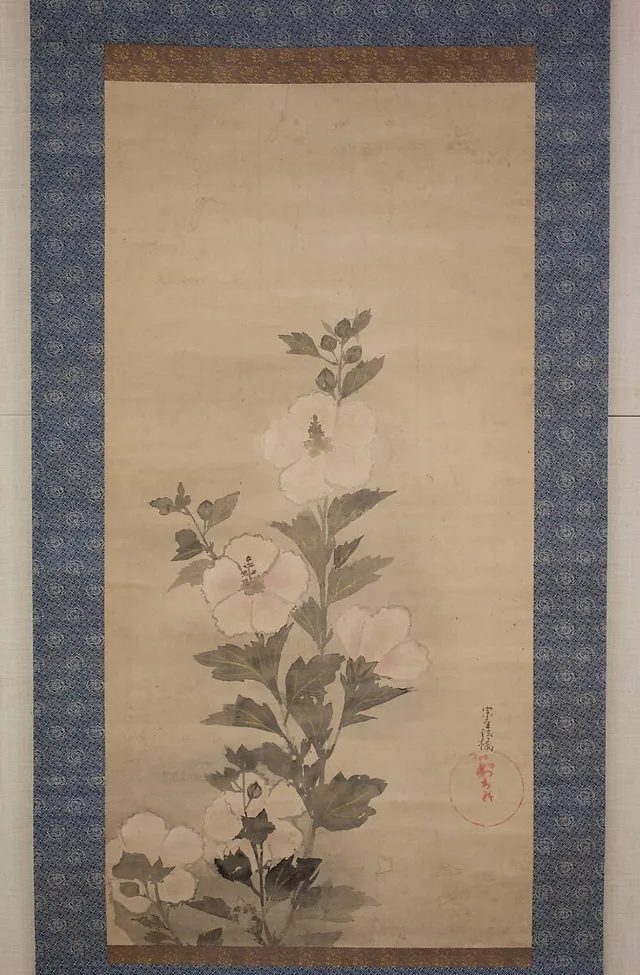 Untitled
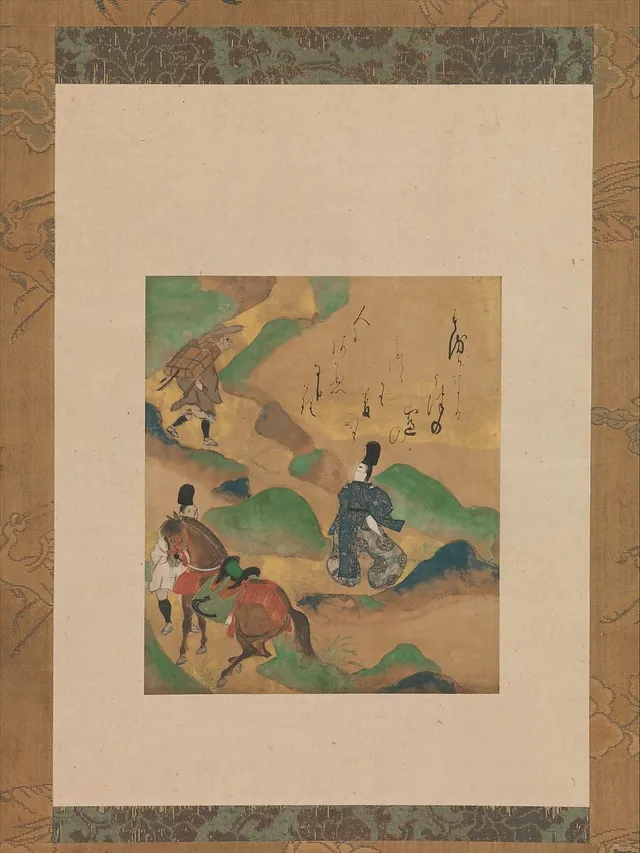 Untitled
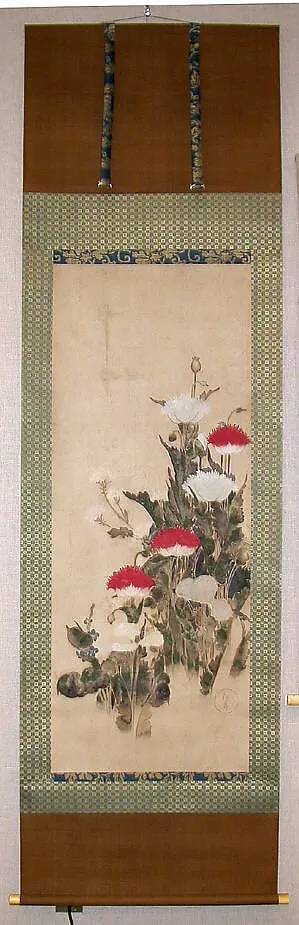 Untitled
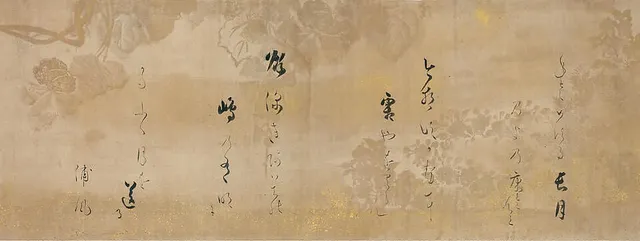 本阿弥光悦書 木版下絵和歌巻断簡|Twelve Poems from the New Collection of Poems Ancient and Modern
 Selections from the New Collection of Japanese Poems from Ancient and Modern Times (Shinkokin wakashū) with Printed Designs of Chinese Lions and Crab Finger Grass
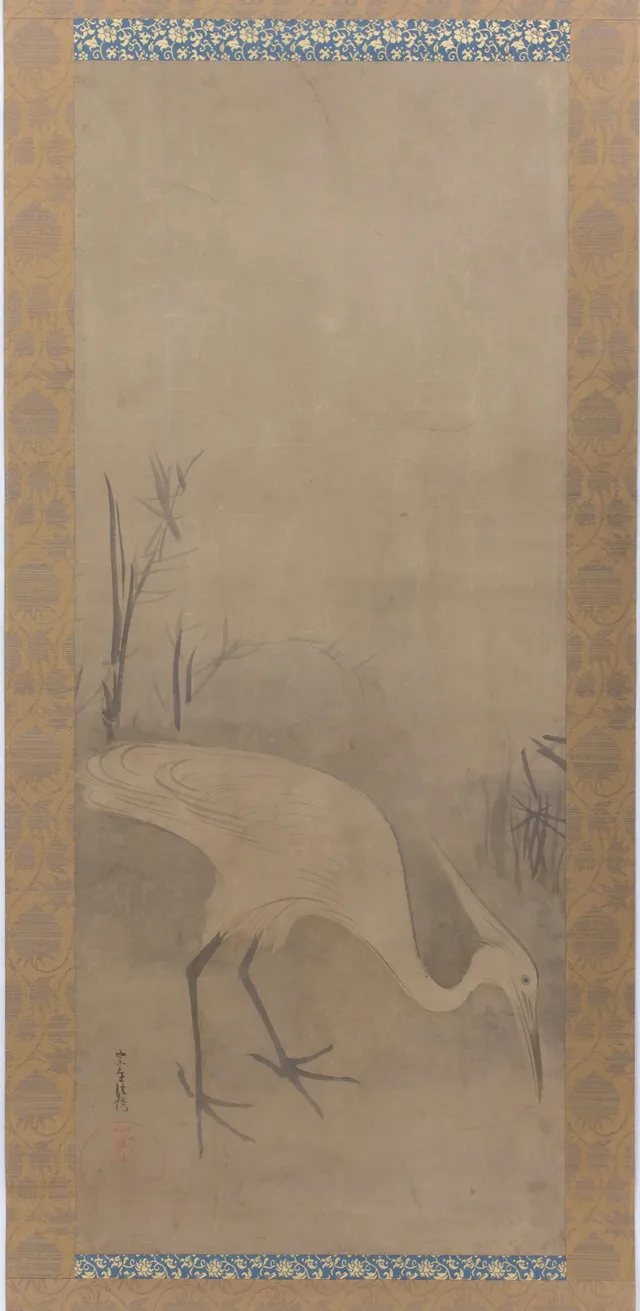 White Heron (Shirosagi zu)
Collections represented


Artists in a similar vein