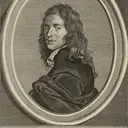
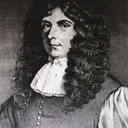
Artist
David Loggan
Kingdom of England
David Loggan is a Kingdom of England Baroque artist. 28 works are cataloged here, principally at National Gallery of Art.
David Loggan (1676–1676) was an artist.
Overview
David Loggan (1634-1692) was a Polish-born British engraver, draughtsman, and painter whose meticulous topographical views and portrait engravings established him as one of the most significant graphic artists working in England during the late seventeenth century. Born in Danzig (modern-day Gdańsk) to English and Scottish parents, Loggan synthesized Continental training with English patronage to produce two landmark illustrated books, Oxonia Illustrata (1675) and Cantabrigia Illustrata (1690), which remain indispensable visual records of Oxford and Cambridge universities. His extensive output of portrait engravings, more than a hundred of which are held by the National Portrait Gallery in London, captures the intellectual and political elite of Restoration England with remarkable technical precision.
Style & movement
Loggan operated within the Baroque tradition of Northern European printmaking, combining the precise linear technique of Dutch engraving with the documentary demands of English institutional patronage. His early training under Willem Hondius in Danzig and Crispijn van de Passe II in Amsterdam exposed him to the refined portrait engraving traditions of the Low Countries, as well as to the reproductive print culture that flourished there. His topographical works, particularly the bird's-eye views of Oxford and Cambridge colleges, demonstrate a methodical approach to architectural rendering, combining measured accuracy with compositional clarity. In portraiture, he worked primarily in engraving, though he also produced miniature portraits as plumbago drawings. His engravings after other artists, including Wenceslaus Hollar, show his engagement with the broader network of Continental printmakers active in England. The Italian source additionally notes his activity as a publisher, author, and collector of drawings, suggesting a multifaceted engagement with the graphic arts beyond mere execution.
Major works
Loggan's most significant achievements are the two monumental illustrated folios devoted to England's universities. Oxonia Illustrata (1675), the product of several years' labour assisted by Robert White, presents bird's-eye views of all the Oxford colleges and was published with a fifteen-year selling licence. Cantabrigia Illustrata (1690) documents Cambridge University and its colleges, along with Eton College, and secured Loggan the formal title of engraver to Cambridge University. His portrait engravings constitute a major body of work, with notable examples including the Portrait of George Monck, 1st Duke of Albemarle (1661, National Portrait Gallery, London); Portrait of Edward Waterhouse (1663, National Portrait Gallery, London); Portrait of Isaac Barrow (1676);annon Portrait of John Playford (Bibliothèque nationale de France, Paris); and Portrait of Edward Hyde, 1st Earl of Clarendon (1666). Other significant prints include the title-page for an edition of Aesop (1672), probably the oldest plate in the Oxford University Press archives, and engravings after Wenceslaus Hollar including A Griffin Surrounded by Flowers, Fruit and Insects (1663) and A Camel Surrounded by Various Animals, Flowers and Insects (1663). He also engraved the Sheldonian Theatre, Oxford, after Christopher Wren. More than one hundred of his portraits are held by the National Portrait Gallery, London.
Influences & students
Loggan's formative training came from two established masters of Northern European printmaking: Willem Hondius in Danzig and Crispijn van de Passe II in Amsterdam. These teachers connected him to the sophisticated engraving traditions of the Netherlands, which emphasized fine linear technique and reproductive clarity. His collaboration with other artists is documented in his work with Everhardus Kickius on Oxonia Illustrata and with Robert White, who assisted him on the same project. White (1645-1704) later became one of his most significant artistic successors. Loggan also employed Michael Burghers, who worked under him during his Oxford period and succeeded him as 'public sculptor' to the University of Oxford in 1694. The Italian source identifies his pupils as Edward Davis, Michiel van der Gucht, and Robert White, indicating a small but documented teaching circle that transmitted his technical methods to the next generation of English engravers. His arrival in London with Abraham Bloteling, Gerard Valck, and Michael Burghers in the early 1660s suggests his integration into a network of Continental printmakers who shaped English graphic arts during the Restoration period.
Legacy
Loggan's legacy rests primarily on his unparalleled documentation of Oxford and Cambridge universities in the late seventeenth century, images that remain essential sources for architectural historians and institutional identity. His appointment as 'public sculptor' to Oxford and later engraver to Cambridge established a model for official university representation through print. His portrait engravings, preserved in substantial numbers at the National Portrait Gallery, London, constitute a significant visual archive of Restoration-era intellectual and political culture. The technical quality of his work, particularly his ability to render architectural space and individual likeness with equal precision, secured his reputation among contemporaries and later collectors. His provision of a printing press to the Oxford University Press for copperplate illustrations, and the probable survival of his 1672 Aesop title-page as the oldest plate in OUP archives, indicates his practical contribution to English printing technology. The market for his prints has been sustained by institutional and private collectors interested in topographical accuracy and portraiture of the period. His son's academic career at Cambridge suggests the family's continued integration into English intellectual life after his death.
Works by David Loggan
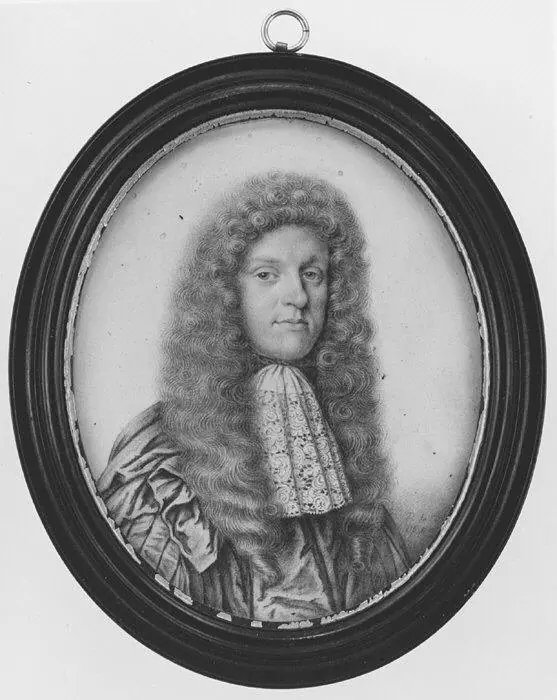
- Portrait of a Man
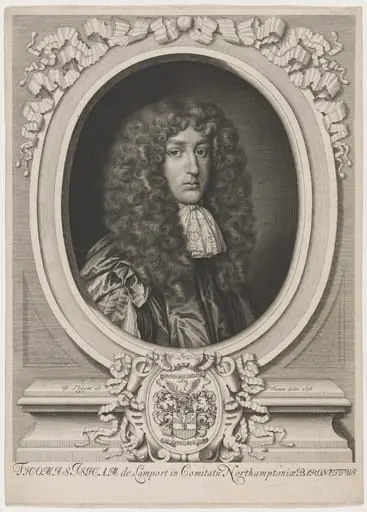
- Sir Thomas Isham
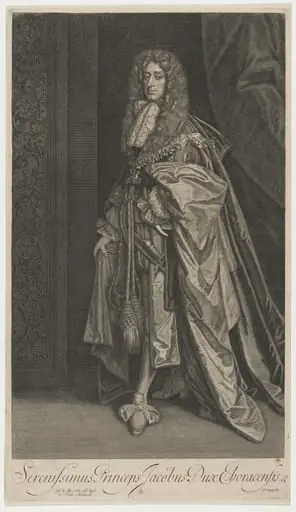
- James II, as Duke of York
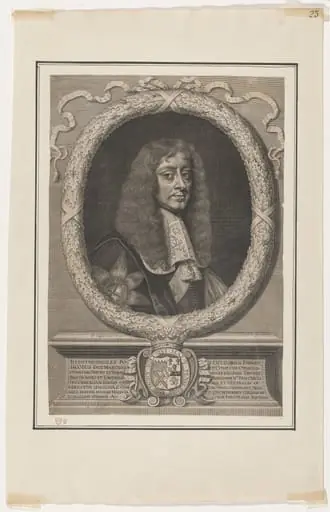
- James Butler, First Duke of Ormonde
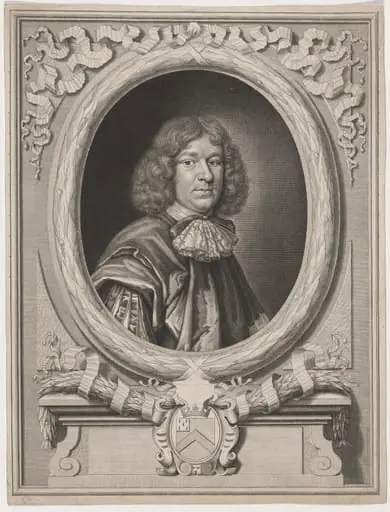 Robert Stafford of Bradfield, Berks
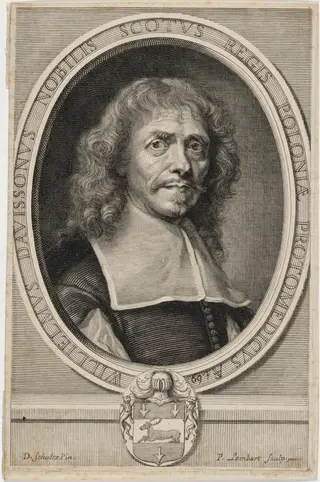 Dr. William Davison, Scotch Chemist and Physician in Paris
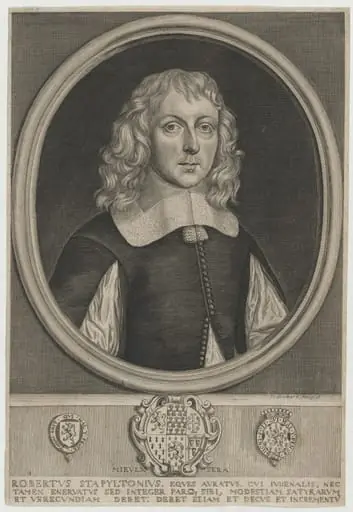 Sir Robert Stapylton, Dramatic Poet and Translator
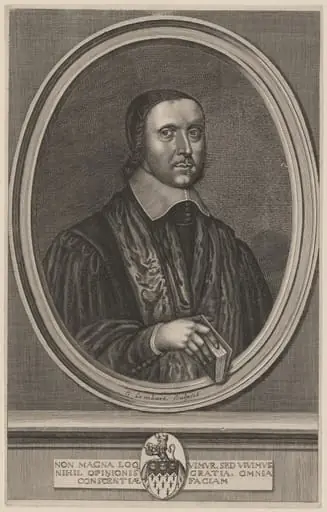 Jeremy Taylor, Bishop of Down, Connor and Dromore
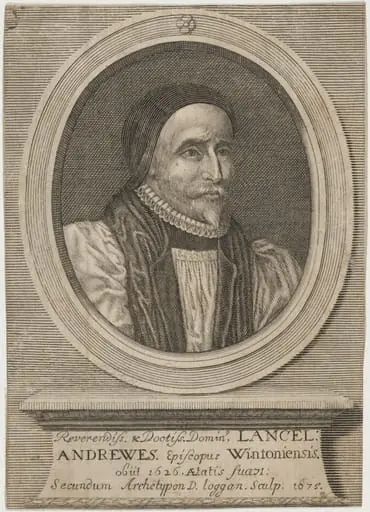 Lancelot Andrewes, Bishop of Winchester
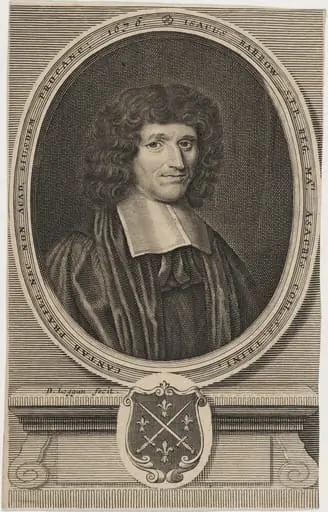 Isaac Barrow, D.D., Divine and Mathematician
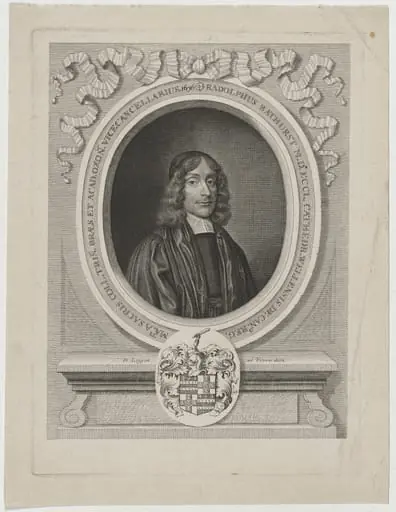 Ralph Bathurst, Dean of Wells
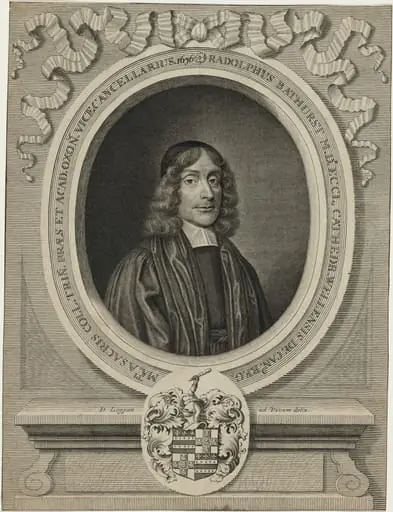 Ralph Bathurst, Dean of Wells and President of Trinity College, Oxford
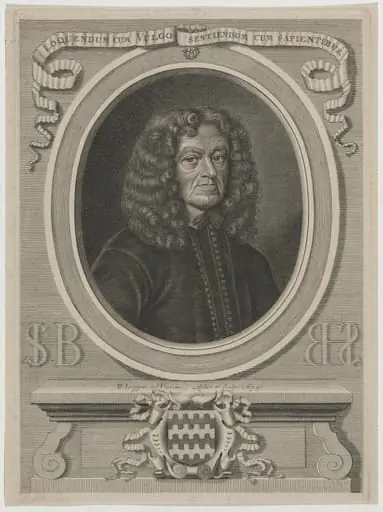 Sir Henry Blount, Traveller
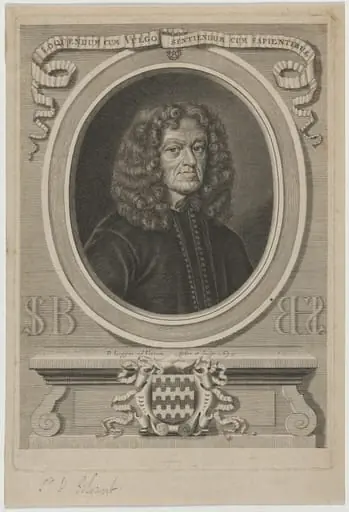 Sir Henry Blount, Traveller
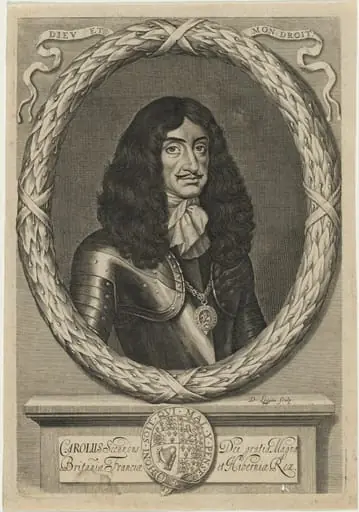 Charles II
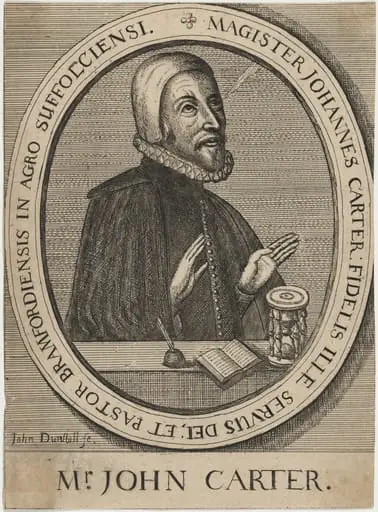 James Stanley, Seventh Earl of Derby
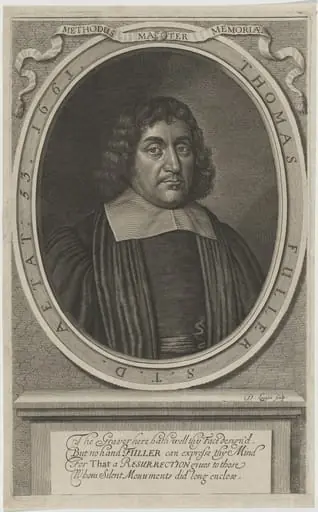 Thomas Fuller, Divine and Historian
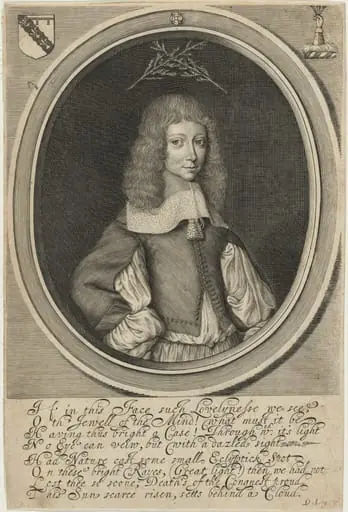 John Goodhand Holt
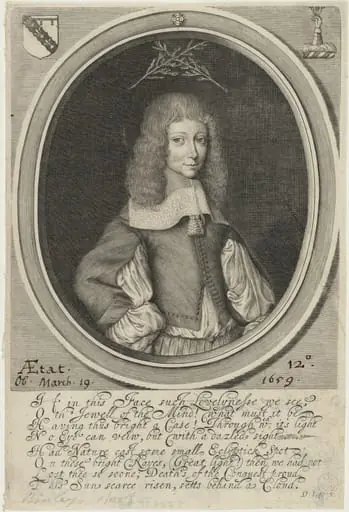 John Goodhand Holt
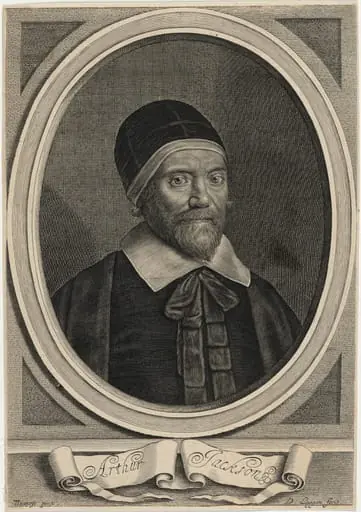 Arthur Jackson, Ejected Divine
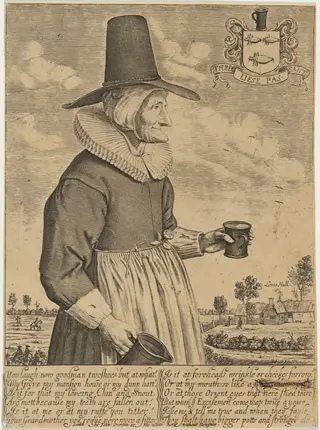 Mother Louse, Keeper of an Ale-House called Louse Hall, near Oxford
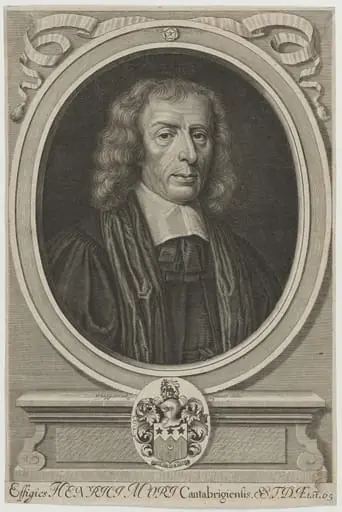 Henry More, Platonist and Theologian
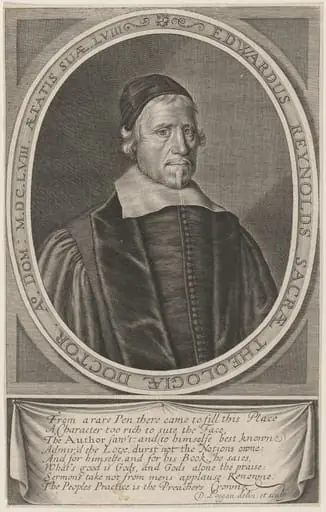 Edward Reynolds, Bishop of Norwich
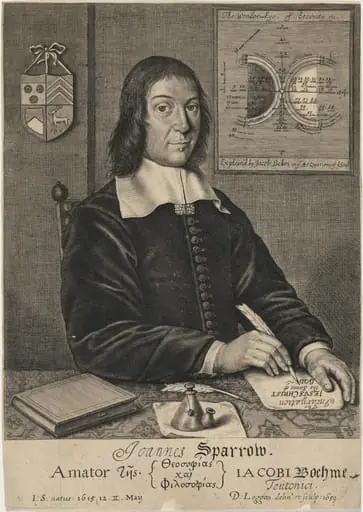 John Sparrow, Mystic
28 works in the catalog · 24 shown
Collections represented


- Sir Robert Stapylton, Dramatic Poet and Translator
- Jeremy Taylor, Bishop of Down, Connor and Dromore
- Lancelot Andrewes, Bishop of Winchester
- Isaac Barrow, D.D., Divine and Mathematician
- Ralph Bathurst, Dean of Wells
- Ralph Bathurst, Dean of Wells and President of Trinity College, Oxford
- Sir Henry Blount, Traveller
- Sir Henry Blount, Traveller
Artists in a similar vein