Artwork
Dr. William Davison, Scotch Chemist and Physician in Paris
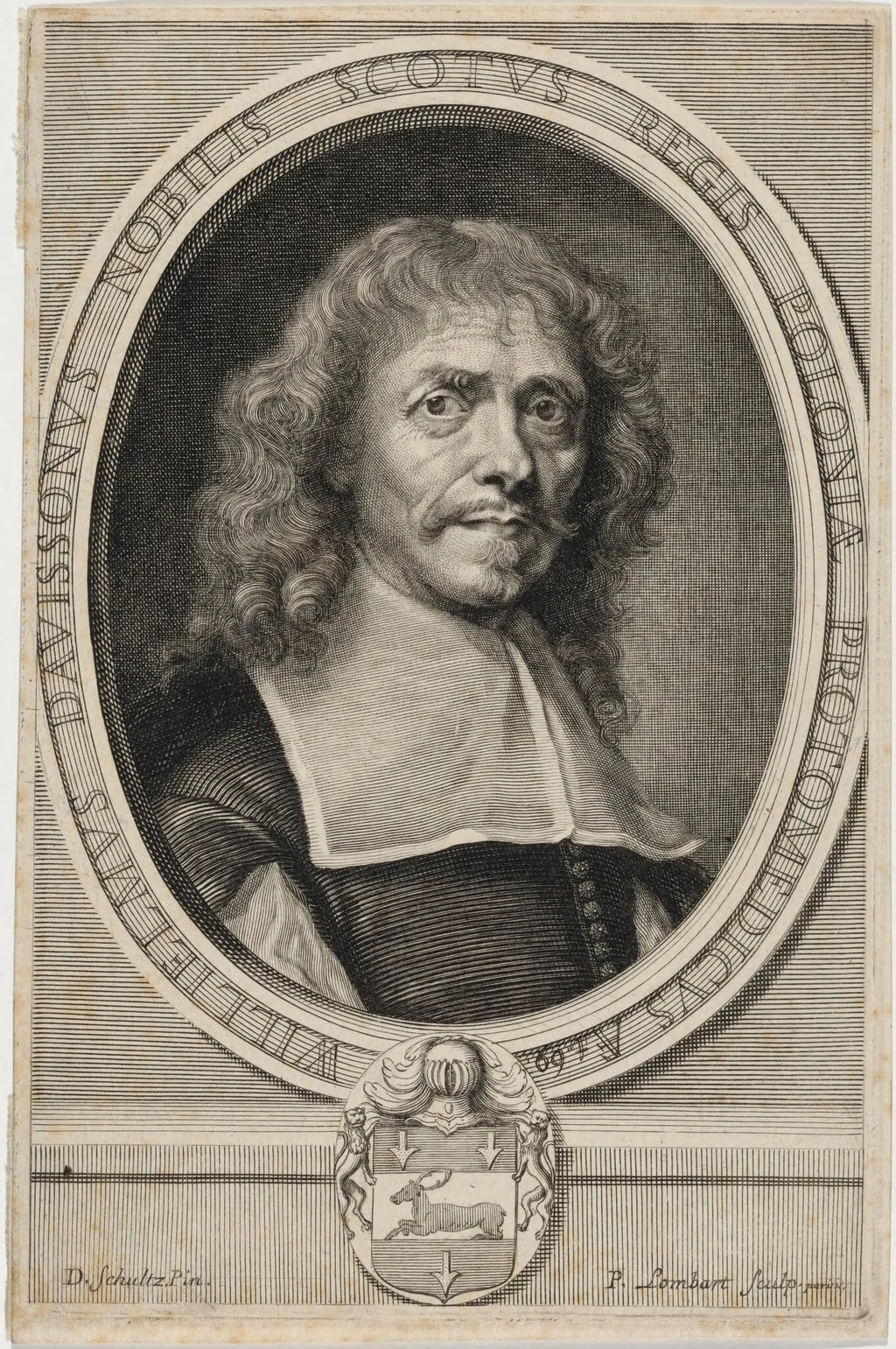
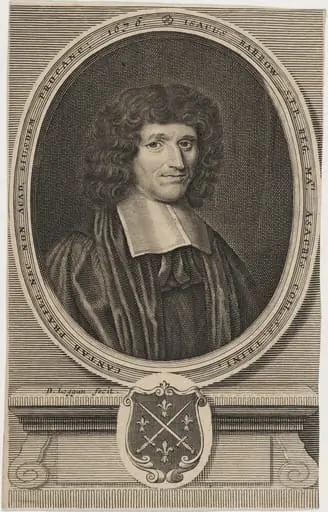
Dr. William Davison, Scotch Chemist and Physician in Paris is an ink print by the Baroque artist David Loggan. It dates from 1668 and is held in the collection of the National Gallery of Art.
About this work
Overview
The work exemplifies 17th-century printmaking techniques, emphasizing texture and subtle tonal variation through incised lines rather than wash or color.
Created in 1668 by David Loggan, this engraving depicts Dr. William Davison, a Scottish physician and chemist residing in Paris. Rendered in fine linear detail, the portrait captures the subject in three-quarter view against a dark, unobtrusive background. The work exemplifies 17th-century printmaking techniques, emphasizing texture and subtle tonal variation through incised lines rather than wash or color.
Subject & Meaning
Dr. Davison is portrayed as a learned professional of the scientific community, his serious gaze and composed posture suggesting intellectual rigor. His long, curled hair and neatly trimmed mustache reflect contemporary male fashion among educated men in continental Europe. The absence of symbolic objects or heraldic elements directs focus to his demeanor, implying character and professional identity as central to the portrait’s purpose.
Technique & Style
Loggan employed burin engraving to achieve fine, controlled lines that model the contours of the face and fabric. The texture of the lace collar, the curl of hair, and the shadowed planes of the cheeks are rendered with precision, demonstrating mastery of the medium. The dark background enhances the three-dimensionality of the figure, a hallmark of Baroque portraiture that prioritizes psychological presence over decorative context.
History & Provenance
The engraving was produced during Loggan’s early career in England, where he gained recognition for his detailed portraits of scholars and clergy. Though Davison’s specific role in Paris remains poorly documented, the print likely served as a commemorative or professional identifier, possibly circulated among academic circles. Its survival suggests it was valued by collectors of scientific portraiture in the late 17th century.
Context
In the mid-17th century, European cities like Paris became hubs for scientific exchange, attracting scholars from across the continent. Portraits of physicians and chemists, though less common than those of nobility, reflected growing societal respect for empirical knowledge. Loggan’s work aligns with this trend, contributing to a visual culture that celebrated intellectual figures alongside political and religious leaders.
Legacy
This engraving remains a representative example of Loggan’s portraiture, noted for its clarity and restraint. While not widely reproduced, it contributes to the historical record of early modern scientific identity. Its technical precision continues to inform studies of printmaking practices, offering insight into how professional personas were visually constructed before the advent of photography.
Own this work as a print
Artist & collection

- Jacques Tuboeuf
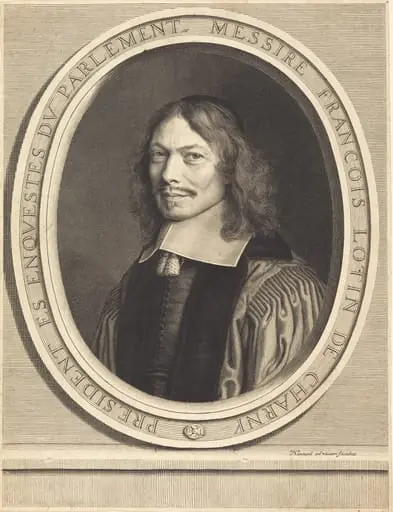 Francois Lotin
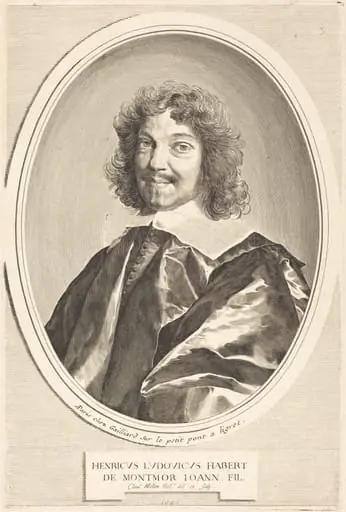 Henri-Louis Habert de Montmor
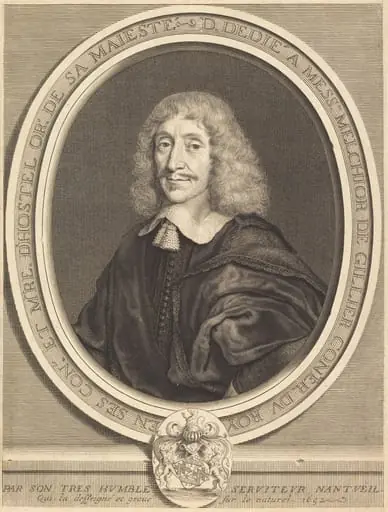 Melchior de Gillier
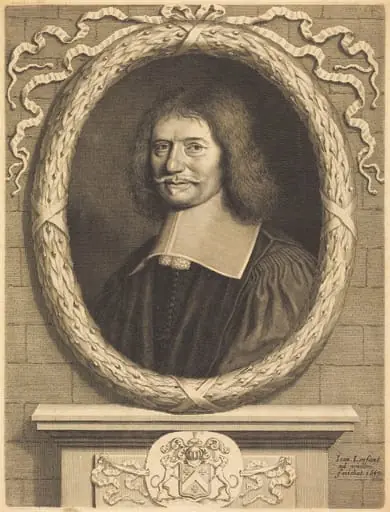 Portrait of an Unknown Gentleman
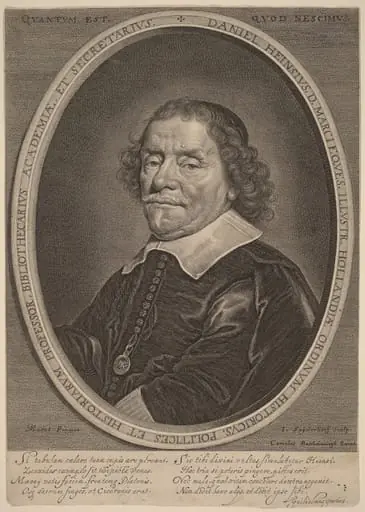 Daniel Heinsius
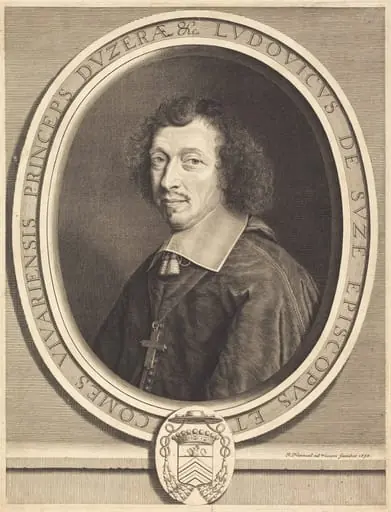 Louis-Francois de La Baume de Suze
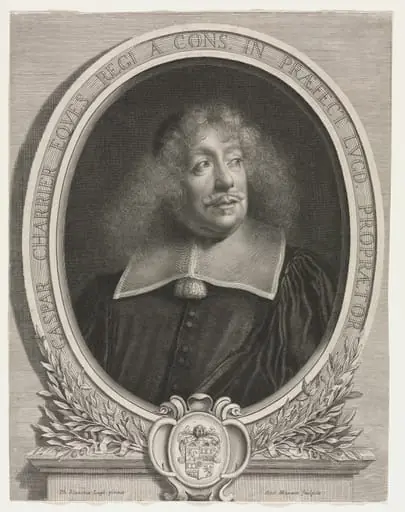 Gaspard Charrier
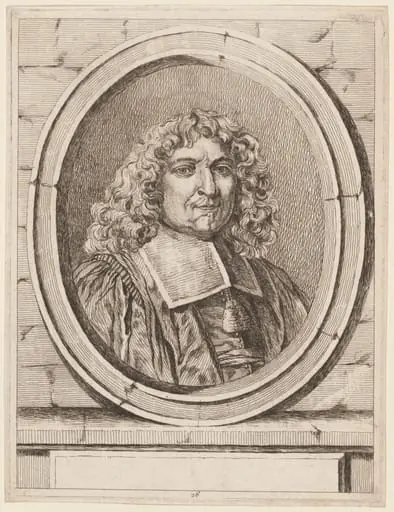 Louis Boucherat, Chancelier, Garde des Sceaux de France
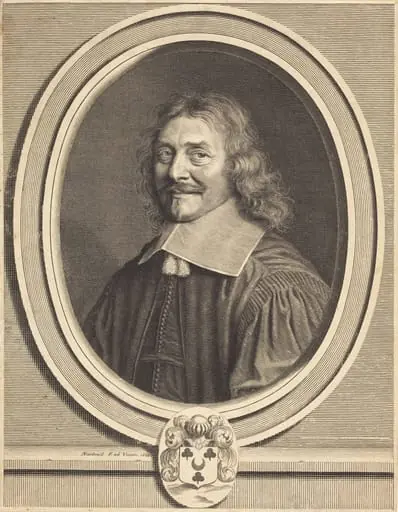 Simon Dreux d'Aubray
 Simon Dreux d'Aubray
 Isaac Barrow, D.D., Divine and Mathematician