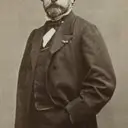
Artist
Jules Coignet
France
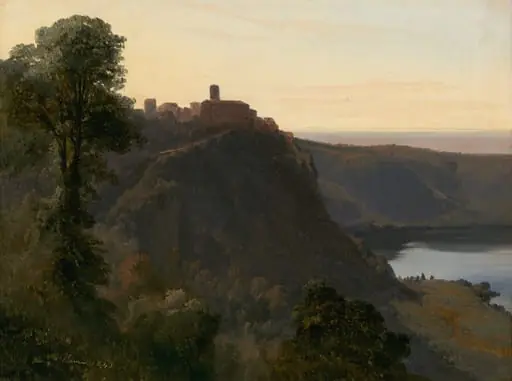
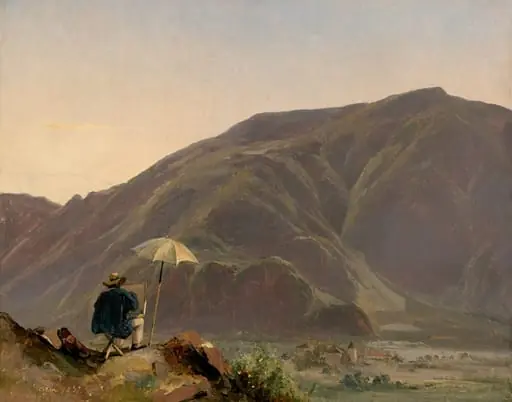
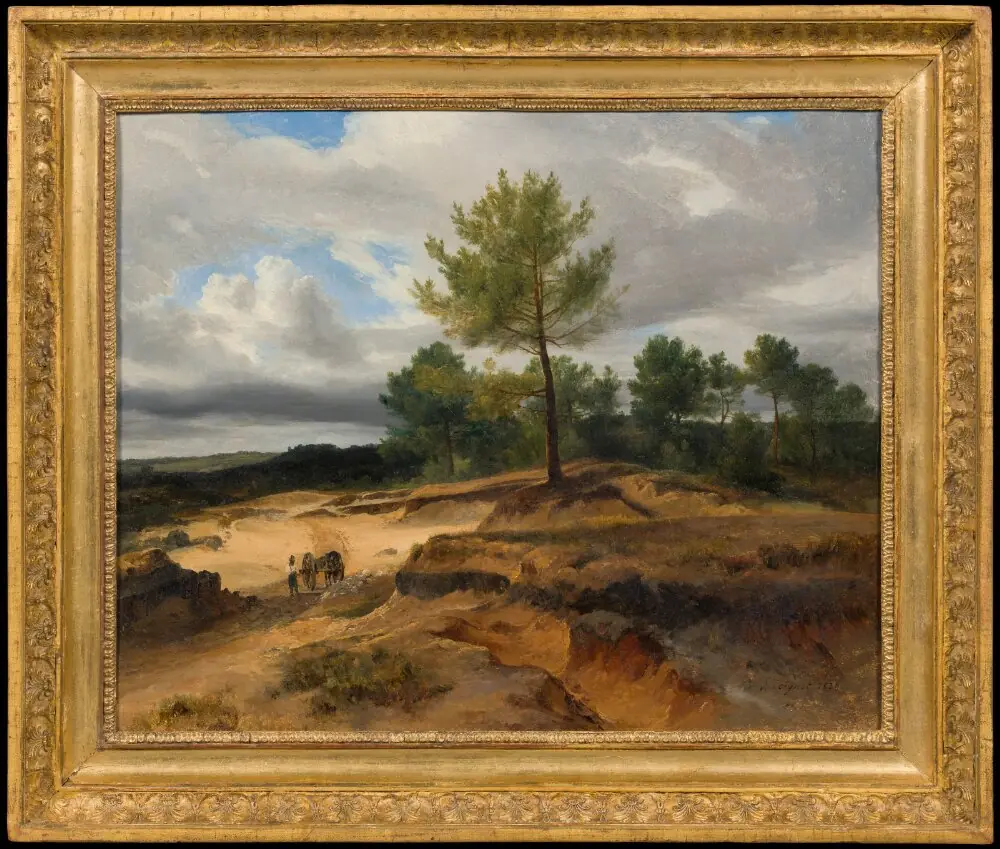
Jules Coignet is a France Barbizon school artist. 8 works are cataloged here, principally at National Gallery of Art.
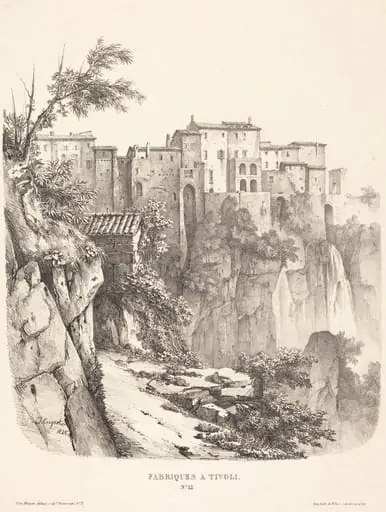
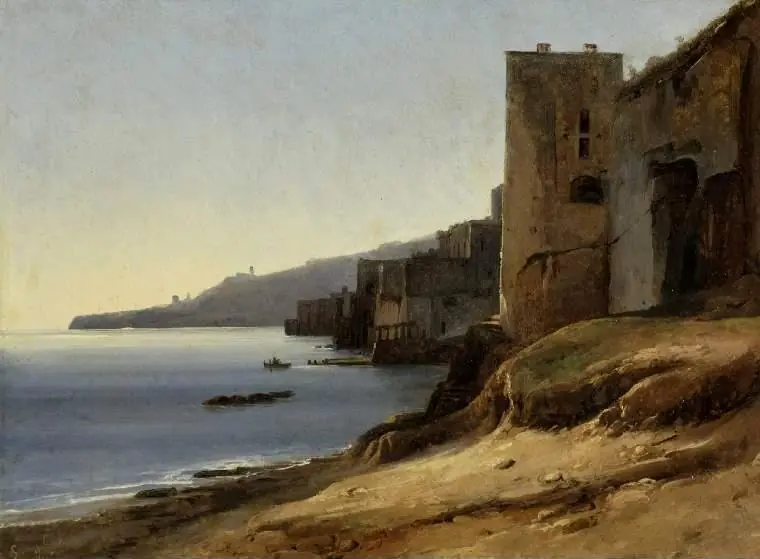
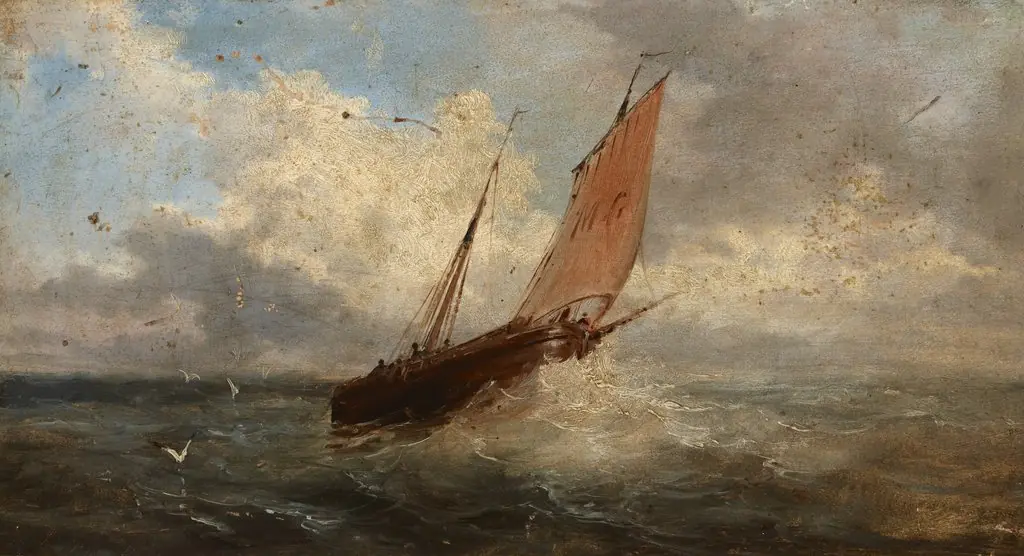
Jules Louis Philippe Coignet was born in Paris in 1798 and died there in 1860. He was a noted landscape painter who had studied under Jean-Victor Bertin. He travelled a good deal in his own country as well as elsewhere in Europe and the East, and produced a considerable number of views. A regular exhibitor at the Paris Salon exhibitions, he was awarded a gold medal there in the Salon of 1824 and was given state recognition by being made a Chevalier of the Legion of Honour in 1836.
Overview
Jules Louis Philippe Coignet was a French painter, draftsman, and lithographer born in Paris on November 2, 1798, and died there on April 1, 1860. Recognized as a significant figure in 19th-century landscape painting, he bridged the gap between neoclassical tradition and naturalistic observation. Trained in the structured, historical landscape tradition, Coignet diverged to prioritize direct, open-air sketching, becoming a pioneer of plein air painting. His work is noted for its spirited brushwork, sensitivity to light and atmosphere, and a poetic yet precise approach to topographical views. A regular exhibitor at the Paris Salon from 1824 to 1857, he won a gold medal in 1824 and was named a Chevalier of the Legion of Honour in 1836. He is associated with the Barbizon school and is also remembered for his influential teaching and instructional publications on landscape art.
Biography & dates
Coignet was born in Paris on November 2, 1798, and died in the city's 2nd arrondissement on April 1, 1860. He entered the studio of the neoclassical landscape painter Jean-Victor Bertin around 1818 to 1820, studying alongside contemporaries such as Camille Corot. In 1821, he competed for the Prix de Rome in historical landscape but did not win. He traveled to Italy in 1820, remaining for several years to sketch extensively, and returned in 1840. His travels also took him to Switzerland, Tyrol, Baden, Syria, and Egypt in 1845. He debuted at the Paris Salon in 1824, exhibiting regularly until 1857. Beyond the Salon, he showed works at exhibitions in Germany, including the Munich Academy exhibition in 1845, and won a silver medal at the Exposition of Lille. He organized public sales of his work in 1834 and 1845, and after his death, his studio collection was dispersed in a public sale on April 8, 1861.
Style & movement
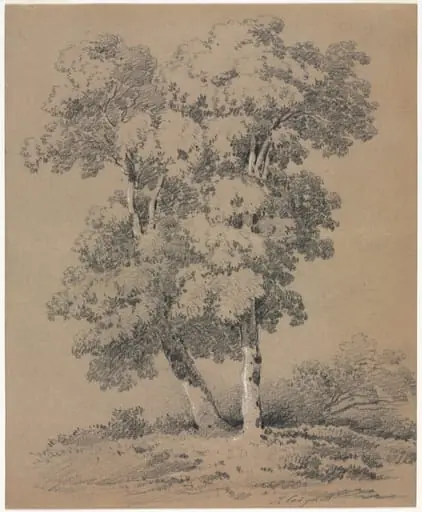
Coignet occupies a middle ground between the idealists, who sought beautiful lines, and the realists, who prioritized motif over composition. While trained in the neoclassical tradition of composed historical landscape, he abandoned its stylization and narrative fictions, aiming instead for the entire image from the outset rather than constructing landscapes piecemeal. His preliminary oil studies painted outdoors captured encompassing views in their proper illumination, demonstrating a naturalistic, painterly approach sensitive to light and atmosphere. Following the 1824 Paris exhibition of John Constable's work, Coignet began painting outdoors in the forest of Fontainebleau, encouraging his students to do the same. His works occasionally achieve an almost impressionist atmospheric effect, and he specialized in tree portraits, rendering foliage and textures with meticulous observation. He worked in oil, watercolor, pastel, and etching, producing a large body of pencil drawings of topographic views and landscape details.
Major works
One of his most successful and characteristic works is The Ruins of the Temple of Paestum, also titled Temple of Poseidon, painted in 1844. It was exhibited at the 1845 Munich Academy exhibition and acquired by King Ludwig for his collection of modern masters, and is now housed in the Neue Pinakothek in Munich. Other notable works include the coastal sunset Paysage au soleil couchant in the Louvre, and the pastel Grey weather over the sea from 1848 in the Musee Magnin in Dijon. His tree portraits include an ancient oak with a dolmen and meditating monk in the Quimper museum, and Oak tree and reeds in the Musee Jean de La Fontaine at Chateau-Thierry. Additional works are held in the museums of Chambery, Compiegne, Marseille, Remiremont, Rennes, and Clermont-Ferrand, the latter holding many of his pencil drawings. His works also reside in the National Gallery of Art in Washington, the Museum of Modern Art in New York, and the Fitzwilliam Museum in Cambridge.
Influences & students
Coignet's primary influence was his teacher, the neoclassical painter Jean-Victor Bertin, who instilled in him a foundation in classical landscape composition and rigorous drawing from nature. Coignet diverged from Bertin's classical stylization, however, prioritizing a more visual and less constrained style. As a teacher, Coignet had a significant impact, attracting numerous students to his naturalistic approach. His published instructional works include Cours complet de paysage, which appeared in 1833 and was expanded in 1848, and Vues pittoresques de l'Italie dessinees d'apres nature, a series of sixty Italian views published in 1825. His pupils included the Barbizon genre painter Ferdinand Chaigneau, Leo Drouyn, the Belgian landscapist Auguste Bohm, the orientalist Charles-Theodore Frere, Louis-Augustin Auguin, Louis-Remi Robert, and Ernest Goupil.
Legacy
Coignet's legacy is defined by his role as a transitional figure who helped shift French landscape painting from neoclassical idealization toward naturalistic observation. As a pioneer of plein air painting in the forest of Fontainebleau long before the Barbizon school settled there, he is counted as a member of that movement. However, his abstention from both classicist elevation and romantic drama caused his paintings to be slighted by critics, despite his popularity with the middle-class public in France and Germany. His instructional publications and his encouragement of outdoor painting left a lasting mark on his students and the broader landscape tradition. His work is preserved in major public collections, including the Louvre, the Neue Pinakothek, the National Gallery of Art in Washington, and the Fitzwilliam Museum in Cambridge.
Works by Jules Coignet
Collections represented


Artists in a similar vein