Artist
Aaron Draper Shattuck
United States
Aaron Draper Shattuck is an United States Impressionism artist. 6 works are cataloged here, principally at National Gallery of Art.
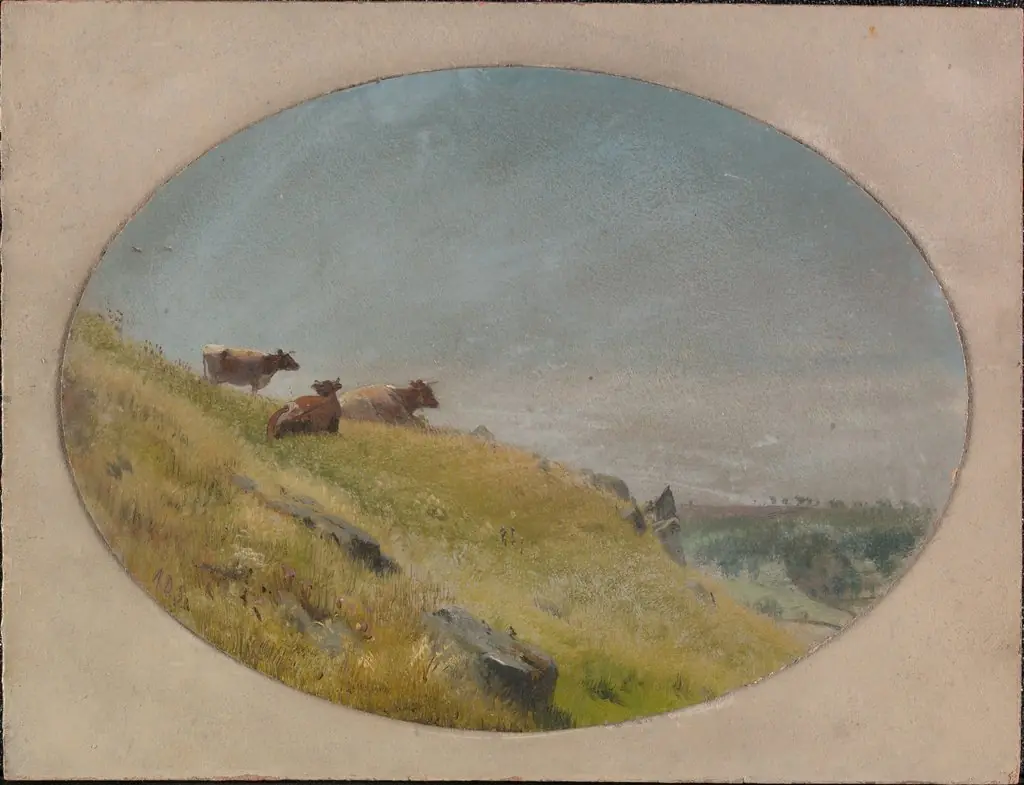
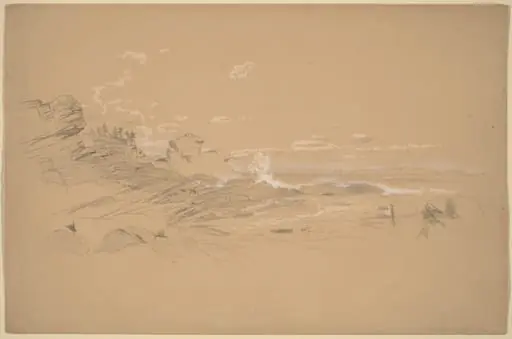
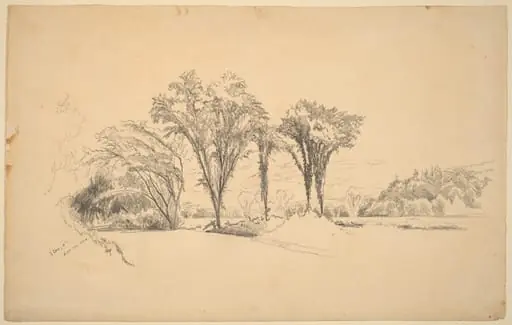
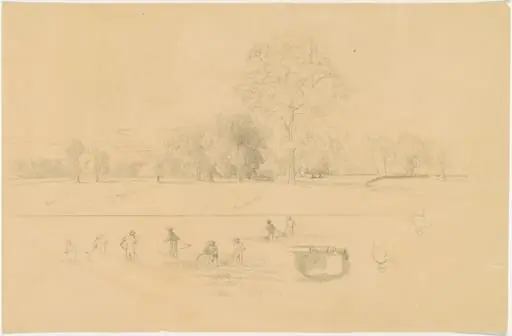
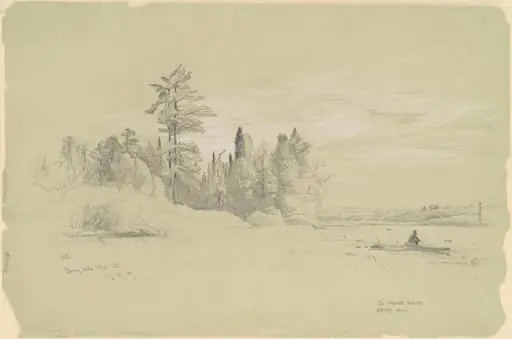
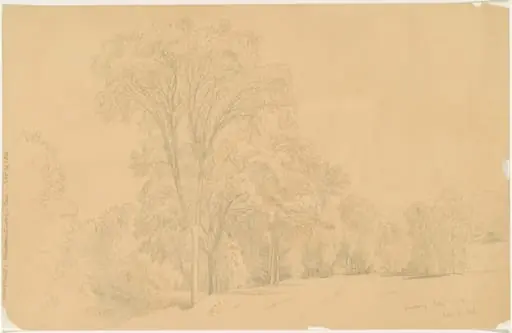
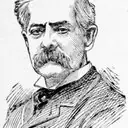
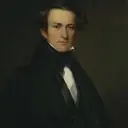
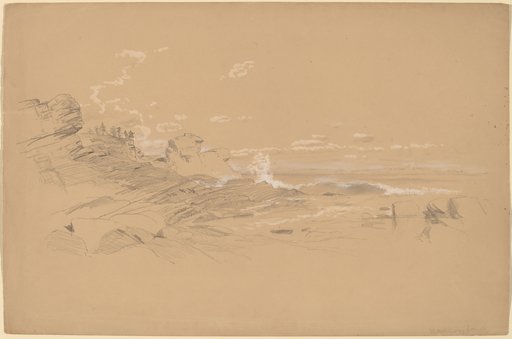
Aaron Draper Shattuck (March 9, 1832 – July 30, 1928) was an American painter of the White Mountain School. He was born in Francestown, New Hampshire. Growing up during the civil war. He and his brothers/colleagues, helped the effort of the North with their considerable creativity and imagination, by creating propaganda. A second-generation artist affiliated with the Hudson River School, Shattuck differed from most of his contemporaries in that he never studied abroad, and appears to have spent his entire life in New England. Shattuck studied portrait painting with Alexander Ransom in Boston in 1851, and in 1852 was a student at the National Academy of Design in New York City. In 1854 he first painted in the White Mountains of New Hampshire. The following year he exhibited for the first time at both the National Academy and the Boston Athenaeum. In 1856 he was elected an associate of the National Academy, and was made a full Academician in 1861. From 1856 to 1870 Shattuck worked at the Tenth Street Studio Building in New York City. In 1860 he married Marian Colman, sister of Samuel Colman. In 1879 he moved to West Granby, Connecticut, where his paintings focused on his farm and its animals. In 1883 he invented a canvas stretcher bar key which was used by artists of the era, and which contributed to Shattuck's considerable wealth. In 1888 Shattuck suffered the effects of a serious illness, after which he ceased to paint. After recovering he followed other agrarian and creative pursuits, raising sheep, experimenting with apple tree grafts, and making violins. Prior to his death in 1928 at the age of 96 he was the oldest living member of the National Academy of Design.
Overview
Aaron Draper Shattuck (March 9, 1832, July 30, 1928) was an American painter associated with the White Mountain School and the broader Hudson River School tradition. Born in Francestown, New Hampshire, he became known for his meticulously observed landscapes of New England, particularly the White Mountains of New Hampshire and later the rural scenery of Connecticut's Farmington Valley. Unlike most of his contemporaries in the Hudson River School, Shattuck never studied abroad and appears to have spent his entire life in New England. His career bridged the height of American Romantic landscape painting and the quieter, more intimate pastoral subjects that marked his later years. He was also an inventor, devising a canvas stretcher bar key in 1883 that achieved wide use among artists of his era.
Biography & dates
Shattuck was born in Francestown, New Hampshire, in 1832. In 1844 his family relocated to Lowell, Massachusetts. He studied portrait painting with Alexander Ransom in Boston in 1851, then accompanied him to New York City in 1852, where he enrolled at the National Academy of Design. In 1854 he made his first painting trip to the White Mountains of New Hampshire, and the following year he exhibited for the first time at both the National Academy and the Boston Athenaeum. He was elected an associate of the National Academy in 1856 and attained full Academician status in 1861. From 1856 to 1870 he maintained a studio at the Tenth Street Studio Building in New York City, the center for American artists of the period; the French Wikipedia source extends this studio tenure to 1896. In 1857 he purchased a farm in Conway, New Hampshire, where he spent summers. He married Marian Colman in 1860, joining a family of artists, as she was the sister of painter Samuel Colman. In 1879 Shattuck moved to West Granby, Connecticut, acquiring a farm in the Farmington Valley where he would live out his remaining decades. He invented a canvas stretcher bar key in 1883 that proved economical and practical, bringing him considerable wealth. A serious illness in 1888 ended his painting career. He died on his farm in 1928 at the age of 96, by then the oldest living member of the National Academy of Design.
Style & movement
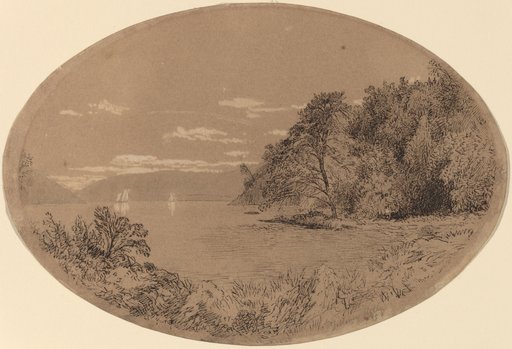
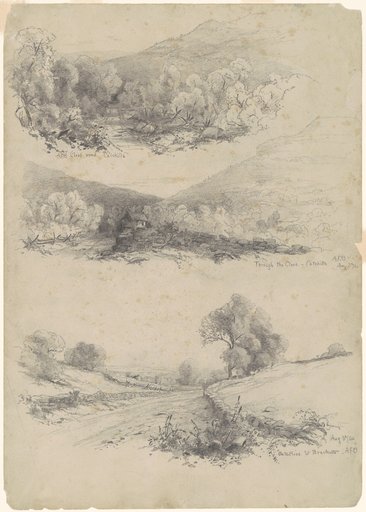
Shattuck began his career as a portrait painter to support himself before transitioning to landscape. His work is classified within the White Mountain School, a regional branch of the Hudson River School that focused on the mountains and valleys of northern New Hampshire. During the 1850s he traveled to the Hudson River and Housatonic valleys, the southern coast of Maine, and the mountains of West Virginia, gathering material for his paintings. His early landscapes followed the grand Romantic tradition of his Hudson River School contemporaries, but his style evolved toward more intimate, pastoral subjects after his move to Connecticut. In the Farmington Valley, the Farmington River and Talcott Mountain became frequent motifs, and he increasingly emphasized rural animals in his compositions. This shift from sublime wilderness to cultivated farmland and domesticated nature paralleled broader changes in American landscape painting toward the end of the nineteenth century.
Major works
Shattuck's paintings are held in numerous American museums. His works can be found at the National Academy of Design, the Brooklyn Museum, and the Metropolitan Museum of Art in New York; the Berkshire Museum in Pittsfield, Massachusetts; the Honolulu Museum of Art; the Los Angeles County Museum of Art; the Florence Griswold Museum in Old Lyme, Connecticut; the New Britain Museum of American Art; the Frances Lehman Loeb Art Center in Poughkeepsie, New York; the Hudson River Museum in Yonkers; the Allen Memorial Art Museum in Oberlin, Ohio; the Reading Public Museum in West Reading, Pennsylvania; the Utah Museum of Fine Arts; the Princeton University Art Museum; the Lyman Allyn Art Museum in New London, Connecticut; the High Museum of Art in Atlanta; the Farnsworth Art Museum in Rockland, Maine; the Washington County Museum of Fine Arts in Hagerstown, Maryland; the Chicago History Museum; the Wadsworth Atheneum and the Connecticut Historical Society in Hartford; and the Salmon Brook Historical Society in Granby, Connecticut. The Metropolitan Museum of Art's exhibition catalog American Paradise: The World of the Hudson River School includes material on his work.
Influences & students
Shattuck's formal training came from Alexander Ransom, a portrait painter in Boston under whom he studied in 1851. His connection to the National Academy of Design linked him to the dominant institution of American art education in the mid-nineteenth century. Through his marriage to Marian Colman in 1860, he entered the orbit of Samuel Colman, a significant figure in American landscape and decorative painting, though the sources do not indicate that Colman served as his teacher. The Tenth Street Studio Building, where Shattuck worked for many years, placed him in regular contact with leading American painters of the period, fostering the collegial environment typical of the Hudson River School and its affiliates. The sources do not record specific pupils or followers of Shattuck.
Legacy
Shattuck's invention of the canvas stretcher bar key in 1883 secured his financial comfort and widespread recognition among working artists of his generation, even as his own painting career was cut short by illness five years later. After 1888 he channeled his creative energies into agrarian and craft pursuits: raising sheep, experimenting with apple tree grafts, and making violins. His longevity allowed him to outlive nearly all his artistic contemporaries, and at his death he was the oldest living member of the National Academy of Design. His posthumous reputation rests primarily on his White Mountain landscapes and his role as a transitional figure between the heroic wilderness imagery of the mid-century Hudson River School and the more modest, intimate pastoralism that characterized much American landscape painting in the later nineteenth century. His works remain in major institutional collections across the United States, testimony to his sustained standing in American art history.
Works by Aaron Draper Shattuck
Collections represented


Artists in a similar vein