Artist
Walter Richard Sickert

United Kingdom
Walter Richard Sickert is an United Kingdom Impressionism artist. 31 works are cataloged here, principally at Museum of Modern Art.
Walter Richard Sickert (31 May 1860 – 22 January 1942) was a German-born British painter and printmaker who was a member of the Camden Town Group of Post-Impressionist artists in early 20th-century London. He was an important influence on distinctively British styles of avant-garde art in the mid and late 20th century. Sickert was a cosmopolitan and an eccentric who often favoured ordinary people and urban scenes as his subjects. His work includes portraits of well-known personalities and images derived from press photographs. He is considered a prominent figure in the transition from Impressionism to Modernism. Decades after his death, several authors and researchers theorised that Sickert might have been the London-based serial killer Jack the Ripper, but the claim has largely been dismissed.
Overview
Walter Richard Sickert (31 May 1860 to 22 January 1942) was a German-born British painter and printmaker recognized as a prominent figure in the transition from Impressionism to Modernism. A cosmopolitan and eccentric personality, he favored ordinary people and urban scenes as his subjects, producing portraits of well-known personalities and images derived from press photographs. As a leading member and founder of the Camden Town Group of Post-Impressionist artists in early 20th-century London, he exerted an important influence on distinctively British styles of avant-garde art in the mid and late 20th century. Decades after his death, several authors and researchers theorized that Sickert might have been the London-based serial killer Jack the Ripper, but the claim has largely been dismissed by the scientific community.
Biography & dates
Born in Munich, Kingdom of Bavaria, Sickert was the eldest son of the Danish-German artist Oswald Sickert and his Anglo-Irish wife, Eleanor Louisa Henry, the illegitimate daughter of astronomer Richard Sheepshanks. In 1868, following the German annexation of Schleswig-Holstein, the family settled in London, obtaining British nationality with help from Ralph Nicholson Wornum, Keeper of the National Gallery. Sickert attended University College School from 1870 to 1871 before transferring to King's College School until age 18. Despite being the son and grandson of painters, he initially pursued acting, taking small parts in Sir Henry Irving's company before studying art in 1881. After less than a year at the Slade School, he left to become a pupil and etching assistant to James Abbott McNeill Whistler. Sickert married three times: Ellen Cobden in 1885 (divorced 1899), Christine Drummond Angus in 1911 (died 1920), and painter Thérèse Lessore in 1926. He spent much of the late 1880s in France, notably Dieppe, where he lived with Madame "Titine" Villain and fathered an illegitimate son, Maurice. Between 1894 and 1904, he made multiple visits to Venice. Returning to London, he settled in Soho in 1905 and taught at the Westminster Institute. He was elected a member of the Royal Academy in 1924, received a major solo exhibition at the National Gallery in 1941, and died in Bath in 1942.
Style & movement
Sickert's early work consisted of small tonal studies painted alla prima from nature, following Whistler's example. After meeting Edgar Degas in Paris in 1883, Sickert adopted a personal version of Impressionism, favoring sombre coloration and small, closely placed brushstrokes. Following Degas's advice, he abandoned plein air painting to work in the studio from drawings and memory, escaping the tyranny of nature. Degas also inspired his later use of press photographs and Victorian images as foundations for his compositions. Sickert focused on wallpaper motifs to create abstract decorative arabesques, flattening three-dimensional space. His music hall scenes employed complex spatial relationships, confusing the orchestration between audience and performer and emphasizing themes of incommunicability. His later Camden Town paintings utilized heavy impasto and a narrow tonal range, eventually transitioning to large patches of brighter colors. He deliberately challenged conventional approaches to the nude, rejecting vacuous representations in favor of documentary realism and lugubrious, sexually provocative narratives.
Major works
Sickert's first major works, dating from the late 1880s, were portrayals of London music hall scenes. One of the two paintings he exhibited at the New English Art Club in April 1888, Katie Lawrence at Gatti's, depicted a well-known music hall singer and incited heated controversy, denounced as ugly and vulgar for its tawdry subject matter. His Venetian works, particularly those from his 1903 to 1904 trip, developed a distinctive approach to the multiple-figure tableau, often using prostitutes as models. Following the 1907 murder of Emily Dimmock in Camden Town, Sickert painted lugubrious female nudes on beds, giving four of them the title The Camden Town Murder, though they show sad thoughtfulness rather than violence. Three were originally exhibited with different titles, including What Shall We Do for the Rent? and Summer Afternoon. His best-known work, Ennui (c. 1914), exists in at least five painted versions and an etching, depicting a couple and revealing his interest in Victorian narrative genres. He also painted Jack the Ripper's Bedroom and imagined murder scenes.
Influences & students
James Abbott McNeill Whistler served as Sickert's primary teacher and employer, shaping his early tonal approach. Edgar Degas proved the more significant influence on Sickert's development, however, providing a counterweight to Whistler through his emphasis on drawing, pictorial space, and the use of photography. Sickert also encountered Édouard Manet during his travels. As a teacher at the Westminster Institute and the Slade School of Fine Art, Sickert influenced a circle of followers. His pupils included the painter Sylvia Gosse, who accompanied him until his death. He was a close associate and co-founder of the Fitzroy Street Group and the Camden Town Group alongside Harold Gilman, and he knew the painter Charles Isaac Ginner. Shortly before World War I, Sickert advocated for modernists including Lucien Pissarro, Jacob Epstein, Augustus John, and Wyndham Lewis.
Legacy
Sickert's posthumous reputation has been shaped by his critical influence on British avant-garde art and by sensational criminal theories. In 1976, Stephen Knight first identified Sickert as Jack the Ripper, a claim revived in 2002 by novelist Patricia Cornwell, who argued his character matched a psychopathic profile and that his paintings mirrored the murder victims. These allegations have been largely dismissed by experts. Sickert's artistic legacy remains robust. His close friend and patron, newspaper baron Lord Beaverbrook, assembled the largest single collection of his work, alongside their correspondence, now housed at the Beaverbrook Art Gallery in Fredericton, New Brunswick, Canada. Major institutional recognition continued well after his death, including a significant exhibition at Tate Britain in 2022.
Works by Walter Richard Sickert
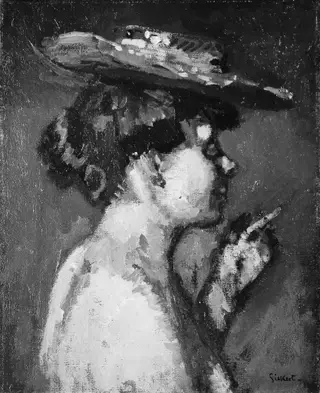 The Cigarette (Jeanne Daurmont)
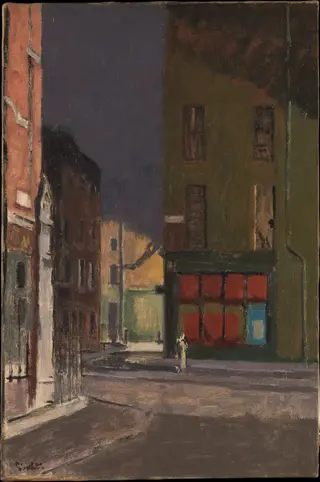 Maple Street, London
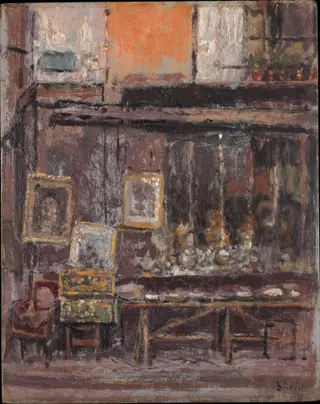 The Antique Shop
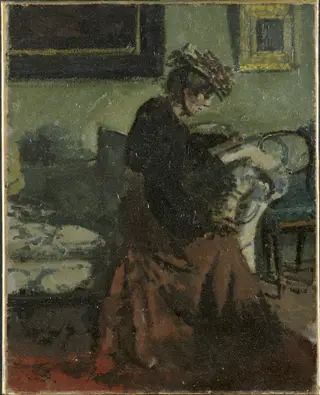 Easter Monday-Hélène Daurmont
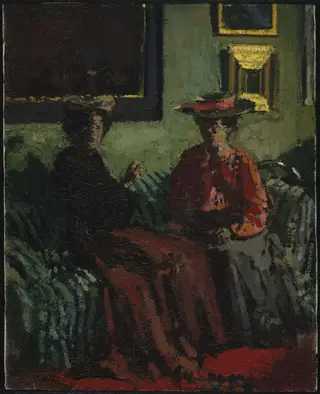 Les Petites Belges (Young Belgian Women)
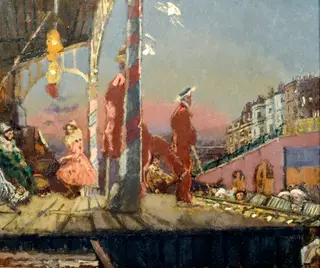 Brighton Pierrots
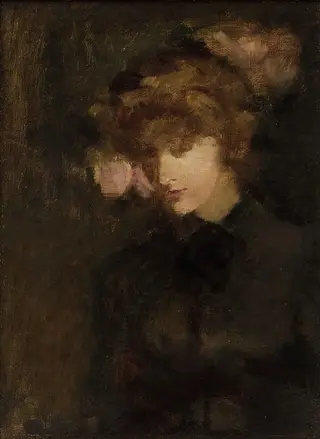 Portrait of the artist's first wife, née Ellen Cobden
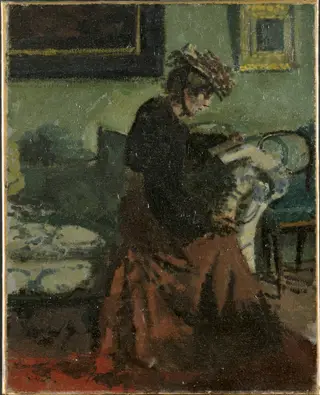 Easter Monday-Hélène Daurmont
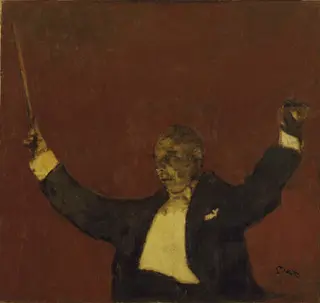 Untitled
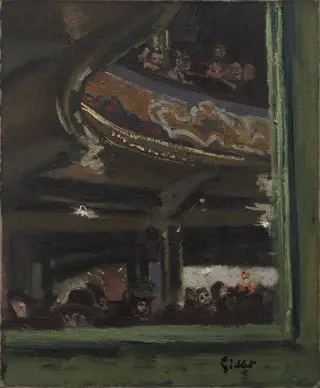 Untitled
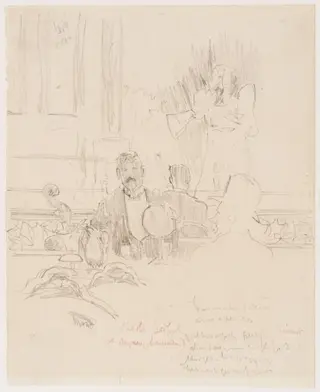 The Old Bedford
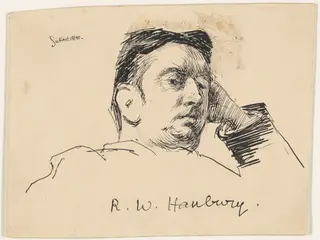 Untitled
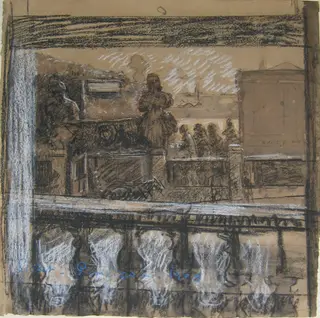 Untitled
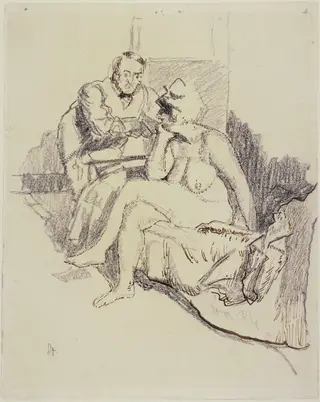 Untitled
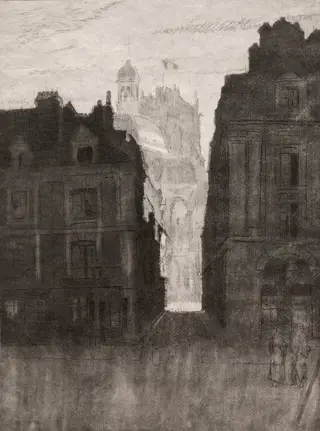 Dieppe, La Rue Notre Dame
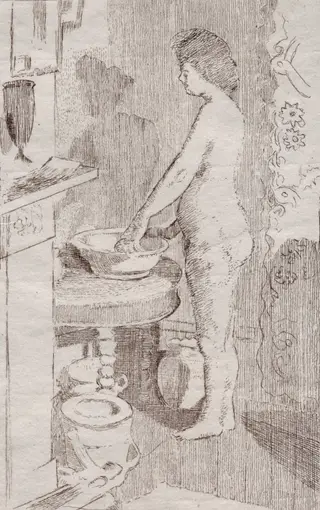 Sally: The Small Plate
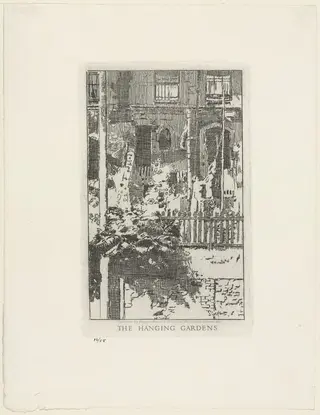 Untitled
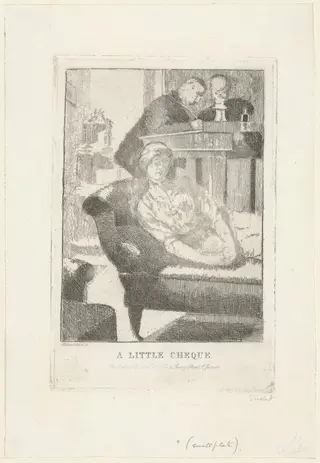 Untitled
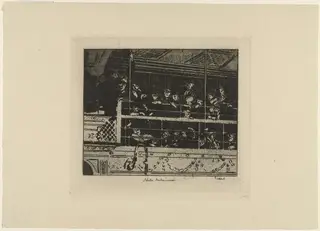 Untitled
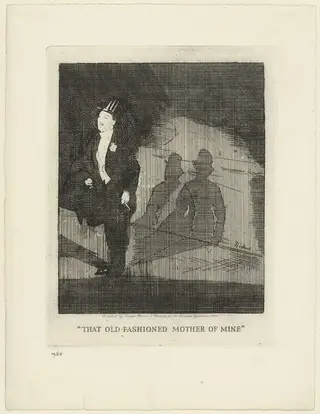 Untitled
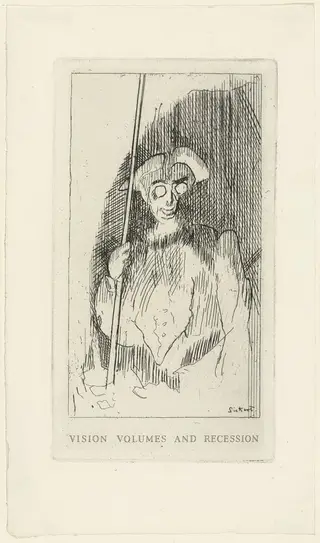 Untitled
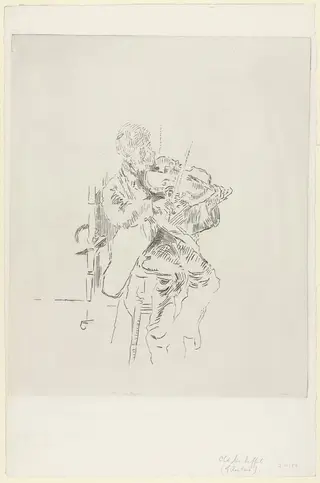 Untitled
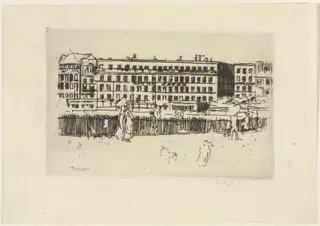 Untitled
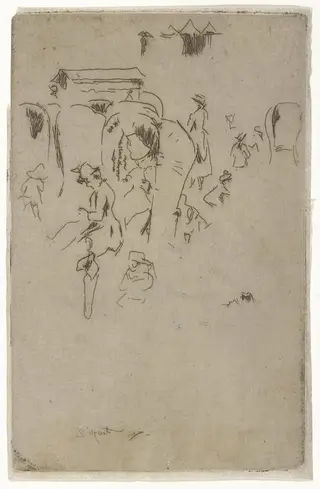 Untitled
31 works in the catalog · 24 shown
Collections represented


Artists in a similar vein