Artwork
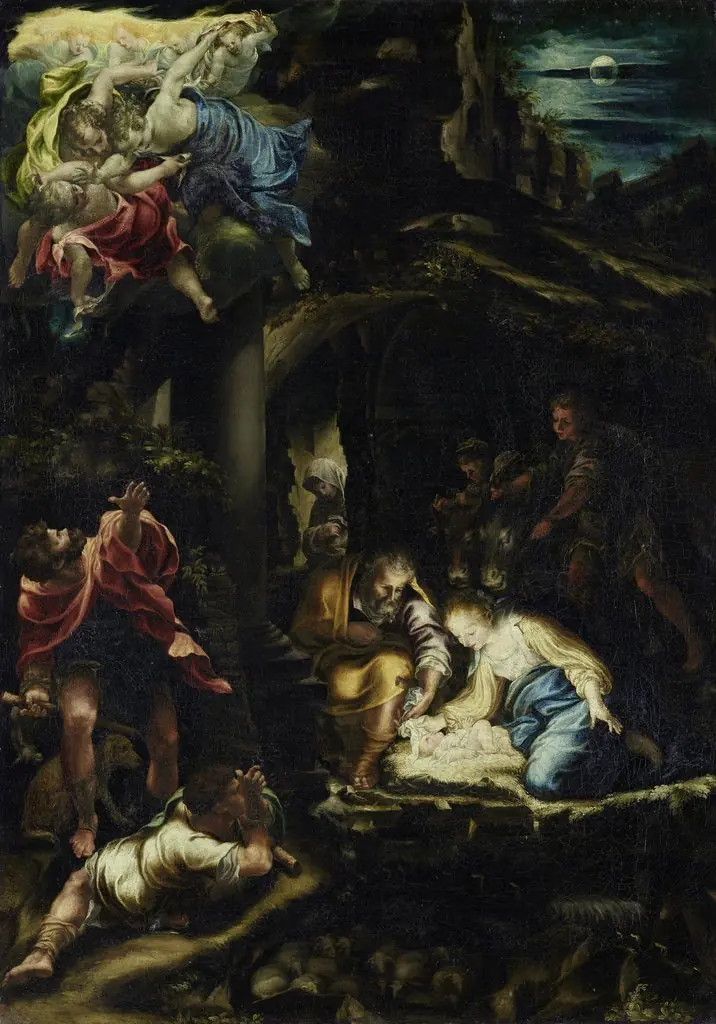
The adoration of the shepherds
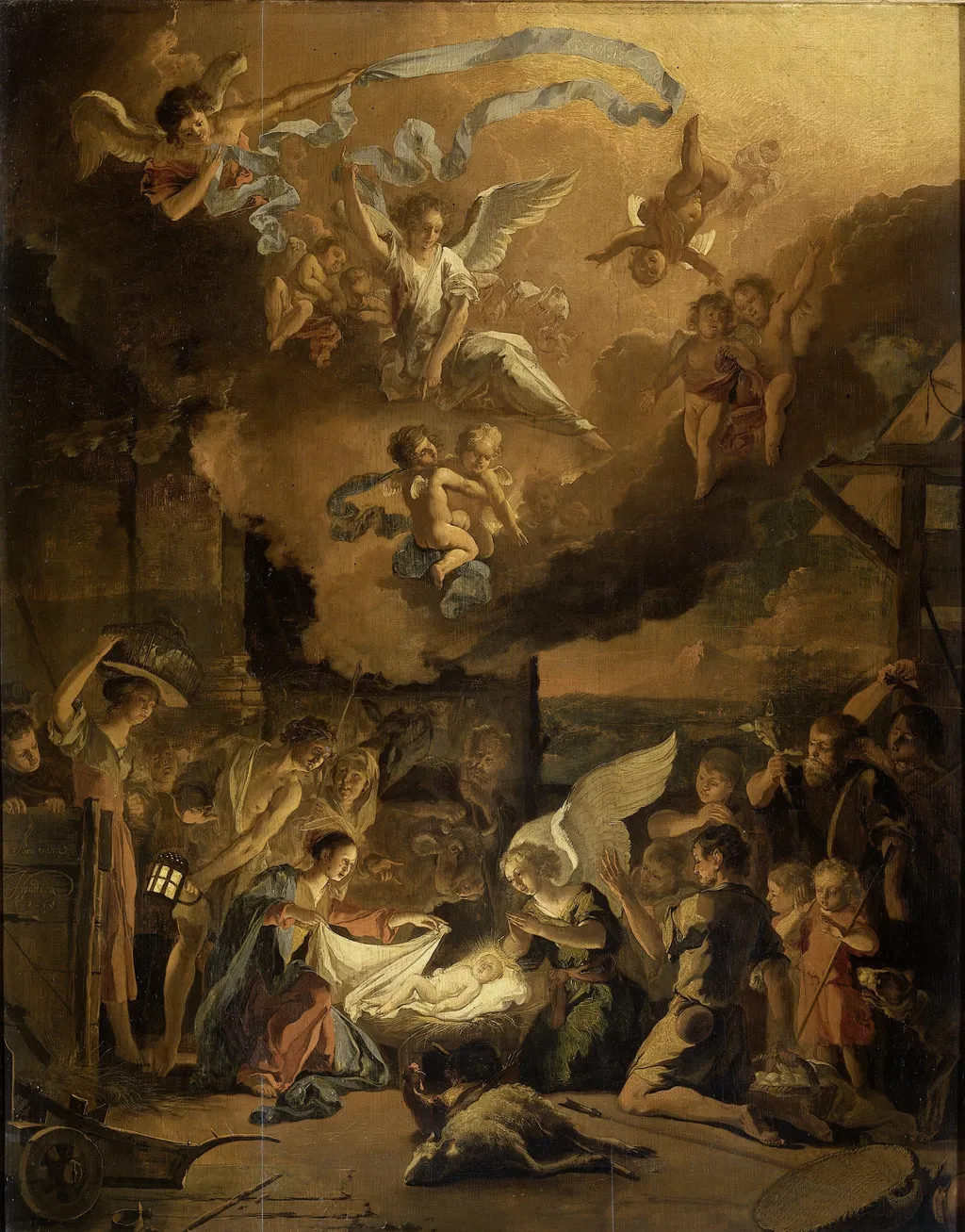
The adoration of the shepherds is an oil painting by the Dutch Golden Age artist Abraham Hondius. It dates from 1663 and is held in the collection of the Rijksmuseum.
About this work
Subject & Meaning
The composition centers on the Christ Child as the primary figure, around whom the narrative of shepherd veneration unfolds.
Abraham Hondius's 1663 oil painting on panel illustrates the biblical episode known as the Adoration of the Shepherds. The composition centers on the Christ Child as the primary figure, around whom the narrative of shepherd veneration unfolds. As a work of religious art, the piece visually interprets the Gospel account of shepherds visiting the newborn Jesus, emphasizing the humility and divine significance of the incarnation through this specific devotional subject matter.
Technique & Style
The Adoration of the Shepherds by Abraham Hondius is executed in oil paint on panel, a traditional support for seventeenth-century Dutch cabinet pictures. The work measures 79 cm in height by 63.5 cm in width, a vertical format suited to the devotional subject. Dated 1663, it belongs to the religious genre tradition of nativity imagery and is held in the Rijksmuseum collection.
The panel support and oil medium are consistent with Hondius's working practice and with the broader Dutch Golden Age preference for wooden panels in smaller-scale religious compositions. The vertical orientation accommodates the hierarchical arrangement typical of adoration scenes, with the Christ Child as the focal point of the depicted narrative.
Overview
Abraham Hondius’s oil painting titled The Adoration of the Shepherds was completed in 1663. The work portrays a nocturnal nativity scene set within a modest stable, where the infant Jesus is presented to a gathering of shepherds. The composition is housed in the collection of the Rijksmuseum, where it remains on display as part of the museum’s Dutch Golden Age holdings.
History & Provenance
The painting entered the Rijksmuseum’s collection in the early twentieth century, acquired through a donation from a private Dutch collector. Since its accession, it has been catalogued as an example of mid‑seventeenth‑century religious art, reflecting the continued demand for biblical subjects in the Dutch market despite the predominance of genre scenes.
Context
Created during the Dutch Golden Age, the work reflects both the era’s technical mastery of oil painting and its complex relationship with religious imagery. While Calvinist sentiment limited overt church commissions, private patrons still sought devotional pieces for personal contemplation, allowing artists like Hondius to explore traditional biblical narratives within a domestic setting.
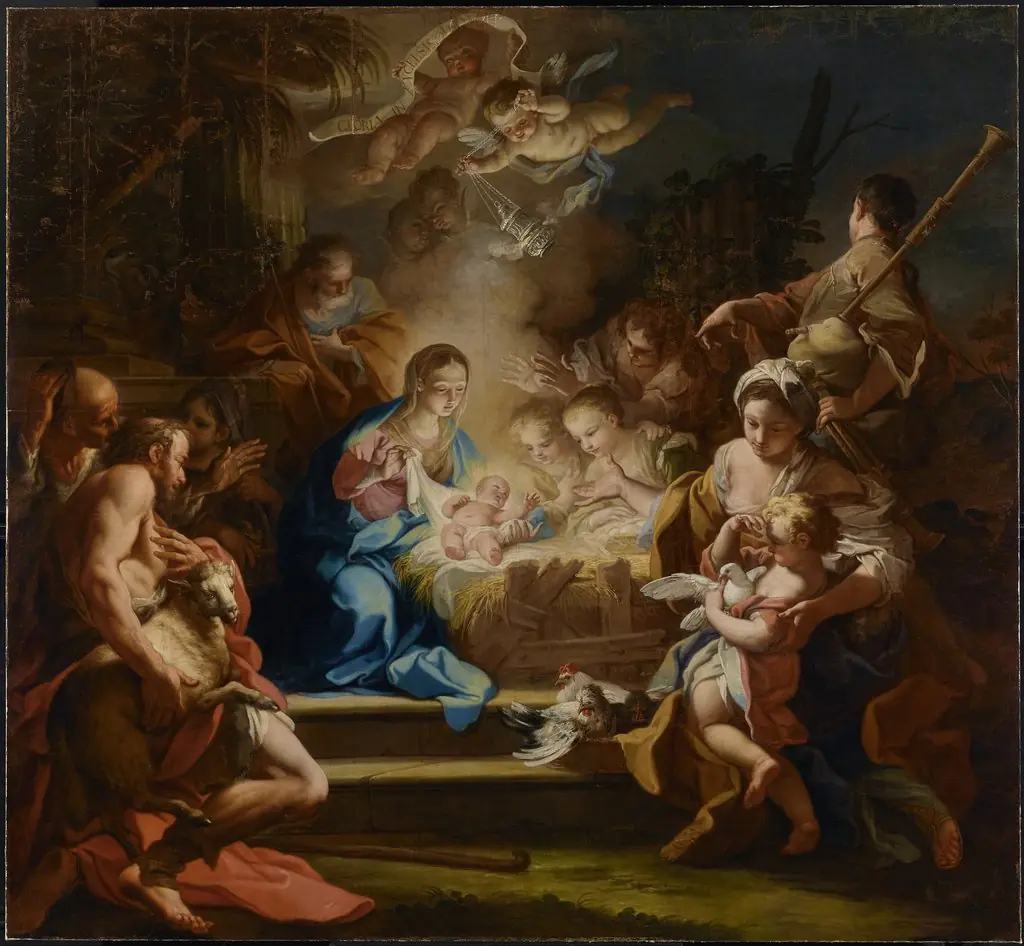
Own this work as a print
Artist & collection
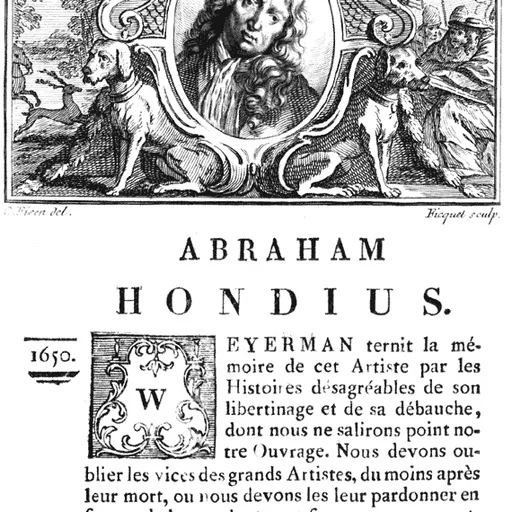
Artist
Abraham Danielsz. Hondius was a Dutch Golden Age painter known for his depictions of animals.

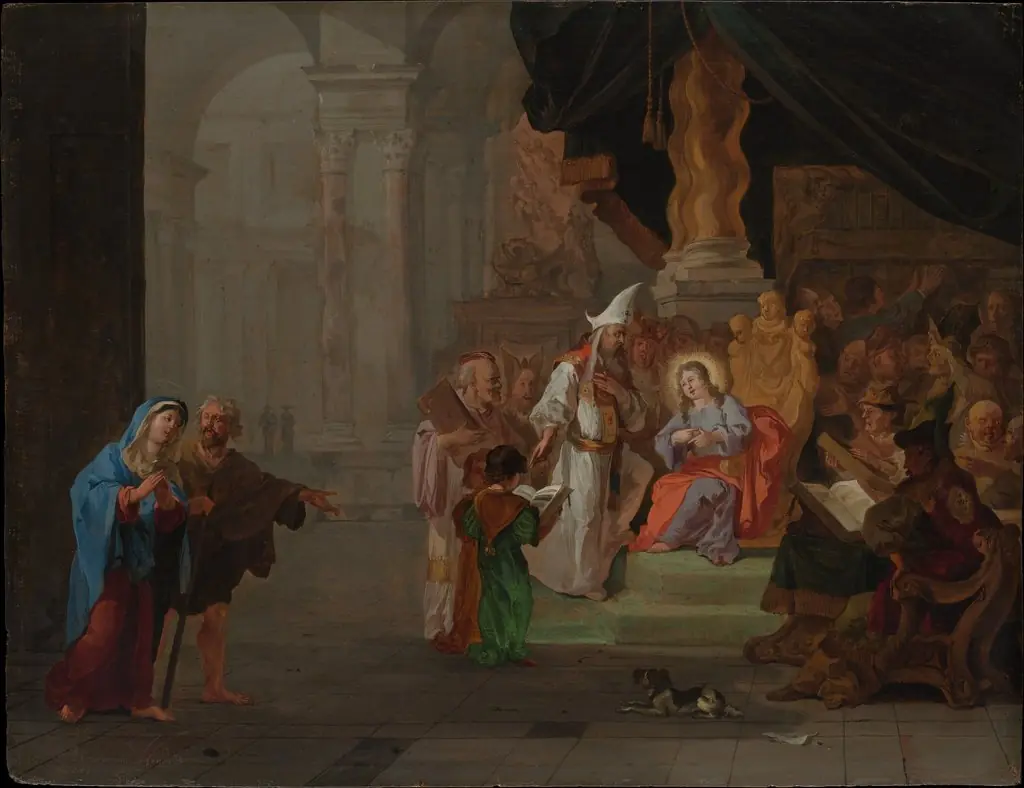
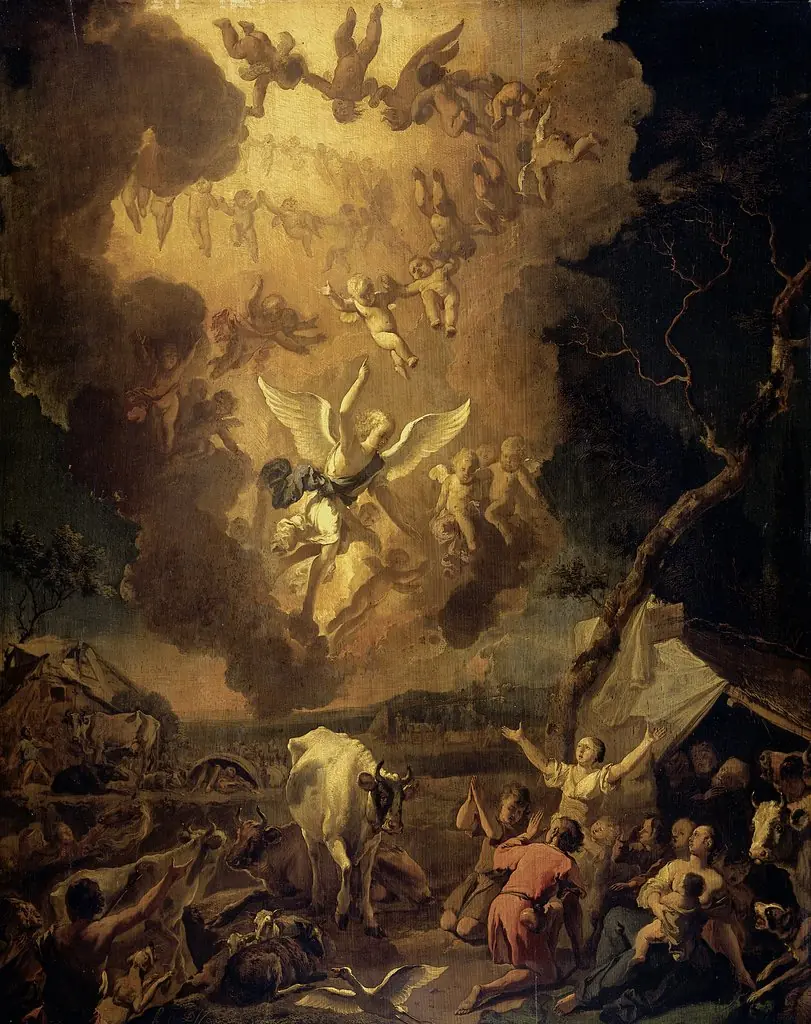
- The Adoration of the Shepherds
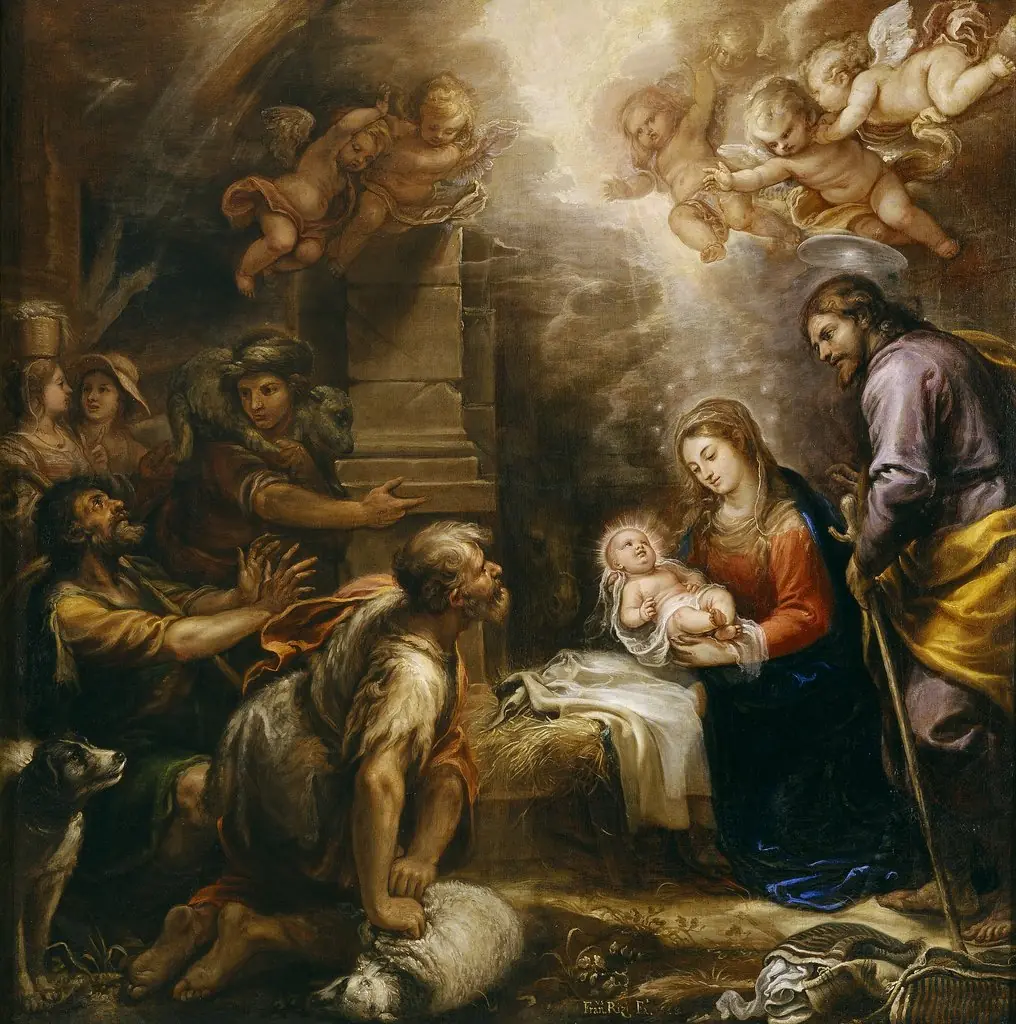 The Adoration of the Shepherds
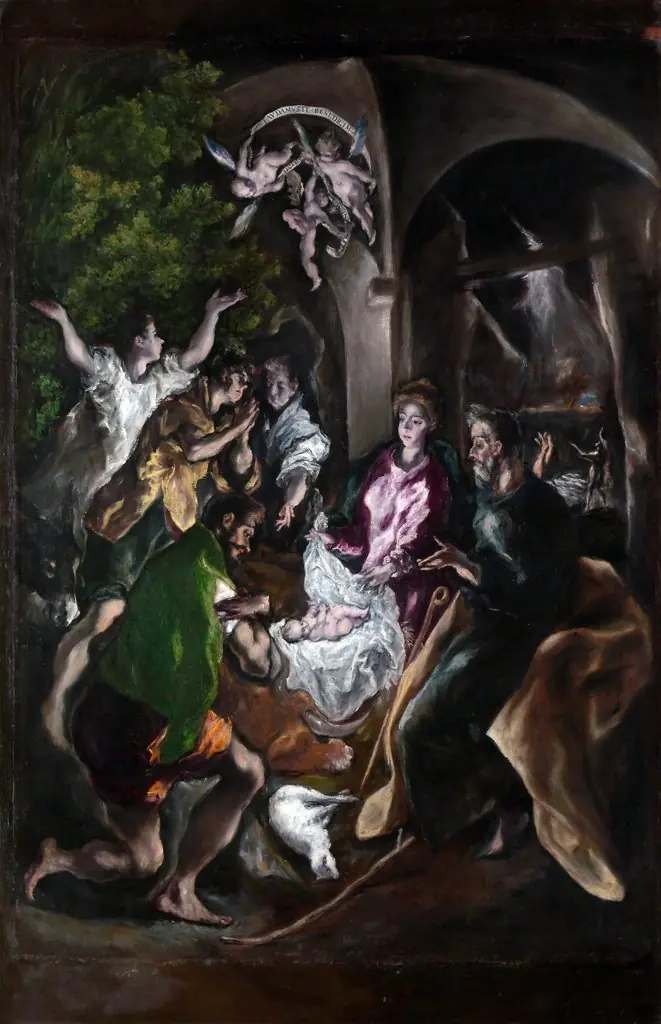 The Adoration of the Shepherds
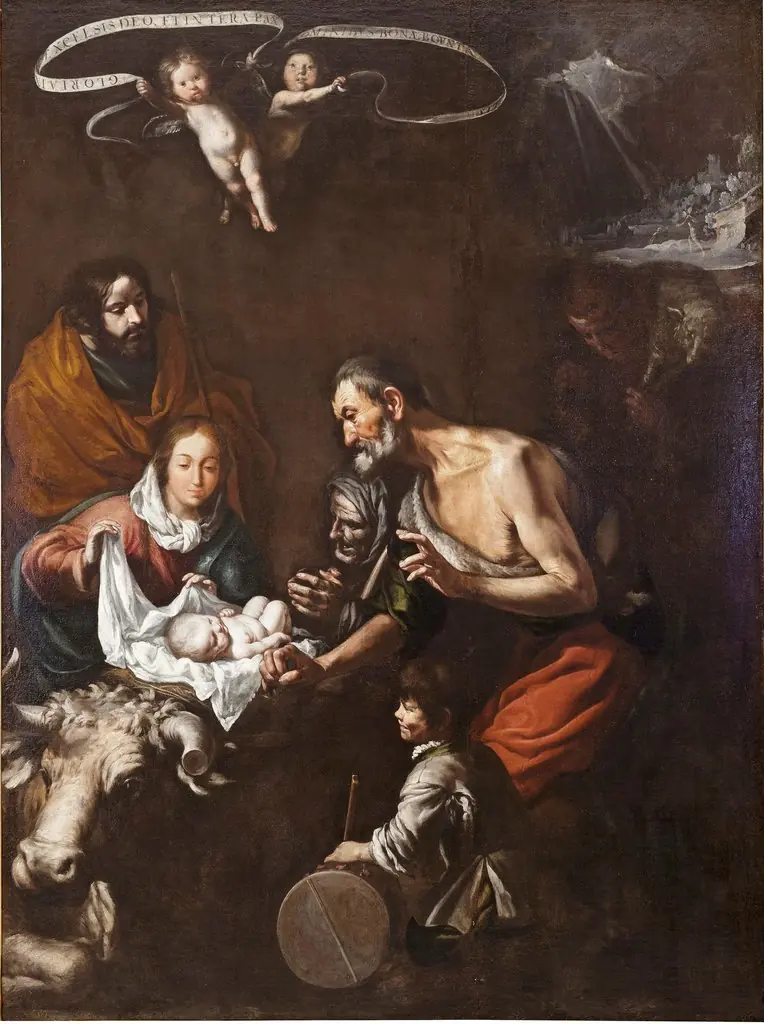 The Adoration of the Shepherds
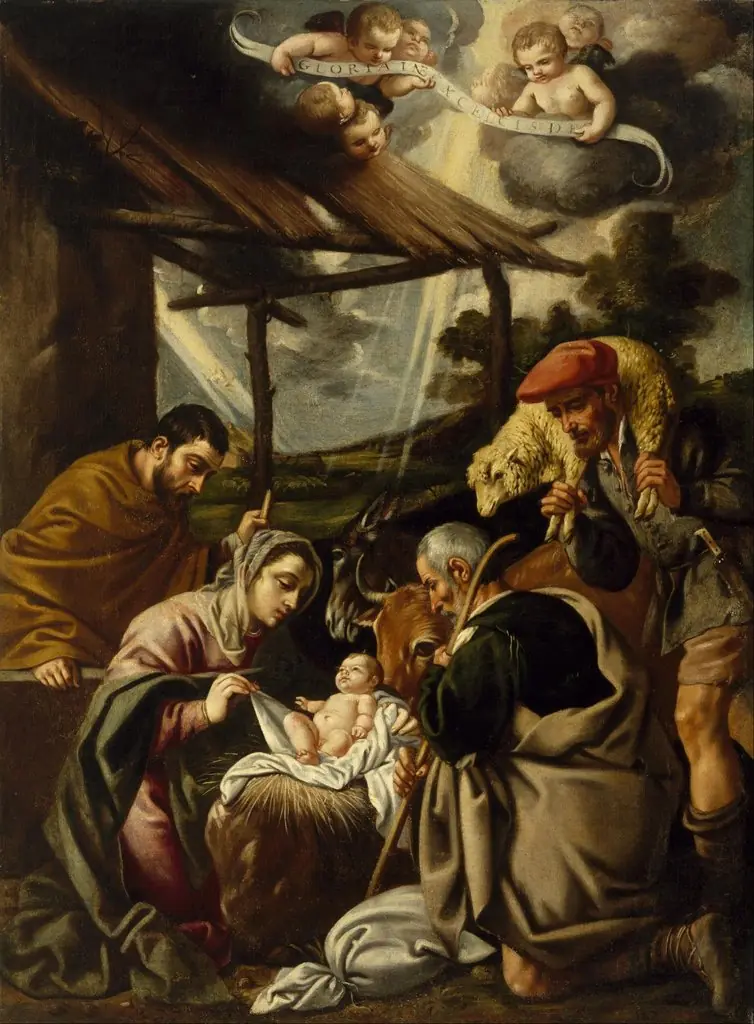 The Adoration of the Shepherds
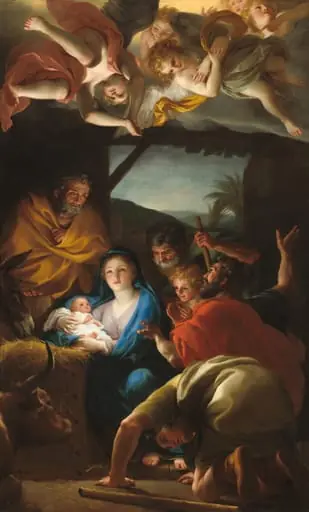 The Adoration of the Shepherds
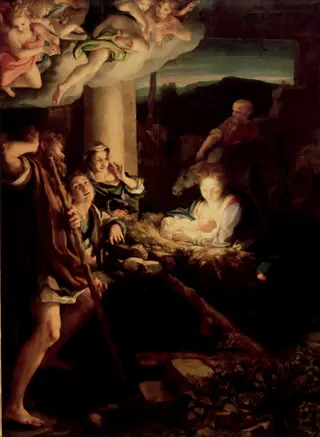 Nativity
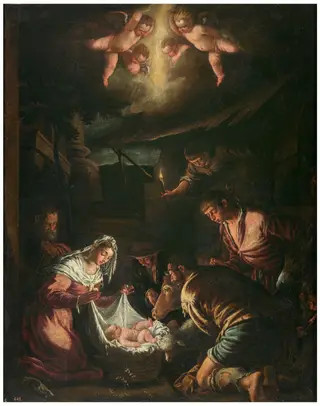 Adoration of the Shepherds
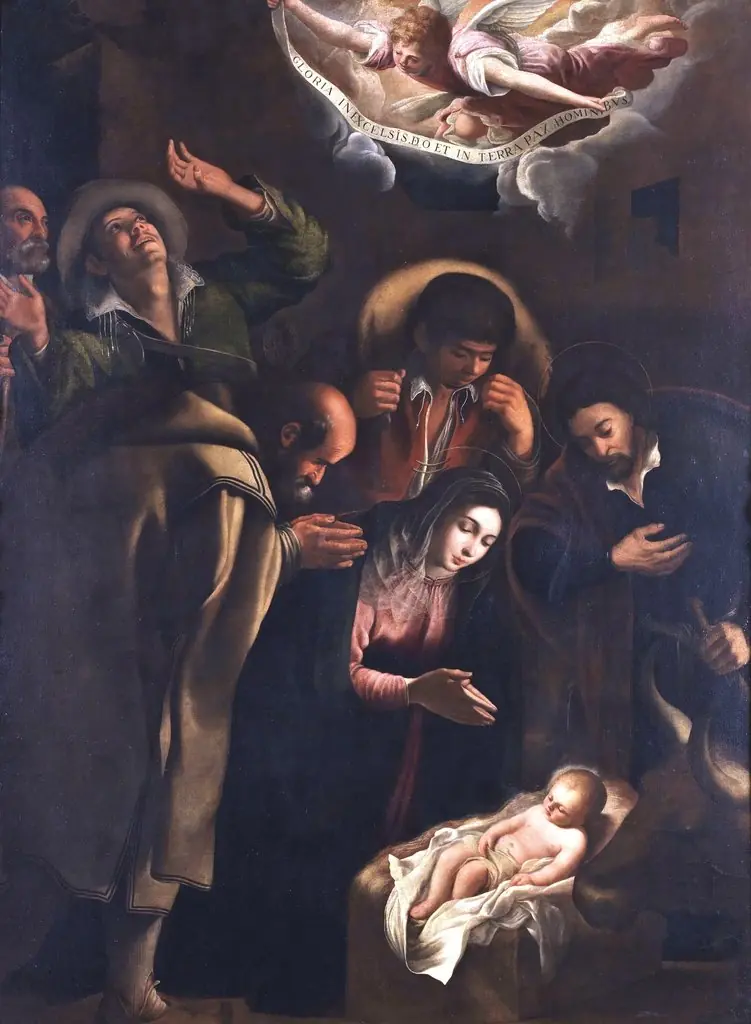 The Adoration of the Shepherds
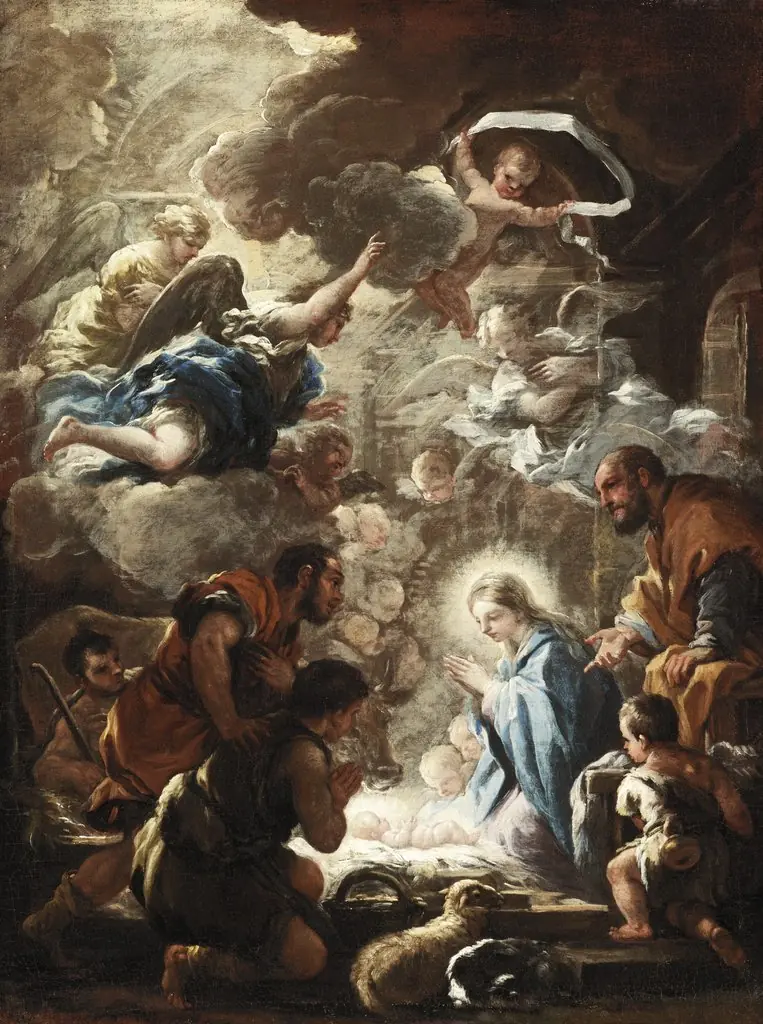 Adoration of the Shepherds (1690)
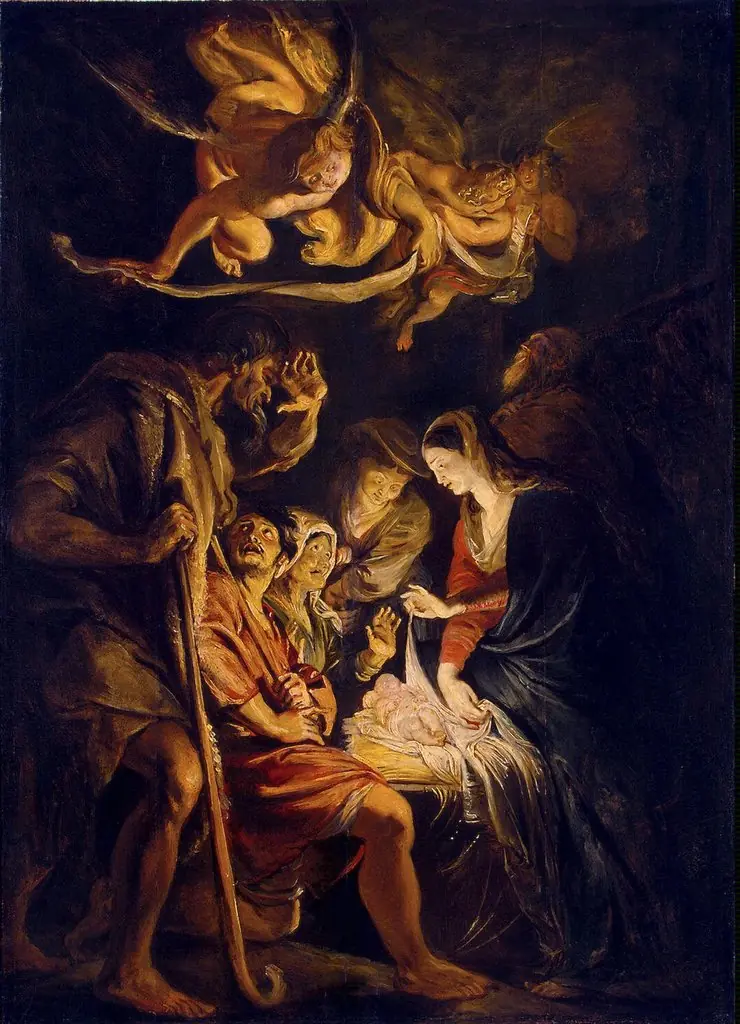 Adoration of the Shepherds (Hermitage)
 The Adoration of the Shepherds