Artwork
The Adoration of the Shepherds
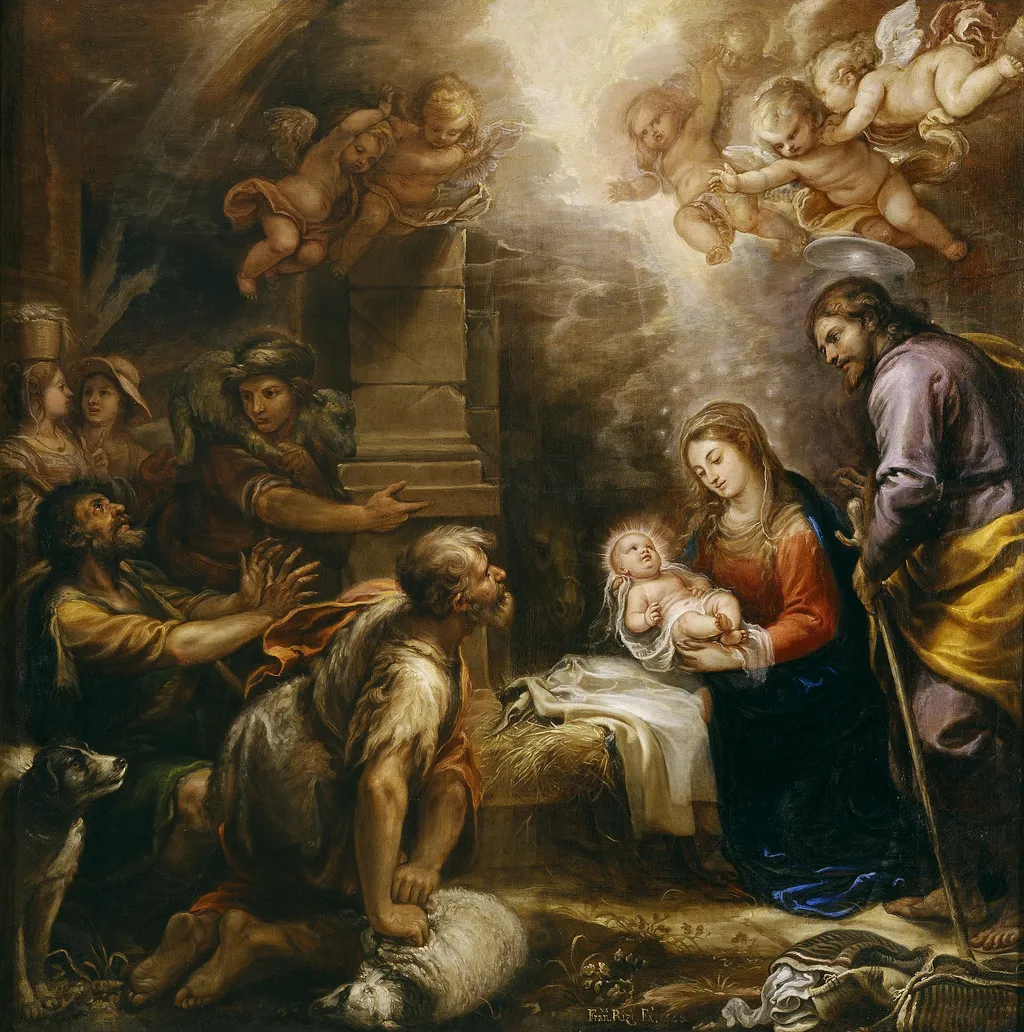
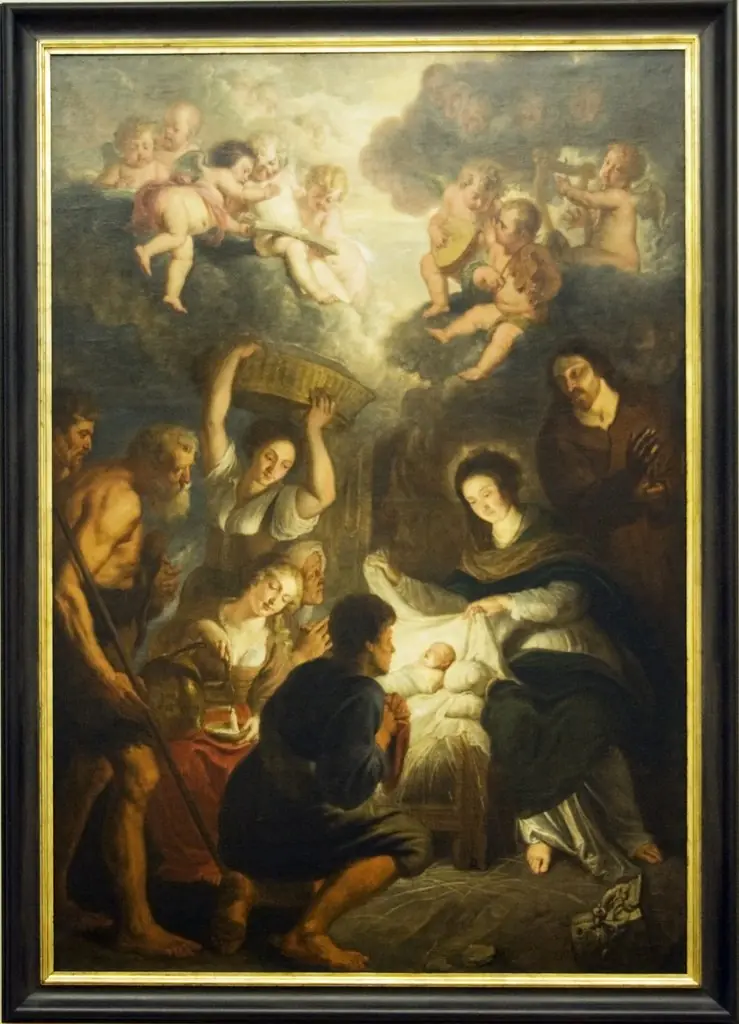
The Adoration of the Shepherds is an oil painting by the Early Baroque Italian artist Francisco Rizi. It dates from 1668 and is held in the collection of the Museo del Prado.
About this work
Subject & Meaning
The work centers on the Christ Child, the focal point of devotion in the scene, surrounded by shepherds who have come to pay homage to the newborn Savior.
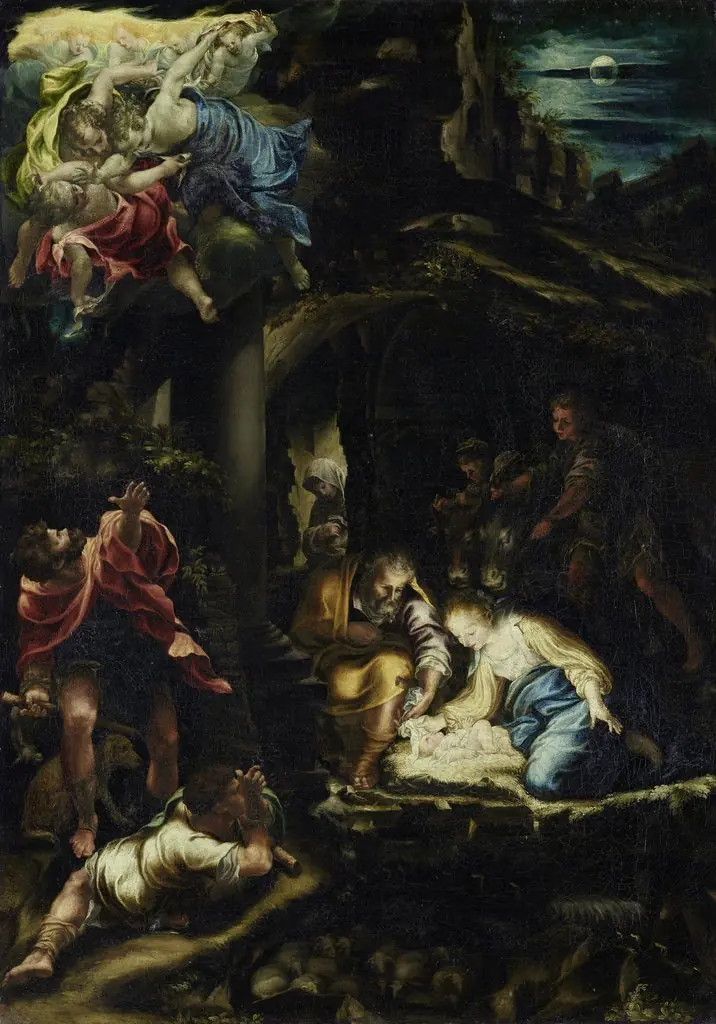
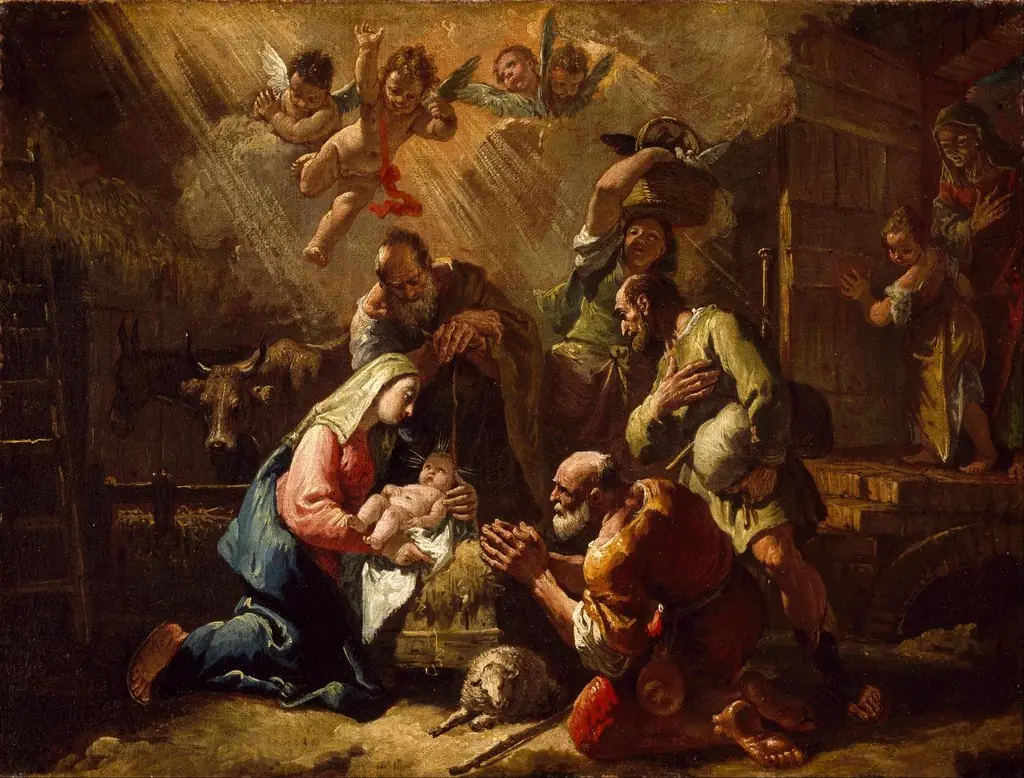
The painting depicts the Adoration of the Shepherds, a religious subject drawn from the Nativity narrative. The work centers on the Christ Child, the focal point of devotion in the scene, surrounded by shepherds who have come to pay homage to the newborn Savior.
This subject, rooted in the Gospel of Luke, traditionally symbolizes the revelation of Christ to the humble and the poor, contrasting worldly power with divine grace. The Adoration theme emphasizes themes of humility, incarnation, and the fulfillment of messianic prophecy, presenting the moment when the divine enters the human world and is recognized first by those of lowly station.
As a religious painting, the work functions both as a devotional image and as a visual meditation on the meaning of the Nativity, inviting viewers to contemplate the spiritual significance of the Christ Child's birth.
Technique & Style
The Adoration of the Shepherds is an oil painting executed on canvas, a support consistent with Francisco Rizi's mature practice. The work measures 215 cm in height by 210 cm in width, giving it a nearly square, monumental format suited to its religious subject and likely original devotional setting.
Stylistically, the painting belongs to the Spanish Baroque tradition of religious art, employing the dramatic lighting, rich coloration, and devotional intensity characteristic of the period. The handling of oil paint on canvas allows for the layered tonal modeling and chiaroscuro effects typical of mid-to-late seventeenth-century Spanish religious painting.
History & Provenance
Francisco Rizi created the oil-on-canvas painting The Adoration of the Shepherds in 1668. The work was originally located at the Church of Saint Jerome the Royal. It is currently held in the collection of the Museo del Prado.
The painting measures 215 cm in height and 210 cm in width. The piece depicts the Christ Child as the main subject within a religious art context.
The Adoration of the Shepherds by Francisco Rizi is held in the collection of the Museo del Prado. Since its inception in 1668, the work has been located at the Church of Saint Jerome the Royal.
No specific inventory numbers or details regarding its exhibition history are provided in the available sources.
Overview
Francisco Rizi’s oil painting, dated 1668, portrays the biblical episode of the shepherds’ adoration of the infant Jesus. Executed in a nocturnal setting, the composition centers on a swaddled child cradled by a woman, surrounded by humble shepherds and celestial figures. The work is part of the collection of the Museo del Prado in Madrid.
Context
Rizi worked during the Spanish Baroque period, a time when dramatic lighting and emotive religious subjects were favored by the Counter‑Reformation. The depiction of the shepherds’ adoration aligns with contemporary devotional practices, offering viewers a visual meditation on the Incarnation and the accessibility of the divine to ordinary people.
Own this work as a print
Artist & collection






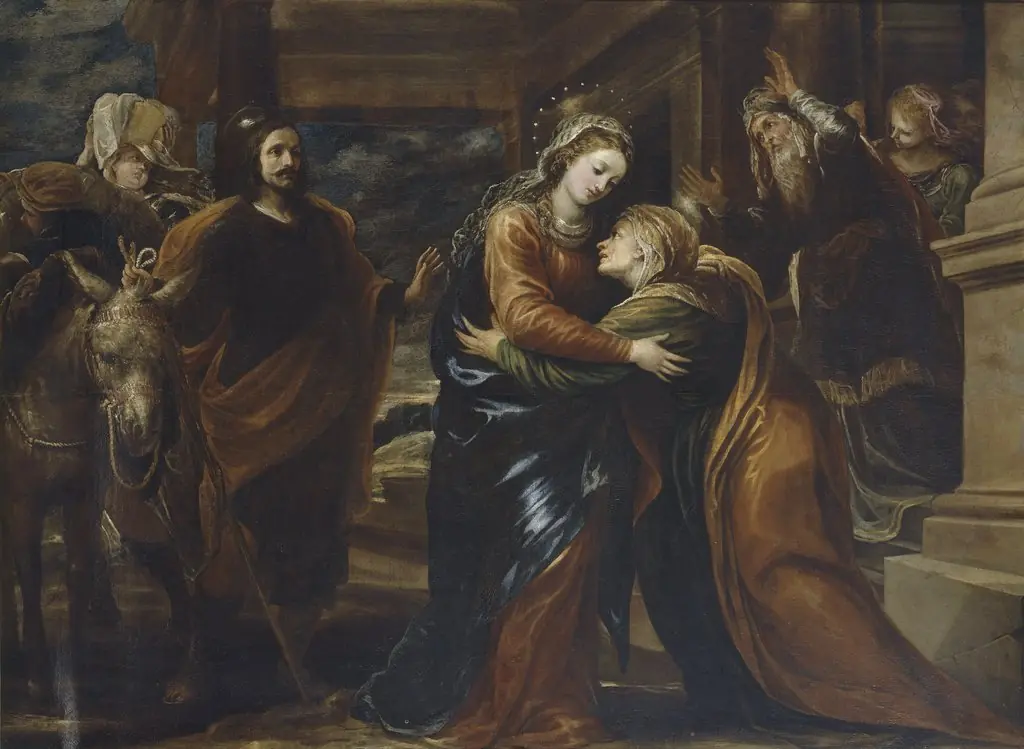
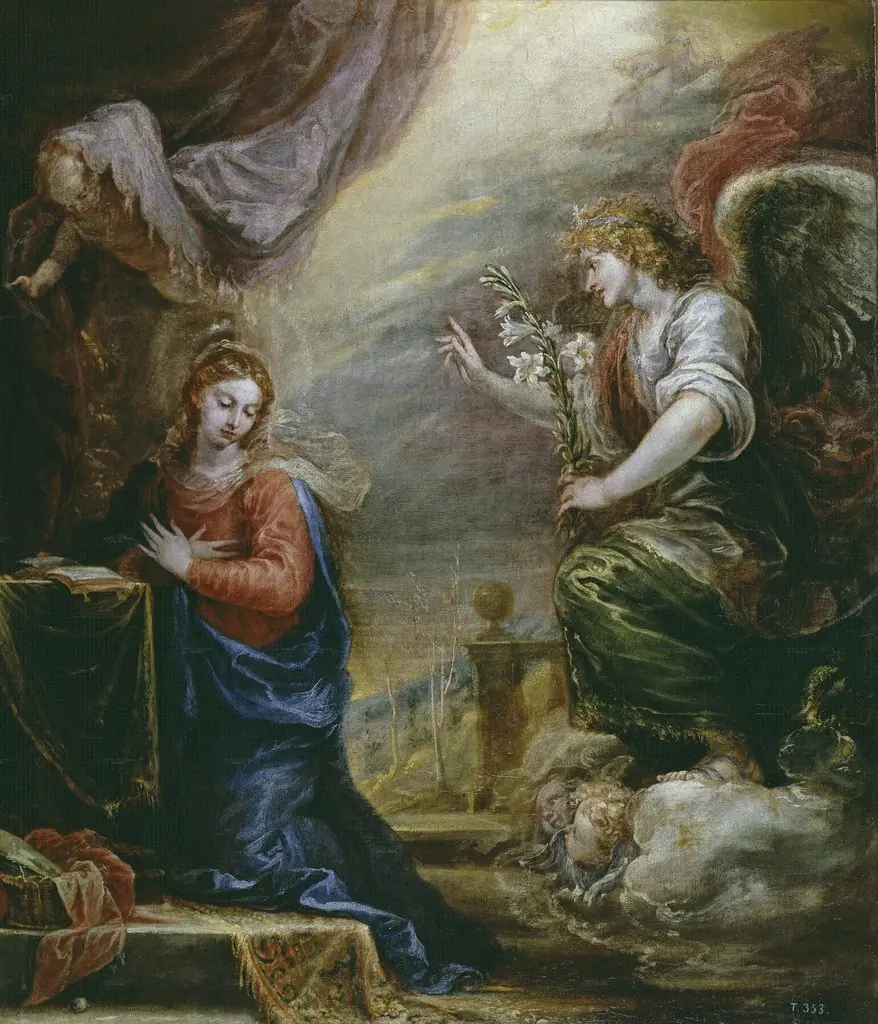
- The Adoration of the Shepherds
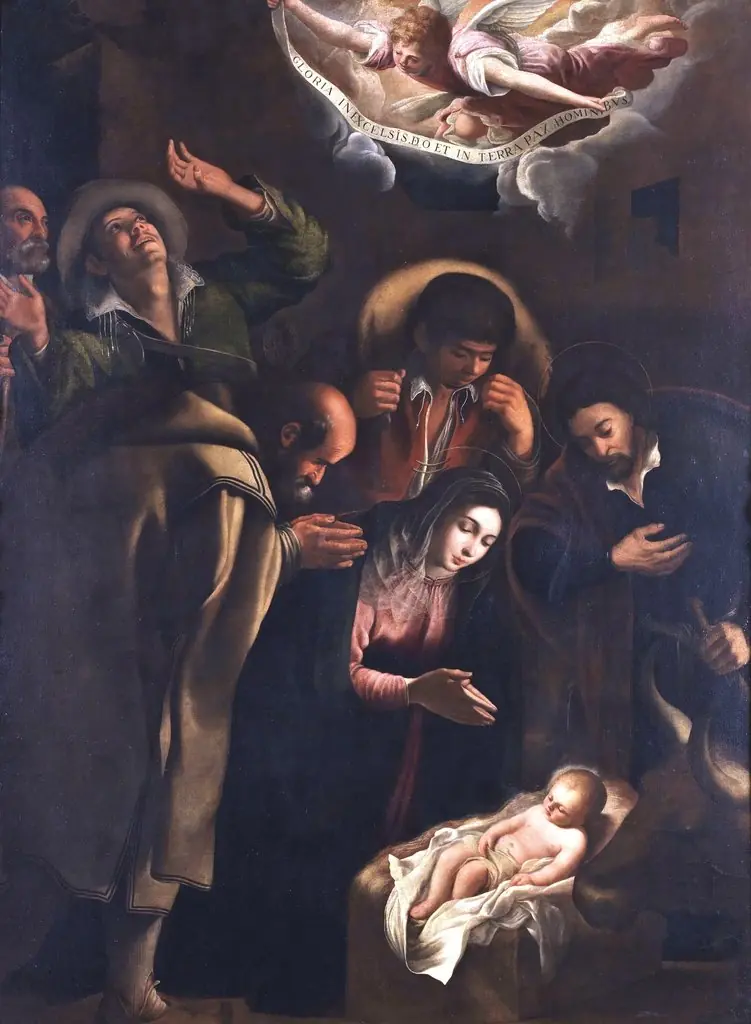 The Adoration of the Shepherds
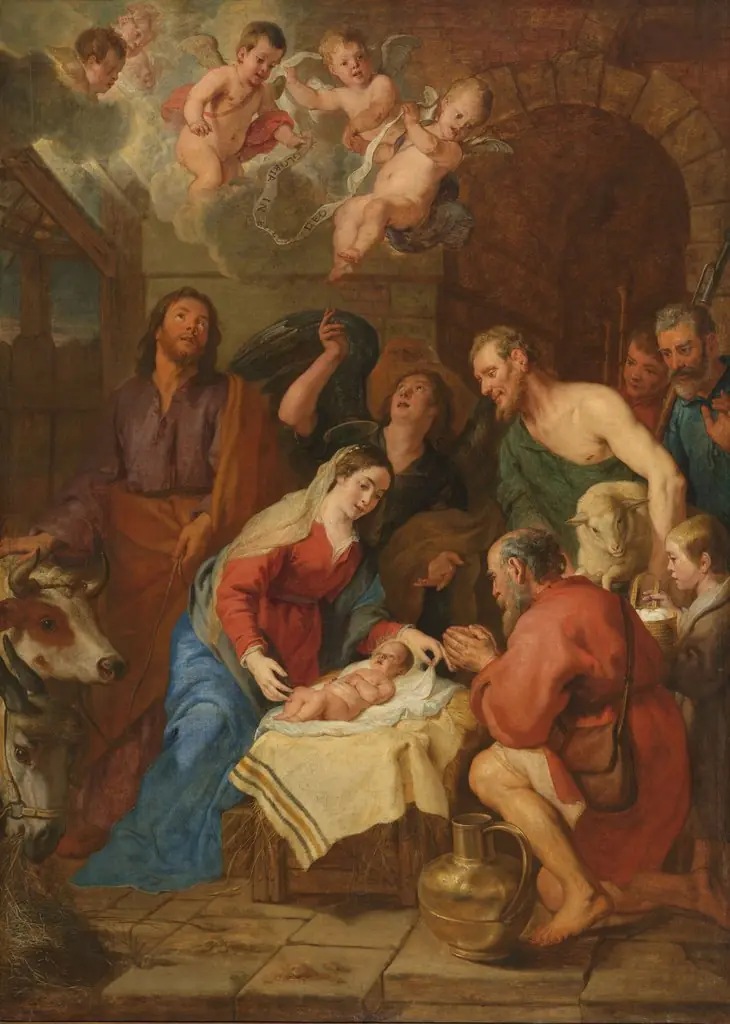 The adoration of the shepherds
 The Adoration of the Shepherds
 The Adoration of the Shepherds
 The Adoration of the Shepherds
 The Adoration of the Shepherds
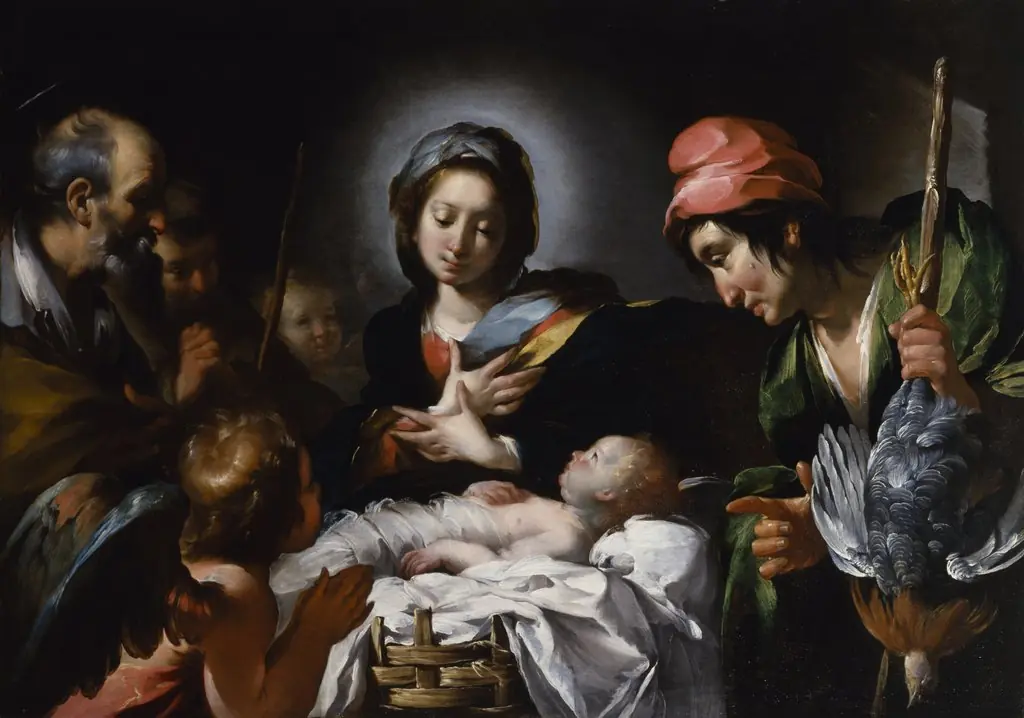 The Adoration of the Shepherds
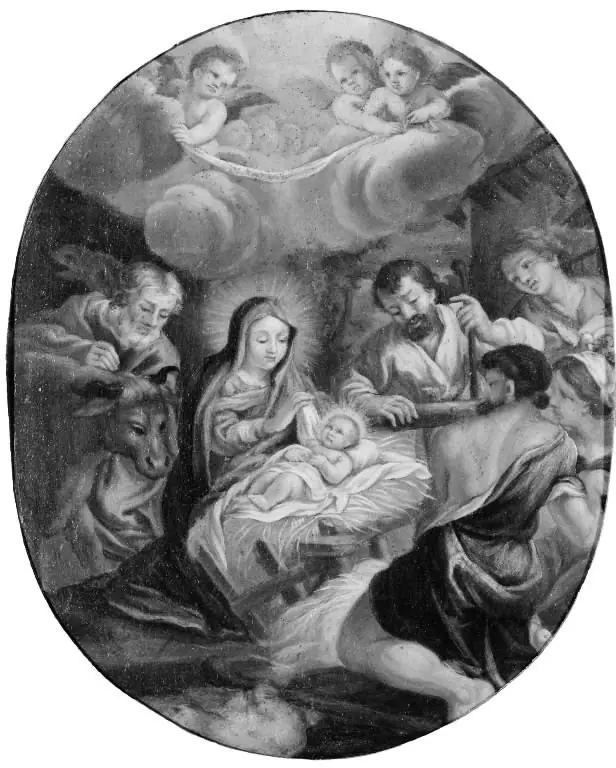 The Adoration of the Shepherds
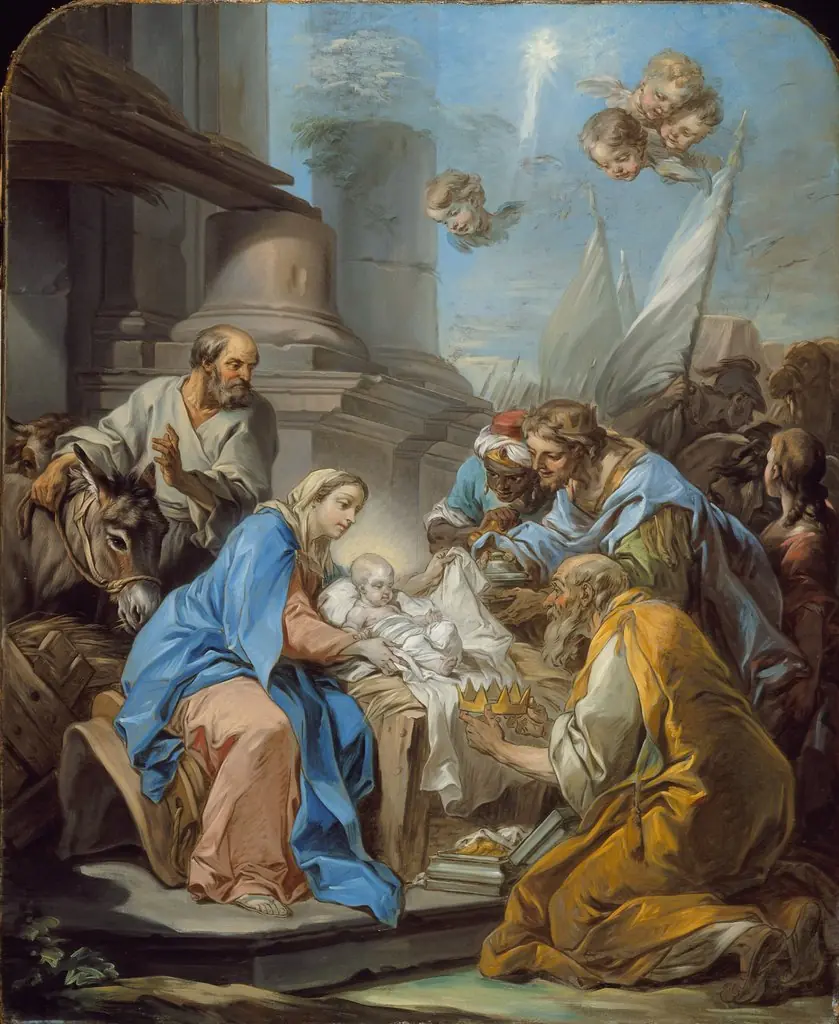 The Adoration of the Magi
 The Adoration of the Shepherds
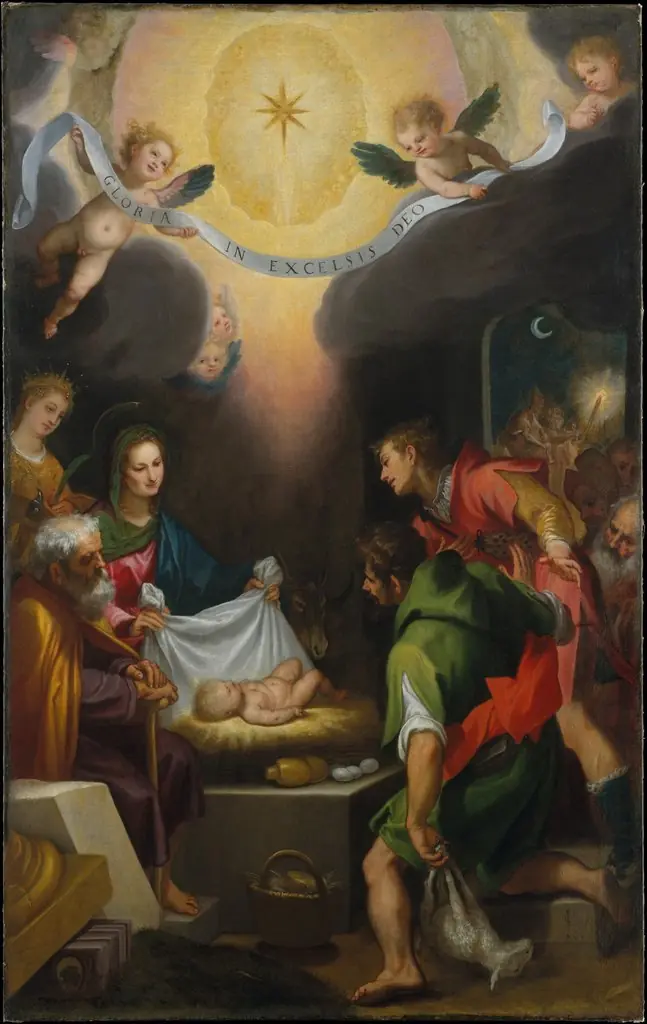 The Adoration of the Shepherds with Saint Catherine of Alexandria