Artwork
Adoration of the Shepherds (Hermitage)
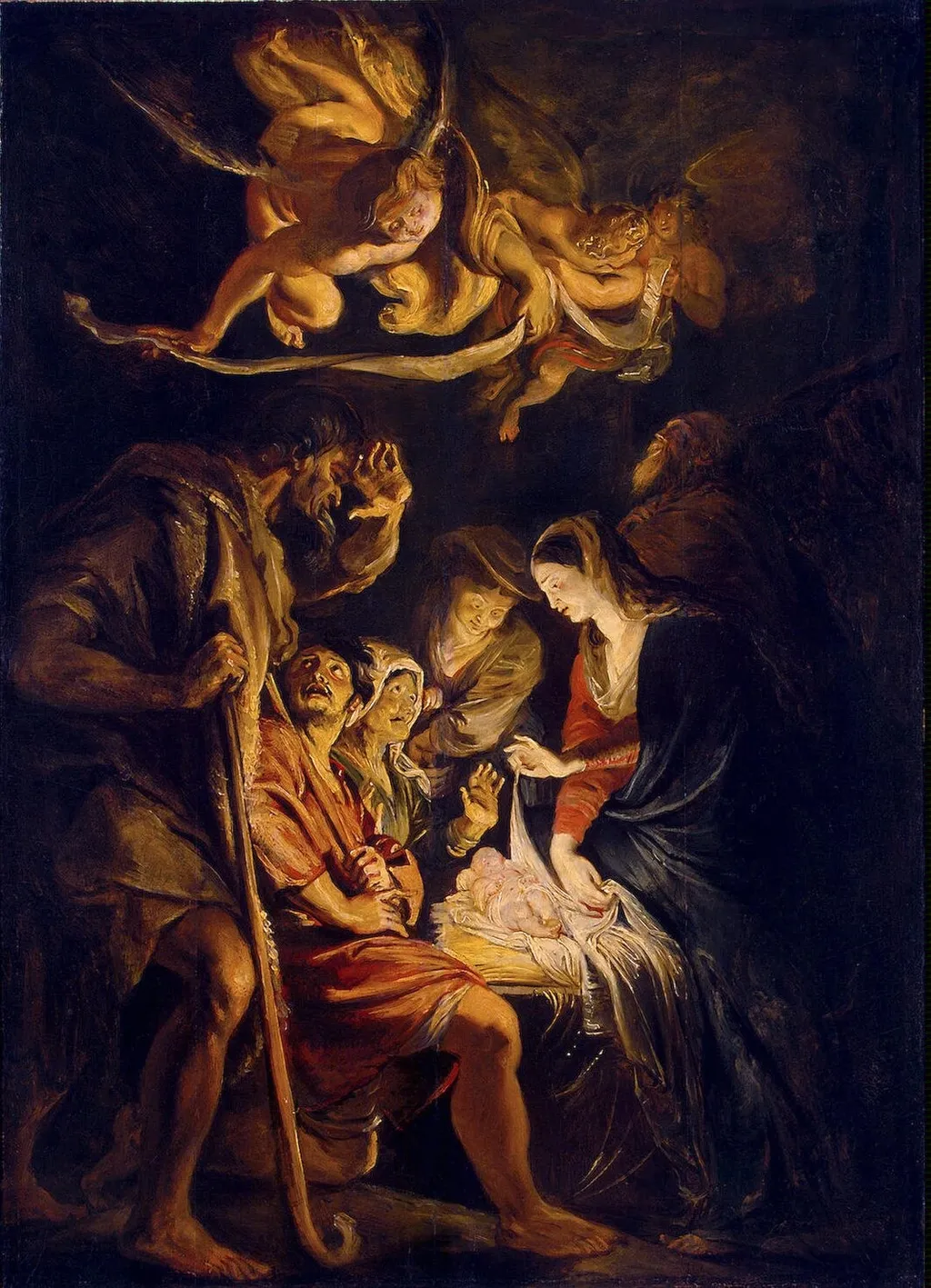
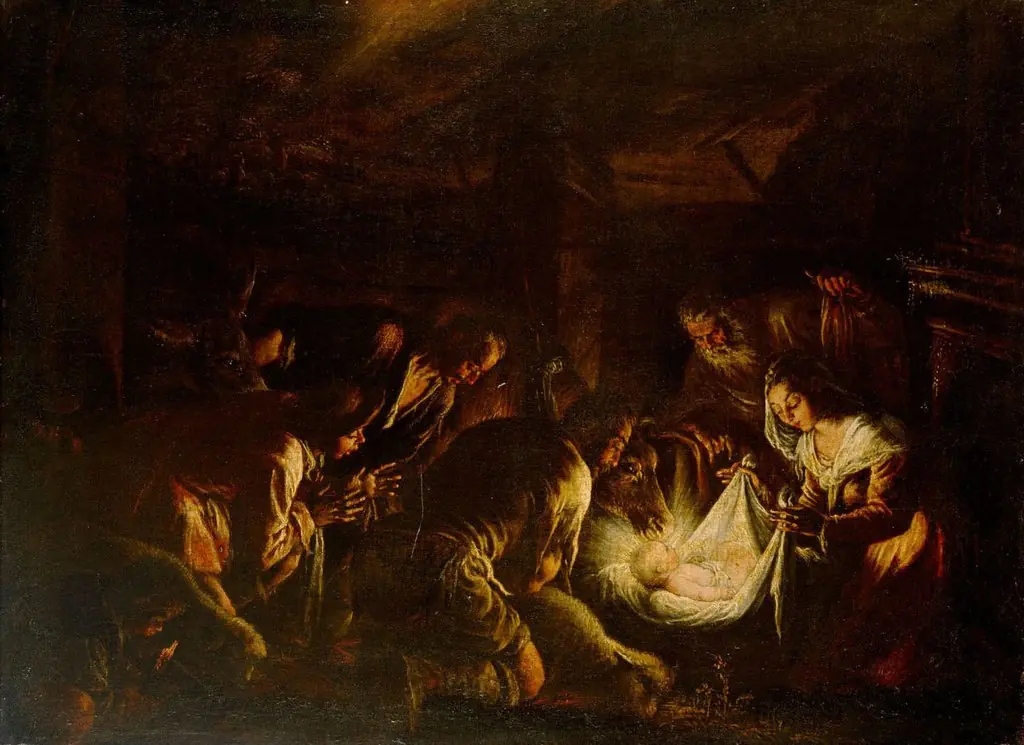
Adoration of the Shepherds (Hermitage) is an oil painting by the Flemish Baroque painting artist Peter Paul Rubens. It dates from 1608 and is held in the collection of the Hermitage Museum.
About this work
Subject & Meaning
Painted in 1608 in Flanders, the work belongs to the genre of religious art, framing the event as an object of devotional contemplation.
The painting depicts the Adoration of the Shepherds, a Nativity scene in which shepherds pay homage to the newborn Christ. According to the catalogue record, the work shows the adoration of the shepherds together with the Christ Child and the Virgin Mary, identifying the Nativity as the principal subject. The composition is inspired by the Nativity tradition, situating the scene within the standard iconography of Christ's birth in which humble witnesses gather around the Holy Family.
Painted in 1608 in Flanders, the work belongs to the genre of religious art, framing the event as an object of devotional contemplation.
Technique & Style
Executed in 1608, this religious painting is an oil work applied to a canvas support. The piece measures 63.5 cm in height and 47 cm in width. Created in Flanders, the composition depicts the Nativity scene, specifically focusing on the adoration of the shepherds alongside the Christ Child and Mary.
While primarily attributed to Peter Paul Rubens, some records also associate Cornelis Schut with its creation. The work utilizes oil paint as its sole medium to render the figures and setting characteristic of the period's religious art.
History & Provenance
Peter Paul Rubens created the oil-on-canvas painting Adoration of the Shepherds in 1608. The work was produced in Flanders and depicts the religious scene of the shepherds adoring the Christ Child alongside Mary. While Rubens is the primary creator, Cornelis Schut is also associated with the work's creation.
The painting is currently held in the collection of the Hermitage Museum. Specific details regarding the original commission, the initial owner, or the precise chain of ownership prior to its arrival at the Hermitage are not provided in the available sources.
The painting is held in the collection of the State Hermitage Museum in Saint Petersburg.
Its inventory/accession number within the museum is not specified in the cited sources.
The work has not been documented in exhibition history according to the available sources.
Overview
Created in 1608 by the Flemish painter Peter Paul Rubens, this oil on canvas portrays the biblical scene of the shepherds’ adoration of the infant Jesus. It belongs to Rubens’s early Baroque output and is now part of the collection of the State Hermitage Museum in Saint Petersburg.
Context
The painting aligns with Counter‑Reformation objectives, using vivid drama and accessible religious imagery to inspire devotion. Rubens combined classical compositional principles with Christian iconography, a synthesis typical of his generation of Baroque artists.
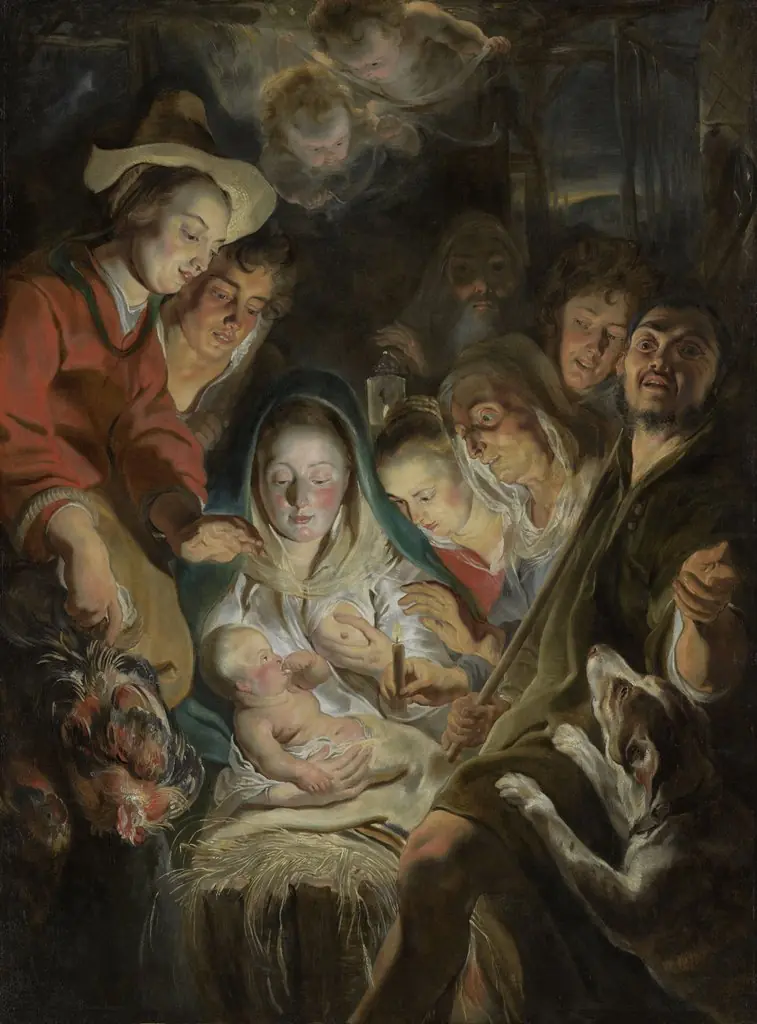
Artist & collection
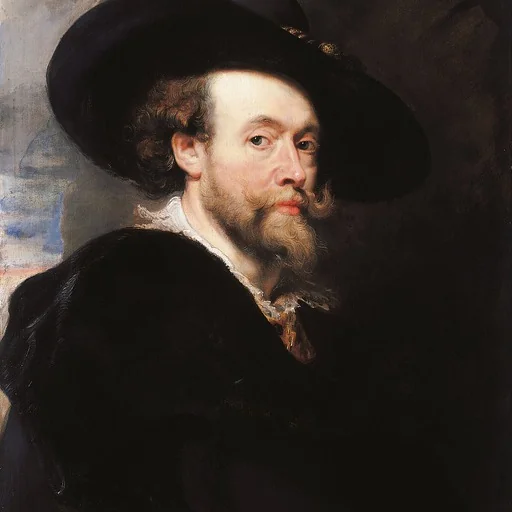
Artist
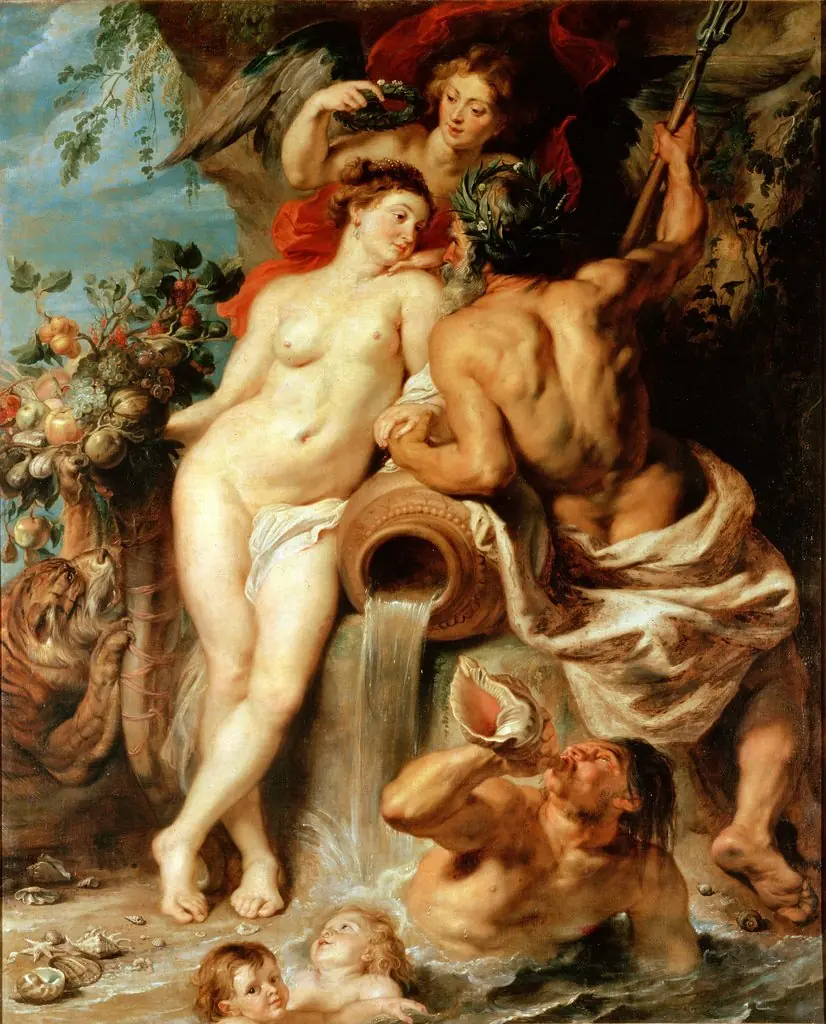
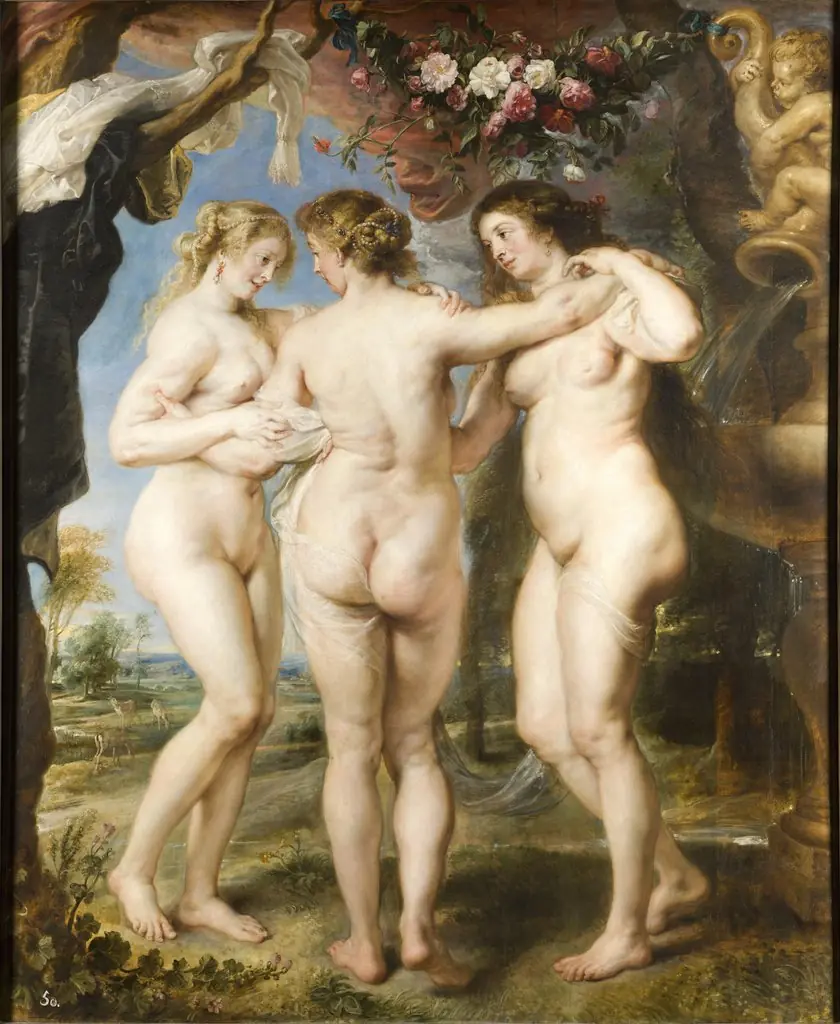
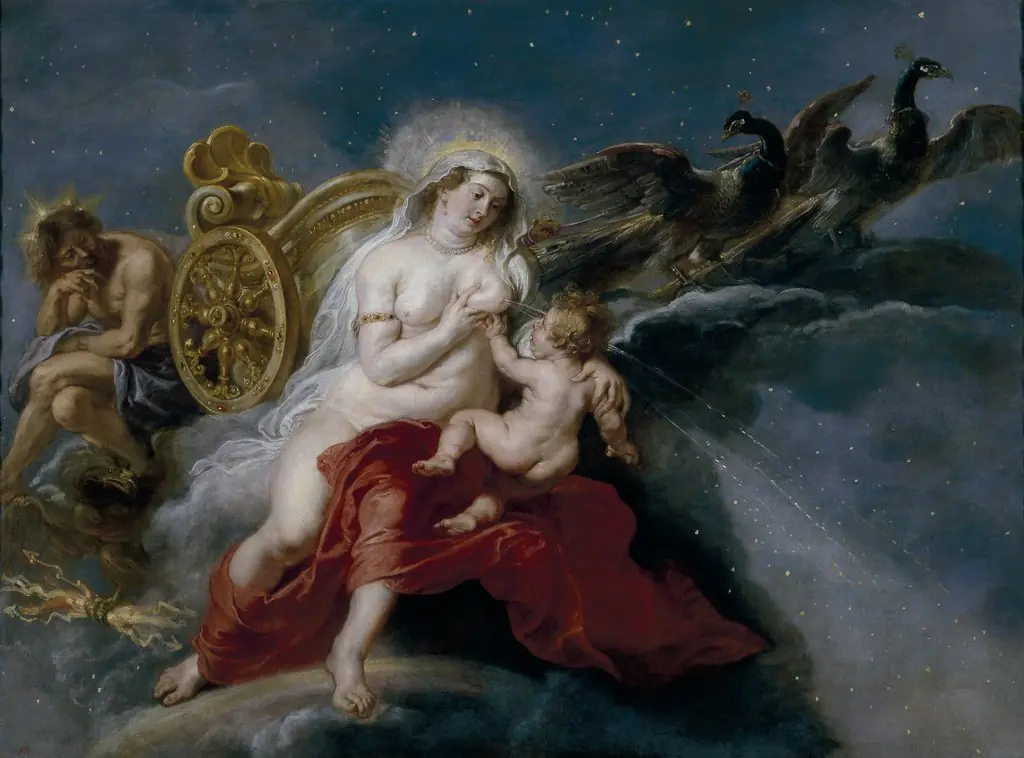
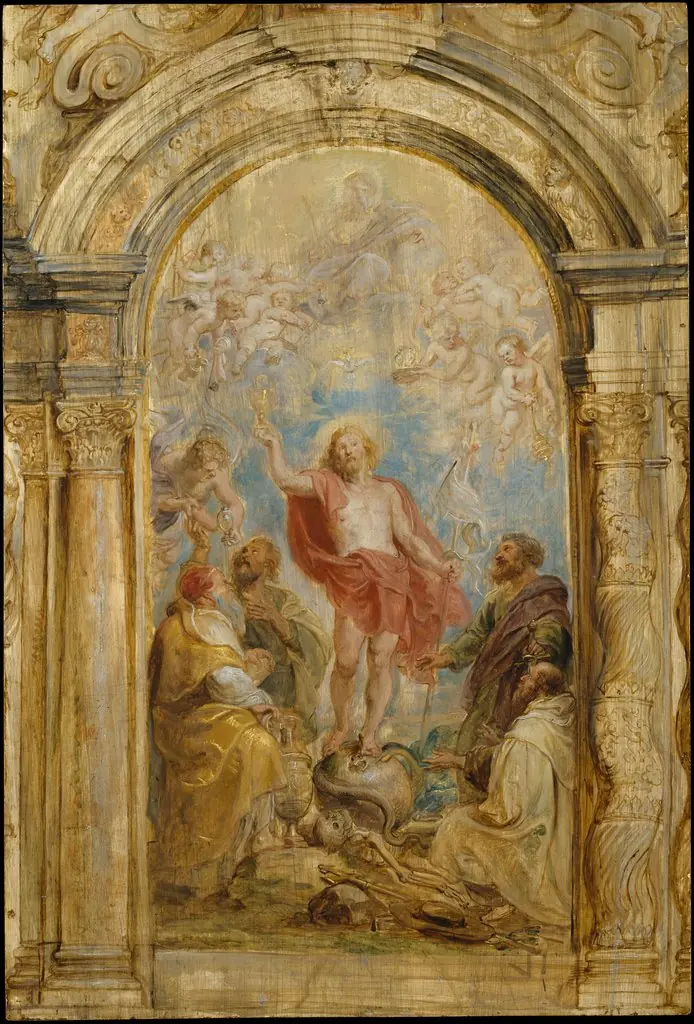
Sir Peter Paul Rubens ( ROO-bənz; Dutch:; 28 June 1577 – 30 May 1640) was a Flemish artist and diplomat.

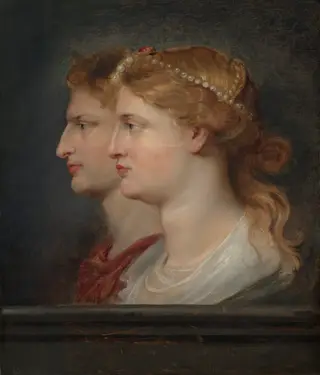
- Adoration of the Shepherds
 Adoration of the Shepherds
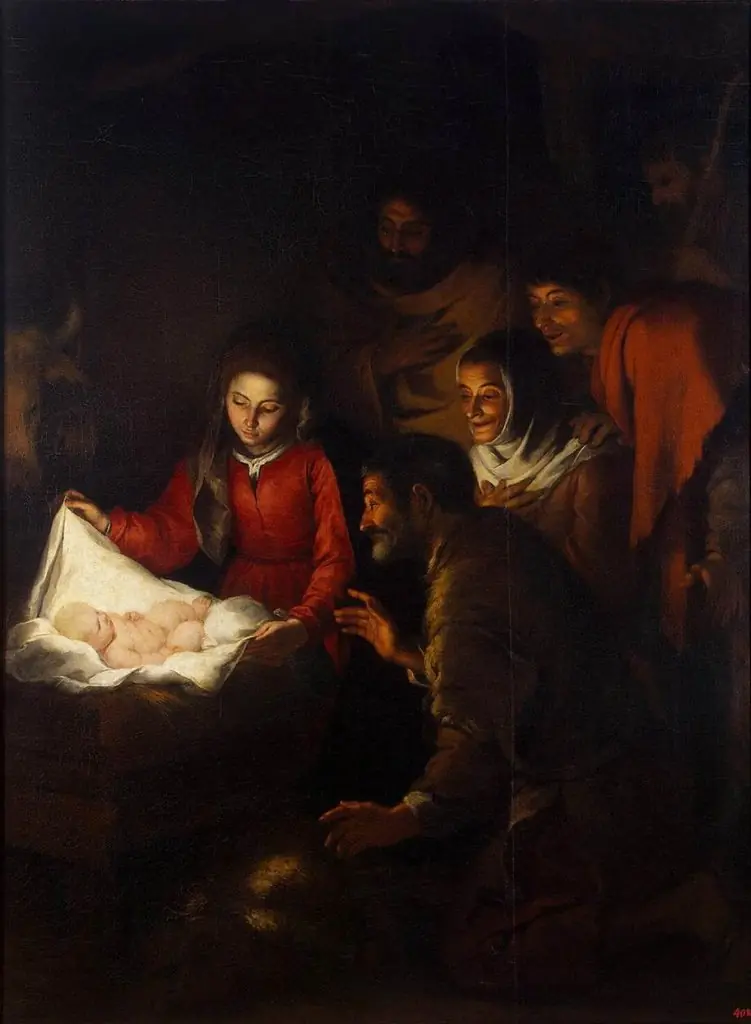 Adoration of the Shepherds
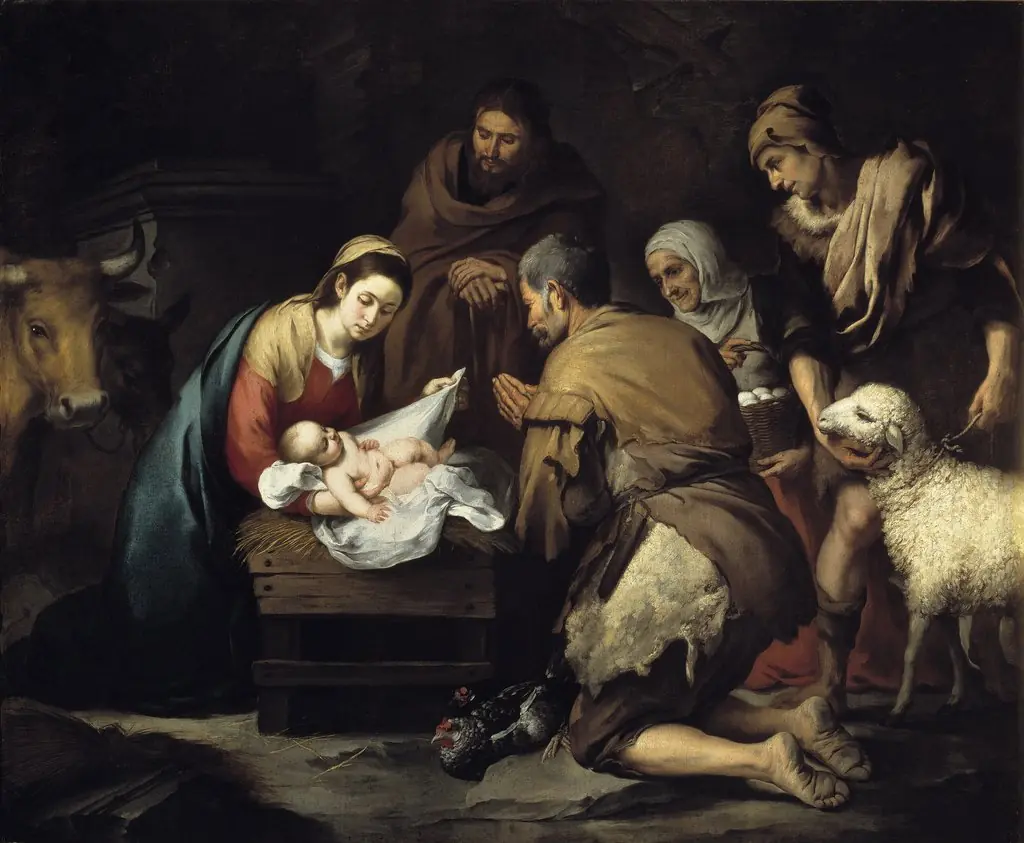 Adoration of the Shepherds
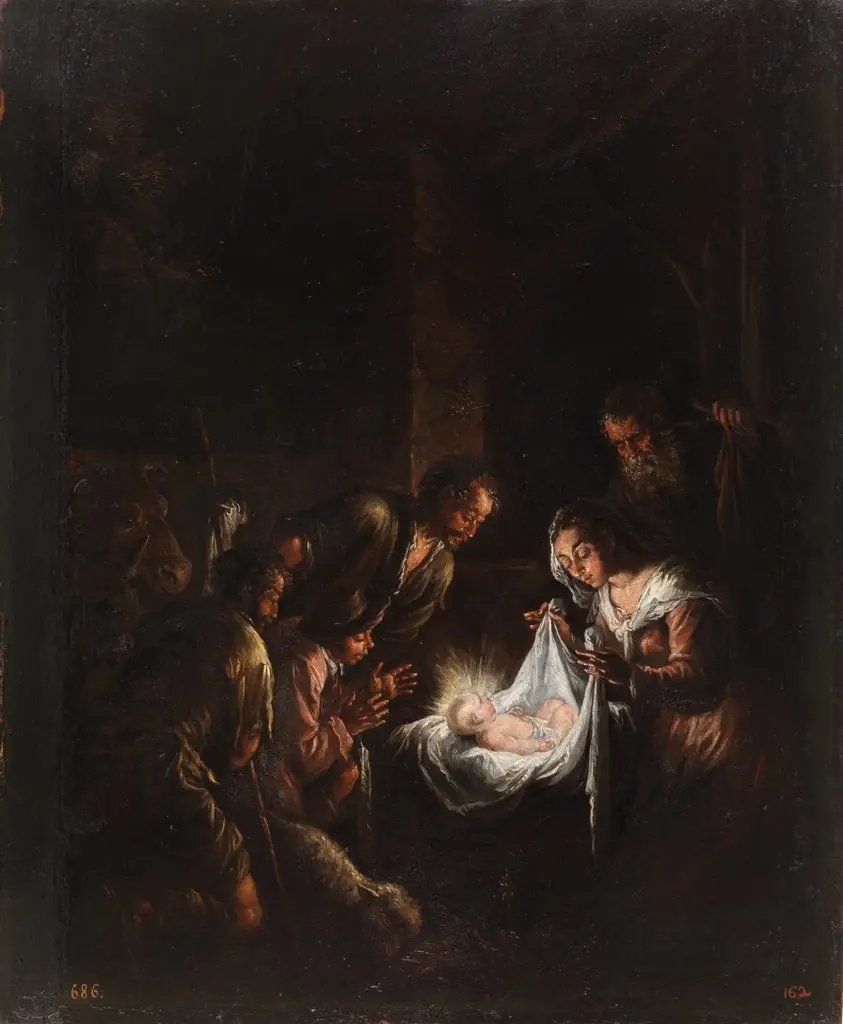 Adoration of the Shepherds
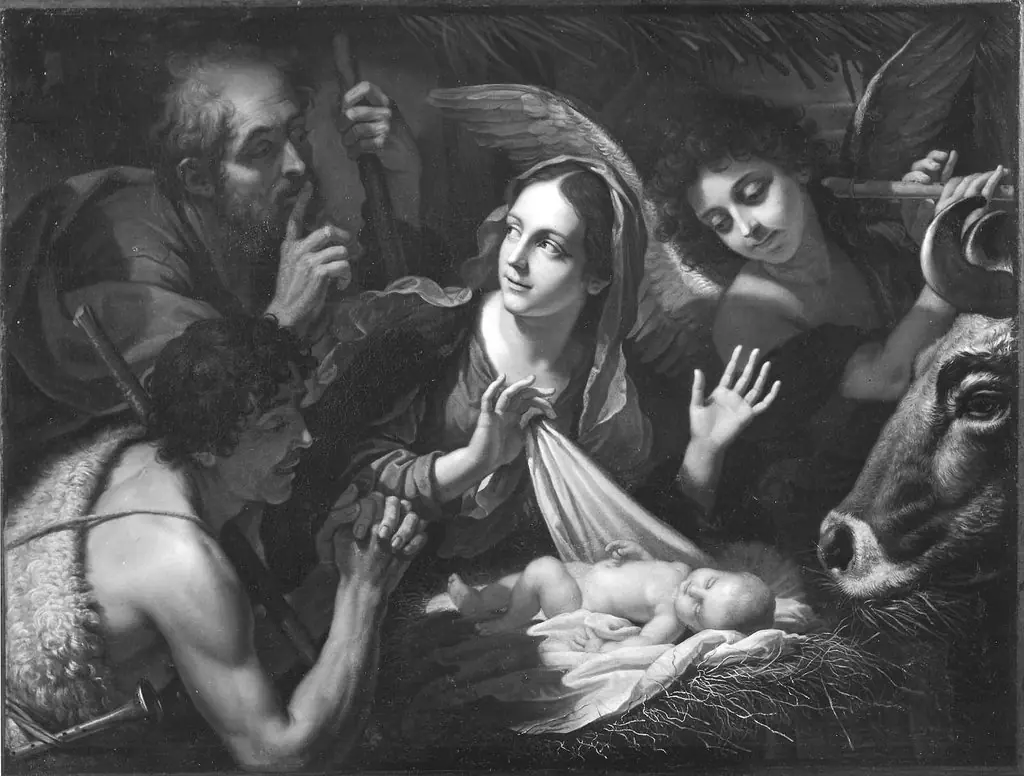 Adoration of the Shepherds
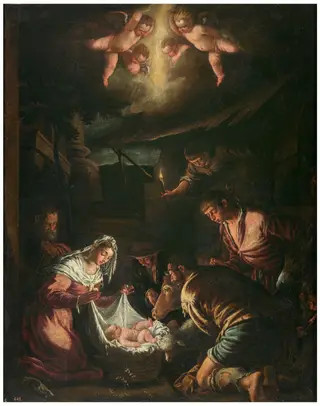 Adoration of the Shepherds
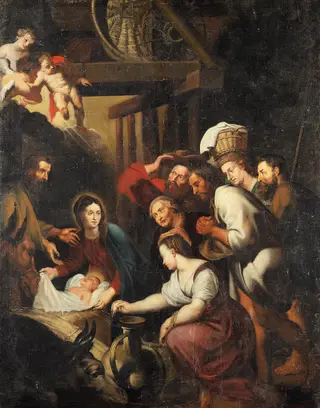 Adoration of the Shepherds
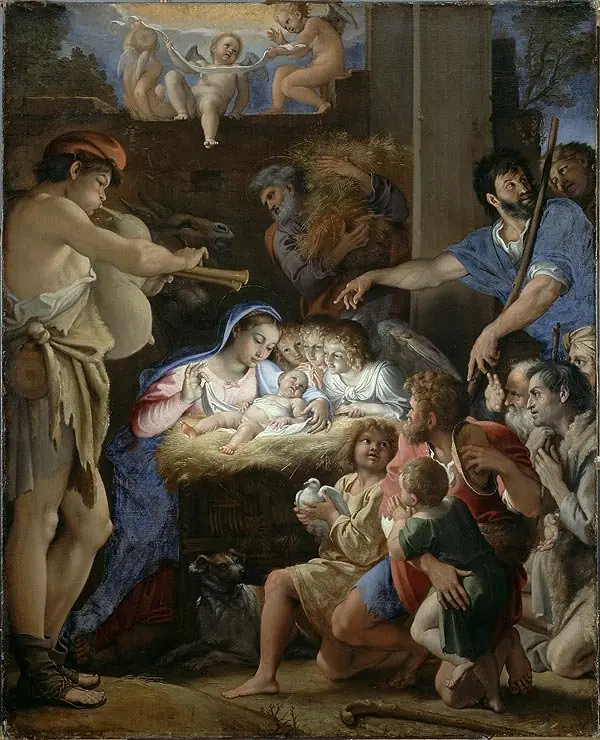 Adoration of the Shepherds
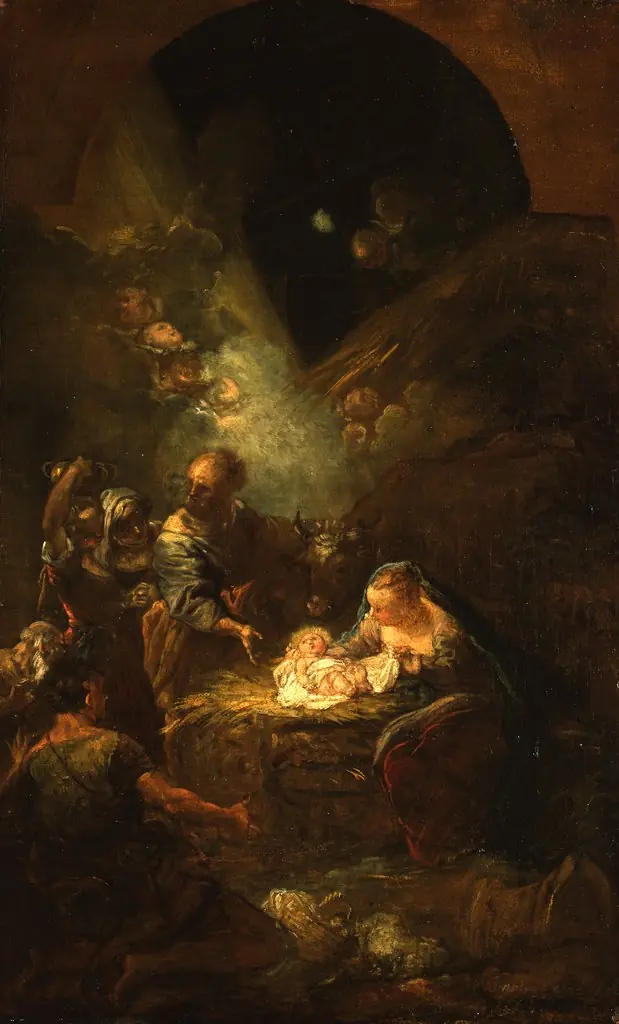 Adoration of the Sheperds
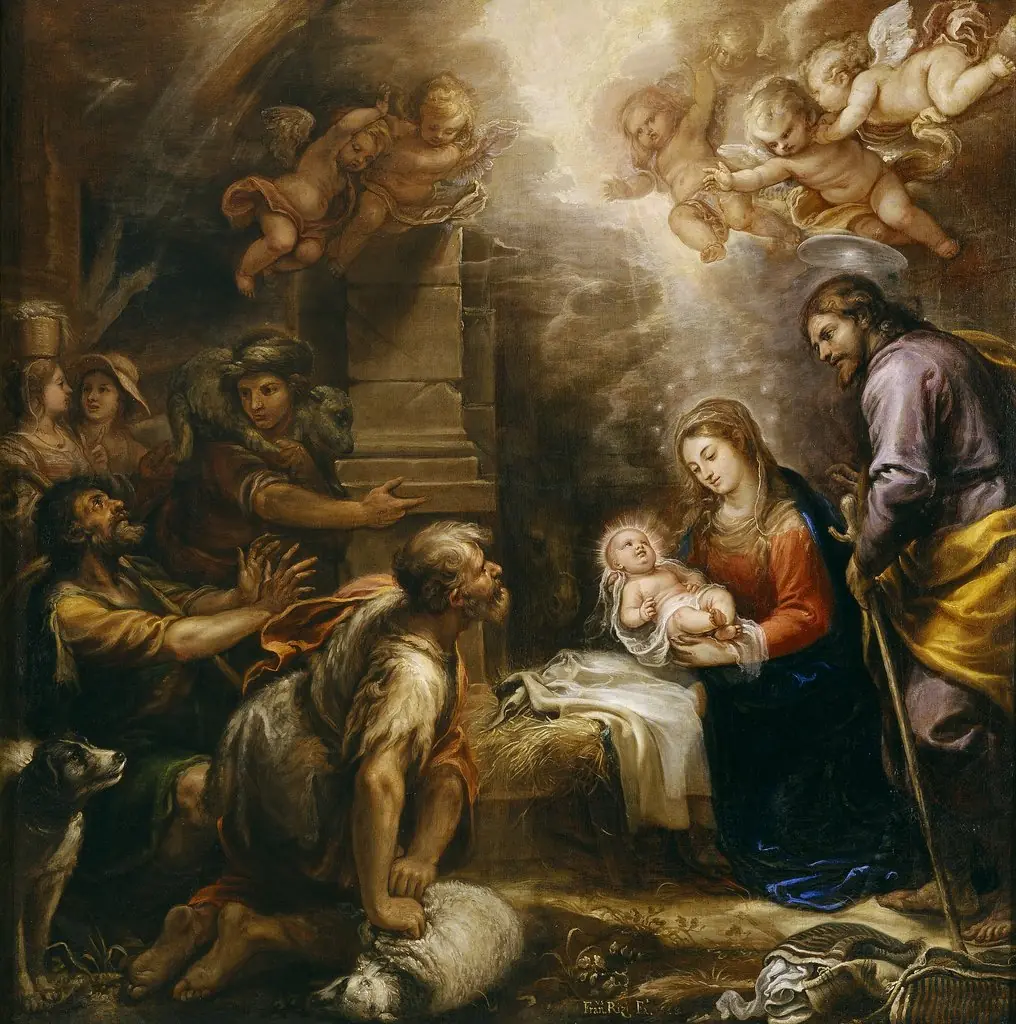 The Adoration of the Shepherds
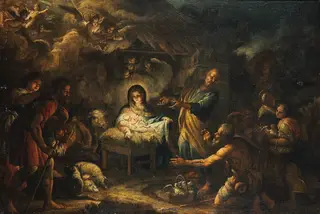 Adoration of the Sheperds