Artwork
Portrait of a woman
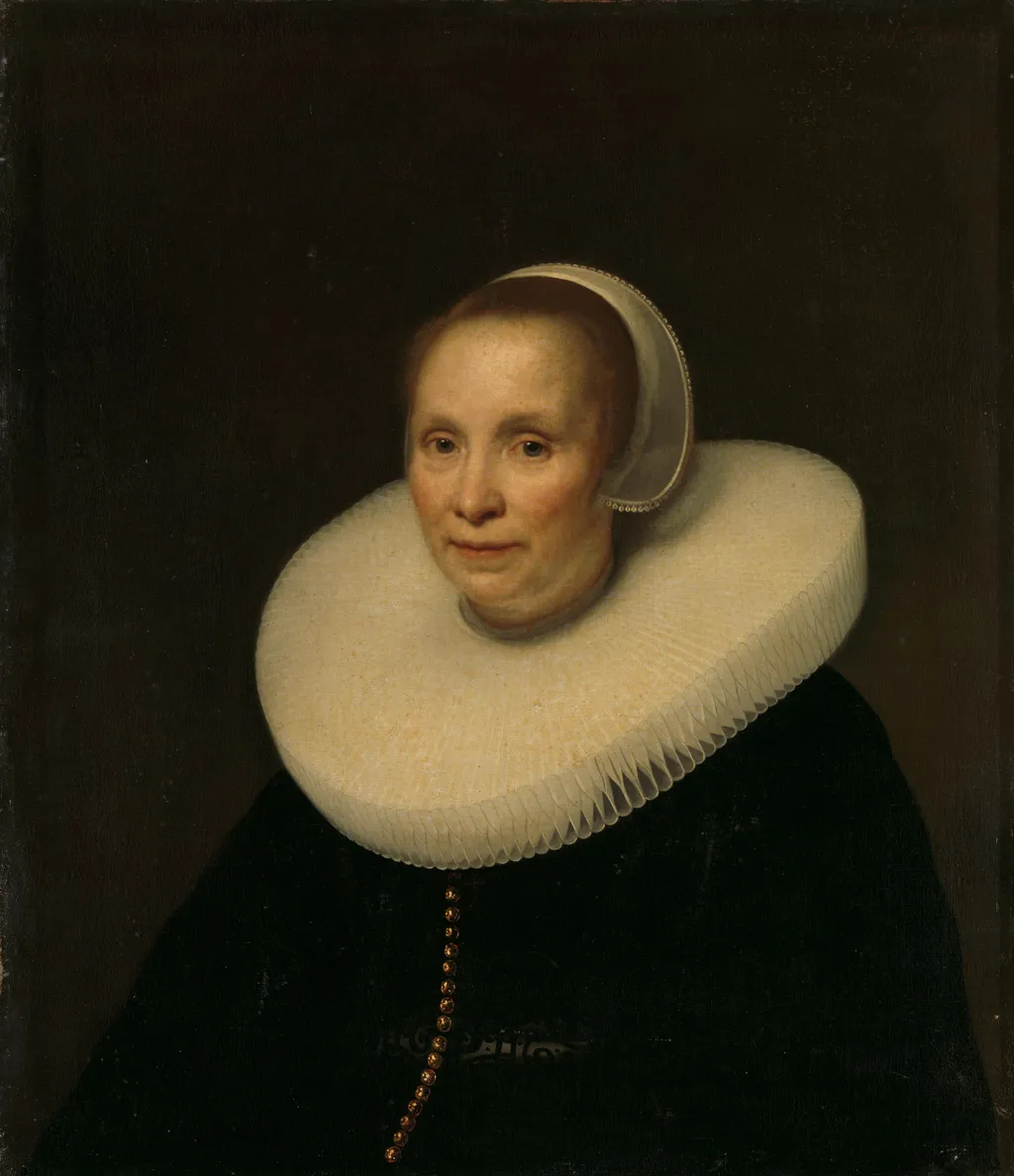
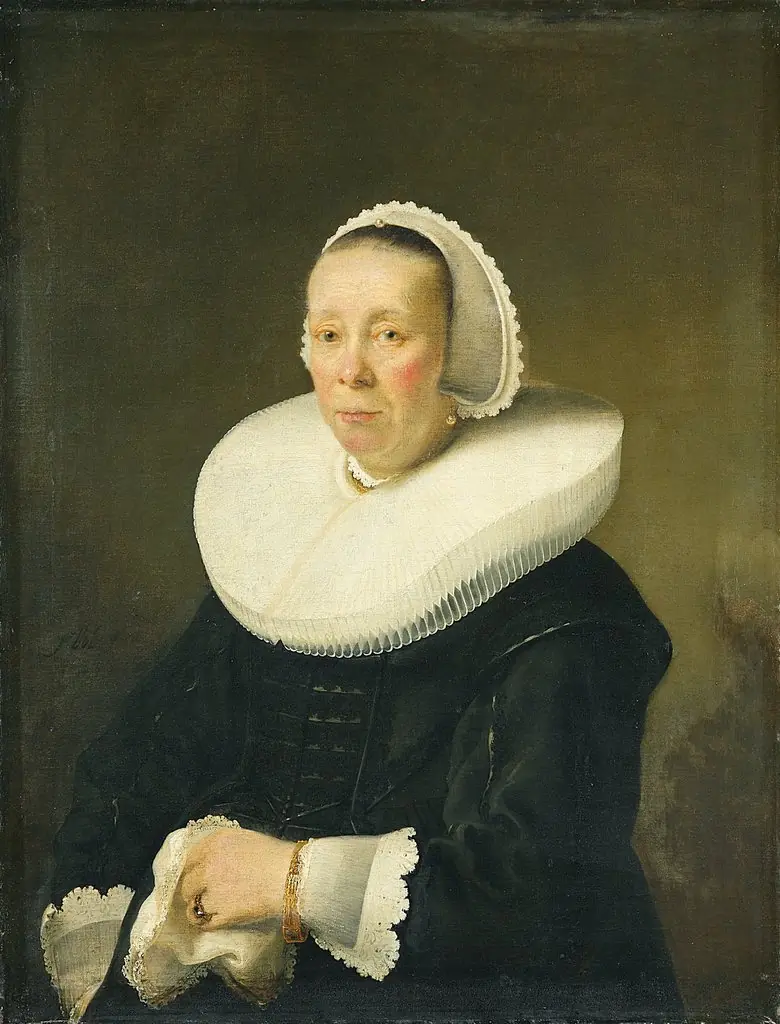
Portrait of a woman is an oil painting by the Dutch Golden Age artist Abraham Lambertsz van den Tempel. It dates from 1646 and is held in the collection of the Rijksmuseum.
About this work
Technique & Style
Brushwork remains smooth and even, avoiding visible impasto or textural incident that would disrupt the reserved presentation typical of the period.
The painting employs oil on canvas, a standard support for Dutch portraiture of the mid-seventeenth century. Handling is restrained and linear, with careful delineation of facial features and costume details, consistent with van den Tempel’s approach to portraiture during the 1640s. The composition is frontal, with the woman positioned close to the picture plane against a neutral background, emphasizing clarity and directness.
Brushwork remains smooth and even, avoiding visible impasto or textural incident that would disrupt the reserved presentation typical of the period.
History & Provenance
Abraham Lambertsz van den Tempel created the oil-on-canvas portrait titled Portrait of a woman in 1646. The work measures 76 cm in height and 66 cm in width. Historical records indicate that the painting was once part of the collection of Adriaan van der Hoop.
It is currently held by the Rijksmuseum in Amsterdam, which also manages the Amsterdam Museum collection where the piece is associated.
The painting Portrait of a woman by Abraham Lambertsz van den Tempel, created in 1646, is part of the collection of Adriaan van der Hoop and is housed in the Rijksmuseum, Amsterdam Museum. The work measures 76 cm in height and 66 cm in width and is classified as an oil on canvas portrait.
Context
Abraham van den Tempel's 1646 oil on canvas Portrait of a woman, depicting an unnamed sitter, entered the collection of Adriaan van der Hoop before being acquired by the Rijksmuseum and Amsterdam Museum. The work exemplifies Dutch Golden Age portraiture, characterized by restrained realism and attention to material texture, aligning with genre conventions of mid-seventteenth-century Dutch portraiture. Its formal qualities and provenance reflect the evolution of private portrait collecting in the Netherlands, situating it within broader scholarly discussions of seventeenth-century Dutch artistic practice and the development of portrait genre conventions.
Legacy
The portrait has influenced later portraiture through its naturalistic rendering and psychological depth, qualities that were later praised by 19th-century critics for anticipating the realism of the Dutch Golden Age. Its inclusion in major collections such as the Rijksmuseum and Amsterdam Museum has cemented its reputation as an important example of 17th-century Haarlem portraiture, and it is frequently cited in studies of Dutch portraiture as a bridge between earlier Mannerist styles and the more intimate domestic scenes that dominate later genre painting.
The work's legacy is further underscored by its frequent appearance in scholarly exhibitions on Dutch portraiture, where it is highlighted for its technical mastery and its role in shaping portrait conventions that persisted into the 18th century.
Overview
Abraham Lambertsz van den Tempel’s oil painting, dated 1646, presents a solitary female sitter against an unadorned black backdrop. The work resides in the collection of the Rijksmuseum, where it exemplifies mid‑seventeenth‑century Dutch portraiture through its restrained composition and emphasis on the individual’s presence.
Subject & Meaning
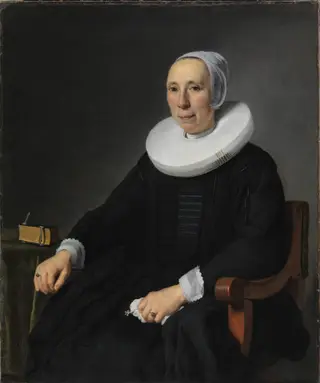
The portrait features a woman with a smooth, pale complexion, her gaze meeting the viewer with calm directness. She is dressed in a dark gown, a modest white cap, and a prominent white ruff, while a modest piece of jewelry rests at her neckline, suggesting modest social standing and personal decorum.
Own this work as a print
Artist & collection
Artist
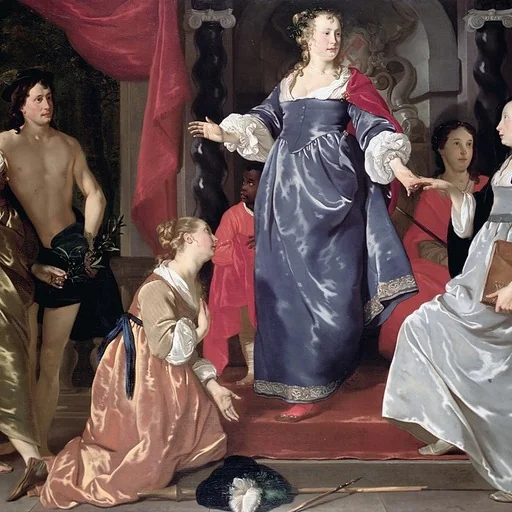
Abraham Lambertsz van den Tempel
Abraham Lambertsz van den Tempel (1622–1672) was an artist, born in Leeuwarden.

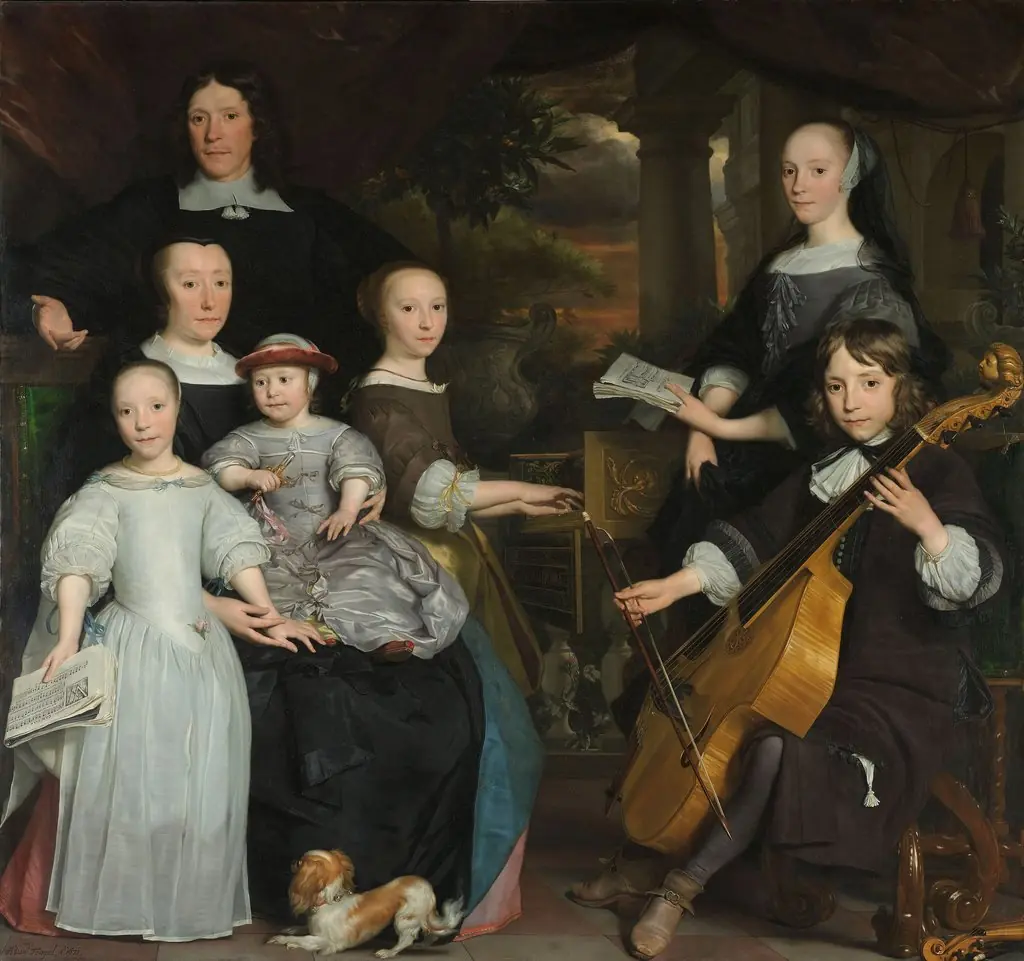
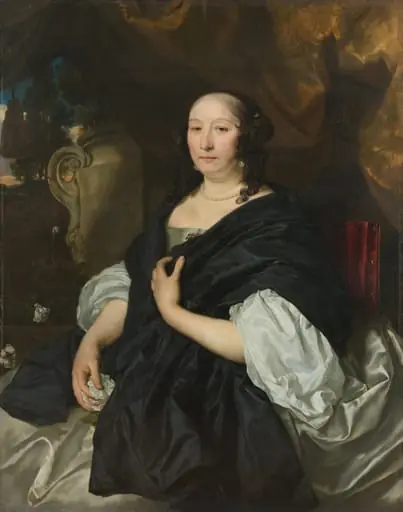
- Portrait of a woman
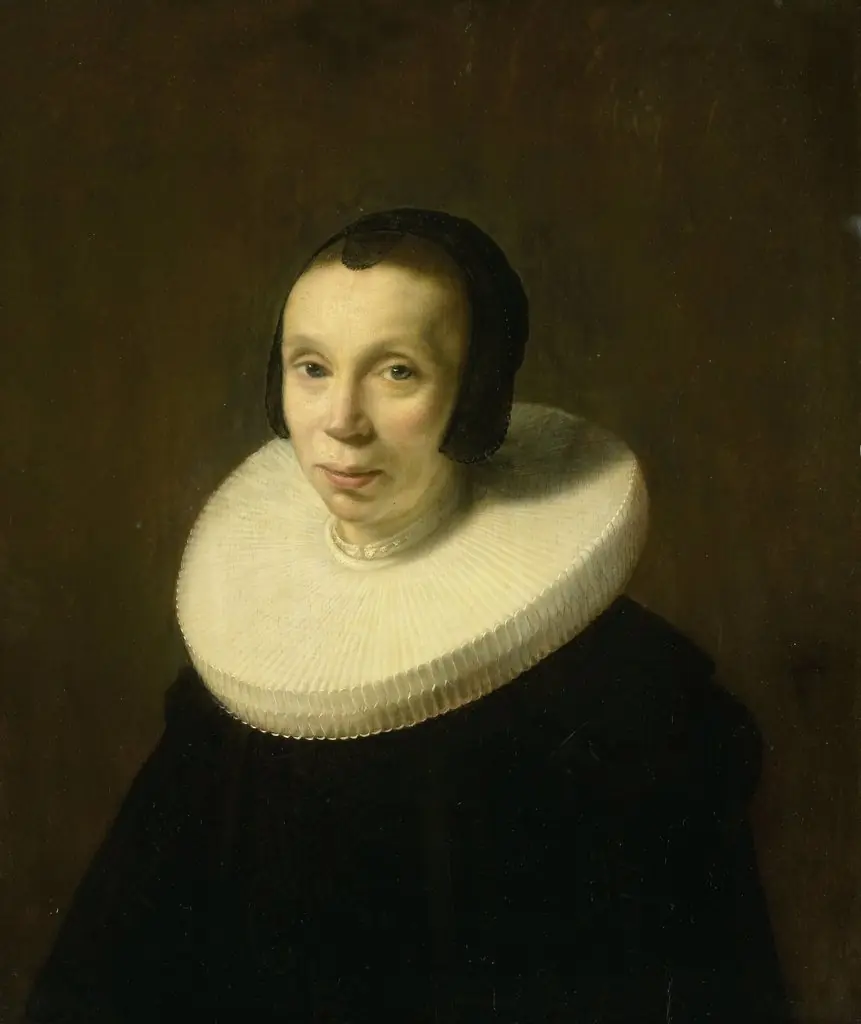 Portrait of a woman
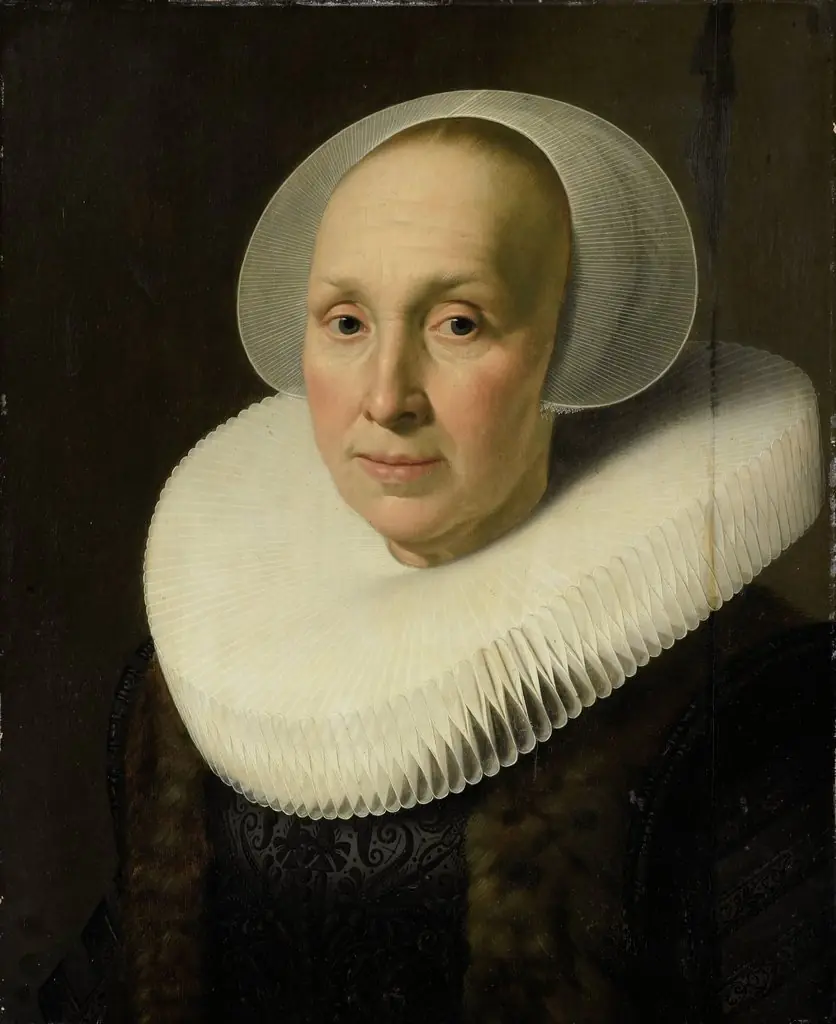 Portrait of Margriet Benningh (1565-1641)
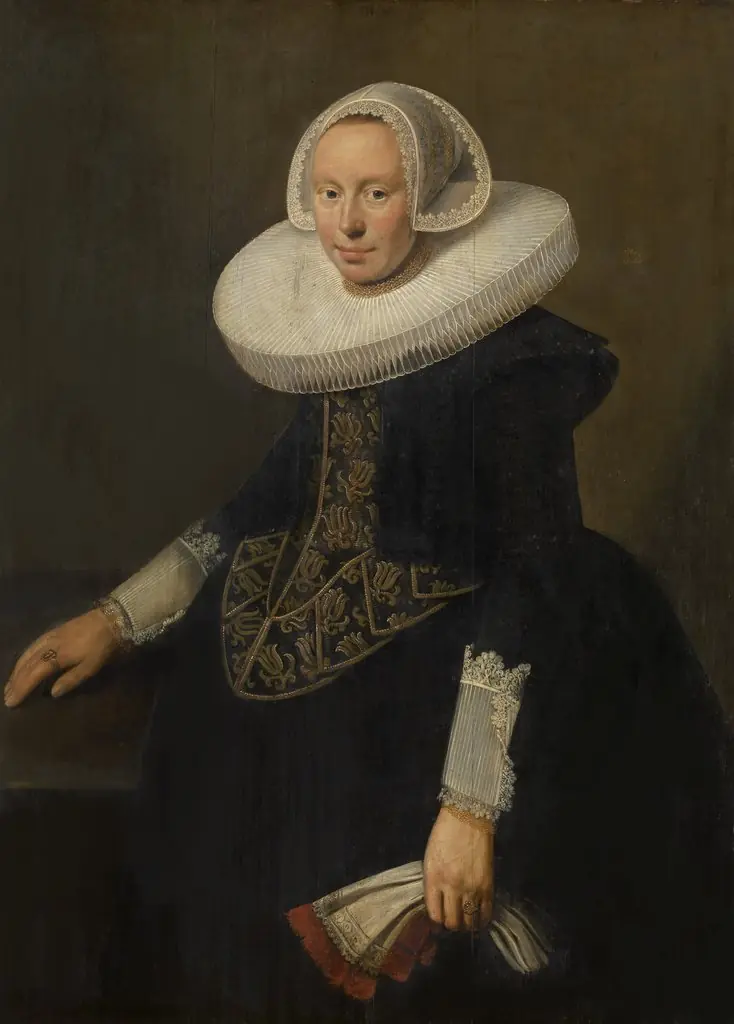 Portrait of a Woman
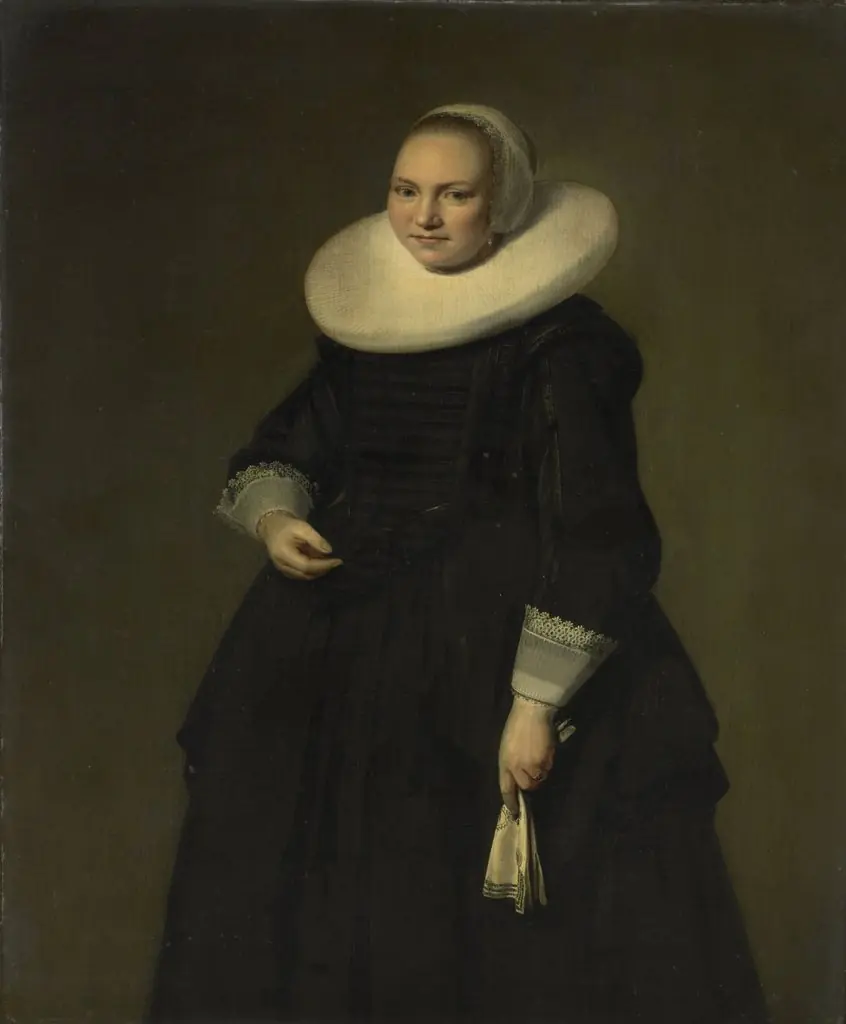 Portrait of a woman
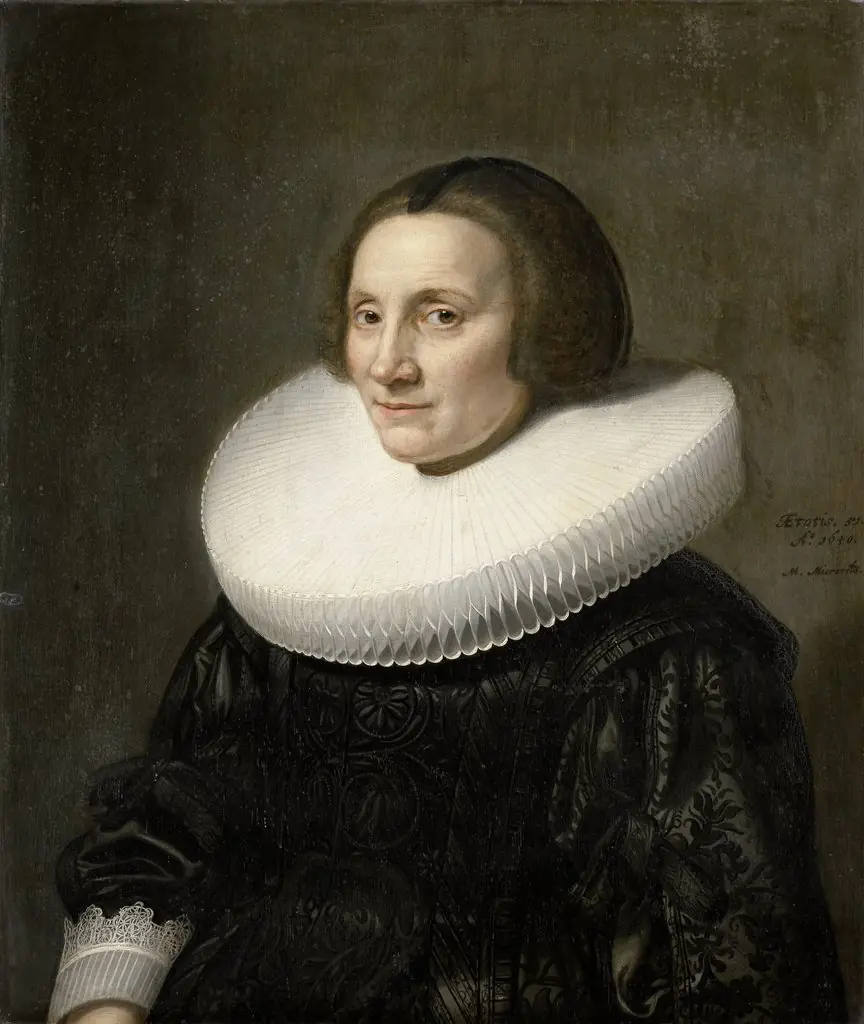 Portrait of Caecilia van Beresteyn (1589-1661)
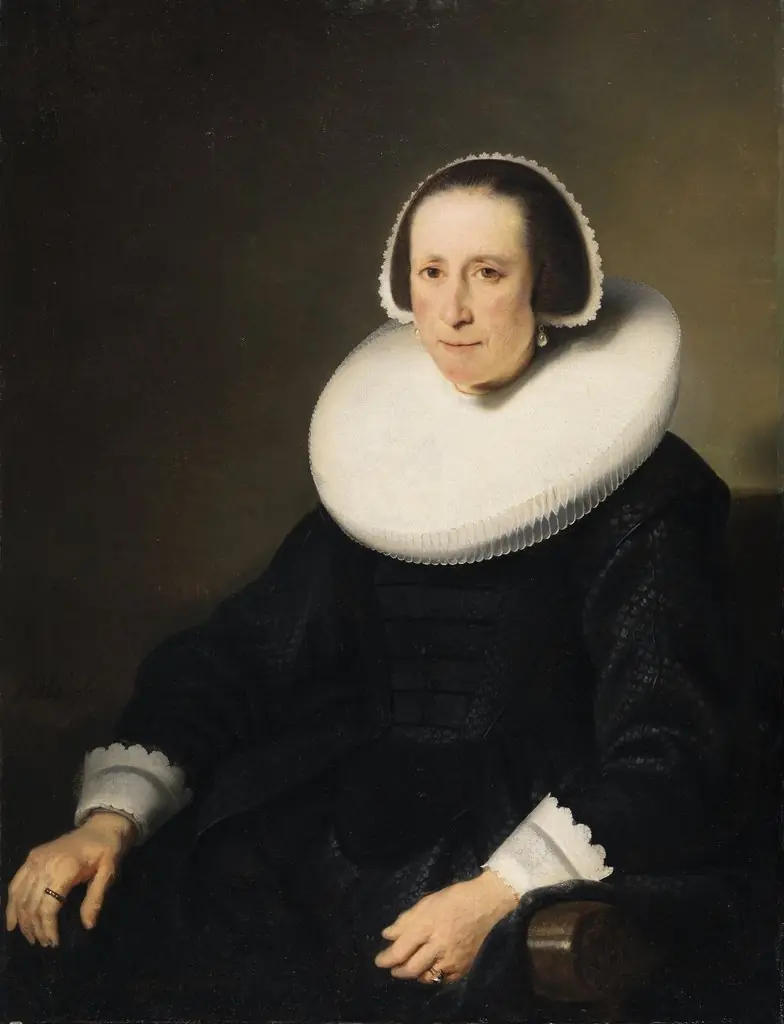 Portrait of a Lady
 Portrait of a Lady
 Portrait of a woman
 Anna van der Does (1609-50). Wife of Jan de Hooghe
 Portrait of a Woman
 Portrait of an older Women