Artwork
Portrait of a woman
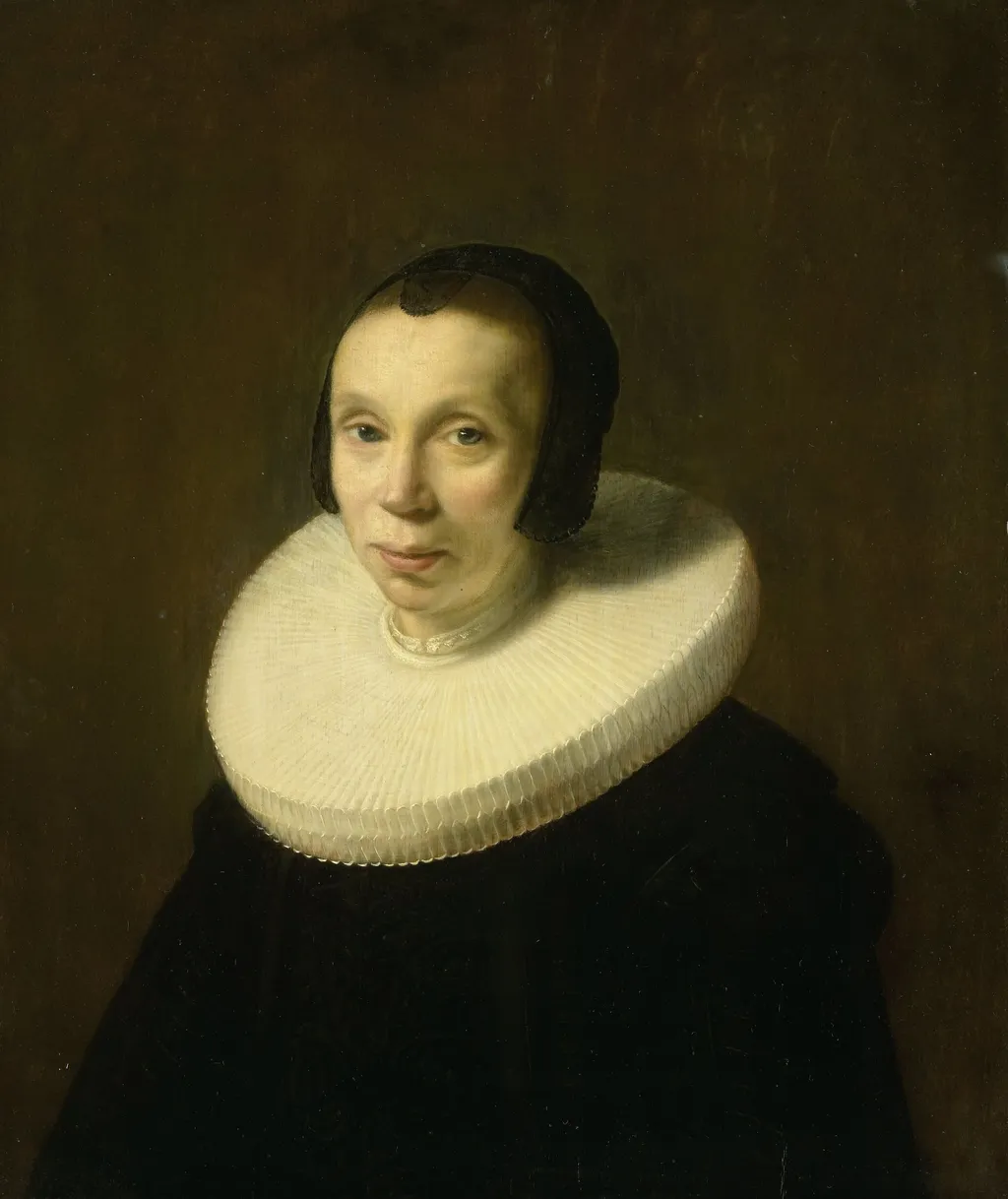
Portrait of a woman is an oil painting by the Dutch Golden Age artist Abraham de Vries. It dates from 1642 and is held in the collection of the Rijksmuseum. Created in 1642, this oil painting presents a seated woman rendered in restrained tones.
About this work
Technique & Style
The condition is not described in the cited sources, so no assessment can be provided here.
The work is executed in oil paint on a wooden panel support, with dimensions of 68.5 × 58 cm. Stylistically, it conforms to the Dutch portrait tradition of the mid-seventeenth century, characterized by restrained modeling and attention to fine costume detail. Handling appears precise, with smooth transitions in the flesh tones and careful delineation of facial features, consistent with the period’s emphasis on verisimilitude and individual likeness.
The condition is not described in the cited sources, so no assessment can be provided here.
History & Provenance
Abraham de Vries painted this portrait in 1642. The work is executed in oil on panel. It depicts a woman, though the identity of the sitter and any commissioning patron remain unattested in the available sources.
The painting is held in the collection of the Rijksmuseum.
Context
Abraham de Vries, a Dutch Golden Age painter active in the mid-17th century, specialized in portraiture, as evidenced by his signed and dated work Portrait of a woman (1642). This painting, housed in the Rijksmuseum collection, exemplifies the era's emphasis on individual representation through oil on panel, measuring 68.5 cm by 58 cm. De Vries' contribution to portraiture is contextualized within the broader Dutch school, where he produced works for private patrons, though his output remained limited compared to contemporaries. Art historical scholarship situates his portraiture within the evolution of 17th-century Dutch realism, reflecting both technical mastery and social customs of the period.
Overview
Created in 1642, this oil painting presents a seated woman rendered in restrained tones. She wears a dark dress with a white, ruffled collar, and a modest black head covering that frames her face. Set against a deep, almost black background, the composition emphasizes the sitter’s calm demeanor and the subtle modeling of her features.
Subject & Meaning
The work portrays an unidentified female figure, likely a member of the emerging bourgeois class, as suggested by her modest yet well‑made attire. Her neutral expression and direct gaze convey a sense of dignity and self‑possession, reflecting the period’s interest in portraying individuals with a quiet, interior presence rather than overt symbolism.
Own this work as a print
Artist & collection
Artist
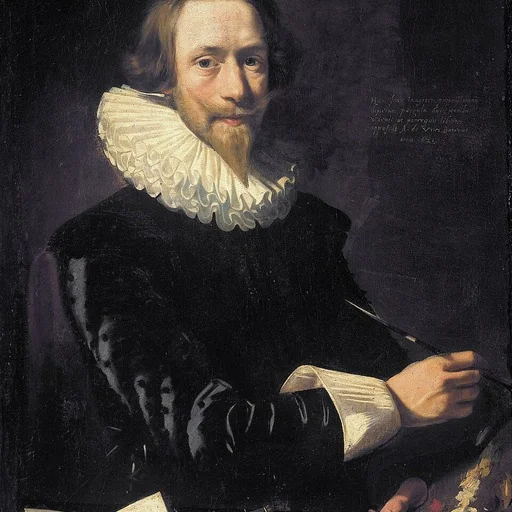
Abraham de Vries (c. 1590 – 1649 or 1650) was a Dutch painter who was one of the leading portraitists of his age. As he led a peripatetic lifestyle and worked in France, Antwerp and the Dutch Republic his stylistic…

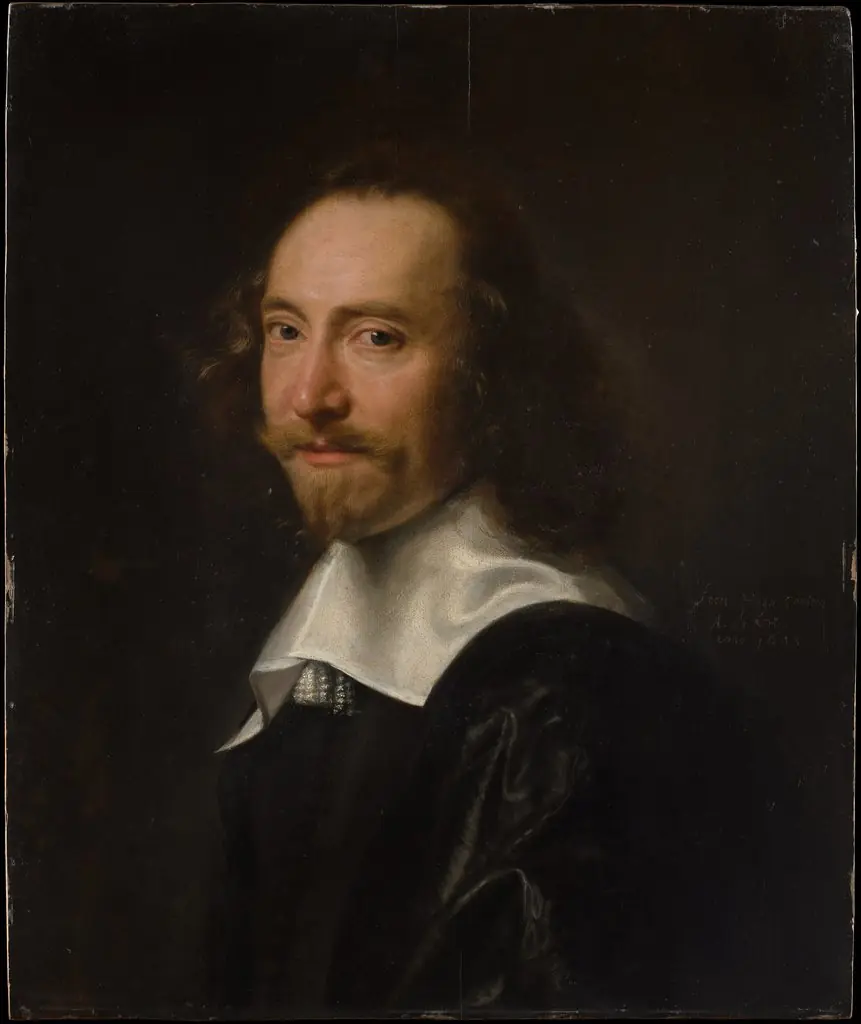
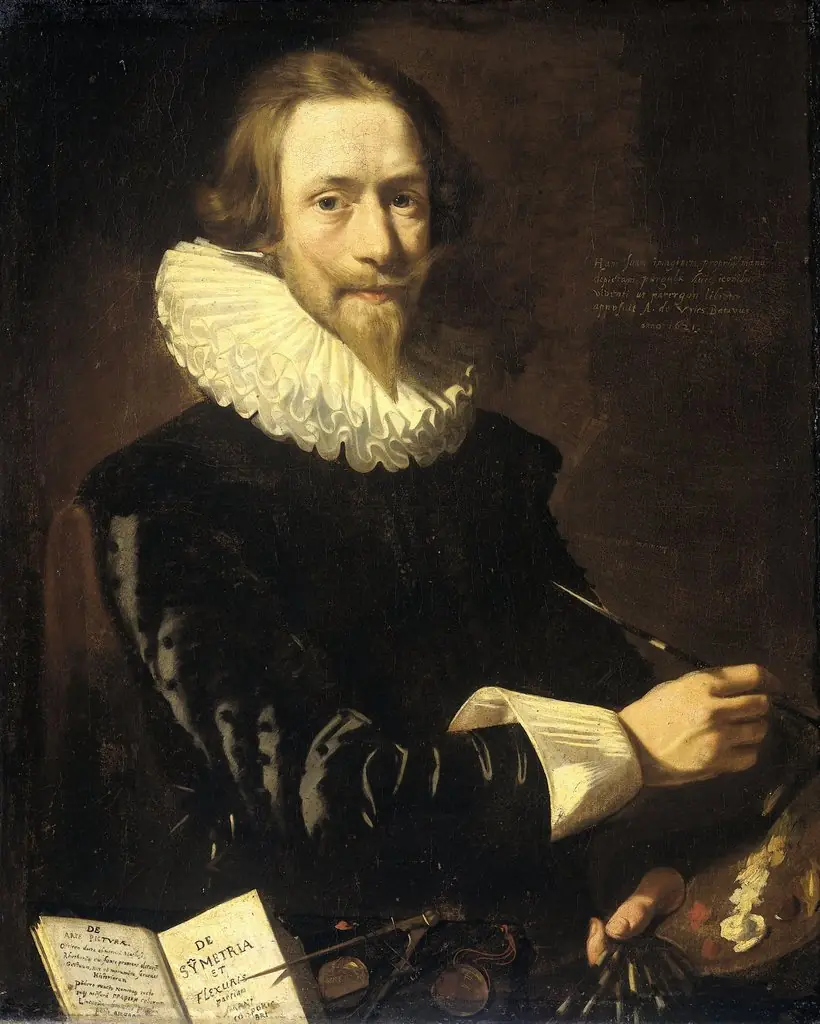
- Portrait of a Woman
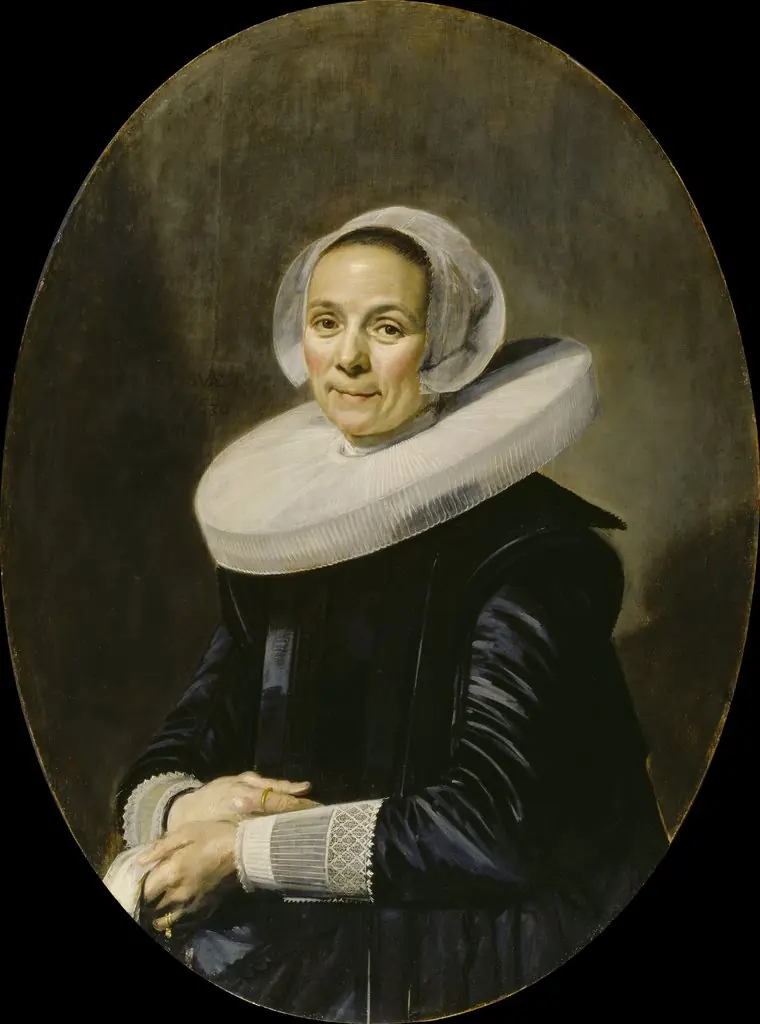 Portrait of a Woman
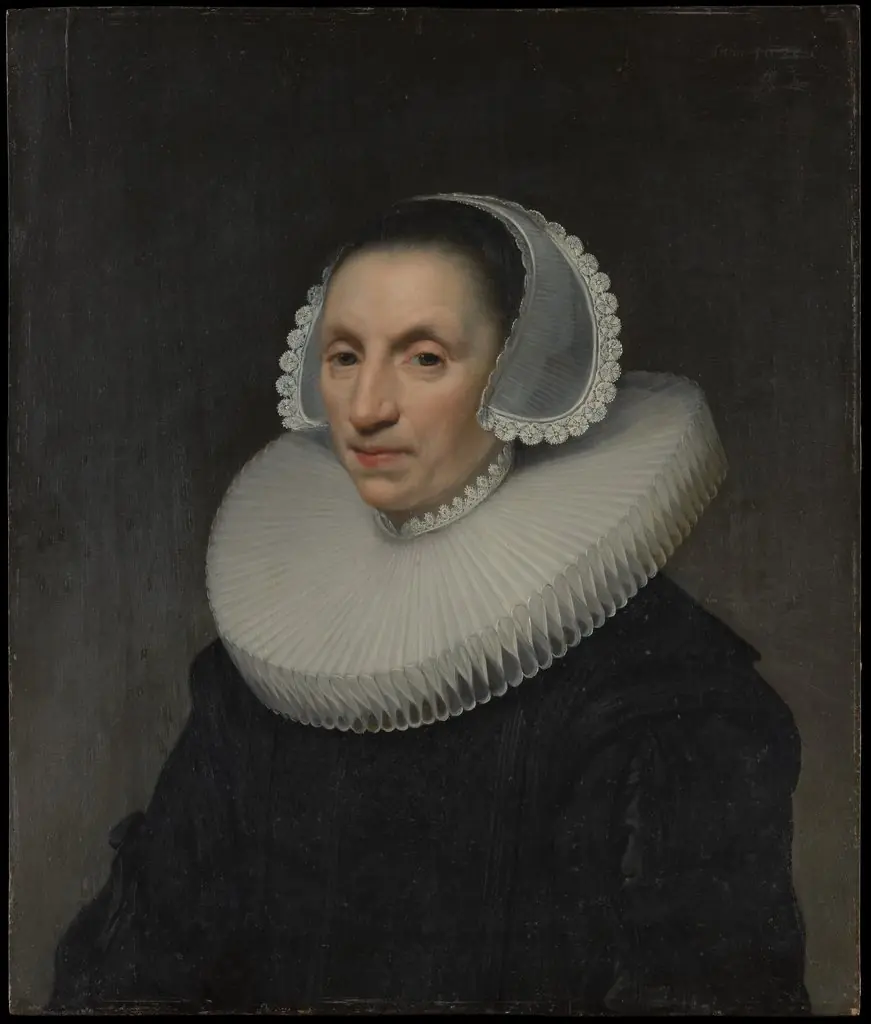
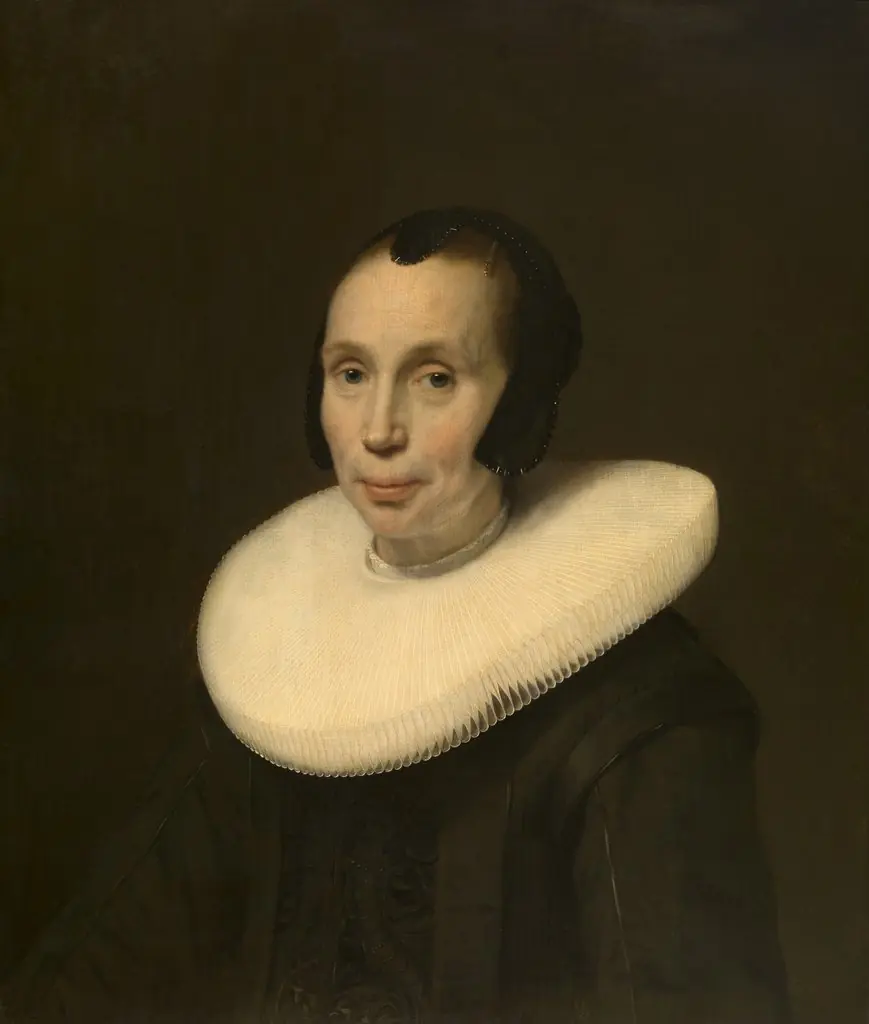 Portrait of a woman
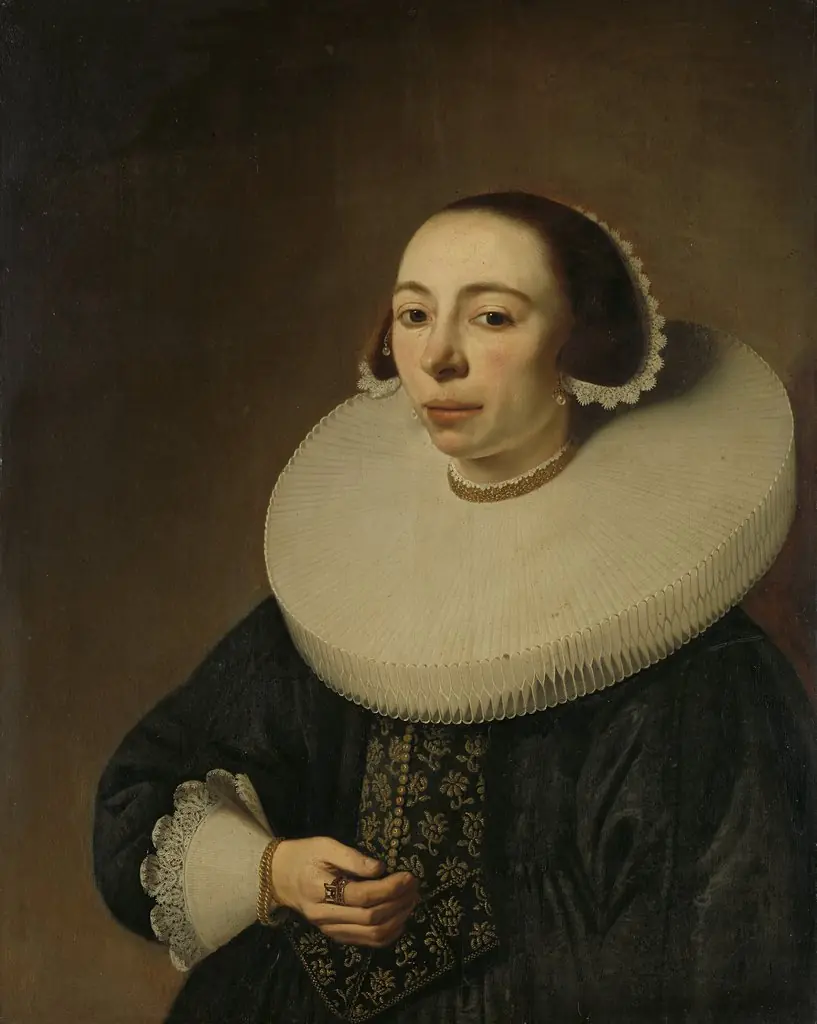 Portrait of a woman
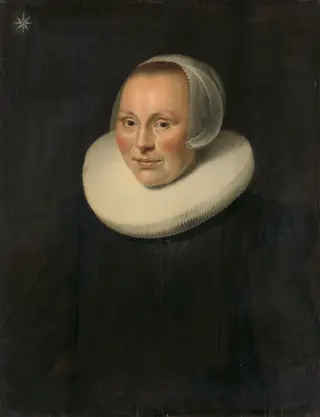 Portrait of a woman
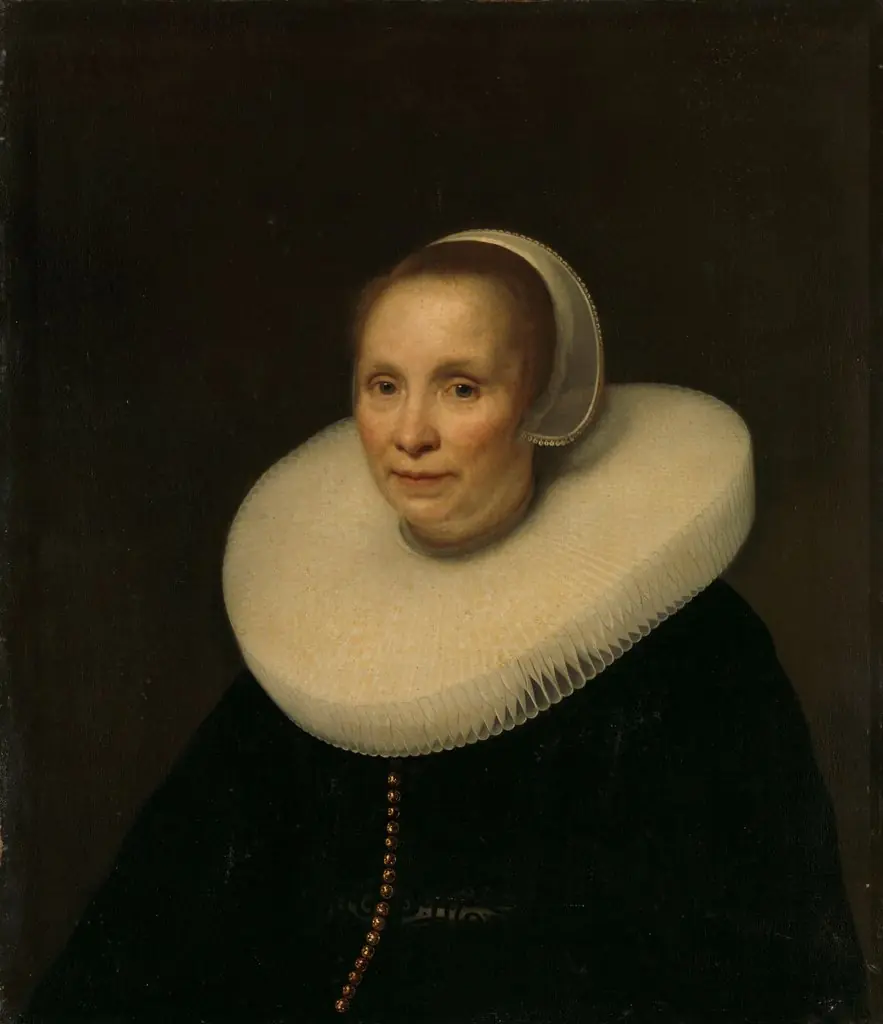 Portrait of a woman
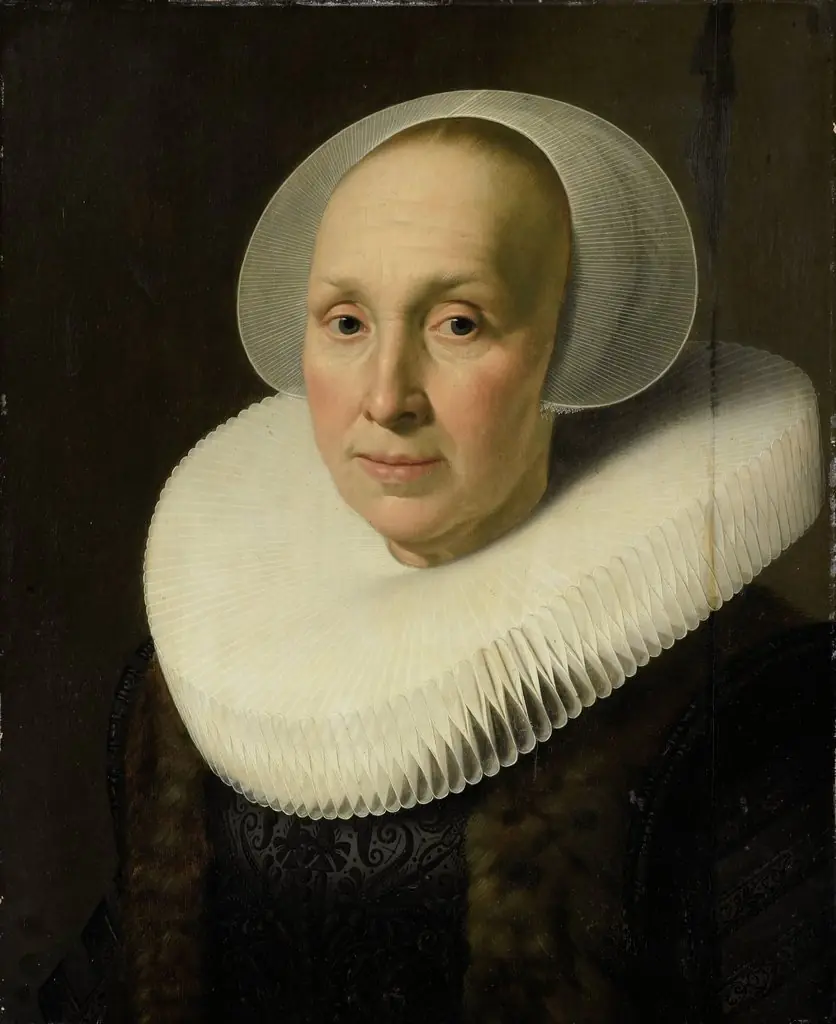 Portrait of Margriet Benningh (1565-1641)
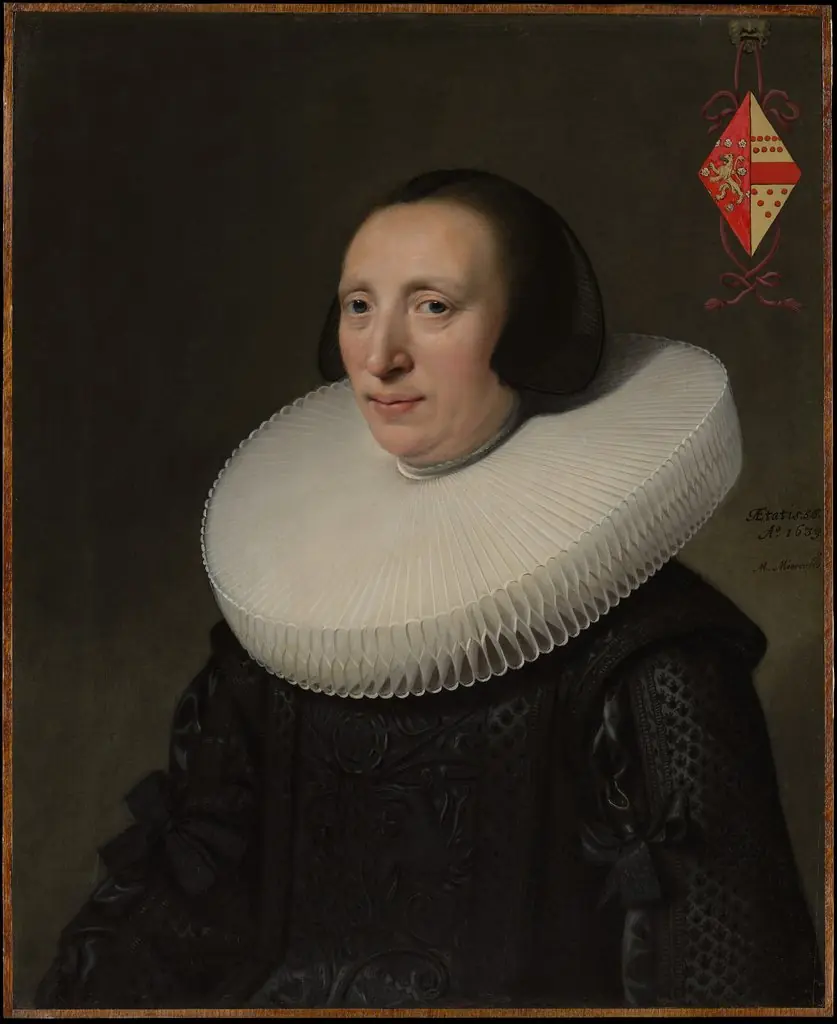 Margaretha van Clootwijk (born about 1580/81, died 1662), Wife of Jacob van Dalen
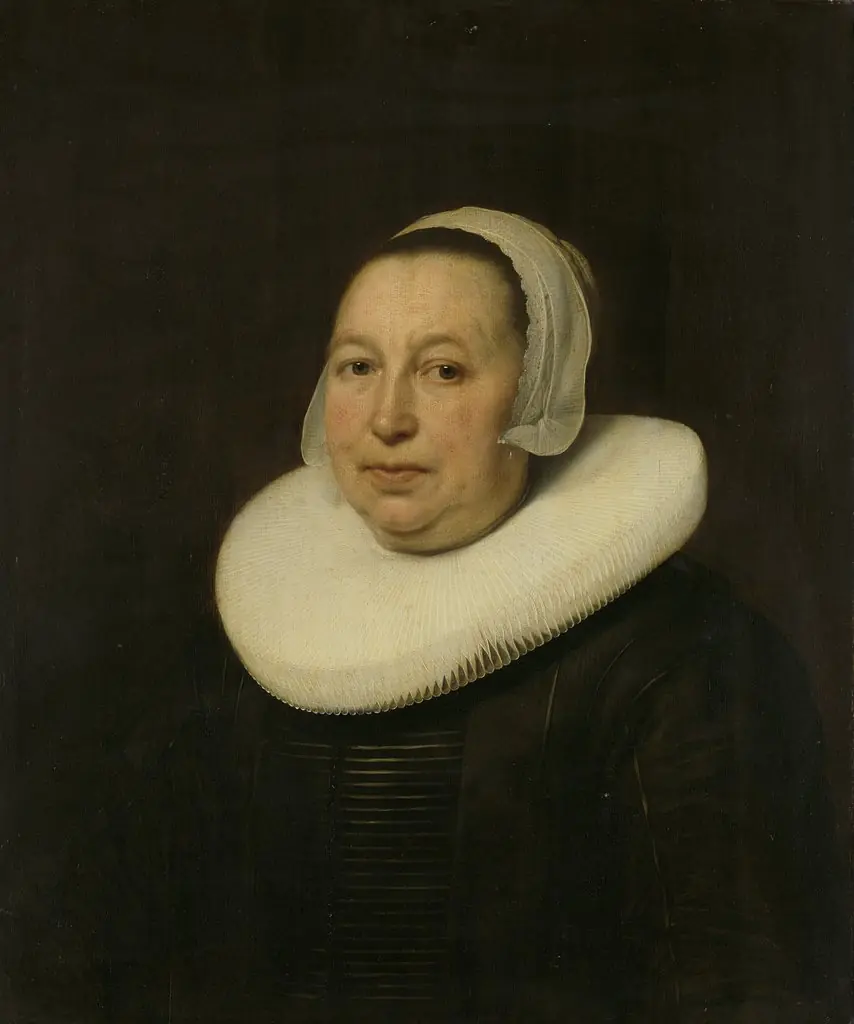 Maria Pietersdr de Leest (d 1652). Wife of Samuel van Lansbergen
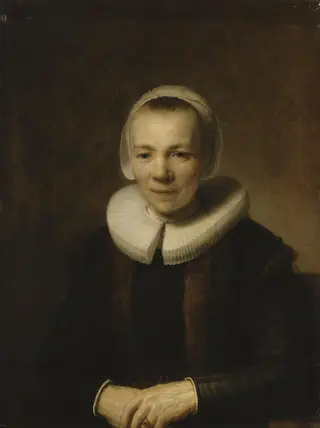 Portrait of Baertje Martens
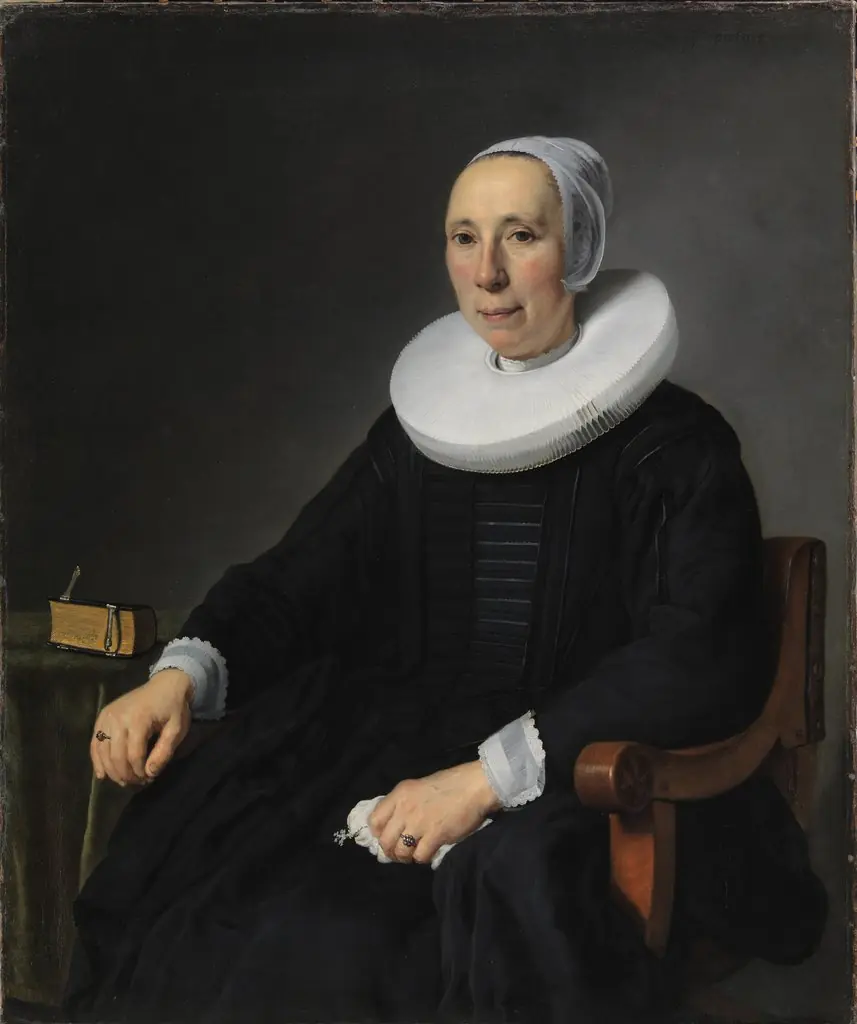 Portrait of a Lady
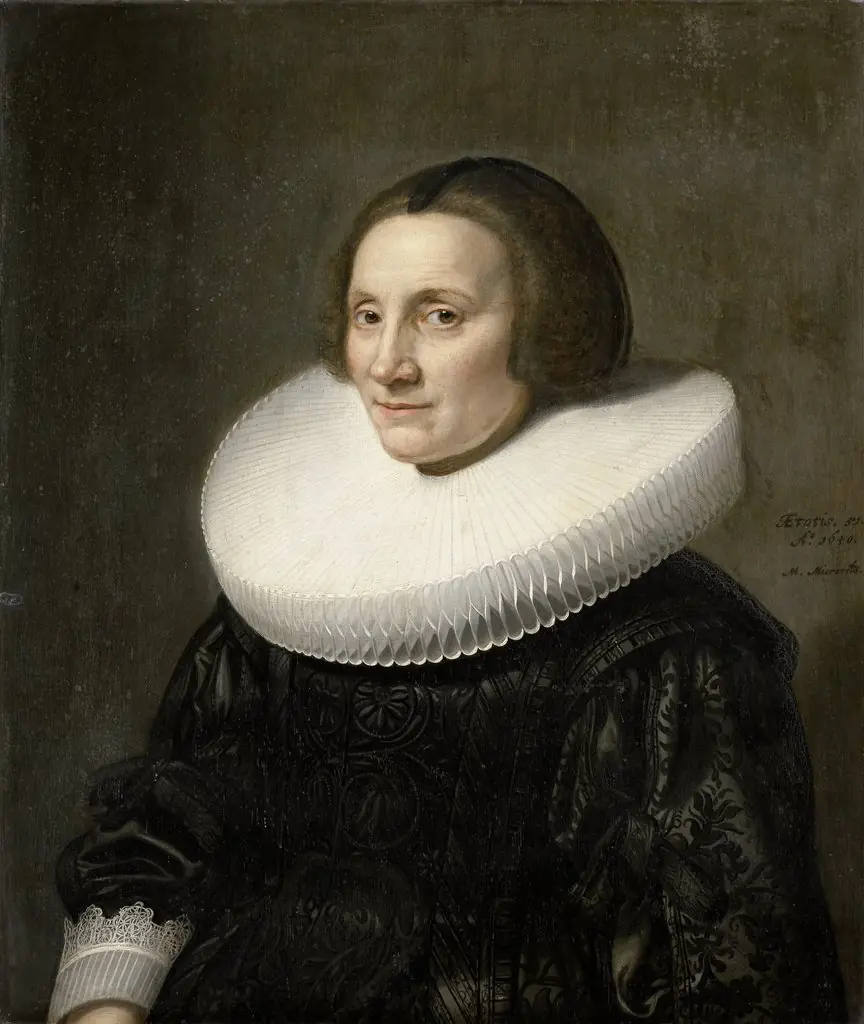 Portrait of Caecilia van Beresteyn (1589-1661)